Yes. Some dropshipping niches are better to avoid, especially for beginners.
The riskiest niches usually have high return rates, strict regulations, fragile shipping, low margins, counterfeit risk, or ad restrictions.
Common examples include supplements, baby safety products, branded replicas, generic electronics, bulky furniture, and broad fashion.
A safer approach is to choose products that are lightweight, easy to ship, legally simple, and not dominated by thousands of identical sellers.
For example, instead of supplements, sell fitness recovery tools. Instead of bulky furniture, sell lightweight home organization products.
Key Takeaways
- Some dropshipping niches are risky because they create problems after the sale, such as returns, refunds, shipping damage, ad rejections, or payment holds.
- Beginners should be careful with supplements, baby safety products, branded replicas, bulky items, generic electronics, broad fashion, and exaggerated problem-solving products.
- A good dropshipping niche should be easy to ship, legally simple, advertisable, and supported by reliable suppliers.
- Saturated niches are not always impossible, but they usually require stronger branding, better product quality, and clearer differentiation.
- If your current niche is causing problems, pivot into a safer adjacent category instead of restarting from zero.
Why Do Some Dropshipping Niches Fail?
Some dropshipping niches fail because the product looks profitable on the surface but becomes difficult to sell, ship, or support in practice.
Most bad niches usually have one or more of these problems:
- High return rates: Products like clothing, shoes, and cheap accessories often lead to returns because of sizing issues, quality expectations, or misleading product photos.
- Shipping problems: Heavy, bulky, fragile, or temperature-sensitive products can create high shipping costs, damaged deliveries, and refund requests.
- Legal or safety risks: Supplements, baby products, cosmetics, and safety gear may require compliance checks, labeling, testing, or certifications.
- Supplier quality issues: Poor materials, inconsistent stock, fake certifications, or copycat products can damage your store’s reputation quickly.
- Low margins and heavy competition: Generic products sold by hundreds of other stores often lead to price wars, expensive ads, and weak customer trust.
In short, a niche fails when the hidden costs are bigger than the visible demand. A product may get clicks, but if it creates refunds, chargebacks, ad issues, or supplier problems, it becomes difficult to scale profitably.
Dropshipping Niches to Avoid in 2026
Not every popular product category is beginner-friendly. Some niches attract high search demand, but they also come with returns, compliance issues, shipping problems, or intense competition that can quickly reduce profit margins.
Use this table as a quick filter before choosing a dropshipping niche. The goal is not to avoid every competitive category, but to avoid products where returns, regulations, shipping issues, or ad restrictions can make the business difficult to scale.
| Niche to Avoid | Why It Is Risky | What to Sell Instead |
| General clothing and fashion | High return rates due to sizing, fit, and quality expectations | Specific apparel sub-niches, gym accessories, lifestyle apparel |
| Generic electronics | Saturated market, quality complaints, and low trust | Tech organizers, workspace gadgets, eco-friendly accessories |
| Health supplements and consumables | Strict regulations, claim risks, and customer safety concerns | Fitness recovery tools, massage accessories, yoga products |
| Heavy or fragile products | High shipping costs, damaged deliveries, and refund risk | Lightweight decor, fabric storage, wall organizers |
| Seasonal trend products | Short demand window and poor timing risk | Evergreen hobby, pet, travel, or organization products |
| Branded or replica products | Counterfeit, trademark, and payment account risks | Private label or unbranded products with custom packaging |
| Cheap jewelry and accessories | Heavy saturation and inconsistent quality | Personalized jewelry, giftable sets, niche accessories |
| Children’s safety products | Liability risk and strict safety standards | Nursery decor, baby clothing accessories, non-safety baby gifts |
| Adult or sensitive products | Ad restrictions and payment processor issues | Self-care, sleep, hygiene, or wellness-adjacent products |
| Exaggerated problem-solving products | Refund risk, false-claim concerns, and ad disapprovals | Practical products with realistic, demonstrable benefits |
1. General Clothing and Fashion
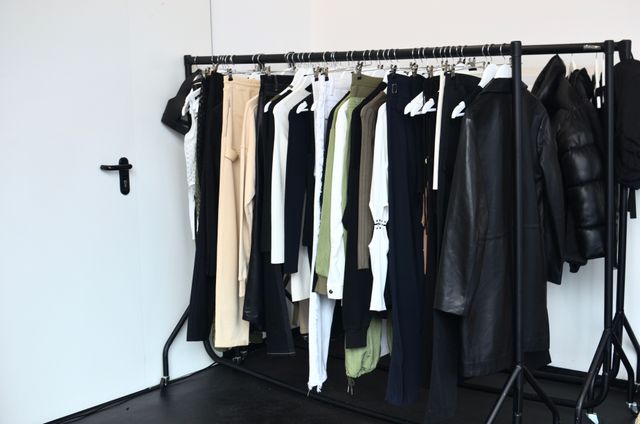
Broad fashion is one of the hardest dropshipping niches for beginners because returns are common. Customers may return items because of sizing issues, fabric quality, color differences, or poor fit.
The bigger issue is that fashion is also highly competitive. Many stores sell similar dresses, leggings, tops, and jackets, so it becomes difficult to stand out without strong branding, better product photos, and reliable sizing charts.
Better alternative: Instead of selling general fashion, focus on a specific sub-niche such as gym wear accessories, modest activewear, plus-size basics, or niche lifestyle apparel.
2. Generic Electronics and Phone Accessories
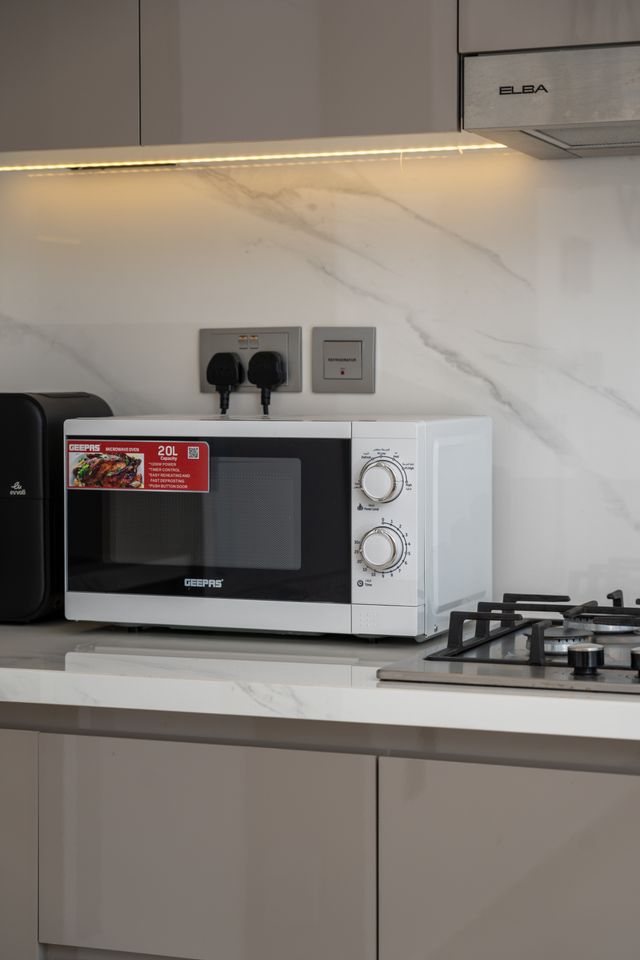
Generic electronics look attractive because demand is high, but the category is crowded and quality-sensitive. Products like chargers, earbuds, cables, and phone cases are already widely available on Amazon, local stores, and major marketplaces.
Low-quality electronics can also lead to complaints, refunds, and safety concerns. Even small defects can damage customer trust because buyers expect these products to work perfectly.
Better alternative: Consider practical tech accessories with a clearer angle, such as desk cable organizers, travel tech pouches, eco-friendly phone accessories, or workspace gadgets.
3. Health Supplements and Consumables

Health supplements, teas, pills, powders, and ingestible products are risky for dropshipping because they involve strict claims, labeling, and safety concerns. If a supplier provides unclear ingredients, exaggerated benefits, or poor documentation, the seller may still face customer complaints or platform issues.
This niche is especially risky for beginners because it requires strong compliance checks, product testing, and careful marketing language.
Better alternative: Avoid ingestible products and consider non-consumable wellness items such as massage tools, fitness recovery accessories, yoga products, posture support items, or shaker bottles.
4. Heavy, Bulky, or Fragile Products

Large furniture, mirrors, glass decor, ceramic products, and oversized items can be difficult to dropship profitably. Shipping costs are higher, delivery times may be longer, and damaged products can quickly wipe out your margins.
Even if the product has a good selling price, one broken delivery can create refunds, replacements, and unhappy customers.
Better alternative: Choose lightweight home products such as fabric storage, wall organizers, flat-pack decor, small lighting accessories, or unbreakable home improvement items.
5. Seasonal and Short-Lived Trend Products
Seasonal products can sell well for a short period, but timing matters. If you enter too late, ad costs may rise, competitors may flood the market, and demand may disappear before your products arrive.
This is common with holiday products, viral TikTok items, summer gadgets, and short-term novelty products.
Better alternative: Choose evergreen products that can still be marketed seasonally, such as pet accessories, hobby products, travel organizers, outdoor gear, or home organization products.
6. Branded, Trademarked, or Replica Products
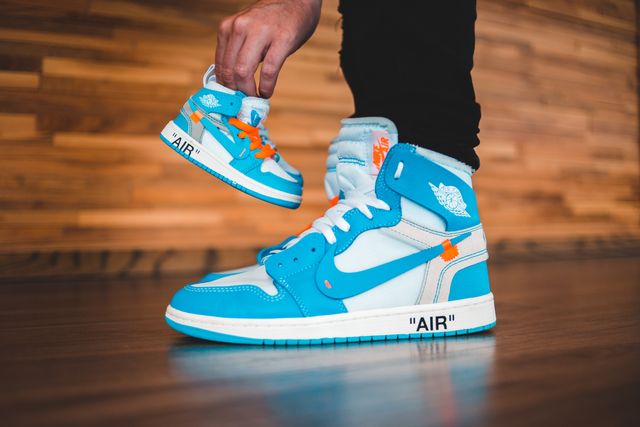
Branded replicas, fake designer products, character merchandise, and trademarked items are dangerous for dropshippers. They can lead to store takedowns, payment holds, ad account bans, and legal complaints.
Even if a supplier claims the product is “inspired by” a famous brand, it can still create intellectual property problems.
Better alternative: Focus on unbranded or private label products that can be customized with your own packaging, design, or positioning.
7. Cheap Jewelry and Low-End Accessories
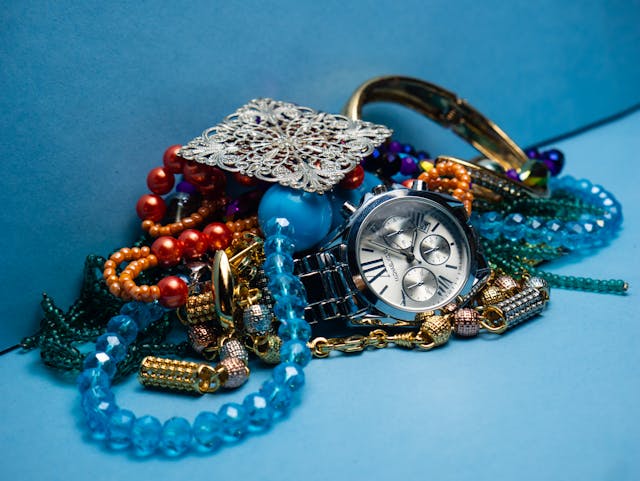
Cheap jewelry is easy to source, but it is also extremely saturated. Many sellers offer similar rings, bracelets, necklaces, and earrings at very low prices, making it difficult to build strong margins.
Quality can also be inconsistent. Poor plating, skin irritation, broken clasps, or products that look cheaper than the photos can lead to refunds and negative reviews.
Better alternative: Consider personalized jewelry, giftable accessory sets, niche aesthetic pieces, or higher-perceived-value accessories with better packaging.
8. Children’s Safety Products

Products like car seats, cribs, baby carriers, helmets, teething products, and child safety equipment carry serious liability risk. These products often require strict safety standards, testing, and certifications.
For beginners, this niche is not worth the risk unless you fully understand the compliance requirements and can verify supplier documentation.
Better alternative: Choose lower-risk baby and kids products such as nursery decor, baby clothing accessories, storage baskets, milestone props, or non-safety gift items.
9. Adult or Sensitive Products

Adult products can be profitable, but they are difficult to advertise through mainstream channels. Platforms like Meta, TikTok, Google, and some payment processors may restrict or reject certain products, landing pages, or ad creatives.
This makes scaling harder, especially if your store depends heavily on paid ads.
Better alternative: Consider broader self-care, sleep, hygiene, or wellness-adjacent products that are easier to advertise and position.
10. “Too Good to Be True” Problem-Solving Products
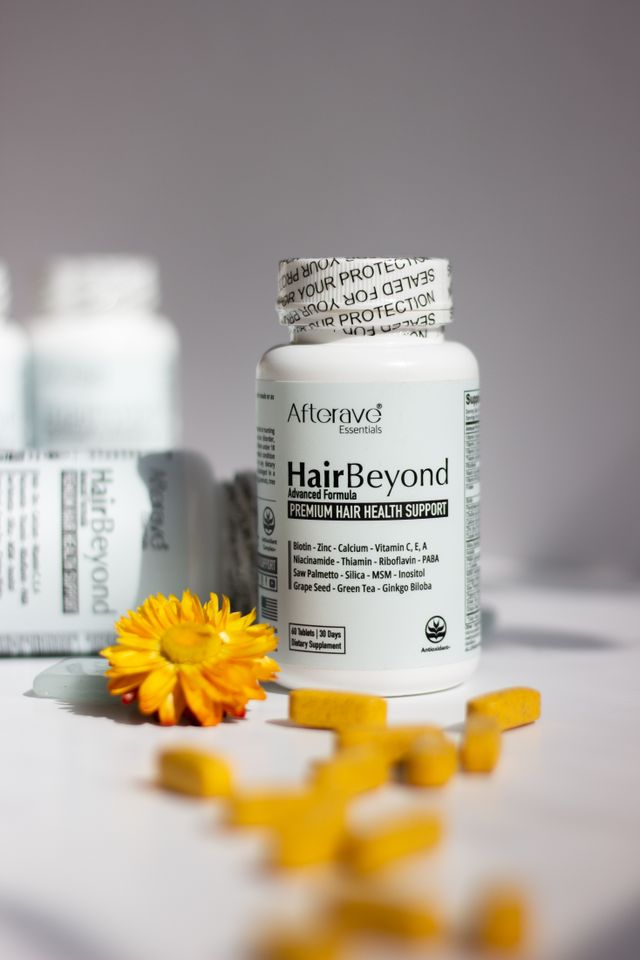
Products that promise instant weight loss, pain relief, hair growth, posture correction, or medical-style results are risky. They often rely on exaggerated claims, which can lead to refund requests, ad rejections, and customer distrust.
If the product cannot realistically deliver what the ad suggests, it is not a strong long-term niche.
Better alternative: Sell practical problem-solving products with clear, realistic use cases, such as ergonomic desk accessories, basic fitness tools, home organization items, or comfort-focused lifestyle products.
The Niche Avoidance Checklist: 7 Questions Before You Commit

Before you build a store around any niche, run it through this checklist. If the answer is “yes” to several of these questions, the niche may be too risky for beginners.
- Can the product break during shipping? Fragile items like glass, mirrors, ceramics, and delicate decor can lead to damaged deliveries, replacements, and refund requests.
- Does the product go on or inside the body? Supplements, cosmetics, skincare, and ingestible products may require stricter compliance, better documentation, and careful marketing claims.
- Is the product related to babies, children, pets, or safety? Products like car seats, helmets, baby carriers, pet supplements, and safety gear can carry higher liability risk.
- Does it require certifications, testing, or special labeling? If a product needs FDA, CE, CPSC, or other compliance checks, do not rely only on a supplier’s claim. Ask for proper documentation first.
- Is the product already everywhere on Amazon, Temu, or local marketplaces? If customers can buy the same item faster and cheaper elsewhere, you need a stronger reason for them to buy from your store.
- Is the product likely to be returned because of size, fit, color, or expectations? Fashion, shoes, jewelry, and beauty items often create return issues when the product does not match the customer’s expectation.
- Can you advertise it safely on Meta, TikTok, Google, and marketplaces? If the product depends on restricted claims, adult content, medical promises, or sensitive before-and-after ads, scaling may be difficult.
Platform Restrictions Dropshippers Should Check First
Before choosing a dropshipping niche, check whether you can actually list, advertise, and accept payments for that product. Some products are legal to sell but still restricted by marketplaces, ad platforms, or payment processors.
For example, Amazon requires sellers to follow both local laws and Amazon’s own restricted product policies, especially for categories like cosmetics, supplements, medical devices, electronics, food, and hazardous goods.
TikTok Shop also has prohibited product rules, including restrictions around certain used, unsafe, regulated, or sensitive products.
Ad platforms are another issue. Meta requires advertisers to follow its Advertising Standards, and products involving health claims, adult content, misleading claims, or sensitive personal attributes can face rejections or account restrictions.
Payment processors can also block risky niches. Shopify Payments states that some business types and products are not supported, even if they are legal businesses.
Shopify’s Shop channel also prohibits categories such as age-restricted products, cannabis, drugs, medication, weapons, hazardous materials, and mature adult content.
In practice, check these areas before committing to a niche:
- Marketplace rules: Amazon, eBay, Etsy, TikTok Shop, and Walmart may restrict or require approval for certain categories.
- Ad platform rules: Meta, TikTok, Google, and Pinterest may reject products with medical, adult, misleading, or sensitive claims.
- Payment rules: PayPal, Stripe, and Shopify Payments may freeze or review accounts in higher-risk categories.
- Shipping rules: Batteries, liquids, powders, cosmetics, magnets, and hazardous goods may need special handling.
- Country-specific rules: A product that is allowed in one market may require labeling, testing, or certification in another.
The safest approach is to check restrictions before sourcing samples or building your store. A niche is only worth pursuing if you can sell it, ship it, advertise it, and collect payments without constant platform problems.
How to Pivot If You Picked a Bad Dropshipping Niche
If you picked a bad dropshipping niche, do not immediately shut everything down. First, identify what is actually causing the problem: returns, shipping costs, supplier quality, ad restrictions, weak margins, or low customer trust.
Once you know the issue, you can often pivot without rebuilding your entire store from scratch.
Start by reviewing your current product performance:
- If returns are high: move away from sizing-sensitive or expectation-heavy products.
- If shipping costs are too high: switch to lighter, smaller, or less fragile items.
- If ads keep getting rejected: remove risky claims and test safer product angles.
- If margins are too low: look for products with better perceived value, bundles, or private label potential.
- If supplier quality is inconsistent: request samples, compare suppliers, or work with a sourcing partner before scaling.
The easiest pivot is usually into an adjacent niche. For example, if clothing is causing return issues, you might move into accessories, gym bags, or lifestyle products for the same audience.
If supplements are too risky, you can shift into fitness recovery tools or wellness accessories. If fragile home decor is creating refund problems, you can move into lightweight storage, textiles, or unbreakable decor.
This is also where better sourcing matters. A sourcing partner like NicheDropshipping can help you find alternative products, verify supplier quality, customize packaging, and arrange more reliable fulfillment from China.
That way, you are not just switching products randomly; you are building a safer product line with better control over quality and shipping.
FAQs
What dropshipping niches should beginners avoid?
Beginners should avoid niches with high return rates, strict regulations, fragile shipping, or heavy advertising restrictions. Common examples include supplements, baby safety products, branded replicas, generic electronics, bulky furniture, and broad fashion.
Why do most dropshippers fail?
Most dropshippers fail because they choose products without checking margins, supplier reliability, shipping times, return risk, or ad costs. A product may look profitable, but if it creates refunds, poor reviews, or expensive customer support, it becomes hard to scale.
What is the riskiest dropshipping niche?
Health supplements are one of the riskiest niches for beginners because they involve ingredient safety, labeling, marketing claims, and possible regulatory issues. Baby safety products and branded replicas are also high-risk categories.
Are supplements good for dropshipping?
Supplements are usually not a good dropshipping niche for beginners. They can involve strict regulations, customer safety concerns, product claims, and supplier verification issues. Non-consumable wellness products are usually safer.
Is clothing a bad dropshipping niche?
Clothing is not always bad, but broad fashion is difficult for beginners. Sizing issues, fit expectations, fabric quality, and color differences can cause high return rates. Focused apparel sub-niches are usually easier to manage than general fashion stores.
What are low-risk dropshipping niches for beginners?
Lower-risk niches usually include lightweight, non-fragile, easy-to-explain products with fewer compliance concerns. Examples include home organization, pet accessories, hobby products, travel accessories, fitness tools, and giftable lifestyle products.
What dropshipping products have high profit margins?
Products with high perceived value often have better margin potential. Examples include personalized accessories, bundles, niche hobby products, beauty tools, home organization items, and private label products. Always check landed cost, shipping, ad costs, and return risk before assuming profit.
Is dropshipping still worth it in 2026?
Yes, dropshipping can still be worth it in 2026, but it is harder to win with random trending products. Sellers need better product research, reliable suppliers, faster fulfillment, stronger branding, and clearer differentiation.
Can I make $10,000 per month dropshipping?
It is possible, but not guaranteed. Reaching $10,000 per month depends on product margins, ad performance, supplier reliability, conversion rate, customer support, and repeat purchase potential. Beginners should focus on validating one winning product before scaling.
How do I know if a dropshipping product is too risky?
A product may be too risky if it needs certifications, breaks easily, has high return potential, makes medical or exaggerated claims, uses trademarks, or is restricted by ad platforms or payment processors. Check these risks before testing the product.