Dropshipping might seem like a straightforward path to e-commerce success, but it’s not without its pitfalls.
At its core, dropshipping is a method where you, the retailer, sell products to consumers without holding any inventory; when an order comes in, you pass it to a third party who ships the goods directly to the customer.
Sounds simple, right? Yet, when exploring this seemingly attractive business model, it’s crucial you remain vigilant about the potential for scams.
The prevalence of dropshipping fraud can’t be ignored, as fraudsters have found ways to exploit unwary entrepreneurs.
These deceptive practices range from selling counterfeit products to setting up fake suppliers, and the risks can jeopardize not only your investment but also your brand’s reputation.
Want to avoid becoming a victim? Then continue reading as we uncover some of the most common dropshipping scams and how to sidestep them.
Key Takeaways
- Dropshipping is a legitimate business model with an associated risk of scams.
- To safeguard your venture, be alert to counterfeit goods, fake suppliers, and much more.
- Implement vetting procedures and stay informed to prevent falling prey to dropshipping fraud.
What Is Dropshipping and How Does It Work?
Dropshipping is an ecommerce fulfillment model where you list products in your online store, collect customer orders, and send those orders to a supplier or dropshipping agent for fulfillment. The supplier stores, packs, and ships the product directly to your customer, so you do not need to hold inventory yourself.
In practice, the biggest risks appear when sellers rely on unverified suppliers, unclear shipping timelines, or products that are never inspected. Working with a dropshipping agent service like nichedropshipping can help centralize sourcing, quality checks, warehousing, and fulfillment.
The Dropshipping Process
Here’s a basic outline of how dropshipping works:
- List Products: You list products for sale on your website.
- Customer Orders: A customer places an order on your site, paying the retail price you’ve set.
- Supplier Fulfillment: You forward the order to your supplier, paying the wholesale price.
- Product Shipped: The supplier ships the product directly to the customer.
The difference between the retail and wholesale prices is your profit.
Why Choose Dropshipping?
- Low Startup Costs: You don’t need to invest in inventory.
- Flexibility: Operate from anywhere with internet access.
- Wide Selection: Offer a vast array without stock limitations.
Remember that successful dropshipping relies on a trustworthy relationship with your suppliers and understanding your customers’ needs.
Keep informed about potential dropshipping scams and continually vet your suppliers to ensure that your dropshipping business remains a reputable and ethical enterprise.
Is Dropshipping a Scam?
No, dropshipping is not a scam. It is a legitimate ecommerce fulfillment model where a supplier ships products directly to your customer.
The risk comes from fake suppliers, misleading product listings, hidden fees, and sellers who overpromise results.
A safe dropshipping business depends on supplier vetting, product inspection, transparent pricing, and reliable fulfillment.
Quick Facts
- Dropshipping itself is legal and widely used by Shopify and ecommerce sellers.
- The safest approach is to verify suppliers, test products, confirm fees, and inspect orders before shipping.
- A dropshipping agent can reduce risk by handling sourcing, QC, warehousing, and fulfillment from verified suppliers.
Legit Dropshipping vs. Dropshipping Scams
The difference usually comes down to transparency. A legitimate dropshipping setup has clear supplier information, realistic shipping times, verified product quality, visible fees, and a process for handling refunds or complaints.
A scam usually hides the details. You may see vague supplier names, copied product images, unrealistic profit claims, pressure to pay upfront, or no clear fulfillment process.
Choose this:
- Suppliers who can show business details, product videos, samples, or inspection options.
- Clear pricing that separates product cost, shipping cost, packaging, and service fees.
- Realistic delivery timelines based on destination and shipping method.
- Agents or suppliers who explain MOQ, QC, returns, and fulfillment limits upfront.
- Products with clear photos, specs, materials, dimensions, and packaging details.
Avoid this:
- Anyone promising “easy passive income” or guaranteed profits.
- Suppliers who only accept risky payment methods and avoid written terms.
- Product listings using stolen brand names or unrealistic photos.
- Hidden membership fees before you can view real product costs.
- Agents who refuse samples, inspection photos, tracking details, or refund policies.
| Area | Legit Dropshipping Business | Dropshipping Scam Store |
| Supplier | Verified supplier, factory, or agent with clear communication | Fake supplier, copied profile, or no traceable business details |
| Product Claims | Accurate specs, realistic photos, and inspected shipments | Misleading images, counterfeit branding, or exaggerated claims |
| Pricing | Product, shipping, packaging, and service fees are clear | Hidden fees appear after payment or during fulfillment |
| Shipping | Realistic timelines with tracking and clear carrier options | Vague delivery promises, fake tracking, or repeated delays |
| Customer Protection | Refund, replacement, and complaint process exists | No response after payment or after customer complaints |
| Business Model | Built around testing, margins, QC, and repeat buyers | Built around hype, urgency, and unrealistic income claims |
Why Do Many People Believe Dropshipping Is a Scam?
Dropshipping is a legitimate retail fulfillment model, but it is often viewed negatively because many people have experienced the worst version of it: misleading ads, poor customer support, slow shipping, weak quality control, and overhyped “get-rich-quick” courses.
People are skeptical of dropshipping for several concrete reasons:
- Deceptive Seller Practices: Some stores use copied product photos, exaggerated claims, or “premium brand” positioning for ordinary marketplace products. When customers discover the same item elsewhere at a much lower price, the store feels dishonest.
- Long Shipping Times: Many complaints on Reddit and ecommerce forums come from customers waiting weeks for international delivery. The issue becomes worse when stores advertise fast shipping but do not explain real fulfillment timelines.
- Poor Product Quality: Customers often associate dropshipping with products that arrive looking different from the ad. This usually happens when sellers rely on supplier photos without ordering samples or inspecting products before shipment.
- Fake Gurus and Oversold Courses: A major reason dropshipping has a bad reputation is the way it is marketed online. Some course sellers promise fast income, easy automation, or “passive income” without explaining supplier vetting, margins, refunds, chargebacks, or customer support.
- Reddit and UGC Skepticism: On Reddit, people are often critical because they see dropshipping as low-effort ecommerce built around copied products and poor buyer experience. Some of that criticism is valid, especially when sellers skip product validation, QC, and transparent shipping policies.
The core issue is not dropshipping itself. The risk comes from unverified suppliers, misleading marketing, unclear delivery timelines, and sellers who treat fulfillment as an afterthought.
Common Dropshipping Scams to Watch Out For in 2026
1. Counterfeit Products
Counterfeit and misrepresented products are among the fastest ways to damage a store. This happens when a supplier claims a product is branded, premium, handmade, or made from a specific material, but ships something different. It can also happen when sellers use supplier images without checking the real item first.
How to Detect: A good way to detect counterfeit products are, luxury logos, “authentic” branded items at unusually low prices, vague material details, and product photos that appear on many unrelated stores.
Prices that seem too good to be true can also indicate counterfeit goods. Online marketplaces often provide feedback and reviews that can help you identify if previous customers received authentic products.
How to Avoid: To effectively steer clear of counterfeit items:
- Vet Suppliers: Conduct thorough research on your suppliers. Partner with those who have a credible history and positive reviews.
- Purchase Samples: Before large orders, buy samples to personally verify the authenticity and quality.
- Use Secure Payment Methods: This ensures transactions are protected and you have recourse in case fraud is detected.
- Stay Informed: Regularly update yourself on how to reduce your chances of buying counterfeit products and the latest tactics counterfeiters use.
2. Deceiving Samples
Some suppliers send a polished sample to win your order, then ship a lower-standard version once fulfillment begins. This is especially common with products where small changes are hard to notice from photos, such as fabric thickness, stitching, electronics, packaging, or accessories.
How to Detect:
- Check for Consistency: If you’ve received a sample that seems too good to be true, it’s crucial to test the supplier’s consistency. Order a few more samples at different times to ensure quality remains the same.
- Research the Supplier: Look for reviews of the supplier online. If others have reported a decline in product quality, this is a red flag.
- Inspect Product Details: Examine the sample carefully. Authentic products have quality materials and finishes, while counterfeit items often have noticeable flaws and cheaper materials.
How to Avoid:
- Document Everything: Take detailed photos and notes of the sample you receive. This documentation can be crucial if the quality of the products shipped to customers doesn’t match what you were promised.
- Use Reliable Suppliers: Establish relationships with reputable suppliers known for their quality and reliability. This can often be identified by their historical reviews and time in the industry.
- Sample Multiple Products: Don’t stop at one. Order samples of various products to confirm consistent quality across the board.
- Set Clear Expectations: Communicate clearly with your supplier about the quality standards you expect for your customers. Make sure these expectations are part of any contractual agreement.
3. Fake Suppliers and Reviews

Fake suppliers often look legitimate at first glance. They may have polished product listings, copied factory photos, fake reviews, and fast replies before payment. Once you pay, communication becomes slower, pricing changes, or fulfillment never happens.
How to Detect:
- Inconsistent Contact Information: Verify the provided phone numbers, email addresses, and physical locations. Cross-reference these details with official registries.
- Poor Quality Websites: Often, fake suppliers have low-quality websites with broken links, typos, and outdated information.
- No Business History: A genuine supplier likely has a track record you can investigate. Look for trade show participations, industry affiliations, and customer testimonials.
- Pressure Tactics: Be wary of suppliers who apply high-pressure sales tactics or push for immediate decisions.
- Overly Positive Language: Watch for excessively glowing reviews that lack specific details.
- Similar Wording Across Reviews: Copy-pasted or very similar reviews can be a sign of fabrication.
- Timing of Reviews: A large number of reviews posted within a short timeframe might indicate a scam.
How to Avoid:
- Conduct Due Diligence: Research each supplier thoroughly. Check for business licenses and read through real customer testimonials.
- Seek Verifiable References: Ask for references and follow up with them to verify their experiences.
- Sample Products: Request samples to assess product quality, counterfeit products often reveal themselves in poor craftsmanship.
- Use Trusted Platforms: Stick to reputable platforms or marketplaces that have mechanisms to vet and verify reviews.
- Fact-Check Reviewer Profiles: Look for history and consistency in reviewer activity across other products or services.
4. Pre-Built / Done-for-You Store Scams

Pre-built store scams target beginners who want a shortcut. The seller promises a ready-made Shopify store with “winning products,” supplier access, ad creatives, and guaranteed income. In reality, many of these stores use recycled templates, saturated products, copied descriptions, and weak supplier setups.
How to Detect
- Question revenue claims: Ask for verified traffic, order history, ad spend, conversion rate, and profit data.
- Check supplier access: See whether the store has real fulfillment partners or only imported marketplace listings.
How to Avoid
- Evaluate it like a business asset: Review margins, traffic sources, refund history, supplier terms, and fulfillment process.
- Avoid guaranteed income promises: No pre-built store can guarantee results without testing, traffic, and operations.
5. Disappear After Payment

In this scam, a supplier or agent collects payment for samples, inventory, packaging, or shipping, then stops replying. It often happens when sellers accept informal payment terms too quickly.
How to Detect:
- Unexpected Communication Breakdown: After payment, if the supplier stops responding to your messages, it’s a red flag.
- Lack of Order Confirmation: You should always receive a confirmation after payment. Silence suggests a scam.
- Check identity details: Verify company name, address, payment account, and contact information before paying.
How to Avoid:
- Perform Due Diligence: Research suppliers thoroughly before making any payments.
- Use Secure Payment Methods: Opt for payment channels that offer buyer protection in case of fraud.
- Keep written records: Save invoices, chat history, product specs, shipping promises, and refund terms
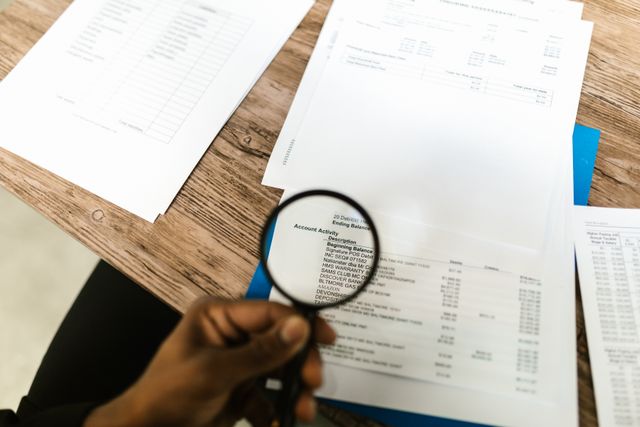
Hidden fees make a product look profitable at first, then reduce your margins later. These may include handling fees, repacking fees, storage fees, remote-area delivery charges, payment fees, label fees, or app membership costs.
How to Detect:
Detecting hidden fees in dropshipping requires scrutinizing each supplier’s pricing structure carefully. Always examine the fine print of any contracts or agreements.
Be on the lookout for terms like “handling fees,” “service charges,” or “processing fees” that may not be clearly disclosed upfront.
- Review Supplier Agreements: Thoroughly read all supplier contracts and terms of service.
- Ask Direct Questions: Inquire with your supplier about all potential fees beyond the cost of the items.
- Monitor Statements: Regularly check payment statements for any unexplained or unexpected charges.
How to Avoid:
To avoid hidden fees, it’s crucial to do due diligence when selecting dropshipping partners. Here’s how to safeguard yourself against unnecessary expenses:
- Negotiate Terms: Before agreeing to a partnership, discuss all fees and push back on any that seem unreasonable.
- Choose Reputable Suppliers: Partner with suppliers with transparent pricing and a proven track record.
- Keep Communication Open: Maintain an open line of communication regarding any changes in fees with regular check-ins.
7. Sales Rep Scam

Beware of sales representatives who may appear trustworthy but intend to defraud you by offering counterfeit products or irresistible prices. These scams often involve requests for direct payment to personal accounts, bypassing legitimate business channels.
How to Detect:
- Incredible Deals: If an offer from a sales rep seems too good to be true, it might be a scam. Authentic brands rarely offer high-end products at extremely low prices.
- Unverified Identity: Scrutinize the sales rep’s credentials. Fraudulent and unscrupulous reps often lack proper identification or association with the authentic brand.
How to Avoid:
- Verify Legitimacy: Always check if the sales rep is officially connected to the brand they are representing. This can include reaching out to the company directly.
- Secure Payment Methods: Use trusted payment methods and platforms that offer buyer protection. Avoid transferring money to personal accounts.
8. Automation Software / App Scams
Some apps claim dropshipping can run fully on autopilot. Automation can help with importing products, syncing orders, and tracking inventory, but it cannot replace supplier vetting, QC, customer support, or refund handling.
How to Detect
- Read feature limits carefully: Check what the app actually automates and what remains your responsibility.
- Watch billing terms: Look for unclear subscriptions, difficult cancellation, add-on fees, or vague supplier claims.
How to Avoid
- Use tools as support, not the whole business: Keep control over supplier selection, pricing, product checks, and customer policies.
- Test before scaling: Run small batches before depending on any app for regular fulfillment.
9. Get-Rich-Quick Schemes
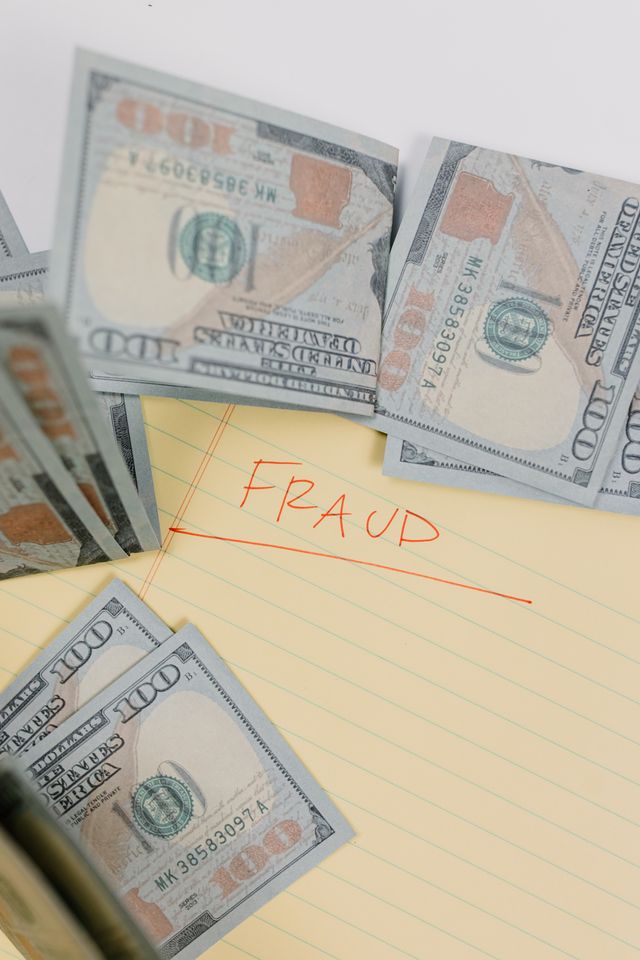
These scams make dropshipping sound like fast passive income. They often focus on income screenshots, lifestyle marketing, and “secret products,” while ignoring margins, ad costs, supplier issues, chargebacks, refunds, and customer service. They lure you with promises of easy money but risk your investment, reputation, and customer trust.
How to Detect: Detecting get-rich-quick schemes in dropshipping requires vigilance. Look for:
- Unsubstantiated Claims: If you encounter promises of excessive profits with little effort, be cautious.
- Pressure Tactics: Scammers often create a sense of urgency, pushing you to act quickly.
- Look beyond testimonials: Be careful with fake student results, rented lifestyle content, and unrealistic profit claims.
How to Avoid:
Avoiding get-rich-quick schemes in your dropshipping business involves:
- Research: Always conduct comprehensive research on any potential dropshipping partner.
- Transparency: Seek transparency in all dealings. Legitimate suppliers have nothing to hide.
- Due Diligence: Perform due diligence in verifying supplier credibility and customer satisfaction.
- Avoid pressure tactics: Be cautious with countdown timers, “limited spots,” and promises of overnight income.
10. Supplier Impersonation & Phishing
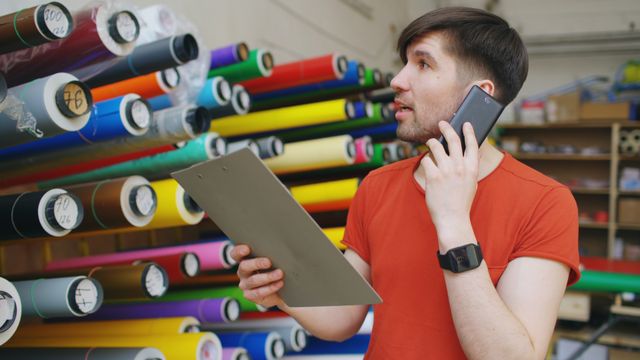
Scammers may impersonate a real supplier, agent, marketplace, or payment department. They may use a similar email address, copied logo, fake invoice, or message asking you to send payment to a new account.
How to Detect:
- Check email domains carefully: Look for small spelling changes, unusual domains, or sudden contact changes.
- Verify payment changes: Treat any new bank account, wallet address, or payment link as high risk.
How to Avoid:
- Confirm through a second channel: Call or message your verified contact before sending money.
- Limit access: Do not click unknown files or links, and never share store logins through unsecured messages.
11. Chargeback & Refund Scams
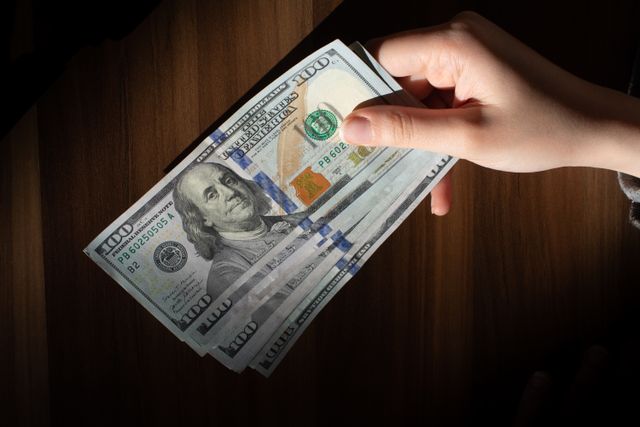
Dropshippers can also be targeted by dishonest customers. Some buyers claim the item never arrived, report false damage, or request a chargeback after receiving the product.
How to Detect:
- Watch unusual patterns: Repeated refund pressure, mismatched delivery claims, or refusal to provide photos can be warning signs.
- Review order details: Check billing address, shipping address, order value, and customer communication history.
How to Avoid:
- Keep proof: Save tracking numbers, delivery confirmation, product photos, order records, and customer messages.
- Set clear policies: Make refund, replacement, and damage claim requirements easy to understand before purchase.
12. Data Theft
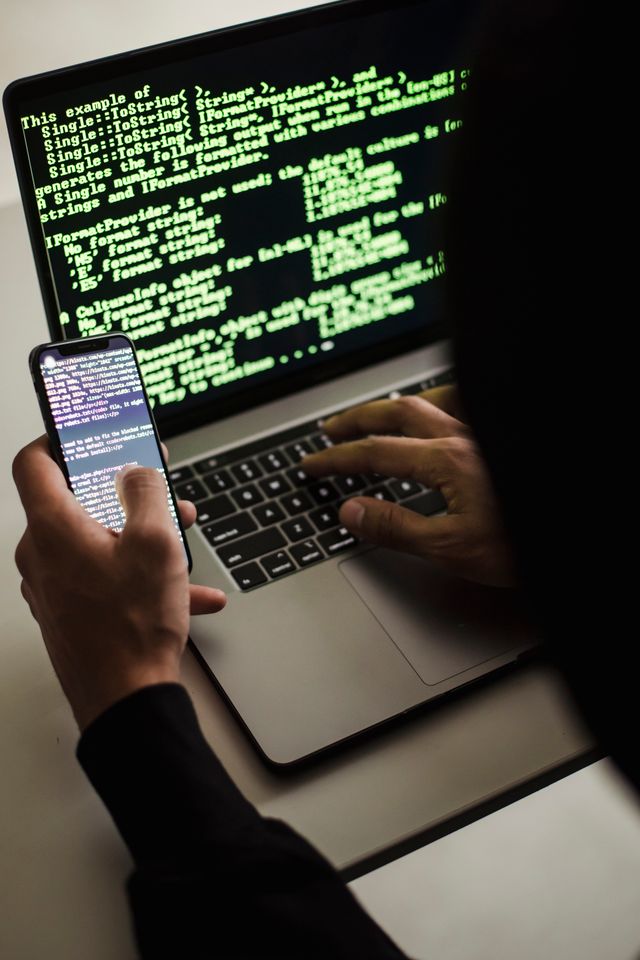
In dropshipping, data theft can occur when your personal or customer information is stolen for malicious and unsafe use. It’s imperative to safeguard this data to ensure the safety and trustworthiness of your business.
How to Detect:
- Unusual Account Activity: Regularly monitor your accounts for any unanticipated changes or transactions. Such anomalies may indicate that your data has been compromised.
- Alerts from Customers: Pay attention if customers report unauthorized charges or if they receive unsolicited emails from your business.
How to Avoid:
- Secure Your Site: Make sure your website has SSL encryption and robust security plugins to defend against the dangers of data breaches.
- Educate Yourself and Staff: Keep yourself and your employees informed about the latest cybersecurity measures and ensure that everyone follows best practices.
- Use Reliable Providers: Partner with credible dropshipping suppliers who have a strong track record of protecting data.
- Regular Updates: Consistently update your systems and software to seal any security loopholes.
Remember, counterfeit products can not only harm your brand’s reputation but can also be a gateway for scammers to introduce malware, exposing you and your customers to data theft. Always vet products and suppliers thoroughly.
How to Vet a Dropshipping Supplier in 5 Steps
A supplier can look reliable from a product listing alone, but real vetting starts when you test how they communicate, price, inspect, and fulfill orders. Before you build your store around any supplier, use this 5-step checklist.
1. Verify the Supplier’s Business Details
Start by confirming that the supplier is a real business, not just a copied profile or middleman with no fulfillment control.
Checklist:
- Ask for the registered company name.
- Check their business license if available.
- Review their website, platform profile, and account history.
- Compare their address, email, and payment details.
- Search their company name with terms like “scam,” “review,” or “complaint.”
If the supplier avoids basic business questions, that is a warning sign.
2. Check Product Accuracy Before Listing
Do not rely only on catalog photos. Many product issues start because the listing looks better than the actual item.
Checklist:
- Ask for real product photos and videos.
- Confirm size, material, color, packaging, and accessories.
- Request close-up images of labels, stitching, parts, or finishes.
- Compare supplier images with reverse image search.
- Order a sample before adding the product to your store.
The goal is to know exactly what your customer will receive.
3. Ask for a Full Cost Breakdown
A product is only profitable if you know the complete landed cost. Product cost alone does not tell you enough.
Checklist:
- Product cost
- Shipping cost by destination
- Packaging cost
- Handling or service fees
- Storage fees
- Return or replacement fees
- Extra charges for remote areas or special products
I would avoid any supplier who gives vague pricing or keeps adding fees after the first quote. Clear pricing is part of supplier reliability.
4. Test Fulfillment With a Small Order
Before sending customer orders, place a test order to see how the supplier actually performs.
Checklist:
- Track how quickly they process the order.
- Check whether the tracking number is valid.
- Compare delivery time with their promise.
- Inspect packaging and product condition.
- Test how they respond if you raise a concern.
This step helps you catch problems before customers experience them.
5. Confirm QC, Returns, and Scaling Capacity
A supplier may handle one test order well but fail when order volume increases. Ask how they manage inspection, defects, replacements, and stock.
Checklist:
- Do they inspect products before shipment?
- Can they send inspection photos or videos?
- What happens if an item arrives damaged?
- How do they handle out-of-stock products?
- Can they support branded packaging or private labels later?
- Do they have backup shipping methods?
If you want help with supplier verification, factory sourcing, and product checks, working with a product sourcing agent can reduce risk before you scale.
What to Do If One Falls Victim to Dropshipping Scams?
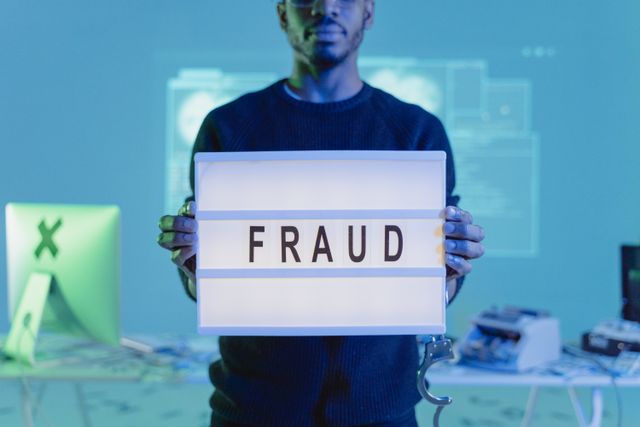
If you find yourself the victim of a dropshipping scam, it’s essential to act quickly. Here’s what you can do to address the situation and seek remedy:
- Gather Evidence. Collect all correspondence, transaction records, and other proof of your dealings with the supplier.
- Contact Your Payment Provider. Report the fraud to your credit card company or payment gateway (like PayPal) to dispute the charges.
- Report the Scam.
- Local Authorities: File a police report with details about the fraud. This is crucial for an official investigation.
- Federal Trade Commission (FTC): Report the fraud at FTC Complaint Assistant.
- Internet Crime Complaint Center (IC3): Submit a complaint with the IC3, which is a partnership between the FBI and the National White Collar Crime Center.
- Take Legal Actions.
- Consult an Attorney: To understand your legal options, you should talk to a lawyer specializing in consumer fraud.
- Small Claims Court: If your loss is within the monetary limits, this court can be a quicker, less expensive option for resolution.
Seeking help is imperative. Local consumer protection offices, legal aid, or the Better Business Bureau can also offer assistance and advice.
Stay vigilant and warn your network about the fraudulent activity to prevent further incidents. Remember, your actions can help others avoid similar pitfalls.
How to Build a Safe Dropshipping Business?
A safe dropshipping business is built around control: control over suppliers, product accuracy, shipping timelines, customer expectations, and refunds. I would not treat dropshipping as just importing products into a store. The real work is making sure the customer receives what your store promised.
Here is the safer approach:
- Vet suppliers before listing products: Check business details, product history, pricing, shipping options, and communication quality before accepting orders.
- Order samples first: A sample helps you confirm the real product, packaging, material, size, and finish before customers see it.
- Use product inspection before shipment: Quality control matters because many disputes start from defects, wrong colors, missing parts, or weak packaging. A supplier or agent should be able to inspect orders before they leave the warehouse.
- Be transparent about shipping times: If fulfillment takes 7–15 days, say that clearly. Long shipping times become a trust issue when customers feel misled.
- Use warehousing when volume becomes steady: Once a product is validated, storing inventory in a fulfillment center can reduce delays and make order processing more predictable. US warehouses can also help improve delivery experience for US customers.
- Build a branded experience: Branded packaging, inserts, and consistent product presentation make the store feel more reliable. This matters even more if you plan to move into private label dropshipping.
- Keep a backup supplier: If your main supplier runs out of stock or changes pricing, you need another option before ads and customer orders are affected.
This is where a dropshipping agent can reduce risk. Instead of managing every supplier, warehouse, inspection, and shipping method yourself, you can work with a team that handles sourcing, QC, packaging, storage, and fulfillment in one place.
Start Scaling Your Dropshipping Business Today
Whether you’re just starting out or ready to build a branded dropshipping store, NicheDropshipping’s China-based team (with US and EU warehouses) has everything you need to grow.
Not only do we offer product sourcing, but also private labeling services to help you build a brand.
If you’re looking to streamline your dropshipping process and find reliable products, don’t hesitate to request a personalized sourcing quote from us today. With the right support, you can build a trustworthy and profitable dropshipping business.
FAQs on Dropshipping Scams
Is Dropshipping a Legitimate Business?
Yes, dropshipping is a legitimate method of order fulfillment where you sell products without carrying inventory.
When a customer places an order, the product is shipped directly from the supplier to the customer.
However, as with any business, due diligence is important to avoid scams.
Are Dropshipping Sites Legit?
Many dropshipping sites are legitimate platforms that can help you set up and grow your e-commerce business.
Nevertheless, some may disguise as genuine but have intentions of defrauding unsuspecting entrepreneurs.
It’s essential to conduct thorough research and read reviews from other users.
What are the biggest red flags of a dropshipping scam?
The biggest red flags are unrealistic profit promises, vague supplier details, copied product photos, hidden fees, no clear refund policy, pressure to pay upfront, and refusal to provide samples or inspection proof.
You should also be cautious if a supplier only communicates through informal channels and avoids invoices, business licenses, or written terms. In practice, most scams become visible when you ask detailed questions about pricing, shipping, QC, returns, and company identity.
Is AliExpress dropshipping a scam?
AliExpress dropshipping is not automatically a scam, but it does come with risks. Many sellers use AliExpress to test products, but product quality, supplier reliability, shipping speed, and communication can vary widely.
The safest approach is to avoid relying only on product listings and reviews.
Check supplier history, order samples, compare shipping options, and confirm return terms. Once order volume becomes steady, many sellers move to a private supplier or agent for better control.
What should I do if I already paid a scam supplier?
Stop sending money first. Then collect all evidence, including invoices, payment receipts, chat screenshots, product listings, tracking numbers, and promised delivery terms.
Open a dispute through the platform you used, such as Alibaba, AliExpress, PayPal, or your app provider.
If that does not work, contact your bank or card provider about a chargeback. At the same time, pause ads for the affected product and update customers honestly if their orders may be delayed.
Can a dropshipping agent protect me from scams?
A dropshipping agent can reduce scam risk, but they cannot remove every business risk. A reliable agent helps by sourcing from verified suppliers, checking product quality, confirming pricing, managing warehousing, and arranging fulfillment.
This gives you more control than working with random suppliers one by one. The key is to choose an agent with clear processes, company details, inspection options, transparent pricing, and real fulfillment capacity. You should still test products and review performance regularly.
How do I start dropshipping safely in 2026?
Start with product research, but do not stop there. Verify suppliers, order samples, calculate full landed costs, confirm shipping times, and write clear refund and delivery policies before launching ads.
Avoid counterfeit products, unrealistic margin claims, and suppliers who refuse written terms. I would also start with a small test order volume before scaling.
Once a product proves demand, consider using an agent, fulfillment center, branded packaging, and inspection support to create a safer operation.

Hi interested to know more about how you can help me grow my business.
Looking forward to being in touch,
Regards
Angela
Hi Angela, thank you for your interest! You can try our service by sending us a sourcing request. Here’s the link: https://nichedropshipping.com/sourcing-request/
Or send us a message through this email: [email protected]
I was scammed over $345,000 by someone I met online on a fake investment project. I started searching for help legally to recover my money and I came across a lot of Testimonies about Ultimate Trackers george Recovery Expects. I contacted them providing the necessary information’s and it took the experts about 27hours to locate and help recover my stolen funds. I am so relieved and the best part was, the scammer was located and arrested by local authorities in his region. I hope this help as many out there who are victims and have lost to these fake online investment scammers. I strongly recommend their professional services for assistance with swift and efficient recovery. They can be reached through the link below.
Email: georgevictimhelp @ hotmail . com