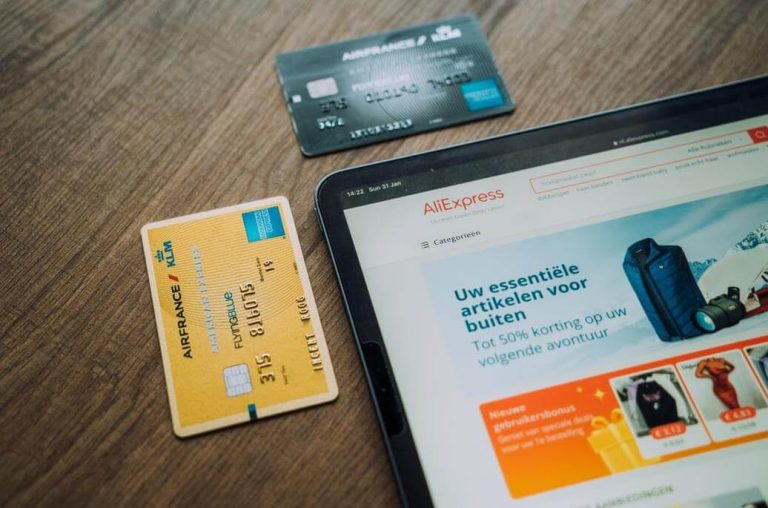
The global dropshipping market is projected to reach $343–$543 billion in 2026, growing at roughly 20% annually.
Yet many dropshipping stores fail within the first two years, and only a small percentage turn a profit in year one.
We know many people are planning on doing dropshipping but don’t know where to start.
Or that you have already set up a website & started a plan but are still clueless.
In the years of experience we’ve dealt with dropshippers, we’ve come up with some suggestions.
In order to pass them on and help you grow your own business, let’s start the learning!
1. Can’t Balance Quality & Price
People always look at the price of a product first and check how profitable it is per order when choosing products for their store.
The product price is crucial, but one variable affecting your company’s success rate is the quality of your consumers’ items.
You don’t want unsatisfied customers all over your website complaining about the product that wants to issue refunds.
Quality is the baseline of selling things online. We are all sellers and buyers ourselves, so it is understandable to expect you get quality stuff for what you paid.
Be sure to choose a convincing price with decent quality, and avoid conflicts as much as possible.
Tip for 2026: Price with a Healthy Markup and Factor in All Costs
In 2026, the key is not to chase the cheapest supplier—thin margins from rock-bottom pricing leave no room for ad costs or refunds. Supplier reliability remains the most commonly cited challenge among dropshipping operators.
Factor in all costs: product, shipping, platform fees, payment processing, and returns. A healthy markup is roughly 2x–2.5x your total landed cost.
If your product costs $14 total, price it at $28–$35 to leave room for profit. Beginners often underestimate hidden costs and end up with razor-thin or negative margins.
2. Can’t Find a Reliable Supplier
It’s nerve-racking if you don’t have a reliable supplier for your products. Order volume will stop growing if the suppliers can’t provide products in time. It’s devastating for small businesses.
You’ll not only lose customers but also will affect your reputation.
Constantly changing manufacturers wear out Dropshippers. In doing so, you’ll go through quality check, price negotiation, supply quantity all over again. Build a steady relationship with a supplier that suits you the most comfortably and aims for the long run.
Words being said, depending totally upon one supplier is a big no-no. No matter how well coordinated you are with your current supplier, make sure to have a backup plan.
Tip for 2026: Demand Fast Shipping and Always Order Samples First
Shipping speed is now the #1 competitive differentiator. In 2026, most US shoppers expect delivery within a few days, and slow shipping estimates are a leading cause of cart abandonment.
Customers compare you to Amazon Prime, not other dropshippers.
| Supplier Type | Shipping Time | Best For |
|---|---|---|
| AliExpress standard | 15–45 days | Testing only |
| CJdropshipping | 7–15 days | Mid-stage scaling |
| Spocket (US/EU) | 3–7 days | Brand-focused stores |
| Zendrop | 3–7 days | Shopify beginners |
| US warehouse fulfillment | 2–5 days | Serious brands |
Always order a sample first. Check product quality, packaging, and actual shipping time before listing. Stores with faster delivery (under 7 days) convert significantly better than those with 10+ day shipping.
If you can’t offer fast shipping, be transparent about timelines—hidden delays trigger chargebacks and negative reviews.
3. Can’t Build a Good Website
Fill in your website, write detailed descriptions of your products that contain all information a buyer needs. Clarify the sizes if you were to sell clothes.
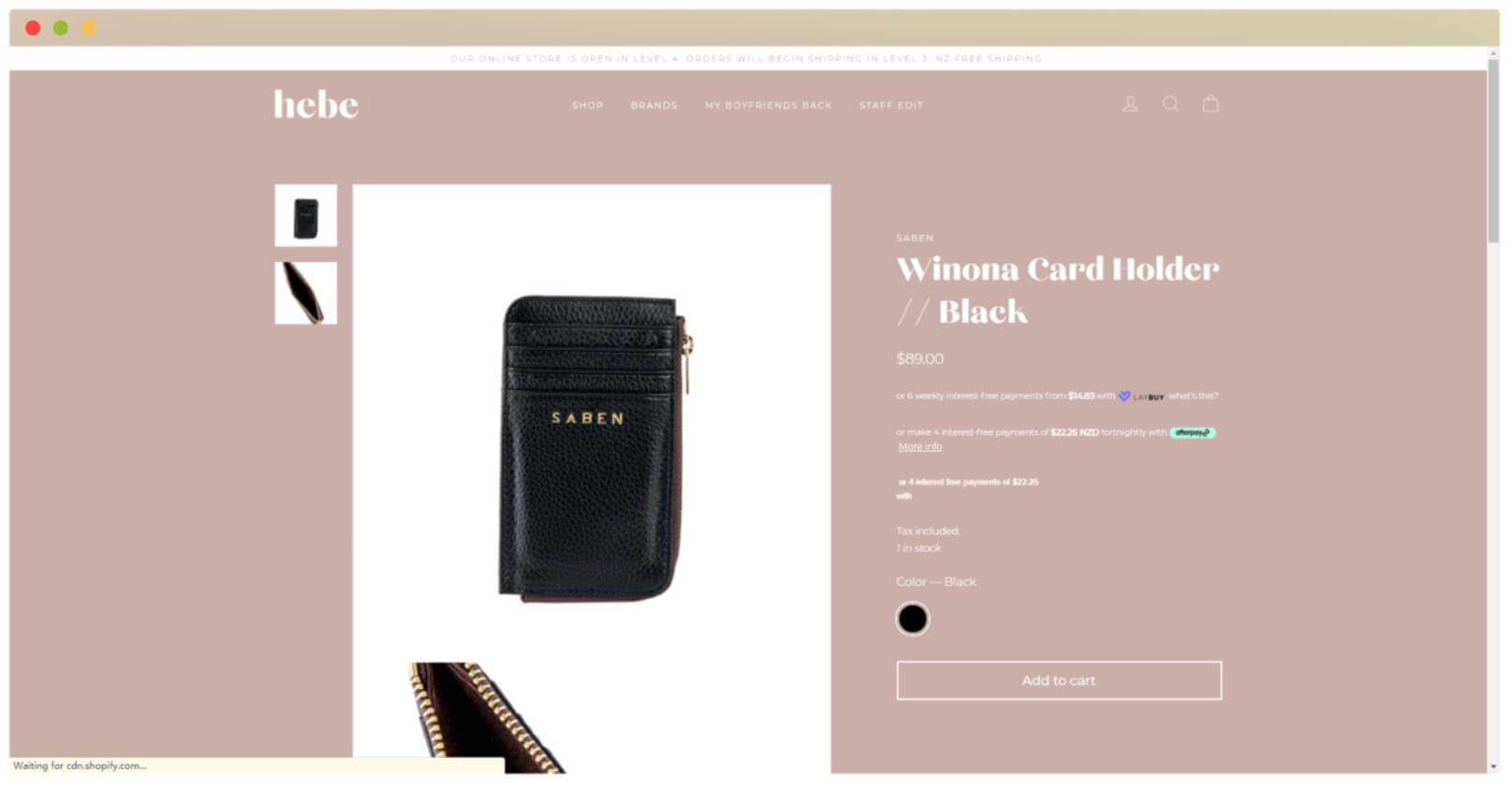
Upload clean-cut pictures of your products that present every angle of them. If you have pretty feedback from buyers, that would be great!
Find marketing points for your products to intrigue customers.
An eye-catching website is always appreciated. You want people to stay in your store as long as possible until they make a purchase. Make it visually pleasurable and approachable. Decide a primary color that suits your brand philosophy, if not your products. Make all elements consistent.
Tip for 2026: Build Mobile-First, Not Just Mobile-Friendly
In 2026, the majority of dropshipping purchases happen on mobile devices. Your store must be built mobile-first. Here’s the checklist:
- Page load under 3 seconds — Slow sites lose visitors. Google has confirmed page speed is a ranking factor, and users consistently abandon slow-loading pages.
- One-page checkout — Every extra step in checkout increases abandonment. Use Shopify’s native one-page checkout or apps like Checkout Bear.
- Thumb-friendly buttons — CTA buttons should be at least 44px tall with clear spacing for mobile users.
- Trust signals above the fold — Reviews, secure payment badges, and “Free Shipping” banners visible without scrolling.
- Clear return policy link — Buyers consistently cite store design and visible policies as trust factors when shopping from unfamiliar brands.
The era of generic Shopify themes is over. In 2026, branding is essential—customers buy from stores that look like real brands, not temporary pop-ups.
4. Copyrighted Products
The last thing you want to face is a lawsuit in this industry. Do not sell copyrighted products unless you have the permission of the creator.
Copyrighted resources include pictures, trademarked products, the design of your website and more.
Hard work, consistency, and honesty are essential components for your business to reach the pinnacles of success. Never try to sell things that have already been copyrighted.
Tip for 2026: Build Your Own Brand with Private Labeling Instead of Copying
In 2026, platform enforcement is stricter than ever. Shopify, Facebook, and TikTok actively scan for IP violations, and copyright strikes can freeze your ad accounts or shut down your store.
Beyond legal risk, selling knockoffs destroys brand trust—Reddit and TikTok commenters will publicly expose counterfeit products, killing your reputation overnight.
How to stay safe in 2026:
- Use original product photos or licensed stock images — never grab supplier photos without checking rights.
- Trademark-check product names using USPTO.gov or Trademarkia before listing.
- Avoid trending character merch, sports team logos, and designer-inspired items unless you have explicit licensing.
- Build your own brand with private labeling — this is the path to healthier margins and long-term viability.
5. Can’t Set Up Legal & Financial Foundations
Many beginners skip this step and pay the price later. In 2026, payment processors and ad platforms are stricter about compliance. A legitimate business structure also builds customer trust and protects your personal assets.
Business structure:
- LLC (Recommended): Protects personal assets. Costs vary by state (roughly $50–$500). Use services like ZenBusiness or LegalZoom.
- Sole Proprietorship: Easier setup but no liability protection. Only for minimal-risk testing.
Payment gateways:
- Stripe: Best for Shopify, lower fees, accepts major cards.
- PayPal: High customer trust, but stricter dispute policies.
- Shopify Payments: Built-in, lowest fees for Shopify users.
Tip for 2026: Budget for Startup Costs and Publish All Policy Pages Before Your First Ad
Required policy pages:
- Privacy Policy — Required by GDPR/CCPA and ad platforms.
- Refund/Return Policy — Be clear; dropshipping returns are tricky, so set expectations upfront.
- Terms of Service — Covers shipping times, liability, and dispute resolution.
Budget to start in 2026: A realistic minimum is roughly $150–$400. This covers Shopify subscription, domain name, sample orders, and basic tools.
You can start with less using free trials and organic TikTok, but a small budget gives you room to test ads and tools. Many successful dropshippers started with under $500.
6. Can’t Make Orders Automated
Don’t spend all your energy dealing with orders. Shipment and packages can be overwhelming if you are not familiar with such work. Make the process of fulfilling orders automatic. This goes back to what I said about group cooperation. Finding a supplier or agent would be time-saving.
Make time for marketing, for it’s critical for dropshipping businesses. It takes effort and time to make a brand famous. Collab with Facebook influencers, make placements of ads on Facebook or upgrade your after-sale services.
Be aware of your brand; all your efforts will be proved right as the order number increases.
Tip for 2026: Automate Fulfillment Before You Get Overwhelmed
Manual fulfillment doesn’t scale past a handful of orders per day. In 2026, stores using automation for multiple tasks tend to see higher efficiency and fewer errors. Here’s what to automate first:
- Order forwarding — AutoDS, DSers, or Oberlo push orders to suppliers instantly.
- Inventory syncing — When a supplier runs out of stock, your store updates automatically—preventing overselling.
- Price monitoring — If supplier costs rise, your retail price adjusts to protect margins.
- Tracking updates — Customers receive tracking numbers automatically via email.
- Abandoned cart recovery — Automated email sequences recover a portion of lost sales.
Set up automation before your first sale, not after. When orders start coming in, you’ll be too busy to configure tools properly.
7. Communication Obstacles
It is a common struggle for Dropshippers to communicate with sellers from China. Whether it’s because of the time zone differences or the language barrier, communicating with the sellers in 1688 or TaoBao can be frustrating.
You can resolve such inconvenience by getting yourself an agent, Set up a day & night shift system to work better with the sellers.
Tip for 2026: Use AI Chatbots for Customers and a Sourcing Agent for Suppliers
Communication barriers are still real, but the tools have evolved. In 2026, here’s how to handle both sides efficiently:
Supplier Communication:
- Use a sourcing agent (like NicheDropshipping) to bridge language and time zone gaps—agents negotiate MOQ, check quality, and handle disputes.
- AI translation tools — DeepL and Google Translate handle technical terms better than in 2020, but always confirm critical details in writing.
- Set response-time expectations — Agree on reasonable response windows for urgent issues.
Customer Communication:
- AI chatbots (Tidio, Gorgias) handle the majority of routine questions like “Where is my order?”
- Proactive updates — Email customers before they ask. If shipping is delayed, send a notice with a discount code.
- Template your responses — Create saved replies for the most common questions. This saves hours per week.
This is the biggest gap we see in beginner dropshippers today. In 2026, the majority of online shoppers discover products through social media platforms like Instagram, Facebook, or TikTok. If your marketing strategy is still Facebook-only, you’re missing the fastest-growing channel.
Why TikTok works for dropshipping beginners:
- Organic reach is still high — New accounts can get significant views on their first videos.
- No ad budget required — Post consistently; first sales often come within a few weeks.
- TikTok Shop is growing fast — More users are buying directly through TikTok, with conversion rates competitive with or exceeding Facebook in some categories.
Tip for 2026: Use Reddit for Content Ideas, Then Post Daily on TikTok
Content formula that converts:
- Hook (0–3 sec): Show the problem or product in action.
- Demo (3–15 sec): How it works, why it’s better.
- CTA (15–30 sec): “Link in bio — limited stock.”
Reddit is your content research goldmine — Search your niche on Reddit, find the most upvoted complaints or “life hack” posts, and turn them into TikTok scripts. If a problem is trending on Reddit, a video solution will likely perform well on TikTok.
Posting cadence: Aim for at least one video per day for the first 30 days. Consistency matters more than perfection at the start.
9. Can’t Allocate Works
As Phil Jackson once said, “The strength of the team is each individual member. The strength of each member is the team.”
It’s much harder to reach success without the help of other’s hands. Concentrate on what you do best, And let pros do the rest. Calling your team, allocate each one’s work. If you were never an artistic guy, let others do the design.
For example, ask professional guys to build the Shopify website, shoot pictures and write the item description.
Then you can allocate your own time on marketing and scale the store orders.
Cooperate and climb higher. Though It’s better to be alone than in bad company, select your partners carefully.
Tip for 2026: Use AI Tools to Handle Tasks, Then Outsource as You Scale
In 2026, you don’t need a full team to start—AI tools can handle many tasks that previously required hires. This is how solo dropshippers compete with bigger operations:
| Task | AI Tool | What It Does |
|---|---|---|
| Product descriptions | ChatGPT / Claude | Writes SEO-optimized, persuasive copy |
| Product images & mockups | Midjourney / Canva AI | Creates lifestyle visuals without a photographer |
| Ad creatives | AdCreative.ai | Generates conversion-focused banners and videos |
| SEO blog content | SurferSEO / Jasper | Writes blog posts that rank on Google |
| Customer support replies | Tidio AI / Gorgias | Handles routine inquiries automatically |
| Inventory & pricing sync | AutoDS AI | Syncs stock levels and adjusts prices |
But remember: AI content without human editing sounds robotic. Always review and add your brand voice.
Stores with an active social media presence tend to generate more revenue than stores that ignore social—so invest your saved time into TikTok and Instagram content, not just automation.
When to outsource: Once you’re making consistent sales, hire freelancers for design, video editing, or customer support.
Platforms like Upwork and Fiverr make this accessible. Keep your own focus on product selection and marketing strategy—the two activities that directly drive revenue.
10. Can’t Take Failures
We often hear those dropshipping gurus sharing their success stories with six or seven figures of income.
But the majority of the dropshippers did not achieve such success. Find your own sales field after testing the market repeatedly, eventually find the products favored by customers.
Many dropshippers go through failures before their success. It is possible to fail on your first entrepreneurship, don’t get defeated. It’s just a minor stop to your own success story. Find out what you’ve done wrong in the past and vow never to do it again.
The key is to remain steadfast in the pursuit of your goal. Big wins necessitate a lot of hard work and unwavering consistency. Keep in mind that achieving higher goals takes more time.
Tip for 2026: Test Fast, Fail Fast, and Track Every Metric
Let’s be honest about the reality. In 2026, most dropshipping beginners do not succeed on their first attempt. The top reasons for failure remain poor product selection, ineffective marketing, and shipping delays. Many beginners quit within the first few months.
The testing mindset that works in 2026:
- Test multiple products per niche with a small budget each.
- Kill fast: If a product gets traffic but no sales after a reasonable number of visitors, pivot.
- Scale fast: If a product gets sales, double down on TikTok content and ads.
- Track everything: Use Google Analytics 4 and TikTok Pixel to measure what actually converts.
Realistic expectations:
- Time to first sale: Typically 2–6 weeks with consistent effort (organic TikTok) or days to weeks with paid ads.
- Time to profitability: Usually 3–6 months for those who stick with it.
- Earnings range: Beginners often start at $0–$1,000/month in profit; part-time operators may reach $1,000–$5,000; full-time operators with proven products can scale beyond that.
NicheDropshipping offers attested solutions for all the struggles listed above. We’ll help you communicate with the sellers in China, and negotiate price and MOQ. We’ll help you select products from hundreds of suppliers, fulfill the orders automatically to let you rest at ease.
Conclusion
Anything is easier said than done. There is not a textbook answer to every successful business.
Yet, by avoiding these mistakes, you can get a lead ahead of your components.
Be prepared before you enter the field of the unknown. Still not confident? Here are 30 dropshipping tips that many successful businesses have benefitted from.
Let us help by becoming your agent. We will assist with all of the tasks mentioned above. We have a professional sourcing team that can locate the supplier just for you, making your orders automated, etc.
Contact us today to find out more.
Frequently Asked Questions
What should I do first to start dropshipping?
Validate your product idea before building a store. Use Google Trends and TikTok Creative Center to check demand. Search Reddit for complaints about existing products—frustration means opportunity. Only after validation should you find a supplier and build your store.
What is the most profitable item to dropship?
There is no single “most profitable” item—it depends on your niche and marketing. In 2026, strong-margin categories include pet tech, home fitness, eco-friendly goods, smart home gadgets, and wellness. Use Sell The Trend or Minea to spot trends early, but always order samples before scaling.
Can I dropship with $0?
Technically yes, but realistically you need at least $150–$400. You can use Shopify’s free trial and organic TikTok to start with $0, but you still need a domain (~$10) and sample orders. A small budget lets you test ads and tools, dramatically improving your odds.
Do I need a business license to dropship?
Not immediately, but formalize before you scale. In the US, start as a sole proprietor. Once you hit consistent sales, form an LLC to protect personal assets. You must report income for taxes regardless of structure.
How much does Shopify take from a $20 sale?
Around $2.50–$3.50 total. Shopify payment processing is ~2.9% + $0.30 ($0.88), plus the subscription fee spread across sales (~$0.50–$1.00). PayPal charges slightly more at ~3.49% + $0.49.
What is the easiest item to dropship?
Digital products or small physical accessories. Digital products (ebooks, templates) have zero inventory and near 100% margins. For physical items, small accessories like phone cases and jewelry are easiest—low shipping costs, simple quality control.
Do dropshippers actually make money?
Yes, but most beginners do not make money in the first few months. Those who treat it seriously typically earn $0–$1,000/month profit within 3–6 months. Part-time operators with proven products can reach $1,000–$5,000/month. Consistency is the key differentiator.
Can I be a millionaire from dropshipping?
Extremely unlikely for a beginner. The “gurus” showing six-figure months are outliers. A realistic goal is $1,000–$3,000/month within 6–12 months. Focus on your first $1,000 profit before dreaming bigger.
Can I do dropshipping on Amazon?
Yes, but Amazon’s policy is strict and risky for beginners. You must be the seller of record with your name on all packaging. You cannot dropship from AliExpress—this gets your account banned permanently. A Shopify store is far safer.
Does Amazon ban dropshipping?
Amazon bans retail arbitrage dropshipping, not all dropshipping. The banned version: you list on Amazon, then order from Walmart/AliExpress to ship directly to the customer. What Amazon allows is “seller of record” dropshipping with your branding on packages.
How many hours do dropshippers work?
Beginners: 10–20 hours/week. Scaled operators: 5–10 hours/week. The first 1–3 months require heavy time on research, building, and testing. Once automation tools are in place, time drops sharply.
Why shouldn’t you do dropshipping?
Don’t do it if you need fast, guaranteed money or cannot handle uncertainty. You should not dropship if you need income within 30 days, refuse to learn marketing, or want passive income with zero effort. Try digital products or affiliate marketing instead.