WooCommerce dropshipping is an ecommerce model where you run a store through WordPress and WooCommerce while a third-party supplier stores, packs, and ships products directly to your customers.
You manage the storefront, pricing, marketing, and customer experience, while fulfillment happens behind the scenes.
In our view, WooCommerce is especially useful for sellers who want more control over their store setup, data, and long-term operating costs.
WooCommerce Dropshipping: Quick Facts
- Platform: WooCommerce is a free WordPress ecommerce plugin, but hosting, domain registration, extensions, and supplier tools may add ongoing costs.
- Inventory: You do not need to hold stock when using a supplier or dropshipping agent.
- Automation: Plugins can sync products, inventory, and orders, while an agent can also manage sourcing, QC, packaging, and fulfillment.
- Control: WooCommerce gives you more flexibility over checkout, store design, integrations, and customer data than many hosted platforms.
- Best fit: It works well for sellers who are comfortable managing WordPress or willing to handle more technical setup in exchange for greater control.
WooCommerce vs Shopify for Dropshipping
WooCommerce and Shopify can both support a dropshipping business, but they suit different types of sellers. We usually recommend Shopify for beginners who want the fastest setup, while WooCommerce is better for sellers who want more control over costs, customization, data, and store infrastructure.
| Factor | WooCommerce | Shopify |
| Setup | Requires WordPress, hosting, a domain, and plugin configuration | Hosted platform with a simpler guided setup |
| Ease of use | More technical, especially when managing updates and integrations | Easier for beginners with less ongoing maintenance |
| Platform cost | Core plugin is free, but hosting, premium extensions, and development may add costs | Monthly subscription plus apps and payment-related fees |
| Customization | Highly flexible through themes, plugins, and custom code | Flexible within Shopify’s platform and app ecosystem |
| Store ownership | Greater control over hosting, files, customer data, and site structure | Shopify manages the underlying infrastructure |
| Dropshipping tools | Supports DSers, Spocket, Syncee, AliDropship, agents, and custom integrations | Larger plug-and-play app ecosystem for beginners |
| Maintenance | You are responsible for hosting, backups, security, and compatibility | Shopify manages hosting, security, and core updates |
| Scalability | Can scale well with reliable hosting and technical support | Easier to scale operationally without managing servers |
| Best for | Sellers who value control and are comfortable managing WordPress | Beginners and teams prioritizing speed and simplicity |
Choose WooCommerce when you:
- Already use WordPress or want full control over your storefront.
- Need advanced customization or custom supplier integrations.
- Prefer to choose your own hosting and avoid being locked into one platform.
- Have technical support available as your store grows.
Choose Shopify when you:
- If you want to launch quickly with minimal technical setup.
- Prefer hosting, security, and software updates to be managed for you.
- If you want access to a large ecosystem of ready-made dropshipping apps.
- Are comfortable paying more for convenience and simpler maintenance.
Our practical view is that platform choice matters less than the fulfillment system behind it. A well-built WooCommerce store can still struggle if its supplier has unreliable stock, inconsistent product quality, or slow processing. Plugins automate data and order transfer, while a dropshipping agent can also coordinate sourcing, QC, inventory, packaging, and shipping.
What Is WooCommerce Dropshipping?
WooCommerce itself is an open-source plugin for WordPress websites explicitly created for an eCommerce store.
As such, you have to install the WooCommerce plugin, which you’ll then be able to access from your WordPress dashboard.
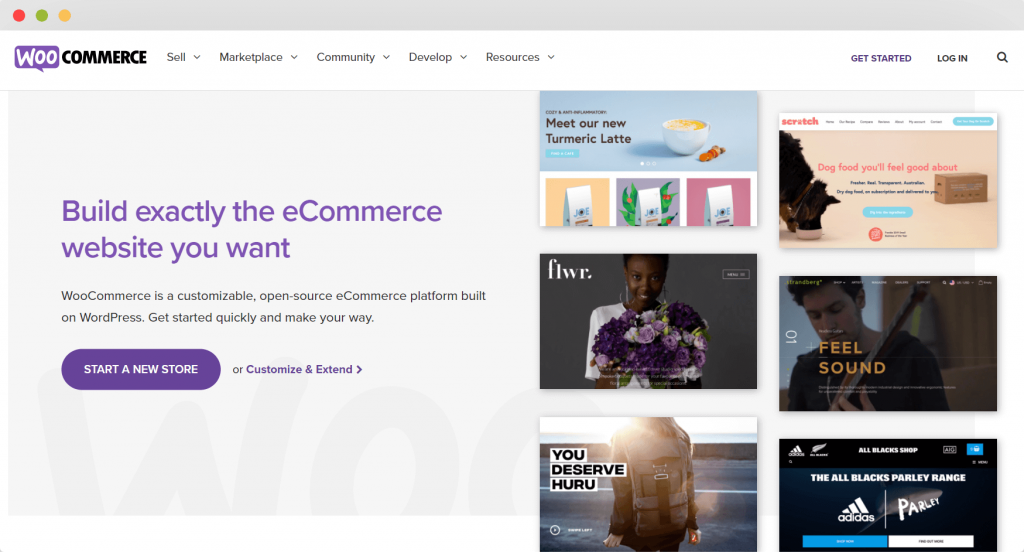
Dropshipping with WooCommerce is not a new concept since over 4.4 million websites worldwide use this plugin.
For anyone that has a WordPress website, WooCommerce is free to install and use. It will give your website the functionalities of an eCommerce store such as selling products, online payment, managing inventory, creating discounts, syncing orders, etc.
Some of these WooCommerce features are free, but for others, you have to pay. However, there are different free and paid plugins designed to make dropshipping with WooCommerce simpler for you.
How to Start WooCommerce Dropshipping?

Starting a WooCommerce dropshipping store requires more than installing a plugin. We recommend setting up the store infrastructure first, then choosing suppliers, configuring fulfillment, and testing the full customer journey before launch.
Step 1: Choose a Niche and Validate Demand
Start with a focused category rather than unrelated products.
Check:
- Search demand and competition
- Average selling prices and margins
- Product size, weight, and shipping costs
- Return risks such as sizing or breakage
- Potential for bundles or repeat purchases
Avoid products with unclear compliance requirements or unstable supply.
Step 2: Set Up WordPress and WooCommerce
Buy a domain, choose reliable hosting, install WordPress, and add WooCommerce.
Configure:
- Currency and store location
- Payment gateways
- Shipping zones
- Tax settings
- Checkout pages
- Customer emails
- Refund and privacy policies
Keep your plugin stack lean to reduce speed and compatibility issues.
Step 3: Choose a Supplier or Dropshipping Agent
You can source through:
- Marketplace suppliers such as AliExpress
- Supplier networks connected through plugins
- Independent wholesalers or manufacturers
- A dropshipping agent that manages sourcing, QC, packaging, and fulfillment
Plugins can work well for testing. As volume grows, an agent can provide better inventory control, factory-direct sourcing, and more consistent fulfillment.
Step 4: Select a WooCommerce Dropshipping Plugin
Choose a plugin based on your supplier model.
Look for:
- Product importing
- Inventory and price syncing
- Automatic order forwarding
- Tracking updates
- Variant mapping
- Pricing rules
- Multi-supplier support
Remember that plugins automate order flow, but they do not solve quality issues, stockouts, or slow processing.
Step 5: Import and Optimize Products
Do not publish supplier listings without editing them.
For each product:
- Rewrite the title and description
- Confirm materials, dimensions, and compatibility
- Use consistent images
- Remove unauthorized supplier branding
- Add realistic shipping estimates
- Price based on the full delivered cost
Include sourcing, shipping, packaging, platform fees, advertising, refunds, and payment fees in your margin calculations.
Step 6: Configure Payments, Taxes, and Shipping
Connect payment methods available in your business location and preferred by your customers.
Set clear rules for:
- Shipping zones
- Delivery estimates
- Duties and taxes
- Restricted destinations
- Refunds and reshipments
Avoid using one delivery estimate if products ship from different warehouses or suppliers.
Step 7: Create Essential Store Pages
Before launch, add:
- About
- Contact
- Shipping policy
- Returns and refunds
- Privacy policy
- Terms and conditions
- Order tracking
- FAQs
These policies should reflect what your supplier can actually support.
Step 8: Place a Test Order
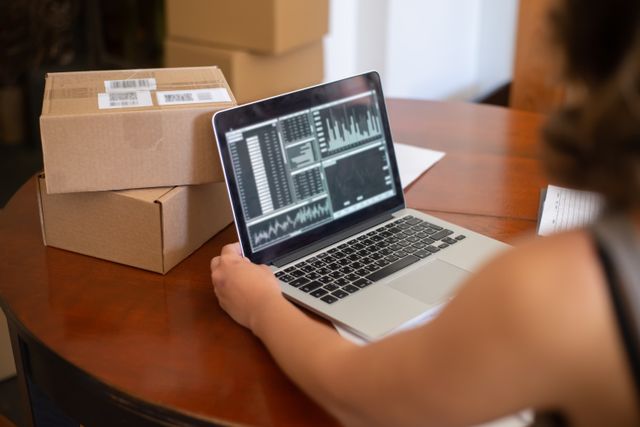
Test the complete process before sending traffic to the store.
Confirm that:
- Checkout works on mobile and desktop
- Orders reach the supplier correctly
- Product variants are accurate
- Tracking syncs back to WooCommerce
- Emails are delivered
- Shipping and taxes calculate correctly
- Refunds can be processed
Where possible, order a sample to inspect the product, packaging, and delivery time.
Step 9: Launch With a Small Catalog
Start with a limited group of related products. This makes it easier to monitor supplier performance, improve product pages, test pricing, and remove weak products quickly.
Once orders become consistent, you can expand the catalog, negotiate better pricing, hold inventory, or add private label packaging.
Step 10: Monitor and Scale
Track:
- Gross margin per order
- Processing and delivery times
- Refund and chargeback rates
- Stockouts
- Customer acquisition cost
- Repeat purchases
- Support issues by product
When manual order handling, inconsistent stock, or quality complaints begin limiting growth, automated fulfillment and a dedicated sourcing agent usually become more valuable than adding another plugin.
Ready to put this into practice? NicheDropshipping handles everything from sourcing to fulfillment, so you can focus on growing your store. Register free and get a dedicated sourcing agent today.
What Are the Technical Requirements for WooCommerce Dropshipping?
You do not need advanced coding skills to start dropshipping with WooCommerce, but you are responsible for the store’s hosting, security, updates, and performance.
| Requirement | What You Need | Why It Matters |
| Domain name | A branded web address | Makes the store easier to find and trust |
| Web hosting | WooCommerce-compatible hosting with enough storage and bandwidth | Affects page speed, uptime, checkout performance, and scalability |
| SSL certificate | HTTPS encryption, often included with hosting | Protects customer data and enables secure payments |
| WordPress | The content management system WooCommerce runs on | Controls your website, themes, users, and plugins |
| WooCommerce | The core ecommerce plugin | Adds products, checkout, payments, orders, taxes, and shipping |
| Theme | A responsive WooCommerce-compatible theme | Ensures product and checkout pages work across devices |
| Dropshipping integration | A supplier plugin or direct agent integration | Syncs products, inventory, orders, and tracking |
| Backups and security | Automated backups, malware protection, and login security | Reduces the risk of data loss, fraud, or downtime |
Choose hosting based on expected traffic and store complexity rather than the lowest advertised price. Shared hosting may work during early testing, but stores with large catalogs, several automation plugins, or growing traffic may need managed WooCommerce or cloud hosting.
How Much Will WooCommerce Dropshipping Cost Me?

WooCommerce is free, but running a dropshipping store still requires hosting, a domain, supplier tools, payment processing, and marketing. A basic setup may cost around $30–$150 per month before advertising and product costs, while a growing store may spend several hundred dollars monthly.
One-Time and Setup Costs
| Expense | Typical Cost |
| Domain | $10–$25 per year |
| SSL certificate | $0–$100 per year |
| WooCommerce | Free |
| Theme | $0–$100+ |
| Store setup or development | $0–$2,000+ |
| Product samples | $20–$300+ |
Monthly Operating Costs
| Expense | Starter Store | Growing Store |
| Hosting | $10–$40 | $50–$350+ |
| Dropshipping plugin | $0–$50 | $20–$100+ |
| Security and backups | $0–$30 | $20–$100+ |
| Email and support tools | $0–$30 | $30–$150+ |
| Marketing tools | $0–$100 | $50–$300+ |
| Advertising | Flexible | Flexible |
| Payment processing | Percentage of each sale | Percentage of each sale |
Scaling Costs to Plan For
As order volume grows, you may also pay for:
- Bulk inventory
- Quality inspection
- Custom packaging
- Warehousing
- Faster shipping
- Returns and reshipments
- Developer support
Simple Cost Example
If a product costs $8, packaging is $1, shipping is $6, and fees and overhead add $3, your total cost is $18.
Selling it for $35 leaves $17 before advertising. If customer acquisition costs $12, around $5 remains before taxes and other business expenses.
This is why we recommend calculating margins from the full delivered cost, not just the supplier price.
What Are the Advantages of WooCommerce Dropshipping?

WooCommerce is a strong fit for sellers who want control, flexibility, and access to the WordPress ecosystem.
- Free core software: WooCommerce is free to install, although hosting, extensions, and development may add costs.
- Greater store control: You can manage your own hosting, files, checkout, customer data, and site structure.
- Flexible customization: Thousands of themes and plugins make it easier to adapt the store to your niche and operating model.
- Broad supplier compatibility: WooCommerce can connect with marketplace suppliers, independent wholesalers, plugins, and dropshipping agents.
- Lower platform costs in some cases: It may cost less than Shopify if you keep paid extensions and development needs under control.
The main advantage is flexibility. You can start with a plugin-based setup, then move toward dedicated sourcing and automated fulfillment without rebuilding the entire store.
What Are the Disadvantages of WooCommerce Dropshipping?

WooCommerce offers more control, but that also means more responsibility for setup, maintenance, and fulfillment.
- More technical setup: You need to manage hosting, WordPress, plugins, security, backups, and updates.
- Plugin conflicts: Themes and extensions may stop working properly after updates or create performance issues.
- Costs can become fragmented: Hosting, premium plugins, development, and maintenance can add up as the store grows.
- Supplier quality varies: A plugin can automate orders, but it cannot guarantee product quality, stock accuracy, or reliable processing.
- Shipping can be inconsistent: Working with multiple suppliers may lead to split shipments and different delivery times.
- Scaling requires stronger systems: Manual order handling and supplier coordination become harder as volume increases.
Many of these issues can be reduced with managed hosting, a lean plugin stack, and a reliable fulfillment partner. A dropshipping agent can also centralize sourcing, quality inspection, inventory, packaging, and shipping, which reduces the operational gaps that plugins alone do not solve.
What Are the Best WooCommerce Dropshipping Plugins?
The best WooCommerce dropshipping plugin depends on where you source products and how much automation you need. DSers and AliDropship are mainly suited to AliExpress sourcing, while Spocket and Syncee provide access to broader supplier networks. WooCommerce Dropshipping is more useful for stores working with multiple independent suppliers.
| Plugin | Best For | Key Features | Pricing Model | Main Limitation |
| AliDropship Woo | Sellers building an AliExpress-focused store | Product importing, inventory and price updates, order automation, and pricing rules | One-time payment | Tied mainly to the AliExpress sourcing model |
| DSers | Beginners testing AliExpress products | Bulk ordering, supplier mapping, product importing, price rules, and tracking synchronization | Free plan with paid tiers | Supplier quality and fulfillment still depend on individual AliExpress sellers |
| Spocket | Sellers prioritizing US and European suppliers | Product catalog, one-click importing, inventory updates, order management, and tracking | Monthly subscription | Product and shipping costs can reduce margins compared with direct China sourcing |
| Syncee | Stores wanting access to global brands and suppliers | Marketplace access, product data syncing, automated order transfer, pricing rules, and supplier messaging | Free entry plan with paid tiers | Product limits and automation features depend on the selected plan |
| WooCommerce Dropshipping | Stores working with AliExpress or independent local suppliers | Supplier assignment, inventory imports, supplier emails, packing slips, order dashboard, and AliExpress importing | Annual WooCommerce extension subscription | Requires more manual supplier coordination than a managed fulfillment service |
How to Find Suppliers For My WooCommerce Dropshipping Store?
WooCommerce does not provide suppliers directly. You need to connect your store to a marketplace, supplier network, independent wholesaler, or dropshipping agent.
| Supplier Option | Best For | Main Advantages | Main Limitations |
| AliExpress suppliers | Beginners testing products | Large product range, low entry barrier, plugin support | Quality, stock, and shipping can vary by seller |
| Dropshipping agent | Stores with consistent orders or branding needs | Product sourcing, QC, inventory, custom packaging, and coordinated fulfillment | Usually more suitable once you have proven demand |
| Official WooCommerce extension | Stores working with several independent suppliers | Supplier assignment, order emails, inventory imports, and packing slips | You still manage supplier relationships and performance |
| Supplier marketplaces | Sellers wanting US, EU, or global supplier options | Easier product discovery and automated catalog syncing | Subscription fees and higher product costs may reduce margins |
| Direct wholesalers or factories | Established stores with clear demand | Better pricing, customization, and supply control | May require minimum orders and more manual coordination |
What Should You Check Before Choosing a Supplier?
Before connecting any supplier to WooCommerce, verify:
- Product and shipping costs
- Processing and delivery times
- Inventory update frequency
- Quality inspection process
- Return and reshipment terms
- Packaging options
- Tracking reliability
- Communication speed
We generally see marketplace suppliers as useful for early testing. Once a product is proven, a dropshipping agent can centralize sourcing, QC, warehousing, and fulfillment, which reduces the operational gaps that plugins alone cannot manage.
How to Import Products to Your WooCommerceDropshipping Store?
When it comes to importing products from AliExpress, independent suppliers, or other sourcing websites to your WooCommerce store, there are two options you can try.
Built-In CSV File
To add products by importing a CSV file, first, you need to find a way to download the products from the website of choice and save them as a CSV file (it can be an Excel file saved with a .csv extension).
You can try to find a way to automatically download product CSVs from Aliexpress or manually scrape data into a new CSV file.
An important thing here that you have to check beforehand is the CSV requirements for WooCommerce. That will allow you to set up your file precisely as needed for import.

After preparing your file, you can go to your WordPress dashboard → WooCommerce → Products → Import. When you upload your .csv file for import, you’ll have to map your products and make sure all the formatting, columns, and data is there.
Once you finish, click ‘Run the Importer’ and wait for it to end.
Third-Party Apps
More and more dropshippers nowadays decide to use external apps or plugins for importing products to WooCommerce.
For example, if you collaborate with a dropshipping agent, they might offer WooCommerce integration as part of their services.
Many different third-party apps and plugins can help you import products to your WooCommerce dropshipping store: CJ Dropshipping, AliDropship, NicheDropshipping, WooDropship, Ezusy, etc.
Before hiring a dropshipping agent or paying for a third-party app, do a fair amount of research. You’ll notice that some agents such as NicheDropshipping, offer free product sourcing quotes, free inventory storage, integrate seamlessly with WooCommerce as well as Shopify, etc.
How to Import Products From Aliexpress to Your WooCommerce Dropshipping Store?
To import products from Aliexpress to your WooCommerce store, you can either use an exported .csv file with the products you need or use a third-party app.
Third-party apps that automate WooCommerce Aliexpress dropshipping are CJ Dropshipping, NicheDropshipping, AliDropship, WooDropship, etc.
What Are the Best Themes for Your WooCommerce Dropshipping Store?
Some of the highest-rated themes for WooCommerce online stores are Storefront, Flatsome, Shopkeeper, Avada, Uncode, Davinci, Betheme, Craftekko, Handmade, Bronx, The Retailer, Shopper, WooStroid2, and so on.
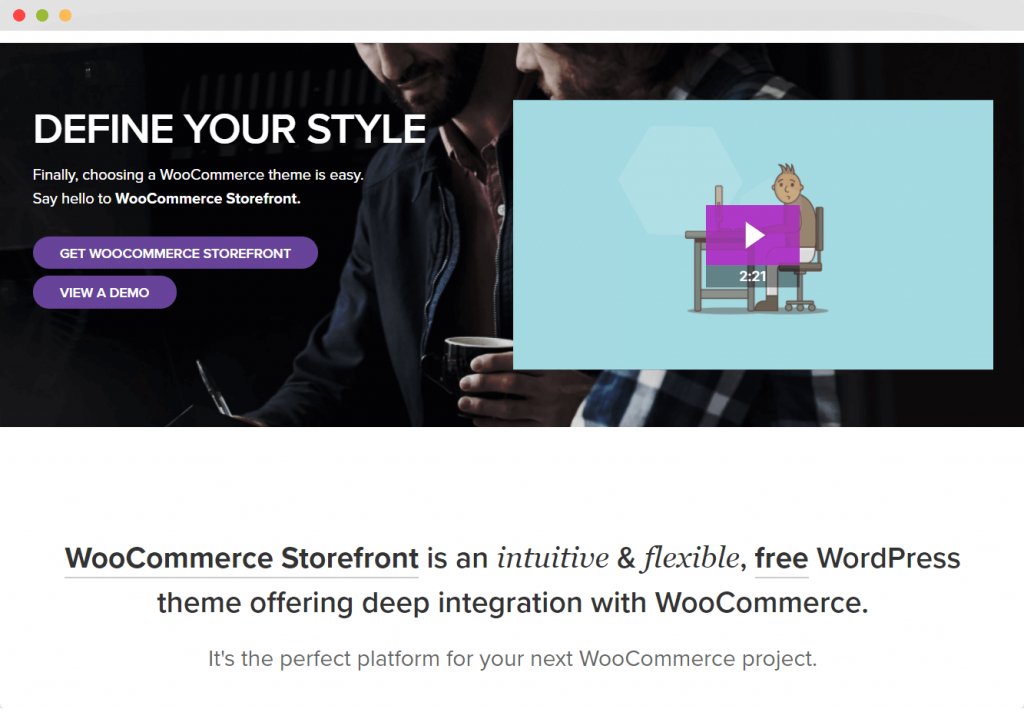
When you’re choosing a theme for WooCommerce stores, always check the following:
- How responsive is the theme?
- Is it easy to install?
- Is the theme easily customized?
- Does the visual appeal of the theme fit your branding?
- Is it easy to navigate and user-friendly?
- Does it have good reviews from other users?
- Is there ongoing support and troubleshooting included?
Why Is Hosting Important For My WooCommerce Dropshipping Store?
By now, you already know that to build a WooCommerce store, you first need to have a WordPress website. Here’s where the hosting comes into play.
Depending on the number of products you list for sale, as well as on your website’s traffic, your hosting can make or break your store!
Choosing a shared hosting option for the beginning might work fine. However, once your store traffic increases, you’ll probably need to switch to a better one.
And remember that it’s not just the traffic or the content that overwhelms your website, but also the different plugins you’ll probably need to install.
Using a weak hosting solution can make even the best-optimized website slow and unresponsive, and that’s why choosing the right host provider is crucial in WooCommerce dropshipping.
In Conclusion
All in all, dropshipping with WooCommerce has its ups and downs, but it’s a pretty affordable way to get started in the eCommerce business.
Even though WooCommerce dropshipping might seem too technical at first, you don’t have to know coding or anything like that. You don’t even have to spend money on a developer.
Nowadays, some tools let you build a website with a drag-and-drop editor all by yourself with minimum investment.
To get started, register a domain name and choose a hosting plan. Once you have a WordPress website, the WooCommerce plugin is free and easy to install. You can build your WooCommerce store in a matter of days!
If you need a full-service dropshipping agent with WooCommerce integration, don’t hesitate to reach out! We can make WooCommerce dropshipping simpler for you.
FAQs About WooCommerce Dropshipping
Is WooCommerce suitable for beginners?
Yes, WooCommerce can work for beginners, but it has a steeper learning curve than fully hosted platforms. You need to manage hosting, WordPress updates, plugins, backups, security, and store performance.
The setup becomes easier if you use managed WooCommerce hosting and limit the number of plugins installed.
We usually recommend WooCommerce to beginners who are comfortable learning basic website management or have access to technical support. Sellers prioritizing the fastest possible launch may find Shopify simpler initially.
Do I need a business license to dropship with WooCommerce?
Whether you need a business license depends on your country, business structure, revenue, and the products you sell. WooCommerce itself does not require one, but local authorities, payment gateways, banks, or suppliers may ask for business registration or tax information.
Regulated categories may require additional permits. Before launching, check local registration and tax obligations rather than assuming an online store is exempt. Formal registration can also make it easier to open business accounts, work with factories, and access better payment processing options.
Can I use multiple suppliers in one WooCommerce store?
Yes, WooCommerce can support multiple suppliers through plugins, extensions, or custom integrations. However, this can create operational issues such as split shipments, inconsistent packaging, different delivery windows, and multiple tracking numbers.
Customers may become confused if these details are not explained clearly. We recommend grouping products by supplier, setting accurate delivery estimates, and testing how orders are routed.
As volume grows, a fulfillment partner can consolidate products from different sources and ship them together where practical.
Can a Dropshipping Agent Help Me With WooCommerce Dropshipping?
Yes, a dropshipping agent can connect with your WooCommerce store and manage the operational work that plugins do not cover. This may include product sourcing, supplier negotiation, quality inspection, inventory storage, custom packaging, order fulfillment, and tracking updates.
A plugin mainly transfers store data, while an agent coordinates the supply chain behind each order. This becomes especially useful once you have proven products, growing order volume, or customers expecting more consistent quality and delivery.
How do returns work with WooCommerce dropshipping?
Your store handles the customer relationship, even when the supplier caused the problem. You need a return policy that reflects the supplier’s actual terms, delivery locations, and inspection process.
Some suppliers accept returns only for damaged or incorrect items, while international returns may cost more than the product itself. Before listing a product, confirm who pays return shipping, where items are returned, and when refunds are issued. A local warehouse or fulfillment partner can make returns easier in key markets.
How fast can WooCommerce dropshipping orders be delivered?
Delivery speed depends on the supplier location, processing time, shipping method, destination country, and whether stock is held locally. Orders shipped directly from overseas usually take longer than products stored in a US or European warehouse.
The WooCommerce platform itself does not control delivery speed. We recommend displaying estimates by product or shipping route rather than promising one storewide timeframe.
Proven products can later be stocked in bulk closer to customers to reduce processing and delivery times.
Is WooCommerce good for international dropshipping?
Yes, WooCommerce can support international stores through multiple currencies, languages, tax settings, shipping zones, and payment gateways. The main challenge is coordinating fulfillment across different countries. Customs duties, import taxes, delivery speeds, product restrictions, and return costs can vary significantly.
We recommend starting with a small number of target markets and confirming that your suppliers can provide reliable tracking and realistic delivery estimates.
Expanding globally too quickly can create support issues that outweigh the additional sales.
How many products should a new WooCommerce store launch with?
There is no fixed number, but a focused catalog is usually easier to manage than hundreds of imported products.
We recommend starting with enough products to support comparison, bundles, and upsells without making the store feel unfocused. A smaller catalog also makes it easier to verify supplier reliability, improve product pages, monitor stock, and test advertising.
Once you identify products with stable demand and acceptable return rates, you can expand into related categories or variants with greater confidence.
When should I switch from a plugin to a dropshipping agent?
Consider switching when supplier coordination begins taking too much time or affects customer experience. Common signs include frequent stockouts, inconsistent quality, slow processing, packaging limitations, and difficulty managing multiple suppliers.
Plugins remain useful for store automation, but an agent can add sourcing, quality inspection, inventory management, packaging, and consolidated fulfillment.
The right timing depends on order consistency rather than a single fixed volume. We usually suggest evaluating an agent once you have proven products and predictable weekly demand.
Can WooCommerce dropshipping be profitable without paid ads?
Yes, but generating profit usually takes longer. WooCommerce stores can attract customers through SEO, content marketing, email, social media, influencer partnerships, marketplaces, and online communities. Organic acquisition reduces reliance on advertising, but it still requires time, content, and technical optimization.
WooCommerce is especially useful for SEO because you have strong control over URLs, product content, internal linking, and site structure. We recommend combining organic channels with small controlled advertising tests instead of depending entirely on one traffic source.

Best dropshipping article I have ever read without blinking. Gulping the information all the way down.
I want to work with you sir to see our dropshipping startup work. And one more thing sir, how about article on advertising your store as a beginner. The kind of advert that will encourage beginner’s small budget and see the store making the good first sale.
Thanks Stanley