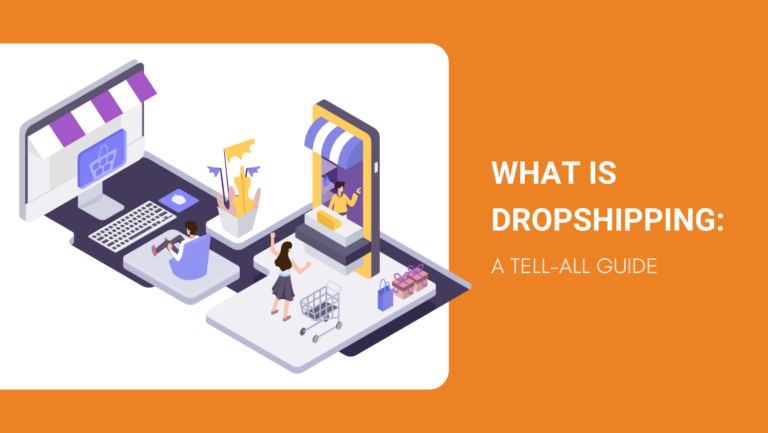
Anyone who is planning to venture into eCommerce has probably heard about dropshipping. It’s a popular business model that provides digital nomads a simple route to starting an online store.
Dropshipping can be a great way to generate a passive income, but only if you’re ready.
Just like any other business, dropshipping also requires knowledge, hard work, and dedication.
So if you’re willing to put in the effort and want to learn more then you’re at the right place. In this guide, we’ll discuss what dropshipping is, how it works, and everything else you need to know to start your business.
Dropshipping Quick Facts
- Definition: Dropshipping is a retail fulfillment model where a supplier ships products directly to your customer.
- Startup cost: Lower than traditional ecommerce because you do not need to purchase inventory upfront.
- Inventory: Products remain with the supplier until an order is placed.
- Profit model: You earn the difference between the customer’s purchase price and your total product, shipping, platform, and marketing costs.
- Best for: Beginners testing product demand, ecommerce sellers with limited capital, and stores that want to expand their catalog without holding large amounts of stock.
- Main trade-off: Lower inventory risk comes with less control over product quality, stock availability, packaging, and delivery unless you work with a reliable supplier or agent.
What Is Dropshipping?
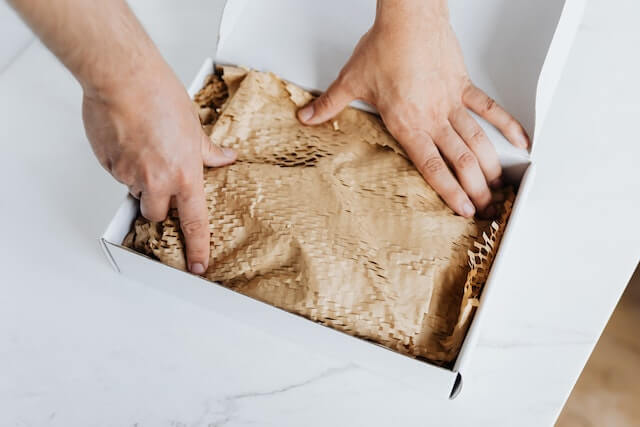
Dropshipping is a retail fulfillment model where you sell products online without holding inventory. When a customer places an order, the supplier receives the order details, packs the product, and ships it directly to the customer. You manage the storefront, pricing, marketing, and customer experience while the supplier handles fulfillment.
In simple terms, you act as the retailer while a supplier or dropshipping agent service manages the physical products. All the core operations of your business like product sourcing, packaging, and fulfillment are handled by the supplier.
How Does Dropshipping Work?
Dropshipping works by separating the sales process from physical fulfillment. You run the online store and customer relationship, while the supplier stores, packs, and ships the product.
- A customer orders from your store
The customer chooses a product, pays your retail price, and receives an order confirmation from your store. - You send the order to your supplier
The order details are forwarded manually or automatically through your ecommerce platform, app, or supplier integration. - You pay the supplier
You pay the supplier’s product and shipping costs. Your gross profit is the difference between the customer’s payment and your total fulfillment expenses. - The supplier picks and packs the product
The supplier prepares the item for shipment. Depending on your setup, this may include quality inspection, custom packaging, inserts, or branded labels. - The supplier ships directly to the customer
The package is sent to the customer without passing through your own location. Tracking information is then shared with your store and customer. - You manage the customer experience
You remain responsible for support, delivery updates, refunds, and returns, even though the supplier handles the physical order.

Types of Dropshipping Support
Dropshipping support usually falls into two categories: platform-based services and private sourcing agents. Both can connect your store with suppliers, but they offer different levels of control over sourcing, quality, branding, and fulfillment.
Platform-Based Dropshipping
Platforms such as AliExpress, CJdropshipping, and Spocket give sellers access to product catalogs that can be imported into an online store. They are generally suitable for beginners who want to test products quickly without negotiating directly with factories.
The main limitation is control. Product quality, stock availability, processing times, and packaging can vary by supplier. Sellers may also compete with many stores offering the same products from the same catalog.
Private or Agent-Based Dropshipping
A private dropshipping agent sources products based on your requirements rather than limiting you to a public catalog. At NicheDropshipping, our team can source from factories and Chinese marketplaces, inspect products, manage inventory, arrange custom packaging, and fulfill orders through one coordinated supply chain.
This setup is better suited to sellers who have validated demand and need more consistent quality, stronger branding, or greater control over delivery.
| Support Type | Best For | Main Advantage | Main Limitation |
| Platform-based dropshipping | Beginners and product testing | Fast access to ready-made catalogs | Less control over suppliers, branding, and consistency |
| Private agent-based dropshipping | Growing and branded stores | Custom sourcing, QC, packaging, and fulfillment support | Usually most valuable once order demand is proven |
Benefits of Dropshipping

- Easy to start: You can launch a store without setting up a warehouse, managing a large inventory, or building a complex fulfillment operation.
- Low startup cost: Most of your early spending goes toward your store, product samples, marketing, and supplier fees rather than bulk inventory.
- Lower-risk product testing: You can test demand before committing to large purchase quantities, which reduces the risk of being left with unsold stock.
- Low overhead costs: Because the supplier handles storage and shipping, you avoid many of the fixed costs associated with traditional retail.
- Highly scalable: As order volume grows, much of the fulfillment workload remains with your supplier, although stronger systems and inventory planning become more important.
- Simple to manage: A reliable supplier, automated order syncing, and clear tracking can make daily operations easier to coordinate from one dashboard.
Challenges of Dropshipping
Before you invest your time and money into dropshipping, it’s important to learn what makes it difficult.
So let’s go over some of the most common challenges of dropshipping:
1. Low Profit Margins
Sure, the overhead costs of dropshipping are low, but unfortunately, so are the profit margins. Since you’re investing a small amount, you’re also getting less money in return.
Dropshipping margins can be thin because you pay the supplier per order and may also cover shipping, payment processing, platform fees, refunds, and advertising. Public marketplace products are especially price-sensitive because many sellers can list the same item. Better sourcing rates, bundled shipping, and branded offers can improve margins, but only after demand is proven
The only way to earn a reasonable amount of money from dropshipping is to either get a high volume of orders or to sell high-ticket products.
2. Supplier Dependency
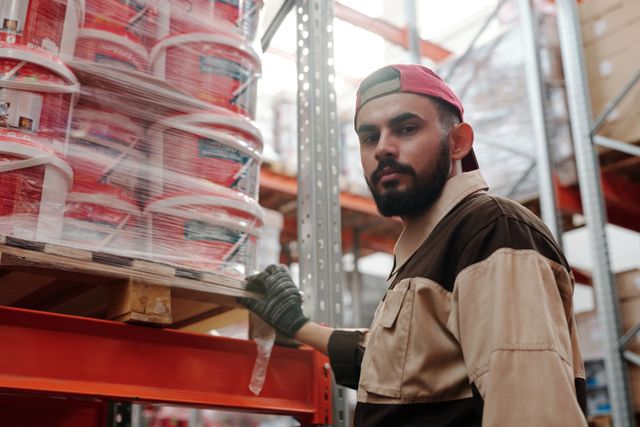
No matter how big your dropshipping store gets, at the end of the day, you’ll always be dependent on your supplier.
If your supplier runs out of stock or stops responding then it can cause some serious problems for your business.
Your supplier directly affects stock availability, processing speed, product consistency, and delivery performance. A supplier delay quickly becomes your customer service problem. Sellers should track stock levels, confirm lead times, and avoid relying on a single source for important products where possible.
That’s why you should never put all your eggs in one basket and always have a backup supplier to bail you out.
3. Lack of Control
The biggest problem with dropshipping is that it doesn’t give you much control. Your business is only as good as your supplier.
At most, you can only order sample products but cannot individually inspect each product.
Common issues include incorrect variants, weak packaging, missing inserts, and delayed tracking updates. Product inspections, clear packing instructions, and a dependable fulfillment partner help reduce these risks.
If the product quality declines in the future, then there’s no way for you to find out without receiving customer complaints. But by then, the damage would already be done.
4. Potential Legal Issues

This doesn’t always happen, but not every supplier is as legit as they claim.
Dropshippers remain responsible for what they sell, even when the supplier ships the product. This includes product safety, trademarks, labeling requirements, taxes, returns, and consumer protection rules. Extra caution is needed with regulated, branded, patented, or safety-sensitive products.
5. Customer Satisfaction
Customer satisfaction can be a major challenge if your supplier isn’t responsive or lives in the opposite time zone.
Slow delivery, inconsistent quality, or poor packaging can lead to complaints, refunds, chargebacks, and negative reviews. Clear shipping expectations, proactive support, and reliable quality control are essential for protecting the customer experience.
6. Highly Competitive
We talked about how starting a dropshipping business is easy and unfortunately, that is also one of its drawbacks.
The competition in the dropshipping market is growing fast, and around 27% of online retailers are now dropshipping.
Stores that depend only on trending products and generic ads often struggle to stand out. Stronger positioning, custom packaging, faster delivery, better creative, and more consistent service are usually needed to compete beyond price.
So if you’re jumping into this unprepared then you’ll have a hard time competing against existing businesses.

Is Dropshipping Worth It in 2026?
Yes, dropshipping can still be worth it in 2026, but it should be treated as a real ecommerce business rather than a passive income model. The low barrier to entry makes it easier to launch, but it also creates more competition, thinner margins, and less room for generic stores.
- Low entry creates more competition: It is easier to launch, but sellers also face thinner margins and less room for generic stores.
- Validation matters: Stronger stores test products carefully before investing more in ads, branding, or inventory.
- Branding improves defensibility: Clear positioning, better packaging, and a consistent customer experience help stores compete beyond price.
- Supplier support becomes more important as you grow: Moving from public marketplaces to a private supplier or dropshipping agent can improve pricing, quality control, packaging, and inventory planning.
- Best used for reducing inventory risk: Dropshipping is most valuable for testing demand before committing to larger stock orders.
- Long-term growth requires more control: Once a product is proven, faster shipping, stronger branding, and better supply chain control become increasingly important.

Dropshipping vs. Other Business Models
Dropshipping, Amazon FBA, and affiliate marketing all let you build an online business, but they differ in how much capital, inventory, and operational control they require.
| Factor | Dropshipping | Amazon FBA | Affiliate Marketing |
| Startup cost | Low to moderate; mainly store setup, samples, apps, and marketing | Moderate to high due to bulk inventory, freight, storage, and Amazon fees | Low; mainly a website, content tools, or advertising |
| Inventory | No inventory required upfront; the supplier fulfills orders | You purchase inventory in advance and send it to Amazon warehouses | No inventory; you promote another company’s products |
| Control | Moderate; you control the store and pricing but depend on the supplier for fulfillment | High product control, but sales and account access depend heavily on Amazon | Low; the merchant controls pricing, products, commissions, and checkout |
| Profit margin | Varies by sourcing cost, shipping, ad spend, and pricing; generic products often have tighter margins | Potentially stronger per-unit margins, but fees and unsold inventory increase risk | Usually commission-based, so earnings per sale are lower |
| Customer relationship | You own the storefront and manage customer support | Amazon largely owns the marketplace relationship and customer data | The merchant handles orders, fulfillment, and support |
| Operational workload | Marketing and support are handled by you; the supplier manages inventory and shipping | Requires inventory forecasting, procurement, listing management, and replenishment | Primarily content creation, audience building, and traffic generation |
| Best for | Sellers who want to test products with lower inventory risk and build their own store | Sellers with validated products and enough capital to buy stock in bulk | Creators and publishers who prefer earning commissions without handling orders |
Dropshipping is usually the most flexible option for sellers who want ownership of the store without committing to bulk inventory.
Amazon FBA offers more control over stocked products and delivery, but it requires significantly more capital and inventory planning.
Affiliate marketing has the lowest operational burden, although you have less control over the offer and earn only a commission from each sale.
Why Do Customers Purchase from Dropshipping Stores?
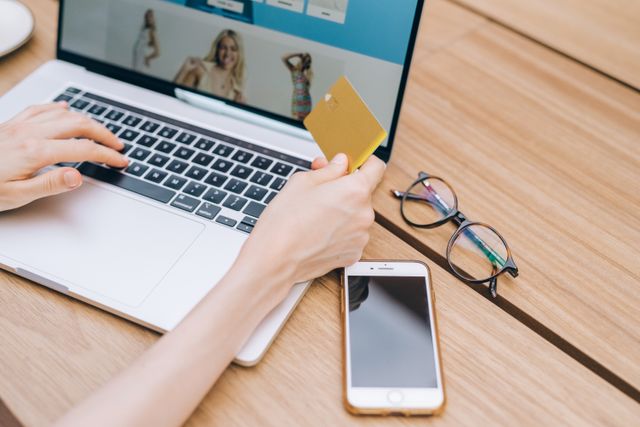
People often ask why customers purchase products from a dropshipping store when they can buy them at a cheaper price from other platforms.
Well, aside from easy accessibility, the credit goes to marketing and creative branding which increases the perceived value of the product.
Plus dropshipping stores also bring the attention of the customers towards that specific product.
For example, AliExpress has thousands of cool products that most people don’t even know exist because the suppliers haven’t marketed them properly.
So it’s about searching for those products and bringing them to the limelight to trigger the impulsive buying behavior of the customers.
Is Dropshipping Right For You?
Whether dropshipping is right for you or not depends on a variety of factors. So here are some questions to ask yourself before entering this business:
1) What Are You Trying to Achieve from Dropshipping?
Before you get into dropshipping, you need to evaluate your goals.
If you’re just trying to start a side hustle and don’t have any unrealistic profit expectations, then you’re good to go.
However, if you think dropshipping is a get-rich-quick scheme or expect it would make you a millionaire then it isn’t for you.
2) Do You Want to Micromanage Your Business?
The majority of your core business operations would be controlled by your supplier.
For some people, this is also the appeal of dropshipping because you don’t have to worry about product sourcing or logistics.
However, if you’re a perfectionist and love micromanaging then dropshipping isn’t the right business for you.
3) Do You Have a Plan to Deal with the Competition?
Dropshipping has become a highly competitive business model.
To give you some perspective, 90% of dropshipping stores fail within their first year of operation.
This goes to prove that if you want to succeed in dropshipping then you’ll have to take it seriously.
So if you don’t have a solid strategy and can’t be bothered to put in the effort, then dropshipping may waste your time.
So, Who’s Dropshipping For?
Dropshipping is perfect for digital entrepreneurs trying to generate a passive income on a low budget.
It’s also great for people new to eCommerce who are looking for a low-risk business model to learn more about the industry.
And it’s ideal for established businesses to test new products and markets at a minimal cost.

How to Find Products for Dropshipping?
There are several ways to find products for dropshipping, however, one of the most popular methods is to search online marketplaces like AliExpress.
You can also extend your search on social media platforms and online forums, and by analyzing the current trends using sites like Google Trends.
In addition, plenty of product hunting tools have also been recently introduced. You can use them to gain market insights and get quick access to a list of in-demand products.
Read More
Dropshipping Product Research: The Ultimate FAQ Guide
How to Find a Reliable Dropshipping Supplier?
A reliable supplier should provide consistent product quality, accurate stock information, clear processing times, trackable shipping, and responsive communication. Before committing, order samples, confirm return and refund terms, and test how quickly the supplier resolves problems.
Also check whether the supplier can support your next stage of growth through quality inspection, inventory storage, branded packaging, and automated fulfillment.
Our guide to the best dropshipping suppliers can help you compare suitable options.
How Much Profit Can You Make from Dropshipping?
Dropshipping profit depends on product cost, shipping, payment fees, returns, advertising, and your selling price. There is no fixed margin, but many sellers aim for a gross margin of around 20%–40% before advertising and other operating costs. Net profit is often much lower once all expenses are included.
For example, if you sell a product for $50 and pay $20 for the item, $8 for shipping, and $2 in transaction fees, your gross profit is $20. If advertising costs $12 to generate the sale, your remaining profit is $8, or a 16% net margin.
The strongest margins usually come from better sourcing rates, bundled shipping, repeat customers, and branded products that are less vulnerable to direct price comparison.
Read More
Dropshipping Profit Margin: The Ultimate FAQ Guide
Alternatives to Dropshipping
Dropshipping is only one way to run an ecommerce business. The right alternative depends on how much capital, inventory risk, branding control, and operational work you are prepared to manage.
Private Label
A private label lets you source an existing product and sell it under your own brand, often with custom packaging, labels, or product modifications. It offers stronger differentiation and potentially better margins, but usually requires higher minimum order quantities and more upfront planning. Learn more about private label dropshipping.
Amazon FBA
With Amazon FBA, you buy inventory in advance and send it to Amazon’s fulfillment centers. Amazon handles storage, shipping, and much of the customer service, but you take on inventory risk, platform fees, and stricter marketplace rules.
Affiliate Marketing
Affiliate marketers promote another company’s products and earn a commission when someone buys through their link. This model requires little operational work because you do not handle orders, shipping, or returns, but you also have less control over pricing, commissions, and the customer relationship. Although similar to dropshipping, the financial risk in affiliate marketing is minimal and there are many affiliate programs to choose from.
Print on Demand
Print on demand is a form of fulfillment where products are produced only after an order is placed. It works well for custom apparel, accessories, and artwork, though production costs can be higher and margins may be limited unless the designs and branding are strong.
Wholesale
Wholesale involves buying products in bulk at lower per-unit prices and storing them until they sell. It gives you more control over stock, packaging, and fulfillment, but requires more capital, storage space, and accurate demand forecasting.
How Do I Start a Dropshipping Business?
Starting a dropshipping business is straightforward, but choosing the right product, supplier, and sales channel matters more than launching quickly.
- Choose a focused niche: Pick a product category with clear demand, manageable competition, and enough margin to cover shipping, fees, and marketing.
- Research products and validate demand: Compare search interest, competitor pricing, customer reviews, and advertising activity before adding products to your store.
- Find and test a supplier: Order samples, confirm processing times, review shipping options, and test communication before trusting a supplier with customer orders.
- Build your online store: Create clear product pages, realistic shipping policies, and a simple checkout experience using Shopify or another ecommerce platform.
- Launch, measure, and improve: Start with a small product range, track conversion rate, delivery performance, refunds, and profit per order, then scale only the products that perform consistently.
For a more detailed roadmap, see our guide on how to start dropshipping.
How to Market a Dropshipping Business?
There are several ways to market a dropshipping store. You can use social media platforms to start a blog, run paid ad campaigns, and create an email list and so on.
Ultimately, the marketing strategy you choose depends on your business goals, budget, and financial capability.
Although before you market any eCommerce business remember that the key rule is to know your target audience.
Otherwise, you would be getting plenty of irrelevant traffic and little to no conversions.
Read More
Dropshipping Marketing: The Money-Making Guide
How Can I Maximize My Chances of Success?
Dropshipping is a highly competitive business, so you need to get an edge over your competitors. If you want to increase your chances of success then try to set yourself apart from the crowd.
What do we mean by that? Well, there are far too many copy-pasted dropshipping stores out there, and you don’t want to be one of them.
Your top priority is building a unique brand identity and that can only be done by creating a presentable website.
Always focus on selling quality products and stay in touch with your customers for feedback and improvements. This, in turn, would also help you build brand loyalty and contribute to the growth of your business.

NicheDropshipping Services at a Glance
NicheDropshipping provides end-to-end dropshipping support for Shopify sellers, Amazon sellers, and small businesses worldwide. The services below cover the main parts of sourcing, branding, inventory, and fulfillment, while a dedicated agent can tailor the setup to your store’s needs.
| Service | What It Covers | Best For |
| Product sourcing | Supplier research, factory comparisons, pricing quotes, and sourcing from Chinese marketplaces and manufacturing hubs | Sellers who want better supplier options without contacting factories directly |
| Quality inspection | Pre-shipment checks for product condition, quantity, variants, and packaging requirements | Stores that need more consistent quality and fewer fulfillment errors |
| Private label and branding | Custom logos, labels, inserts, branded packaging, and product customization where available | Sellers building a recognizable brand around validated products |
| Inventory storage | Warehousing in China and selected overseas locations, with stock held for faster processing | Growing stores with stable order volume and repeat-selling products |
| Order fulfillment | Picking, packing, tracking updates, and direct shipping to customers worldwide | Sellers who want one partner to manage daily fulfillment |
| Shopify integration | Automated order syncing, inventory updates, and fulfillment workflows | Shopify stores that want to reduce manual order handling |
| Global shipping | Multiple shipping lines from China, plus faster delivery options through US and European warehouses | Stores serving customers across several countries or regions |
| Dedicated agent support | One-to-one communication for sourcing, inventory, shipping, and issue resolution | Sellers who need more hands-on support than a self-service platform provides |
Dropshipping for Beginners: FAQs
Is Dropshipping Legal?
Absolutely! Everything about dropshipping is legal and it’s not a scam. But that doesn’t mean you’re safe from legal liabilities. Even if you’re honest, you never know the intentions of the supplier you’re working with.
They could be selling copyrighted products with forged resale certificates and making you a part of the chain without your knowledge.
Similarly, your customers could sue you for cosmetic products for various side effects. That’s why it’s crucial to add business disclaimers and be careful before picking a supplier to work with.
Can I work with more than one dropshipping supplier?
Yes, and using multiple suppliers can reduce dependence on a single source. However, it also makes inventory management, shipping times, and customer support more complex. A single customer order may arrive in separate packages if products come from different suppliers.
Sellers should clearly track stock, processing times, and shipping methods to avoid inconsistent delivery experiences.
Can I dropship internationally?
Yes, but international selling adds more complexity. You need to consider customs duties, import taxes, restricted products, delivery times, local payment methods, and return costs.
A product that performs well in one country may not be suitable in another because of regulations or customer expectations. It is usually better to focus on one or two markets first, then expand once fulfillment is consistent.
What products should beginners avoid dropshipping?
Beginners should be cautious with fragile goods, counterfeit-branded products, medical claims, batteries, cosmetics, supplements, oversized items, and products requiring safety certification.
These categories can create higher return rates, customs delays, compliance risks, or expensive shipping.
Simpler products with low breakage risk, clear sizing, and straightforward customer expectations are generally easier to test and manage.
Can Dropshipping Suppliers Scam You?
Yes, dropshipping suppliers can scam you but it can be avoided if you tread with caution. For starters, if you’re working with a supplier on a marketplace like AliExpress then never make any transactions outside the platform.
Doing so would nullify the buyers’ protection of the marketplace, and it is a common tactic that scammers use to trick dropshippers.
Some merchants also claim to be original equipment manufacturers (OEM) which is also normally a scam.
They’re only making these claims to fool customers and potential dropshippers because luxury goods can be sold at a hefty price and have a high demand.
How Much Does it Cost to Start Dropshipping?
There is no standard estimate to start a dropshipping store. It all depends on how you’re planning to sell the product and the initial amount you’re planning to invest in marketing.
With that said, even $100 is enough to get the ball rolling. This would cover the subscription fee of your eCommerce platform, the cost of the domain name and hosting along with some basic advertisements.
In theory, it’s also possible to start a dropshipping business with no money using the Shopify trial period.
But doing so would require a herculean effort because your store would barely be functional and it would be a nightmare to generate traffic without paid marketing campaigns.
Is Dropshipping Allowed on Amazon?
Yes, Amazon does allow dropshipping but it isn’t lenient as other platforms. You need to follow their dropshipping policies otherwise your store will be suspended.
In a nutshell, the rules say that the documentation on the product packaging must only show you as the seller and you should take full responsibility for processing customer complaints.
It’s worth noting that dropshipping on Amazon isn’t recommended due to their tight rules.
Dropshipping also doesn’t give you much control over shipping times and consistently exceeding the delivery time allotted by Amazon can remove your listings and deactivate your account.
Is Dropshipping Allowed on eBay?
Yes, dropshipping on eBay is allowed but it isn’t the same as regular dropshipping. You can only dropship on eBay if you’re getting the products sourced from a reputable wholesale supplier.
The problem with that is most wholesale suppliers have a minimum order quantity so you would have to purchase products in bulk, which defeats the whole purpose of dropshipping.
In addition, sellers are directed to deliver products within 30 days, which can sometimes be difficult since dropshippers do not manage the logistics. Lastly, reselling products from other marketplaces like AliExpress is also prohibited.

Hello, i am interested in setting up a drop shipping store mainly for auto parts and accessories. how can you help out.
Hello,
Thanks for your interest. Feel free to ask for the contact info through this page:https://nichedropshipping.com/niche-dropshipping/. Looking forward to your message.
Hey I’m new to this. I am interested in casual to semi formal clothing for male and female. And accessories such as scarves. Cardigans, hats etc
Hi Karen, thank you for your interest! Can you sending us a massage, so we can get right person to contact with you. Here’s the link: https://nichedropshipping.com/sourcing-request/
Or send us a message through this email: [email protected]