You can technically start dropshipping for under $100, but we’d consider $300–$700 a more realistic first-month budget in 2026. That gives you enough room for a store, domain, product samples, and a small amount of paid testing. If you want to test for three months without running out of cash after one failed product, plan closer to $700–$1,200.
Your actual dropshipping startup cost depends mainly on how you plan to get traffic, how many products you want to test, and how you handle sourcing and fulfillment. Using organic content can keep your launch lean, while paid advertising quickly becomes the largest expense. Working with a dropshipping agent service can also reduce fixed costs because there may be no monthly sourcing subscription to pay.
Quick Facts: Dropshipping Startup Costs in 2026
- Technical minimum: Under $100 if you rely on free tools and organic traffic
- Realistic first month: $300–$700
- Recommended 3-month testing budget: $700–$1,200
- Growth-focused budget: $2,000+
- Largest variable: Advertising and product testing
- Practical minimum we’d suggest: Around $300 if you want enough budget to properly test at least one product
If you’re still working through the overall setup process, our guide on how to start dropshipping covers the launch steps in more detail.
Quick Answer: How Much Money Do You Need to Start Dropshipping?
The amount you need depends on what you are trying to achieve. We would not give the same budget to someone learning the basics with organic traffic as we would to someone testing several products with paid ads.
Here is how we would budget a dropshipping launch in 2026:
| Budget Tier | Total Budget | Time Window | What It Covers | Best For |
| Shoestring | Under $100 | First month | Low-cost store setup, domain, free theme/apps, organic marketing | Learning how dropshipping works with minimal financial risk |
| Lean | $300–$700 | First month | Store, domain, 1–2 samples, basic tools, and a small paid-ad test | Beginners who want to properly test one product |
| Recommended | $700–$1,200 | First 3 months | Store costs, 2–3 product tests, samples, ads, and a $200–$500 cash-flow reserve | Sellers who want enough runway to test before judging whether a product works |
| Growth | $2,000+ | First 3 months | Larger testing budget, better creative, optional paid tools, early branding, and more working capital | Sellers treating the store as a serious business from launch |
These ranges assume you are dropshipping rather than purchasing bulk inventory upfront. Advertising is the main variable: an organic-first store can stay near the bottom of each range, while testing several products through Meta, TikTok, or Google Ads can push costs higher quickly.
Which Budget Should You Choose?
- Choose Shoestring if you mainly want to learn store setup, sourcing, fulfillment, and organic marketing before committing more money.
- Choose Lean if you have around $300–$700 and want enough budget to order samples and run a meaningful first product test.
- Choose Recommended if you want several months of runway. We prefer this range because one unsuccessful product test should not force you to stop completely.
- Choose Growth if you already understand the model and want room for multiple tests, stronger creatives, faster fulfillment, or early branded packaging.
For most first-time sellers, $700–$1,200 across three months is the most balanced starting point. It gives you enough capital to test, learn, and adjust without committing thousands of dollars before you have validated demand.
Dropshipping Startup Costs Breakdown
Your startup budget is made up of fixed costs, optional setup costs, and variable costs that grow with sales. We prefer separating them this way because a $39 platform fee matters far less than advertising, supplier payments, or cash-flow pressure once orders start coming in.
| Cost Category | Typical Cost | When You Pay | Is It Essential at Launch? |
| E-commerce platform | $5–$39+/month | Monthly | Yes |
| Domain name | $10–$20/year | Annually | Recommended |
| Store design & theme | $0–$350 DIY; $500–$1,000 freelance | One-time | No, free themes are enough to start |
| Product samples | $30–$150 per product | Before testing | Strongly recommended |
| Supplier directories / sourcing | $0–$300/year | Optional | No |
| Apps & tools | $0–$100/month | Monthly | No, start with free tiers |
| Marketing & advertising | $0 organic; $300–$600+/month for testing | Ongoing | Depends on acquisition strategy |
| Payment processing | Around 2.9% + $0.30 per sale | Per transaction | Only after you make sales |
| Cash-flow reserve | $200–$500 | Set aside before scaling | Recommended |
| Shipping | Roughly $3–$8 China standard; $4–$8 US domestic | Per order | Yes, unless included in supplier pricing |
| Business registration & compliance | $0–$500+ | One-time / annual | Depends on location and business stage |
| White/private label | +$0.30–$2/unit for simple branding; $200–$2,000+ for deeper customization | After validation | No |
For most beginners, the largest controllable startup expense is product testing and customer acquisition, rather than the website itself. You can keep your theme, apps, and sourcing costs close to zero at first, but we would not cut the budget for samples or ignore the working capital needed to fulfill orders before payment payouts arrive.
The sections below break down each cost so you can see where spending is necessary, where it is optional, and where we would wait until the product has proven demand.
E-commerce Platform Fees
Your ecommerce platform is usually the first recurring expense, but it does not need to consume much of your startup budget. For most beginners, we suggest keeping platform costs predictable and saving more of your money for product samples and testing.
Here is what you can expect in 2026:
- Shopify: Basic starts at $39/month, or about $29/month when billed annually. New stores may also qualify for introductory pricing, such as $1/month for the first three months after the trial.
- WooCommerce: The plugin itself is free, but you still need hosting. Basic hosting commonly runs around $5–$30/month, with additional costs possible for premium plugins, security, or performance tools.
- Wix / Squarespace: Ecommerce plans generally start at around $29/month, depending on the plan and billing cycle.
- BigCommerce: Entry-level ecommerce pricing starts at around $39/month.
For a first store, we would avoid choosing a platform based on a $10–$20 monthly difference alone. What matters more is whether it gives you the integrations, checkout experience, and order-management workflow you need without forcing you to add several paid tools immediately.
Our approach: keep the store setup simple during validation. A basic plan, free theme, and only essential apps are usually enough until the product starts generating consistent sales.
Website & Store Design Costs
You do not need an expensive custom store to start dropshipping. For a new store, we usually prefer a clean free theme, simple branding, and strong product pages over spending heavily on design before the product has been validated.
Typical 2026 costs look like this:
- Free theme: $0. This is enough for most first stores if the layout is clean and mobile-friendly.
- Premium theme: around $50–$350 one-time for more advanced layouts, merchandising features, or customization.
- Freelance store design: roughly $500–$1,000 for a more customized build, depending on the number of pages and level of design work.
- Logo and basic branding: $0–$50 using free design tools or a low-cost freelancer.
We would treat premium design as a later-stage upgrade, not a launch requirement. Early on, your budget usually creates more value when it goes toward better product samples, original product content, and testing demand.
Practical tip: a free theme with clear navigation, strong product photos, trust information, and a simple checkout flow is usually enough to validate whether a product can sell. Upgrade the design once you know the store has something worth scaling.
Product Sourcing & Sample Costs
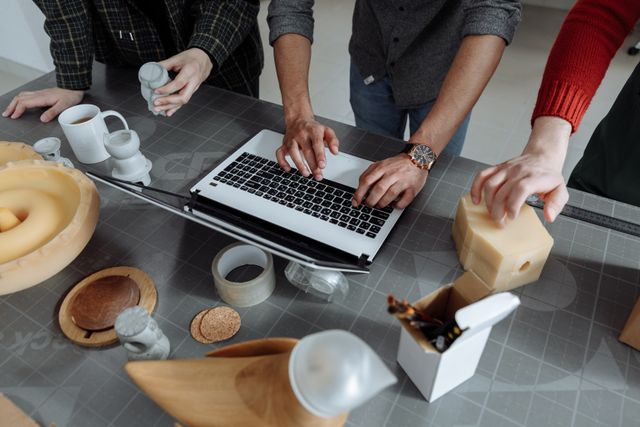
You do not need to buy inventory upfront when you start dropshipping, but we strongly suggest budgeting for product samples before you spend money on marketing. A supplier listing can tell you the specifications; a sample tells you what your customer will actually receive.
For most products, we would budget:
- Product samples: around $30–$150 including shipping, depending on the product, weight, and destination.
- Supplier directories: roughly $50–$300 per year if you use a paid directory to find and contact suppliers.
- Supplier apps: many have free entry plans, while additional automation or sourcing features may require a monthly subscription.
- Dropshipping agent: sourcing can have no upfront cost. With our product sourcing agent service, for example, you can request a factory-direct quote without paying a sourcing subscription.
We generally suggest ordering one or two samples for any product you are seriously considering. Check the actual materials, dimensions, packaging, product finish, and delivery experience. If there is an obvious quality problem at the sample stage, discovering it for $50 is much less expensive than finding out after you have paid for ads and started receiving customer complaints.
The sourcing model also affects your ongoing costs. Paid directories and supplier apps can create fixed expenses before you have made a sale, whereas a sourcing-based agent can keep that part of your budget variable: you request pricing first and pay for products and fulfillment when you begin placing orders.
Want factory-direct prices without subscription fees? NicheDropshipping offers free product sourcing with quotes in 1–2 working days. Get your free quote today, no credit card required.
Marketing & Advertising Budget
Marketing is usually the biggest variable in a dropshipping startup budget. You can launch with almost no ad spend if you rely on organic content, but if you want faster product validation, you need enough budget to test without judging a product after just a few clicks.
For paid traffic, a practical starting point is:
- $20–$30 per day
- Run each test for 5–7 days
- Budget roughly $150 per product test
- Expect around $300–$600+ per month if you are testing multiple products
We would rather see a beginner test one or two products properly than spread $300 across six products and learn almost nothing from the data. The goal of the first ad budget is validation: can the product attract clicks, convert at an acceptable cost, and leave enough margin after fulfillment?
If your budget is limited, organic TikTok, Instagram Reels, and YouTube Shorts can reduce your cash outlay. The trade-off is time. Organic testing usually requires more content volume and a longer runway before you can judge demand.
Example: What Does One $39.99 Sale Actually Leave You?
A product can look profitable until you account for all the variable costs.
| Cost Item | Amount |
| Selling price | $39.99 |
| Product + fulfillment | −$12.00 |
| Shipping | −$5.00 |
| Payment processing | −$1.46 |
| Advertising cost per sale | −$12.00 |
| Contribution after these costs | $9.53 |
That $9.53 is not necessarily final profit. Refunds, chargebacks, apps, taxes, and other overhead can still reduce it. What this example shows is why we focus so much on product economics before scaling ads.
A $20 monthly app saving helps, but reducing your acquisition cost by $4 per order or sourcing the product a few dollars lower can have a much larger impact as volume grows. That is why we look at marketing costs together with supplier pricing when evaluating the best dropshipping products, rather than treating advertising as a separate expense.
Apps & Tools
Apps can improve a dropshipping store, but they can also turn into unnecessary monthly overhead very quickly. For a new store, we usually suggest starting with free plans wherever possible and adding paid tools only when they solve a clear problem.
A typical app stack can include:
| Tool Type | Typical Cost |
| Product reviews | $0–$15/month |
| Email marketing | $0–$30/month |
| Upsells and bundles | $0–$30/month |
| Product research | $0–$50/month |
| Order tracking | $0–$20/month |
In total, a beginner can keep this category at $0, while a more developed stack may reach $50–$100+ per month.
Our rule is simple: do not pay for an app just because other stores use it. Add it when there is a measurable reason. If abandoned carts become a problem, invest in email recovery. If average order value needs work, then an upsell tool may make sense.
During product validation, every recurring subscription reduces your runway. We would rather keep the software stack lean and preserve that budget for samples, advertising, and fulfillment.
Payment Processing Fees
Payment processing is easy to overlook because it is not an upfront startup cost. You only begin paying it once customers start placing orders, but it should still be included in your pricing and margin calculations from day one.
Typical rates include:
- Shopify Payments (US): around 2.9% + $0.30 per online card transaction on the Basic plan
- PayPal: around 3.49% + $0.49 per transaction
- Other gateways: rates vary by provider and country, and Shopify may charge an additional transaction fee if you use a third-party payment provider instead of Shopify Payments.
On a $39.99 order, a 2.9% + $0.30 processing fee works out to about $1.46. That may look small on one order, but at 1,000 orders it becomes roughly $1,460, so it needs to be built into your unit economics.
We treat payment fees as a variable operating cost rather than part of your fixed monthly budget. They grow with revenue, which is preferable to paying another subscription before you have made a sale.
Cash-Flow Reserve & Payout Delays
Cash flow is one of the most overlooked dropshipping costs because your customer may pay you before that money is actually available to spend. Payment processors can take anywhere from 2–21 days to release funds, depending on the provider, country, account history, and transaction risk. Newer accounts can also face rolling reserves, where part of each payout is temporarily held.
The problem is timing. Your supplier still needs to be paid so the order can be processed and shipped, even if your payout has not reached your bank account yet.
That is why we suggest keeping a $200–$500 cash-flow reserve when you launch. This buffer can cover:
- Supplier payments while payouts are pending
- Refunds or cancellations
- Temporary payment holds
- Small chargeback-related costs
- Short spikes in order volume
For example, if you receive 10 orders in a weekend and each costs $20 to source and fulfill, you may need $200 available immediately even though the customer payments are still being processed.
We would treat this reserve as working capital, not an expense. You may not actually spend all of it, but having it available prevents a profitable store from running into fulfillment delays simply because the payout timing does not match the supplier payment schedule.
Shipping Costs
Shipping is usually a per-order cost rather than a true startup expense, but it has a major impact on your margins and customer experience. Some suppliers bundle shipping into the product price, while others quote it separately, so we always compare the landed cost per order, not just the product price.
Typical planning ranges are:
- China direct, standard shipping: around $3–$8 per order
- Express shipping: around $15–$50 per parcel, depending on weight, destination, and carrier
- US warehouse fulfillment: roughly $4–$8 per domestic order, often with 2–5 day delivery
- Customs and duties: may apply on cross-border shipments depending on product category, value, destination, and current import rules
In practice, the cheapest shipping option is not always the best commercial choice. Saving $2 per order can become expensive if delivery takes several weeks and leads to more “Where is my order?” tickets, cancellations, or refund requests.
We generally prefer China-direct fulfillment while a product is still being tested, then consider moving proven products into a US warehouse when order volume justifies stocking inventory closer to customers. That increases working-capital requirements, but the faster delivery can make more sense once demand is predictable.
Also remember that “free shipping” from a supplier rarely means shipping costs nothing, it is often already built into the product price. Compare the full product-plus-shipping quote before deciding which supplier is actually more cost-effective.
If you are importing into the US, our guide to import duty from China to USA explains where customs charges can enter the equation.
Tax & Legal Compliance
Tax and legal setup is easy to overlook when budgeting for dropshipping, but it can become expensive if you leave it until problems appear.
Your exact costs depend on where you operate and where your customers are located. As a rough planning range, business registration can cost anywhere from $0 to $500+.
- US: forming an LLC commonly costs around $50–$500, depending on the state and any annual filing requirements.
- EIN: an Employer Identification Number is free when obtained directly from the IRS.
- UK: registering as a sole trader is generally low-cost or free, although your ongoing tax obligations still apply.
- EU/UK VAT: VAT registration may become necessary depending on where you sell, where goods are supplied from, and applicable registration thresholds.
We would also budget for professional advice once the store begins generating consistent revenue. A local accountant or tax adviser can help you understand sales tax, VAT, income tax, and reporting requirements that ecommerce platforms do not handle automatically.
Practical tip: use built-in tax settings in Shopify or WooCommerce to help calculate taxes, but do not assume the software replaces your legal obligations. The rules differ by country, product type, and sales volume, so verify your position with a qualified local professional.
White Label & Private Label Costs
White label and private label are usually not day-one expenses. We would only move into branding once a product has shown consistent demand, because customization adds cost, MOQ requirements, and more inventory risk.
Typical planning ranges are:
- White label / simple branded packaging: around +$0.30–$2 per unit at relatively low MOQs
- Private label setup: roughly $200–$2,000+, depending on the product, packaging, molds, printing, and level of customization
- MOQ: usually higher than standard dropshipping, especially when the product itself is being modified rather than simply repackaged
White label is the easier first step. You may keep the underlying product unchanged while adding elements such as branded packaging, inserts, stickers, or labels. This lets you improve presentation without committing heavily to custom manufacturing.
Private labels go further. You may change materials, colors, specifications, packaging, or other product details, which is why setup costs and MOQs can rise quickly.
Our usual approach is to start with a standard product, validate demand, then reinvest into branding. If the product is already selling consistently, private label dropshipping and custom branded packaging can make sense as the next stage.
How Much Does a Dropshipping Agent Cost?

A private dropshipping agent usually does not charge the same way as a supplier app. Instead of paying a monthly subscription, you typically receive a per-order quote covering the product, fulfillment, and any selected services. With our model, sourcing is free, there is no upfront subscription, and you pay when orders are fulfilled.
This distinction matters because two suppliers can look similar on the surface while producing very different margins once subscriptions, product markups, shipping, and fulfillment fees are included.
| Fulfillment Model | Typical Fixed Cost | How You Pay | What You Usually Get |
| Supplier / automation app | $0–$80/month | Subscription plus product and shipping costs | Product catalog, store integration, automated ordering |
| Private dropshipping agent | Often $0/month | Per-order quoted price | Sourcing, purchasing, fulfillment, and potentially QC, warehousing, or branding |
| Paid supplier directory | Around $50–$300/year | Membership plus direct supplier costs | Access to supplier listings; you manage sourcing and fulfillment |
Where Does the Agent Make Money?
A dropshipping agent normally builds its service cost into the per-order fulfillment price rather than charging a separate monthly commission. That quote may combine:
- Product purchasing
- Order processing
- Packing and fulfillment
- Shipping
- Quality inspection
- Optional branded packaging or private-label work
For our clients, we provide free sourcing with no upfront cost, then quote the product and fulfillment cost before orders are processed. According to our current pricing model, those quotes can be 3–30% below a seller’s existing supplier pricing, depending on the product, order volume, sourcing route, and shipping method. That range should be treated as a potential saving rather than a guaranteed discount on every SKU.
Why Can an Agent Cost Less Than a Supplier App?
The main difference is the sourcing layer. Many supplier apps give you convenient access to an existing catalog, but the displayed product price may already include additional margins before shipping or fulfillment is added.
A sourcing agent can instead look for the same or similar product through factories and domestic Chinese supplier networks, then negotiate based on your specifications and order volume. That becomes increasingly valuable once you have a product doing consistent sales, because saving even $1–$3 per order can matter far more than saving $20 on a monthly app.
The other advantage is that the cost can cover operational work you would otherwise coordinate separately. With our service, that can include pre-shipment quality inspection, warehousing, same-day processing for stocked items, and branded packaging options.
When Does an Agent Make Financial Sense?
We would start comparing agent quotes once you have a product with real demand or when your current supplier’s pricing, processing time, or QC begins limiting your margins.
For a very small store placing only occasional orders, a free supplier app may be perfectly adequate. As volume increases, however, focus on total dropship fulfillment pricing per delivered order, not just whether a service advertises a free plan.
That means comparing:
Product cost + fulfillment + shipping + subscription fees + branding/QC costs
against the agent’s quoted landed cost.
For more sourcing options, you can also compare our guide to the best dropshipping suppliers.
Tired of platform subscriptions and supplier markups eating your margins? That’s exactly why 3,000+ dropshippers work with NicheDropshipping. Free sourcing, no upfront cost, per-order pricing 3–30% below typical platform rates. See the difference.
Monthly Running Costs After Launch
Once your store is live, the fixed monthly cost can stay fairly low. For a lean setup, we would budget around $50–$170 per month before advertising and product costs.
| Monthly Cost | Lean Setup | Typical Growing Store |
| E-commerce platform | $39 | $39 |
| Apps & tools | $0 | $30–$100 |
| Email marketing | $0 | $0–$30 |
| Domain, averaged monthly | ~$1 | ~$1 |
| Baseline total | ~$40–$50/month | ~$70–$170/month |
This does not include ads, product costs, shipping, payment processing, or refunds. Those are variable costs and should be tracked separately because they rise with sales and testing activity.
For example, a store spending $100/month on software and $500/month on ads has very different economics from one spending the same $100 on software but relying mostly on organic traffic. That is why we prefer to separate fixed monthly overhead from per-order and acquisition costs.
Our advice is to keep the baseline as lean as possible until the store proves demand. Every unnecessary subscription reduces the amount of runway you have for product testing, which is usually where the budget matters most.
Is It Possible to Start Dropshipping Business With No Money?

You can technically start dropshipping with $0, but only as a very short-term learning setup. The moment you need a paid store plan, a custom domain, product samples, or paid traffic, you need some working capital. We would treat a zero-budget launch as a way to learn the process rather than as a properly funded business.
A true $0 approach looks like this:
- Use a free store trial and a free theme rather than paying for design.
- Keep the free store subdomain instead of buying a custom domain immediately.
- Use free supplier or sourcing options with no upfront subscription.
- Create your own organic content for TikTok, Instagram Reels, and YouTube Shorts instead of running ads.
- Pay the supplier after the customer orders, rather than purchasing inventory in advance.
The last point is what makes dropshipping possible with very little capital. You do not normally buy a warehouse full of stock before you make your first sale.
However, there is an important cash-flow catch: customer payment does not always reach your bank account immediately. Your supplier may need payment before your Stripe, PayPal, or store payout clears. Even a store that starts at $0 can therefore need working capital as soon as orders arrive.
What Does $100 or $300 Actually Unlock?
| Budget | What It Gives You |
| $0 | Free trial, free theme, free tools, organic marketing; mainly useful for learning |
| $100 | Custom domain, one product sample, basic store costs, and a very small testing budget |
| $300 | Sample + store setup + roughly $150–$200 for a more meaningful first paid product test |
| $500+ | More room for testing, cash-flow reserve, and a second attempt if the first product fails |
If you only have $100, we would spend it on credibility and validation, not premium apps or design. A custom domain and a real sample tell you far more than a paid theme.
At around $300, the economics become more practical. You can inspect the product yourself, launch a credible store, and put enough money behind one product to collect useful advertising data.
So while dropshipping with no upfront cost is technically possible, we would consider roughly $300 the more realistic minimum investment if your goal is to test whether a product can become a real business rather than simply learn how dropshipping works.
Is Dropshipping Worth the Cost in 2026?
Yes, dropshipping can still be worth the investment in 2026, but we would approach it very differently from the low-effort model that worked for some sellers several years ago.
A realistic target for established stores is often around 10–30% net margin, although the actual result depends heavily on product cost, shipping, returns, payment fees, and customer acquisition. Advertising is also more competitive than it was during the 2020–2022 boom, so weak products and thin margins are harder to hide behind inexpensive traffic.
From our perspective, the stores with the strongest economics usually improve three areas:
- Product differentiation: better positioning, bundles, packaging, or eventually private label
- Fulfillment: faster and more predictable delivery, particularly once proven products can move closer to customers
- Unit economics: enough margin between selling price, sourcing, shipping, processing, and acquisition costs
This is also why we would not judge dropshipping after a few weeks. A realistic path to consistent profitability can take 3–12 months, especially for a first-time seller who is still learning product selection, creative testing, and supplier management.
The model still has a major advantage: you can validate demand without committing large amounts of capital to inventory upfront. But in 2026, we believe the better opportunity is building a store customers actually remember, then improving sourcing and fulfillment as volume grows.
Our dropshipping case study shows how these decisions can play out once a store moves beyond the initial testing stage.
How to Reduce Your Startup Costs
You can reduce your dropshipping startup costs significantly without cutting the parts that actually matter. We would focus on keeping fixed expenses close to zero and preserving your budget for product validation, samples, and customer acquisition.
Here are the areas we would cut first:
- Use free sourcing instead of paying for access. A sourcing agent that provides free quotes and no upfront subscription can remove one recurring cost before you have validated a product.
- Start with a free theme. You do not need a premium design to test demand. A clean, mobile-friendly theme is enough for a first store.
- Use free app tiers. Reviews, email, tracking, and upsells can often be handled with free plans early on. Upgrade only when a paid feature solves a specific problem.
- Test organic content before scaling ads. TikTok, Reels, and Shorts can help you gauge interest without spending heavily on traffic. The trade-off is more time and content production.
- Limit samples to serious candidates. We would usually order 1–2 samples per product you are genuinely considering, rather than sampling every idea.
- Skip paid courses at the beginning. Your early budget is more useful when spent on samples, product testing, and learning from real customer behavior.
- Delay branding until the product is proven. Premium themes, custom packaging, and private label can all wait until you have repeatable demand.
The goal is not to make your store look as inexpensive as possible. It is to keep your burn rate low enough that you can afford multiple attempts. A beginner with $500 and low fixed costs usually has more room to learn than someone who spends half of that budget on software and design before running a single test.
Ready to put this into practice? NicheDropshipping handles everything from sourcing to fulfillment, so you can focus your budget on testing products. Register free and get a dedicated sourcing agent today.
FAQs
Do I Need to Register a Dropshipping Business?
Yes, it is advisable to register your dropshipping business. Registering your business provides legal protection, allows you to operate under a specific business name, and can help you establish credibility with suppliers and customers.
Additionally, depending on your location, you may need to obtain a business license or permits to comply with local regulations.
How Much Can I Earn From Dropshipping?
Earnings from dropshipping can vary widely based on several factors, including your niche, pricing strategy, marketing efforts, and the volume of sales.
Some dropshippers earn a modest side income, while others can generate significant profits, potentially reaching thousands of dollars per month.
Generally, profit margins in dropshipping range from 10% to 30%, but successful entrepreneurs often find ways to optimize their operations for higher returns.
How Do I Choose a Profitable Niche for Dropshipping?
Choosing a profitable niche involves researching market trends, identifying gaps in the market, and assessing competition.
Start by analyzing consumer demand using tools like Google Trends or other dropshipping tools.
Look for niches that align with your interests or expertise, as this can enhance your marketing efforts.
Additionally, consider factors such as product availability, shipping costs, and potential profit margins when selecting your niche.
How Should I Calculate the True Cost of a Dropshipping Product?
Calculate the landed cost per order, not just the supplier’s product price. Add the item cost, shipping, fulfillment, payment processing, packaging, and any expected refund or chargeback allowance.
If you use paid ads, include your average customer acquisition cost as well. For example, a $10 product may actually cost $17–$20 to deliver before advertising. We always compare suppliers using this complete number because a lower product quote can easily become more expensive once shipping and fulfillment fees are added.
Should I Budget for Failed Product Tests?
Yes, you should assume that some product tests will fail. A startup budget that only works if your first product succeeds gives you very little room to learn.
If one paid test costs around $150, having enough capital for two or three serious attempts gives you far more useful data than putting everything behind a single idea.
We view unsuccessful tests as part of product validation rather than wasted money, provided you set clear spending limits and use the results to improve product selection, pricing, or creative strategy.
How Much Should I Set Aside for Returns and Refunds?
Keep a small portion of your revenue available for returns and refunds instead of treating every sale as immediately spendable profit. The appropriate amount varies considerably by product category, customer expectations, shipping speed, and return policy.
Apparel and size-dependent products, for example, can behave very differently from simple home accessories. We prefer building a refund allowance into the unit economics from the beginning.
That way, a handful of customer issues does not suddenly force you to use money reserved for advertising or supplier payments.
Are Chargebacks an Extra Dropshipping Cost?
Yes, chargebacks can create both lost revenue and additional processing costs. When a customer disputes a payment, you may lose the order value while also paying a dispute fee depending on your payment processor.
High dispute rates can also create problems with payment accounts. Clear product descriptions, realistic delivery estimates, tracking information, responsive support, and reliable fulfillment all help reduce this risk.
We would therefore treat chargebacks as a small contingency within your operating budget rather than assuming every completed payment will remain permanent revenue.
Do Currency Conversion Fees Affect Dropshipping Margins?
Yes, currency conversion can quietly reduce your margin when customers, suppliers, and payment accounts operate in different currencies.
Your payment processor, bank, credit card, or supplier may apply an exchange-rate spread or foreign transaction fee. The impact may look small on an individual order, but it becomes more noticeable as volume grows.
When comparing supplier quotes, we recommend checking the currency you will actually be billed in and calculating your margin using the amount that leaves your account, rather than relying only on the supplier’s displayed USD price.
Should I Pay for Professional Product Photos or UGC at Launch?
You do not necessarily need to pay for professional content at launch, but you should budget for better creative once basic supplier assets stop performing.
Ordering a sample lets you shoot your own photos, demonstrations, and short-form videos at very little additional cost. Paid UGC or professional photography becomes more useful once a product has shown signs of demand and you want more creative variations.
We would avoid spending heavily on polished content before validation, because creative production can consume a large portion of a beginner’s testing budget without proving the product itself.
Should I Reinvest Dropshipping Profits or Take the Money Out?
During the validation and early-growth stages, reinvesting part of the profit usually gives the store more room to improve. The best use of that money depends on the current bottleneck: additional product tests, stronger ad creatives, better supplier pricing, faster fulfillment, a larger cash-flow reserve, or eventually branded packaging.
We would avoid automatically reinvesting everything, though. Keep enough cash available for taxes, refunds, supplier payments, and unexpected costs. Once the store has predictable unit economics, you can make a more deliberate decision about how much to reinvest versus withdraw.
Are There Free Platforms for Starting a Dropshipping Business?
Yes, there are free platforms you can use to start your dropshipping business. While many dropshipping platforms, like Shopify, require a subscription, you can use alternatives like WooCommerce (which is free to install on WordPress) or Big Cartel (free for up to 5 products).
However, these free platforms often have limitations in terms of features or scalability, so as your business grows, you may need to upgrade to premium plans.
You can also start selling on marketplaces like eBay or Etsy with no upfront fees, although they charge transaction and listing fees.
Keep in mind that while the platform may be free, you will still need to consider other costs such as domain names, hosting, or marketing tools to effectively run your business.