If you are comparing Taobao vs AliExpress vs Alibaba vs 1688, the real question is which platform matches your current sourcing stage. Each China sourcing platform serves a different purpose, and choosing the wrong one can create pricing, quality, payment, or fulfillment problems later.
Here is the simple mapping:
- Use AliExpress if you are testing products with low risk and simple setup.
- Use Taobao if you want to find unique consumer products and trend ideas.
- Use Alibaba if you need bulk orders, OEM/ODM, or supplier negotiation.
- Use 1688 if you want factory-direct pricing and already have a sourcing workflow.
The challenge is that the platform price is only one part of your landed cost. You also need to think about product inspection, domestic China shipping, packaging, international freight, returns, and how fast orders can be processed.
Quick Comparison Table
| Platform | Best For | Main Advantage | Main Limitation | Best Business Stage |
| AliExpress | Beginner dropshipping and product testing | Easy to use, international checkout, no complex supplier negotiation | Higher product cost than domestic China platforms, limited branding, inconsistent processing times | New sellers testing products |
| Taobao | Product discovery and trend research | Huge range of consumer products, useful for finding unique ideas | Built for Chinese buyers, payment and shipping are difficult without an agent | Sellers researching winning products |
| Alibaba | Wholesale, private label, and custom products | Supplier negotiation, bulk pricing, OEM/ODM options | MOQs can be high, samples and production take longer | Growing stores preparing bulk orders |
| 1688 | Lowest sourcing cost and factory-direct products | Often lower domestic pricing than AliExpress or Alibaba | Chinese-only platform, domestic payment, harder QC and supplier communication | Scaling sellers with an agent or sourcing team |
| NicheDropshipping | Sourcing, QC, warehousing, and fulfillment across platforms | Helps source from Taobao, 1688, Alibaba, and AliExpress with quality inspection and fulfillment support | You still need to validate demand before scaling inventory | Dropshippers ready to improve margins and operations |
In short, AliExpress is easier, Taobao is better for discovery, Alibaba is stronger for wholesale, and 1688 is usually better for cost control. For dropshipping, the best choice depends on whether you are testing, validating, branding, or scaling.
1. Taobao: Best for Product Discovery and Trend Research
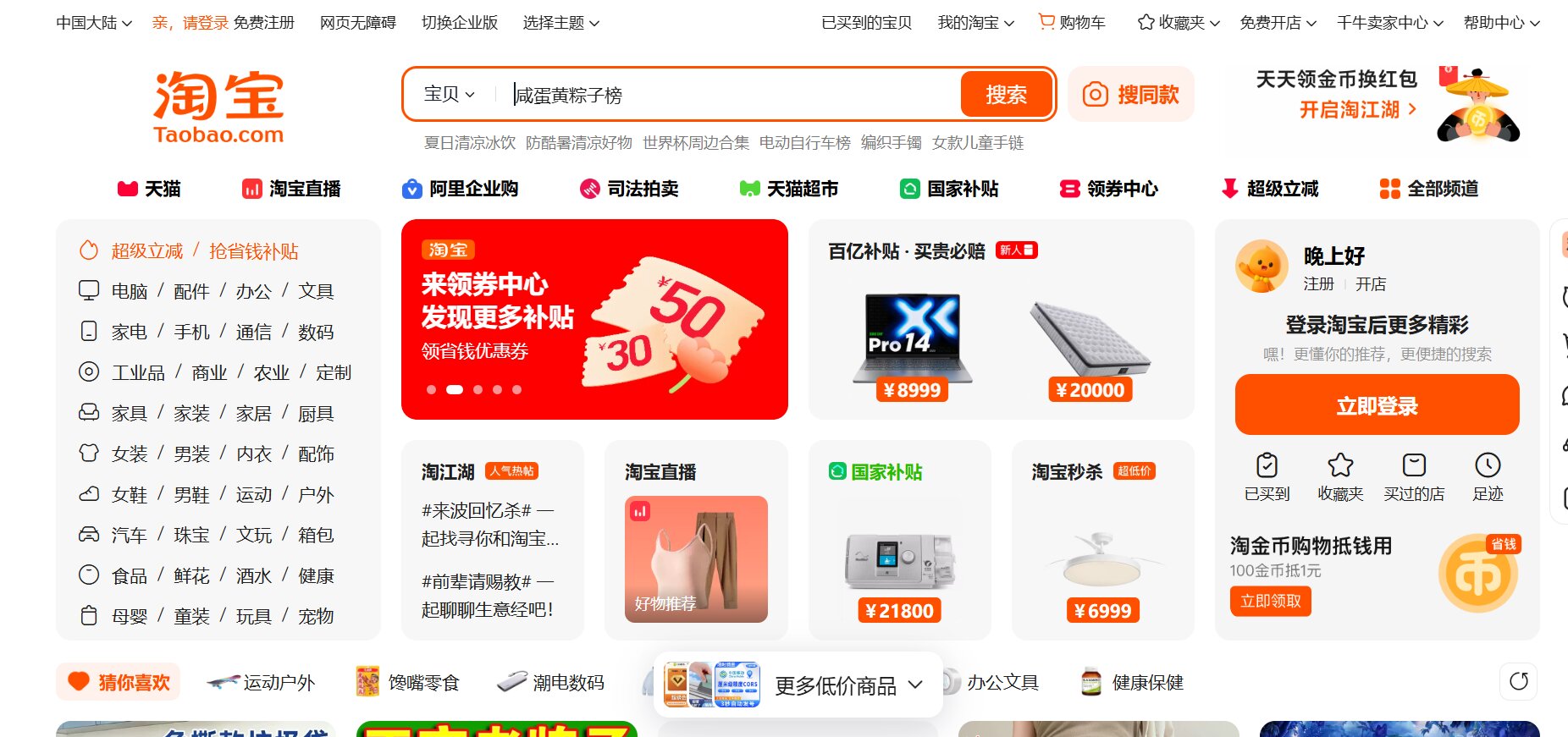
Taobao is the best platform for finding product ideas before they become common on AliExpress or Amazon. It is mainly built for Chinese consumers, so the product selection often reflects fast-moving local trends, lifestyle products, home items, fashion accessories, gadgets, and niche consumer goods.
For dropshippers, we usually look at Taobao as a research platform first, not the easiest place to fulfill orders directly. The advantage is variety. The challenge is that many Taobao sellers are domestic retailers, so they may not support international payment, export shipping, English communication, or stable long-term supply.
Taobao is useful when you want to:
- Discover unique products that are not already saturated on AliExpress.
- Compare how Chinese consumers respond to different product styles.
- Find design variations, bundles, colors, and packaging ideas.
- Validate whether a product has enough domestic demand before sourcing it elsewhere.
For a deeper buying process, see our guide on:
2. AliExpress: Best for Beginner Dropshipping
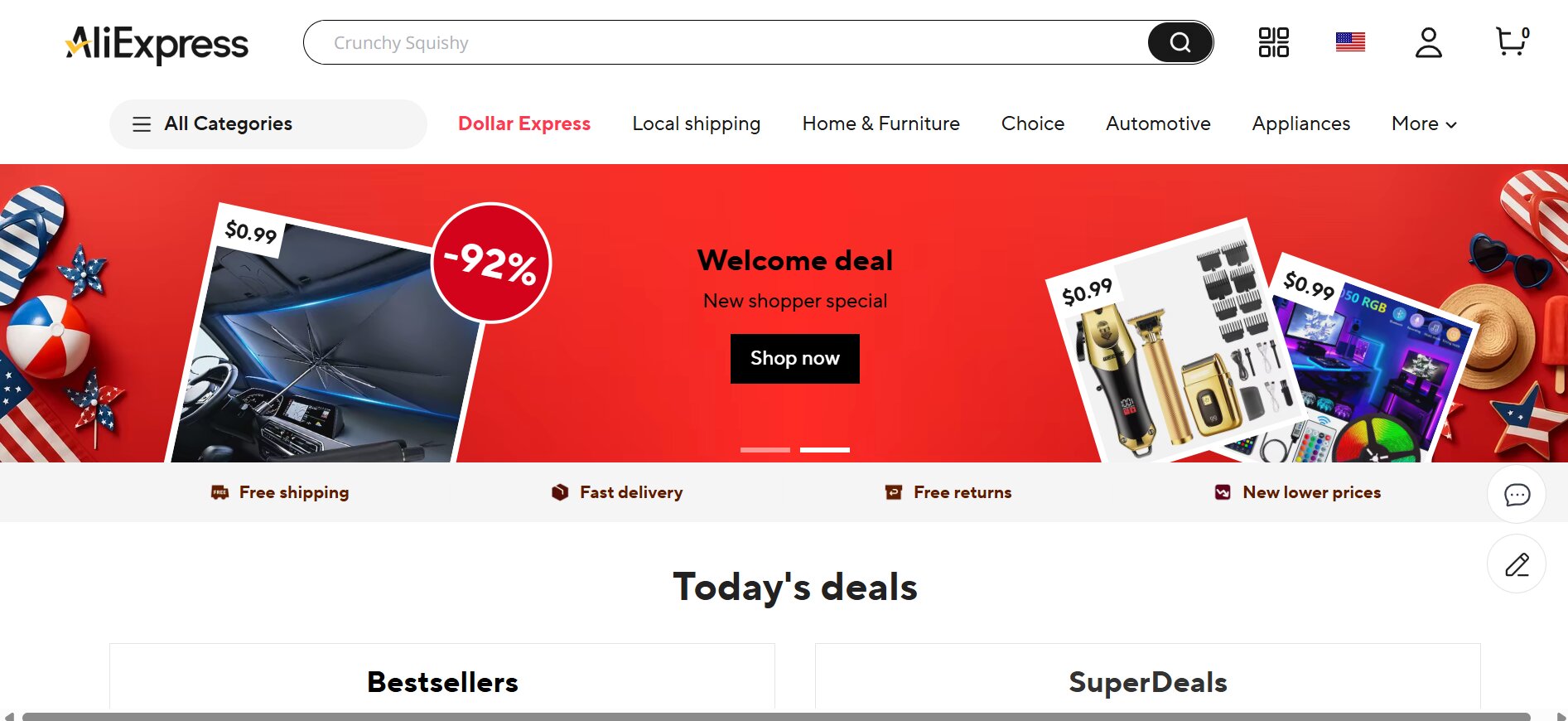
AliExpress is the easiest option for beginner dropshippers because it is built for international buyers. You can search in English, pay with common payment methods, view reviews, and place small orders without negotiating with suppliers.
That is why AliExpress dropshipping is often the first step for new Shopify sellers. It is convenient when you are testing demand and do not want to commit to inventory. You can launch products quickly, check whether people buy, and learn how your store performs before moving into more controlled sourcing.
AliExpress works best when you need:
- Low-risk product testing.
- Small order quantities.
- Simple checkout and international delivery.
- Product images, reviews, and basic supplier ratings.
- Easy integration through dropshipping tools.
The trade-off is margin and control. AliExpress prices are usually higher than domestic China platforms like 1688, and many sellers use generic packaging. Processing times can also vary, especially if the supplier does not actually hold inventory.
For more details, see our guide to
3. Alibaba: Best for Wholesale and Private Label
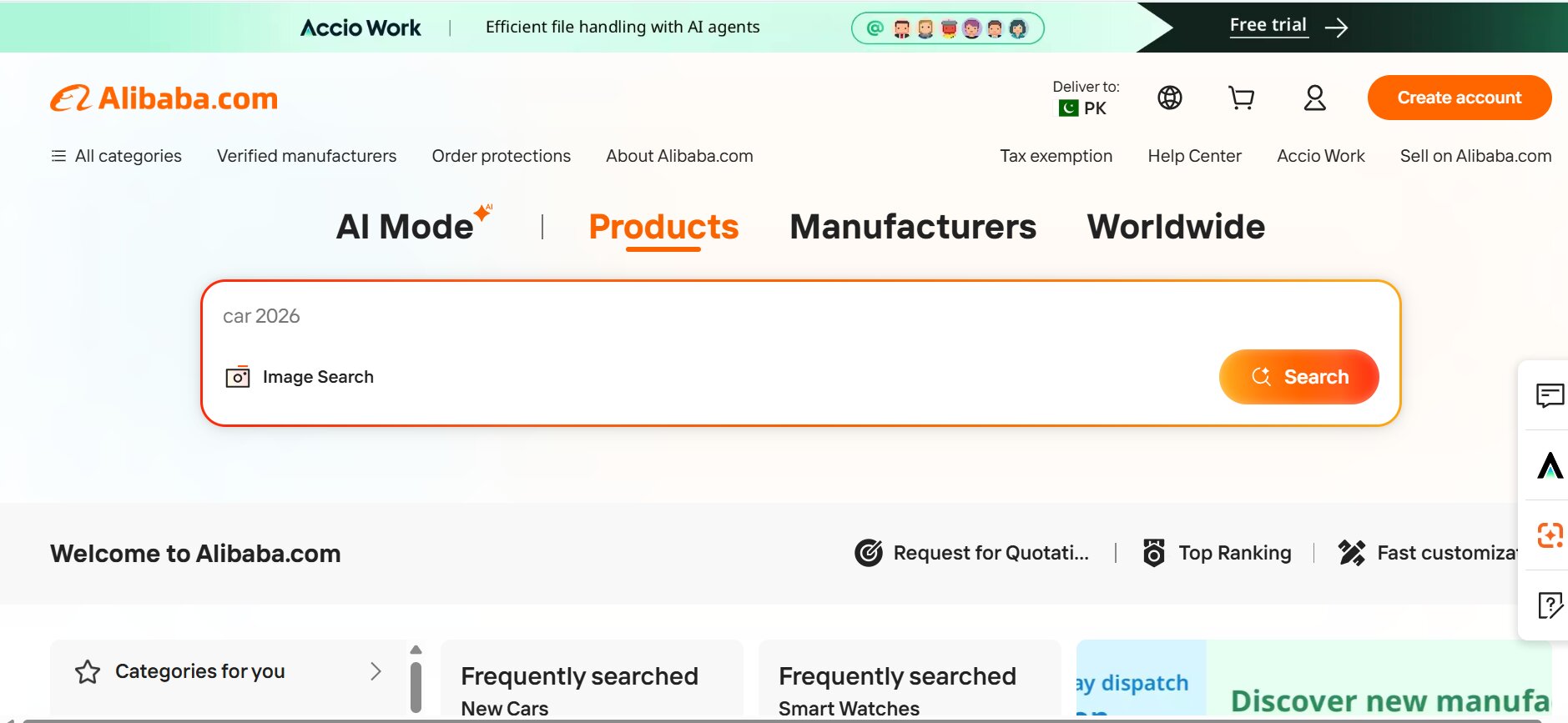
Alibaba is better suited for wholesale sourcing, private label products, and custom manufacturing. Compared with Taobao and AliExpress, Alibaba is more supplier-focused and built for B2B buyers.
This makes Alibaba useful when you already know what product you want and need to discuss specifications, materials, packaging, MOQ, samples, and production timelines. If you are planning custom branded packaging, logo printing, product modifications, or bulk inventory, Alibaba is usually more suitable than AliExpress or Taobao.
Alibaba works best when you need:
- Wholesale pricing based on order quantity.
- OEM or ODM customization.
- Supplier negotiation.
- Product samples before bulk production.
- Private label packaging and branding options.
In practice, Alibaba is strongest after demand is validated. Once your store has product-market fit, you can use Alibaba to improve branding, negotiate better terms, and prepare bulk stock for faster fulfillment.
For a deeper breakdown, see our guide on:
- Alibaba vs AliExpress: Which Is the Best For Dropshipping?
- How to Find Reliable Suppliers on Alibaba
4. 1688: Best for Lowest Prices
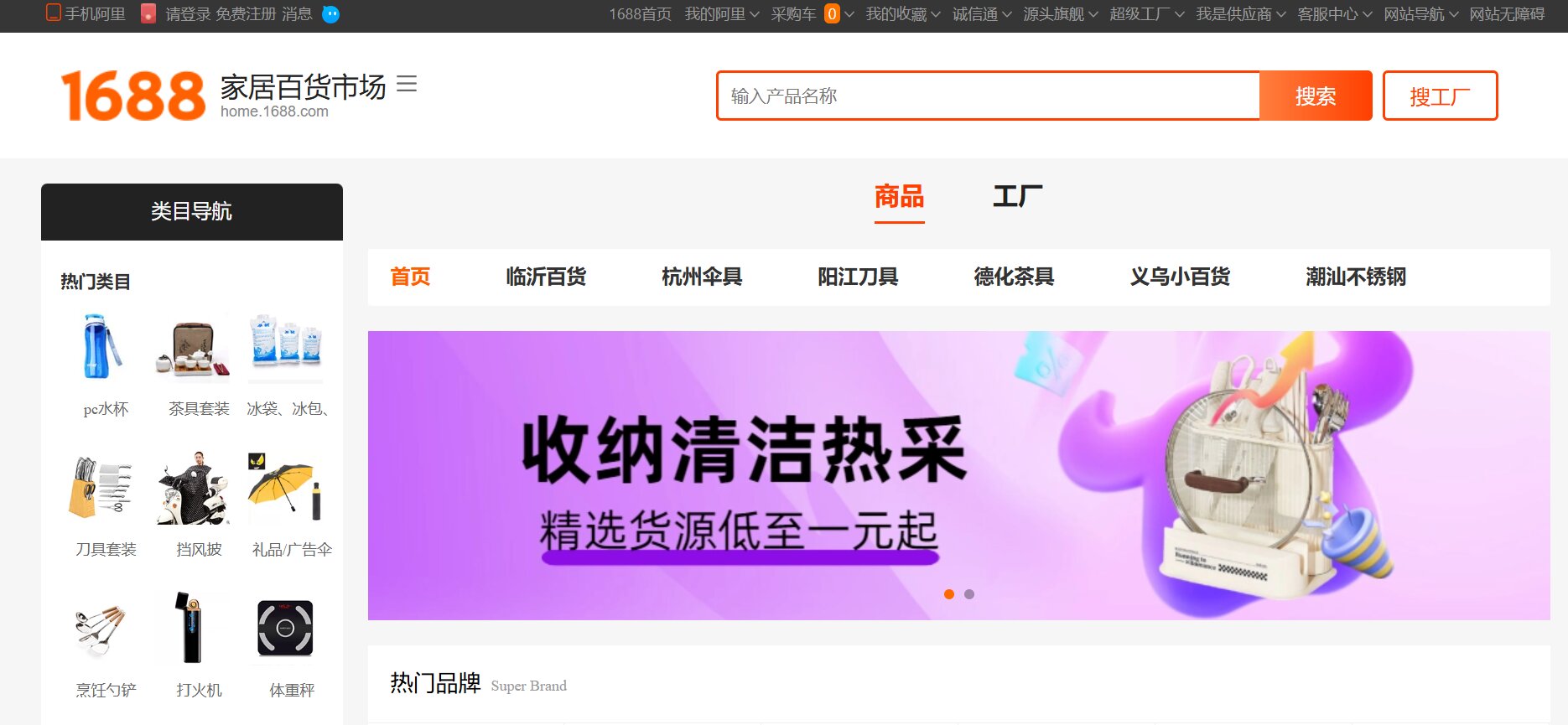
1688 is usually the most cost-effective China sourcing platform because it serves China’s domestic wholesale market. Many suppliers on 1688 quote lower domestic prices than export-facing platforms, which is why experienced sellers often compare 1688 before scaling a product.
The main advantage is pricing. If you are already getting orders and need better margins, 1688 can help you source closer to factory-direct pricing. It is especially useful for common consumer goods, accessories, packaging materials, home products, and fast-moving ecommerce items.
1688 works best when you need:
- Better product margins.
- Domestic wholesale pricing.
- Factory or distributor-level sourcing.
- Product comparison across multiple suppliers.
- Long-term supply once a product is validated.
The challenge is access. 1688 is Chinese-language, mainly supports domestic payment methods, and most suppliers are not set up for international dropshipping. You also need to manage domestic shipping, supplier communication, product inspection, repacking, and international fulfillment.
For the full process, see our guide on:
Price Comparison Example: Yiwu Stainless Steel Tumbler
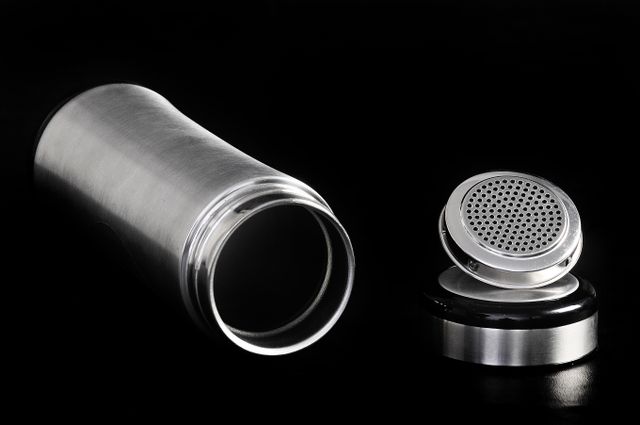
A stainless steel tumbler is a useful example because it is a common Yiwu product with many variations: size, lid type, insulation quality, color finish, logo method, packaging, and MOQ all affect the final landed cost.
The platform price alone does not tell you the real cost. You also need to include domestic China shipping, inspection, packaging, international freight, payment fees, and possible defect loss.
Here is how the comparison usually works:
| Platform | Typical Price Position | What You Usually Get | Main Cost Risk |
| AliExpress | Highest per-unit cost | Ready-to-order products for international buyers | Better for testing, but margins can shrink quickly once order volume grows |
| Taobao | Medium retail pricing | More styles and trend-led designs | Seller may not support stable bulk supply or export fulfillment |
| Alibaba | Negotiable wholesale pricing | Bulk orders, logo printing, packaging options | MOQ, sample cost, mold fee, and production time can increase upfront cost |
| 1688 | Most cost-effective domestic pricing | China domestic wholesale supply | Requires Chinese communication, local payment, QC, consolidation, and export shipping |
For example, if you are comparing a 500ml stainless steel tumbler from Yiwu, AliExpress may look easier because the product is ready to order internationally. But once you start getting steady orders, the same or similar tumbler may be available at a better base cost through 1688 or a Yiwu supplier.
The problem is that lower base cost does not automatically mean higher profit. If the supplier ships poor packaging, uses thin insulation, has inconsistent color coating, or sends mixed batches, your return rate can wipe out the saving. This is why we normally compare the landed cost, not only the listed product price.
A practical landed-cost check should include:
- Product unit cost
- Domestic China shipping
- Quality inspection or sample checking
- Custom branded packaging
- International shipping method
- Processing time
- Defect allowance
- Storage and fulfillment cost
For dropshippers, the best move is usually not to switch platforms blindly. First, test demand on AliExpress or Shopify ads. Then, once the product has consistent orders, compare Alibaba and 1688 suppliers for better margins, packaging control, and faster fulfillment.
Methods to Buy Stuff from China Platforms
Whether you are an individual buyer or a Dropshipper, you can follow some standard rules to make a purchase on these platforms.
There are countless products on these sites for customers to choose from.
The main purpose of this tutorial is to teach you how to make the right selection and not get fraud on poor-quality ones.
I may also mention it is not suggested to buy big brands on these platforms like Apple or Gucci.

Big companies like them have their own market. They have different pricing and sales strategies for other countries.
Even though they are made in China, you won’t get a reasonable price for buying them in quantity; nonetheless, you will have a very high risk of being scammed.
As for buyers who purchase with their personal interest, it is also crucial for you to understand that since it’s international trading, it’s almost impossible to return the item.
For most cases, a part of the refund.
Web Translating
If you shop on Taobao and 1688, the first difficulty you’ll face is a language barrier.
To fully translate the web pages, you can utilize Google’s online translation tool.
Though the translation quality is, to say the least, unsatisfactory. But it can at least help with a general understanding.
It provides official language selection for the web UI but won’t translate names or details of the products.
Use Chinese for Keyword Searching
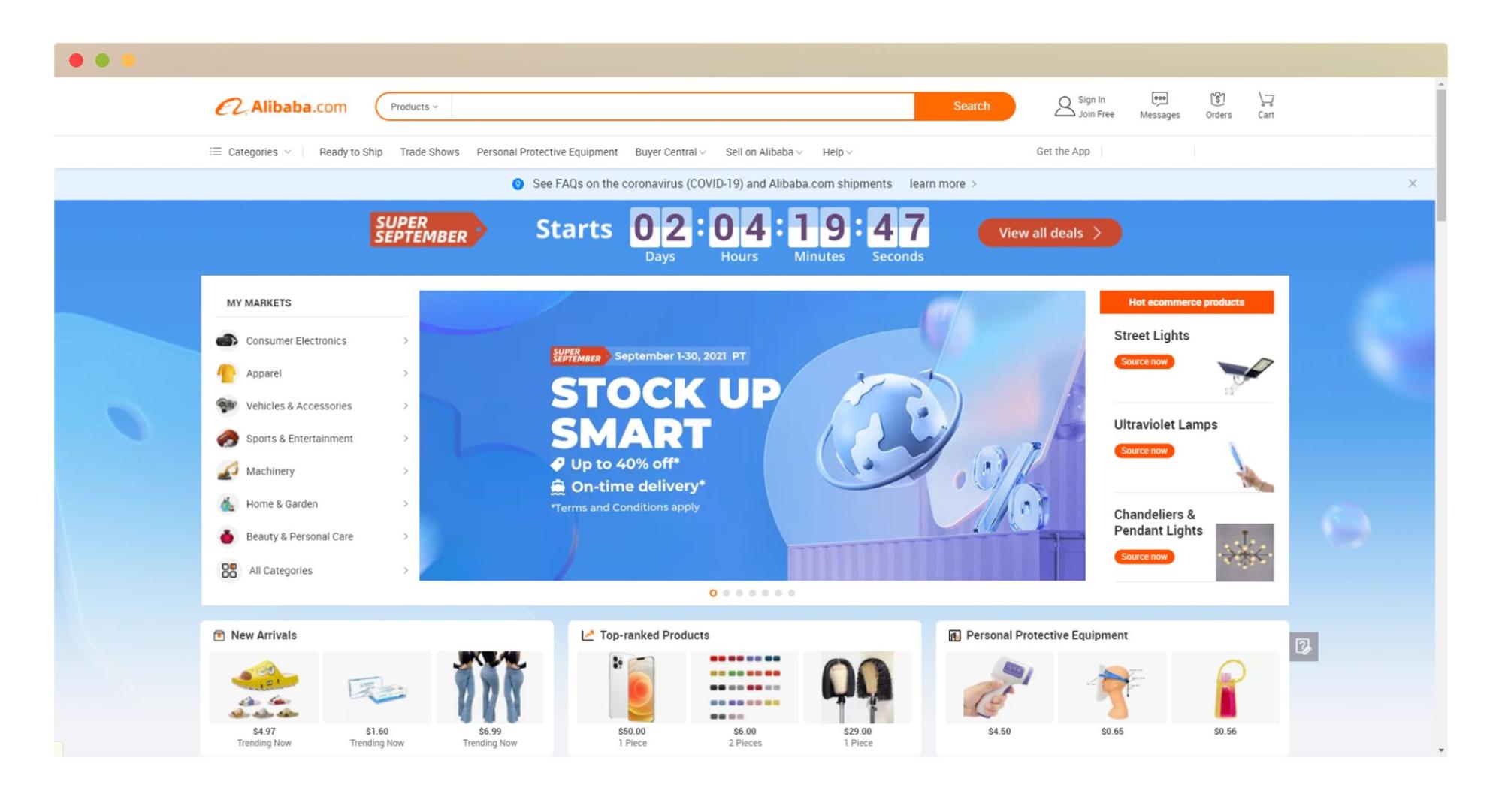
Always remember to use Chinese keywords while searching items on these two websites situated in China.
For example, paste ‘贴纸’ instead of ‘stickers’ for all-inclusive options.
1688 and TaoBao do not target foreign customers, so the results of English searching can be limited. Vice versa, the same situation goes for Amazon.
Search Products with Images
A feature well appreciated on those websites is image searching.
If you struggled by translating and couldn’t find the right product. Simply search for its image—after you’ve finished exploring, write down its keywords in Mandarin for further reference.
Using WeChat
If you are looking for Long-term cooperation with one supplier, communicating via WeChat would be suggested.
Customer service within the platform can be delayed and not efficient. However, the Chinese use WeChat to communicate almost 24/7.

You can find them and initiate conversations via WeChat much more efficiently.
Verify Suppliers
There are two types of suppliers on Alibaba. One is Gold, and the other is Verified.
It is definitely suggested to choose a verified supplier if you want to ensure the product. It is considered a higher rank in comparison to the Gold rank.
To get this badge, they will have to go through a third-party audit.
They also need to pay at least $10,000 per year to maintain this verification. The same rule goes for other platforms as well, although the hierarchy is different.
Your Sourcing Journey from China
The best sourcing journey usually starts simple, then becomes more controlled as your store grows. We do not suggest jumping straight into bulk orders or custom packaging before you know the product can generate consistent demand.
A practical China sourcing workflow looks like this:
1. Test the Product First
Start with a low-risk platform like AliExpress if you only need to test demand. At this stage, speed matters more than perfect margins because you are trying to answer one question: will customers actually buy this product?
You should track:
- Add-to-cart rate
- Conversion rate
- Refund requests
- Customer questions
- Delivery complaints
- Product review feedback
If the product does not get traction, move on quickly. If it starts getting consistent orders, then sourcing becomes the next priority.
2. Research Better Product Options
Once you see demand, use Taobao to study product variations. This is where you can find better colors, bundles, materials, accessories, and packaging ideas.
For example, if a tumbler performs well, Taobao may show you related styles such as straw lids, handle versions, gradient colors, gift-box packaging, or bundled cleaning brushes. These details can help you build a stronger offer instead of competing only on price.
3. Compare Supplier Pricing on 1688
After validation, 1688 is often the next place to check because it can offer more cost-effective domestic pricing. This is where you may find better margins, especially if the product is common in China’s wholesale market.
However, this step needs careful checking. A lower listed price does not mean the supplier is reliable. You still need to confirm stock, material quality, packaging, defect rate, processing speed, and whether the supplier can support repeat orders.
4. Move to Alibaba for Branding or Customization
If you want custom branded packaging, logo printing, product changes, or bulk stock, Alibaba becomes more useful. It is better suited for supplier negotiation, samples, OEM/ODM work, and private label planning.
This stage requires more patience because samples, production timelines, and MOQ discussions take time. The advantage is that you can move from a generic dropshipping product to a more branded ecommerce product.
5. Use a Sourcing Agent to Manage the Hard Parts
At some point, switching between Taobao, AliExpress, Alibaba, and 1688 manually becomes inefficient. You may be comparing suppliers, translating messages, checking product quality, arranging domestic shipping, and managing fulfillment all at the same time.
That is where a China-based dropshipping agent can simplify the workflow.
With NicheDropshipping, we help Shopify sellers, Amazon sellers, and ecommerce businesses source from these platforms, inspect products before shipment, store inventory, arrange custom branded packaging, and fulfill orders through Shopify integration.
Our goal is simple: help you move from scattered platform sourcing to a more reliable supply chain.
Typical workflow with our team:
- You submit the product link or product idea.
- Our sourcing team compares suppliers across China platforms.
- We provide a sourcing quote with product and shipping options.
- You confirm samples, packaging, or fulfillment requirements.
- We inspect, store, pack, and ship orders based on your store setup.
You can register free to evaluate the service before committing to a larger sourcing plan. No upfront cost is required to request a quote.
FAQs
Can I order directly from Taobao or 1688 outside China?
You can browse Taobao and 1688 from outside China, but direct ordering is usually difficult for overseas ecommerce sellers. Many suppliers use Chinese-language listings, domestic payment methods, and China-only shipping.
Even when you can place an order, you still need someone to receive the product, inspect it, repack it if needed, and arrange international shipping. For serious sourcing, we usually treat Taobao and 1688 as supplier discovery platforms, then use a China-side agent to manage payment, QC, warehousing, and fulfillment.
How do I know if a China supplier is reliable?
Start by checking how long the supplier has been operating, whether the listing details are consistent, how responsive they are, and whether they can answer specific product questions.
For Alibaba, review supplier badges, transaction history, samples, and customization ability.
For 1688 and Taobao, supplier checks are harder because the platforms are built for domestic buyers. In practice, we look for stable inventory, clear product specs, consistent packaging, reasonable processing times, and willingness to support repeat orders.
What should I check before moving from AliExpress to private sourcing?
Before moving away from AliExpress, make sure the product has consistent order volume and enough margin potential to justify the extra sourcing work. Check refund reasons, delivery complaints, product reviews, ad performance, and customer questions. If customers already complain about size, material, packaging, or unclear instructions, fix those issues before scaling.
Private sourcing works best when you know exactly what needs improvement, such as better packaging, lower landed cost, faster processing, or more consistent product inspection.
How do I calculate the real landed cost of a sourced product?
The real landed cost includes more than the product price. You need to add domestic China shipping, inspection fees if applicable, packaging, storage, international freight, payment fees, duties or taxes where relevant, and possible defect loss.
For dropshipping, also consider processing time because delays can increase refunds and support tickets. A lower supplier quote only helps if the final delivered cost still leaves enough margin after ads, platform fees, refunds, and customer support.
Can I use custom packaging for dropshipping orders?
Yes, but custom packaging works better after product validation. If you are still testing demand, standard packaging is usually safer because it avoids upfront packaging cost and inventory risk. Once a product has steady orders, you can add logo stickers, inserts, thank-you cards, custom boxes, manuals, or bundle packaging.
The main thing is to confirm packaging dimensions and weight because branded packaging can increase shipping cost. NicheDropshipping can help arrange custom branded packaging after the sourcing plan is confirmed.
What does MOQ mean, and why does it matter?
MOQ means minimum order quantity. It tells you the smallest quantity a supplier is willing to produce or supply at a certain price.
AliExpress usually allows very small orders, while Alibaba and some 1688 suppliers may require higher quantities, especially for custom products or private label packaging. MOQ matters because ordering too much too early creates inventory risk.
We usually suggest validating demand first, then negotiating MOQ based on order volume, packaging needs, and supplier flexibility.
How do returns work when sourcing products from China?
Returns are more complicated with China sourcing because international return shipping can cost more than the product itself. For dropshipping, many sellers handle returns through refunds, replacements, or local return addresses where available.
The better approach is prevention: inspect products before shipment, confirm packaging, avoid misleading product pages, and track defect patterns. If a product has a high damage or sizing issue rate, fix the sourcing or packaging problem before scaling more traffic to it.
When should I use a dropshipping agent instead of buying directly?
Use a dropshipping agent when direct platform sourcing starts taking too much time or creating too many mistakes. This usually happens when you need supplier comparison, product inspection, branded packaging, warehousing, Shopify integration, or faster order processing.
An agent is also useful when you want to source from 1688 or Taobao but cannot manage Chinese communication, payment, domestic shipping, and QC yourself. At that stage, the goal is no longer just finding products; it is building a reliable fulfillment workflow.