Amazon dropshipping is a retail fulfillment model where you list products on Amazon, accept customer orders, and have a supplier or dropshipping agent ship directly to the buyer while your store remains the seller of record. In 2026, success depends on compliant sourcing, blind shipping, reliable delivery, and returns control.
In this guide, you will learn how you can dropship on Amazon, the dos and don’ts of Amazon dropshipping along with other tips to do it legally and more efficiently.
So, if you are related to the field of dropshipping, it is highly advised that you stay connected throughout the article as we plunge into the journey of exploring ways of selling dropship items on Amazon.
Let’s start.
| Quick Fact | What It Means for Your Store |
| Amazon dropshipping is legal, but only under strict rules. | You must be the seller of record, and your supplier’s name should not appear on invoices, packing slips, or packaging. (Amazon Seller Central) |
| Blind shipping is essential. | In practice, this means your customer should see your store as the seller, not AliExpress, another retailer, or a random supplier. |
| Your supplier affects your account health. | Late shipments, stockouts, poor QC, and slow returns can hurt your seller metrics even if you did not physically ship the product yourself. |
| Dropshipping is lower-risk than buying bulk inventory, but not “free.” | You still need a budget for an Amazon seller account, samples, product research, returns, ads, and emergency refunds. |
| FBA is different from dropshipping. | FBA works better when you can buy inventory upfront; dropshipping is better for testing products before committing to bulk stock. |
What Is Amazon Dropshipping?
Amazon dropshipping is a fulfillment method where you list products on Amazon, receive customer orders, and send those orders to a supplier or dropshipping agent who ships the product directly to the buyer.
The important part is blind shipping. Amazon allows dropshipping only when you are the seller of record and when no packing slip, invoice, external packaging, or supplier information identifies another seller or third-party supplier.
That means your customer should receive the order as if it came from your Amazon business, not from AliExpress, Walmart, another retailer, or an unknown supplier.
In practice, Amazon dropshipping works best when your supplier can support:
- Plain or brand-neutral packaging.
- No third-party invoices or promotional inserts.
- Reliable stock updates before orders are placed.
- Consistent handling times.
- Clear return support.
- Quality inspection before shipment.
This is where many beginner sellers run into problems. They focus on finding a product with a margin, but the real risk is fulfillment control. If your supplier ships late, uses another retailer’s packaging, sends inconsistent products, or cannot process returns quickly, the issue lands on your Amazon account.
Amazon Dropshipping vs FBA: Quick Comparison
Amazon dropshipping and Amazon FBA both let you grow an Amazon business without packing every order yourself, but they work very differently. Dropshipping is usually better for testing products with lower upfront inventory risk, while FBA is better when you already know a product has demand and you can commit to stock.
| Factor | Amazon Dropshipping | Amazon FBA |
| Inventory ownership | You usually do not buy bulk inventory before orders come in. | You buy inventory upfront and send it to Amazon warehouses. |
| Upfront cost | Lower starting cost, but you still need a budget for samples, tools, ads, and refunds. | Higher upfront cost because you need inventory, prep, shipping to Amazon, and FBA fees. |
| Fulfillment control | Depends heavily on your supplier or dropshipping agent. | Amazon handles storage, picking, packing, delivery, and many customer service tasks. |
| Shipping speed | Varies by supplier, warehouse location, and shipping method. | Usually faster because products are already in Amazon’s fulfillment network. |
| Compliance risk | Higher if your supplier uses third-party packaging, late shipping, or poor documentation. | Lower on fulfillment, but you still need compliant products, accurate listings, and proper inventory prep. |
| Branding control | Possible if your supplier supports blind shipping, inserts, branded packaging, or private label. | Possible, but you need to prepare branding before inventory reaches Amazon. |
| Cash flow | More flexible because you can test products before committing to bulk stock. | Less flexible because capital is tied up in inventory before orders are generated. |
| Best for | Beginners testing demand, low-volume validation, and sellers working with a reliable agent. | Sellers with proven products, stronger cash flow, and a plan to scale inventory. |
In practice, we see dropshipping as a testing and validation model. It helps you understand demand, pricing, competition, and product issues before placing a larger inventory order.
FBA becomes more attractive once the product is proven. At that point, faster delivery, Prime eligibility, and Amazon-managed fulfillment can make the higher upfront cost easier to justify.
For many sellers, the smarter path is:
- Test the product through compliant dropshipping.
- Track margins, return reasons, and customer feedback.
- Move proven SKUs into FBA or a dedicated fulfillment center.
- Use private label packaging once the product has stable demand.
This approach reduces the risk of over-ordering inventory too early while still giving you a path to scale once the numbers make sense.
Is Amazon Dropshipping Legal?

Yes, Amazon dropshipping is legal, but only if you follow Amazon’s dropshipping policy. The safest way to think about it is simple: you can use a supplier to fulfill orders, but your Amazon business must remain the seller of record from the customer’s point of view. Amazon specifically requires sellers to be identified as the seller on packing slips, invoices, external packaging, and other order-related information.
| Amazon Policy Requirement | What It Means in Practice | Risk If You Ignore It |
| You must be the seller of record. | Your business name should appear as the seller, not your supplier, AliExpress seller, Walmart, or another retailer. | Account warnings, order defects, or possible suspension. |
| Third-party branding must be removed. | Packing slips, invoices, inserts, and outside packaging should not identify another seller or supplier. | Customers may complain that they received an order from another company. |
| You must handle returns. | Even if your supplier ships the order, your Amazon store is responsible for accepting and processing returns. | Poor customer experience and damaged seller metrics. |
| Your supplier must support blind shipping. | The package should look like it came from your business or remain brand-neutral. | Higher compliance risk, especially with marketplace-to-marketplace dropshipping. |
| Retail arbitrage-style fulfillment is risky. | Ordering from another retailer and shipping directly to an Amazon buyer can violate policy if another seller appears anywhere in the shipment. | Amazon may treat this as non-compliant dropshipping. |
| You still need to follow Amazon’s seller agreement. | Product restrictions, listing accuracy, delivery promises, and customer service standards still apply. | Policy violations beyond dropshipping alone. |
From our perspective, the legal question is only the first layer. The real operational question is whether your supplier can actually support Amazon-compliant fulfillment.
A supplier may offer dropshipping, but that does not automatically mean they are suitable for Amazon. For Amazon, we would check whether they can remove third-party paperwork, ship without supplier branding, provide reliable tracking, support returns, and keep inventory updates accurate.
How Do I Start a Dropshipping Business on Amazon?

The safest way to start Amazon dropshipping is to build the business around compliance first, then product selection. A profitable product can still create account issues if the supplier cannot ship on time, remove third-party branding, or support returns properly.
Step 1: Register an Amazon Seller Account
Start by creating an Amazon Seller Central account and choosing the plan that fits your volume. Amazon’s Individual plan charges $0.99 per item sold, while the Professional plan costs $39.99 per month, plus selling fees. The Professional plan usually makes more sense if you plan to sell more than 40 units per month or need more listing and management tools.
Before listing products, prepare your business details, tax information, bank account, and identity verification documents. You do not always need an LLC to start, but you should separate business finances early so refunds, ad spend, supplier payments, and tax records do not become messy later.
Step 2 : Find Compliant Suppliers
Your supplier must be able to support Amazon’s dropshipping rules. That means blind shipping, no third-party invoices, no supplier branding, reliable tracking, and a clear returns process.
When we evaluate a supplier for Amazon dropshipping, we look beyond the product price. We check:
- Can they ship without third-party branding?
- Can they provide consistent handling times?
- Can they update stock before orders are placed?
- Can they inspect products before shipment?
- Can they support returns or replacements quickly?
- Can they provide product documentation if Amazon requests it?
This is where a product sourcing agent or dedicated dropshipping partner can reduce risk. NicheDropshipping offers free product sourcing, QC, blind shipping, and warehouse-based fulfillment for Amazon sellers who need more control than a random marketplace supplier can provide.
Step 3: Select Profitable Products
Choose products that have demand, manageable competition, and enough margin after Amazon fees, supplier cost, shipping, returns, and ads. Do not judge profit by product cost alone.
A safer product for Amazon dropshipping usually has:
- Stable demand instead of short-lived hype.
- Low return risk.
- Simple sizing or usage.
- No fragile parts.
- No strict brand, safety, or compliance restrictions.
- Enough margin to absorb Amazon referral fees and occasional refunds.
In practice, we avoid products that create support-heavy problems. Apparel with inconsistent sizing, fragile electronics, trademarked products, and restricted categories can look attractive at first but often become difficult to manage at scale.
Step 4: Create Optimized Listings
Your listing should make the product easy to understand and reduce avoidable returns. Use clear titles, accurate bullet points, strong product images, and realistic delivery expectations.
The key is accuracy. If your supplier’s product has a size variation, material limitation, color difference, or packaging detail that matters to buyers, mention it clearly. A slightly lower conversion rate is better than a high return rate caused by unclear expectations.
For Amazon listings, focus on:
- A keyword-relevant title.
- Benefit-led bullet points.
- Accurate product specifications.
- Clean images without misleading claims.
- Clear handling and delivery time.
- No exaggerated claims that could trigger complaints.
Step 5: Sync Inventory and Fulfill Orders
Once orders come in, your inventory and fulfillment process must be controlled tightly. Stockouts are one of the biggest risks in Amazon dropshipping because you may receive an order for a product your supplier no longer has.
A basic workflow looks like this:
- Customer places an order on Amazon.
- You send the order details to your supplier or fulfillment partner.
- The supplier ships the order using blind shipping.
- Tracking is uploaded to Amazon.
- You monitor delivery and handle customer messages.
- Returns or replacements are processed under your store’s responsibility.
If you are using multiple suppliers, inventory sync becomes even more important. We usually suggest starting with fewer SKUs and more reliable fulfillment before expanding too fast.
Step 6: Monitor Metrics and Scale
Amazon dropshipping becomes scalable only when your account metrics stay healthy. Monitor late shipment rate, cancellation rate, tracking validity, order defect rate, return reasons, and buyer messages.
The numbers tell you where the business is weak. If late shipments increase, the supplier or shipping method needs attention. If returns increase, review product quality, listing accuracy, sizing, or packaging. If margins shrink, recalculate landed cost and ad spend before adding more products.
Once a product proves stable, you can scale by:
- Negotiating better supplier pricing.
- Moving stock into a warehouse or fulfillment center.
- Improving packaging.
- Testing branded inserts where allowed.
- Expanding variations carefully.
- Moving proven SKUs into FBA or private label.
How Much Does Amazon Dropshipping Cost?
Amazon dropshipping has a lower upfront cost than buying bulk inventory, but it is not a zero-cost business. You still need to budget for your seller account, Amazon fees, samples, supplier payments, shipping, returns, and advertising.
| Cost Item | Typical Cost Structure | Practical Implication |
| Amazon seller account | Individual: $0.99 per item sold; Professional: $39.99/month, plus selling fees. | Professional usually makes sense once you expect consistent monthly sales. |
| Amazon referral fees | Varies by product category. | Always calculate fees before choosing a product. A product can look profitable before Amazon’s cut and become weak after fees. |
| Product samples | Varies by product, supplier, and shipping method. | Samples help you check product accuracy, packaging, and defect risk before listing. |
| Supplier product cost | Varies by product and order volume. | Your margin depends on factory cost, shipping, handling, and return risk, not product price alone. |
| Shipping and fulfillment | Varies by warehouse location, package size, weight, and delivery speed. | Faster shipping usually costs more, but slow delivery can damage customer experience and account metrics. |
| Product research tools | Optional; free to paid plans depending on tool. | Tools can help estimate demand, but supplier reliability still needs manual checking. |
| Advertising | Flexible budget; depends on competition and target ACOS. | Ads can help launch products, but they should be tested against real profit margin. |
| Returns and refunds | Varies by category and product issue rate. | Keep a refund buffer because Amazon customers expect fast resolution. |
| Branding or packaging | Optional; varies by customization level. | Branded packaging is better suited for proven products, not every test SKU. |
| Agent or sourcing support | Varies by service model; NicheDropshipping offers free product sourcing with no upfront cost. | A sourcing agent can reduce supplier risk if they handle QC, blind shipping, and fulfillment control. |
A simple way to calculate your real margin is:
Selling price – Amazon fees – product cost – shipping – returns buffer – ad cost = estimated profit
For beginners, we would avoid products with thin margins. Amazon fees, refunds, and ad testing can quickly remove the profit if the spread is too small.
Is Amazon Dropshipping Profitable?

Yes. Amazon dropshipping is profitable provided you plan it for the long term.
Amazon has over 215 million unique monthly US visitors. That makes it a huge e-commerce opportunity for all online sellers including dropshippers.
But what’s the catch to nailing it while selling on Amazon? It is the repeat customer base that you need to increase by developing your seller profile on Amazon.
This is necessary to keep repeat customers intact because shopping from Amazon has largely become the norm in Western countries, especially after the trend of mobile online shopping.
Sellers come and go on platforms like Amazon, but a true achiever or a successful seller is the one who shows consistency and keeps serving orders with full focus on delivering quality products.
With the massive customer base on Amazon, you need to grab the maximum number of Amazon visitors by showing them unique products that deliver true value to your customer along with exceptional customer support.
That’s why Amazon dropshipping is considered to be a tough call for most dropshippers.
Tip: The key to nailing Amazon dropshipping is the lightning-fast delivery and average margins along with the increased number of volumes.
Tip: You should aim for selling 1000 items with $5 profit per item to make $5000 per month instead of aiming to sell 500 items with $10 profit per item.
Common Mistakes to Avoid
- Using suppliers that do not support blind shipping.
This is the biggest compliance risk. If the package includes another seller’s invoice, AliExpress branding, retail-store packaging, or supplier inserts, the order may violate Amazon’s dropshipping policy. - Choosing products based only on margin.
A product can look profitable before you factor in Amazon fees, shipping, refunds, samples, and ad spend. We prefer products with enough margin to absorb real operating costs, not just a low supplier price. - Listing products before testing samples.
Supplier photos do not always show material quality, size accuracy, packaging, or durability. Ordering a sample helps you catch issues before customers start leaving negative reviews. - Ignoring inventory and processing times.
If your supplier runs out of stock or ships late, your Amazon account takes the hit. Start with fewer SKUs, confirm stock availability, and work with suppliers that provide reliable tracking updates. - Scaling before the fulfillment process is stable.
More orders can make small problems bigger. Before increasing ad spend or adding more products, check return reasons, late shipment rate, cancellation rate, and customer messages to make sure the backend can handle growth.
What Are the Pros and Cons of Amazon Dropshipping?
Starting an Amazon dropship business comes with a lot of benefits but at the same time, it has some disadvantages as well.
Following is the list of pros and cons of being an Amazon dropshipper.
Pros of Amazon Dropshipping
Large Customer Base

Amazon is undoubtedly one of the top-tier e-commerce platforms in the world. It has millions of unique visitors who come here purely for online shopping.
Being a part of the Amazon vendor list will give you exposure to a very large audience.
Customer Trust
Amazon has evolved into a top-notch e-commerce website, especially in Western countries. So, you would also have an opportunity to benefit from its huge credibility.
Customers will trust your products and will take you as a credible supplier.
Hassle-free Sales

You don’t have to worry about customer service and handling when you work with Amazon, as it prefers to do it on its own. That is why Amazon charges you a handsome amount for its services.
With Amazon, you just have to do your best and enjoy sales on a regular basis.
Long-term Business
When you become a trusted vendor at Amazon, you will have a long-term business opportunity with growing customers at a regular pace.
You can also expand your avenues by adding more products to your Amazon store. You can also start private label dropshipping with Amazon.
The Benefit of Amazon SEO
Amazon, like any other mega-store, has its own search engine. So, you can benefit from the power of keywords and come up in Amazon search results by applying good SEO techniques.
Advantage of Amazon Affiliates
Amazon has its own affiliate programs where it offers a set percentage for promoting and selling Amazon products. Affiliate marketers are free to choose from the list of products that Amazon offers.
So, it is very much possible that some independent Affiliate marketer selects your products and starts marketing them. It would be a win-win situation for both of you.
Opportunity to Flip Your Amazon Store
If your Amazon store has steady and regular sales, you can also opt to sell out your store for a handsome amount. It would be a great source of instant profit for you.
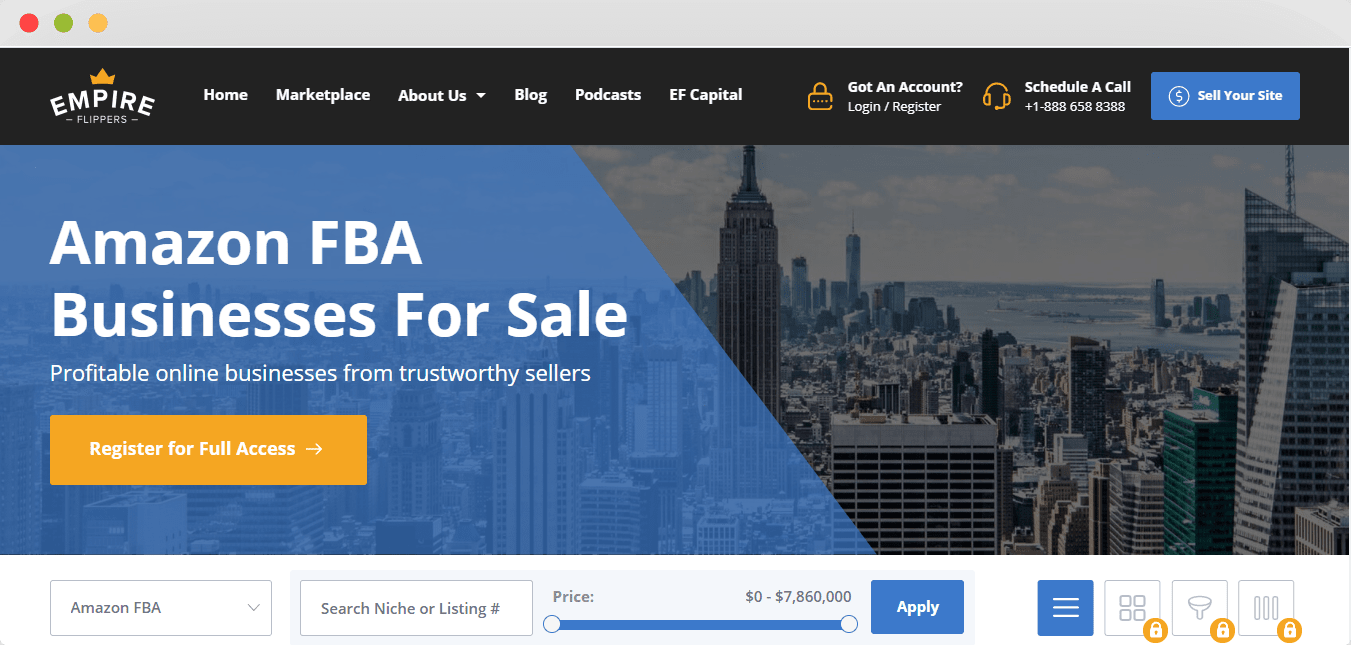
You can sell your Amazon store on sites like Empire Flippers and charge a handsome one-time amount to pocket a huge return.
Cons of Amazon Dropshipping
No business is perfect enough to be free of any cons. The same is the case with Amazon dropshipping. Some of the cons in dropshipping on Amazon are listed below.
Easy Customer Distraction
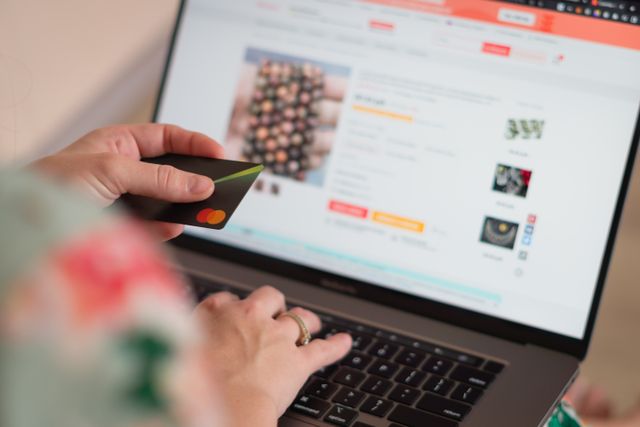
You may think that you would be offering your products to a very large audience and hence, your chances of success would be higher. While this is true, it may be the other way round too.
While the customers are checking out your products, Amazon shows the list of similar products to them. So, if they find a better product or the same product with better pricing, they may divert to purchase them from other sellers.
Squeezed Margins
As the competition on Amazon is getting higher day by day, you would have to squeeze your margins to stay competitive.
Another factor to a squeezed margin is the high amount of Amazon charges as discussed above. If you add up those charges to the final price of your products, there would be a little amount of profit margin left for you.
Extra Cost of Storage
This specifically applies to Amazon dropshipping via FBA. You would have to pay for Amazon warehousing and fulfillment facilities even if your products are not selling.
Higher Returns & Refunds
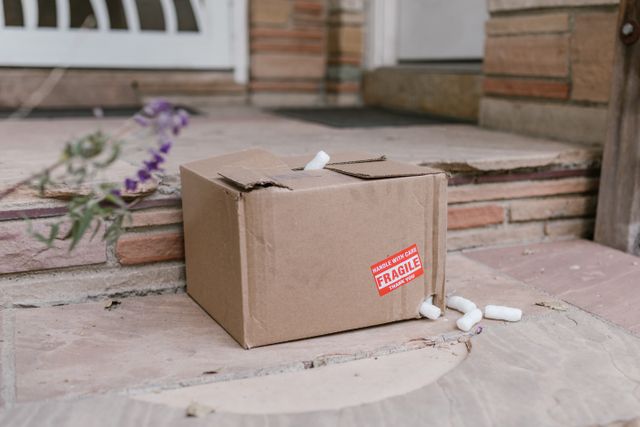
Amazon cares for its customers more than the sellers. The Amazon customers know about this.
So, you may have to deal with higher returns and chargeback when working with Amazon in comparison to other forms of dropshipping.
FAQs
Do You Need a Business License to Dropship on Amazon?
No. There is no compulsion of having a business license to dropship on Amazon. You don’t even have to own a formal business to start selling on Amazon.
In fact, Amazon itself promotes new sellers on its platforms. That is why Amazon asks buyers to sell on Amazon if they have a similar product that they have bought. This type of selling is called “Me too listing” on Amazon.
While having a business license may give you credibility in the eyes of Amazon, it is not necessary for regular selling or dropshipping on Amazon.
Do you need an LLC to dropship on Amazon?
You do not always need an LLC to start dropshipping on Amazon, but having a formal business structure can make your finances, taxes, and supplier relationships easier to manage. Some sellers begin as individuals and later register a business once sales become consistent.
We would treat this as a business and legal decision, not just an Amazon setup question. If you are unsure, speak with a tax or legal professional in your country before choosing the structure for your store.
Can you dropship on Amazon without money?
You can start with a smaller budget than wholesale or FBA, but you should not treat Amazon dropshipping as free. Even if you avoid bulk inventory, you still need money for your seller account, samples, product testing, refunds, returns, and possibly ads.
The real risk of starting with no buffer is that one supplier mistake or refund request can create cash flow pressure. We suggest starting only when you can cover basic operating costs without depending on the next order.
Is Amazon dropshipping worth it in 2026?
Amazon dropshipping can be worth it if you treat it as a controlled fulfillment model, not a shortcut. The opportunity is still there because Amazon has huge buyer demand, but the platform is stricter than many beginners expect.
We think it makes the most sense for sellers who are willing to check suppliers carefully, protect account metrics, and move proven products into stronger fulfillment systems over time. If you only want quick listings and random suppliers, the risk is usually too high.
Can you dropship from Amazon to another marketplace?
We would be careful with this model. Buying products from Amazon and shipping them directly to customers on another marketplace can create branding, invoice, pricing, and customer experience issues. It may also violate the policies of the platform where you are selling, depending on how the order is fulfilled and presented to the buyer.
For a more stable business, it is better to work with suppliers, factories, or fulfillment partners that can support neutral packaging, consistent stock, and clear documentation.
What products should you avoid for Amazon dropshipping?
Avoid products that are legally sensitive, heavily branded, fragile, high-return, or hard to describe accurately. This can include trademarked goods, supplements, medical-related items, complex electronics, products with unclear safety requirements, and apparel with inconsistent sizing. The problem is not only whether the item can make a profit.
The bigger issue is whether it can create returns, complaints, listing removals, or compliance requests. We prefer simple products with predictable quality, clear use cases, and fewer after-sale problems.
Can you use Shopify and Amazon dropshipping together?
Yes, but you should manage the two channels carefully. Shopify gives you more control over branding, landing pages, email capture, and customer experience, while Amazon gives you access to marketplace demand. The challenge is inventory and fulfillment consistency. If you list the same product on both channels, stock updates, tracking, and returns need to stay organized.
This is where automated dropshipping workflows and a reliable fulfillment partner can help prevent overselling, late shipments, and disconnected customer support.
Can Amazon suspend a dropshipping seller account?
Yes, Amazon can take action if a seller violates dropshipping rules, ships late, cancels too many orders, receives repeated complaints, or fails to meet account performance standards. Suspension risk usually comes from poor operations, not dropshipping alone.
For example, supplier stockouts, invalid tracking, third-party invoices, and slow returns can all create problems. The best prevention is to control fulfillment before scaling. Use suppliers that understand blind shipping, monitor seller metrics weekly, and remove weak products before they damage your account.
How many products should you list when starting?
Start with a small number of carefully checked products instead of building a large catalog immediately. A large catalog may look like more opportunity, but it also creates more room for stockouts, pricing errors, supplier delays, and listing quality issues.
For beginners, we would rather test a handful of products, track performance, and improve the process before adding more SKUs. Once fulfillment is stable and your supplier can handle volume, expanding the catalog becomes much safer.
Do Amazon dropshippers need product samples?
Yes, samples are strongly recommended before listing a product seriously. Supplier photos and descriptions do not always show the real packaging, material, size, color, or durability.
A sample lets you check what the customer will actually receive and whether the product matches your listing claims. It also helps you spot issues that could lead to returns or negative reviews.
If the product is too expensive to sample, that is usually a sign you should be extra cautious before testing it on Amazon.
How long does it take to make money dropshipping on Amazon?
There is no fixed timeline because results depend on product selection, competition, pricing, listing quality, supplier performance, and ad strategy. Some sellers may see early sales quickly, while others spend weeks testing products before finding a workable margin.
We would not measure success only by the first sale. A better milestone is repeatable profit after fees, shipping, refunds, and ads. That usually takes product testing, supplier refinement, and careful account monitoring rather than one lucky listing.

Very informative and simple to understand.
I am a beginner and planning to establish an online store, please guide
however, about one year back manage to register an online seller account on amazon but could not manage it due lack of information.
Any how is there be any one to assist me as my online seller account is to be blocked by Dec.31-2024