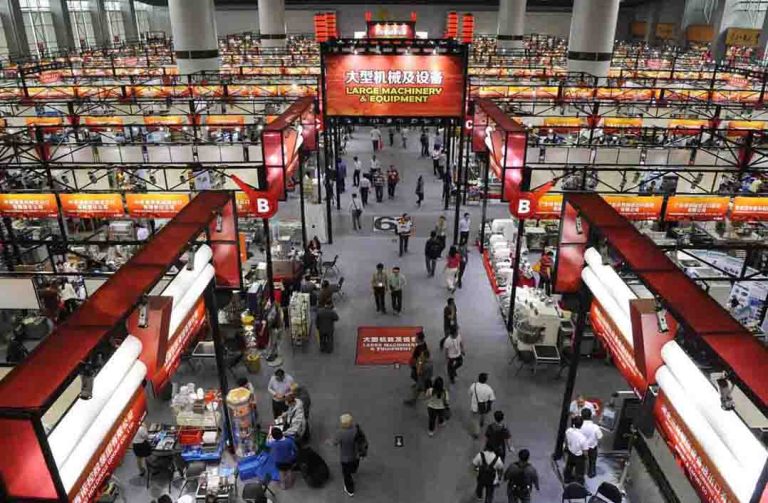
Working with Chinese suppliers directly can unlock factory-direct pricing and massive product variety — but it also comes with language barriers, cultural differences, and quality risks that can derail unprepared sellers.
Whether you are vetting factories on Alibaba, negotiating MOQs on 1688, or hiring a dropshipping agent service to manage the process, understanding how Chinese supply chains operate in 2026 is essential to protecting your margins and your brand.
Quick Facts:
- China remains the world’s largest manufacturing hub, powering approximately 23% of global online sales through dropshipping and e-commerce.
- New US tariffs (up to 145%) and the removal of the $800 de minimis exemption have reshaped cost calculations for sellers shipping directly from China.
- Successful supplier relationships rely on three pillars: clear communication, legal protection (NNN agreements), and independent quality inspection.
Want to source products from China without language barriers? NicheDropshipping offers free product sourcing with factory-direct prices. Get your free quote today — no credit card required.
Why Working with Chinese Suppliers Still Makes Sense in 2026

Chinese suppliers have powered some of the most successful dropshipping businesses for years, and for good reason. They offer cost-efficient production, a mind-blowing range of products, and constantly evolving logistics solutions. However, working with Chinese suppliers in 2026 is not as simple as it used to be. New US import rules, increased tariffs, and rising customer expectations mean that surface-level margin calculations no longer translate to bottom-line profit.
The solution? Work with suppliers who offer US or EU warehouses, explore fulfillment centers that handle customs upfront, and partner with a product sourcing agent who understands both sides of the supply chain. Sellers who focus on brand differentiation, custom packaging, and reliable quality control consistently outperform those chasing generic trends.
6 Types of Chinese Suppliers (and Which One Fits Your Store)
Not all Chinese suppliers operate the same way. Picking the right type can seriously impact your store’s performance, profit margins, and customer satisfaction.
| Supplier Type | Best For | Pros | Cons | Typical Platforms |
|---|---|---|---|---|
| Dropshipping Platforms | Beginners, testing products | Easy start, no MOQ, built-in integrations | Higher prices, slower shipping, limited branding | AliExpress, Temu, CJDropShipping |
| Wholesalers | Growing stores, consistent stock | Better pricing than platforms, faster fulfillment | May expect bulk orders, limited selection | Alibaba (some), DHgate |
| Manufacturers | Private label, long-term brands | Best pricing, full customization control | High MOQs, slower startup, complex communication | Alibaba, Made-in-China |
| 1688/Taobao Vendors | Cost-focused sellers, China-savvy buyers | Lowest unit costs, massive selection | Mandarin-only, inaccurate inventory displays, no global support | 1688.com, Taobao |
| Dropshipping Agents | Scaling sellers, brand builders | End-to-end service, QC, custom packaging, fast quotes | Not a self-service catalog; requires onboarding | NicheDropshipping, Fulfillbot |
| Trade Shows / Direct | High-volume buyers, custom products | Meet real factories, negotiate exclusive deals | High travel cost, long lead times | Canton Fair, Global Sources |
30-Second Decision Box:
- Choose a Platform if you are just starting out and want to test products with zero upfront risk.
- Choose a Manufacturer if you have validated a winning product and are ready to build a private-label brand.
- Choose a Dropshipping Agent if you are scaling past 10–30 orders per day and need someone to handle sourcing, QC, and fulfillment for you.
Tired of long processing times and poor packaging from AliExpress? That’s exactly why 3,000+ dropshippers switched to NicheDropshipping. We offer same-day processing and custom branded packaging. See the difference.
How to Vet a Chinese Supplier (Step-by-Step)
Before you place a single order, you need to verify that your supplier is who they claim to be. Here is a practical checklist our 15-person sourcing team uses before onboarding any factory.
1. Check Business Credentials
Ask for the business license, export registration number, and factory address. Cross-check the company name on Alibaba or 1688. A legitimate manufacturer’s company name usually includes the registration location, company name, leading product, and partnership type.
2. Verify How Long They Have Been in Business
Stores with bad reputations typically do not last over two years in this industry. Look for Gold Supplier status, verified badges, and real customer reviews across multiple products.
3. Inspect the Catalog for Consistency
If a store contains numerous unrelated products, they are likely a middleman, not the manufacturer. Real factories usually focus on a narrow product category.
4. Request a Video Walkthrough or Sample
Never commit to mass production without seeing the product. Ask for photos and videos from multiple angles. If possible, order three to four samples to compare color, build quality, and packaging.
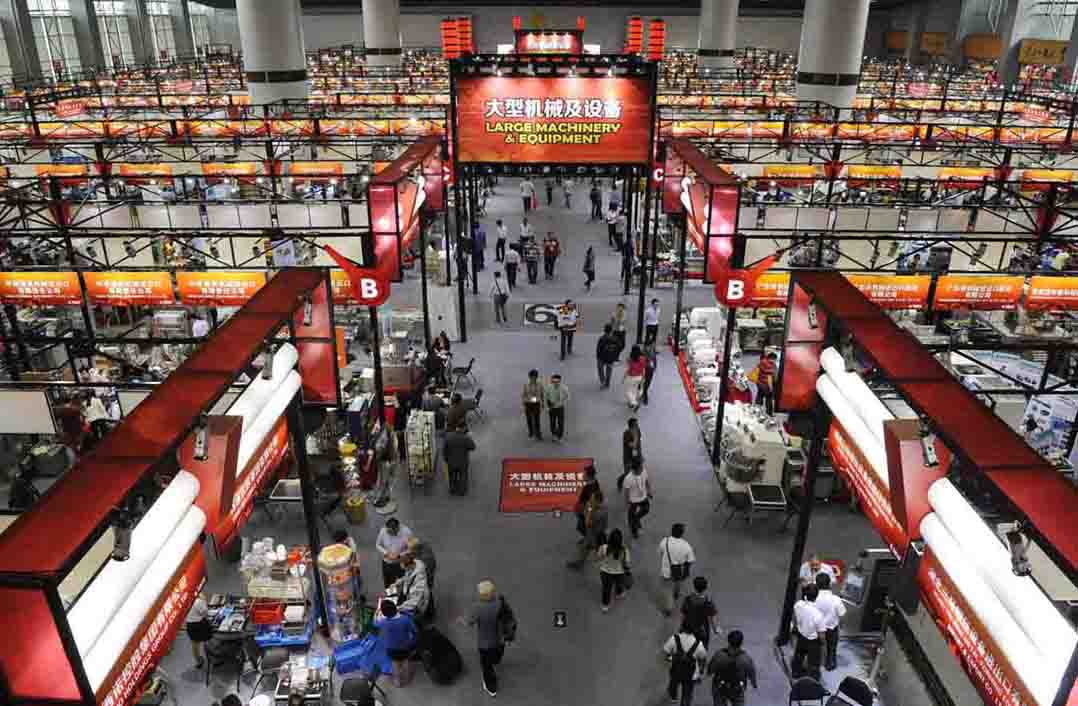
5. Check for Tradeshow Experience
Participation in tradeshows like the Canton Fair requires resources and stability. While many reliable suppliers have never attended one, tradeshow history is a positive signal.
6. Use a Third-Party Verification Service
For larger commitments, hire an inspection agency to audit the factory floor, review certifications, and confirm production capabilities.
Want to source products from China without language barriers? NicheDropshipping offers free product sourcing with factory-direct prices. Get your free quote today — no credit card required.
Chinese Business Culture: What Western Sellers Get Wrong
Chinese business culture is relationship-driven in ways that differ sharply from Western transaction-first norms. Understanding these dynamics can save you from costly misunderstandings.
Build Guanxi (关系)
Chinese suppliers prefer long-term stability over one-off deals. Invest time in personal connections. Share your company background, send polite greetings during traditional holidays like the Spring Festival, and accept hospitality when offered. Dining with your supplier is not just social — it is business.
Protect “Face” (Mianzi / 面子)
Public criticism or blunt refusal can damage trust permanently. If there is a problem, frame it indirectly. Instead of “Your quality is bad,” try “My partner noticed a detail we would like to adjust.” This preserves the relationship while achieving the same outcome.
“Yes” Does Not Always Mean Yes
Suppliers often say “yes” or nod to be polite, even if they do not fully understand your specifications. Always verify understanding by asking the supplier to explain the requirements back to you in their own words.
WeChat Is the Default Channel
While official agreements belong on email, daily communication happens on WeChat. It features auto-translation and is where quick clarifications, photo sharing, and relationship-building actually occur.
Respect Time Zones and Holidays
China operates 12–15 hours ahead of US EST. Schedule calls during their early evening hours (8:00 PM–10:30 PM CST). Plan around Chinese New Year, when factories shut down for 1–3 weeks.
Protecting Your Intellectual Property and Contracts
NNN Agreements, Not Just NDAs
Standard Western NDAs are largely unenforceable in China. You need a specialized NNN agreement (Non-Disclosure, Non-Use, Non-Circumvention) written in Chinese and governed by Chinese jurisdiction. This prevents suppliers from copying your design or selling directly to your target market.
Register Your IP in China First
Register your trademarks and patents directly within China before initiating production. If you do not, a supplier could register your brand themselves.
Payment Safety
Most Chinese suppliers will demand a deposit upfront. Complete online transactions through Alibaba’s Trade Assurance, PayPal, or escrow systems whenever possible. Avoid E-Wire transfers to strangers — once sent, they cannot be reversed, and refund disputes are extremely difficult to resolve.
Get Everything in Writing
After phone calls or voice notes, follow up with an email summarizing the conversation. Document specs, timelines, payment terms, and quality standards. This paper trail is crucial if disputes arise.
Quality Control: Never Ship Without Inspection
All pictures presented by manufacturers are polished. Some may even use copyrighted photos. Do not rely on the supplier’s word alone.
Three-Stage Inspection Process:
- First Article Inspection — Verify the very first unit before mass production begins.
- In-Line Inspection — Check products during assembly to catch issues early.
- Pre-Shipment Inspection (PSI) — Inspect the finished batch before it leaves the factory.
Hire Local Eyes
If you cannot travel to China, contract a trusted third-party agency like QIMA or SGS to audit the factory and production runs. Costs typically range from $200–$500 per inspection depending on location and complexity.
Order Samples Before You Sell
Buy three to four samples from different suppliers. Compare color accuracy, build quality, packaging, and delivery speed. If you choose NicheDropshipping as your sourcing agent, we can get samples of your goods and send a sample inspection video within two to three days.
Want to source products from China without language barriers? NicheDropshipping offers free product sourcing with factory-direct prices. Get your free quote today — no credit card required.
Platform Deep Dive: Alibaba, 1688, and Taobao

Alibaba
Alibaba connects buyers with verified manufacturers and trading companies. MOQs are often higher, but many suppliers will negotiate smaller trial orders. Best used once you have validated a product and are ready to scale. Look for Gold Supplier and Verified badges.
1688.com
1688 is China’s domestic supplier platform — entirely in Mandarin and priced for local buyers. This means significantly lower unit costs than Alibaba. However, most 1688 suppliers do not support worldwide transactions directly, and inventory displays are frequently inaccurate. Navigating the platform without Chinese language skills requires a sourcing agent or translation tools.
Related Guide: 1688 Dropshipping: Complete Guide for Beginners 2026
Taobao
Most of Taobao’s products come from 1688. It is consumer-facing, not B2B, so it is generally not suitable for dropshipping directly. Prices are marked up compared to 1688, and sellers are not set up for bulk or branded fulfillment.
The Language Barrier Reality
Chinese suppliers expect to communicate in Mandarin, and most struggle with English. To avoid misunderstandings that cause financial loss, many foreign sellers work through a bilingual agent who can negotiate pricing, confirm inventory, and draft contracts on their behalf.
Related Guide: AliExpress Dropshipping: What You Need to Know
Red Flags and Scams to Avoid
- Fake Factory Profiles — Trading companies posing as manufacturers. Check if their product catalog is focused or scattered across unrelated categories.
- Price Baiting — The price marked on the product page is often for massive MOQs. Always discuss specific prices case-by-case.
- E-Wire Transfer Demands — Once you send a bank transfer, you cannot undo it. Even if products do not meet standards, refunds are nearly impossible.
- Counterfeit Offers — If a supplier offers “branded” electronics or luxury goods at impossibly low prices, run. Selling counterfeits can get your store banned or sued.
- Disappearing Suppliers — No verifiable address, no tradeshow history, no third-party reviews. Stick to platforms with buyer protection.
- Inventory Inaccuracy — On 1688 and Taobao, displayed stock levels are often wrong. A product showing “10,000 units” may only have a few dozen pieces.
- Pressure to Skip Samples — Any supplier unwilling to send samples before mass production is a red flag.
Tired of long processing times and poor packaging from AliExpress? That’s exactly why 3,000+ dropshippers switched to NicheDropshipping. We offer same-day processing and custom branded packaging. See the difference.
When to Hire a Dropshipping Agent
If you are swamped by supplier vetting, language barriers, and quality control, a dropshipping agent is a much better choice than going direct. A Chinese agent handles communication, sample inspections, contract drafting, and logistics — so you only need to select products, check samples, and review the contract.
You should consider an agent if:
- You are scaling past 10–30 orders per day and need consistent fulfillment
- You want access to 1688 and Taobao pricing but cannot read Chinese
- You need custom branded packaging, private labeling, or white-label solutions
- You want US or EU warehouse options for 2–5 day delivery
- You are tired of AliExpress stockouts, slow processing, and generic packaging
NicheDropshipping Agent Services at a Glance
NicheDropshipping provides end-to-end sourcing and fulfillment for Shopify sellers, Amazon sellers, and small businesses worldwide. Below are standard parameters. Your dedicated agent will tailor everything to your store’s needs.
| Service | What’s Included | Ideal For |
|---|---|---|
| Free Product Sourcing | Factory-direct quotes in 1–2 working days | All stages |
| Quality Inspection | 100% check before shipping; issues fixed in China | All stages |
| Warehousing | 90-day free storage in China, USA, and Europe | Scaling stores |
| Custom Packaging | Branded polybags, inserts, thank-you cards | Brand builders |
| Order Fulfillment | Same-day processing, Shopify auto-sync | All stages |
| Private / White Label | Full customization from product to packaging | Brand builders |
2026 Tariffs and Compliance: What Changed
If you sell to US customers, the trade environment has shifted significantly. As of early 2026, most goods imported from China face tariffs up to 145%, and the old $800 de minimis exemption for low-value parcels has been removed.
What this means for dropshippers:
- Cheap parcels from China are now significantly more expensive
- Customs friction and paperwork have increased
- Shipping directly from mainland China to US customers carries higher risk of delays and surprise fees
How to adapt:
- Work with suppliers or agents who offer US warehouse fulfillment
- Use DDP (Delivered Duty Paid) shipping to handle customs upfront
- Double-check HS codes and product categories that might trigger extra taxes
- Consider hybrid fulfillment: bulk-ship to a US warehouse, then dropship domestically
NicheDropshipping operates warehouses in the USA and Europe, allowing you to offer 2–5 day domestic delivery while avoiding many cross-border tariff complications.
Related Guide: Import Duty from China to USA: Full Breakdown
Conclusion
Finding the right supplier for your needs is a difficult undertaking. You will have to put in effort and time. But it will all be worth it once you locate the proper one for your business.
In 2026, working with Chinese suppliers successfully means moving beyond simple price comparisons. It requires understanding cultural dynamics like Guanxi and Mianzi, protecting your intellectual property with NNN agreements, verifying quality through independent inspection, and navigating a changed tariff landscape.
You do not have to manage all of this alone. Whether you need help vetting factories, negotiating MOQs, or setting up US-based fulfillment, NicheDropshipping’s team — led by Stanley Nieh and built on 10+ years of foreign trade experience — is here to help.
Start Scaling Your Dropshipping Business Today
Whether you are just starting out or ready to build a branded dropshipping store, NicheDropshipping’s China-based team (with US and EU warehouses) has everything you need to grow.
- Free product sourcing
- 90-day free warehousing
- Same-day order processing
- Custom branded packaging
- Full Shopify integration
No upfront cost. No credit card required. Quotes in 1–2 working days.
- 1688 Dropshipping: Complete Guide for Beginners 2026
- China Dropshipping Suppliers: How to Choose
- AliExpress Dropshipping: What You Need to Know
- Import Duty from China to USA: Full Breakdown
- Dropshipping Case Studies
Frequently Asked Questions
What is the difference between an NNN agreement and an NDA?
A standard Western NDA is largely unenforceable in China. An NNN agreement (Non-Disclosure, Non-Use, Non-Circumvention) is specifically designed for Chinese manufacturing relationships. It prevents suppliers from copying your design, using it themselves, or selling directly to your customers. An NNN must be written in Chinese and governed by Chinese jurisdiction to be effective.
What is Guanxi and why does it matter when working with Chinese suppliers?
Guanxi (关系) refers to the network of relationships and mutual obligations that underpin Chinese business culture. Unlike Western transaction-first approaches, Chinese suppliers prioritize long-term trust and loyalty. Building Guanxi through regular communication, holiday greetings, and respectful negotiation leads to better pricing, priority production, and faster problem resolution.
Should I use WeChat or email to communicate with Chinese suppliers?
Both. Email is best for formal negotiations, contracts, and written records. WeChat is the default tool for daily communication, quick clarifications, photo sharing, and relationship-building. Most Chinese factory sales teams respond faster on WeChat than email. Use a dual strategy: confirm all key agreements in email, but build rapport on WeChat.
How do I know if a Chinese supplier is a real factory or a trading company?
Check three things. First, review their product catalog: real factories focus on a narrow category, while trading companies list unrelated items. Second, ask for a business license and factory address, then cross-check on Alibaba or 1688. Third, request a video walkthrough of the production floor. If they refuse or send only stock photos, be cautious.
How much does third-party quality inspection cost in China?
Third-party inspection typically costs between $200 and $500 per visit, depending on the factory location, product complexity, and number of units checked. Agencies like QIMA and SGS offer standardized packages. While this adds cost upfront, it is far cheaper than receiving a defective batch, processing returns, and damaging your store’s reputation.
What are the biggest red flags when vetting Chinese suppliers?
The seven most common warning signs are: (1) no verifiable business license or address, (2) pressure to skip samples, (3) demands for E-Wire or untraceable payment, (4) product catalogs scattered across unrelated categories, (5) prices that seem too good to be true, (6) refusal to provide factory video or references, and (7) inconsistent communication or evasive answers about specifications.
How have US tariffs changed for dropshipping from China in 2026?
Most goods imported from China now face tariffs up to 145%, and the $800 de minimis exemption for low-value parcels has been eliminated. This means cheap direct-from-China shipping is no longer cost-effective for many products. Sellers are adapting by using US-based warehouse fulfillment, DDP shipping, and hybrid logistics models that bulk-ship inventory domestically before dropshipping to customers.
When should I hire a dropshipping agent instead of going direct?
Consider an agent when you are scaling past 10–30 orders per day, need access to Mandarin-only platforms like 1688, want custom branding or private labeling, or are tired of managing QC and logistics yourself. An agent handles vetting, negotiation, inspection, and fulfillment — letting you focus on marketing and growth.
Is Alibaba or 1688 better for dropshipping?
Alibaba is better for beginners and English-speaking buyers because it offers buyer protection, verified badges, and global shipping support. 1688 offers significantly lower prices but is Mandarin-only, has inaccurate inventory displays, and requires a sourcing agent or translator. Most scaling sellers start on Alibaba, then move to 1688 through an agent to unlock better margins.
How do I handle Chinese New Year production delays?
Chinese New Year typically shuts down factories for 1–3 weeks between January and February. Plan by placing larger pre-holiday orders for your bestsellers, communicating extended timelines to customers, and avoiding major marketing pushes right before the break. If you use a dropshipping agent with US warehouse stock, you can continue fulfilling orders from domestic inventory during the shutdown.
Can I get custom branded packaging from Chinese suppliers?
Yes, but most platforms like AliExpress do not offer custom packaging for low-volume sellers. Manufacturers on Alibaba may offer branded boxes or inserts, but usually only at higher MOQs. A dropshipping agent is often the easiest path to custom packaging at lower volumes, handling everything from branded polybags to thank-you cards and branded inserts.
What payment methods are safest when paying Chinese suppliers?
The safest methods are Alibaba Trade Assurance, PayPal, and escrow services. These offer buyer protection and dispute resolution. Bank transfers and E-Wire should only be used with suppliers you have built a long-term relationship with. Never send money to a stranger through an irreversible transfer method.