The United Kingdom is one of Europe’s strongest ecommerce markets, with over a quarter of all retail sales now happening online, far ahead of neighbouring countries.
British consumers are experienced online shoppers: they compare carefully, expect fast delivery, and are comfortable buying from smaller brands as long as the experience feels reliable.
A few UK-specific factors also shape what sells:
- High online spending: Shoppers spend more than £2,600 per person per year online, making the UK a lucrative market.
- A strong push toward sustainability: More than 60% of Brits say climate issues influence their purchasing, and many prefer reusable or low-waste products.
- Real lifestyle pressures: Energy prices have surged (electric blanket sales once jumped 216% year-on-year), and most people live in compact flats, not large homes.
This guide builds on those realities. We’ll break down what makes a product succeed in the UK and explore five niches where demand, lifestyle, and search interest consistently come together, plus concrete product ideas you can test.
Before we dive into the list, let’s talk about:
What Makes a “Winning Product” in the UK Market?

A product that sells well globally won’t automatically succeed in the UK. British consumers have specific expectations around quality, delivery, trust, and usability, and these expectations shape what becomes a bestseller.
Here are the factors that consistently define winning products in the UK market:
1. Fast, Predictable Delivery
The UK is a next-day delivery culture. Thanks to Amazon Prime and Royal Mail, 2-3 day delivery feels standard, and anything slower starts to look unreliable. Products that take 10-20 days (or worse, several weeks) rarely convert well.
A winning UK product demands fast, predictable shipping—ideally via local warehousing, EU hubs, or a trusted agent capable of sub-7-day delivery.
2. Clear Quality Signals
UK shoppers are cautious. They compare reviews, inspect product photos, and expect items to match the description exactly. Poor QC ruins trust instantly.
Winning products have:
- Clear, accurate product descriptions
- Strong real-life photos or videos
- Reliable QC from suppliers
- Consistent versions (no “lottery” variations)
The more confidence a product builds upfront, the better it performs.
3. Practicality Over Gimmicks
UK buyers generally prefer products that solve an everyday problem, rather than novelty gadgets with short-lived appeal. Practical, useful, durable items outperform viral gimmicks almost every time.
Questions UK shoppers subconsciously ask:
- Does this help me save time, space, or effort?
- Does it solve a specific household or lifestyle issue?
- Is the price fair for the value?
If the product makes daily life easier, it’s likely to do well.
4. Reasonable Price + Strong Perceived Value
The UK cost of living has risen, and while people still shop online regularly, they’re more value-conscious than before.
Winning products sit in that sweet spot where:
- Price feels fair
- Quality feels solid
- The benefit is clear
Not “cheap,” but “worth it.”
Post-Brexit, British customers have very little patience for unexpected VAT or customs charges. If a product arrives with a surprise £8–£20 fee, they’ll likely never order again.
Winning UK products are sold through setups where:
- VAT is already calculated
- Duties (if any) are transparent
- Delivery is smooth and fee-free for the buyer
This alone can double your review scores.
6. Compliance & Safety Confidence
Whether it’s electronics (UKCA/CE), toys, or cosmetics, British consumers expect proper compliance markings and safe packaging. Products that look questionable or untested see poor conversion.
Winning products meet UK/EU standards, and communicate that clearly.
7. Lifestyle Fit
Before a product can win by niche, it must fit into typical UK lifestyles:
- Homes are small – products must be easy to store
- Weather is unpredictable – products must be durable
- Daily routines are busy – products must be easy to use
We’ll go deeper into these lifestyle-driven niches next, but at a high level, the UK rewards products that respect how people actually live.
The Best Products to Dropship in the UK
If you look at what sells well in the UK, a pattern appears: useful everyday items, space-saving solutions, products that feel responsible or well-made, and anything that makes home life a bit easier.
Below are the five niches we’ve seen perform consistently for UK-focused dropshippers, along with product ideas that match current buyer behaviour.
Sustainable & Eco-Friendly Home Goods
The UK has leaned hard into reducing single-use plastics, encouraging recycling, and promoting more sustainable living.
Plastic bags are charged, many single-use plastic items are banned, and there’s a lot of public conversation around waste and climate.
At the same time, British households still need practical day-to-day items, they’re not going to stop cleaning, cooking, or organising their homes.
That combination creates a big, steady niche: everyday home products that do the same job as traditional items, but with better materials and less waste.
Here are a few products in this niche that make sense for UK buyers:
1. Reusable bamboo kitchenware

Products like bamboo utensil sets, chopping boards, and serving spoons work well in the UK because they:
- Directly replace plastic cutlery and tools that people are already trying to phase out.
- Look good in modern kitchens (neutral, “natural” aesthetic).
- Are easy to ship and don’t require special certification.
For positioning: you can lean into both the sustainability angle (“replaces X disposable items per year”) and the practical one (“gentle on non-stick pans, doesn’t absorb odours easily”).
2. Biodegradable cleaning sponges and brushes
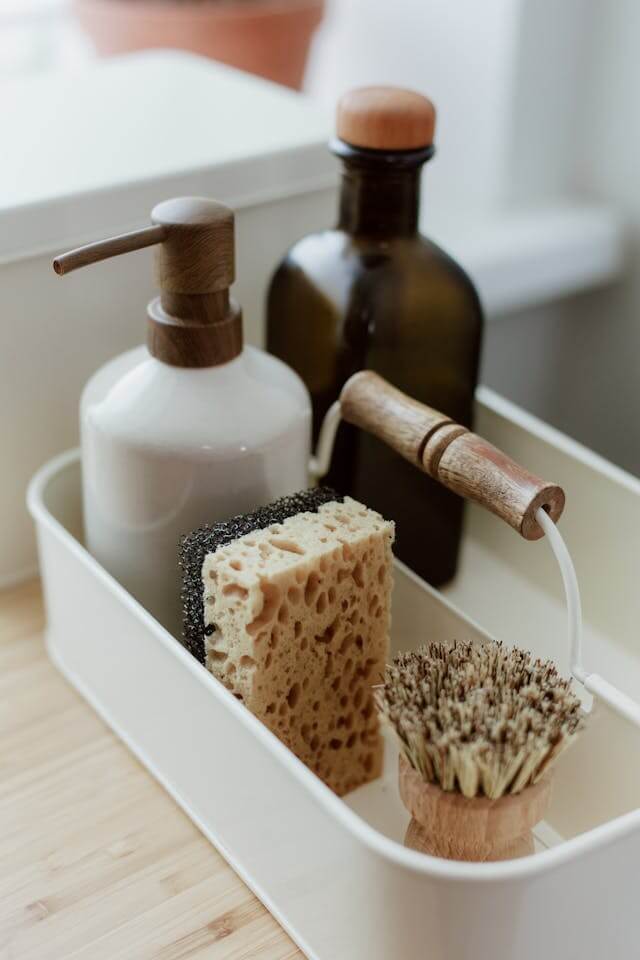
Traditional sponges are a quiet source of plastic waste. UK shoppers who are already separating recycling and avoiding plastic bags are very receptive to alternatives made from cellulose, coconut fibre, or wood pulp.
These work because:
- They’re a direct swap for something people already buy repeatedly.
- The price point is accessible, so trying them doesn’t feel risky.
- You can sell them in multi-packs, which makes shipping and pricing more efficient.
You can market them as “normal sponges end up in landfill; these break down naturally after use”, “ideal if you’re trying to cut plastic from your cleaning routine without changing how you clean”.
3. Solar-powered garden or balcony lights

Despite the reputation for cloudy weather, solar lights absolutely have a place in the UK, especially spring through early autumn. Many homes have small gardens, patios, or balconies, and people like adding light and ambience without increasing their energy bill.
These products:
- Tap into both the “eco” and “energy-saving” mindset.
- Work well as giftable items for housewarmings or summer gatherings.
- Come in lightweight designs suitable for letterbox-friendly packaging if chosen carefully.
The key is to choose models with realistic performance (not over-promising 12 hours of bright light from minimal sun) and simple installation.
4. Refillable cleaning and hand-wash kits

There’s strong interest in reducing single-use bottles. Refillable glass or sturdy plastic dispensers paired with concentrated cleaning or soap refills fit neatly into that behaviour shift.
They work because:
- They let households keep a “nice” bottle on the sink while simply topping up with refills.
- They reduce plastic over time, which many buyers will feel good about.
- Refills can be shipped as small, light sachets or tablets.
If you go this route, make sure your supplier can provide consistent refills and that any cleaning formulas are compliant for import. You can also frame it as a money-saver over time, not just eco-friendly.
Pet Supplies (The “Fur Baby” Economy)
Pet ownership in the UK is high, and emotionally driven. Many owners see their dogs and cats as full family members and budget accordingly, even when their own costs go up. That’s why pet categories often hold strong even during broader cost-of-living pressures.
Well-chosen pet products work particularly well because:
- They generate repeat purchases and word-of-mouth.
- People share them on social media (especially anything cute or personalised).
- Owners are willing to pay a little more for comfort, health, or enrichment.
Here are some pet products that align with those behaviours:
5. Orthopaedic or memory foam dog beds

These aren’t impulse gadgets, they’re higher-ticket comfort purchases that appeal to owners of older dogs, large breeds, or anyone who wants to “treat” their pet.
In the UK context:
- Many homes have hard floors (laminate, tile), which makes supportive beds more important.
- People living in colder, draughty houses like beds with raised sides or thicker bases.
- Strong product imagery matters; if the bed looks cheap or flat, it won’t justify the price.
If you pick this route, choose fewer, better models rather than listing 20 similar beds. Emphasise washable covers, durability, and size guidance for common UK breeds. You can also cross-sell matching blankets or throws.
6. Interactive puzzle toys for indoor cats and dogs

With a lot of pets living in flats or small houses and spending more time indoors, enrichment toys are a big growth area.
Puzzle feeders, treat-dispensing toys, and brain games help owners feel like they’re doing something “good” for their animals.
These sell because:
- They address boredom and destructive behaviour, a common complaint in UK pet forums.
- They photograph well for social media.
- They’re relatively small and easy to ship.
For cats, good options would be trackball toys, food mazes, or simple puzzle boards. For dogs, slow feeder bowls, snuffle mats, or treat puzzles.
Position them around “keeping pets mentally stimulated when you can’t be out in the park every day”.

Customisation performs strongly in the UK, especially for gifts. Engraved ID tags, name-embroidered collars, or bandanas with the pet’s name are all simple products with a high perceived emotional value.
This niche:
- Works well with print-on-demand or agent-level customisation.
- Is lightweight, so shipping is cheap.
- Encourages repeat purchases (“we’ve got one for our dog, now one for the cat”).
Just make sure turnaround times for personalisation are compatible with your shipping promises, and keep the designs clean and readable, UK buyers tend to prefer simple over overly flashy.
8. Pet travel and safety gear

More people travel within the UK for holidays (“staycations”), and many bring pets. That makes items like car seat covers, seatbelt harnesses, and travel carriers relevant.
When you sell these:
- Reference UK driving norms (long motorway trips, rainy walks, muddy boots and paws).
- Show how they protect both the animal and the car interior.
- Check that buckles, clips, and materials feel robust enough for safety-focused owners.
A well-chosen harness that clips into standard seatbelt latches, for example, solves a very real need and has room for clear value-based copy.
Smart Home & Energy-Saving Gadgets
Energy prices remain a constant worry in many UK households. At the same time, lots of homes are older, draughtier, or less insulated than people would like.
That combination makes anything that can stretch the heating budget or control energy usage more attractive.
Instead of chasing gimmicky “smart” gadgets, this niche works best when you pick items that directly touch those pain points.
Here are a few examples:
9. Smart radiator valves and thermostats

In many UK homes, the heating system is either “all on” or “all off”. Smart radiator valves let people control individual rooms, heat only the spaces they actually use, and run schedules that reflect their real lives.
From a product selection perspective:
- Look for valves that can work on common UK radiator fittings.
- Prioritise models with clear, simple apps and basic English documentation.
- Check that any hubs or gateways use standard UK plugs.
While marketing, lean on real scenarios: heating the home office during the day but not the spare room, turning down radiators automatically at night, reducing wasted heating in unused rooms.
10. Thermal curtains and insulating blinds

Lots of UK properties lose heat through windows, especially older terraces and rented flats with single or older double glazing. Thermal curtains and lined blinds are a simple, renter-friendly way to address that.
These are worth considering because:
- They’re a one-off purchase that feels like an “upgrade” to a room.
- They fit naturally into the seasonal push in autumn and early winter.
- They can be sold as both décor and energy-saving.
To make them dropshipping-friendly, stick to popular sizes and colours rather than full custom sizing.
Be very clear about measurements in centimetres and show photos of them in realistically sized UK rooms, not cavernous US living spaces.
11. Modern draught excluders and door seals

Draught excluders are an old solution to a very current problem. Modern designs, adhesive silicone strips, low-profile stoppers, or stylish fabric “snakes” make them more appealing to a new audience.
These products:
- Are inexpensive to produce and ship.
- Address a problem almost everyone in an older home has felt: cold air under doors or around frames.
- Are easy to demonstrate visually in a short video or GIF.
Position them as a quick, low-commitment way to make a hallway or bedroom less chilly without touching the boiler.
12. USB-rechargeable hand warmers and heated accessories

For commuters waiting on cold train platforms, office workers in under-heated buildings, or anyone trying not to turn on the heating for just themselves, rechargeable hand warmers are extremely practical.
They make sense for UK dropshipping because:
- They’re compact and light.
- They’re highly seasonal, which you can plan campaigns around.
- They double as small gifts when the weather turns.
Make sure any model you choose has proper safety features, clear charging instructions, and relevant markings for sale in the UK.
Compact “Flat Living” Solutions
Space is at a premium in much of the UK. Whether it’s students in shared houses or young professionals renting city flats, many people are constantly juggling storage and trying to make rooms do double duty.
Space-saving products do well when they are genuinely helpful and not just “gadgety”.
Here are some ideas that work in that context:
13. Foldable and under-bed exercise gear

The home-fitness boom hasn’t disappeared, but plenty of people don’t have room for a full rack in the spare bedroom. Compact items like resistance band sets, foldable yoga mats, or under-desk pedal exercisers fit better into UK homes.
They sell well because:
- They allow people to exercise in living rooms or bedrooms without permanent equipment.
- They align with remote working and “fit it in around the day” routines.
- They can be stored in a cupboard or under the bed when not in use.
When selecting products, avoid anything too heavy or complex to assemble; simple, durable items with clear instructions tend to perform best.
14. Vertical and over-door storage organisers

Using vertical space is essential in small kitchens, bathrooms, and bedrooms. Over-door racks, hanging organisers, and slim shelving units help turn “dead” areas into storage.
These appeal because:
- They don’t require drilling, important for renters.
- They can be used in student housing, rented flats, and family homes alike.
- They make before/after photos very compelling in your marketing.
Good candidates include over-door shoe organisers, pantry racks that hook over cupboard doors, or slim shelving for the gap beside a washing machine or fridge.
15. Multi-function kitchen tools for small kitchens

UK kitchens are often compact, especially in city flats. That makes multi-use gadgets and stackable sets more attractive than single-purpose tools.
Examples include:
- Nested mixing bowl and measuring sets that store in one footprint.
- Cutting boards that sit over the sink with built-in strainers.
- Compact 3-in-1 appliances aimed at studio flats or student rooms.
You don’t need to reinvent the wheel, the key is choosing items that genuinely save space and make daily cooking easier, and then showing them in realistic UK kitchen setups.
16. Fold-away desks and laptop tables

With remote and hybrid work still widespread, many people are working from corners of bedrooms or living rooms. Portable laptop stands and fold-down wall-mounted desks solve that without needing to dedicate a full room.
Look for:
- Designs that can fold flat or slide under a sofa.
- Sturdy construction that doesn’t feel flimsy on use.
- Simple, neutral finishes that blend into different interiors.
Copy-wise, talk about “creating a workspace in a one-bed flat without sacrificing your living space” – that’s a very real scenario for a lot of your target audience.
Beauty & Self-Care (Clean Beauty Focus)
Beauty and personal care are consistently strong online categories in the UK, but the type of products people buy is shifting. There’s more interest in:
- “Clean” routines with fewer, gentler products.
- At-home self-care rituals that feel spa-like.
- Tools and accessories rather than just more bottles.
Because cosmetics themselves are heavily regulated, tools and accessories make a safer entry point for dropshippers.
Here are a few product directions that fit those trends:
17. Facial massage tools (gua sha, rollers, etc.)

These tools have moved from niche to mainstream. They tap into the desire for simple, non-electronic ways to care for skin and relax.
They’re a good fit because:
- They’re small, light, and simple to ship.
- They don’t require plugging in or complicated instructions.
- They fit naturally into an evening routine and content like “wind-down rituals”.
To avoid looking generic, consider offering slightly higher-quality sets, including an instruction card, and positioning them more around “stress relief and ritual” than miracle beauty claims.
18. Reusable makeup remover pads and cloths

Many UK consumers are trying to move away from disposable wipes and cotton pads, both for cost and environmental reasons. Reusable bamboo or microfibre pads are an easy, low-risk swap.
These work because:
- They directly replace a recurring purchase, saving money over time.
- They align strongly with plastic- and waste-reduction goals.
- They bundle well (for example, a set of pads plus a small wash bag).
Your product pages should be very clear about how to wash them, how long they last, and roughly how many disposables they replace, that’s how the value really lands.
19. Scalp massagers and gentle hair-care tools

Silicone scalp brushes, microfibre hair towels, and heatless curlers all play into the mix of hair health and self-care.
In the UK context:
- Hard water and frequent blow-drying can be rough on hair, so “gentle” tools are appealing.
- Products that can be used in small bathrooms and stored easily are a plus.
- They sit at a comfortable price point for gifting.
These items are also good content drivers: it’s easy to create short demos, routine videos, and comparison shots for social ads.
20. Simple at-home self-care kits

Think small, focused kits like a “Sunday evening reset” bundle: a facial tool, a candle, and a soft headband; or a “bath ritual” set. Rather than hundreds of SKUs, you can build a few well-curated kits that speak directly to how your audience unwinds at home.
They fit the UK market because:
- People are spending more time at home and want to make that time feel special.
- They make excellent gifts, especially around Christmas and Mother’s Day.
- Kits naturally raise average order value.
As with other beauty-adjacent products, be careful with claims. Stick to relaxation, routine, and experience rather than promising medical or dramatic cosmetic results.
The Logistics Challenge: Dropshipping to the UK Post-Brexit
Shipping to the UK has always required some planning, but post-Brexit rules have added extra steps that every dropshipper needs to understand.
UK shoppers expect a smooth, predictable delivery experience, and failing to meet those expectations is one of the fastest ways to lose trust.
Here are the key logistical points to get right:
VAT on Imports Must Be Handled Properly
VAT now applies to all goods entering the UK:
- Under £135 – VAT must be charged at checkout and remitted to HMRC.
- Over £135 – VAT (and any duty) is usually collected when the parcel enters the UK, often passed on to the customer.
Unexpected fees at the door are a major frustration for British buyers.The safest approach is to use shipping methods that offer DDP (Delivered Duty Paid) or work with partners who can pre-pay VAT and declare items correctly. Transparent pricing builds trust and avoids angry “I had to pay customs” reviews.
Customs Clearance Can Cause Delays
Since Brexit, anything entering the UK, including goods from the EU, goes through customs. Most small parcels clear quickly, but missing paperwork or peak-season traffic can cause delays.
To avoid issues:
- Ensure suppliers include proper invoices and HS codes
- Avoid vague product descriptions
- Use shipping lines designed for UK delivery (many agents offer these)
Popular UK special lines often achieve 5-10 day delivery by clearing bulk shipments together before handing parcels to Royal Mail or local couriers.
UK Buyers Expect Local-Style Delivery
British shoppers are used to Royal Mail, DPD, Evri, and Hermes, fast, trackable, and predictable. They also expect:
- Working tracking codes
- Clear delivery updates
- Reasonable shipping fees (built into product pricing where possible)
- Packages that fit through a letterbox when possible
If you ship from China, ensure your method provides tracking that works once the parcel reaches the UK. Anything that feels slow or untraceable raises red flags.
AliExpress Shipping Is Too Slow for the UK
Most AliExpress standard options take 2-4 weeks to reach the UK, far too slow in a market where 2-3 days is considered normal and 7-10 days is the upper limit customers tolerate. Even with AliExpress’ newer UK/EU warehouses, stock can be limited or inconsistent.
If you want repeat customers, you’ll need:
- Faster lines
- EU or UK fulfilment
- Or a private agent who can store and restock inventory
Speed is directly tied to satisfaction, and slow delivery is still the number-one cause of negative feedback for UK dropshipping stores.
Compliance and Packaging Must Meet UK Standards
The UK has very clear rules for product compliance. Depending on the category, you may need:
- UKCA/CE markings for electronics
- Safe UK 3-pin plugs
- Proper toy safety documentation
- Accurate ingredient labels for cosmetics
- Battery handling labels for parcels going by air
Even packaging expectations differ. Excessive plastic or unclear recycling info stands out negatively in a very eco-aware market. Make sure your supplier can provide the correct version for UK buyers, non-compliant products can be stopped at the border or returned quickly.
Returns and Customer Service Matter
The UK has strict consumer protection standards, including a 14-day return period for distance selling. If something arrives damaged or isn’t as described, customers expect an easy solution, not a request to ship the item back to China.
To keep your business compliant and trustworthy:
- Use a UK returns address (many agents or 3PLs offer this)
- Offer replacements quickly
- Keep customer service responsive and in clear English
- Hold small quantities of fast-moving stock locally if possible
A smooth return experience is often the difference between a one-star review and a loyal customer.
How to Choose a Reliable UK Dropshipping Supplier

In the UK, customer expectations are high: fast delivery, proper VAT handling, compliant products, and clear communication. You can only meet those standards if your supplier or agent operates with the same level of reliability. Here’s what to look for.
- Consistent Quality Control (QC): They should inspect products before shipping, catch defects early, and provide photos or videos of real batches. Strong QC is non-negotiable in a market where buyers expect items to match the listing exactly.
- Correct Certifications for UK Standards: Depending on the product category, look for UKCA/CE marks for electronics, EN71 for toys, RoHS compliance, and FSC certification for wooden items. A supplier who understands compliance won’t hesitate to provide documentation.
- Branding & Packaging Options: Custom packaging, inserts, labels, and private-label support help you stand out in a mature market. Even small touches, a branded card or sleeve, elevate the experience and build trust.
- Knowledge of Post-Brexit Requirements: The supplier should understand UK VAT rules, HS codes, customs paperwork, and import procedures. They should be comfortable discussing how they handle VAT, duties, and documentation for UK-bound orders.
- Fast, Reliable Shipping Lines: Look for partners offering 5–10 day UK delivery, stable logistics routes, and tracking that works with Royal Mail, DPD, Evri, etc. Avoid suppliers who rely solely on slow China Post options.
- Warehousing & Scale Support: As you grow, you may want to store stock in China, the EU, or the UK for faster fulfilment. Suppliers who also function as 3PLs can help you reduce delivery times and manage returns more smoothly.
Choose a supplier/agent as if you’re adding a partner to your business. The cheapest option is not always the best; reliability, service, and compliance are worth gold.
Full-service sourcing partners like NicheDropshipping can also be useful if you want help with QC, branding, or UK-optimised shipping. We act as a central operations partner rather than just a supplier, which can be helpful once your store grows.
Comparison Table: AliExpress vs. Private Agent
To understand why many UK-focused sellers eventually move away from AliExpress for private agents we’ve created a comparison table.
| Aspect | AliExpress Dropshipping | Private Agent |
| Shipping Speed | Delivery times vary widely (often 15–45 days). Some listings offer ePacket or paid express options, but overall speed depends on each seller’s logistics. | Typically provides faster and more predictable delivery (often 5–10 days) through UK-focused shipping lines. Some agents also offer UK/EU warehousing for 2–5 day dispatch. |
| Quality Control | Minimal QC. Products usually ship directly from factories with no extra inspection, increasing the chance of defective or inconsistent items. | Additional QC steps are common. Agents can inspect items, verify they match descriptions, and share photos or reports when needed. |
| Product Consistency | Quality, versions, and stock availability can vary significantly between sellers. Sudden stockouts or product changes are common. | More centralised sourcing. Agents manage supplier relationships and aim to provide consistent batches; alternative manufacturers can be arranged if needed. |
| Branding Options | Very limited. Most items are shipped in generic factory packaging, and small-quantity branding is rarely supported. | Custom packaging, branding, inserts, or private-label options are often available once minimum quantities are met. |
| Communication | Communication varies depending on the seller. Response times, time zones, and language barriers can make issue resolution slow. | Usually one dedicated contact who communicates clearly and responds quickly, making operations easier to manage. |
| Returns & After-Sales | Returns often require shipping items back to China or opening disputes. Each seller has different policies, and resolutions can be slow. | Agents may offer more flexible solutions, such as local return addresses (where available) or simplified replacement processes depending on the issue. |
| Scaling Capability | Managing multiple AliExpress sellers becomes complex at higher volumes. Each order ships individually, and stock visibility is limited. | Centralised processing, bulk sourcing, and coordinated fulfilment options make it easier to scale smoothly. |
| Pricing & Margins | Unit prices can be low, but shipping is charged per item, and bulk discounts are rare. Quality issues can also increase refund or reship costs. | Base prices may include service value, but savings often come from consolidated shipping, bulk sourcing, cleaner QC, and fewer refunds, leading to more stable margins. |
FAQs about UK Dropshipping
What Products Are Trending in the UK?
Eco-friendly home goods, energy-saving gadgets, smart home accessories, pet products, and simple beauty or self-care tools perform well. Trends reflect real UK needs: saving space, reducing energy costs, and buying sustainably.
What Sells Best on Shopify UK?
Products that appeal to a specific audience and solve a clear problem, such as niche apparel, home organisation tools, beauty tools, personalised items, and pet accessories. Stores that build a brand identity see the strongest results.
Is Dropshipping Profitable in the UK?
Yes, if you choose the right products and maintain strong customer experience. The UK has high online spending, but competition is strong. Fast delivery, good QC, and clear branding improve profitability significantly.
What Are the Cheapest Items to Ship to the UK?
Small, lightweight items under 2 kg: phone accessories, jewellery, socks, small beauty tools, pet accessories, and compact gadgets. These ship cheaply as letterbox-friendly or small parcels.
Is Dropshipping Legal in the UK?
Yes. You must follow standard retail rules: accurate descriptions, proper returns, VAT compliance, and any required product certifications (e.g., for electronics or toys). The dropshipping model itself is fully legal.
How Do I Find UK Suppliers?
Use supplier directories, search for UK wholesalers with dropship programs, explore trade shows, or work with a partner who can arrange UK-friendly fulfilment. Prioritise suppliers with fast domestic or UK-optimised delivery.
Final Thoughts
Selling to the UK comes with its own set of expectations, fast delivery, reliable quality, clear compliance, and products that genuinely fit into everyday British life.
The good news is that once you understand these patterns, the UK becomes a highly predictable and rewarding market.
Choosing the right products, pairing them with consistent fulfilment, and building a simple but trustworthy brand are usually what set successful stores apart.
If you need help sourcing products, improving quality control, or setting up faster UK-friendly shipping routes, NicheDropshipping can support you.
We handle product sourcing, QC, packaging, and fulfillment, so you can focus on growing your brand while we take care of the operational side.
Want to get started? Reach out to our agents today and send us a product link, and we’ll help you source it with UK-ready fulfilment options.