Dropshipping has revolutionized e-commerce by letting entrepreneurs start businesses without holding inventory—but it’s never been without pain points. Manual product research that takes hours, unexpected stockouts, slow customer support, and tedious order processing often limit growth. That’s where AI dropshipping comes in. By integrating artificial intelligence and machine learning into every phase of the dropshipping workflow, entrepreneurs can eliminate inefficiencies, reduce risks, and scale faster than ever before. Whether you’re a beginner or a seasoned dropshipper looking to level up, this guide covers everything you need to know about AI dropshipping—from what it is to how to launch your own automated store.
What Is AI Dropshipping?
AI dropshipping is the fusion of artificial intelligence (AI) technology with the traditional dropshipping business model. In traditional dropshipping, you source products from suppliers who ship directly to customers, but you’re stuck with manual tasks like researching trending items, tracking inventory, and responding to customer questions. AI dropshipping automates these repetitive, time-consuming tasks using data analysis, machine learning, and automation—freeing you to focus on strategy, marketing, and growing your brand.
AI Dropshipping vs. Traditional Dropshipping: Core Differences
| Factor | Traditional Dropshipping | AI Dropshipping |
| Product Research | Manual (platform scrolling, guesswork) | AI-driven trend analysis, demand forecasting, and competitor insights |
| Inventory Management | Reactive (stockouts, overstocking) | Proactive alerts, predictive restocking, and supplier backup suggestions |
| Order Processing | Manual data entry + emailing suppliers | Instant order sync, automated fulfillment, and real-time tracking |
| Customer Support | Limited hours, delayed responses | 24/7 AI chatbots, personalized recommendations, and instant query resolution |
| Decision-Making | Intuition-based | Data-driven (sales analytics, customer behavior insights) |
| Scalability | Constrained by manual labor | Unlimited (AI handles higher order volumes without extra staff) |
How Does AI Dropshipping Work?
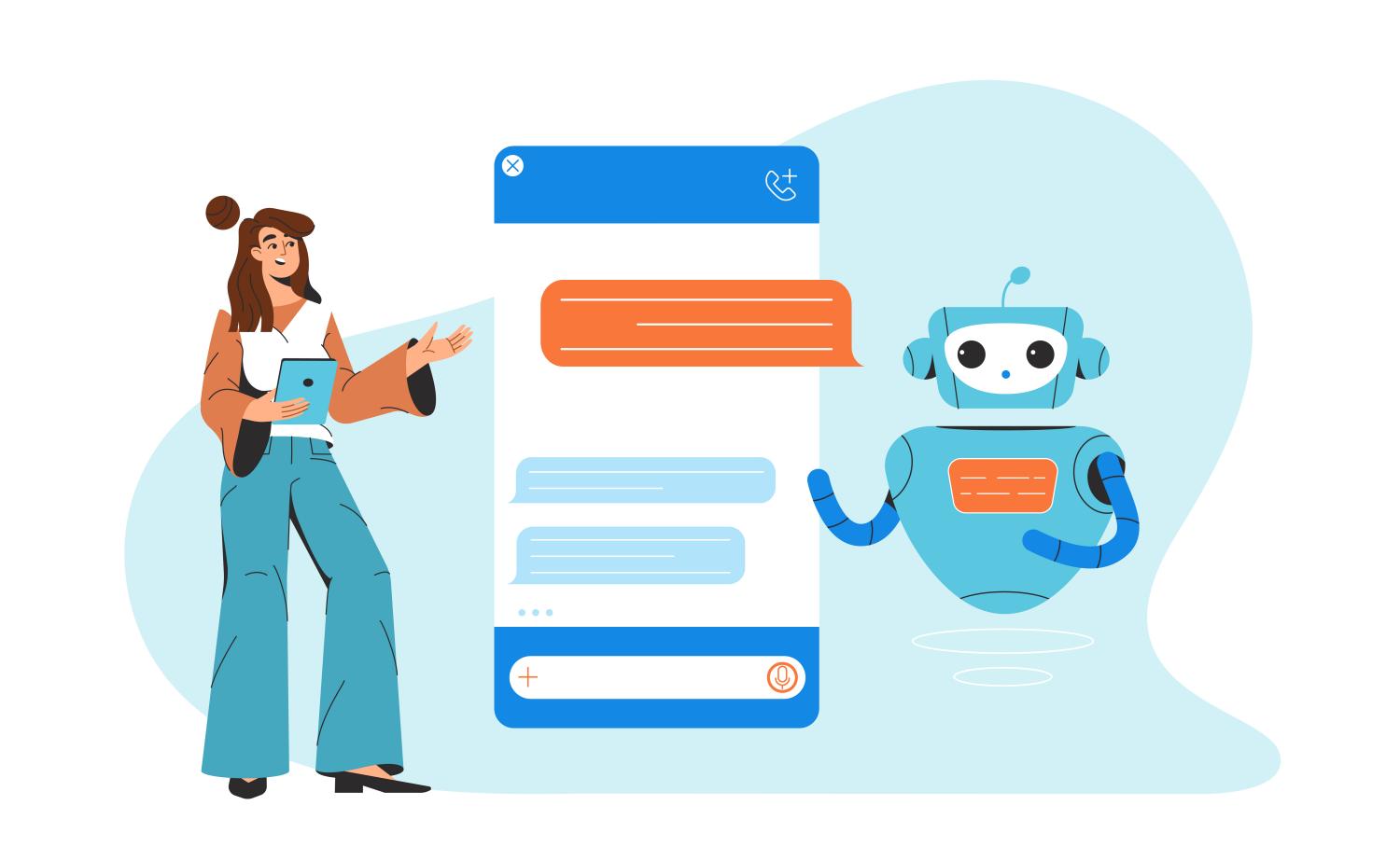
AI dropshipping follows a streamlined, automated workflow that connects your online store, suppliers, and customers—with AI as the central hub optimizing each step. Here’s a breakdown of the process:
Step 1: AI-Powered Product Discovery
AI tools crawl millions of data points across e-commerce platforms (Amazon, Shopify, Etsy), social media (TikTok, Instagram), and search engines (Google) to identify high-potential products. They analyze metrics like search volume, sales velocity, customer reviews, and competitor pricing to predict which items will sell. For example, if AI detects a spike in searches for “portable solar chargers for camping” and low competition, it flags this as a top product to stock.
Step 2: Automated Supplier & Inventory Sync
AI integrates with your suppliers’ databases to sync real-time inventory levels to your store. It monitors stock counts, sends alerts when items are running low, and even suggests alternative suppliers if your primary partner faces stockouts. This prevents “out of stock” disappointments for customers and keeps your store running smoothly.
Step 3: AI-Driven Order Fulfillment
When a customer places an order, AI automatically extracts the order details (shipping address, product SKU, payment info) and sends them to your supplier—no manual data entry required. It then tracks the shipment from the supplier’s warehouse to the customer’s door, updating both you and the customer via email or SMS at every stage (e.g., “Your order has shipped!” “Your package is out for delivery”). AI also resolves common issues like incorrect addresses or missing order details in real time.
Step 4: Personalized Customer Experience
AI chatbots handle 24/7 customer inquiries—from tracking questions to return policy clarifications—freeing you from answering repetitive messages. Beyond support, AI analyzes customer browsing history and purchase behavior to recommend related products (e.g., suggesting a phone case to someone who bought a wireless charger), boosting cross-sell and upsell rates.
Step 5: Data-Driven Optimization
AI continuously analyzes your store’s performance: sales trends, customer demographics, marketing ROI, and product profitability. It provides actionable insights like “Raise the price of X product by 10%—demand is high” or “Discontinue Y product—low sales and high return rates.” This lets you make informed decisions to improve efficiency and profits.
Pros of AI Dropshipping
- Massive Time Savings: Automate up to 80% of repetitive tasks (product research, order processing, customer support), so you can focus on growing your business instead of busywork.
- Higher Success Rate: Data-driven product selection reduces the risk of stocking items that don’t sell—AI’s trend forecasting is far more accurate than guesswork.
- Scalability Without Extra Work: As your order volume grows, AI handles the load—no need to hire additional staff for fulfillment or support.
- Cost Efficiency: Cut labor costs (no need for full-time assistants) and reduce lost sales from stockouts or human errors.
- Better Customer Satisfaction: 24/7 chat support, faster order processing, and personalized recommendations lead to happier customers and more repeat business.
Cons of AI Dropshipping
- Initial Learning Curve: While most AI tools are user-friendly, you’ll need time to learn how to leverage their full features (e.g., interpreting trend data or setting up automation rules).
- Tool Costs: Premium AI dropshipping tools range from 20–200 per month, adding to your overhead (though the ROI often justifies this).
- Lack of Human Touch: Over-reliance on AI chatbots can make interactions feel impersonal—some customers prefer speaking to a human for complex issues.
- Technical Dependencies: If your AI tools crash or sync with suppliers fails, your store may face temporary disruptions (choose reliable tools with strong support).
- Supplier Risks: AI can’t fix unreliable suppliers (e.g., late shipping, poor product quality)—you still need to vet partners thoroughly.
Top AI Tools for Dropshipping
Product Research & Trend Forecasting
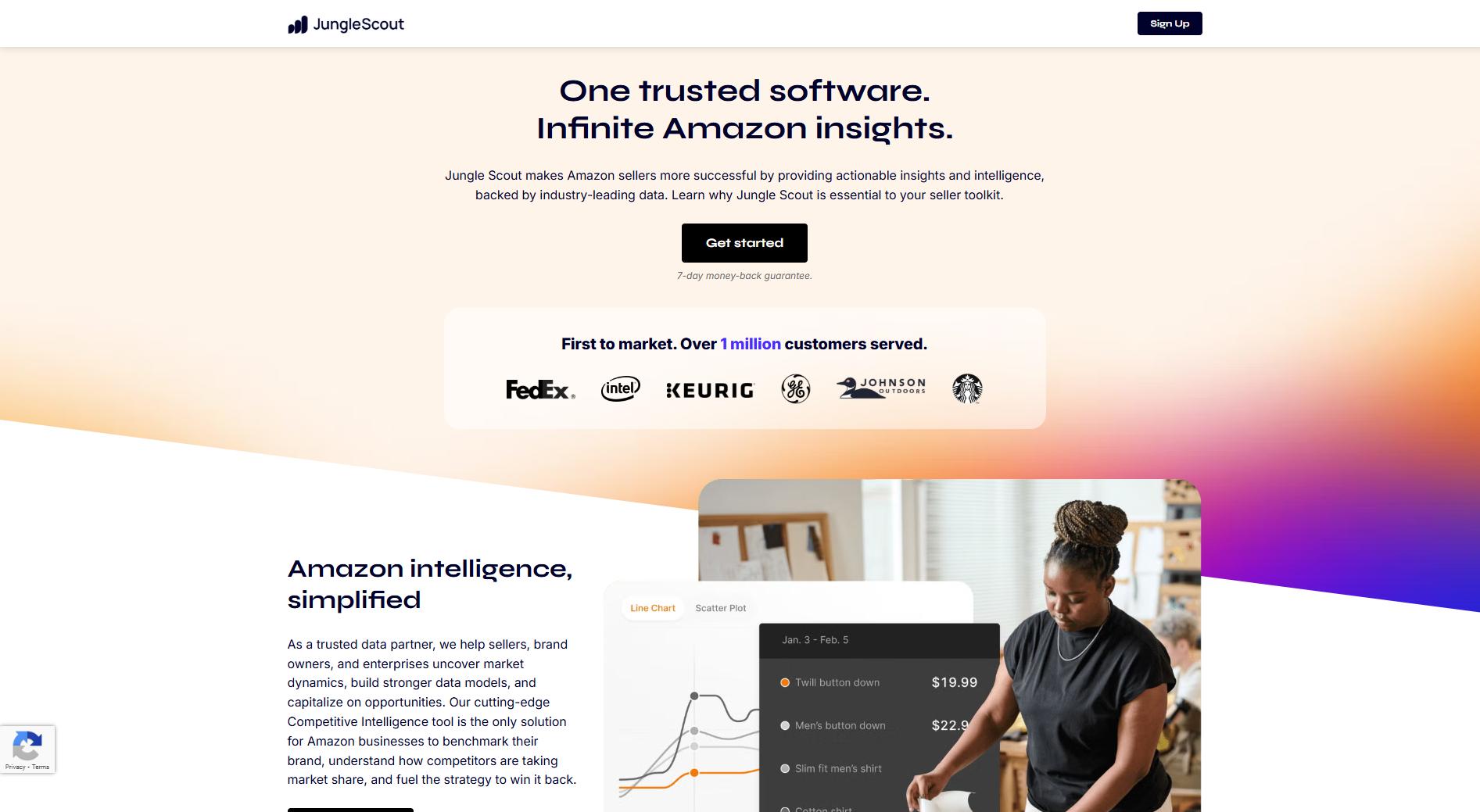
- Jungle Scout: The gold standard for AI-powered product research. Analyzes Amazon, Shopify, and Etsy data to find trending products, estimate sales, and identify low-competition niches.
- Helium 10: Combines AI-driven keyword research, competitor analysis, and demand forecasting—ideal for scaling on Amazon.
- Trendosaur: Uses AI to track social media trends (TikTok, Instagram Reels) and predict which products will go viral next.
- Sell The Trend: AI curates “winning products” by scanning 10+ e-commerce platforms and social media, with built-in supplier links.
Order Fulfillment & Shipping
- Oberlo (Shopify Integration): Automates order forwarding to suppliers and syncs shipping tracking—free for basic use, with premium AI features.
- ShipBob: AI optimizes shipping routes, reduces delivery times, and provides real-time tracking for customers.
- ShipStation: AI streamlines order fulfillment by batch-processing orders, generating shipping labels, and syncing with carriers.
Customer Support & Personalization
- Zendesk AI: AI chatbots handle routine queries, while machine learning routes complex tickets to human agents—24/7 support with a personal touch.
- Drift: Conversational AI chatbots that engage customers in real time, recommend products, and resolve issues instantly.
- Criteo: AI-driven product recommendation engines that personalize your store’s homepage and checkout page to boost sales.
Marketing & Analytics
- Mailchimp: AI-powered email marketing that sends personalized campaigns, predicts open rates, and automates follow-ups.
- AdEspresso: AI optimizes Facebook/Instagram ads by testing audiences, creatives, and budgets—maximizing ROI.
- Google Analytics 4 (GA4): Uses AI to identify customer behavior patterns, predict churn, and suggest marketing improvements.
How to Start AI Dropshipping in 5 Simple Steps
Step 1: Choose a Profitable Niche
Use AI tools like Jungle Scout or Trendosaur to validate niches with high demand and low competition. Look for niches with:
- Consistent search volume (use Google Keyword Planner + AI trend data)
- Low customer acquisition costs (avoid saturated markets like fashion)
- High profit margins (aim for 20–40% after fees and shipping)
- Examples: Eco-friendly kitchen gadgets, pet tech, portable fitness equipment.
Step 2: Set Up Your E-Commerce Store
Choose a platform that integrates seamlessly with AI dropshipping tools:
- Shopify: Best for beginners (easy setup, 1000+ app integrations)
- WooCommerce: Ideal for WordPress users (more customization, lower fees)
- BigCommerce: Great for scaling (built-in SEO, enterprise-level features)
- Customize your store with a clean design, clear product descriptions, and trust signals (reviews, return policies).
Step 3: Select Your AI Tool Stack
Start with 2–3 core tools to avoid overwhelm:
- Product Research: Jungle Scout or Sell The Trend
- Order Fulfillment: Oberlo (Shopify) or Inventory Source
- Customer Support: Zendesk AI or Drift
- Upgrade to more tools (e.g., AdEspresso for marketing) as you scale.
Step 4: Vet & Partner With Suppliers
Use AI tools like Spocket or SaleHoo to find reliable suppliers. Look for:
- Fast shipping times (2–7 days for domestic, 10–20 for international)
- High product quality (check supplier reviews and sample products)
- Transparent pricing (no hidden fees)
- Good communication (responsive support team)
- Start with 1–2 suppliers to test reliability before expanding.
Step 5: Launch & Optimize Your Store
- Sync your AI tools with your store (most tools have one-click integrations).
- Add 10–20 AI-vetted products (focus on quality over quantity).
- Run small AI-targeted ads (e.g., Facebook ads with AdEspresso optimization).
- Use AI analytics (GA4, Jungle Scout) to track:
- Top-selling products
- Customer acquisition costs
- Cart abandonment rates
- Iterate: Discontinue low-performing products, adjust pricing, and scale successful ones.
Common Mistakes to Avoid in AI Dropshipping
- Blindly Trusting AI: AI is a tool, not a replacement for human judgment. Always test product samples before stocking and review AI recommendations (e.g., don’t list a product just because Jungle Scout says it’s trending—check quality!).
- Overcomplicating Your Tool Stack: Using 5+ AI tools at launch leads to confusion and higher costs. Start simple and add tools as you need them.
- Neglecting Supplier Relationships: AI automates order forwarding, but you still need to communicate with suppliers. Build relationships to resolve issues faster (e.g., late shipments).
- Skipping SEO: AI tools can’t optimize your store for search engines. Use keywords like “best AI dropshipped [product]” or “affordable [product] online” in product descriptions and blog posts.
- Ignoring Customer Feedback: AI chatbots collect feedback—use it! If customers complain about a product’s quality, discontinue it. If they want faster shipping, switch suppliers.
Future of AI Dropshipping
AI dropshipping is evolving rapidly—here’s what to expect in the next 2–3 years:
- AI + AR/VR Integration: Customers will “try before they buy” using augmented reality (e.g., visualizing a furniture item in their home via your store app).
- Predictive Pricing: AI will adjust prices in real time based on demand, competitor activity, and even weather (e.g., raising prices for portable fans during heatwaves).
- Autonomous Supply Chains: AI will negotiate with suppliers, handle returns, and optimize logistics end-to-end—minimizing human intervention.
- Voice Commerce Integration: AI will let customers order products via voice assistants (Alexa, Siri) directly from your dropshipping store.
- Fraud Detection: Advanced AI will reduce chargebacks by identifying fraudulent orders before they’re fulfilled.
Frequently Asked Questions
Do I need technical skills to start AI dropshipping?
A: No! Most AI dropshipping tools are no-code and designed for beginners. You just need basic computer skills and a willingness to learn.
How much money do I need to start?
A: You can start with
500–1,000:
- E-commerce platform fees (29–79/month for Shopify)
- AI tools (50–150/month)
- Initial ad budget (200–500)
- Domain name + hosting (10–20/year)
Is AI dropshipping profitable?
A: Yes—if you choose the right niche and use AI to optimize costs. Most successful AI dropshippers see profit margins of 20–40%.
Can AI replace dropshipping entrepreneurs?
A: No. AI automates tasks, but you still need to set strategy, vet suppliers, build your brand, and make key decisions. AI is a partner, not a replacement.
What’s the best AI tool for beginners?
A: Shopify + Oberlo (free for basic use) + Jungle Scout (affordable starter plan) is the perfect combo for beginners. It’s easy to set up and covers product research, order fulfillment, and store management.
Conclusion
AI dropshipping is not just a buzzword—it’s a proven way to build a more efficient, scalable, and profitable e-commerce business. By automating repetitive tasks, leveraging data-driven product selection, and enhancing the customer experience, AI lets you focus on what matters most: growing your brand. Whether you’re a beginner tired of manual work or a seasoned dropshipper looking to scale, AI has the power to transform your business.
Ready to get started? Pick a niche, choose your AI tools, and launch your store—with AI on your side, the possibilities are endless.