The best countries to dropship to in 2026 combine strong online demand, reliable delivery networks, suitable payment methods, and enough purchasing power to support healthy margins.
Based on these factors, we rank the United States highest for scale, the United Kingdom for accessibility, Switzerland for premium products, and the Netherlands for European market testing.
The right choice still depends on your product, pricing, and fulfillment setup.
| Selling Goal | Best Country | Why It Stands Out |
| Best overall for scale | United States | US retail ecommerce sales reached an estimated $326.7 billion in Q1 2026, giving sellers access to the largest demand pool in this ranking. |
| Best for beginners | United Kingdom | An English-language storefront can be reused more easily, while online sales represented 28.2% of total retai l spending in January 2026. |
| Best European test market | Netherlands | The Netherlands has one of Europe’s highest online purchasing rates, making it attractive for sellers prepared to support local checkout preferences. |
| Best for premium margins | Switzerland | Switzerland’s high purchasing power can support higher-priced lifestyle, home, outdoor, and specialty products. Its GDP per capita reached approximately $126,177 in 2026. |
| Best for English-language expansion | Canada and Australia | Sellers can reuse much of their English-language product content while testing markets smaller than the US. Local pricing, taxes, and delivery expectations still need separate planning. |
In this guide, we compare each country using market size, purchasing power, logistics, payment preferences, and competition rather than ranking markets by population alone.
Key Takeaways
- The United States offers the most scale, but competition and ad costs are also highest.
- The United Kingdom is one of the easiest first markets for English-speaking sellers, though VAT and returns still require planning.
- The Netherlands, Sweden, and Denmark can be strong test markets, but local payments and localization matter.
- Switzerland, Australia, Canada, and the UAE often suit premium or higher-margin products better.
- Choose a market based on demand, delivery speed, payment options, competition, and return costs, not size alone.
How We Scored the Best Dropshipping Countries
We ranked each country using five factors that directly affect profitability and scalability. Each market receives a weighted score out of 100.
| Factor | Weight | What We Evaluate |
| Market size | 25% | Ecommerce demand, shopper volume, and growth potential |
| Buying power | 20% | Income levels and ability to support higher product prices |
| Logistics | 25% | Shipping speed, warehouse access, customs, and return complexity |
| Payment options | 15% | Card usage, digital wallets, and important local payment methods |
| Competition | 15% | Advertising costs, market saturation, and ease of differentiation |
We give the most weight to market size and logistics because strong demand means little if orders arrive slowly or returns erase the margin.
The scores should be treated as a decision guide rather than a universal answer. A country may rank lower overall but still be the better option for a specific niche, price point, or fulfillment setup.
A List of the Best Countries for Dropshipping
1. United States
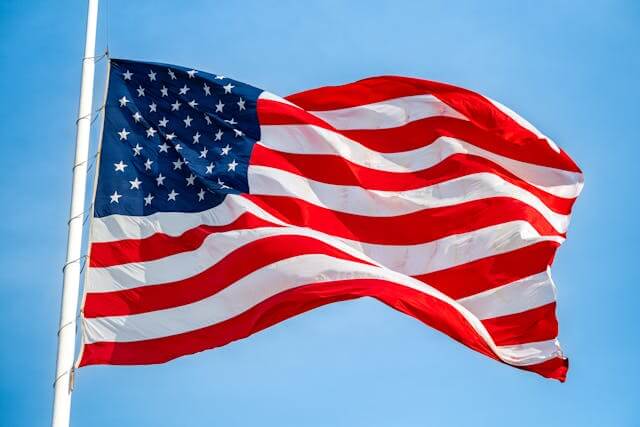
The United States remains our top market for sellers who want maximum scale. US retail ecommerce sales reached approximately $1.23 trillion in 2025, and the market continued growing year over year in early 2026. The trade-off is intense competition, higher advertising costs, and demanding delivery expectations
The United States stands as a prime target for dropshipping ventures. With its massive eCommerce market and tech-savvy population, it offers dropshippers unparalleled opportunities for growth and success.
The U.S. ranks 6th globally for ease of doing business
Pros: Large demand, broad payment support, strong warehouse infrastructure
Cons: High advertising costs, intense competition, demanding return expectations
Main payments: Cards, PayPal, Apple Pay, Google Pay, Shop Pay
Typical delivery target: 2–5 days from a US warehouse; 5–14 days from China
Ideal niches: Home, beauty, pets, fitness, electronics accessories
2. United Kingdom

The United Kingdom’s well-developed digital infrastructure and consumer trust in online shopping make it an attractive destination for dropshippers.
The UK boasts a population of 69.1 million, with an impressive 81.5% of people shopping online. This high percentage of digital consumers creates a vast market for dropshippers to tap into.
.The UK’s eCommerce market is estimated at $317.33 billion in 2026 and is expected to reach USD 750.80 billion by 2029, showcasing its immense potential.
English being the primary language eliminates communication barriers, simplifying marketing efforts and customer service.
The UK ranks 8th in the World Bank’s Ease of Doing Business index, making it relatively straightforward for dropshippers to operate.
Pros: High ecommerce adoption, familiar language, strong digital-payment usage
Cons: VAT complexity, competitive ads, high service expectations
Main payments: Cards, PayPal, Apple Pay, Google Pay, Klarna
Typical delivery target: 2–5 days locally; 5–12 days from China
Ideal niches: Fashion accessories, beauty, home, gifts, pet products
3. Germany

Germany boasts a thriving e-commerce market, ranking as the sixth-largest worldwide. The country’s online retail sector is expected to reach $146 billion in revenue by 2029.
This impressive figure reflects the German consumers’ growing preference for online shopping.
Germany gives sellers access to one of Europe’s largest consumer markets. Its combination of high internet penetration, strong purchasing power, and a large population makes it attractive for stores ready to localize properly.
Germany ranks 22nd in the World Bank’s Ease of Doing Business index, indicating a favorable business environment. The country’s strong infrastructure and efficient logistics network further enhance its appeal for e-commerce operations.
Pros: Large ecommerce market, strong buying power, demand for practical products
Cons: Localization requirements, strict consumer rules, high return expectations
Main payments: PayPal, Klarna, cards, SEPA Direct Debit
Typical delivery target: 2–5 days from an EU warehouse; 6–14 days from China
Ideal niches: Home improvement, automotive accessories, outdoor, practical electronics
4. Canada

Canada boasts a thriving eCommerce sector. With a population of 41.42 million , the country has 83% of its citizens shopping online. This high adoption rate translates to a significant customer base for dropshippers.
The Canadian eCommerce market size is impressive, and valued at $104.40 billion by 2029. This figure is expected to grow, presenting ample opportunities for dropshippers to tap into.
Canadian online shoppers spend an average of $2.61k annually on digital purchases. This high spending power makes them valuable customers for your dropshipping business.
Canada ranks 23rd out of 190 countries in the World Bank’s Ease of Doing Business index. This favorable business environment simplifies operations for dropshippers targeting the Canadian market.
Pros: Strong purchasing power, English-language accessibility, US-market overlap
Cons: Smaller population, expensive remote-area shipping, bilingual requirements in some regions
Main payments: Cards, PayPal, Apple Pay, Google Pay, Shop Pay
Typical delivery target: 3–7 days locally; 7–14 days from China
Ideal niches: Outdoor, home, pets, winter accessories, lifestyle products
A sourcing agent can help consolidate inventory and select shipping lines based on province rather than treating Canada as one uniform delivery zone.
5. Australia

With its strong economy and growing appetite for international products, Australia offers dropshippers a promising landscape to expand their business.
Australia’s eCommerce market is thriving, with 5 million online shoppers actively making purchases. The country’s high GDP per capita of $75,650 indicates strong purchasing power among consumers.
Internet penetration stands at an impressive 88%, ensuring a wide reach for online businesses.
Australian consumers are known for their willingness to try new products and embrace international brands.
Australians are comfortable with English-language websites, making it easier to market your products without language barriers.
The country’s stable political and economic environment also contributes to a favorable business climate for international sellers.
Pros: English-language localization is simple, and customers are comfortable buying lifestyle products online.
Cons: International shipping can be expensive, especially for large, heavy, or low-priced items.
Payment priorities: Cards, PayPal, Apple Pay, Google Pay, Afterpay
Target delivery window: 2–7 days with Australian stock; 6–14 days from China
Ideal niches: Outdoor, fitness, beach, pet, home, beauty
6. France

France boasts a population of 66.5 million, with 74% of French consumers shopping online. French online shoppers spend an average of $2.19k annually on digital purchases.
Internet penetration in France stands at 92%, indicating a highly connected consumer base. The country ranks 32nd in the World Bank’s Ease of Doing Business index, providing a favorable environment for dropshippers.
France’s GDP per capita is approximately $52,080 , reflecting strong purchasing power. The fashion category dominates online sales, accounting for 37% of all eCommerce transactions.
Pros: France offers a large audience and strong demand across lifestyle categories.
Cons: Language, EU compliance, VAT, and customer expectations around returns increase the setup work.
Payment priorities: Cards, PayPal, Apple Pay, Google Pay, Klarna
Target delivery window: 2–5 days from EU stock; 6–14 days from China
Ideal niches: Beauty, fashion accessories, home décor, kitchenware, baby products
7. Netherlands

The Netherlands boasts a thriving digital economy. With a population of 18.2 million, 87% of Dutch consumers shop online. Dutch shoppers spend an average of $3.19k per year on online purchases, one of the highest in Europe. The country ranks 4th in the EU for ease of doing business, making it attractive for dropshippers.
Internet penetration in the Netherlands stands at an impressive 98%, ensuring a wide reach for your online store. Mobile commerce is also on the rise, with 55% of online transactions made via smartphones.
Pros: High online adoption, efficient logistics, and a compact geography make the Netherlands useful for testing European demand.
Cons: The audience is smaller than Germany or France, and failing to offer a preferred local payment method can hurt checkout conversion.
Payment priorities: iDEAL or Wero, cards, PayPal, Klarna
Target delivery window: 1–4 days from EU stock; 5–12 days from China
Ideal niches: Cycling accessories, sustainable products, home goods, electronics accessories
8. Sweden

Sweden boasts a thriving eCommerce sector with impressive growth potential. With a population of 10.6 million, Sweden punches above its weight in online shopping. An astounding 80% of Sweden shop online, translating to about 8.1 million potential customers for your dropshipping business.
Pros: High digital adoption and purchasing power can support well-positioned branded products.
Cons: The population is relatively small, while local payment, language, and environmental expectations require attention.
Payment priorities: Swish, Klarna, cards
Target delivery window: 2–6 days from EU stock; 7–14 days from China
Ideal niches: Minimalist homeware, outdoor gear, wellness, baby products, sustainable accessories
9. Switzerland

Switzerland boasts a population of 9.1 million with a remarkably high GDP per capita of $126,177 USD This wealth translates into significant spending power for Swiss consumers.
The country’s e-commerce market is thriving, with 86% of the population shopping online regularly.
Swiss online shoppers spend an average of $2.51k annually on e-commerce purchases. This high spending rate is supported by widespread internet penetration, reaching 94% of the population.
Switzerland consistently ranks in the top 10 for ease of doing business, making it an appealing choice for dropshippers.
The Swiss e-commerce market is expected to grow at a steady rate of 10.53% annually through 2029. This growth potential, combined with the country’s political stability and strong currency, creates a favorable environment for dropshipping businesses.
Pros: High purchasing power creates room for stronger margins and premium positioning.
Cons: Switzerland sits outside the EU customs area, so duties, import procedures, and returns require separate planning.
Payment priorities: TWINT, cards, PayPal, Klarna
Target delivery window: 2–6 days from European stock; 7–14 days from China
Ideal niches: Premium homeware, outdoor equipment, watches and accessories, wellness, specialty gifts
10. Ireland

Ireland’s eCommerce landscape is rapidly expanding. The country boasts a population of 5 million, with 83% of Irish consumers shopping online. This high adoption rate presents a significant opportunity for dropshippers.
Irish online shoppers spend an average of $2.13k annually on eCommerce purchases. This figure is among the highest in Europe, indicating a strong willingness to buy online.
Ireland’s internet penetration rate is 92%, ensuring a wide reach for your dropshipping business.
The country also ranks 24th out of 190 countries in the World Bank’s Ease of Doing Business index, making it relatively straightforward to establish and operate your online venture.
Pros: Localization is easier for English-speaking sellers, and ecommerce adoption is exceptionally high.
Cons: Ireland has a small population, and delivery costs can be higher than in continental European markets.
Payment priorities: Cards, PayPal, Apple Pay, Google Pay, Klarna
Target delivery window: 2–5 days from EU stock; 6–14 days from China
Ideal niches: Gifts, home products, beauty, apparel accessories, pet supplies
We would use Ireland as a focused test market rather than expecting US-level volume. Automated fulfillment and modest inventory levels can keep overhead controlled while demand is validated.
11. New Zealand

New Zealand’s e-commerce market is thriving. With a population of 5.36 million, the country has 3.25 million online shoppers. That’s an impressive 62% of the population buying goods online.
The average Kiwi spends over $1,954 annually on online purchases, indicating a strong willingness to shop digitally.
Pros: English-language selling is straightforward, and the market can suit specialized lifestyle brands.
Cons: Small audience size and long international shipping distances limit scale.
Payment priorities: Cards, PayPal, Apple Pay, Google Pay, Afterpay
Target delivery window: 3–8 days with local stock; 7–14 days from China
Ideal niches: Outdoor, fitness, pet, eco-friendly home goods, hobby products
We would focus on compact products with strong margins and low return risk. Combining several factory orders in China can also reduce handling complexity before international dispatch.
12. Denmark
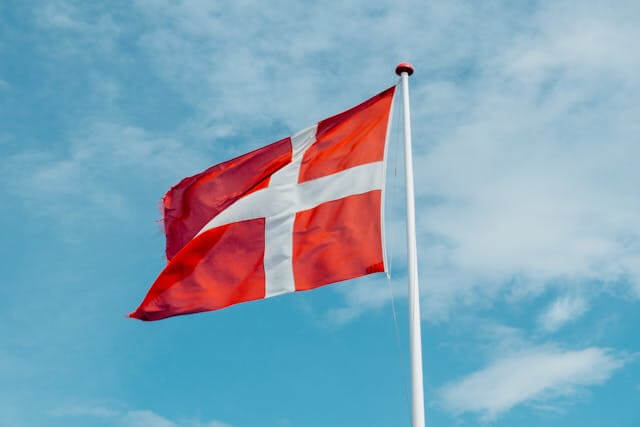
Denmark’s e-commerce landscape is thriving, with 88.5% of its 6 million population being internet users. The country boasts a remarkable GDP per capita of $61,947, indicating significant purchasing power.
Danish consumers are comfortable with online shopping, spending an average of $1,780 annually on e-commerce purchases.
Denmark consistently ranks high in ease of doing business indices. Its advanced logistics infrastructure ensures efficient product delivery.
The country’s digital-first approach is evident in its high smartphone penetration rate of 95%, facilitating mobile commerce growth.
Pros: High online adoption and purchasing power suit distinctive, well-branded products.
Cons: The total audience is limited, and generic products face pressure from established local and European retailers.
Payment priorities: MobilePay, cards, Klarna
Target delivery window: 2–5 days from EU stock; 6–13 days from China
Ideal niches: Interior design, cycling, children’s products, wellness, sustainable accessories
13. Italy

Italy boasts a population of 59.3 million, with 59% of Italians shopping online. The average online spending per shopper reaches $3.29k annually, indicating a significant market potential.
Internet penetration in Italy stands at 88%, providing a solid foundation for eCommerce growth. The country’s GDP per capita of $39,580 suggests a population with considerable purchasing power.
Italy’s ease of doing business score is 72.9 out of 100, reflecting a relatively favorable environment for entrepreneurs.
Pros: Italy offers substantial niche demand and potentially less online saturation than northern European markets.
Cons: Localization, regional delivery differences, customer support, and return handling can be challenging.
Payment priorities: Cards, PayPal, Apple Pay, Google Pay, Klarna
Target delivery window: 2–6 days from EU stock; 6–14 days from China
Ideal niches: Fashion accessories, beauty, kitchenware, home décor, automotive accessories
We should test a narrow product collection with Italian-language pages rather than launch a general store. Detailed QC is important for fashion sizing, finishes, colors, and fragile home products.
14. Spain

Spain’s eCommerce market is experiencing rapid growth. The country has a population of 47.9 million, with 76% of Spaniards shopping online.
The average online spending per shopper is $1,896 annually. Spain ranks 30th in the World Bank’s Ease of Doing Business index, indicating a favorable business environment.
Internet penetration in Spain stands at 96%, providing a large base of potential customers. The country’s GDP per capita is $28,496, reflecting strong purchasing power.
Spanish consumers are increasingly comfortable with cross-border purchases, opening opportunities for international dropshippers.
Pros: Spain offers more scale than smaller northern European markets and supports a broad range of consumer niches.
Cons: Spanish translation, euro pricing, VAT, and local customer support are necessary for serious expansion.
Payment priorities: Cards, PayPal, Bizum, Apple Pay, Google Pay
Target delivery window: 2–6 days from EU stock; 6–14 days from China
Ideal niches: Beauty, fitness, travel accessories, home products, pet supplies
15. Norway

Norway boasts a population of 5.6 million, with an impressive 89% of Norwegians shopping online. The average online spending per shopper is approximately $2,100 annually, reflecting the country’s high disposable income.
Norway’s internet penetration rate stands at 99%, ensuring wide access to online shopping platforms.
Norway ranks 9th in the World Bank’s Ease of Doing Business index, making it relatively straightforward for foreign businesses to operate.
Pros: Strong purchasing power can support premium pricing and higher average order values.
Cons: Small population, remote delivery areas, customs, and expensive returns limit the appeal of low-margin products.
Payment priorities: Vipps, cards, Klarna
Target delivery window: 2–7 days from Nordic or EU stock; 7–14 days from China
Ideal niches: Hiking, winter accessories, fitness, home products, premium pet gear
16. Poland

The average revenue per user (ARPU) is projected to reach $1,597, indicating strong consumer spending power.
Poland’s internet penetration rate stands at 88%, with 30 million active internet users. The country ranks 40th in the World Bank’s Ease of Doing Business index, making it relatively business-friendly for dropshippers.
Fashion is the most popular online shopping category in Poland, followed by electronics and home goods. The country’s strategic location in Central Europe makes it an excellent gateway to other European markets.
Pros: Poland offers a substantial audience, expanding ecommerce adoption, and strategic access to Central Europe.
Cons: Localization and local payments are essential, while premium pricing may be harder to sustain in some categories.
Payment priorities: BLIK, cards, PayPal, bank transfer
Target delivery window: 2–5 days from EU stock; 6–14 days from China
Ideal niches: Home organization, electronics accessories, auto products, pet supplies, practical household goods
17. Singapore
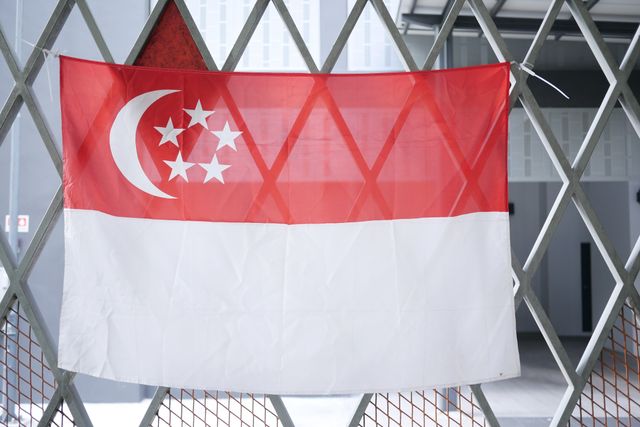
Singapore’s eCommerce landscape is thriving, with a population of 5.8 million and an impressive 87% of residents shopping online.
The average online spending per shopper is US$1,445, indicating a strong willingness to make purchases through digital channels. Singapore’s internet penetration rate stands at 96%, ensuring a wide reach for online businesses.
The country’s GDP per capita is among the highest globally, at $88,447, reflecting the strong purchasing power of its residents. Singapore consistently ranks high in ease of doing business indexes, making it an attractive option for dropshippers.
Pros: High purchasing power, English usage, dense geography, and proximity to China support efficient testing.
Cons: The domestic audience is small, and customers have easy access to established regional marketplaces.
Payment priorities: Cards, PayNow-compatible options, GrabPay, Apple Pay, Google Pay
Target delivery window: 1–4 days with regional stock; 4–9 days from China
Ideal niches: Electronics accessories, beauty, wellness, smart home, premium gifts
18. United Arab Emirates

The UAE’s e-commerce market is experiencing rapid growth, with sales projected to reach $10.56 billion by 2029. The country has a population of 11 million, with an impressive 9.38 million online shoppers. This high internet penetration rate of 99% creates a fertile ground for dropshipping businesses.
Dubai, in particular, stands out as a hub for e-commerce activities. The city’s advanced logistics infrastructure and strategic location make it ideal for businesses targeting both local and regional markets.
Pros: Strong purchasing power, high smartphone usage, and demand for premium presentation can support healthy margins.
Cons: Customer acquisition can be expensive, while Arabic localization, duties, returns, and cash-on-delivery expectations may complicate operations.
Payment priorities: Cards, Apple Pay, Google Pay, Tabby, Tamara
Target delivery window: 1–4 days with UAE stock; 5–10 days from China
Ideal niches: Beauty, fashion accessories, home décor, automotive products, gifts, electronics accessories
Dropshipping Country Scoring Results
Use a simplified scorecard with only the final weighted score and the strongest use case. The detailed factor breakdown already appears in the scoring framework, so repeating five numeric columns makes the table harder to scan.
Dropshipping Country Rankings
| Rank | Country | Score | Best For |
| 1 | United States | 88.0 | Large-scale growth |
| 2 | United Kingdom | 83.5 | Beginner-friendly expansion |
| 3 | Germany | 81.5 | Large European market |
| 4 | Netherlands | 81.0 | Testing European demand |
| 5 | Canada | 79.5 | Expanding beyond the US |
| 6 | Australia | 77.0 | Lifestyle and outdoor products |
| 7 | France | 77.0 | Fashion, beauty, and home |
| 8 | Singapore | 76.5 | Premium Asian testing |
| 9 | Sweden | 76.0 | Design-led products |
| 10 | Switzerland | 75.5 | Premium margins |
| 11 | Spain | 74.0 | Southern European growth |
| 12 | Ireland | 73.5 | English-speaking EU entry |
| 13 | Denmark | 73.5 | High online adoption |
| 14 | Poland | 73.5 | Cost-conscious EU expansion |
| 15 | Norway | 73.0 | Premium outdoor products |
| 16 | United Arab Emirates | 73.0 | Middle Eastern premium market |
| 17 | Italy | 72.5 | Lifestyle niches |
| 18 | New Zealand | 65.0 | Focused niche stores |
The score is out of 100 and combines market size, buying power, logistics, payment options, and competition. Use it as a shortlist rather than a guarantee of profitability.
Countries to Approach with Caution
Some countries have strong ecommerce demand but are harder to serve profitably through cross-border dropshipping. We would not automatically exclude these markets, but we would validate taxes, payment access, customs, and delivery performance before spending heavily on ads.
Brazil

Brazil has substantial consumer demand, but import taxes and customs procedures can make cross-border pricing difficult to predict. Under the Remessa Conforme program, qualifying international purchases are taxed at checkout, including federal import tax and state-level ICMS. Sellers need a logistics partner that can calculate these charges clearly and prevent customers from receiving unexpected fees.
Main risks: Import taxes, customs delays, Portuguese localization, and expensive returns.
Our approach: Test lightweight, higher-margin products and show duties clearly before checkout.
India

India offers enormous long-term potential, but its ecommerce tax and registration rules can be complex. India’s GST framework includes specific obligations for ecommerce operators and sellers using online marketplaces, so sellers should obtain local tax advice before launching.
Main risks: GST compliance, price sensitivity, regional languages, and payment or delivery failures.
Our approach: Start with a local marketplace or fulfillment partner rather than shipping every order individually from China.
South Africa

South Africa has one of the stronger logistics networks in Africa, but cross-border performance can still vary by region and carrier. The World Bank’s Logistics Performance Index measures customs efficiency, shipment reliability, tracking, and infrastructure, all factors that should be evaluated before promising nationwide delivery.
Main risks: Uneven delivery coverage, customs delays, high shipping costs, and costly returns.
Our approach: Restrict initial targeting to major urban areas and test real delivery times before scaling campaigns.
Russia and Other Sanctioned Markets
We would avoid entering markets where sanctions or payment restrictions could prevent legal and reliable order fulfillment. Russia remains subject to extensive sanctions affecting entities, transactions, financial services, and some cross-border business activities. These rules vary by the seller’s country and can change quickly.
Main risks: Payment processing, carrier availability, sanctions compliance, and frozen transactions.
Our approach: Obtain legal guidance and written confirmation from payment and shipping providers before accepting orders.
When Should You Avoid a Market Entirely?
We would pause expansion when:
- Customers cannot use trusted local payment methods.
- Reliable delivery regularly exceeds 14 days.
- Duties cannot be calculated before checkout.
- Return costs consume most of the product margin.
- Advertising costs are high but repeat-purchase potential is low.
- Legal, product-compliance, or sanctions requirements remain unclear.
A large population does not automatically make a country attractive for dropshipping. If payment failures, customs delays, and refunds are difficult to control, a smaller but operationally simpler market will usually be easier to scale.
Start Scaling Your Dropshipping Business Today
Whether you are testing your first product or expanding into new countries, NicheDropshipping gives you the sourcing and fulfillment support needed to grow without managing multiple suppliers yourself.
- Free product sourcing
- 90-day free warehousing
- Same-day order processing
- Quality inspection before shipment
- Custom branded packaging
- Full Shopify integration
- Multiple shipping channels from China, US, and EU warehouses
Work with the NicheDropshipping team to source products, improve delivery consistency, and build a more scalable fulfillment system.
No upfront cost. No credit card required. Quotes are typically provided within 1–2 working days.
Frequently Asked Questions
Dropshipping across borders involves various considerations and factors that can impact your success. Let’s explore some common questions about choosing the right countries for your dropshipping business.
Can I Dropship In Any Country I Want To?
While dropshipping is a global business model, not all countries are equally suitable. Legal restrictions, shipping costs, and payment systems vary widely.
Some nations have strict import regulations that can complicate your operations. Others may lack reliable delivery infrastructure.
You’ll need to research each target market carefully. Consider factors like customs procedures and local consumer protection laws. Payment gateway availability can also limit your options in certain regions.
What Makes a Country Good for Dropshipping?
If you’re still confused on what’s the exact criteria that make a country good for dropshipping, then don’t worry as we’ve got your back:
High GDP Per Capita: We already discussed what GDP per capita is and why it matters in dropshipping. So in a nutshell, the higher the GDP per capita of a country, the higher the conversion rate as more people are likely to spend their money shopping online.
Eagerness to Purchase: You should ideally target countries where people are heavy spenders and don’t think twice before purchasing a product.
In short, avoid countries like Russia since the people there frequently use AliExpress and can get cheaper offers.
So ideally, you want to target countries where potential buyers don’t pay too much consideration to the price as long as they’re getting what they want.
High Social Media Usag: Online stores and social media marketing go hand in hand. This is why social penetration is also a major deciding factor on whether a country is worth dropshipping to.
The higher the social media usage the better, because it would become easier for you to interact with your audience.
Large Population: Although not as important, if other pieces fall into place, then a large population is always a bonus!
Targeting countries with a large population means that there would be more buyers for your product and that’s never bad news.
What Makes a Country Bad for Dropshipping?
How to decide which countries you need to avoid while dropshipping? Well, keep an eye out for the following red flags:
Low GDP Per Capita: Low GDP per capita indicates a lower economic output for each person.
This indirectly means that you may not make as much profit as you would have made in another country.
So it’s best to avoid dropshipping in countries that have a low GDP per capita.
Reluctance to Shop Online: There are still many people who feel reluctant to shop online. The reason for that could be due to bad past experiences, or the fear of getting scammed.
This is why before you start dropshipping, always check the percentage of people in a country that feel comfortable shopping online.
Lack of Internet Exposure: Online stores solely rely on social media platforms and other similar mediums for marketing.
If a person doesn’t use the internet, then how will they find out about your store, to begin with?
This is why social penetration is an important aspect to consider before you start dropshipping in a country.
Access to Cheaper Products: You should never target countries where people can easily access cheaper products.
And it does make sense because why would you spend more money on a product that you can easily purchase at a cheaper price?
GDP per capita is a key indicator of a country’s economic health and consumer spending power.
Higher GDP per capita often correlates with increased online shopping activity. Consumers in these countries typically have more disposable income to spend on non-essential items.
This metric can help you identify promising markets for your dropshipping business. For instance, Singapore’s strong economy makes it an attractive dropshipping destination despite its relatively small population.
Which Country Is Best to Sell on Shopify?
Several countries stand out as excellent markets for Shopify-based dropshipping stores.
The United States remains a top choice due to its massive eCommerce market and Shopify’s strong presence there. Canada and Australia also offer favorable conditions for Shopify sellers.
In Europe, the UK and Germany are popular choices. These countries have high internet usage rates and well-developed digital payment systems. France’s large eCommerce market also makes it an attractive option for Shopify dropshippers.