The top eCommerce stores aren’t selling generic junk they find online. They’re building themselves as a brand through private labeling.
If you don’t know what private label products are then in simple words, they’re goods created by third-party companies which are then branded and sold by another.
In short, someone else is doing the legwork to manufacture the products, but you’re selling them as if they’re your own.
Now that the basics are out of the way, you’re probably wondering what are the best private label products you can find?
According to MarkNtel Advisors, the global private label market reached USD 948.86 billion in 2025 and is expected to grow to USD 1.72 trillion by 2032 as consumers increasingly turn to affordable, quality alternatives.
And for that, we’ve compiled a list of 25 products that are hot in 2026.
So let’s dive straight into it!
Key Takeaways
- Private label products let you sell branded goods without owning a factory, typically at gross margins of 40% to 70%.
- The best private label products to sell in 2026 cluster around health, beauty, home organization, pet care, and sustainable lifestyle categories.
- Small businesses can start with low-MOQ manufacturers in China and launch on Shopify or Amazon with $1,500–$3,000.
- Success depends on choosing products with repeat purchase potential, realistic regulatory paths, and clear differentiation.
1. Smart Backpacks
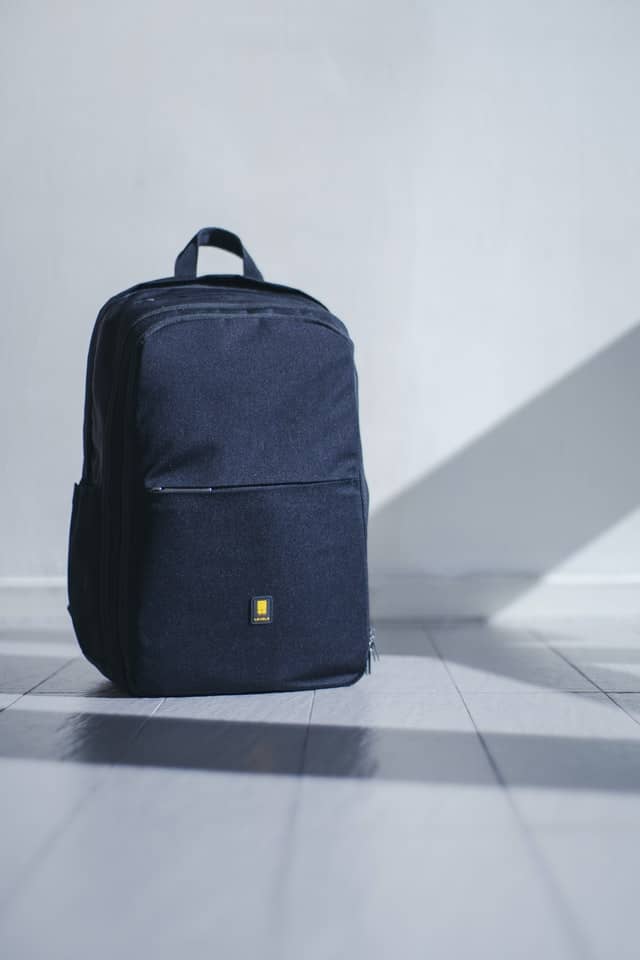
Backpacks have been around for as long as we can remember. And you don’t need to be a student to use them.
Whether you’re going to work or traveling, the chances are that you carry a backpack with you.
However, smart backpacks are modern-day innovations that are designed to complement our technological devices.
These backpacks include anti-theft pockets for your mobile phones, Bluetooth tracker, RFID protection, and much more!
And penetrating the competition isn’t that difficult either because most people don’t go for a specific brand of backpacks.
So as long as you aren’t compromising in quality, this can be a great private label product that will stay in demand for a long time.
Private label angle: Backpacks in the mid-market have weak brand loyalty.
You can differentiate with tech-forward features like USB charging ports, anti-theft compartments, and ergonomic laptop padding—justifying a premium over generic alternatives.
What to watch: Quality consistency is critical, especially for zippers and stitching. Test load capacity and water resistance in every sample batch.
2. Workout Equipment
Home workout equipment has remained popular because busy people have realized how convenient it is, and this trend will most likely stay this way in 2026.
Yoga mats, dumbbells, kettlebells, resistance bands – there’s an endless list of products for you to choose from.
In addition, some of these products are also cheaper to private label and are also easy to ship.
Private label angle: Bundling a “Home Gym Starter Kit” (mat + resistance bands + foam roller) increases perceived value and can command a 40%+ premium over individual items.
What to watch: Resistance bands that snap or foam rollers that lose shape generate immediate returns. Quality consistency across batches is critical.
3. Board Party Games
Remember board games like the monopoly that became a reason for ending countless friendships back in the day?
Well, they’re back and popular once again! The reason these party games are great for private labeling is that they’re cheap to manufacture.
The global toys and games market is projected to generate USD 136.02 billion in 2026, growing at a CAGR of 2.27% from 2026 to 2030, with steady demand for social and tabletop entertainment.
So naturally, as long as you’re bringing something fun and creative to the audience, they’d be willing to pay a good price for it.
Although, you don’t have to limit yourself to board games. If you’re targeting adults, then you could consider going for drinking games as well.
Private label angle: Low manufacturing costs allow for 60%+ gross margins even at modest retail prices. Custom themes, localized versions, or adult-oriented card decks can carve out a defensible niche.
What to watch: Game mechanics must be playtested. A confusing rulebook leads to immediate returns and poor reviews.
4. Eyewear

Around 75% of adults use some sort of vision correction. If you’re one of them, then you probably know that replacing broken glasses can be quite frustrating.
So why not launch your own eyewear company? Offering a durable frame is all that you need to win the trust of the customers.
And you don’t only have to limit yourself to vision correction eyewear. You can find many sunglasses companies in China that can help you source fashionable glasses.
Bring in fancy and trendy designs and see how the rating of your store goes up in no time.
The global eyewear market is poised for significant growth, starting at USD 144.28 billion in 2026 and projected to reach USD 197.69 billion by 2035 with a CAGR of 3.56%.
Private label angle: Mid-market eyewear has low brand loyalty. A private label can win by offering polarized lenses, blue-light blocking options, and durable frames at 40–60% below designer prices.
What to watch: For prescription eyewear, accuracy and durability are critical. For sunglasses, UV protection claims must be verifiable.
5. Children’s Toys
Remember how it felt to step into a toy store as a child? Well, you can now bring that feeling of joy to other kids by opening your own toy store.
And you don’t have to stick with stuffed animals, dollhouses, or action figures that parents often feel reluctant to purchase. You can instead sell educational toys.
According to Fortune Business Insights, the global educational toys market is projected to grow from USD 76.96 billion in 2026 to USD 148.14 billion by 2034 at a CAGR of 8.53%.
The growing demand for STEM toys and learning-focused products is creating new opportunities for brands and manufacturers.
But don’t forget to run ads on different social media platforms.
Private label angle: Safety certifications (CE, ASTM, EN71) build trust with millennial parents. A “Learning Through Play” brand message paired with STEM positioning can justify higher price points than generic toys.
What to watch: Toy safety regulations are strict. Any small parts must be clearly labeled for age appropriateness.
6. Hair Care Products
Regardless of the season, hair care products always remain popular.
The global hair and scalp care market is projected to grow from USD 93.6 billion in 2026 to USD 150.5 billion by 2033 at a CAGR of 7.0%.
And it doesn’t come as a surprise because who doesn’t want to look good? This niche also offers quite a lot of versatility.
Aside from shampoos and conditioners, you have hair masks, hair gels, vitamins, and much more that you could add to your store.
Private label angle: The “skinification of hair” trend is driving demand for peptide-infused treatments and scalp-focused formulas. Before-and-after visual content on TikTok and Instagram generates strong organic traffic for new brands.
What to watch: Sulfate-free shampoos that don’t lather well receive poor reviews. Texture and scent expectations are high—test thoroughly.
7. Camping Equipment

In today’s fast-paced life, exploring the great outdoors is a great way to relieve some stress.
But having the right equipment is essential to spend your time in the wilderness.
So you can launch your private label business around camping gear.
The global camping equipment market is expected to reach USD 104.46 billion in 2026, growing at a CAGR of 8.94% to reach USD 207.24 billion by 2034.
Although, before going all-in, find out what customers need the most. After that, build your brand around those products.
Nonetheless, high-quality camping tents, sleeping bags, and hunting knives can be great choices to start with dropshipping.
Private label angle: Build a brand around a specific camper persona (e.g., “The Solo Hiker” or “Family Car Camper”) to increase loyalty and make marketing more targeted.
What to watch: Note that some platforms restrict certain outdoor tools, so always verify category compliance before listing. Safety and durability are non-negotiable.
8. Gardening Tools
Gardening is a popular hobby among people all over the world – because who doesn’t like a lush green lawn?
The global garden tools market size was valued at USD 126.54 billion in 2026 and is anticipated to reach USD 205.06 billion by 2034, growing at a CAGR of 6.22%.
This niche has low competition, mainly because most people have limited knowledge about gardening.
If you are passionate about it and know your stuff, then you can easily dominate the market.
Some of the products that you can launch your store with are as follows:
- Flower and vegetable seeds
- Cutters and shovels
- Flower pots
Private label angle: A “Beginner’s Gardening Set” with seeds, tools, and a guidebook adds educational value and justifies a higher price than individual items.
What to watch: Seed quality varies significantly. Partner with suppliers who can guarantee germination rates and proper labeling.
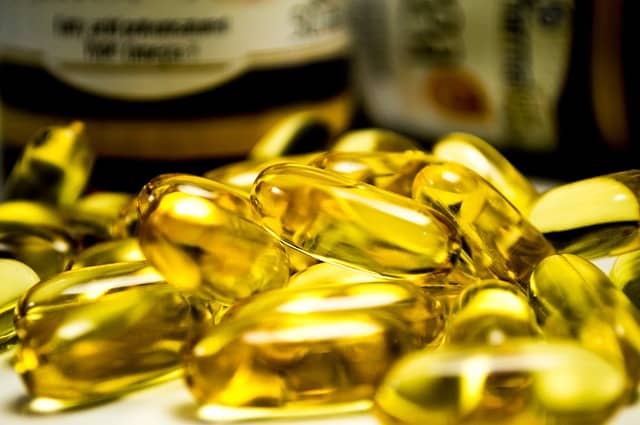
9. Fitness and Food Supplements
A large number of people rely on fitness and food supplements to meet their daily dietary needs. And the credit for that goes to how busy modern life can be.
Especially for fitness enthusiasts who are doing 9-5 jobs and spending 2 hours in traffic, protein shakes have become a gateway to gains.
The global dietary supplements market is projected to grow from USD 228.2 billion in 2026 to USD 431.7 billion by 2033 at a CAGR of 9.5%.
This is why not only is this a profitable niche, but you can also add new products like protein brownies, coffee replacements, and much more to expand even further.
But selling supplements can also be a bit risky. So before you proceed, make sure that you’re meeting the regulatory guidelines of your country.
Private label angle: Supplements offer some of the highest margins in private labeling. Subscription models for daily consumables create predictable recurring revenue.
What to watch: Always verify your manufacturer holds GMP and third-party testing certifications. Regulatory compliance varies by country and is strictly enforced.
10. Essential Oils
This product may sound a bit unconventional, but the market value of essential oils has grown significantly.
The global essential oils market is predicted to increase from USD 27.88 billion in 2026 to approximately USD 52.70 billion by 2035, expanding at a CAGR of 7.35%.
Rosemary, tea tree, and lavender oil are widely used worldwide for both cosmetics and medical purposes.
You can private label and sell them commercially to massage parlors and other such places.
Although, make sure to check in with the central federal regulations of your country before you private label this product.
Private label angle: Essential oils are highly collectible and giftable. A private label line with amber glass bottles and minimalist packaging can retail for 4x–10x manufacturing cost.
Selling themed collections (e.g., “The Sleep Set”) increases average order value.
What to watch: The market is flooded with cheap synthetic oils—brands must prove purity with batch-specific GC/MS reports to build trust. Pure oils are flammable and require specific shipping class labeling.
11. Camera Drones
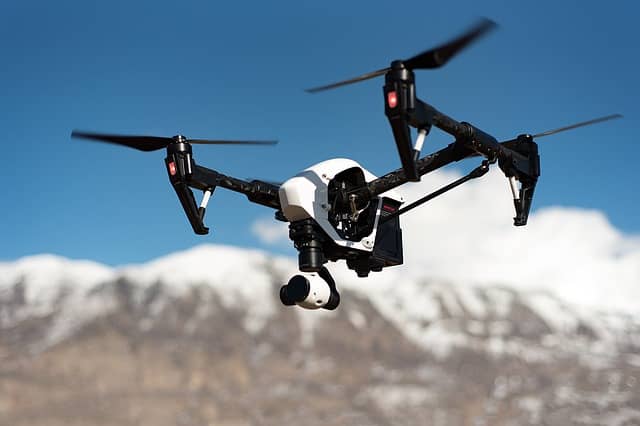
Camera drones are widely being used nowadays to cover events and occasions.
Although they have been around for some time now, the market is yet to fully mature.
The global drone market is projected to grow from USD 96.4 billion in 2026 to USD 182.4 billion by 2033 at a CAGR of 9.5%. The commercial drone segment alone is expected to reach USD 28.0 billion in 2026.
So if you think you’re knowledgeable about drones, then this is the perfect time to get your feet wet by launching your own company.
You can also add accessories like drone landing pads to your line of products.
Private label angle: The technical barrier to entry limits competition. Focus on a specific use case (e.g., content creator drones, real estate photography drones) to build authority rather than competing with generalist brands.
What to watch: Customer support and warranty handling are critical in this category. Verify supplier certifications (CE, FCC, RoHS) and ensure you can handle technical inquiries and repairs.
12. Cosmetics
New fashion trends are emerging every day. Whether it’s eyeliner or mascara, if you’re offering high-quality then it’s bound to attract fashionistas.
The global private label cosmetics and packaging market was valued at USD 50 billion in 2025 and is projected to reach USD 75 billion by 2034 at a CAGR of 5.8%.
But keep in mind that similar to a few other products on this list, cosmetics also face strict safety regulations.
You need to choose your manufacturer carefully. Even a single poor-quality ingredient can get you in hot water.
Similarly, you’ll also have to put appropriate labels on your packaging and probably hire a model to promote them.
Private label angle: Start with one “hero product” (e.g., a niacinamide serum or hyaluronic acid moisturizer). One successful SKU can generate the majority of revenue while you test the market before expanding the line.
What to watch: Regulatory compliance varies by region and is strictly enforced. In the U.S., MoCRA (2022) requires rigorous product listings and safety assessments. Claims must be carefully worded to avoid being classified as medical.
13. Reusable Water Bottles
Plastic bottles can take around 450 years to decompose, and a growing number of people are becoming aware of that.
So what you can do for them is to offer an alternative in the form of reusable water bottles.
Launch a water bottle line with a variety of different materials and designs to attract people of all ages.
Private label angle: Bottles are a blank canvas for branding. Custom colors, motivational time markers, and engraved logos turn a commodity into a lifestyle product that customers proudly display.
What to watch: Verify that materials are genuinely BPA-free and food-grade. Leaking lids are the most common complaint—test every sample thoroughly under real-use conditions.
14. LED Lights

If you’re on TikTok or Instagram, you’d notice that many people decorate their rooms with LED lights nowadays.
They’re not only energy-efficient and sturdy but also have fewer negative effects on the environment.
So whether it’s lightboxes, fairy lights, or strip lights, there are plenty of economical options for you to start your private label business.
The global LED lighting market size is projected to grow from USD 115.2 billion in 2026 to USD 197.0 billion by 2033 at a CAGR of 8.0%.
Private label angle: Remote work keeps people at home longer, and aesthetic room setups drive continuous demand. A “Room Makeover Kit” with strips, clips, and a remote controller increases average order value.
What to watch: Low-quality LED strips fail quickly or have inconsistent color output. Verify supplier certifications (CE, FCC, RoHS) before committing to a large order.
15. Phone Accessories
With more than 5.65 billion people owning a mobile device in the world, it doesn’t come as a surprise that phone accessories are in more demand than ever.
In addition to that, there are plenty of different products that come under this niche. Most of them are also quite cheap so it isn’t difficult to private label them.
Due to how people are showing a keen interest in eco-friendly products nowadays, one accessory that stands out to us, in particular, is a sustainable mobile case.
But there are also other phone accessories that you can private label such as:
- USB-charger
- Self-charging phone case
- Waterproof pouch
Private label angle: The frequent upgrade cycle of mobile devices creates ongoing accessory demand. Eco-friendly and biodegradable phone cases are a standout sub-category that commands a premium.
What to watch: Electronics accessories require CE, FCC, or RoHS compliance for major markets. Avoid low-quality chargers that overheat or lack proper surge protection.
16. Shaving Equipment
With the growing number of commercials surrounding personal care for men, shaving equipment is also growing in popularity.
Nowadays, most men prefer grooming their beards at home as opposed to visiting a barber.
And aside from shaving equipment, you can also include other products such as beard oils, combs, and razor blades to your listings.
The global men’s grooming products market is projected to grow from USD 322.2 billion in 2026 to USD 506.7 billion by 2033 at a CAGR of 6.7%.
Private label angle: Men’s grooming is highly recurring. A standard 30ml beard oil bottle lasts approximately 30–45 days, creating strong replenishment behavior. Build a masculine, minimalist brand to achieve subscription rates of over 30%.
What to watch: The skin under the beard is highly sensitive. Formulas must be non-comedogenic and properly pH-balanced to avoid irritation and negative reviews.
17. Reusable Bags
With growing consumer demand for sustainable options, reusable bags are becoming an excellent product to private label.
Besides, every time you sell a reusable bag, one less plastic bag would be thrown into the environment.
So in short, you’re also playing your role in promoting a green lifestyle.
Private label angle: Organic cotton or recycled polyester bags with your logo appeal to eco-conscious buyers. They’re lightweight and cheap to ship, making them ideal for low-margin, high-volume private label entry.
What to watch: Greenwashing claims damage credibility. If you market “eco-friendly,” be ready to verify material sources and certifications like GOTS or OEKO-TEX.
18. Lunch Boxes
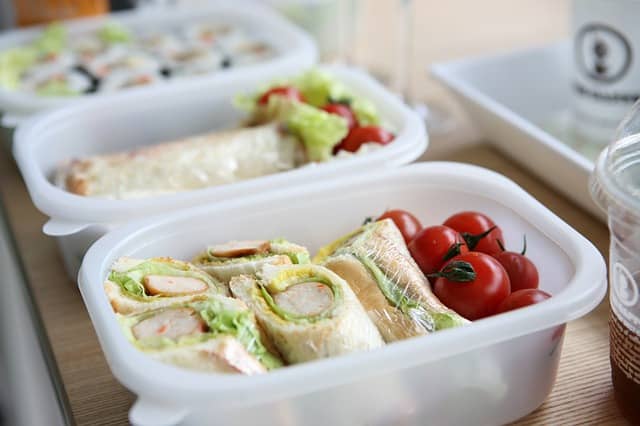
Popular among students, commuters as well as professionals, lunch boxes are another product that private labelers have set their eyes upon.
Just make sure to find a manufacturer who can bring unique designs to attract people of all ages.
Perhaps you could also add healthy snacks and other similar products to your lineup.
Private label angle: Bento-style compartments and matching utensil sets create bundle opportunities that increase average order value. Leak-proof seals and microwave-safe materials are key differentiators.
What to watch: Food-contact materials must meet FDA or EU food-safety standards. Cheap plastics can warp, retain odors, or leach chemicals when heated.
19. Pet Products
The pet industry is one of the fastest-growing consumer markets in 2026.
Pet owners increasingly treat their animals as family members, driving demand for premium food, grooming supplies, toys, and accessories.
According to Grand View Research, the global pet care market is projected to grow from USD 190.5 billion in 2026 to USD 283.7 billion by 2033 at a CAGR of 5.9%, with pet food and accessories representing the largest segments.
Subscription models for pet food and treats are especially popular, creating predictable recurring revenue.
Private label angle: Pet products have strong brand loyalty potential. Owners who trust your brand for food will also buy your toys, grooming tools, and accessories.
Start with a focused line—such as organic pet treats or eco-friendly waste bags—and expand from there.
What to watch: Pet food regulations are strict in most countries (e.g., FDA in the U.S., FEDIAF in the EU).
Always verify ingredient sourcing and labeling compliance. For non-food items like toys, ensure materials are non-toxic and durable enough for chewing.
20. Grilling Equipment
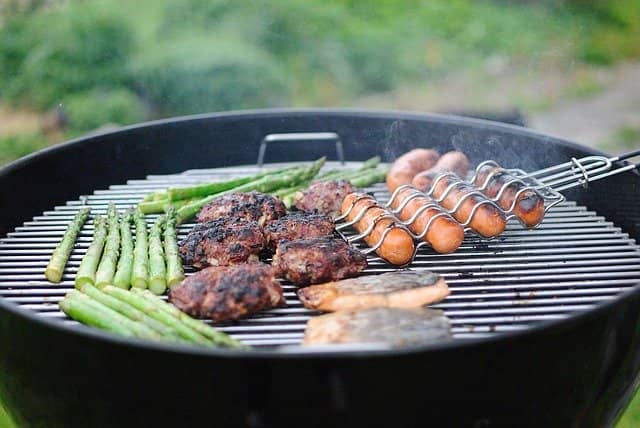
Americans love grilling so much that they even celebrate a BBQ day on the 4th of July.
Since their love for BBQ shows no signs of slowing down, you can start selling grilling equipment and accessories to make some dough.
Needless to say, if you’re launching a private label store in this niche, then your target country should be the U.S.
The global barbeque grill market is valued at USD 5.5 billion in 2026 and is projected to reach USD 7.46 billion by 2035, growing at a CAGR of 3.4%.
The BBQ grilling tools and accessories market is projected to grow from USD 1.97 billion in 2025 to USD 3.45 billion by 2034 at a CAGR of 6.5%.
Private label angle: A “Grill Master Kit” with tongs, brushes, thermometers, and a carrying case creates a giftable bundle that performs well around summer holidays and Father’s Day.
What to watch: Stainless steel quality varies dramatically. Cheap tools rust or bend under heat. Verify heat resistance and food-grade materials before sourcing.
21. Sleep & Wellness Products
Sleep masks, weighted blankets, pillow sprays, and magnesium-based wellness kits target the growing consumer focus on recovery and mental health.
The global sleep aids market is projected to reach USD 95.2 billion by 2033, growing at a CAGR of 8.7% from 2026 to 2033, driven by increased awareness of sleep as a performance factor.
Consumers are actively seeking non-pharmaceutical solutions for better rest.
Private label angle: Emotional buying increases conversion rates. Products are easy to bundle into kits (e.g., “The Deep Sleep Bundle” with a mask, spray, and weighted eye pillow).
Strong branding opportunities exist around lavender, chamomile, and magnesium themes.
What to watch: Overstated claims (e.g., “guarantees cure for insomnia”) reduce credibility. Comfort and material quality are critical—weighted blankets must have even weight distribution.
Focus on relaxation and wellness positioning rather than medical claims.
22. Fishing Accessories
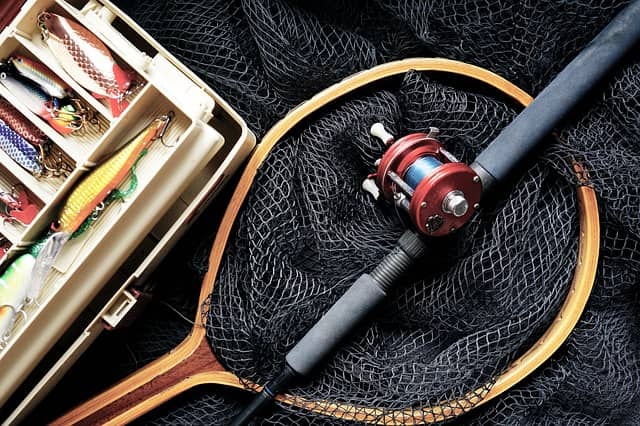
Fishing equipment and accessories can be hard to come by nowadays due to the lack of physical stores.
This is why opening an online store that has quality fishing rods, reels, and baits can be a great way to capture the attention of fishing enthusiasts.
The global fishing tackle market is valued at USD 1.77 billion in 2026 and is projected to reach USD 2.62 billion by 2035, growing at a CAGR of 4.5%.
Private label angle: Niche down. Instead of generic rods, focus on a specific type (e.g., ultralight spinners for trout or saltwater-resistant gear). A dedicated brand for a specific fishing style builds stronger community loyalty.
What to watch: Rod shipping requires careful packaging to prevent breakage. Factor in higher packaging costs and consider modular designs that reduce shipping volume.
23. Stationery & Notebooks
Even though we live in a digital world, handwritten notes will always have their own place.
So whether it’s for schools or offices, stationery and notebooks are not only affordable but also a safe choice.
Yet, we wouldn’t recommend buying a stock of 3,000 notebooks at once, unless you’re sure that they’ll be sold out.
Private label angle: Custom covers, premium paper grades, and branded packaging turn a commodity into a premium product. The “analog productivity” trend keeps paper products relevant for bullet journaling and habit tracking.
What to watch: Start with 500–1,000 units to test demand before committing to larger orders. Paper weight and binding quality are the main differentiators customers notice.
24. Home Organization Products
Drawer organizers, storage bins, closet systems, and under-bed containers solve a universal problem: too much stuff, not enough space.
The home organization market continues to grow as urban living spaces shrink and remote work keeps people at home longer.
“Declutter” trends on social media platforms like Pinterest and TikTok drive continuous purchasing behavior.
Private label angle: Products are simple to manufacture and source. Bundling increases average order value (e.g., a full drawer organization set).
Clear, aesthetic designs in neutral colors perform well on visual platforms.
What to watch: Bulky products increase shipping costs, which can erode margins. Low-quality plastics crack or discolor quickly, leading to poor reviews.
Opt for durable materials and compact packaging to keep fulfillment costs manageable.
25. Perfumes & Fragrances

Who doesn’t like to smell good? And with the growing trend of personal grooming, the demand for perfumes & fragrances continues to rise.
But keep in mind that selling perfumes online requires impeccable marketing skills.
That’s because, before purchasing, people prefer trying them out. But ordering online does not give them this liberty.
The global fragrance market is projected to grow from USD 61.4 billion in 2026 to USD 89.4 billion by 2033 at a CAGR of 5.5%.
Private label angle: Start with a small collection (3–4 scents) rather than a full catalog.
Roll-on oils and solid perfumes have lower shipping costs and fewer regulatory hurdles than alcohol-based sprays. Offer discovery sets to reduce purchase anxiety.
What to watch: Fragrance preferences are highly personal. Strong return policies and sample vials are essential for online conversion. Avoid overstating longevity or sillage claims.
5 Steps to Launch a Private Label Business
Interested in launching your own private label business? Follow these 5 steps:
Step 1: Analyze the Market to Find What’s Selling
Private label stores require quite a lot of investment, this is why it’s even more important to analyze the competition.
Unlike regular stores where it’s easier to change your listings, the same cannot be done for private label businesses.
If you have a product in mind, go on different platforms like Amazon and Shopify. Write the name of the product and check the average rating of the sellers.
That will give you an idea of how receptive the customers are to it. Similarly, check the price the product is being sold at.
Note that we’d recommend looking for another product if the sellers have a rating of 4.7 and above in that niche.
If you want, you can try your luck. But it would be exceedingly difficult to penetrate a market which already has brands with such amazing reviews.
Key risks to watch:
- Minimum Order Quantity (MOQ): Most suppliers require MOQs. This increases risk if you choose the wrong product.
- Regulatory hurdles: Supplements, cosmetics, and children’s products face strict compliance.
- Seasonality: Grilling equipment peaks in summer; camping gear in spring. Plan inventory accordingly.
Step 2: List Down Manufacturers and Get Samples
Once you find a product worth private labeling, it’s time to do the paperwork. Create a list of manufacturers and private label service providers.
Keep in mind that regardless of the product you choose, don’t forget to get samples. Inspect the initial samples yourself, and only proceed once you’re fully satisfied.
You can browse through online directories to find manufacturers. But if that’s too much work then companies like NicheDropshipping also offer an on-demand private label dropshipping service.
What to evaluate:
- Production capacity and lead times
- Certification documents (ISO, GMP, CE, FCC)
- Packaging customization options
- Communication responsiveness
Step 3: Create Business Plan and Strategy
The whole point behind launching a private label business is to promote yourself as a brand – so how are you going to do that?
Instead of directly jumping and launching your store, come up with a business plan.
Where do you want to be in 1 year? Which social media platforms are you going to use? How will you direct your marketing efforts? How will you handle the logistics?
Find an answer to all of these questions before you proceed.
But one tip we’d give is that your business plan and marketing efforts depend on the choice of product and your target audience.
For private label products for small business, focus on:
- Low-cost testing channels (TikTok organic, Instagram Reels)
- Subscription or replenishment models to improve lifetime value
- Email marketing to reduce dependency on paid ads
Step 4: Get an Attractive Logo and Packaging Designed
If you’re going to present yourself as a brand, you need an attractive logo.
Note that most people overthink when it comes to logo design, but you don’t necessarily have to go for anything fancy.
Just make sure to choose a color contrast that aligns with your planned brand identity.
Once you have the color contrast down, half of your job is done because you’ll use the same colors to design the packaging.
For private label products shipping via Amazon FBA, packaging must also meet Frustration-Free Packaging guidelines to avoid extra fees.
For Shopify dropshipping, unboxing experience is your main marketing tool—invest in branded tissue paper, thank-you cards, and custom tape.
But overall, logo designing, in particular, isn’t an easy job. So it’s better to leave this in the hands of professionals.
Step 5: Set Up and Launch your Business
One last thing that’s left is to choose a platform you want to launch your private label business on. Ideally, your choice of platform should depend on your product.
For Amazon private label products, you’ll need UPC codes, optimized listings, and A+ content. For Shopify private label dropshipping, focus on storytelling, influencer seeding, and email flows.
If you’re using a private label dropshipping supplier like NicheDropshipping, orders can be fulfilled under your brand name without holding inventory.
How many sellers of that product are there on that platform and which countries does it operate in?
Once you have that sorted out, the only thing that’s left is to upload your listings and go all-in with the marketing!
FAQs about Private Label Products
What Are the Four Types of Private Labels?
The four types are:
- Generic – budget alternatives;
- Copycat – mimics national brands at lower prices;
- Premium – matches or exceeds national brand quality; and
- Value Innovator – unique products developed exclusively for a retailer.
Most e-commerce sellers succeed with types 3 and 4.
Is Private Labeling Worth It?
Yes—if you have a clear niche and realistic expectations. Private labeling offers higher margins (typically 25–30% net vs. 10–20% for wholesale), brand ownership, and customer loyalty.
The trade-off is higher upfront investment and the risk of dead inventory if your product choice is poor.
Why Should You Go For Private Label Products?
The majority of people trust brands while shopping online. Private labeling makes it easier for you to launch your own brand and at the same time, allows you to keep a higher profit margin.
Is Private Labeling Profitable?
Private labeling is more profitable than selling products from another brand, mainly because you’re promoting yourself as the authority of the specific niche.
In 2026, private label sellers on Amazon typically see net margins between 25% and 30%, while beauty and personal care categories can reach 25% to 35%.
Why Is Private Label More Profitable?
As an owner of a “brand”, you can price your products more competitively. This is the reason private labeling is more profitable and most eCommerce businesses aim to switch towards it.
How Much Does It Cost to Start Private Labeling?
The cost for private labeling depends on a variety of factors such as your choice of product, branding, packaging, and sampling. In 2026, most small businesses need:
- Shopify dropshipping: $1,000–$2,500 for branding, samples, and store setup
- Amazon FBA: $2,000–$5,000 for initial inventory, photography, and launch costs
Keep in mind that this is just a rough estimate and some businesses may even require a budget of thousands of dollars.
What Are the Pros of Private Labelling?
Private labeling comes with its fair share of benefits. Here are to name a few:
Reduced Competition
Launching a private label business can significantly reduce the competition. The reason for that is you’re building your own brand and presenting your products in unique packaging.
You’ll find a large number of copy-paste stores online. Unless you sell private labeled products, some people would even copy your product images and descriptions word by word.
But with private labeling, all of this would become the least of your worries.
Higher Profit Margins
Wherever you go shopping, you’d notice that branded stores always charge higher than non-branded ones.
That’s because you’re selling your products in fancy packaging, and since your store has a unique identity, it’s easier to promote it.
So once you start getting positive reviews and build a reputation, you can establish yourself as the authority and set prices higher than the market rate.
Building a Brand
In the long run, building a brand will always be more beneficial than selling products as a third-party retailer.
After building a reputation, it becomes easier for brands to expand their business. And as we mentioned above, you can also keep a higher profit margin.
Besides, manufacturing a product from scratch can sky-rocket the costs. But private labeling takes away all the legwork as you’d find someone else to manufacture the products for you.
What Are the Cons of Private Labeling?
Like all good things, private labeling also comes with its drawbacks. So let’s shed some light on those:
Minimum Order Quantity
If you’re private labeling, the majority of the suppliers would have a minimum order quantity. This as a result, also increases the risk ratio.
In case you choose the wrong product, you’ll have a dead inventory on your hand. After that, you would have to sell the products at little to no profit.
Higher Investment
The whole point of private labeling is to promote yourself as a brand. So it’s only natural that your overall costs would also increase.
You would have to hire professionals to help you develop a brand identity, design product packaging and capture attractive product photographs.
In addition, you would also have to step up your social media game to make yourself visible in front of your prospects.
Maintaining Customer Trust
In a traditional store, if you get a couple of bad reviews, you can delete that listing and set up a new one with a new name. But things aren’t as easy for private label businesses.
In case your rating drops, you would either have to rebrand your business, which will be costly, or hustle through to win the trust of the customers back.
Is It Legal to Private Label Products?
Yes, private labeling is legal in most jurisdictions as long as you don’t infringe on existing trademarks, patents, or copyrights.
You must also comply with product-specific regulations (e.g., FDA for cosmetics/supplements in the U.S., CE marking in the EU).
Can I Buy a Product and Sell It Under My Own Brand?
Yes, that’s the core of private labeling. You purchase products from a manufacturer, apply your branding and packaging, and sell them under your own brand name.
The key difference from white label is that private label usually allows you to modify specifications, ingredients, or features.
Is Private Label Better Than Wholesale?
Private label is better for long-term brand building and margin control. Wholesale is faster to launch and lower risk because you sell proven products with existing demand.
Most sellers start with wholesale or dropshipping to learn the market, then transition to private label for higher margins.
What Are Common Private Label Mistakes?
Common mistakes include:
- Choosing a product based on gut feeling instead of data
- Skipping sample testing
- Ignoring regulatory requirements
- Underpricing to compete on cost
- Poor packaging design
- Failing to plan for inventory storage and cash flow
Who Are the Largest Private Label Manufacturers?
Major global private label manufacturers include companies in China (for electronics, apparel, and home goods), India (for textiles, essential oils, and herbal products), and the U.S./EU (for regulated categories like supplements and cosmetics).
For small businesses, the best manufacturer is one that offers low MOQs, clear communication, and proper certifications—not necessarily the largest.
What Is Private Label Dropshipping?
Private label dropshipping is similar to regular dropshipping. You don’t hold an inventory and all your orders will be fulfilled by a supplier. The only difference is that your supplier would ship the products under the name of your brand.
Is Private Label Same as White Label?
People often use private label and white label interchangeably, however, that isn’t the case.
The slight difference between the two is that private label products are manufactured specifically for a retailers’ brand by following a set of specifications.
On the other hand, white label products are generic, and can’t be changed, but you can rebrand them as your own.
Basically, in white labeling, multiple retailers may essentially sell the same product, but with different packaging. While private labeling allows more flexibility by letting you modify the product.
Final Thoughts
Private labeling offers you more control over the products and also reduces the competition.
So it isn’t surprising why entrepreneurs nowadays are aiming to launch a private label business.
However, there’s little room for error in it because of the high investment it requires.
And then, you also have to find reliable manufacturers who can meet your product specifications. But fortunately, NicheDropshipping has got you covered in this department.
Let us help you build your brand around your chosen product. Contact us today to learn more about our private labeling services.