The best things to buy and sell for profit in 2026 are products with steady demand, healthy margins, and inventory that’s easy to source — think video game consoles, limited-edition sneakers, vintage furniture, books, and power tools.
A buy-and-sell business can be as simple as a yard sale, where people sell things they initially bought for personal use.
But if you want to make money long-term, buying and selling takes more than a space to list items you used to love. You need market and product research to see how stable your proposed business will be.
Luckily, there are many resources available online that can help you get started. From icons for designers to business ideas and ebooks covering the basics of starting your own venture—you can take advantage of these resources and start researching what is going to be successful in today’s marketplace! We’ve compiled a list of the best things to buy and sell for profit. These items are part of different niches and categories, widening your options.
Further down the article are FAQs that you could use to start your own business. So if you’re interested in becoming successful in buying and selling, you should take notes.
Let’s get started.
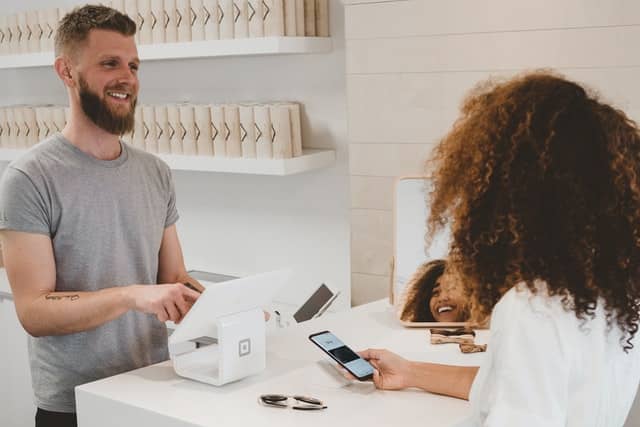
Types of Buying and Selling Methods
Contrary to popular belief, there are different ways to buy and sell products online. These methods vary by the effort you need to do them and the amount of money required to kickstart the business.
The types of buying and selling are as follows:
- Dropshipping
- Bulk buying from wholesalers
- Bulk buying from manufacturers
- Flipping Items
Dropshipping
Dropshipping is the most popular type of buying and selling. It’s popular because it’s relatively easier and cheaper to start, and most of the legwork is passed on to the supplier.
Dropshipping is quite straightforward. First, you need to find respective suppliers for the products you want to sell, list and market your products on your online store and make sure that your supplier receives and delivers your orders.
You don’t need to hold inventory. You just need to make sure orders are received and delivered.
Bulk Buying from Wholesalers
Bulk buying products from wholesalers is also a popular type of buying and selling. Many consider this to be a more cost-effective option than dropshipping.
Compared to dropshipping where you buy products individually, bulk buying lets you buy products at very low prices. With that, you can easily leverage the prices and increase your profits.
However, bulk buying from wholesalers presents a risk. Depending on your product, you can’t always guarantee that every item gets sold.
So, make sure to conduct a thorough product and market research before investing in items.
Bulk Buying from Manufacturers
Bulk buying from manufacturers is similar to bulk buying from wholesalers. The only difference is you’re now buying straight from the manufacturer, no middlemen involved.
With that, you can expect to buy products at even lower prices than you can with wholesalers.
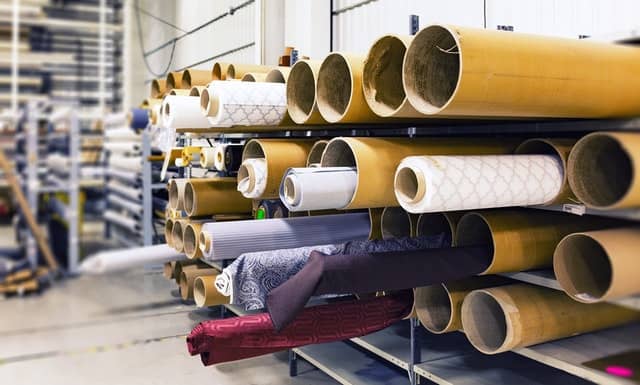
The only challenge for this type is meeting the terms of manufacturers, as they currently demand more, in terms of quantity and payments, than the typical wholesaler.
Flipping Items
Flipping items is a top option for those who want to go traditional. You can opt to sell your used items, especially if you don’t need them anymore.
However, flipping items also means buying used or undervalued items from marketplaces and selling them for profit. Depending on the condition of the items, you can either sell them immediately or make improvements to the product.
This type of buying and selling also has risks. There’s no guarantee that you find items worth selling, so more effort is needed to find valuable items.
Top 18 Items to Buy and Sell
Although there are millions of products you can sell, we can’t deny that a selected few stand out. These items currently top the charts for products customers want to sell.
If you want to hop in on the latest trends, definitely consider selling the products below. Mind you, these products come from different niches and categories, so you should have lots of options for your business.
1. Video Game Consoles
There are now more than 3.4 billion video gamers worldwide. That number alone should convince you there is a market for anything related to video games, especially consoles.
On top of that, video game consoles don’t just appeal to kids and teenagers. Many adults also have their consoles to play with during their pastimes.
You might even get more orders from adults, considering their capacity to spend more.

Whether you decide to sell new or used video game consoles, decide on your target market first. Knowing who to target makes it easier to decide on which items to sell.
- Example flip: Retro consoles are a classic win — a working Nintendo 64 or PS2 picked up for $40–$60 at a garage sale routinely sells for $150–$250 on eBay with games bundled in.
- Where to source: Garage sales, Facebook Marketplace, local trade-ins, thrift stores.
- Where to sell: eBay (best for retro), Facebook Marketplace (fastest for current-gen).
2. Wireless Phone Chargers
Wireless phone chargers didn’t immediately get sky-high sales when they first hit the market. Up until recently, people still preferred charging their phones with a cord.
When Apple introduced wireless charging for iPhones in 2017, many were quick to change their charging habits.
Since then, the Qi2 standard and MagSafe-style magnetic chargers have turned wireless charging into a default feature across flagship phones — and the wireless charging market keeps growing at a double-digit pace as accessories get replaced and upgraded.
With that, expect to see more companies adapt to wireless charging which will easily translate to an increase in demand for wireless chargers.
Make sure you check the quality of the item you’ll sell, to see how durable they are.
- Example flip: 3-in-1 Qi2 charging stations sourced for $8–$12 each commonly retail for $30–$50 — a margin that holds up even after ads.
- Where to source: Chinese manufacturers and wholesalers (this is a strong private-label candidate).
- Where to sell: Your own store, Amazon.
3. Pet Care Supplies
According to Forbes Advisor’s pet ownership statistics, 66% of U.S. households — about 86.9 million homes — own a pet, and Americans spent $136.8 billion on their pets in 2022, up nearly 11% from the year before.
Dogs are the most popular pets by far (65.1 million households), followed by cats (46.5 million), but freshwater fish, birds, and small animals like rabbits and guinea pigs are also quite common.
Owning a pet requires you to have certain supplies. These supplies include pet food, cages, beds, and even treats.
Buying and selling pet care supplies should be a great option. With proper research, you can even find a specific niche and target certain types of pets or breeds.
- Example flip: Specialized items beat generic ones — a raised cooling dog bed sourced for $15 can sell for $45–$60 to the right breed-specific audience.
- Where to source: Wholesalers, Chinese suppliers, pet trade shows.
- Where to sell: Your own store (best for niche branding), Amazon.
4. Limited Edition Sneakers
It’s easy to see why limited-edition sneakers are one of the most profitable items to sell. Given the scarcity, you can easily rack up the prices without ever compromising potential sales.
However, this type of product requires patience and research. You’re always on the lookout for new releases, and make sure you have enough capital to get you started.
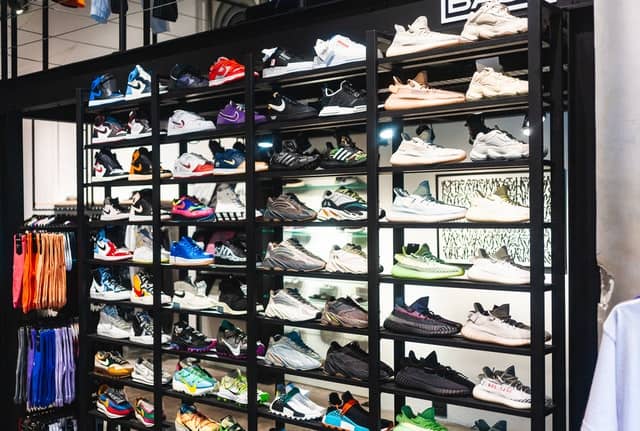
But don’t worry Once you’ve developed a habit and got your timelines laid out, you won’t have to worry about missing new drops.
And with this product, you just need to ensure you reach your target customers since your products will speak—or walk—for themselves.
The global sneaker resale market is projected to reach $14.2 billion by 2034 at CAGR of 10.2%, so the ceiling here is high.
- Example flip: Air Jordan 1 retros that retail at $180 regularly resell for $280–$400 on StockX within weeks of release.
- Where to source: Retail drops (SNKRS app, raffles), outlet clearance, other resellers.
- Where to sell: StockX, GOAT, eBay (authentication-required categories).
5. Sunglasses
Don’t be surprised to see sunglasses on this list.
These items are a staple simply because they don’t go out of style. In the recent trends, you can even see styles from the 80s and 90s take over social media platforms.
Sunglasses can be used all year round and for lots of different reasons. Don’t let seasons stop you from adding them to your store.
What’s even more appealing about sunglasses is that they’re affordable, easy to source and ship.
When adding this item to your store, provide different options, as most buyers are willing to have more than one pair in their closets.
- Example flip: Fashion sunglasses sourced at $2–$5 a pair easily retail for $20–$40; polarized and retro styles carry the best margins.
- Where to source: Chinese manufacturers (Yiwu and Taizhou are eyewear hubs), wholesalers.
- Where to sell: Your own store, eBay, Amazon.
6. Books
The world is indeed going digital, but bookworms don’t mind owning hard copies of their favorite novels and stories.
Books are also items commonly flipped for profit. These are usually items you see on the yard and garage sales, as well as on marketplaces—even Amazon and eBay.
People tend to sell their books, which some collectors gladly purchase.
And demand has stayed remarkably stable: U.S. print book sales topped 352 million units in the first half of 2026 alone, according to Publishers Weekly — essentially flat (down just 0.3%) from the same period last year, but still a massive, steady market.
So, definitely consider selling books if you think it’s a viable product.
- Example flip: Textbooks and niche non-fiction are the real money-makers — a $2 thrift-store textbook can scan at $30–$80 on Amazon. Scan barcodes with a seller app before you buy.
- Where to source: Thrift stores, library sales, estate sales, yard sales.
- Where to sell: Amazon (FBA), eBay, AbeBooks for rare finds.
7. Exercise Equipment
Ever since the pandemic, people have found a new love for exercising at home. There’s just something different about having your gym, and people don’t mind spending money on it.
If you opt to sell exercise equipment, choose a target market first. By choosing your market, you get to see what they usually buy. You avoid adding too many products, too.
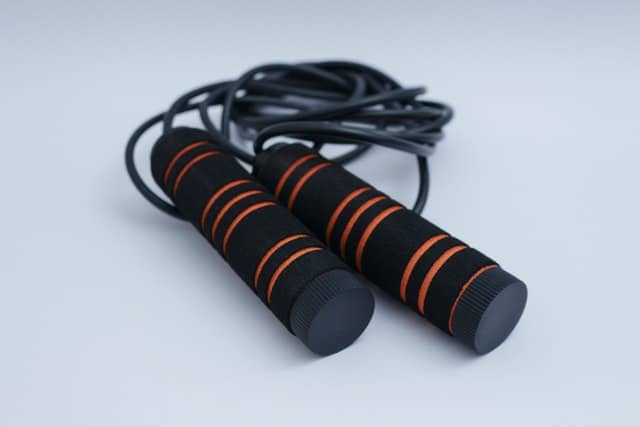
However, take note that shipping exercise equipment may be a bit challenging in terms of price and logistics.
A way around this is to look for suppliers near your target market. Negotiate the terms and make sure you are transparent with your delivery lead times.
- Example flip: Adjustable dumbbells are the standout — a used pair bought for $80–$120 locally resells for $180–$250 because new ones retail far higher and rarely go on sale.
- Where to source: Facebook Marketplace, moving sales, gym closures, local wholesalers.
- Where to sell: Facebook Marketplace (local pickup solves the shipping problem).
8. Vintage and Secondhand Furniture
Furniture is one of the most profitable things to flip — and one of the least crowded, because most flippers avoid anything that won’t fit in a shoebox. Their loss is your margin.
The sweet spot is solid wood and mid-century modern (MCM) pieces: dressers, nightstands, dining sets, and accent chairs. Older furniture was often built to last, and buyers on local marketplaces pay a premium for pieces that would cost three times more new.
Light refurbishing — cleaning, sanding, a coat of paint or new hardware — can double or triple what a piece sells for.
- Example flip: A solid-wood MCM dresser bought for $40–$80 at an estate sale routinely sells for $250–$500 on Facebook Marketplace after a weekend of cleanup.
- Where to source: Estate sales, thrift stores, garage sales, curbside finds, auctions. (For store owners: bulk furniture sourcing from China is also a proven wholesale play.)
- Where to sell: Facebook Marketplace and OfferUp (local pickup only), eBay for shippable vintage pieces.
9. Vintage Clothing and Designer Apparel
Secondhand fashion is no longer a niche — the global secondhand apparel market is projected to reach $393 billion by 2030, according to thredUp’s Resale Report. Y2K styles, vintage band tees, and designer pieces lead the charge, driven almost entirely by younger buyers.
The model is simple: recognizable brands and era-specific styles bought cheap at thrift stores sell for multiples online. A genuine 90s band tee or a designer handbag in good condition has buyers waiting.
Authentication matters at the high end, so learn the tells of the brands you specialize in — or stick to lower-priced vintage where risk is minimal.
- Example flip: A vintage tee or branded jacket thrifted for $5–$15 typically sells for $40–$80 on Depop; designer bags bought under $100 at estate sales can clear $300+.
- Where to source: Thrift stores, estate sales, garage sales, outlet clearance.
- Where to sell: Depop and Poshmark (US), Vinted (UK/EU), eBay for designer.
10. Computer Parts
Over the past couple of years, only a few people knew how to build their computers.
To be honest, computer parts can get technical and hard to understand. It doesn’t help that the terms change along with every improvement and innovation.
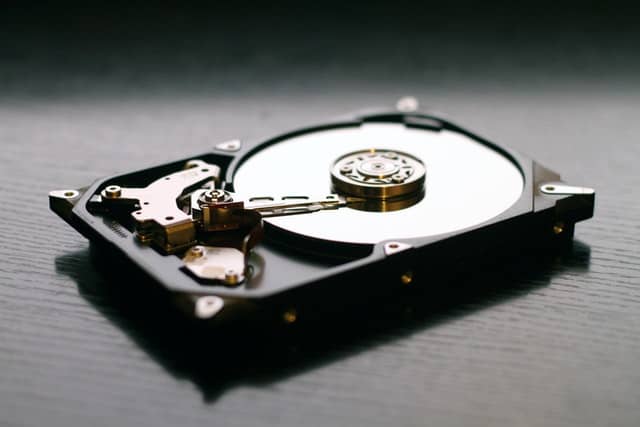
But now that people see the need for a decent computer setup, the demand for parts has also increased. The internet is also a gold mine for everything you need to know to build your PC.
So before the competition gets tougher, start selling computer parts. Learn about the use and perks of each part, and find reliable suppliers.
Be prepared to spend a bit, though, as these computer parts don’t come cheap.
The parts with the strongest resale demand are graphics cards, RAM, and solid-state drives — every new GPU generation sends a wave of perfectly good used parts onto the market at discount prices.
- Example flip: A used mid-range GPU bought for $100–$150 from an upgrader resells for $180–$280 on eBay within days.
- Where to source: Upgraders on Facebook Marketplace, r/hardwareswap, office liquidations, eBay lots.
- Where to sell: eBay, r/hardwareswap, Facebook Marketplace.
11. Antiques
Believe it or not, there is a market for antiques, and it’s not just composed of the older generations.
Collectors from all over the globe are looking for prized pieces they can put on their shelves, and they’re always willing to pay the price.
As an entrepreneur, your challenge is to look for these valuable items. Whether you go through tons of yard sales, scroll through eBay, or find antique suppliers, just know that the road won’t be smooth.
Antique items you can consider selling include vinyl records, paintings, furniture, rugs, clothes, jewelry, and many more.
Vinyl in particular is having a run — RIAA data shows vinyl record revenues have grown for well over a decade straight, and buyers hunt secondhand pressings hard.
You might even be surprised at just how much these items sell for.
- Example flip: A $20 crate of vinyl at an estate sale often contains individual records worth $10–$50 each; cast-iron cookware and vintage Pyrex are similarly underpriced at garage sales.
- Where to source: Estate sales, yard sales, auctions, flea markets.
- Where to sell: eBay, Etsy (vintage category), specialist collector forums.
12. Fitness Trackers
Fitness trackers are wearable devices that track a person’s daily activities. These activities include the number of calories burned, heart rate, steps taken in a day, and other relevant information.
These trackers only became popular just recently, but their sales have hit the roof.

More and more people rely on fitness trackers to keep themselves in check, and it’s becoming a staple in younger generations.
As a business owner, you should look into what kind of trackers work best for your target market. Different companies manufacture different types of trackers, but the basics should be there for each of them.
- Example flip: Refurbished Apple Watches and Garmins are the volume play — a used watch bought for $80–$120 resells for $160–$220 after a battery and condition check.
- Where to source: Trade-in programs, Facebook Marketplace, liquidation pallets, Chinese suppliers (for new budget models).
- Where to sell: eBay, Swappa, your own store.
13. Cosmetics
Selling cosmetics is not for everyone, but for those who dare to enter the world of beauty, read on.
There’s a significant risk when it comes to selling cosmetics. Cancel culture thrives in this industry and one wrong step can easily wipe out a trend and products go down the drain.
That shouldn’t deter you from penetrating this industry though. For as long as you keep an eye on the latest products and styles, you’re safe.
Plus, buyers don’t even blink when they purchase hot items. Most of the time, prices won’t matter. For as long as the product is useful and worthy of the hype, you’ll keep getting orders.
Source products from reliable suppliers and thoroughly check the quality before adding them to your store.
- Example flip: K-beauty sets and viral TikTok products sourced at $5–$15 routinely retail for $25–$50 — margins hold as long as you ride the trend early.
- Where to source: Verified manufacturers and wholesalers (never unbranded lots — authenticity is everything here).
- Where to sell: TikTok Shop, your own store, Amazon (gated — requires approval).
14. Kids’ Toys
132 million babies were born each in 2025, and each of these babies will grow up to want toys and everything colorful.
Of course, parents will do everything they can to give these kids what they want.
This behavior is reflected in the industry’s sales — Americans buy roughly 3 billion toys a year, worth about $42 billion at retail, according to the Toy Association, and U.S. toy sales returned to growth in 2025, up 6% year over year.
These numbers should be enough to convince you why toys are still top items to sell.
When you decide to sell these, start with a few categories first as the industry is quite big. Once you have a stable customer base, slowly introduce more toys to gauge your market.
- Example flip: Retired LEGO sets are the standout — sets bought at retail and held 1–2 years commonly resell for 30–80% above retail; sealed board games from thrift stores ($3–$5) often scan at $25–$50.
- Where to source: Retail clearance, thrift stores, wholesalers, Chinese manufacturers.
- Where to sell: Amazon (FBA), eBay, your own store.
15. Power Tools
Why hire other people to do the work when you can just do it on your own? Doing it yourself lessens costs which is why power tools became popular.
Compared to the traditional tools, power tools use additional power sources to speed up the process and make the work much easier. On top of that, they’re good investments for future tasks that require similar tools.
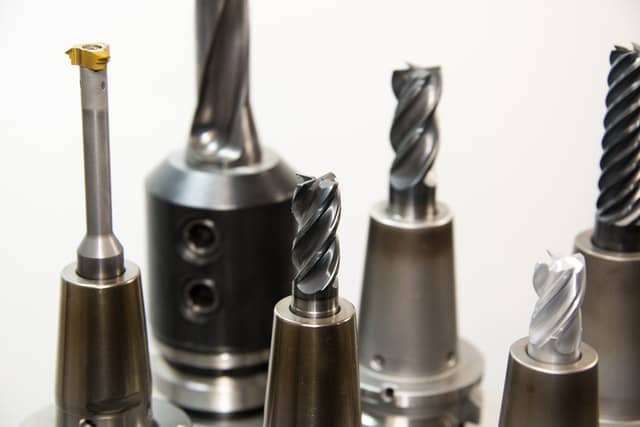
The only downside to these tools is that they’re expensive to purchase. For business owners, they’re also expensive to ship.
But considering all the costs you can save, these should be worth every penny.
- Example flip: Name-brand kits (DeWalt, Milwaukee, Makita) move fast — a used combo kit bought for $60–$120 at a garage sale or pawn shop resells for $150–$250, usually within a week.
- Where to source: Garage sales, pawn shops, estate sales, contractors upgrading kits.
- Where to sell: Facebook Marketplace, eBay, Craigslist.
16. Musical Instruments and Accessories
You may not know how to play a musical instrument, but don’t let this stop you from selling them.
Kids might use these instruments to learn how to play, while adults just want to keep their musical skills alive.
Regardless of use, the global musical instrument market is valued at about $22 billion in 2026 and is projected to reach nearly $37 billion by 2034, growing at a steady 6.5% a year.
Build your credentials as a reliable business owner because this type of product requires a huge amount of trust. They don’t come cheap and customers tend to be wary about the quality of the instruments.
As a way around it, look for credible suppliers and try out the instruments beforehand. Check every part and make sure the items are durable.
- Example flip: Used guitars are the volume market — an entry-level acoustic bought for $60–$80 resells for $120–$180 to the constant stream of new learners; band instruments spike every back-to-school season.
- Where to source: Pawn shops, estate sales, school surplus, Facebook Marketplace.
- Where to sell: Reverb (the specialist marketplace), eBay, Facebook Marketplace.
17. Backpacks
Backpacks are used in many different settings. You can find backpacks being used in schools, workplaces, and even outdoor activities.
Moreover, these backpacks come in different colors, shapes, and sizes. They’re designed with compartments to keep everything organized which is why it’s a top preference for travel, too.
As a seller, you might want to consider selling casual and heavy-duty backpacks as both have constant demand. If brands allow it, perhaps consider reselling known brands to generate a stable customer base.
Offer a wide range of backpacks to provide more options for customers. It would also be great if you can offer warranties.
- Example flip: Quality outdoor and laptop backpacks sourced at $10–$25 sell steadily for $40–$70; the back-to-school window (July–September) can double your velocity.
- Where to source: Chinese manufacturers (Quanzhou and Guangzhou are bag hubs), wholesalers, retail clearance.
- Where to sell: Your own store, Amazon, eBay.
18. Candles and Essential Oils
Finally, our last items are candles and essential oils.
The main reason these items are so popular is their flexibility. They can be used in private and public settings and on different occasions.
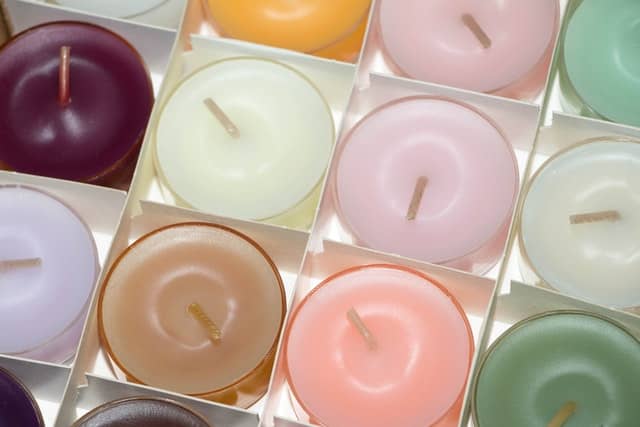
But more than just that, these are also popular with entrepreneurs because they’re cost-effective. Just slap on some premium packaging on some candles and you can immediately raise the prices.
You can cater to different needs, too, by simply adjusting your materials and scents.
What more can you ask for, right?
The only challenge now is for you to establish your brand in a way that fits your price range. The competition is tough in this industry, and new players easily get wiped out.
- Example flip: Private-label scented candles costing $3–$8 to produce sell for $20–$35 with good branding — gift sets around holidays push margins even higher.
- Where to source: Chinese manufacturers, local candle makers (white-label), wholesale marketplaces like Faire.
- Where to sell: Etsy, your own store, local markets and gift shops.
FAQs about Buying and Selling Items for Profit
What Are the Factors to Consider When Buying and Selling Items?
Key factors you need to consider when buying and selling items include the following:
- Demand
- Profitability
- Availability
- Logistics
Demand
Demand is a key factor because you can’t just sell products blindly. You need to find out whether there’s a demand, and if that demand is stable.
By conducting proper market and product research, you can forecast and see whether adding the product would be a good choice in the long run.
Forecasting also lets you know whether your current systems and inventory is sufficient or lacking for your expected demand.
Profitability
It’s not surprising that the top priority of business owners is generating profit. At the end of the day, you want to start a business to earn, right?
It’s not enough that you sell popular products. You should also look into how profitable it is for your business.
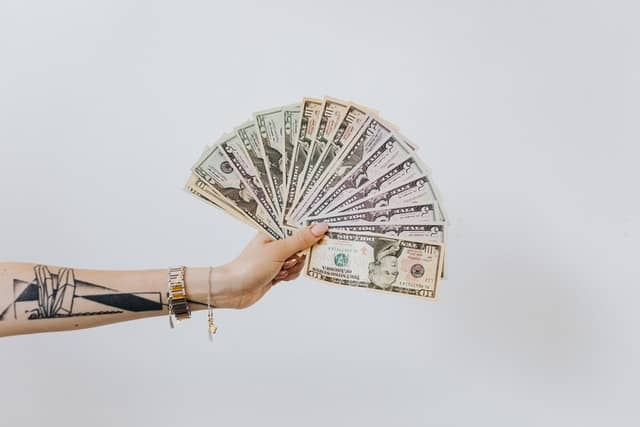
Another strategy is to set the profit margin you wish to have. Decide whether the current margins are sustainable, or not. Once the margins are considered, only then should you choose to proceed or drop the product.
Availability
Another crucial factor is availability.
When a product is readily available to customers, it can be challenging to set the price. Unfortunately, big players have the advantage of setting the price low.
It could also be that there’s a demand for a highly profitable product, but the supply is limited.
More often than not, this factor is out of your control. Unless you decide to start manufacturing said products, all you can do is wait until supplies get replenished.
Logistics
Last, but definitely not least, is logistics.
Evaluate the logistics behind ordering and selling the products you wish to add to your store. From the supply chain management to order fulfillment, make sure every step is planned well.
Look for suppliers near you to get lower fees and partner with reliable delivery services. That way, you’ll have a smooth-flowing business and happy customers.
How to Calculate Your Profit (Before You Buy)
No matter which method you choose, run the numbers before spending a dollar. Your real profit per item is:
Selling price − purchase cost − platform fees (typically 10–20%) − shipping − any refurbishing cost
Experienced flippers often follow the 3x rule: only buy items you can realistically sell for three times your purchase cost. That buffer covers platform fees, shipping, returns, and the occasional dud — and still leaves a solid margin.
For anything over $20, check the item’s sold listings on eBay (not asking prices) to see what buyers actually paid in the last 90 days. It takes 60 seconds and is the single best habit that separates profitable flippers from garage-sale hoarders.
Where to Find Affordable Products?
Thanks to the internet, you can easily find wholesalers and suppliers just by Googling them. You can also explore marketplaces like Facebook and eBay to find used items you can buy and resell.
Another option is to partner with sourcing agents to find the best deals and terms with suppliers from different countries. As an example, NicheDropshipping helps you source products from China, along with other services.
Is It Legal to Buy Items and Resell Them?
It’s legal to sell items you have legally purchased because retailers and manufacturers no longer have control over what you do with your purchases.
However, if you plan to start a long-term buy-and-sell business, you should comply with legal requirements.
For example, you need a business license to be able to source your products from suppliers. You also need to be an official reseller if you want to resell certain items.
Failure to comply with these legal requirements may cause issues soon. To be safe, check with relevant offices to ensure you don’t miss anything.
What Can You Buy and Sell Fast for Profit?
If turnaround speed is your priority, stick to items with proven daily demand and active secondhand markets. The fastest-moving categories on this list:
- Video game consoles and games — often sell within 3–7 days at market price
- Power tools — name brands move in under a week on local marketplaces
- Limited-edition sneakers — hyped pairs can sell the same day on StockX
- Smartphones and fitness trackers — constant upgrade cycles mean constant buyers
- Books (textbooks especially) — slow in summer, rapid at the start of each semester
The trade-off: fast flips usually carry thinner margins than slow movers like furniture and antiques. Many sellers run both — quick flips for cash flow, slow flips for profit.
What Is the Easiest Thing to Flip for Profit?
For beginners, the easiest items to flip share three traits: low buy-in, simple shipping, and prices that are easy to check. Start with:
- Books — $1–$5 buy-ins and barcode-scanning apps remove all guesswork
- Vintage clothing — light, cheap to ship, and forgiving while you learn brands
- Small electronics — chargers, headphones, and smart home gadgets are easy to test and list
Master one category before expanding. Knowing exactly what a $10 item sells for — every time — is what turns flipping from a hobby into a business.
What Can I Sell to Make $1,000?
Reaching $1,000 is a math problem: you need either 10 flips at $100 profit each, or about 30 flips at $35 each. A realistic mix from this list:
- 2 furniture flips ($150–$300 profit each)
- 1 console or GPU flip ($60–$150)
- 10–15 clothing, book, or small-electronics flips ($15–$40 each)
Part-time flippers who put in consistent weekend hours commonly report making $500–$1,000 a month within their first few months.
What Can I Sell for $2,000 or More?
Single items that can net $2,000+ per sale are almost always in the high-ticket categories: designer handbags and watches, quality antique furniture, professional musical instruments, high-end camera gear, and rare collectibles.
These require more capital and more authentication knowledge, so most sellers work up to them after mastering mid-range flips.
How Do People Make $5,000 a Month on eBay?
Full-time flippers who report $3,000–$8,000 months share the same playbook:
- Volume with a system — listing 10–20 items a day, every day
- Category specialization — deep knowledge in 1–2 niches beats generalizing
- Disciplined sourcing — buying only items that pass the 3x rule and sold-listings check
- Fast reinvestment — profits go straight back into inventory
It typically takes 6–12 months of consistent selling to reach this level. It’s a full-time job at that point, not a side hustle.
What Is the #1 Selling Item Online?
By volume and liquidity, consumer electronics are the single most reliable category — used smartphones, game consoles, and accessories sell faster and more predictably than anything else on eBay and Facebook Marketplace.
“Best-selling” doesn’t mean “best for you,” though. The right item is the one you can source cheaply, evaluate accurately, and ship easily.
What Can I Sell for Fast Cash?
For same-day or next-day cash, sell locally to skip shipping entirely: list video game consoles, power tools, smartphones, or furniture on Facebook Marketplace or OfferUp at a fair price, and you’ll usually have messages within hours.
Online-only items (books, clothing, niche collectibles) take longer but reach buyers willing to pay more.
Final Thoughts
Given the wide range of buy-and-sell businesses, you can easily understand why many choose to start their own. It also helps that the internet provides a list of profitable items to sell, like the ones above.
Now that you have a list, the next smart step is to start looking for suppliers. If you need help, don’t hesitate to send us a message and we’ll see how we can help you.

Hello, I have recently lost my job and always love to sell and always wanted to buy and sell over eBay. Do I just go and find some cheap in demand products and sell them. Look forward to hear back. Your help would mean the world. Warmest regards Luke
Hello Luke, I’m sorry to hear that. You can contact us and get a free qoute. The link to our contact page is https://nichedropshipping.com/niche-dropshipping/. Alternatively, our contact email is [email protected]. Looking forward to your message.