Dropshipping is one of the easiest business models for new entrepreneurs because it doesn’t require big startup costs, inventory, or complex logistics.
But if you’re under 18, you may be wondering: am I even allowed to start a dropshipping business?
The short answer: yes, with a few limitations. You can run the store, choose products, and handle all the day-to-day tasks.
But because most ecommerce platforms and payment processors require users to be 18 or older, you’ll need an adult to help with the legal and financial setup.
In this post, we’ll break down exactly how dropshipping works for minors, the legal considerations in different countries, how to get started step-by-step, and practical tips for young entrepreneurs who want to launch their first online business.
How Does Dropshipping Work?
Dropshipping is a business model where you sell products online without keeping any inventory yourself. Instead, you work with a third-party supplier who handles storage, packing, and shipping.
Here’s the simple flow:
- You list products in your online store (Shopify, Etsy, TikTok Shop, etc.).
- A customer places an order and pays you the retail price.
- You forward the order to your supplier, who charges you the wholesale price.
- The supplier ships the product directly to the customer under your store’s name.
- You keep the profit (retail price − wholesale price).
Example (Perfect for younger entrepreneurs):
Imagine you’re selling trendy phone cases.
You don’t buy 100 cases upfront. Instead:
- You upload product photos from a supplier.
- A customer buys a case from your store for $20.
- You pay the supplier $7 to fulfill the order.
- The supplier ships it straight to the customer.
- You keep $13 profit without touching the product.
Why this model is great for beginners (including teens)
- No need to invest in inventory upfront
- You can run everything online
- Low risk, if a product doesn’t sell, you simply remove it
- Easy to test different niches like stationery, accessories, or club/fandom merch
Dropshipping gives young entrepreneurs a simple way to start learning ecommerce, marketing, customer service, and branding, without the financial risks of traditional retail.
How Old Do You Have to Be to Start Dropshipping?
Most ecommerce platforms and payment providers require users to be at least 18 years old.
This isn’t because dropshipping itself is complicated, it’s because running a store involves signing contracts, handling payments, and managing financial accounts, all of which legally require an adult.
So what does this mean in practice?
- You must be 18+ to open accounts on Shopify, PayPal, Stripe, and most marketplaces.
- If you’re under 18, you can still run a dropshipping business, but you’ll need a parent or legal guardian to act as the official account holder.
Why the 18+ rule exists
Platforms require adult verification because:
- Payment processors involve legally binding agreements
- Chargebacks and disputes carry financial responsibility
- Businesses must pass ID verification for tax and compliance reasons
Minors can’t legally take on this responsibility, but they can operate the business on the backend once an adult has set everything up.
The good news is that many successful young entrepreneurs run dropshipping stores with their parents’ help. A parent can:
- Register the Shopify store
- Verify their identity
- Set up payment methods
- Add the minor as a staff member to manage products, orders, and marketing
This setup is very common, especially for teen entrepreneurs just getting started.
Can Minors Start a Dropshipping Business Legally?
Yes, minors can participate in a dropshipping business, but they cannot legally act as the formal business owner.
This is because most countries have strict rules around what minors can sign, manage, or be held responsible for.
Most jurisdictions treat minors as not legally capable of entering binding contracts.
This affects key parts of ecommerce:
| Task | Minor Can Do It? | Why/Why Not |
| Run the store day-to-day (upload products, marketing, fulfilling orders) | Yes | No legal risk; these are operational tasks |
| Sign a supplier contract or business agreement | No | Contracts signed by minors are not enforceable |
| Register a business (LLC, sole trader, ABN, etc.) | No in most countries | Legal/tax responsibility must belong to an adult |
| Open a business PayPal, Stripe, or bank account | No | Financial accounts require someone 18+ |
| Use a parent/guardian as the legal representative | Yes | This is the standard, compliant method |
Simply put, minors can operate the business, but an adult must legally “own” the business on paper.
Country-Specific Legal Guide (US, UK, Australia)
If you’re under 18, the rules around starting a business can feel confusing.
The good news is that most countries don’t stop minors from learning entrepreneurship, they just require an adult to stand behind the legal and financial parts of the business.
Here is a clearer look at how things actually work in three major markets.
United States: You Can Run the Business, But an Adult Must Sign for It
In the U.S., the biggest barrier for young entrepreneurs is that a minor can’t sign contracts.
Almost everything in ecommerce is a contract: opening a Stripe account, registering an LLC, even agreeing to supplier terms.
So what do teens do?
They build the business, but a parent becomes the official legal owner. The parent forms the LLC, verifies their ID with Shopify, connects the business bank account, and signs anything that carries financial responsibility.
From there, the minor runs almost everything: product research, ads, customer messages, TikTok content, order management. It’s a very common setup, even many 13-16 year-olds use this structure today.
United Kingdom: More Flexibility, But the Same Financial Restrictions
The UK is slightly more permissive. A 16-year-old can legally register as a sole trader, which gives minors more independence than in the U.S.
But there’s a catch.
Even if a teen is recognised as a business owner on paper, the platforms they rely on, Shopify, Stripe, PayPal, bank accounts, still require an adult for verification and financial liability.
So while UK teens can register earlier, they still need parental involvement for the practical parts of running an online store.
Many young UK entrepreneurs take this hybrid approach:
- They register themselves as sole traders at 16
- A parent becomes the verified account holder for Shopify and payments
- The teen handles the brand, store, products, and marketing
It gives young sellers both structure and freedom, the best of both worlds.
Australia: Minors Can Apply for an ABN, But Not Stand Alone
Australia sits somewhere in the middle. Minors can apply for an ABN (Australian Business Number), which sounds like total independence, but the moment money enters the picture, a “responsible adult” must step in.
Banks, payment processors, and suppliers still need someone 18+ to sign. This means the legal setup usually looks like a partnership between the minor and their parents.
The teen runs the store and makes decisions, while the adult handles anything tied to identity verification, financial obligations, or tax submissions.
Australian regulators expect the adult to act as a guarantor, not to control the business, but to ensure someone legally accountable exists.
How to Start Dropshipping as a Minor (Step-by-Step)

Starting a dropshipping business as a minor might sound complicated, but most of the process is the same as for adults.
The only difference is that a parent or guardian must step in at key legal points.
Everything else, choosing products, designing your store, marketing, can be done entirely by you.
Here’s what the journey actually looks like.
Step 1. Choose a Simple, Low-Risk Niche You Understand
The best niches for young entrepreneurs are the ones you naturally “get,” because you already know what people your age love buying.
Some great low-barrier ideas:
- Campus stationery: planners, pastel pens, study desk items
- Eco-friendly accessories: reusable bottles, canvas totes, silicone cases
- Interest-circle merch: anime stickers, club-themed products, fandom keychains
These niches work well for minors because they’re inexpensive, easy to test, and don’t raise compliance issues (unlike supplements or electronics).
Step 2. Ask a Parent or Guardian to Set Up the Official Store Account
This is the only part that truly requires an adult.
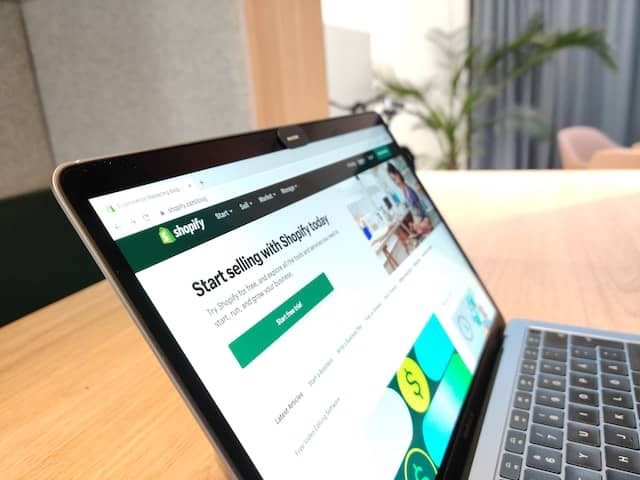
Platforms like Shopify, Stripe, and PayPal legally need someone who is 18+ to verify their identity. You still control the business, this just makes it compliant.
Here’s how the Shopify setup usually goes:
Shopify Parent Registration Example:
- Parent creates the store from the Shopify homepage.
- They select the “Starter,” “Basic,” or “Entrepreneur” plan.
- Shopify asks for identity verification, this is completed using the parent’s ID.
- After setup, they go to Settings > Users & Permissions.
- They add you as a staff account with permissions for products, orders, customers, and marketing.
From that point forward, you’re the operator and your parent simply remains the verified account holder.
Step 3. Research and Choose a Reliable Supplier
Once the store foundation exists, you can begin exploring suppliers.
For niches minors commonly sell, look for suppliers offering:
- small, lightweight products
- fast shipping
- simple quality standards
- easy communication
You don’t need to overthink this step, choose a few products, test them, and iterate.
Step 4. Build Your Store and Create Simple Product Pages
Now comes the fun part: designing your store and shaping your brand.
Young entrepreneurs excel here because they’re naturally creative. Focus on:
- clean, simple product pages
- clear photos (or supplier-provided images)
- short, helpful descriptions
- a homepage that tells buyers what the store is about
You don’t need a complicated theme. A single-product landing page or a minimal 3-5 product store is enough at the beginning.
Step 5. Set Up Payment Methods (Your Parent Handles This Part)
To collect payments, Shopify needs a verified payment processor (Stripe, PayPal, etc.). These all require someone over 18.
Your parent will:
- connect their bank account
- verify their identity
- accept the financial responsibility for refunds or disputes
But you still manage the actual business activity, the adult is simply the point of verification.
Step 6. Launch, Test, and Start Promoting Your Store
This is where most minors shine. Marketing today is driven by:
- TikTok content
- Instagram Reels
- Pinterest boards
- Campus promotions or word-of-mouth
You don’t need a big budget. Many stores run entirely on organic traffic at the start.
Think about quick, authentic content:
- unboxing videos from the supplier sample
- “study desk makeover” clips (perfect for stationery niches)
- “day in my life running my store at 16” storytelling
- simple niche micro-influencers
Start small, test one or two products, and improve as you learn.
Step 7. Handle Orders and Customer Support Like a Real Business Owner
As orders come in, you’ll forward them to the supplier and handle customer messages.
This is where young entrepreneurs grow the fastest, learning communication, problem-solving, and how to build trust with customers.
Pros and Cons of Starting Dropshipping as a Teen
Pros
- Freedom to experiment: As a teenager, you have the advantage of being able to experiment with different niches and products without much risk. This allows you to find what works best for your business.
- Low startup costs: Dropshipping offers a low-cost entry into the world of entrepreneurship. You don’t need to invest in inventory upfront, so your initial expenses are minimal.
- Ease of use: Many dropshipping services and platforms are user-friendly, making it easier to manage your business, even if you are new to entrepreneurship.
- No age restriction: Technically, there’s no age limit to start a dropshipping business. However, you’ll need someone over 18 to sign up for certain contracts and payment processors, as you might not be legally allowed to enter into contracts as a minor.
Cons
- Challenges with legal aspects: As a minor, you may face challenges when it comes to obtaining necessary permits/licenses or entering into contracts with suppliers and payment processors. You’ll likely need an adult to assist you with these aspects.
- Time management: Balancing your dropshipping business with school and other commitments may be tough. Managing your time effectively is essential for success.
- Limited experience: As a young entrepreneur, you may lack the experience and knowledge required to navigate some of the challenges of running a business. This might lead to potential mistakes or missed opportunities.
- Underage limitations: Since you’re underage, you may also face restrictions in certain marketing channels or social media platforms, hindering your business growth.
Practical Tips for Young Dropshippers
Running a dropshipping business as a minor requires building the habits that make an online store actually work. These tips will help you avoid beginner mistakes and grow with fewer headaches.
1. Choose a niche where age is an advantage, not a limitation.
Most adults struggle to understand youth-driven markets, trends, aesthetics, micro-communities, fandoms, and TikTok culture. Minors naturally pick up what’s “about to trend,” not what used to trend.
Lean into spaces where a 15–17 year-old knows the customer better than a 35-year-old marketer:
- study desk setups
- campus lifestyle products
- aesthetic organizers
- wellness accessories teens actually use
- club/fandom merch
- creator-inspired items
Your age becomes a competitive advantage, not something to “overcome.”
2. Your marketing shouldn’t look like marketing. It should look like content.
This is where young entrepreneurs outperform adults. Traditional ads scream “business.” Your content should feel like:
- your real desk
- your real school bag
- your real morning routine
- your real problem (messy room, cluttered desk, no time to study)
Customers buy into the life around the product, not the product.
If your content looks like a normal person sharing their space, you will convert better than polished brands trying to “act young.”
3. Build one product story, not a random collection of items.

Most beginner stores fail because they pick 10 unrelated Aliexpress items and hope something sells.
High-performing young sellers do this instead:
- pick one problem in their world (study focus, dorm organization, aesthetic accessories)
- choose one product that genuinely solves or elevates that experience
- build a landing page around that story
- create content around the problem > solution narrative
People don’t buy products, they buy situations they relate to.
4. Use samples to your advantage, they give you content adults can’t fake.
Adults often run dropshipping stores without ever touching the product.
Young sellers can take a $10–$15 sample and turn it into:
- authentic unboxings
- desk makeovers
- real before, after videos
- “aesthetic upgrade” clips
- actual school-use footage
This instantly improves trust and conversion. A single TikTok filmed with your sample can outperform 20 AI videos and stock clips.
5. Treat your parents like your CFO, not your co-founder.
The reason this tip matters is because many young entrepreneurs mix roles and lose momentum.
Your parent’s job is:
- verify identity
- connect Stripe/PayPal
- handle any disputes the system won’t let you manage
- step in for tax/legal documents
That’s it.
You own:
- product choice
- brand voice
- content
- customer interaction
- marketing
- store decisions
This separation makes the business run smoothly and prevents burnout on both sides.
Frequently Asked Questions
Is There an Age Limit on Shopify?
There is no specific age limit imposed by Shopify on who can use their platform.
However, to sign up for Shopify and use their services, you must be at least 18 years old, as entering into a legal agreement is generally not allowed for those under 18 years of age.
If you are below 18, consider partnering with someone older or ask a guardian or parent to sign up on your behalf.
Can You Start Dropshipping If You’re under 18 Years Old?
Yes, you can start a dropshipping business even if you’re under 18, but there are certain limitations.
Since most legal contracts require you to be 18 or older, you’ll need someone of age to sign up and manage services like Shopify and payment processors on your behalf.
If you have a parent or guardian willing to assist you, they can help you set up and manage your online store.
Remember, as long as you have a supportive network, age shouldn’t be a barrier to kickstart your dropshipping journey.
How Likely Are You to Be Successful with Dropshipping?
Your success in dropshipping depends on several factors, including your dedication, willingness to learn, ability to adapt, and the time and effort you invest.
Dropshipping is a competitive business model, and finding the right niche, targeting the right audience, and providing exceptional customer service are some factors determining success.
While there are plenty of stories about successful dropshippers, it’s crucial to understand that everyone’s journey is unique.
Invest time in market research, stay updated with trends, and continuously refine your skills and strategies to increase your chances of success. And most importantly, be patient and persistent, as success rarely happens overnight.
Do I Need My Parents to Start Dropshipping
Yes. If you’re under 18, you’ll need a parent or guardian to set up the legal and financial parts of the business. Platforms like Shopify, PayPal, and Stripe require an adult to verify their identity and agree to the terms.
Once that’s done, you can run the store yourself, adding products, creating content, managing orders, and talking to customers. The parent is simply the official account holder; you handle the day-to-day work.
Dropshipping: A Business Opportunity for All Ages
Dropshipping is one of the easiest ways for young entrepreneurs to learn how online business works.
Even though most platforms require you to be 18 to handle payments and legal documents, you can still run the entire store with a parent or guardian helping on the formalities.
If you’re interested in starting, focus on learning the basics, testing simple ideas, and using your creativity, especially in content and branding. Age isn’t a barrier here; it’s often an advantage.
When you’re ready to take the next step, NicheDropshipping can help you source reliable products, handle fulfillment, and get your store running smoothly.
Request a free quote today and start building your dropshipping journey with confidence.