
The real reason Shein is so cheap is not one simple factor like low labor costs or cheap fabric. Its prices come from a combination of micro-batch production, direct-to-consumer selling, data-driven merchandising, and historically favorable parcel-shipping economics.
At the same time, those low prices come with trade-offs, from quality inconsistency to labor scrutiny and rising regulatory pressure.
For ecommerce sellers, this makes Shein worth studying. Not because most brands should try to copy it exactly, but because its operating model reveals how speed, inventory discipline, and supply chain design can lower costs in ways that traditional retail often cannot.
Key Takeaways
- Shein stays cheap by using an on-demand, micro-batch model that often starts with just 100–200 pieces and only scales products that already show demand.
- Its direct-to-consumer model cuts out much of the overhead that traditional fashion retailers carry, including stores, wholesale layers, and slower inventory cycles.
- One of Shein’s biggest hidden advantages was the economics of low-value cross-border parcels, especially under U.S. de minimis treatment. That advantage has been materially reduced by policy changes since 2025.
- The low price comes with trade-offs: inconsistent quality, labor-rights scrutiny, and growing regulatory pressure.
- For ecommerce sellers, the most useful lesson is not to copy Shein’s aesthetics. It is to copy the operating logic: test small, kill weak SKUs quickly, and tighten QA before returns destroy your margin.
Why is Shein so cheap?

Shein is cheap because it is designed to avoid the two biggest cost traps in apparel: unsold inventory and full-retail overhead. Instead of producing huge seasonal collections and hoping they sell, Shein launches very small runs, measures demand in real time, and reorders only the items that are already working.
That reduces markdown risk, warehouse waste, and the need to price every item high enough to cover large forecasting mistakes.
Historically, it also benefited from a shipping model that sent enormous volumes of low-value parcels directly to customers. In the U.S., that was closely tied to de minimis treatment.
But since 2025, that advantage has been narrowed significantly by official policy changes, which means “Shein is cheap” is still broadly true, but the economics behind that claim are not as stable as they once were.
How Shein’s business model works
Shein describes its model as an on-demand system powered by digital supply chain technology. In simple terms, it behaves less like a traditional fashion retailer and more like a high-speed testing engine.
It watches demand signals, launches a small number of units, measures performance, and then decides whether a style deserves scale.
Temu operates on a fundamentally different model — it is a marketplace rather than a brand. If you are weighing both platforms as a consumer or seller, this breakdown of Temu vs. Shein covers how their structures, product quality, and fulfillment approaches actually differ.
That is why Shein can list a huge number of styles without taking the same inventory risk that a store-based retailer would. The goal is not to perfectly predict trends months in advance. The goal is to react faster than everyone else, while keeping the cost of being wrong relatively low.
A simple way to think about the loop is this:
- Identify trend or demand signals.
- Turn those signals into listings quickly.
- Launch a micro-batch.
- Watch conversions, clicks, and returns.
- Replenish winners fast.
- Retire losers before they become dead stock.
That feedback loop is one of the biggest reasons Shein can keep prices lower than many traditional fashion brands.
Shein vs. traditional retail
| Dimension | Shein-style ultra-fast DTC | Traditional fashion retail |
| Demand planning | Small test batches, then scale | Seasonal forecasts and bigger upfront buys |
| Inventory risk | Lower per SKU | Higher if a collection misses |
| Distribution | Mostly online and parcel-based | Stores, wholesale, and in-store inventory |
| Pricing structure | Lower price, more variability | Higher price, often steadier QC |
| Customs exposure | More sensitive to parcel rules | More standard import processes |

10 strategies behind Shein’s low prices
1. Small-batch launches reduce inventory waste
Shein has said that many of its products start with initial runs of around 100–200 pieces. Compared to traditional apparel production, this is a very controlled way to enter the market with a new product.
In most retail models, brands commit to larger quantities upfront and then rely on discounts if demand falls short. That creates pressure to recover costs later through pricing.
By keeping the first batch small, Shein limits how much inventory can go wrong at any given time. Production only scales after there is clear demand, which reduces the need to build large pricing buffers into every product.
2. High sell-through reduces reliance on markdowns
Several analyses point to Shein maintaining strong sell-through across its catalog. Even if the exact numbers vary, the structure of the model explains why.
When a business produces closer to actual demand:
- fewer items need clearance pricing
- fewer items sit in storage
- less working capital is tied up in slow-moving stock
This directly affects pricing decisions. Products do not need to compensate for large volumes of unsold inventory elsewhere in the system.
For ecommerce sellers, this is where margins are often misunderstood. A lower-cost product can still perform worse if it depends on constant discounting to move.
3. A large supplier network increases flexibility
Shein works with a broad network of suppliers, often concentrated in manufacturing hubs like Guangzhou. This allows production to be distributed across many factories instead of relying on a smaller set of partners.
Operationally, this creates:
- faster response to demand changes
- the ability to test multiple styles simultaneously
- flexibility in scaling production up or down
The trade-off is complexity. Managing quality, timelines, and compliance becomes more difficult as the number of suppliers increases. This is one of the reasons consistency and oversight continue to be recurring themes in reporting about the company.
4. Digital-first distribution reduces retail overhead
Shein primarily sells through its online platform, without maintaining a large global store network.
This removes several cost layers typically associated with retail:
- physical store leases
- in-store staffing
- inventory allocated across locations
However, these costs are not eliminated entirely. They shift into other parts of the business, especially in areas like returns and customer support. When product expectations and delivery do not match, those costs can increase quickly.
5. Data-driven merchandising reduces guesswork
Shein’s system relies on real-time data to guide decisions around what gets produced and what gets reordered.
Instead of committing to large seasonal collections, products are introduced in smaller quantities and evaluated based on actual performance:
- clicks
- add-to-cart behavior
- conversion rates
- return patterns
This approach reduces the reliance on long-range forecasting. Decisions are made closer to the moment of demand, which lowers the cost of incorrect assumptions.
6. Faster production cycles limit exposure to trends
Shorter production cycles allow Shein to respond to trends while they are still active. When demand changes, adjustments can be made without carrying large amounts of outdated inventory.
In longer production cycles, a misread trend can result in excess stock that needs to be discounted. With smaller batches and faster turnaround, that exposure is reduced.
This has a direct impact on pricing, because fewer losses from unsold products need to be absorbed into future pricing decisions.
7. Material choices align with price targets
At lower price points, cost constraints apply to every part of the product. Materials, construction, and finishing are all selected based on what can fit within the target retail price.
Common characteristics in low-cost apparel include:
- synthetic fabrics
- simplified construction
- reduced finishing detail
These choices allow the product to meet a specific price level, but they also affect durability and consistency.
Shein’s growth has been closely tied to social platforms and creator-driven content. Product discovery often happens through:
- short-form videos
- influencer hauls
- user-generated content
This type of distribution can reduce reliance on traditional paid advertising, particularly when the product itself becomes part of the content.
However, it also means that brand perception is closely linked to public sentiment and platform dynamics.
9. Cross-border shipping structures supported low pricing
For a long period, low-value direct-to-consumer shipments played a role in making cross-border ecommerce more cost-efficient.
In the U.S., this was closely tied to the de minimis framework, which allowed many small shipments to enter with reduced duties under certain conditions. As volumes increased, this became a significant part of the cost structure for companies operating at scale.
Policy changes beginning in 2025 have altered this environment, which has implications for pricing, delivery timelines, and overall cost structure.
10. Scale strengthens negotiating power
Operating at a large scale allows Shein to spread costs and negotiate more favorable terms across multiple areas of the business.
This includes:
- logistics and shipping rates
- supplier pricing
- production capacity allocation
- technology investment across the supply chain
For smaller sellers, the structure of the model can be studied and partially applied. However, the full effect of these advantages depends heavily on volume, which is not easily replicated without significant scale.
What the low Shein price hides
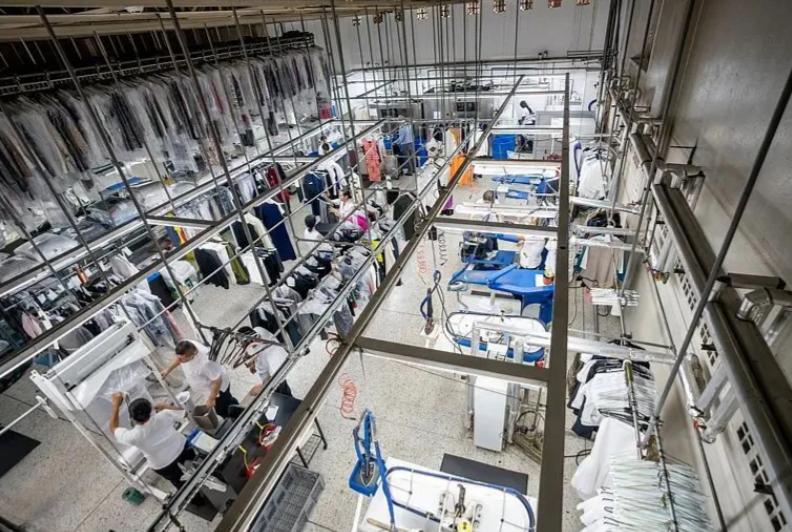
1. Labor conditions and supplier oversight become harder at scale
Shein has faced ongoing scrutiny around labor practices across its supplier network. The company itself has disclosed cases of child labor and has increased the number of supplier audits in response.
At the same time, external reporting continues to highlight issues like excessive working hours in manufacturing hubs.
These concerns are not unique to Shein, they are common in fast, cost-sensitive supply chains, but the scale and speed of Shein’s model make them harder to manage.
Shein has introduced supplier codes of conduct and formal audit frameworks, which shows an effort to improve oversight. Even so, the underlying challenge remains:
- thousands of suppliers
- tight production timelines
- constant demand for speed
When all three exist together, consistency becomes difficult to enforce.
2. Quality consistency becomes a margin issue, not just a product issue
For most ecommerce sellers, the real cost problem is not production, it is returns.
Apparel is especially sensitive because multiple variables need to align at once:
- sizing accuracy
- stitching consistency
- fabric quality
- labeling compliance
If any of these break, return rates increase, and margins shrink quickly.
This is why more experienced sellers rely on structured quality checks before scaling a product:
- garment measurements
- care label verification
- country-of-origin labeling
- AQL-based inspection for batch approval
Without these checkpoints, the initial savings from cheaper sourcing often get offset by refunds, replacements, and customer support overhead.
3. Regulatory pressure is increasing around cross-border ecommerce
Ultra-cheap cross-border models are now under more scrutiny than they were a few years ago.
In the U.S., policy changes around low-value shipments were tied directly to:
- customs enforcement
- import transparency
- broader economic and security concerns
From a cost perspective, the shift is straightforward.
When a shipping lane moves from:
- minimal duties and simplified processing
to:
- full duties and more detailed customs requirements
the landed cost increases, even if the factory price stays the same.
This change affects not just Shein, but any business relying heavily on cross-border direct shipping.
Is Shein still as cheap now?

In many categories, yes. Shein is still cheaper than traditional apparel brands.
But the structure behind those prices is under more pressure than before, especially in markets like the U.S.
What changed in the U.S. (de minimis and tariffs)
The biggest shift came from changes to how low-value shipments are treated.
Key developments include:
- May 2025: Duty-free treatment for certain low-value imports from China and Hong Kong was removed.
- August 2025: The suspension expanded to cover a broader set of commercial shipments, with separate handling for postal shipments.
- Early 2026: Policy direction continued toward maintaining these restrictions rather than reversing them.
The result is a structural change in how ultra-low-cost cross-border shipping works.
Has this affected prices?
There are already signs of price pressure.
Tracked product data and reporting have shown noticeable increases in certain categories during periods of tariff and policy changes.
This does not mean Shein stopped being cheap.
It means one of the cost advantages behind that pricing became less reliable.
What ecommerce sellers can learn from Shein
Most articles stop at explaining the model. This is where it actually becomes useful.
What sellers can realistically apply
Smaller brands cannot replicate Shein’s scale, but parts of the system are very practical:
- Micro-batch testing: Start with smaller quantities and scale based on actual demand.
- SKU discipline: Remove weak products early instead of discounting them repeatedly.
- Quality control checkpoints: Validate measurements, labels, and workmanship before committing to volume.
- Tighter supplier relationships: Work with fewer suppliers and set clearer expectations around consistency and lead times.
These are operational habits, not scale advantages, and they make a measurable difference.
What not to copy blindly
Some parts of Shein’s model depend heavily on scale and are not easily transferable:
- large, distributed supplier networks
- global demand data at platform level
- extremely fast trend replication
- reliance on specific shipping or policy advantages
Trying to replicate these without the underlying infrastructure usually creates more risk than benefit.
When cheap-first sourcing stops working
Lower unit cost only helps if it holds up across the full customer journey.
It usually breaks when:
- returns start offsetting your margin
- product details cannot be verified confidently
- compliance requirements are unclear
- shipping costs become unpredictable due to policy changes
At that point, the focus needs to shift. Instead of chasing the lowest price, sellers move toward:
- more stable suppliers or sourcing agents.
- defined quality standards
- predictable fulfillment
That transition is what eventually leads to a sustainable operation.
Final thoughts
Shein is cheap because it built an operating system that removes waste from fashion retail faster than most competitors can. Micro-batch production, direct-to-consumer distribution, dense supplier coordination, and historically favorable cross-border parcel economics all played a role.
But the model’s lowest prices were never powered by one thing alone, and they were never cost-free.
The trade-offs show up in quality inconsistency, labor scrutiny, and growing policy risk. That is why the better question in 2026 is not just “Why is Shein so cheap?” It is “Which parts of Shein’s system still work, and which parts are getting harder to sustain?”
For ecommerce sellers, that distinction matters. The copyable lesson is not to race to the bottom. It is to test faster, buy smarter, and build a supply chain that protects margin before returns, compliance issues, and shipping changes eat it alive.
If your current sourcing setup feels inconsistent, whether it is quality issues, long lead times, or unpredictable costs, NicheDropshipping can help you build a more reliable supply chain, with structured sourcing, inspections, and fulfillment support. Request a free quote today.
FAQ
Is Shein cheap because of small-batch production?
Yes. Small initial runs help reduce unsold inventory, and that lowers the amount of waste and markdown cost built into pricing. Shein says many launches begin with 100–200 pieces.
Does Shein still benefit from the U.S. de minimis rule?
Much less than before. U.S. policy changes starting in 2025 materially altered low-value shipment treatment, first for covered China and Hong Kong imports and then more broadly for commercial shipments.
Is Shein good quality or just cheap?
It varies. Low price often comes with inconsistent sizing, fabric feel, and construction. That does not mean every item is bad, but quality variability is part of the low-cost model.
Can a Shopify store copy Shein’s model?
Not in full. A smaller store can copy the testing mindset, tighter SKU discipline, and stronger QA process, but not the scale advantages Shein has in supplier leverage, demand data, and logistics.