Dropshipping courses promise simple ecommerce wins, but reality hits differently. Most “guru” programs skim over the only parts of the business that actually break stores: unreliable suppliers, quality control failures, and logistics chaos.
This guide cuts through the hype. We’ve analyzed the most talked-about courses—free and paid—with an honest, zero-guru perspective. You’ll see which are scams, which are legit, and why even the best marketing course can’t save a store built on a weak supply chain.
Quick Comparison – Top Rated Dropshipping Courses for 2026
| Course Name | Price | Best For | Rating |
| Dropship Lifestyle (Anton Kraly) | $2,997 – $4,997 | High-ticket Shopify; complete business system | 4.7/5 |
| eCom Elites (Franklin Hatchett) | $197 – $297 | Shopify dropshipping on a budget | 4.5/5 |
| Shopify “Dropshipping 101” (free) | Free | Beginners building their first store | 4.0/5 |
| SmartScout ‘Smartest Amazon Seller’ | $497 (one-time) | Amazon marketplace sellers (data-driven) | 4.2/5 |
| eCom Inner Circle (Arie Scherson) | $297 – $397 | Branding-focused dropshipping + community | 4.3/5 |
(Note: Ratings are editorial. “Best For” indicates the ideal audience or strength of each course.)
Best Free Dropshipping Courses (Start Here Without Risk)
If you’re new to ecommerce, free dropshipping courses are the smartest place to start.
No financial risk, no paywalls, just foundational knowledge that helps you understand the business before investing in anything serious.
And the good news? A lot of free content today is genuinely high-quality and beginner-friendly.
1. Shopify Learn – Dropshipping 101 (Beginner-Friendly, Structured, Free)
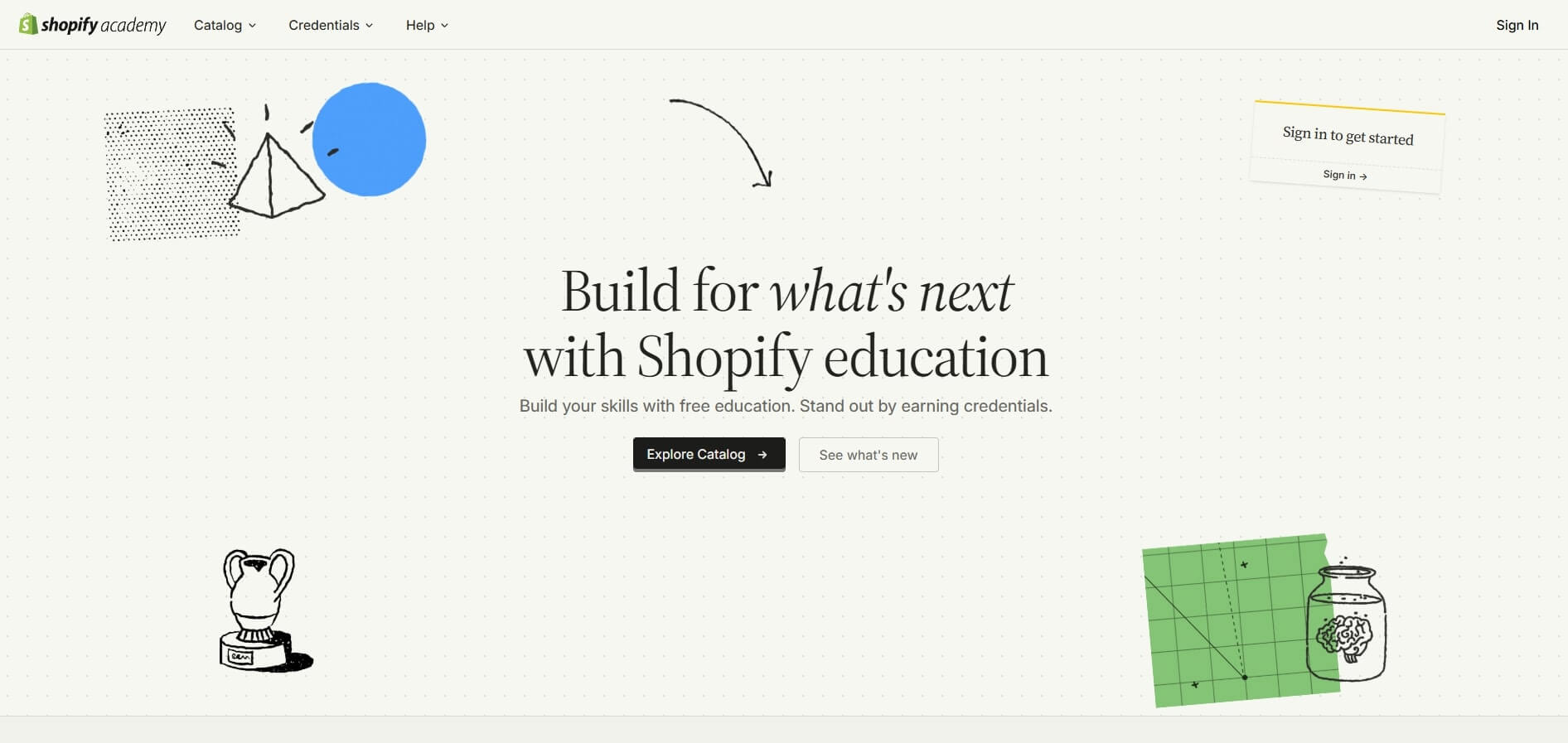
Shopify’s learning platform (formerly Shopify Compass) offers a completely free “Dropshipping 101” course. It covers:
- Setting up a Shopify store
- Basic product research
- Intro to using suppliers like Alibaba
- Branding fundamentals
- Step-by-step, beginner-oriented walkthroughs
With ~29 short lessons taught by Shopify educators, it’s one of the most polished free resources online. If you’re starting from zero, this is the cleanest, most structured entry point into dropshipping.
Best For: Absolute beginners who want a guided introduction without spending anything.
YouTube Channels Offering “Course-Level” Free Training
Some YouTube creators now release full dropshipping courses for free, often more updated than paid programs.
2. The Ecom King (Kamil Sattar)
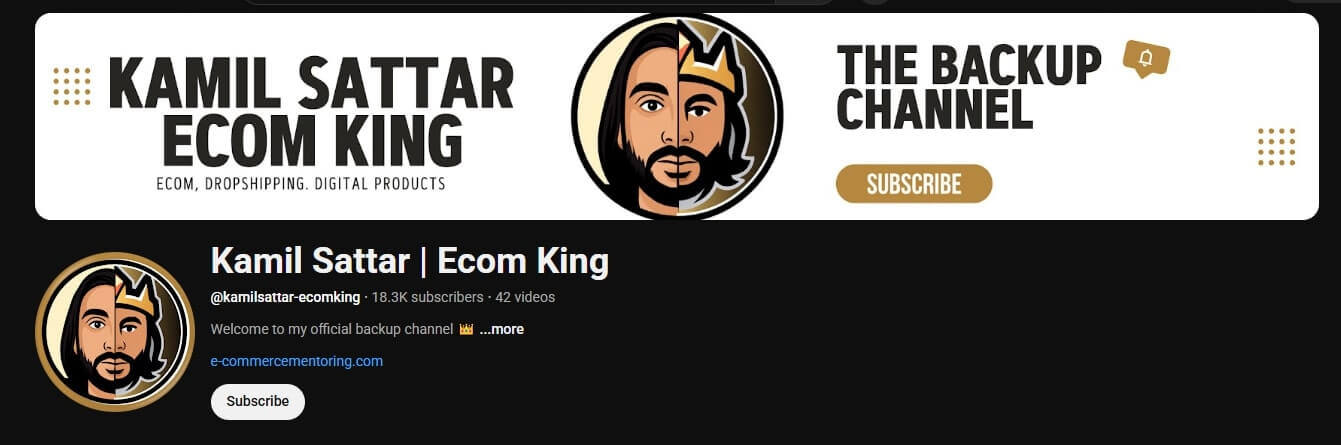
He offers multi-hour, A–Z Shopify blueprints every year. These tutorials cover everything: niche research, TikTok ad strategies, competitor analysis, suppliers, store design… the whole system. Many beginners launch their first store purely from his free content.
3. Learn With Shopify (Official Shopify Channel)
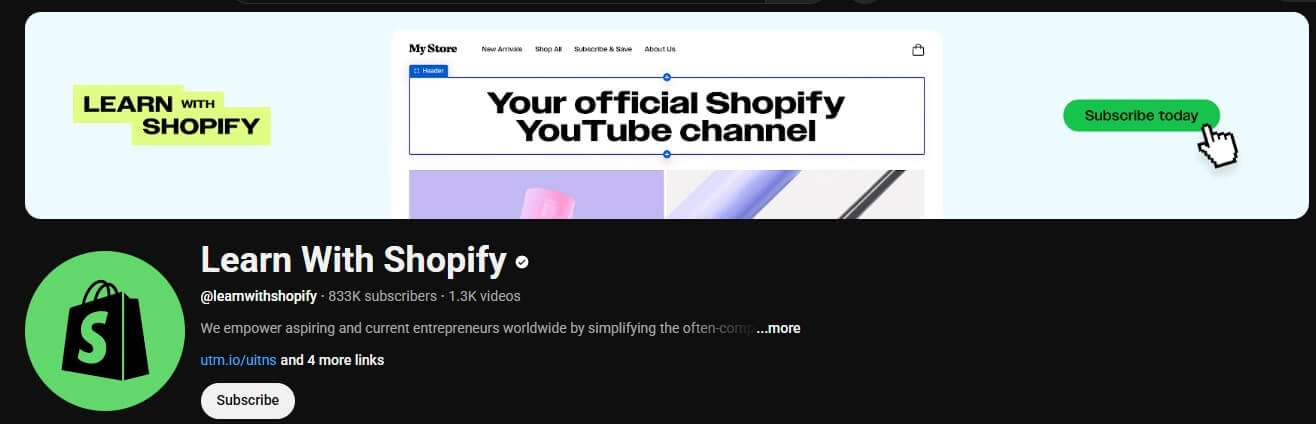
Weekly tutorials on ads, sourcing, product trends, operations, and even interviews with successful merchants. Great ongoing learning.
4. AC Hampton
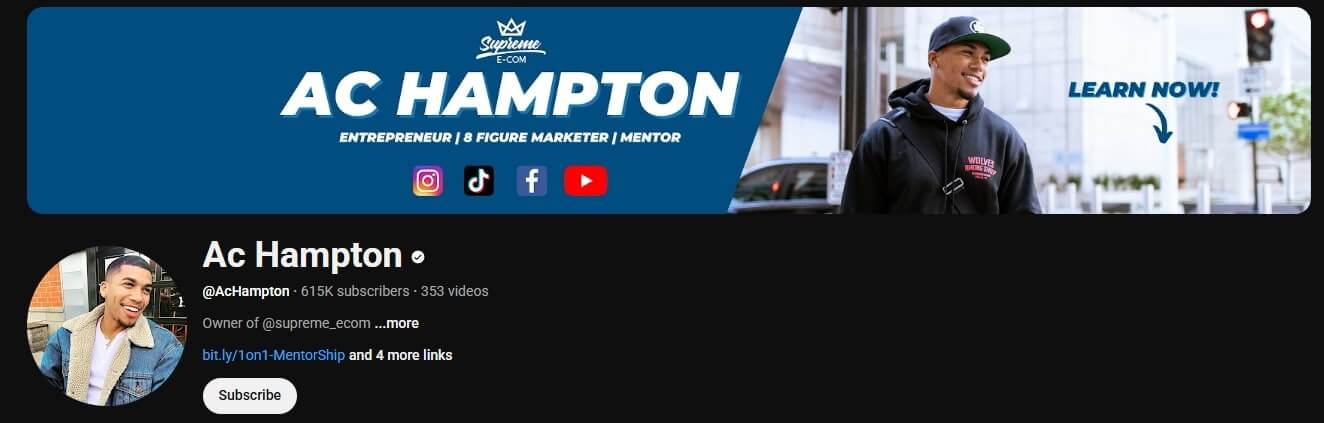
Focuses heavily on product research, ad testing, and scaling frameworks. His videos are tactical and beginner-friendly, again, all free.
Best For: Self-learners who prefer watching long-form, practical lessons rather than reading blog posts.
Other Free Resources Worth Using
These aren’t full “courses,” but they fill important skill gaps:
- AutoDS Free Dropshipping Courses – Basic modules on Shopify, eBay, Amazon, and automation tools.
- Meta Blueprint – Free training from Meta on Facebook/Instagram Ads (the #1 ad platform for beginners).
- Free Udemy Courses – Mixed quality, but some are surprisingly decent; just check reviews.
- Communities & Blogs – Shopify blog, Reddit’s r/dropship, and ecommerce forums often offer more honest insights than paid gurus.
Verdict: Can You Learn Dropshipping for Free?
Yes, you can learn all the basics for free. Free content is more than enough to:
- Set up your store
- Understand niches and market research
- Find initial products
- Launch ads
- Make your first few sales
But here’s the limitation:
Free courses rarely teach the operational side of dropshipping, the part that actually determines whether your store succeeds.
They usually skip:
- How to vet suppliers
- Quality control processes
- What to do during Chinese New Year delays
- Branding, packaging, and fulfillment systems
- How to scale sustainably without burning your ad budget
That’s why most beginners plateau after the first few sales.
Our recommendation: Start with free resources, build a foundation, test the waters, and only consider a paid course once you understand exactly what you need help with (and which claims are unrealistic).
Best Paid Shopify Dropshipping Courses
If you’re ready to invest in your dropshipping education, the paid course landscape is a mixed bag.
Some programs offer genuinely valuable, structured training, others are outdated, overpriced, or overly hyped.
Below is a clear-eyed breakdown of the most respected Shopify dropshipping courses in 2026, including what they actually get right, where they fall short, and how the Reddit community views them.
5. Dropship Lifestyle (DSL) – Anton Kraly’s High-Ticket Flagship Program
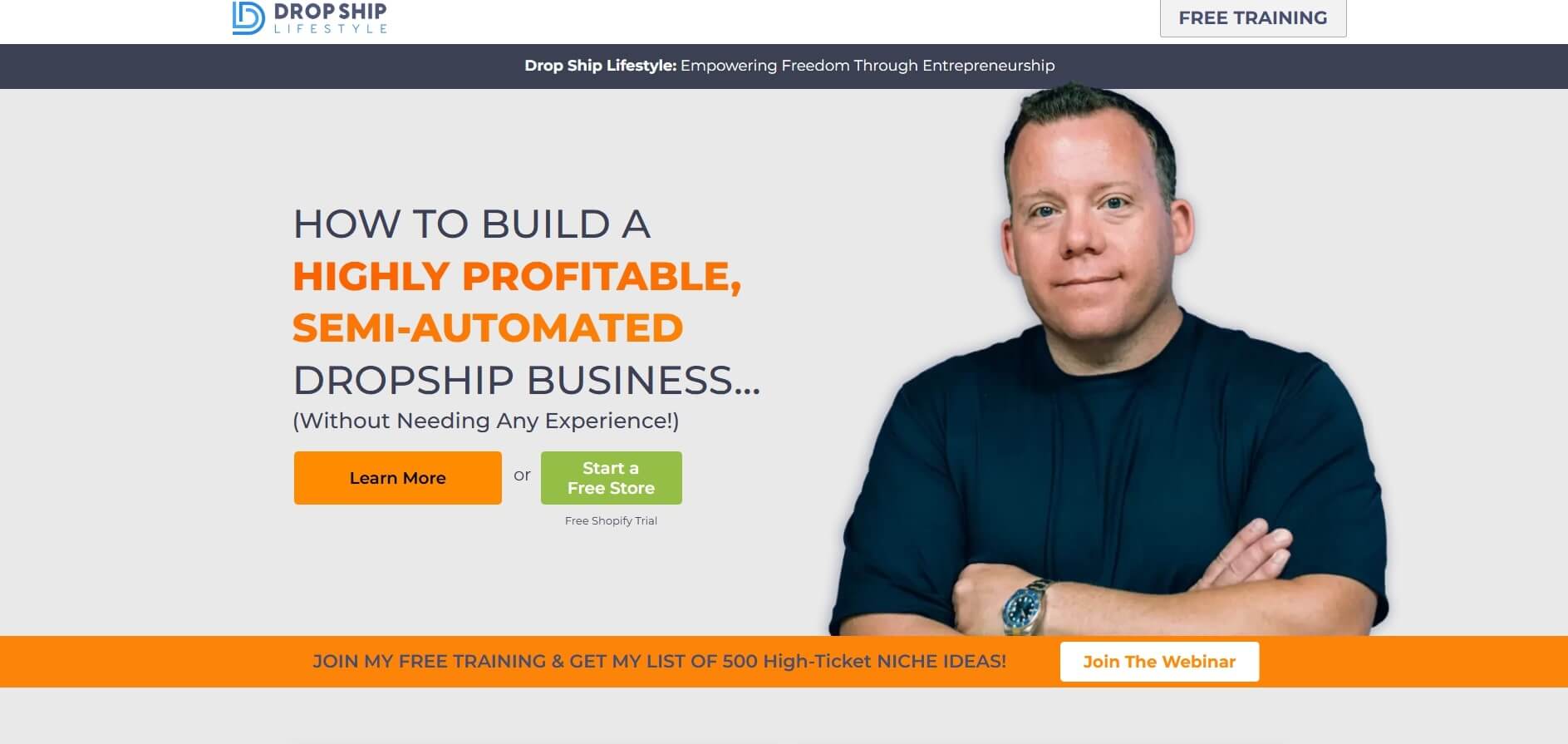
DSL is one of the longest-running and most highly publicized dropshipping courses. Prices typically range from $3,000 to $5,000, depending on the package.
It’s designed for entrepreneurs who want to build a legitimate, long-term ecommerce business, not a quick-flip AliExpress store.
What DSL Teaches
- High-ticket dropshipping ($200–$1000+ items)
- Domestic supplier outreach (no AliExpress)
- Niche research frameworks
- Store building + SEO
- Google Ads / Shopping campaigns
- SOPs, templates, coaching calls, and even an annual retreat
Strengths
- Legitimate business model: DSL promotes high-quality products, vetted suppliers, and customer-first fulfillment, not the impulse-buy gimmicks of low-ticket stores.
- Google Shopping–focused: A big advantage. High-intent traffic through Google is more sustainable than relying solely on social ads.
- Community + support: The private community is active, helpful, and includes store owners doing real revenue.
- Industry reputation: Even Shopify has listed DSL among top ecommerce training options in past roundups.
Weaknesses
- Price: The biggest barrier, DSL is very expensive.
- Narrow focus: If you want low-ticket or social-media-first dropshipping, this isn’t designed for you.
Mixed Reddit sentiment:
- Positive: Many users say DSL is one of the few “legit” programs and not a scam.
- Negative: Others Reddit users argue that the core strategies can be learned cheaper if you’re resourceful.
Who It’s Best For
Serious entrepreneurs with capital who want a long-term, high-ticket Shopify business and prefer structure over trial-and-error.
6. eCom Elites – Franklin Hatchett’s Budget-Friendly Powerhouse
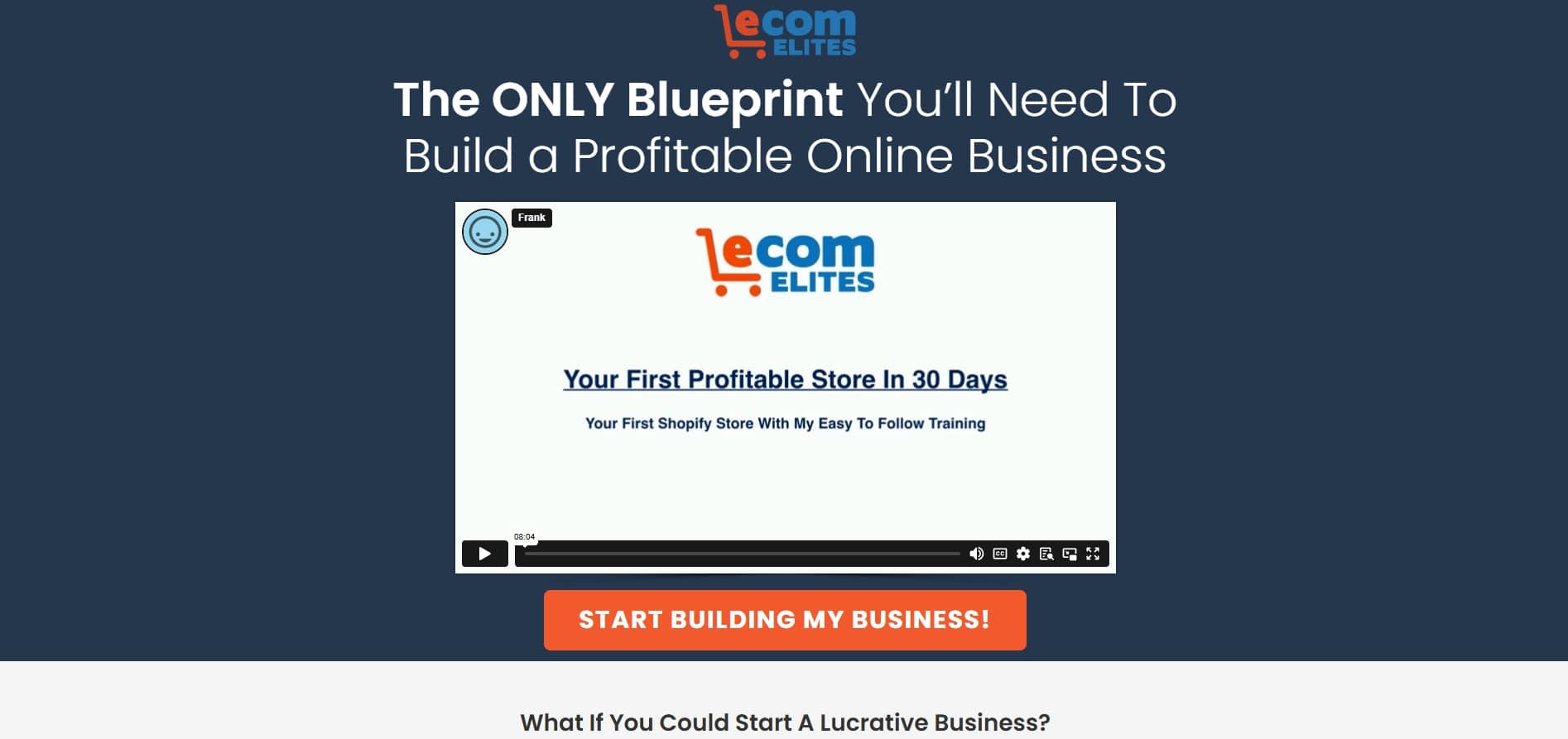
On the opposite end of the price spectrum sits eCom Elites, a fan favorite in the community. At $197–$297, it’s one of the most affordable premium courses, and surprisingly robust.
What eCom Elites Covers
- Store setup
- Product research
- Facebook Ads + Instagram marketing
- Google Ads, SEO, email automation
- Competitor analysis and scaling strategies
- 100–170+ videos depending on version
Strengths
- Unmatched value for the price: Many reviewers say it competes with expensive programs “at a fraction of the cost.”
- Covers a wide variety of traffic sources: Not just Facebook — also Google and SEO.
- Good community support: Includes a student Facebook group.
Strong Reddit Reputation:
- Seen as legit and worth the money
- Recommended repeatedly for beginners
- No “guru hype” attached
Weaknesses
- Some outdated modules: Marketing platforms evolve fast, and certain Facebook Ads lessons don’t fully address 2025–2026 realities (privacy changes, TikTok dominance, UGC-style ads, etc.).
- AliExpress-heavy: Good for starting, but not ideal for long-term customer satisfaction unless you transition to agents or private suppliers.
- No deep supply-chain training: Like most courses, it teaches marketing, not operations.
Who It’s Best For
Beginners who want a high-quality, low-cost foundation in Shopify dropshipping and don’t mind supplementing with updated marketing tutorials.
7. “Brand-Building” Courses – Ecom Blueprint, Inner Circle, Supreme Ecom, etc.
A newer wave of courses focuses on brand-building rather than traditional dropshipping.
These programs aim to teach you how to create a long-term asset instead of chasing one-product fads.
Popular examples include:
- Ecom Blueprint (Gabriel St-Germain)
- Supreme Ecom Blueprint (AC Hampton)
- eCom Inner Circle (Arie Scherson)
Typical cost: $300–$500
What These Courses Emphasize
- Custom-branded stores
- Better product selection criteria
- Influencer marketing + TikTok ads
- Creative strategy and video ads
- Private labeling or improving supplier relationships
- Real examples of turning random products into branded winners
Strengths
- Modern, 2026-relevant training: These creators focus heavily on TikTok, influencers, and creative testing, areas many older courses lack.
- Brand-first mindset: They teach you to build something defensible (better margins, loyal customers, less ad dependency).
- Community support: Weekly Q&As, group chats, and ongoing mentorship are common.
Weaknesses
- Quality varies: Some courses are genuinely strong. Others recycle beginner content with a “branding” label slapped on top.
- Limited operations training: Branding won’t fix poor fulfillment or supplier issues.
- Reddit skepticism: Redditors often argue that branding comes from experience, not from watching videos.
Who It’s Best For
Intermediate dropshippers who already know the basics and want to evolve into brand-building, creative-driven ecommerce.
Our Opinion on Paid Shopify Courses
Paid courses vary wildly in quality, but the best dropshipping courses in 2026 share a few traits:
- They teach real marketing fundamentals
- They avoid AliExpress dependency
- They acknowledge changing ad ecosystems
- They emphasize customer experience
- They don’t promise overnight wealth
But a crucial truth remains:
No paid course solves the biggest reasons stores fail, poor suppliers, slow fulfillment, bad QC, lack of operational systems.Marketing gives you traffic while operations keep your business alive.
The right course can shortcut your learning curve, but your execution, especially your supply chain, will determine whether you actually succeed.
The Reality of High-Ticket Dropshipping
High-ticket dropshipping (selling $1,000+ items) is often pitched as the “Holy Grail.”
The Reddit Consensus: The model is solid, but the “secret” isn’t the course—it’s the supplier. With high-ticket items, you aren’t just clicking buttons. You are acting as a legitimate retailer. A defective $20 gadget is annoying; a defective $1,500 sofa is a financial disaster involving freight returns and chargebacks.
High-ticket works, but only if your backend operations are professional. No course can guarantee a premium supplier will work with you—that comes down to your execution and reputation.
What Most Courses Won’t Tell You (The Missing Link)
Most dropshipping courses can teach you how to build a store, launch ads, and pick a product. But once the orders start rolling in, a harsh truth hits: your store doesn’t rise or fall on ads, it rises or falls on operations.
And operations are the part courses rarely discuss.
This is the “missing link” that separates beginners who burn out in 60 days from sellers who build real, sustainable businesses.
Here are the critical gaps most dropshipping courses simply gloss over:
1. Supplier Reliability & Real Quality Control

Nearly every course gives the same advice: “Check supplier reviews. Order a test sample.”
But that’s barely scratching the surface.
In real ecommerce:
- A single batch of defective products can wipe out your month.
- One supplier delay can trigger chargebacks or account holds.
- Factories rotate staff, change materials, or cut corners without warning.
Courses don’t teach you how to:
- Vet a factory properly
- Understand production risks
- Build redundancy with backup suppliers
- Handle a fulfillment failure at scale
A marketer recording course modules simply does not have the lived operational experience of a sourcing agent.
This is why seasoned dropshippers eventually move toward agents or vetted suppliers who take responsibility for QC and communication.
2. Chinese New Year & The Global Logistics Clock
Every year, China shuts down for 1–2 weeks during Chinese New Year. Factories close. Couriers stop. Ports slow.
Almost no beginner courses explain:
- How far in advance you must prepare
- How to manage inventory around the holiday
- Why certain product categories stall longer than others
- What to tell customers during a logistics freeze
And CNY has only one disruption. There are Golden Week shutdowns, port backlogs, customs delays, and global freight fluctuations.
If you’ve never lived through these cycles before, a course won’t warn you, but your customers will remind you loudly when their packages are late.
3. Branding, Packaging & Customer Experience
Courses are obsessed with the front-end:
ads → clicks → conversions.
But very few discuss what happens after the sale, such as:
- Cheap packaging that ruins first impressions
- Unbranded shipments that erode trust
- Lack of inserts or return instructions
- Zero differentiation from a dozen identical sellers
If your store relies on winning the same product race as everyone else, your packaging and presentation are your brand.
Some advanced courses mention private labeling, but few explain:
- Minimum order quantities
- Lead times for custom packaging
- How to design and source packaging
- How to brand sustainably without overstocking
This is exactly the kind of operational detail real businesses care about, and most courses skip.
4. Scaling Logistics (Where Most Students Break Down)
Courses love telling students to “scale fast.” But scaling fulfillment is a different game entirely.
When you jump from 5 orders a day to 100:
- Does your supplier have enough stock?
- Can they ship consistently and on time?
- How will you handle refunds, replacements, or damaged parcels?
- What happens if you’re still placing orders manually on AliExpress?
This is the moment many course graduates fail. Not because their ads stopped working, but because their logistics couldn’t keep up.
Real scaling involves:
- Switching from AliExpress to direct sourcing
- Moving to bulk ordering or hybrid fulfillment
- Using a 3PL or agent for batch processing
- Automating tracking and customer updates
- Building predictable supply chains
None of that fits neatly into a 10-minute course video.
5. Customer Service, Returns & Reputation Management

Courses treat customer service as an afterthought. In reality, it is half your business.
A single bad week of:
- unanswered emails
- late shipments
- refund delays
- unclear return policies
…can destroy a payment processor relationship or tank your store’s reviews.
Courses rarely teach:
- Dispute management
- Chargeback prevention
- Return flows for international shipments
- Proactive customer communication
- How to turn complaints into loyalty
Dropshipping isn’t just “run ads → make money.” It’s ecommerce, with real customers who expect real service.
The Supply Chain Expert’s Perspective
When you talk to people who’ve actually run successful stores, not just sold courses, a pattern shows up.
Stores don’t usually fail because the owner didn’t watch enough modules or pick the wrong product. They failed because the operational side couldn’t keep up.
That’s the part most courses barely touch.
Things like:
- What happens when a supplier quietly changes materials?
- What do you do when shipping times suddenly double?
- How do you keep customers happy during Chinese New Year?
- Who steps in when you scale from 10 orders a week to 300 and your fulfillment cracks?
This is where a proper sourcing and fulfillment partner actually makes a difference, because the operational problems are real and someone has to own them.
A partner like NicheDropshipping helps with the boring-but-critical pieces courses skip: vetting suppliers properly, checking product quality before it ships, stocking inventory so you’re not hostage to holiday shutdowns, and keeping fulfillment consistent when volume spikes.
FAQs
Are Dropshipping Courses Worth It?
Sometimes, but not for the reasons most people think. A course won’t magically make you successful, and most of the core knowledge (store setup, product research, basic ads) is available for free. Many paid courses are simply expensive repackaging of free tutorials.
Where courses can be useful is structure: a clear roadmap, updated lessons, and maybe mentorship or a community that keeps you on track. Some people genuinely learn better when they pay for accountability.
Can I Learn Dropshipping for Free?
Yes, and many successful sellers did exactly that.
Between Shopify Learn, YouTube channels, Reddit threads, free Udemy courses, and blogs from dropshipping tools, you can learn everything from niche selection to Facebook ads without spending a penny.
The downside? Free information is scattered and not always updated, so you’ll spend more time piecing things together.
A smart approach is: Start with free content → launch your first store → buy a paid course only if you hit a specific roadblock.
What Is the Best Dropshipping Course for Beginners?
For total beginners, the best starter course is actually free: Shopify Learn’s “Dropshipping 101.” Clear, structured, and beginner-friendly.
If you prefer something more in-depth but still budget-friendly, eCom Elites is one of the most consistently recommended beginner courses because of its value for money, comprehensive and only ~$200.
If you’re interested in high-tickets from day one, Dropship Lifestyle (DSL) is the industry leader (though expensive).
For marketplace beginners:
- Dropshipping Titans is best for eBay
- SmartScout’s course is best for Amazon sellers who want a data-driven approach
The “best” course is the one that matches your business model and your budget, beginners should not spend thousands before validating their interest.
Are high-ticket dropshipping courses legit?
Some are, some aren’t. The model itself is legitimate: many real businesses dropship high-value items (furniture, appliances, machinery, etc.). Courses like Dropship Lifestyle have a strong track record and real case studies behind them.
But newer high-ticket courses often ride the hype without delivering the same depth. Reddit sentiment is consistent:
- DSL = respectable but pricey
- Everything else = “be careful and do your homework”
You can learn the fundamentals of high-ticket dropshipping cheaply or even free, but paid programs can help if they offer support, supplier outreach guidance, and Google Ads training (the core of high-ticket).
Just avoid any course that promises “$20k/month in 30 days.”
Do I still need a supplier or agent if I take a course?
Without question, yes. A course teaches concepts while a supplier or agent fulfills actual orders.
Even the best course cannot guarantee:
- fast shipping
- consistent product quality
- proper item tracking
- stock availability
- reliable communication
These are the things that make or break a store. Most courses give you a supplier list or recommend AliExpress, but real success requires building your own supplier relationships, or working with an agent like NicheDropshipping who manages QC, sourcing, and fulfillment on your behalf.
How do I know if a dropshipping course is outdated?
Look for these red flags:
- No mention of TikTok, iOS privacy changes, or modern ad strategies
- Only teaches AliExpress → Facebook ads → scale (a 2018 playbook)
- Stale communities (Facebook groups with no recent activity)
- No updates since 2021–2022
- Generic promises like “find a winning product and print money”
- Doesn’t address branding, shipping times, or supplier quality
If you’re unsure, simply hop on Reddit and ask, people are brutally honest and usually quick to reveal whether a course has kept up with the times.
An outdated course can still teach fundamentals, but you’ll need to supplement it with current strategies from free resources.
Final Thoughts
Dropshipping courses can teach you the fundamentals, store setup, product research, ads, and strategy.
What they can’t do is run your business. Real success comes from pairing what you learn with strong execution and a reliable supply chain.
In practice, that equation looks like this: Course Knowledge + Solid Operations = A Sustainable Dropshipping Business.
Marketing gets you customers. Your supply chain keeps those customers happy.
That’s where NicheDropshipping comes in. While you apply what you’ve learned, testing products, building a brand, scaling store traffic, we handle the operational side: sourcing, factory vetting, quality checks, warehousing, and fast fulfillment.
If you’re ready to stop learning in theory and start executing with confidence, reach out to NicheDropshipping.
We’ll help you source better products, ship faster, and build the kind of backend that makes your business actually work. Request a sourcing quote today.