Yes, you can start dropshipping with no money, but only if you treat it as a lean validation model, not a shortcut to instant profit.
The basic idea is simple: you list a product online first, attract customers through free marketing channels, collect payment from the customer, and then use that payment to buy the product from your supplier. The supplier ships the order directly to your customer, so you do not need to buy inventory upfront.
But “no money” does not mean “no work” or “no costs forever.” You may still need to pay for things later, such as a custom domain, payment processing fees, product samples, returns, or a proper ecommerce platform once your free trial ends.
Key Takeaways
- You can start dropshipping without buying inventory upfront because customers pay before you place the supplier order.
- The $0 route depends heavily on free traffic, especially TikTok, Instagram Reels, Pinterest, and other organic channels.
- Free suppliers like AliExpress, CJ Dropshipping, and sourcing partners like NicheDropshipping can help you start without platform membership fees.
- Your biggest investment will be time: product research, content creation, store setup, and customer support.
- Once you get your first sales, the smarter move is to reinvest profits into a domain, samples, better branding, and more reliable fulfillment.
Pros and Cons of Starting Dropshipping With No Money
Starting dropshipping with no money is possible, but the trade-off is simple: you save cash by spending more time. Instead of paying for ads, premium tools, or a polished store setup, you rely on free platforms, manual product research, and organic content to test whether people actually want the product.
| Pros | Cons |
| Low financial risk: You do not need to buy inventory upfront or rent warehouse space. | Slow early traction: Without paid ads, it can take time to get consistent traffic and sales. |
| Beginner-friendly: You can learn product research, supplier communication, and marketing without committing a large budget. | More manual work: You may need to create content daily, test products manually, and handle customer questions yourself. |
| Easy product testing: You can list and test different products before investing in samples, branding, or bulk inventory. | Limited branding: Free tools and basic store setups may look less professional than a fully branded ecommerce site. |
| No inventory risk: If a product does not sell, you are not stuck with unsold stock. | No cash buffer: Refunds, returns, or delayed supplier issues can be stressful when you have no spare budget. |
| Organic marketing can build long-term value: TikTok, Instagram, Pinterest, and YouTube Shorts can keep bringing traffic if the content performs well. | Lower control over fulfillment: Free-to-start suppliers may vary in shipping speed, product consistency, and communication quality. |
The zero-budget route is best for testing. It helps you learn what sells, what customers ask about, and which products are worth building around.
Once you start getting orders, avoid spending the profit immediately. Reinvest it into the basics that improve trust and reliability: a custom domain, product samples, better creatives, packaging improvements, and eventually a stronger fulfillment partner.
What Do You Need to Start Dropshipping for Free?
To start dropshipping for free, you need five things: a product idea, a free-to-start supplier, a selling channel, a payment method, and a free traffic source. You do not need inventory, a warehouse, or a large upfront budget.
| What You Need | Free or Low-Cost Option | Why It Matters |
| Product idea | TikTok search, Google Trends, Amazon Best Sellers, AliExpress trending products | Helps you find products people are already interested in |
| Supplier | AliExpress, CJ Dropshipping, NicheDropshipping | Lets you fulfill orders without buying stock upfront |
| Selling channel | Shopify trial, Square Online free plan, TikTok Shop, Facebook Marketplace, Instagram | Gives customers a place to buy or contact you |
| Payment method | Stripe, PayPal, Shopify Payments, platform checkout | Allows you to collect payment before placing the supplier order |
| Organic traffic source | TikTok, Instagram Reels, Pinterest, YouTube Shorts, Facebook groups | Helps you get visitors without paying for ads |
Each part connects to the next. You find a product, choose a supplier, create a place to sell it, set up payments, and then use organic content to bring in your first visitors.
Step 1: Find a Profitable Product Without Paid Tools
Start with free product research instead of paid software. Your goal is to find a product with clear demand, simple content potential, and enough margin after product cost, shipping, and payment fees.
You can use free sources such as TikTok search, Google Trends, Amazon Best Sellers, AliExpress trending products, and free tiers of product research tools.
A good zero-budget dropshipping product usually has three qualities:
- It is easy to demonstrate in short videos.
- It solves a clear problem or creates an emotional impulse.
- It is not too expensive, fragile, oversized, or difficult to ship.
Avoid products that are highly regulated, easily damaged, or likely to create safety concerns. These products may look profitable at first, but they can lead to refunds, shipping issues, and customer complaints.
Step 2: Choose Free Dropshipping Suppliers
Choose a supplier that lets you start without buying inventory upfront. Supplier choice matters because customers will judge your store based on delivery speed, product quality, and tracking updates.
Common free-to-start supplier options include AliExpress, CJ Dropshipping, and NicheDropshipping. AliExpress is useful for testing single-item orders, CJ Dropshipping offers product sourcing and fulfillment options, and NicheDropshipping can help with sourcing, purchasing, packing, and shipping from China without upfront platform membership fees.
Before listing a product, check the supplier’s reviews, shipping options, processing time, tracking availability, and refund policy. Slow replies or unclear shipping details are usually warning signs.
Step 3: Set Up a Store or Selling Channel Without Paying Upfront
You do not need a fully paid Shopify store on day one. Your first goal is to create a simple place where customers can understand the product and place an order.
Free or low-cost to start dropshipping options include Shopify trial or promo plans, Square Online’s free plan, TikTok Shop, Facebook Marketplace, Instagram, or direct selling through TikTok/Instagram DMs.
A basic product page should include:
- A clear product title
- Product images or videos
- A simple description
- Delivery estimate
- Refund policy
- Common questions
Free setups may limit branding, custom domains, or checkout control. That is fine in the beginning. Focus on proving demand before spending money on store design.
Step 4: Set Up Payments and a Simple Order Process
You need a way to collect payment before placing the supplier order. Depending on your platform, this may be Stripe, PayPal, Shopify Payments, Square Payments, TikTok Shop checkout, or another built-in payment method.
Your order process should be simple:
- Customer places an order.
- You receive the payment.
- You place the order with your supplier.
- Supplier ships the product to the customer.
- You send tracking details once available.
Do not spend the full customer payment immediately. Keep enough aside for supplier cost, payment fees, refunds, or shipping issues. This matters even more when starting with no cash buffer.
Step 5: Drive Traffic With Organic Marketing Instead of Ads
If you are starting with no money, organic marketing is your main growth channel. You are replacing ad spend with content creation, testing, and consistency.
The best free traffic channels for beginners are usually TikTok, Instagram Reels, Pinterest, YouTube Shorts, and Facebook groups.
Your content should show the product in use, not just announce that it exists. Strong content angles include:
- Before-and-after product demos
- “3 reasons this is useful” videos
- Product comparison videos
- Common customer questions
- Problem/solution clips
- Packaging or order-prep videos once you start getting sales
Organic dropshipping takes patience. Most posts will not go viral, and that is normal. The goal is to test angles, watch what gets engagement, and repeat the formats that bring clicks, questions, and sales.
The best way to start dropshipping with no money is to treat the first 30 days as a validation period. Your goal is not to build a perfect brand immediately. Your goal is to find one product, test demand, create content, and get your first signs of interest without spending on ads.
Week 1: Research Your Niche and Product
Use the first week to find a product that is realistic for zero-budget dropshipping. Look for products that are easy to explain, easy to demonstrate, and simple to ship.
Focus on:
- Searching TikTok, Instagram Reels, Amazon Best Sellers, and AliExpress trending products
- Shortlisting 5–10 product ideas
- Checking product cost, shipping time, reviews, and supplier availability
- Avoiding fragile, oversized, branded, copyrighted, or highly regulated products
- Choosing one main product to test first
By the end of Week 1, you should have one product, one backup product, and a clear idea of who would buy it.
Week 2: Set Up Your Store or Selling Channel
Use the second week to create a basic selling setup. This does not need to be perfect, but it should look trustworthy enough for a customer to place an order.
Set up:
- A simple product page or marketplace listing
- Clear product photos or videos
- A short product description focused on benefits
- Delivery time expectations
- Refund or return policy
- Payment method
- Supplier order process
If you are using Shopify, this is where you can use a trial or promo plan. If you want to stay closer to $0, you can start with Square Online, TikTok Shop, Facebook Marketplace, or social selling through Instagram/TikTok.
By the end of Week 2, customers should be able to understand the offer and place an order.
Week 3: Start Posting Organic Content
Use the third week to test content angles. Do not wait until your store feels perfect. Organic marketing works through volume, testing, and repetition.
Post short videos or visuals around:
- The problem your product solves
- Before-and-after use cases
- Product demonstrations
- “Things you did not know you needed” angles
- Gift ideas
- Comparison content
- Frequently asked questions
Aim to post consistently across one or two channels instead of spreading yourself too thin. TikTok and Instagram Reels are usually best for visual products, while Pinterest can work well for home, beauty, fashion, gifts, and organization products.
By the end of Week 3, you should know which hooks, formats, or product angles are getting the most attention.
Week 4: Improve, Repeat, and Push for Your First Sales
Use the final week to improve based on real signals. Look at which posts received views, saves, comments, profile visits, website clicks, or direct messages.
Then adjust:
- Your product page headline
- Product images or videos
- Pricing
- Shipping information
- FAQs
- Content hooks
- Call-to-action
If people are asking questions but not buying, your offer may need more trust signals or clearer delivery information. If content gets views but no clicks, your product may be interesting but not urgent enough. If nobody engages at all, test a different hook or product angle before assuming the whole idea failed.
By the end of 30 days, you should have one of three outcomes:
| Outcome | What It Means | Next Step |
| You get sales | The product has early demand | Reinvest profits into samples, domain, better content, and fulfillment |
| You get interest but no sales | The product may need better positioning | Improve the offer, page, price, or trust signals |
| You get no traction | The product or content angle may be weak | Test a new product or niche before spending money |
The main rule is simple: do not scale until you have evidence. With no-money dropshipping, your first 30 days should help you prove whether the product deserves more time, content, and eventually budget.
How to Handle Orders, Returns, and Refunds With No Cash Buffer
When you start dropshipping with no money, cash flow matters as much as product choice. You may collect payment before placing the supplier order, but that does not mean the full amount is profit. Part of that money belongs to the supplier, part may go to payment fees, and part should be kept aside for possible refunds or delivery issues.
Keep Customer Payments Separate From Profit
The biggest mistake is treating every sale as money you can spend.
For each order, mentally split the payment into:
- Supplier cost
- Shipping cost
- Payment processing fees
- Possible refund or return buffer
- Actual profit
For example, if a customer pays $30 and the product costs $14 with shipping, you do not have $30 in profit. You may only have a small margin after fees and fulfillment. Until the order is delivered, avoid spending that margin too aggressively.
Choose Products With Low Return Risk
If you have no cash buffer, avoid products that are likely to create complaints.
Be careful with:
- Fragile products
- Expensive electronics
- Complex sizing products
- Products with unclear quality claims
- Items that depend heavily on color, texture, or exact measurements
- Products with long or unpredictable shipping times
Beginner-friendly products are usually simple, lightweight, easy to understand, and cheap enough to replace if something goes wrong.
Set Clear Shipping Expectations
Many refund requests happen because customers do not know what to expect.
Before they buy, make the delivery timeline clear on the product page, checkout page, and order confirmation email. If shipping usually takes 8–15 business days, say that clearly instead of hiding it.
This may reduce impulse purchases, but it also reduces angry refund requests later.
Have a Simple Refund and Return Policy
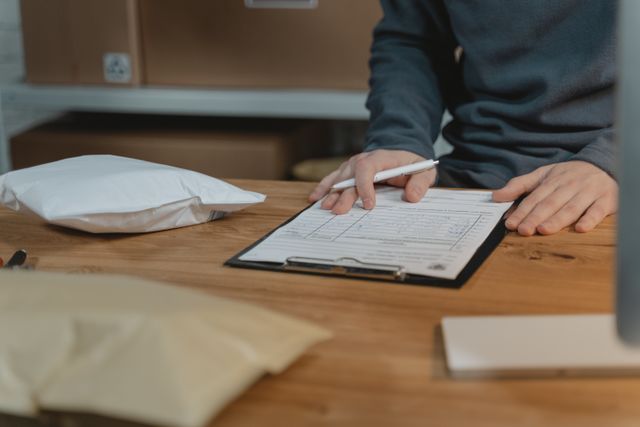
You need a refund policy before your first sale, even if your store is small.
Keep it simple and clear:
- When customers can request a refund
- Whether returns are accepted
- Who pays return shipping
- What happens if the item arrives damaged
- What happens if tracking shows the order was delivered
- How long refunds take to process
Your policy should also match your supplier’s actual return and refund terms. Do not promise free returns or instant refunds if your supplier does not support them.
Contact the Supplier Before Refunding Too Quickly
If a customer complains, do not panic-refund immediately unless the issue is obvious. First, collect the order number, photos or videos if the item is damaged, and tracking details if the order is delayed.
Then contact the supplier and ask what they can offer. In some cases, the supplier may provide a replacement, partial refund, or updated tracking information.
A simple workflow looks like this:
- Customer reports an issue.
- You ask for clear details, photos, or tracking information.
- You contact the supplier.
- Supplier confirms replacement, refund, or delivery update.
- You update the customer with the next step.
This helps you avoid paying out of pocket before checking what support is available.
Build a Small Buffer From Your First Sales
Once you start getting orders, set aside part of your profit instead of reinvesting everything immediately.
Even a small buffer helps cover:
- Refunds
- Replacement orders
- Return shipping
- Payment disputes
- Product samples
- Better suppliers or faster shipping options
A good rule for beginners is to keep a portion of early profits untouched until orders are delivered successfully. This gives you room to solve customer issues without freezing your business.
The zero-budget model works best when you stay conservative. Get paid, fulfill the order, confirm delivery, and only then treat the remaining margin as usable profit.
Free dropshipping is free to start, but it is not free forever. Once you begin getting traffic and orders, small costs appear through domains, payment fees, returns, samples, apps, and platform upgrades.
Here are the costs beginners should plan for:
| Hidden Cost | Typical Range | When It Appears | Why It Matters |
| Domain name | Around $10–$20/year | When you want a branded store | A custom domain looks more trustworthy than a free platform URL |
| Payment processing fees | Usually a small percentage per order | On every sale | Stripe, PayPal, Shopify Payments, and other gateways take a cut before you receive funds |
| Ecommerce platform fees | Free trial, promo, or monthly plan | After your trial or free plan limits end | A proper store usually needs paid features as you grow |
| Product samples | Varies by product | Before scaling a product | Helps you check quality, packaging, photos, and delivery experience |
| Returns and refunds | Varies by case | When customers complain or receive damaged items | You may need to refund before the supplier reimburses you |
| Apps and tools | Free to paid plans | When you need reviews, email, upsells, analytics, or automation | Useful later, but not necessary on day one |
| Content creation costs | Free to low-cost | When you want better creatives | You can start with a phone, but samples, props, or editing tools may help later |
The most important hidden cost is cash flow. Even if you collect payment first, you may not receive the money instantly. Payment processors can hold funds, customers can request refunds, and suppliers still need to be paid on time.
This is why beginners should avoid pricing products too tightly. If a product sells for $25 and costs $18 to buy and ship, the margin may disappear after payment fees, refunds, or replacement costs. A product that looks profitable on paper can become stressful if there is no room for mistakes.
You do not need to pay for everything at once. A better approach is to reinvest in this order:
- Custom domain to make the store look more trustworthy.
- Product sample to check quality and create original content.
- Better product page with clearer images, FAQs, and shipping details.
- Improved fulfillment through faster shipping or a more reliable sourcing partner.
- Paid ads or tools only after organic content shows real demand.
So yes, you can start dropshipping with no money, but the goal should be to move from “free testing” to “smart reinvestment.” Your first sales should help you build a small buffer, improve the customer experience, and make the business more stable before you scale.
8 Common Beginner Mistakes to Avoid
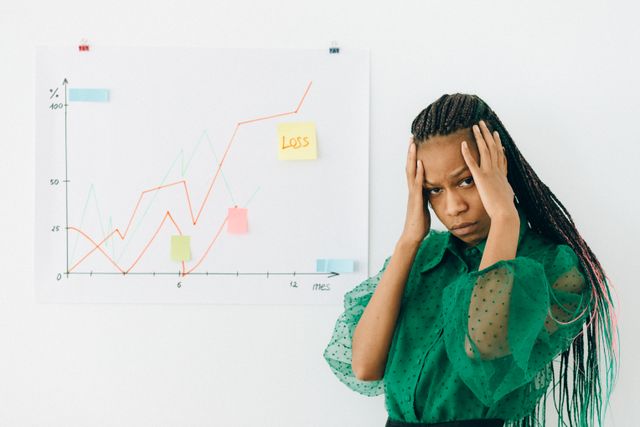
The biggest mistake in no-money dropshipping is assuming that low startup cost means low effort. When you do not have a budget for ads, samples, premium apps, or professional branding, you need to be more careful with product choice, supplier checks, pricing, and customer expectations.
- Choosing a product just because it looks viral: A viral product is not always a profitable product. Some products get views because they are strange, funny, or satisfying to watch, but that does not mean people will actually pay for them. Before choosing a product, check whether it has a clear use case, real demand, enough margin, and more than one content angle.
- Ignoring supplier reliability: Your supplier affects product quality, shipping speed, tracking updates, and customer satisfaction. Before listing a product, check supplier reviews, shipping options, processing time, refund terms, and recent order activity. If the supplier is slow or unclear before you send orders, expect bigger problems later.
- Selling products with weak margins: Low-cost products can look easy to sell, but small margins leave little room for payment fees, refunds, discounts, or replacement orders. A product that sells for $15 but costs $10 to buy and ship may not be worth the effort after fees and customer support.
- Making the store look untrustworthy: Even a free or low-cost store needs to feel safe. Customers may leave if the product page looks rushed, vague, or copied from a supplier listing. At minimum, include clear product photos or videos, simple benefits, shipping estimates, refund policy, contact information, and basic FAQs.
- Copying supplier descriptions word for word: Supplier descriptions are often written for marketplaces, not your target customer. They may be too technical, poorly translated, or missing the actual reason someone should buy. Rewrite them in simple language and explain what the product does, who it is for, and what problem it solves.
- Expecting organic content to work immediately: Organic marketing is free, but it is not instant. Most posts will not bring sales in the beginning. Test different hooks, formats, and angles before giving up. One product can be presented as a problem-solver, gift idea, home hack, travel essential, or comparison video.
- Hiding long shipping times: Hiding delivery timelines may increase short-term orders, but it usually creates refund requests later. Be clear about shipping before checkout. A realistic estimate may reduce some impulse purchases, but it protects your store from complaints and chargebacks.
- Spending your first profits too quickly: Your first few sales can feel exciting, but that money is not pure profit. You may still need to cover supplier costs, payment fees, refunds, samples, or delayed orders. Set aside part of your early profits as a small buffer before reinvesting into domains, samples, creatives, or better suppliers.
How to Scale After Your First Free Dropshipping Sales
Once you get your first dropshipping sales, your goal should shift from “starting for free” to “reinvesting carefully.” Free dropshipping is useful for testing demand, but scaling requires better trust, better fulfillment, and a more reliable customer experience.
Here is the smartest order to reinvest your early profits:
- Buy a custom domain: A custom domain makes your store look more trustworthy than a free subdomain or marketplace-only setup. It is usually one of the first small upgrades worth making.
- Order a product sample: A sample helps you check product quality, packaging, shipping time, and the real customer experience. It also gives you original photos and videos for organic content.
- Improve your product page: Use what customers asked during your first sales to improve the page. Add clearer benefits, better images, FAQs, delivery estimates, size details, use cases, and refund information.
- Double down on the content that worked: Look at which posts brought clicks, comments, DMs, or sales. Create more content around the same hook, problem, audience, or product angle instead of constantly switching products.
- Upgrade fulfillment where possible: If orders become consistent, supplier reliability becomes more important. This is where working with a sourcing and fulfillment partner like NicheDropshipping can help with product sourcing, purchasing, packing, and shipping from China, especially when manual supplier handling starts taking too much time.
- Build a small refund and replacement buffer: Do not spend every dollar on growth. Keep part of your profit aside for refunds, reshipments, delayed orders, or payment holds. A small cash buffer protects your store when something goes wrong.
- Test paid ads only after organic demand is proven: Paid ads should not be your first move if you have no proof of demand. Once organic posts show that people click, ask questions, and buy, you can test a small ad budget using your best-performing content as creative.
The main idea is to scale from evidence, not excitement. Your first sales tell you that the product has potential, but your next step is to make the offer more trustworthy, the fulfillment more stable, and the customer experience easier to repeat.
Final Recommendation: Is the Zero-Budget Route Right for You?
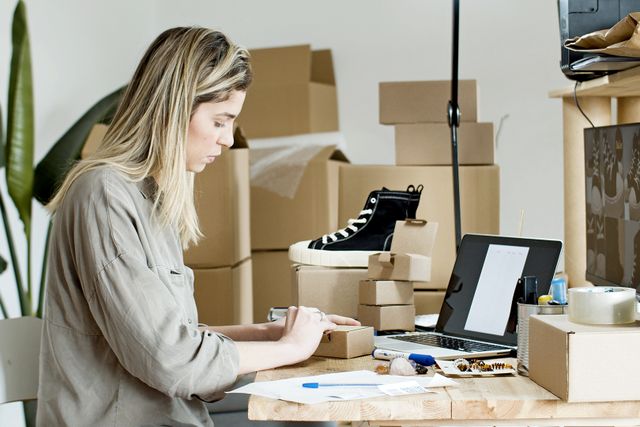
The zero-budget dropshipping route is right for you if you have more time than money. It works best when you are willing to research products manually, create organic content consistently, talk to customers, and improve your offer based on real feedback.
Choose this route if:
- You want to test ecommerce without taking a big financial risk.
- You are comfortable creating TikTok, Instagram, Pinterest, or YouTube Shorts content.
- You can stay patient while organic traffic builds.
- You are willing to handle customer service and supplier communication yourself.
- You understand that your first goal is validation, not instant profit.
This route may not be right for you if you need fast results. Without a budget for ads, samples, branding, or premium product research tools, growth is usually slower and more hands-on. You may also face challenges with cash flow if refunds, returns, or supplier delays happen before you have a buffer.
A balanced approach is usually best: start lean, test demand for free, then reinvest your first profits into the parts of the business that improve trust and fulfillment. That means a custom domain, product samples, better product pages, clearer content, and more reliable supplier support.
If you want to reduce the manual work as orders grow, NicheDropshipping can help with product sourcing, purchasing, packing, and shipping from China, so you can move from testing products to building a more stable dropshipping operation.
FAQs
What is the easiest item to dropship?
The easiest items to dropship are usually lightweight, simple, non-fragile products with clear everyday use. Examples include phone accessories, home organization items, beauty tools, pet accessories, kitchen gadgets, and small fitness products. Avoid products with complex sizing, safety risks, or high return rates when you are starting with no money.
Why do so many dropshippers fail?
Many dropshippers fail because they choose weak products, use unreliable suppliers, copy generic product pages, underestimate shipping issues, or expect quick results from organic content. Dropshipping has a low barrier to entry, but it still requires product research, customer service, supplier checks, and consistent marketing.
Can I make $10,000 per month dropshipping?
Yes, some dropshippers can reach $10,000 per month, but it is not a realistic starting expectation. To reach that level, you usually need a proven product, strong margins, reliable fulfillment, consistent traffic, and enough cash flow to handle ads, refunds, tools, and scaling costs.
Does Amazon ban dropshipping?
Amazon does not ban dropshipping completely, but it has strict rules. You must be the seller of record, identify yourself as the seller on invoices and packing slips, and handle customer service and returns. You cannot simply ship orders from another retailer in a way that shows a third-party seller to the customer.
What sells a lot on Shopify?
Products that often sell well on Shopify include beauty tools, fashion accessories, fitness products, home organization items, pet products, kitchen gadgets, hobby products, and personalized gifts. The best product depends on demand, margins, supplier reliability, and how well you can market it through content or ads.
Do I need a business license for dropshipping?
It depends on your country, state, and selling platform. Many beginners start testing before formally registering, but once you get consistent sales, you may need a business license, tax registration, resale certificate, or sales tax setup. Check your local rules before scaling.