When you import products from suppliers, the description is rarely ready to publish.
You might get a title that is too long, a few awkward bullet points, missing specs, and a description that sounds like every other store selling the same item. Technically, you can upload it to Shopify or Amazon. But customers can usually tell when a listing has been copied straight from a supplier page.
That is where an AI product description generator is useful. It helps you turn rough supplier copy into clearer product pages, better bullets, SEO-friendly meta descriptions, and platform-specific listing content.
In this guide, we’ll show how we would use AI to rewrite dropshipping product descriptions, which free and paid tools are worth considering, and how to format the output for Shopify, Amazon, eBay, Etsy, and WooCommerce.
Key Takeaways
- An AI product description generator can help dropshippers turn weak supplier copy into cleaner, SEO-friendly product listings much faster than writing everything from scratch.
- Free tools like ChatGPT, Ahrefs, and Shopify Magic are usually enough for beginners or stores with a smaller catalog.
- Paid AI tools become more useful when you manage a large SKU catalog, sell across multiple platforms, or need a consistent brand voice.
- The best workflow is not just “generate a description.” It is: collect supplier data, audit missing specs, rewrite with AI, format for each platform, then review before publishing.
- AI should never be used blindly. Product specs, materials, dimensions, compatibility, and claims still need human review.
- Better supplier data leads to better AI output, which is why sourcing and product data quality matter before you even start writing descriptions.
What Is an AI Product Description Generator?

An AI product description generator is a tool that creates ecommerce copy from basic product inputs such as the product name, features, specifications, keywords, target audience, or product images.
Instead of writing from scratch, you give the AI raw product details, and it turns them into a cleaner product description, feature bullets, headlines, SEO meta descriptions, or platform-specific listing copy.
For dropshippers, the input is often supplier data from AliExpress, 1688, or a private supplier catalog. That may include a rough product title, basic specs, awkward English, and a few product images.
The AI then uses natural language processing and large language models to structure that information into copy that sounds more natural and easier for customers to understand.
In simple terms, the process looks like this:
- Input: You provide the product name, supplier description, key specs, target customer, keywords, and tone.
- Processing: The AI rewrites and organizes the information into clearer ecommerce language.
- Output: You get a product description, feature bullets, SEO title, meta description, or platform-ready listing draft.
The important thing is that AI does not replace product accuracy. It can improve the wording, but you still need to check that the final description matches the actual product, especially for dimensions, materials, compatibility, and performance claims.
Why Do Dropshippers Need AI Product Descriptions?
Most dropshippers do not start with polished product copy.
In practice, the first version of a product description often comes from the supplier. That copy may be enough to understand the product internally, but it is usually not strong enough to convince a customer to buy.
Here are the common issues we see when working with supplier product data.
1. Broken English
A supplier description may say something like:
“Good quality bag nice color for travel and school.”
The meaning is clear enough, but it does not build trust. Customers may assume the product page is low quality, even if the product itself is fine. AI can rewrite this into something more natural: “Lightweight travel backpack with a clean everyday design, suitable for school, short trips, commuting, and casual use.”
2. No SEO Structure
Many supplier descriptions do not include search-friendly terms. They may describe the product vaguely without using words customers actually search for.
For example, a supplier might call a product “kitchen useful tool.” A buyer may search for “silicone pasta strainer,” “clip-on pot strainer,” or “collapsible kitchen strainer.”
AI can help you include relevant keywords naturally, but only if you give it the right product details and keyword direction.
This is also where product research matters. If you are still choosing what to sell, it is worth reviewing a proper dropshipping product research process before building listings at scale.
3. Generic Copy Used by Competitors
A lot of dropshippers import the same product from the same supplier and keep the same description.
That creates two problems.
First, your product page looks almost identical to competitors. Second, customers do not get a clear reason to buy from your store instead of another seller.
AI helps you rewrite the description around a specific customer, use case, or brand angle.
For example:
- For a travel store: “Compact organizer for carry-on bags and weekend trips.”
- For a home office store: “Cable management box for cleaner desks and remote work setups.”
The product may be similar, but the positioning becomes more specific.
4. Missing Specs
This is the biggest risk.
AI can make your copy sound better, but it cannot magically know missing product details. If the supplier does not provide size, material, voltage, compatibility, capacity, or care instructions, AI may guess unless you tell it not to.
That can lead to returns, complaints, and bad reviews.
Before using any AI product description generator, check whether the supplier data is complete enough. If not, ask your supplier or sourcing agent for clearer specs first.
Supplier Copy vs AI-Rewritten Copy
Here is a simple example of how supplier-style copy can be improved.
| Supplier-Style Copy | AI-Rewritten Product Copy |
| “Good quality bag nice color for travel.” | “Lightweight travel backpack with a clean everyday design, suitable for commuting, school, weekend trips, and daily carry.” |
| “Useful kitchen tool easy to use.” | “Clip-on kitchen strainer designed to help drain pasta, vegetables, and washed fruit without needing a separate colander.” |
| “Pet brush glove remove hair comfortable.” | “Soft pet grooming glove that helps remove loose fur while giving cats and dogs a gentle massage during brushing.” |
| “Phone case fashion shockproof nice.” | “Slim shock-resistant phone case with a stylish finish, designed to protect against everyday scratches, bumps, and drops.” |
These are not meant to be final product pages. They are examples of the direction AI can take when the raw supplier copy is weak.
The final version still needs product-specific checks. If the phone case is not actually drop-tested, do not say “drop-tested.” If the backpack is not waterproof, do not call it waterproof. Use “water-resistant” only if the material supports that claim.
Best AI Product Description Generators for Dropshippers
There are many AI writing tools, but dropshippers do not need a giant list of 20 options.
The better question is: which tool fits your store stage?
ChatGPT
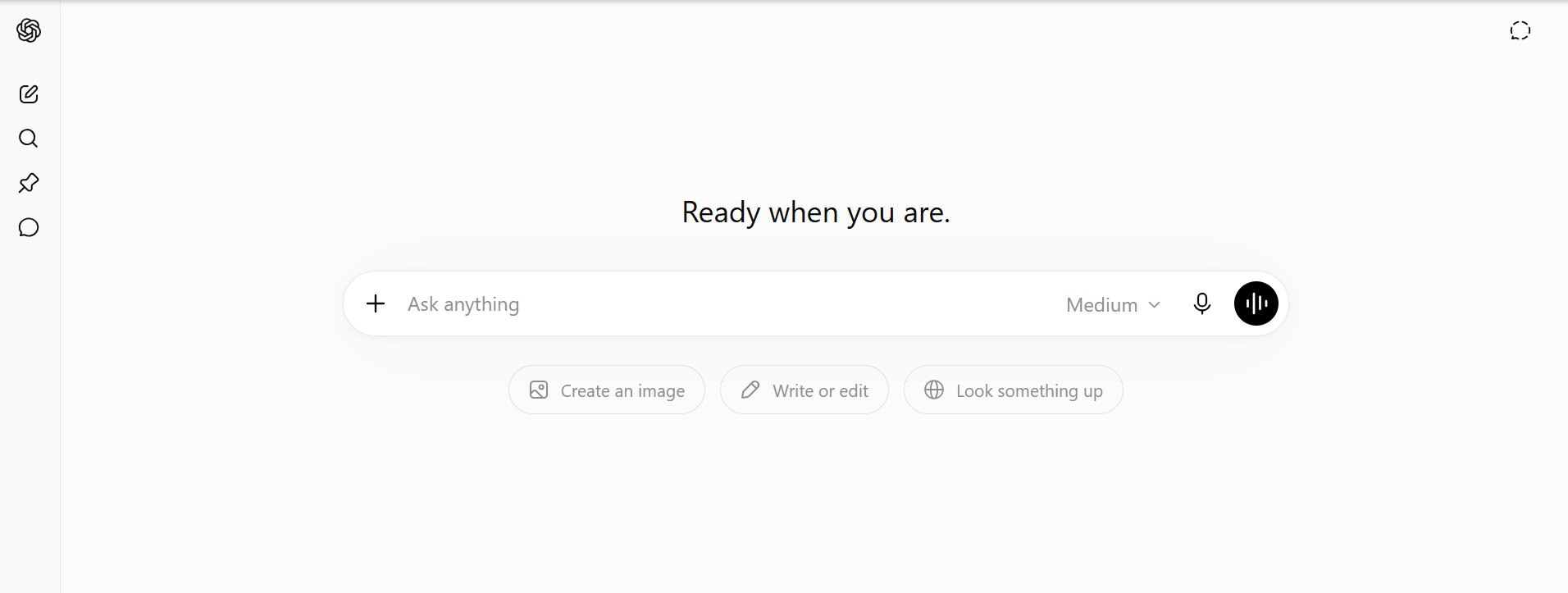
Best for: Custom prompts, flexible rewrites, and tone control.
ChatGPT is one of the easiest tools for rewriting supplier descriptions because you can control the prompt. You can ask it to rewrite descriptions for Shopify, create Amazon bullet points, shorten eBay titles, or generate multiple brand voice options.
For beginners, this is usually enough.
A useful workflow is to paste product details from your supplier and ask ChatGPT to generate:
- Product title
- Short description
- 3–5 bullet points
- SEO meta description
- Platform-specific version
The limitation is manual work. Unless you are using a more advanced workflow, you will likely copy and paste product data in batches.
Claude
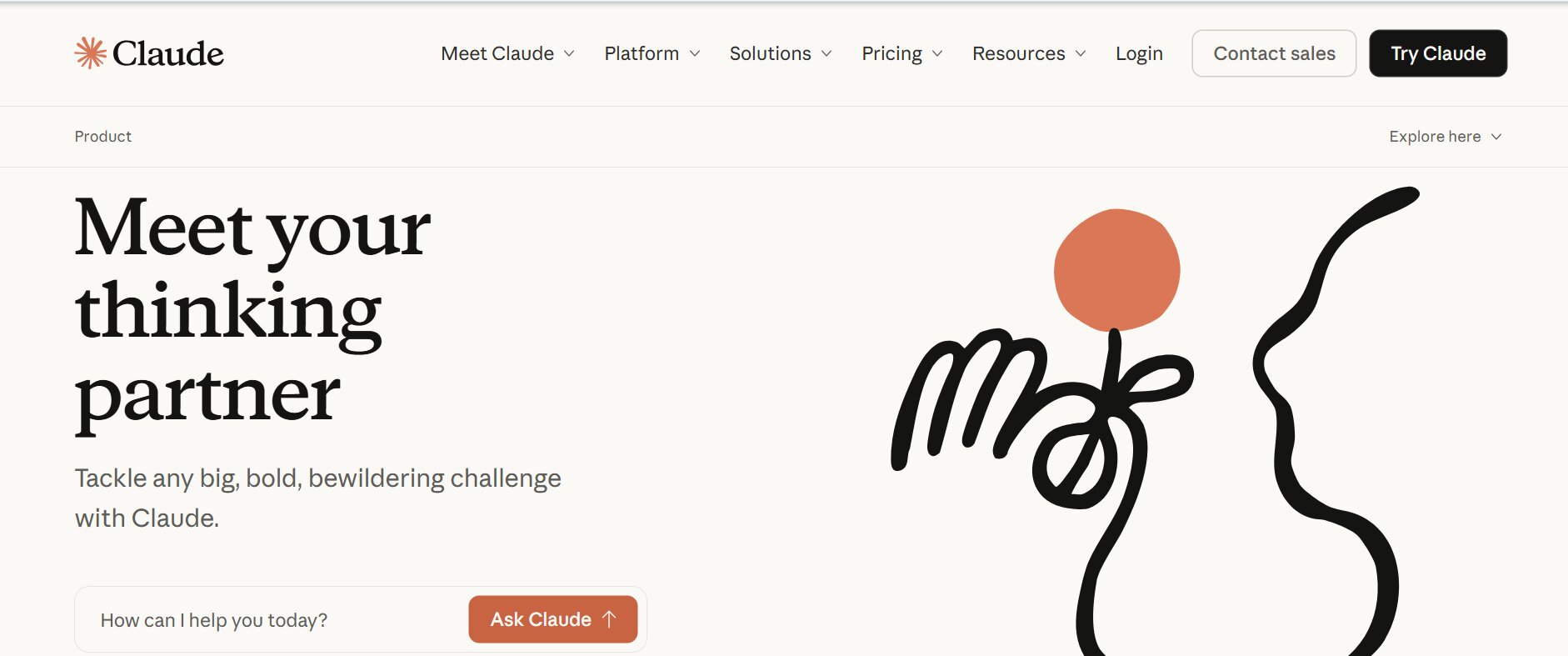
Best for: Cleaner long-form descriptions, natural tone, and careful rewriting.
Claude is useful when you want product descriptions to sound less mechanical. In our experience, it is especially good for turning rough supplier copy into smoother paragraphs without making the copy feel too salesy.
It can work well for:
- Shopify product descriptions
- Brand-focused product pages
- Longer product copy
- Lifestyle-style descriptions
- Rewriting awkward supplier text into natural English
Claude is also helpful when you want the description to feel more human and less like a generic AI output.
The limitation is similar to ChatGPT. For most dropshipping workflows, you still need to paste product data manually unless you are using a more structured integration or bulk workflow.
Gemini
Best for: Quick rewrites, Google-friendly workflows, and simple product copy tasks.
Gemini can be useful if you already work inside Google tools like Sheets, Docs, or Workspace. For dropshippers organizing supplier data in spreadsheets, this can make the workflow more convenient.
You can use Gemini to:
- Rewrite supplier descriptions
- Create product bullet points
- Summarize product features
- Generate SEO-friendly descriptions
- Clean up product copy inside a Google-based workflow
Gemini is a good option for simple rewrites and fast drafting. The main limitation is that the output still needs close review, especially if the supplier data is incomplete or unclear.
Ahrefs Product Description Generator
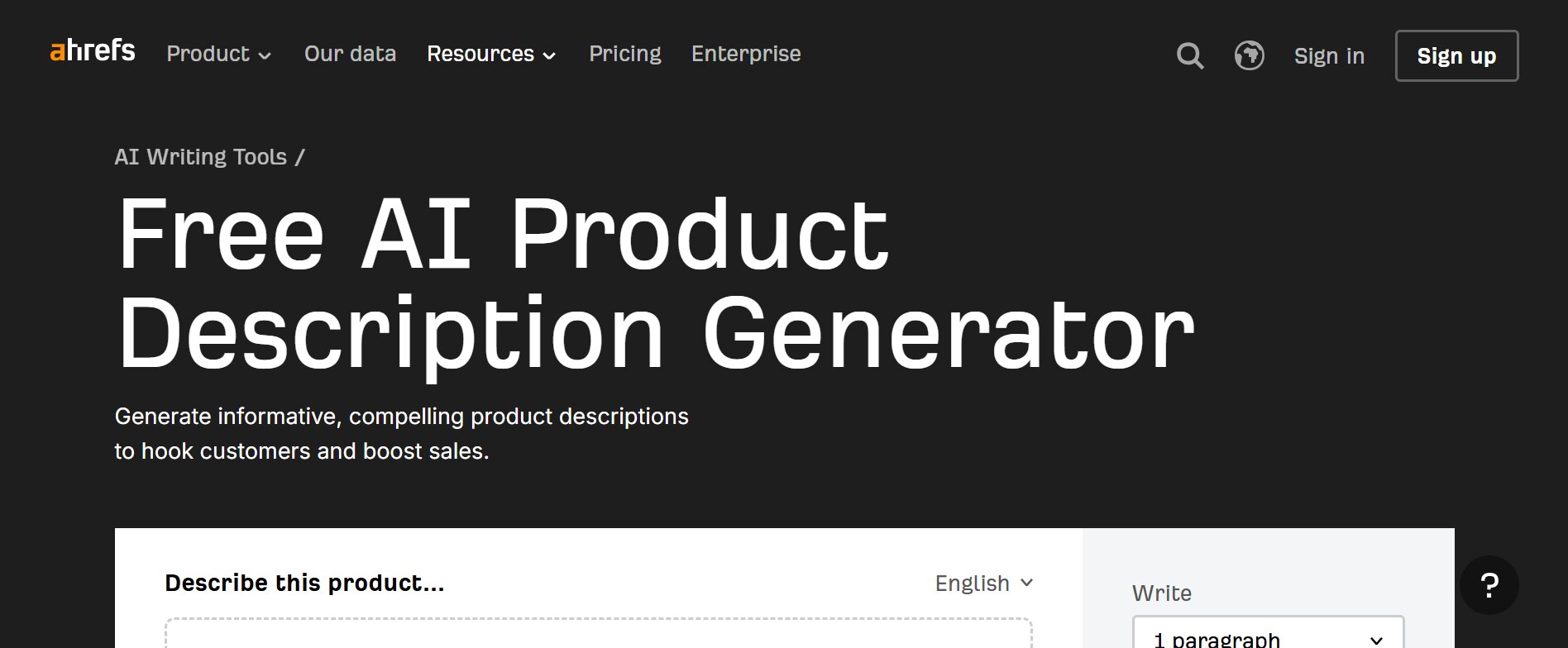
Best for: Quick free product descriptions.
Ahrefs has a free AI product description generator that lets you enter product details and generate a description quickly. It also supports image input, which can be useful when you have product photos but limited written information.
This is helpful when you want a quick first draft without building a full prompt.
The limitation is control. For serious dropshipping pages, I would still review and refine the output manually because one-click descriptions can sound generic if the input is thin.
Shopify Magic
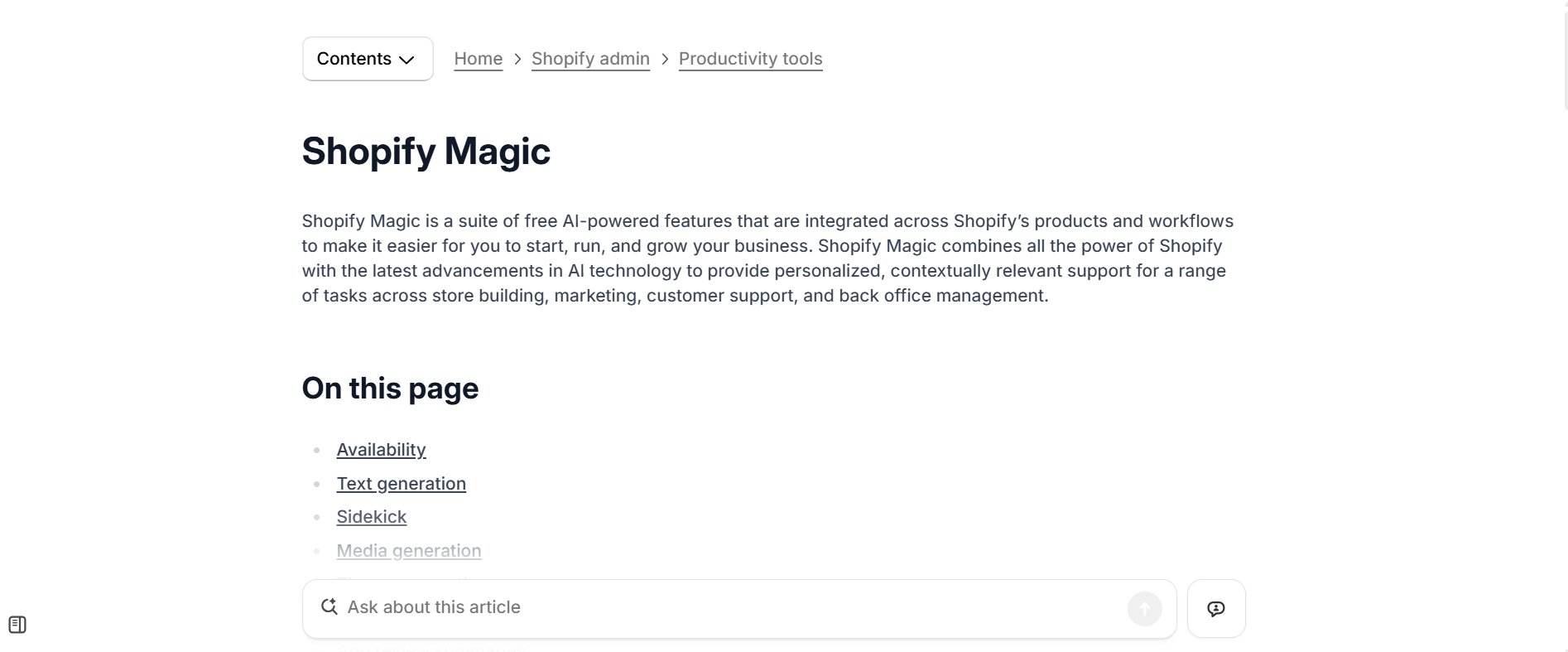
Best for: Shopify dropshipping stores.
Shopify Magic is useful because it works directly inside Shopify. If your store is already on Shopify, you can generate product descriptions from the product admin using product details, keywords, and tone instructions.
This saves time because you do not need to switch between multiple tools.
The limitation is that it is mainly useful within the Shopify workflow. If you sell across Amazon, eBay, Etsy, and WooCommerce, you will still need separate formatting for those platforms.
Copy.ai
Best for: Structured copy formats.
Copy.ai can be useful if you want product copy in specific formats such as short descriptions, bullets, ads, emails, or landing page sections.
For dropshippers, it can help when you want a repeatable structure across many products. For example, every product page might follow the same layout:
- Short benefit-led intro
- Key feature bullets
- Use-case paragraph
- Care or compatibility note
- SEO meta description
The main thing to check before choosing Copy.ai is whether the current pricing and workflow fit your catalog size. For a small store, free tools may still be enough.
Jasper
Best for: Brand voice consistency.
Jasper is more useful when you already know your brand voice and want product descriptions to stay consistent across many listings.
For example, if your store sells premium home goods, you may want all product pages to sound calm, polished, and lifestyle-focused. If your store sells fitness accessories, you may want a more direct and performance-focused tone.
That consistency is where paid tools can help.
However, Jasper may be too expensive for a beginner dropshipper who is still testing the best dropshipping products. I would usually only consider it once the store has enough products, revenue, or content volume to justify the monthly cost.
Describely
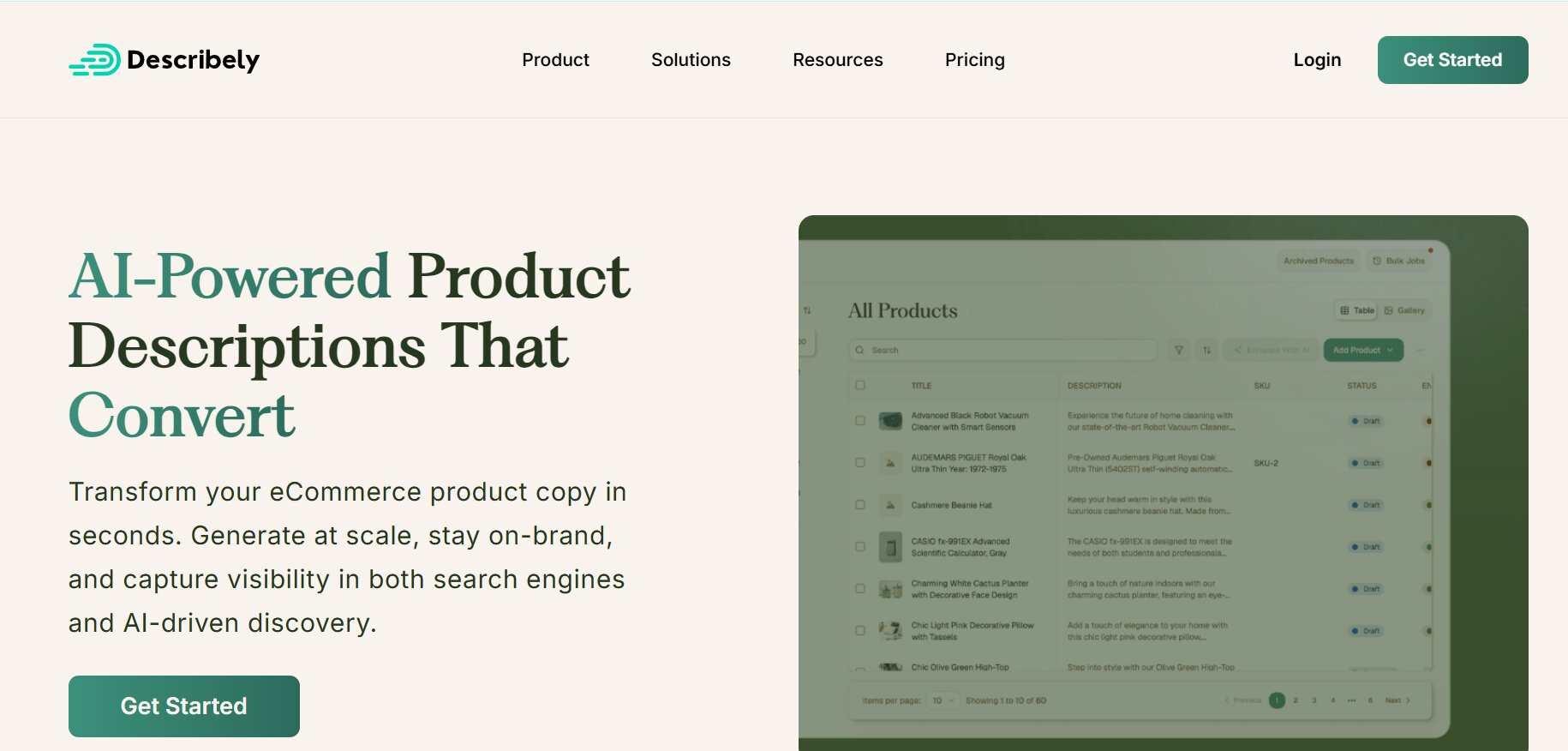
Best for: Bulk catalog descriptions.
Describely is positioned more around ecommerce catalog content. This makes it more relevant for stores with many SKUs, especially if you need bulk updates.
For dropshippers managing a larger catalog, the value is not just “better writing.” It is the ability to process many product pages with less manual copy-paste work.
How to Use AI to Rewrite Supplier Product Descriptions
This is the workflow I would follow if I had to clean up supplier descriptions for a dropshipping store.
Step 1: Collect the Product Data First
Do not start by asking AI to “write a product description.”
Start by collecting the data that the AI needs.
For each product, gather:
- Product name
- Product category
- Main use case
- Materials
- Dimensions
- Weight
- Color options
- Size options
- Compatibility
- Included accessories
- Care instructions
- Shipping or packaging notes
- Supplier images
- Target customer
- Main SEO keyword
This step is boring, but it matters.
If you only give AI a weak supplier sentence, you will get a polished but shallow description. If you give it structured product data, you get a copy that is more accurate and easier to publish.
Step 2: Audit the Supplier Description
Before rewriting, check what is missing.
Use a simple checklist:
- Is the English natural?
- Are the product specs complete?
- Are the main benefits clear?
- Is the target buyer obvious?
- Does the copy include important keywords?
- Is the description duplicated from the supplier?
- Are there risky claims?
- Are there missing warnings or compatibility notes?
This is especially important for products where accuracy affects customer satisfaction.
For example, if you sell electronics, phone accessories, pet products, baby products, kitchen tools, or fitness gear, small details matter. A wrong size, wrong material, or unsupported claim can create returns and customer complaints.
Step 3: Build a Reusable Prompt Template
A reusable prompt is better than writing a new prompt every time.
Here is a practical template:
“Write a product description for [PRODUCT NAME].
Target customer: [AUDIENCE]
Platform: [SHOPIFY / AMAZON / EBAY / ETSY / WOOCOMMERCE]
Tone: [BRAND TONE]
Main keyword: [KEYWORD]
Product details: [FEATURES, MATERIALS, DIMENSIONS, COLORS, USE CASES]
Format: 1 short headline, 3 benefit-focused bullet points, 1 short paragraph, and 1 SEO meta description.
Important: Do not invent product features, dimensions, certifications, materials, warranty details, or performance claims. If a detail is missing, mention that it should be verified before publishing.”
This last instruction is important.
AI tools often try to be helpful by filling gaps. In ecommerce, that can become a problem. If a supplier does not confirm that a product is BPA-free, waterproof, handmade, organic, certified, or medical-grade, do not let AI add those claims.
Step 4: Rewrite in Batches
For a small catalog, you can use a free workflow.
A simple process looks like this:
- Put supplier data into Google Sheets.
- Create columns for product name, features, specs, keyword, target audience, and platform.
- Copy 5–10 products at a time into ChatGPT or another AI tool.
- Generate the descriptions.
- Paste the output back into your sheet.
- Review everything before uploading.
For a larger catalog, manual copy-paste gets tiring. This is where paid tools, bulk AI workflows, CSV imports, or automation software can make sense.
The main decision is whether you are saving enough time to justify the tool cost.
If you are only rewriting 20 products, free tools are fine. If you are updating hundreds of SKUs, paying for a tool with bulk features may be worth it.
Step 5: Format for the Sales Channel
Do not use the exact same product description everywhere.
A Shopify product page, Amazon listing, eBay listing, Etsy listing, and WooCommerce product page all need different formatting.
For example:
- Shopify gives you more freedom to build a branded product page.
- Amazon needs strong titles, bullet points, and compliant listing copy.
- eBay relies heavily on titles and item specifics.
- Etsy needs titles, tags, attributes, and a more buyer-friendly description.
- WooCommerce depends on how your theme and SEO plugin handle product pages.
The same product can be sold on multiple platforms, but the copy should be adapted for each one.
Step 6: Review Before Publishing
This is the step many sellers skip.
Before publishing AI-generated product descriptions, check:
- Are the dimensions correct?
- Are the materials confirmed?
- Are all product claims supported?
- Are there any exaggerated benefits?
- Are the keywords natural?
- Does the description match the actual product images?
- Does the copy mention anything the supplier cannot guarantee?
- Is the return-risk information clear?
For dropshipping, this matters because you may not physically handle every product yourself. Your listing must match what the customer receives.
If your product page promises a premium feel, branded packaging, fast delivery, or a specific material, your sourcing and fulfillment process needs to support that promise.
Platform-Specific Product Description Cheat Sheet

Here is how I would adapt AI-generated descriptions for each platform.
| Platform | What to Focus On | AI Output Needed | Dropshipping Notes |
| Shopify | Product page copy, SEO title, meta description, scannable sections | Headline, short intro, bullets, full description, meta description | Best for branded storytelling and conversion-focused product pages |
| Amazon | Title, bullets, description, backend search fields where available | Clear title, feature bullets, concise benefit copy | Avoid unsupported claims, promotional language, and keyword stuffing |
| eBay | Title, item specifics, condition, description | Keyword-rich title and detailed item specifics | Fill item specifics carefully because buyers use them to filter results |
| Etsy | Title, tags, attributes, description | Search-friendly title, 13 tags, clear description | Useful for handmade-style, personalized, giftable, or niche products |
| WooCommerce | Short description, long description, slug, SEO fields | Short benefit copy plus detailed product copy | Works best with clean page structure and SEO plugin support |
Shopify Product Descriptions

For Shopify, I usually prefer a clean product page format:
- Short headline
- 1–2 sentence benefit-led intro
- 3–5 feature bullets
- Detailed product description
- Size/material/spec section
- Shipping or care notes if needed
- SEO title and meta description
Shopify product pages should be written for both conversion and SEO. The first few lines should tell the shopper what the product is, who it is for, and why it is useful.
If you are still setting up your store, it is worth reviewing a broader Shopify dropshipping guide alongside your product page workflow.
Amazon Product Descriptions

For Amazon, the structure is more controlled.
The copy needs to be clear, compliant, and easy to scan. AI can help create bullets, but you still need to check Amazon’s current category rules and listing requirements.
For Amazon dropshipping, I would focus on:
- A clear product title
- Strong but accurate bullet points
- Important specs near the top
- No unsupported claims
- No exaggerated promotional language
- Search terms placed naturally across the listing
Amazon buyers compare products quickly. The copy should help them understand the product without feeling like a generic supplier listing.
eBay Product Descriptions

For eBay, titles and item specifics are especially important.
AI can help you draft the description, but do not ignore the structured fields. Buyers often filter by size, color, brand, type, model, material, condition, and compatibility.
For dropshippers, incomplete item specifics can reduce visibility and create confusion.
A good eBay workflow is:
- Generate a clear title.
- Fill every relevant item specific.
- Use the description to explain product use, specs, and package contents.
- Avoid vague claims that cannot be verified.
Etsy Product Descriptions
Etsy works differently because buyers often search by style, occasion, recipient, material, or use case.
AI can help you generate:
- Search-friendly titles
- Tags
- Attributes
- Description copy
- Gift-focused descriptions
- Personalization instructions
For Etsy-style products, avoid making the description too robotic. Shoppers often want a more human explanation of what the product is, who it is for, and why it makes a good gift or personal item.
WooCommerce Product Descriptions

WooCommerce gives you flexibility, but that also means you need your own structure.
A good WooCommerce product page usually needs:
- Short description near the add-to-cart area
- Full product description below
- SEO title
- Meta description
- Optimized slug
- Product schema support
- Clear images and alt text
If you use an SEO plugin, AI can help generate SEO titles and meta descriptions, but you still need to review them manually.
Free vs Paid AI Product Description Generator: When Should You Upgrade?
Free tools are enough for many dropshippers.
I would not rush into paid AI tools just because they look more professional. If you are still testing products, your money may be better spent on product research, samples, better images, ads, or improving fulfillment.
Use Free Tools If:
- You have a small catalog.
- You are still testing products.
- You are working with a tight budget.
- You can manually review descriptions.
- You do not need advanced bulk workflows.
- Your brand voice is still flexible.
For many new dropshippers, ChatGPT, Ahrefs, or Shopify Magic can handle most of the work.
Consider Paid Tools If:
- You manage a large catalog.
- You sell across multiple platforms.
- You need bulk generation.
- You work with VAs or a content team.
- You want a consistent brand voice.
- You update product pages frequently.
Paid tools make more sense when the cost is lower than the time you save.
For example, if a paid tool saves you several hours every month and helps your team keep product pages consistent, it may be worth it. But if you only use it once or twice, a free AI product description generator may be the better option.
| Store Situation | Better Choice | Reason |
| Beginner store with under 50 SKUs | Free AI tool | Low cost and enough flexibility |
| Shopify-only store | Shopify Magic + manual review | Built into the Shopify workflow |
| Growing store with 50–200 SKUs | ChatGPT plus structured templates or mid-tier tool | Better consistency and faster rewriting |
| Large catalog with 200+ SKUs | Bulk/catalog AI tool | Manual copy-paste becomes inefficient |
| Brand-focused store | Paid tool with brand voice features | Easier to keep tone consistent |
| Messy supplier data | Better sourcing support first | AI output depends on input quality |
How NicheDropshipping Helps with Product Description Workflows
AI can improve product descriptions, but it cannot fix bad supplier data by itself.
This is where sourcing affects copywriting more than many sellers realize.
If the supplier gives you vague product names, poor images, incomplete specs, and confusing variant data, your AI output will still need heavy editing. You may get better wording, but the listing can still be weak because the product information is incomplete.
At NicheDropshipping, this is one area where we can support sellers before they even start writing descriptions.
We help with:
- Finding products from better suppliers
- Collecting clearer product specs
- Organizing product data for store uploads
- Checking product details before launch
- Supporting custom packaging and branded dropshipping
- Helping sellers move beyond basic AliExpress-style product imports
- Preparing cleaner product information that can be used in AI prompts or CSV workflows
This matters because product descriptions should match the actual customer experience.
If your listing says the product is premium, the packaging, quality control, and shipping experience should support that positioning. If your product page promises a specific size, material, or use case, the supplier data needs to confirm it.
AI helps with the words. Sourcing helps with the substance behind those words.
If you want cleaner product data before building your listings, you can request a free sourcing quote from NicheDropshipping and prepare your catalog with better supplier information from the start.
FAQ
What is an AI product description generator?
An AI product description generator is a tool that turns product details into ecommerce copy. You provide inputs such as product name, features, materials, target audience, tone, and keywords. The tool then creates descriptions, bullet points, headlines, or SEO meta descriptions that can be used on Shopify, Amazon, eBay, Etsy, or WooCommerce.
What is the best free AI product description generator for dropshipping?
For most dropshippers, ChatGPT is the most flexible free option because you can control the prompt, tone, format, and platform style. Ahrefs is useful for quick one-off descriptions, and Shopify Magic is convenient if your store is already on Shopify. The best choice depends on whether you need control, speed, or Shopify integration.
How do I prompt AI to write SEO-friendly product descriptions?
Give AI the product name, target customer, main keyword, secondary keywords, features, materials, dimensions, use cases, tone, and platform. Then ask for a headline, bullet points, short description, and meta description. Also tell AI not to invent missing features, certifications, or performance claims. This keeps the output more accurate.
Can AI generate product descriptions from images?
Some AI product description generators can create descriptions from images, but image-based output still needs review. AI may identify visible features, style, color, or use case, but it may not know exact dimensions, materials, capacity, compatibility, or certifications. Use image-based generation as a starting point, not a final listing.
Is ChatGPT or Jasper better for dropshipping product descriptions?
ChatGPT is better for beginners because it is flexible and low-cost. Jasper is better when you need stronger brand voice consistency, team workflows, or repeated marketing templates. For a small dropshipping catalog, ChatGPT is usually enough. For a larger branded store, Jasper may be easier to manage at scale.
How do I format product descriptions for Shopify vs Amazon?
For Shopify, write a branded product page with a short intro, benefit bullets, detailed description, specs, and SEO meta fields. For Amazon, focus on a clear title, strong bullet points, accurate product details, and compliant language. Do not copy the same description across both platforms without adapting the format.
Will AI-generated product descriptions hurt SEO?
AI-generated descriptions do not automatically hurt SEO. The risk comes from thin, generic, inaccurate, or duplicated content. If you use AI to create helpful, accurate, original product copy with real specs and natural keywords, it can support SEO. Always review the output and avoid keyword stuffing or unsupported claims.
Should I use the same AI description across Shopify, Amazon, eBay, and Etsy?
No. The product information can stay the same, but the format should change by platform. Shopify needs branded product page copy. Amazon needs bullets and a compliant listing structure. eBay needs strong titles and item specifics. Etsy needs search-friendly titles, tags, attributes, and a more buyer-focused description.
What should I check before publishing AI-generated product descriptions?
Check product dimensions, materials, colors, variants, compatibility, package contents, care instructions, shipping claims, certifications, and performance claims. Also make sure the copy matches the product images and supplier data. AI can improve wording, but you are still responsible for publishing accurate product information.