The Dutch ecommerce market is one of the most mature in Europe, supported by high purchasing power, reliable delivery infrastructure, and a customer base that has little patience for slow or inconsistent shipping.
This makes the Netherlands a strong opportunity for new sellers, but it also means the old “AliExpress dropshipping” model no longer works.
If you want to sell on platforms like Bol.com, Amazon NL, or through your own store, you need products that appeal to Dutch buying habits and a fulfillment setup that meets local expectations.
In this guide, we’ll cover the top niche trends in the Netherlands, a curated list of 12+ products that perform well in this market, and the operational steps that help sellers scale safely.
Top 3 Winning Niche Trends in the Netherlands (2026 Data)
If you are looking for the best dropshipping products in the Netherlands, you will do better by picking niches that fit Dutch buying behavior and strict marketplace performance expectations.
The Netherlands has near-universal household internet access (99% in 2025), so demand is strong, but competition is too.
Here are three niche trends that consistently align with what sells in NL and what you can deliver reliably with quality inspection + EU warehouse shipping.
1) Compact living upgrades (space-saving, renter-friendly, “no drilling”)
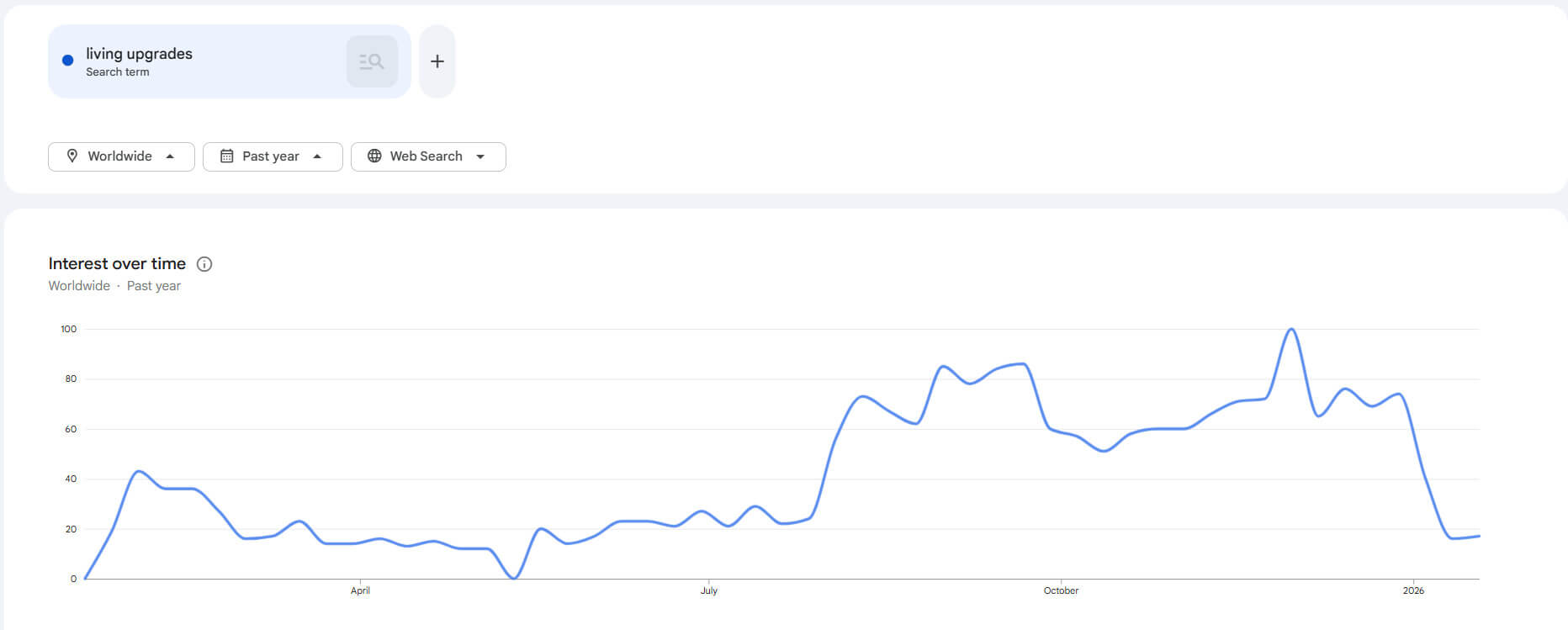
Dutch homes are not “tiny” across the board, but in big cities the living space per person is noticeably smaller. (CBS has reported ~49 m² per person in Amsterdam), which pushes steady demand for practical space optimization.
‘What sells here isn’t generic storage, but products that are clean-looking, modular, and renter-safe. Think: no drilling, no permanent changes, minimal aesthetic.
Why this is a dropshipping win (NL-specific):
- Everyday problem → consistent demand (not seasonal)
- Low return rates if sizing is clear
- Perfect for private label because branding matters (a “nice-looking” organizer beats a cheap one)
- How we make it “Bol.com-safe”: This niche is great for EU warehouse fulfillment because it’s lightweight, non-fragile, and doesn’t depend on complex electronics, meaning fewer defects and faster delivery.
2) Cycling + e-bike commuting essentials (weatherproof + theft-resistance)
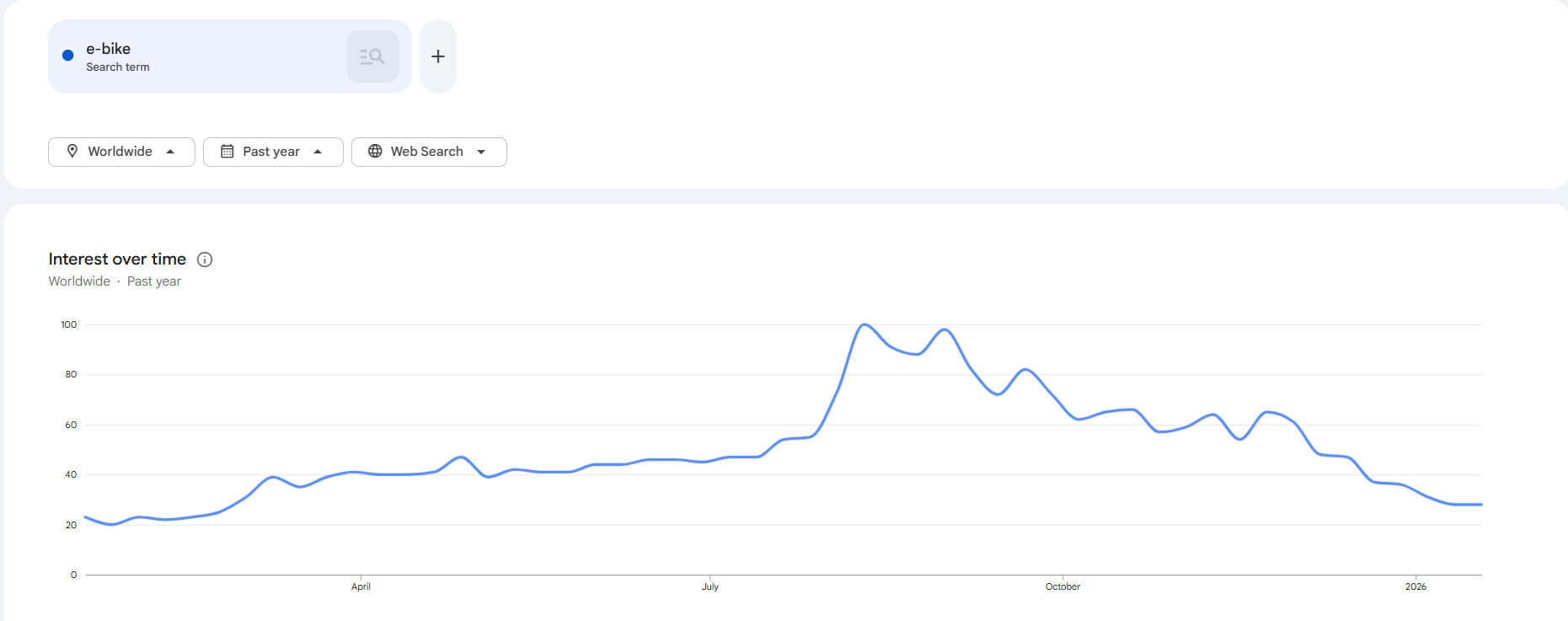
Cycling is a structural part of Dutch life, 28% of journeys are made by bicycle
That makes cycling accessories an “evergreen” niche, but the real opportunity is commuter pain points, not novelty gadgets: rain, visibility, and theft anxiety (especially with e-bikes).
What’s trending inside this niche (where sellers win):
- Weatherproofing (NL rain + year-round commuting)
- High-visibility safety add-ons (dark mornings/evenings)
- Security accessories that protect high-value bikes/e-bikes
How we make it “Bol.com-safe”: On platforms like bol, reliability matters. Bol’s partner standards include an “items on time” threshold (at least 93% delivered on time once late deliveries pass a minimum volume).
If you’re competing in cycling, meeting delivery promises is not optional. EU stock is the difference between scaling and getting stuck.
3) “Practical sustainability” (eco choices that also save money or reduce waste)
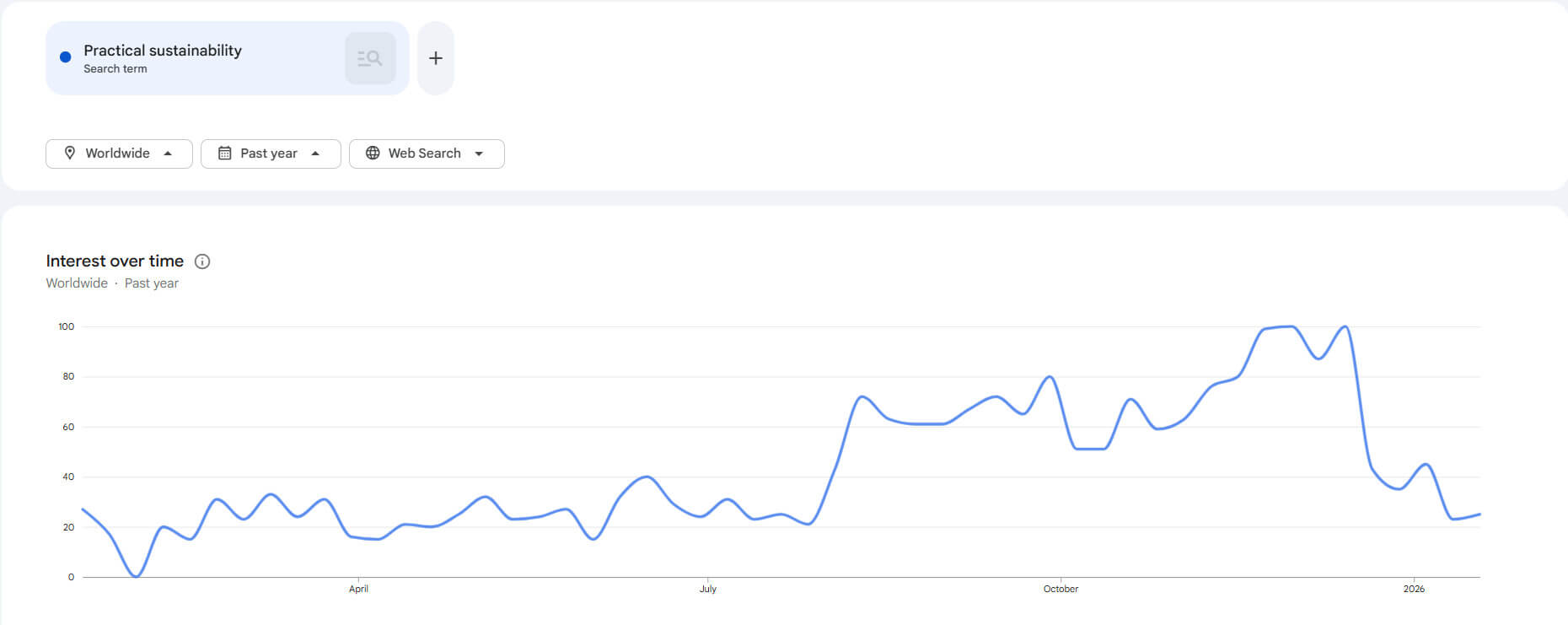
Sustainability is not just a brand story in NL, it influences purchase decisions. PwC Netherlands notes that the majority of Dutch consumers are willing to pay 1–10% more for sustainable products.
But “eco” only converts when it feels practical (less waste, better utility, refillable, reusable, durable).
What’s trending inside this niche:
- Refill systems (soap, cleaning concentrates)
- Reusables that replace disposables (kitchen + home)
- Small “efficiency upgrades” (reduce waste, reduce energy use)
How we make it “Bol.com-safe”: These products are usually small, easy to store in an EU warehouse, and ideal for private label packaging, especially if you present them as a simple “Dutch home” upgrade instead of a generic eco gadget.
12+ Best Dropshipping Products for the Netherlands (2026 Picks)
Below are product picks that match Dutch buying behavior and the client strategy: low defect risk, high private-label upside, and easy EU-warehouse fulfillment (so you can hit the delivery standards Dutch marketplaces expect).
Compact living upgrades (space-saving + no-drill)
1) No-drill shower caddy (rustproof + high-grip adhesive)
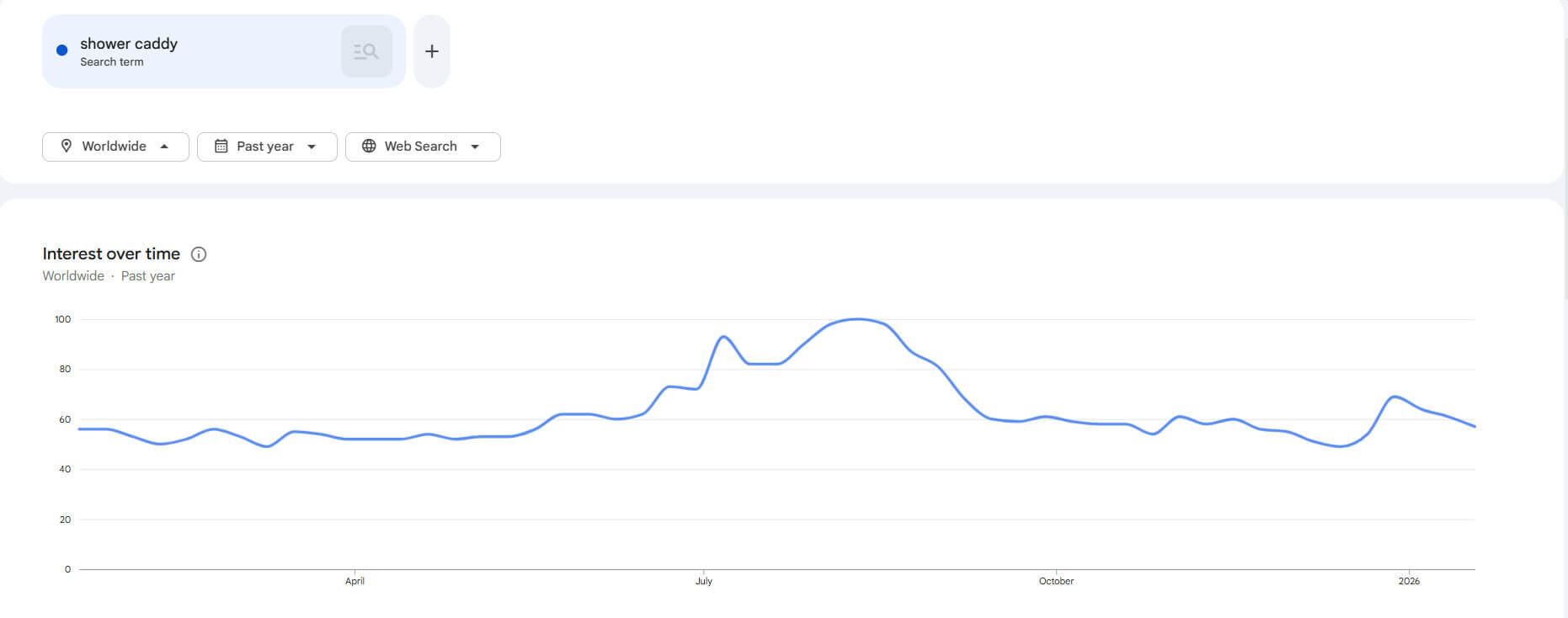
What it is: An adhesive-mounted shower shelf that holds bottles without drilling tiles.
Why it sells in NL: A lot of Dutch shoppers rent or live in apartments where drilling is a hassle (or not allowed). Bathrooms are often compact, so “vertical storage” is an easy win.
How to position it: “Hotel-style bathroom storage without drilling.” Bundle it with hooks or a small soap holder and brand it as a clean, minimalist bathroom system.
QC + return-proofing:
- Adhesive should hold a realistic load (shampoo bottles + body wash)
- Rustproof coating (304 stainless steel or solid aluminum)
- Drainage holes (no water pooling)
- Include a surface-prep wipe + clear “install + curing time” instructions (this alone reduces negative reviews)
2) Under-sink expandable organizer (adjustable width, anti-slip)
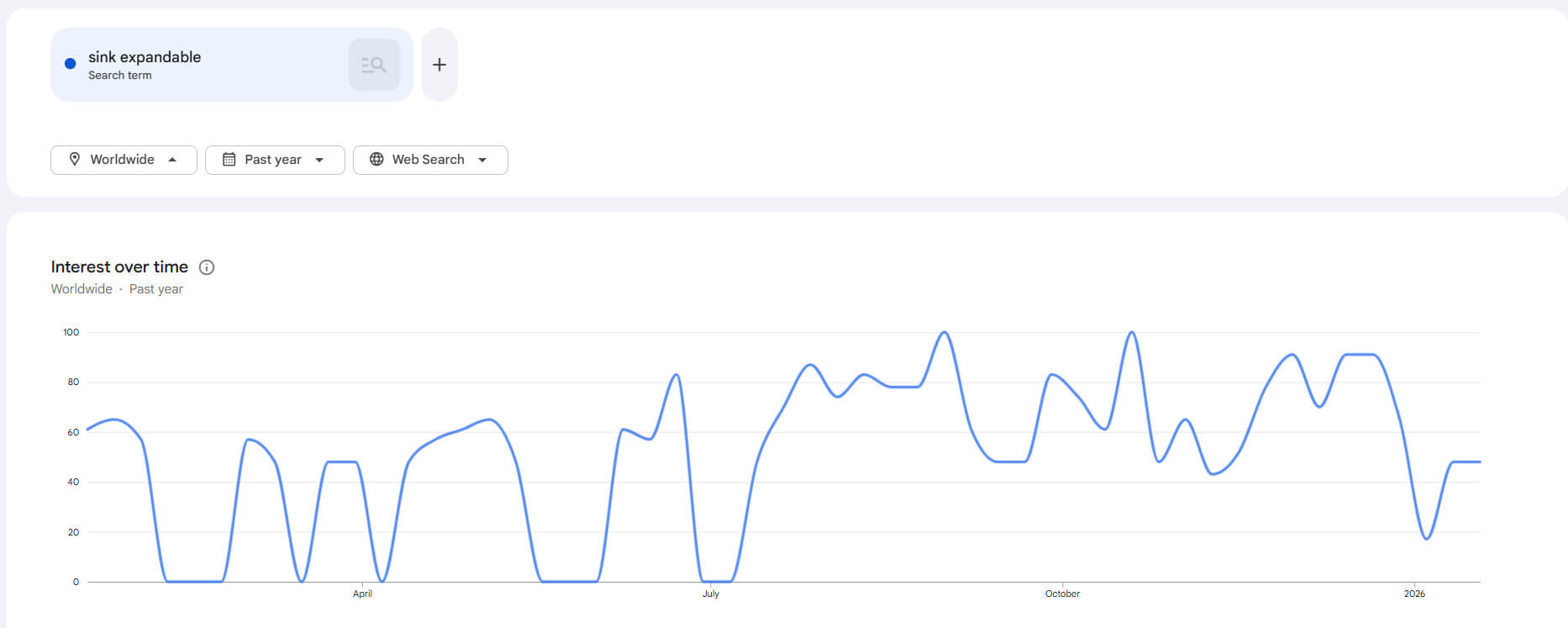
What it is: A sliding shelf that turns messy under-sink space into compartments.
Why it sells in NL: Dutch shoppers love practical home upgrades that make the space feel “designed.” Under-sink areas are universally chaotic and people will pay for a clean fix.
How to position it: “Make your under-sink space feel like IKEA, without remodeling.” Offer two sizes and keep the product pages obsessive about measurements.
QC + return-proofing:
- Smooth sliding rails (no wobble)
- Weight capacity that matches real use (cleaning sprays, detergents)
- Accurate dimensions (returns happen when sellers guess)
- Anti-slip feet that don’t scratch cabinets
3) Over-door multi-hook organizer (scratch-proof + stable fit)
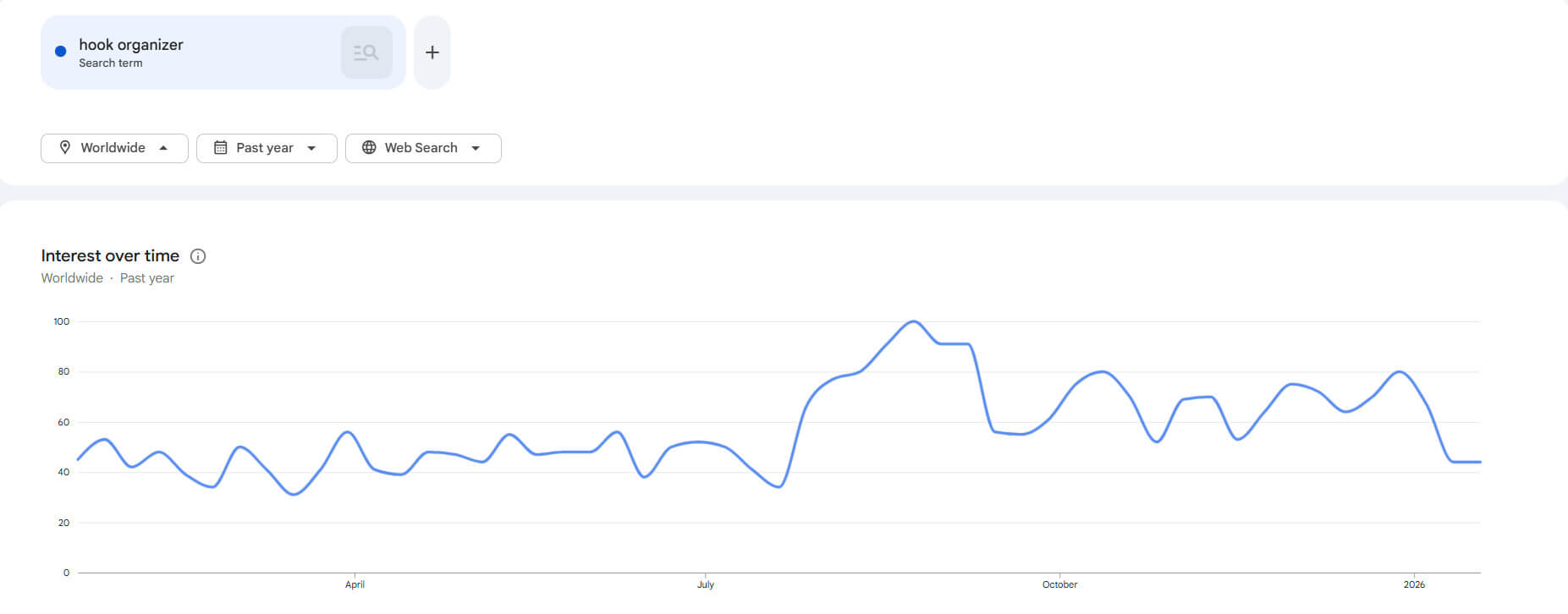
What it is: A hook rack that hangs over a door for jackets, towels, bags.
Why it sells in NL: Great for smaller homes where every door becomes storage. People buy these when they move, reorganize, or upgrade.
How to position it: “Zero-install storage for small homes.” Make it feel premium: matte finish, quiet pads, clean design.
QC + return-proofing:
- Must fit common door thicknesses (list it clearly)
- Add protective pads (prevents scratches + reduces complaints)
- Hooks should be rounded and strong (no bending)
4) Stackable pantry/cabinet organizer set (modular “system”)
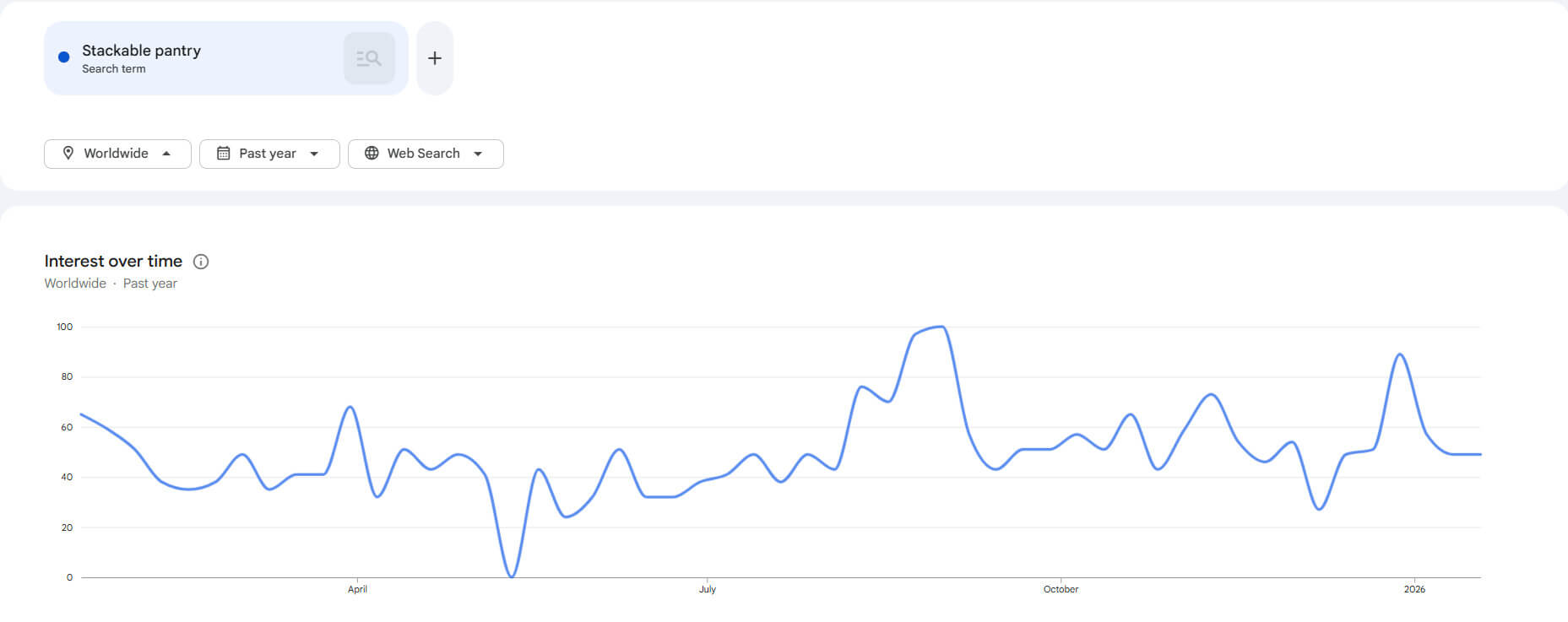
What it is: Stackable bins/shelves that turn cabinets into layered storage.
Why it sells in NL: Dutch buyers respond to “systems” that feel organized and intentional, not random clutter solutions.
How to position it: Sell it as a set, not a single item. “Build a modular pantry system in 10 minutes.” Private labels win here because branding makes it look like a lifestyle product.
QC + return-proofing:
- Stable stacking (no tilt)
- Smooth edges (no sharp plastic)
- Consistent sizing across sets (messy sizing = bad reviews)
- Strong packaging to prevent cracks in transit
Cycling & e-bike commuting (weatherproof + safety + security)
5) Waterproof pannier rain cover (universal fit + reflective strip)
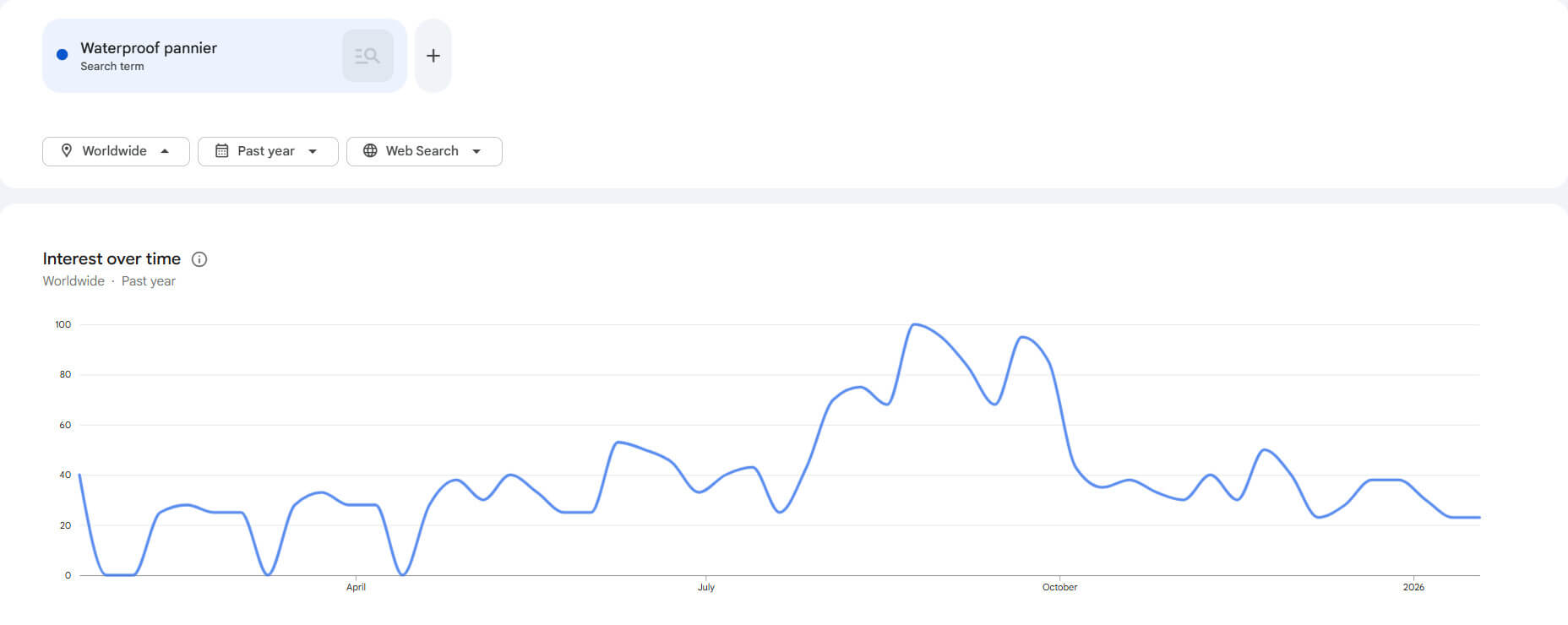
What it is: A rain cover that keeps a bike pannier dry in unpredictable weather.
Why it sells in NL: Commuters cycle in the rain. A soaked bag means a soaked laptop, people will buy this fast when they need it.
How to position it: “Keep your work bag dry on rainy commutes.” Strong benefit-driven listing, minimal branding, high trust.
QC + return-proofing:
- Seam sealing + waterproof coating (not “water-resistant”)
- Elastic strength and stitching quality
- Reflective strip placement that’s actually visible at night
- Size guide: fits common pannier shapes (returns = fit confusion)
6) Reflective strap set (ankle + backpack straps)
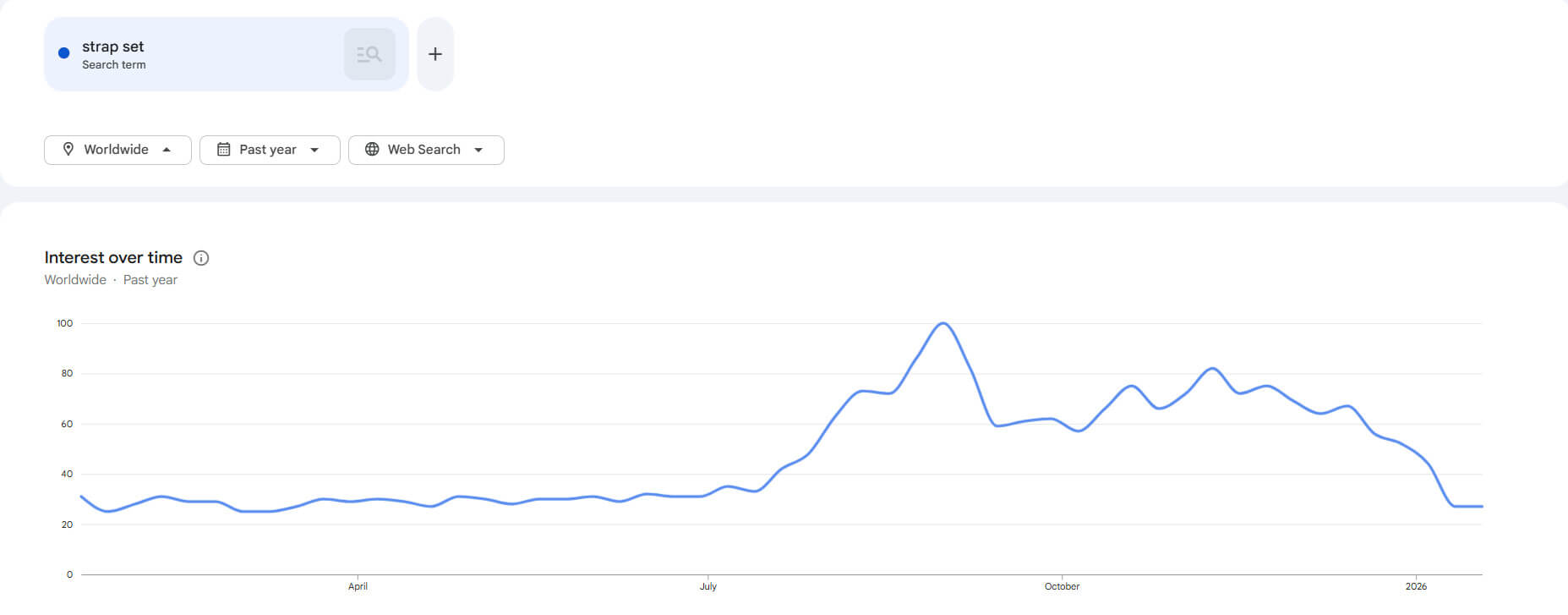
What it is: Reflective straps that improve visibility during dark commutes.
Why it sells in NL: Dark mornings, rain, and constant cycling = safety products sell year-round.
How to position it: “Be seen in seconds.” Sell as a set with a simple safety-focused brand identity (Dutch buyers like practical, not flashy).
QC + return-proofing:
- Reflective material quality (test in low light)
- Comfortable stretch (no skin irritation)
- Secure closure that doesn’t loosen mid-ride
7) Waterproof handlebar phone pouch (touchscreen-compatible)
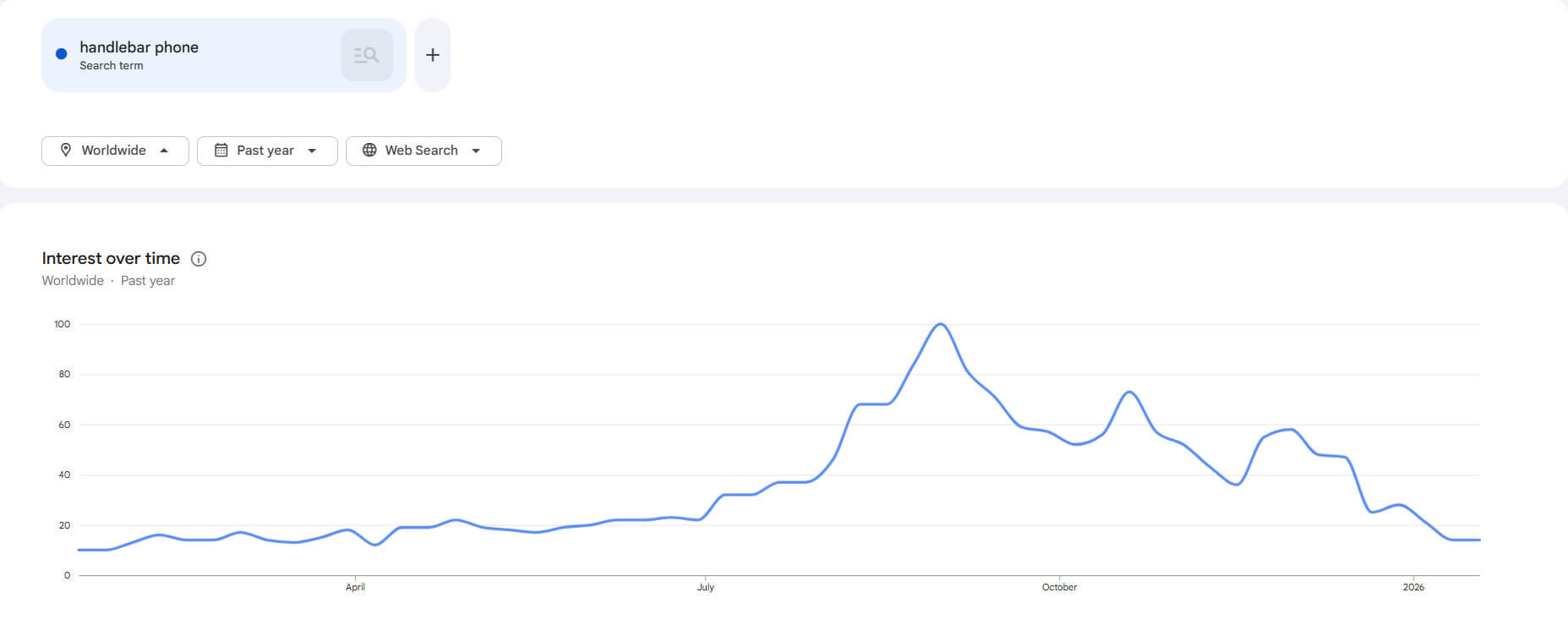
What it is: A waterproof pouch mount that protects phones while navigating.
Why it sells in NL: People navigate everywhere, work, errands, weekend rides. Rain protection matters.
How to position it: “Navigate without risking your phone.” Include a premium feel: clean stitching, solid mount, minimal branding.
QC + return-proofing:
- Touchscreen responsiveness (major complaint driver)
- Stable mount (no shaking)
- Zipper sealing + water ingress testing
- Compatibility list for phone sizes (avoid “one-size-fits-all” ambiguity)
8) Anti-theft bike security bolts kit (with clear fit guide)
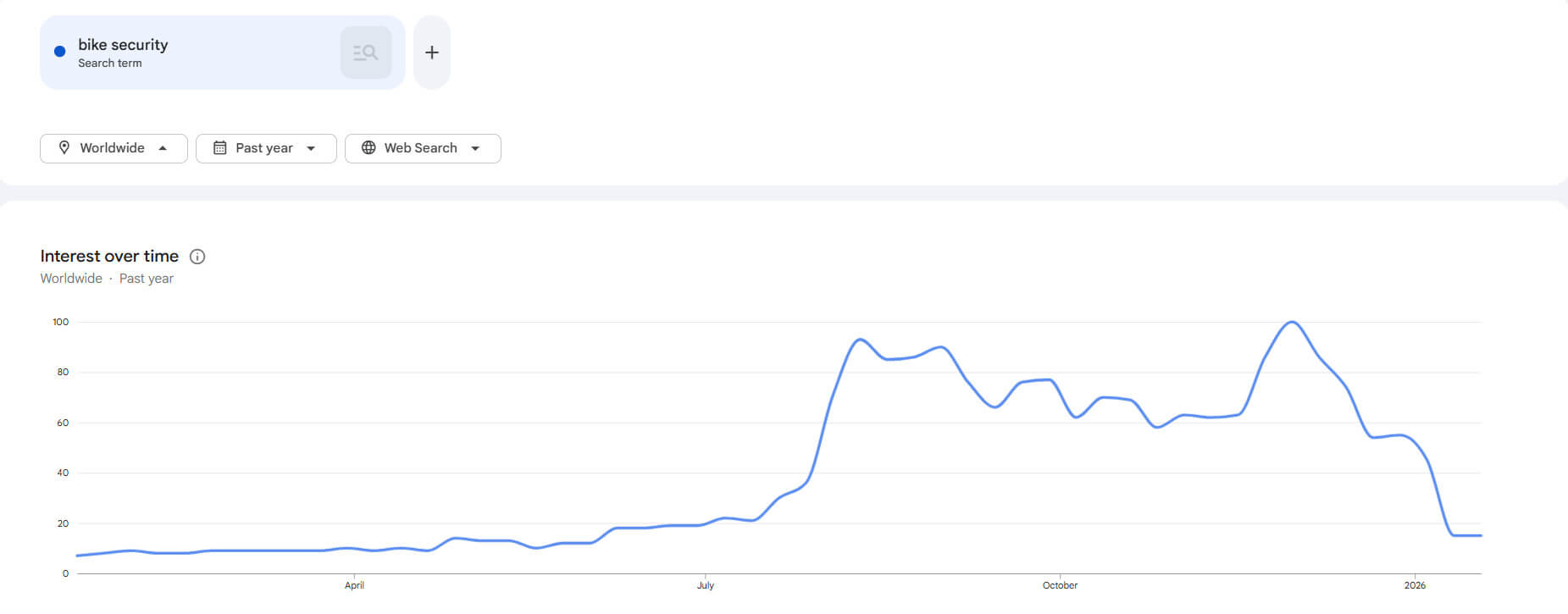
What it is: Security bolts that make it harder to steal seats/wheels/accessories.
Why it sells in NL: Theft anxiety is constant, especially with e-bikes and accessories. Buyers want affordable protection layers.
How to position it: “Small upgrade, big theft deterrent.” This is a trust product, clarity and compatibility matter more than hype.
QC + return-proofing:
- Include multiple sizes (or sell size variants clearly)
- Metal hardness + rust resistance
- Clear install guide + tool requirements
- Package completeness (missing bolts = instant negative review)
Practical sustainability (refill + reuse + efficiency upgrades)
9) Refillable foaming soap dispenser + tablet refills (starter kit)
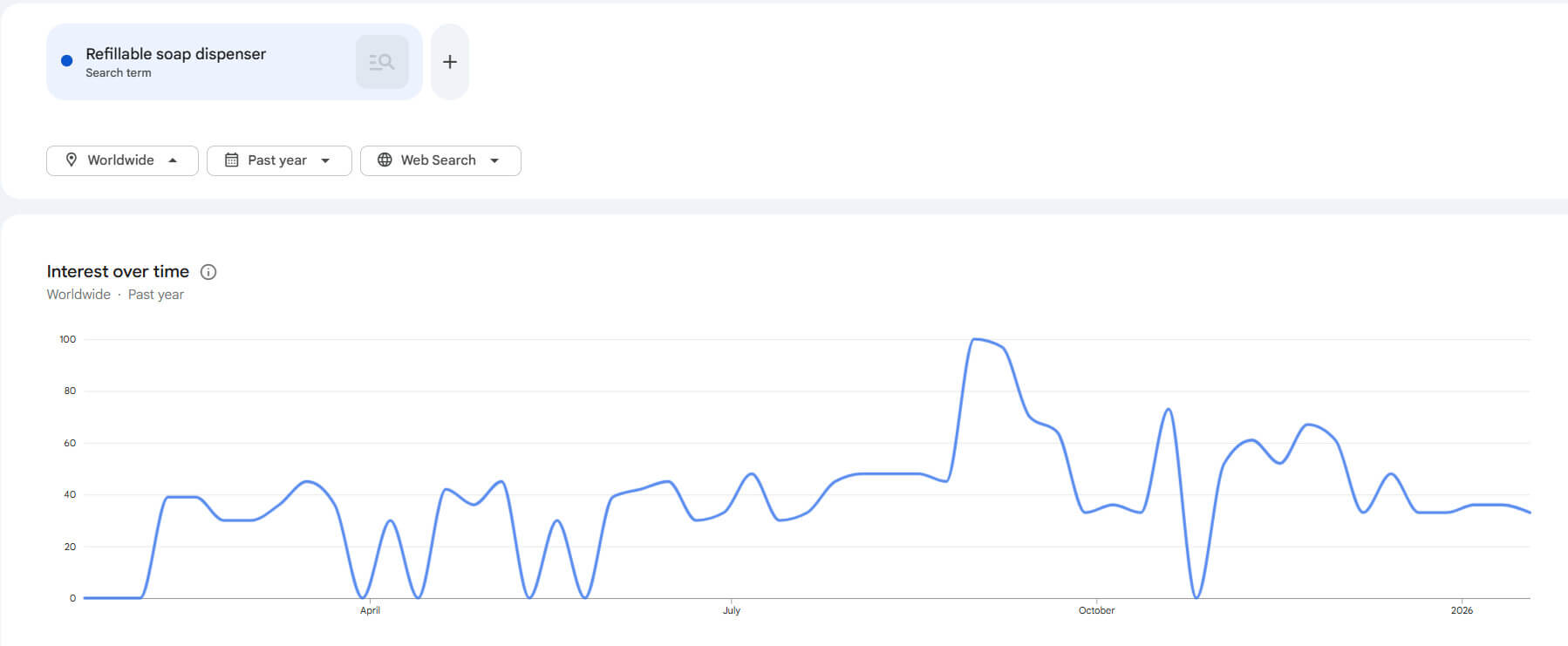
What it is: A dispenser plus refills that reduce plastic waste and look premium on the counter.
Why it sells in NL: Sustainability sells when it also feels smart and clean. A foaming dispenser looks “high-end” and refillable tablets feel modern.
How to position it: “Refillable soap that looks like a designer brand.” This is one of the easiest private-label wins in this whole list.
QC + return-proofing:
- Pump durability (cheap pumps die fast)
- Tablets dissolve consistently without residue
- Leak testing + cap seal quality
- Include clear usage instructions (ratio matters)
10) Reusable silicone food storage bags (thick + freezer-safe)
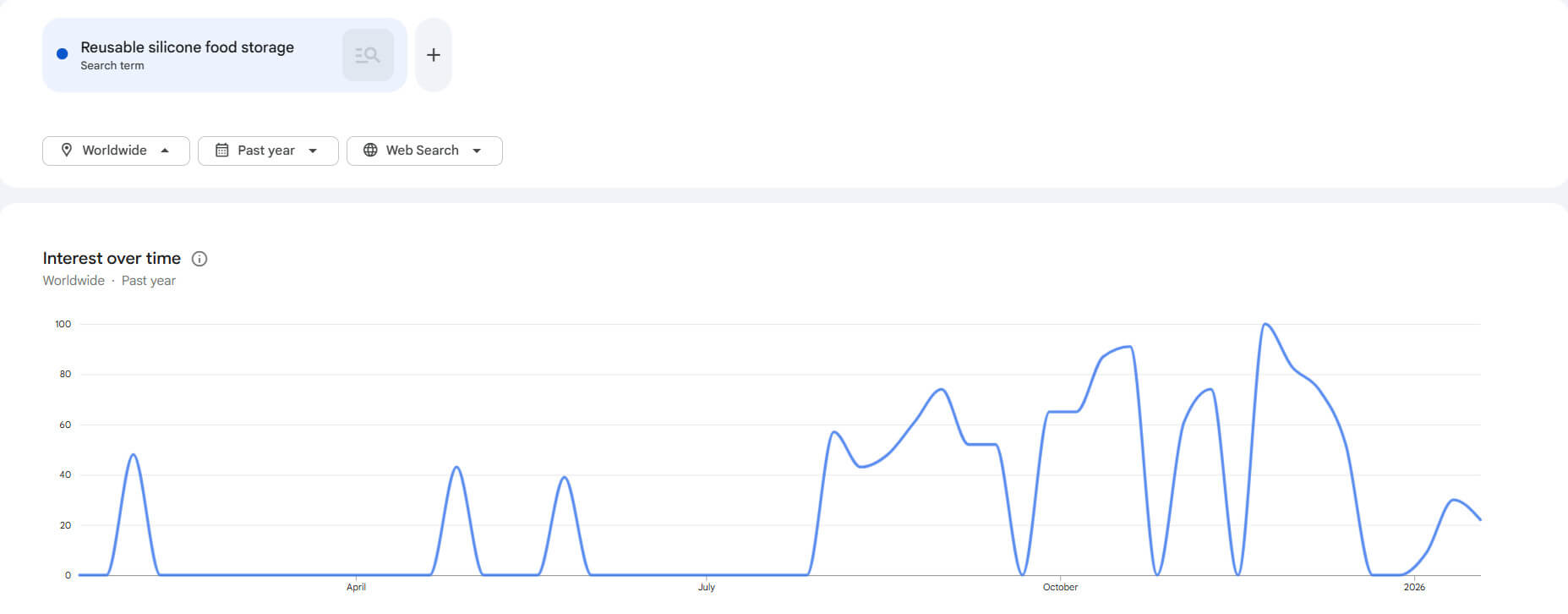
What it is: Durable reusable bags that replace disposable zip bags.
Why it sells in NL: Practical “eco” product that people actually use daily, especially in family kitchens.
How to position it: Sell as a kitchen system: different sizes + labels. “Meal prep without single-use plastic.”
QC + return-proofing:
- Silicone thickness (thin bags tear = returns)
- Seal strength
- Odor resistance claims kept realistic
- Food-grade messaging + care instructions
11) Compostable trash bags (with correct sizing + strength)
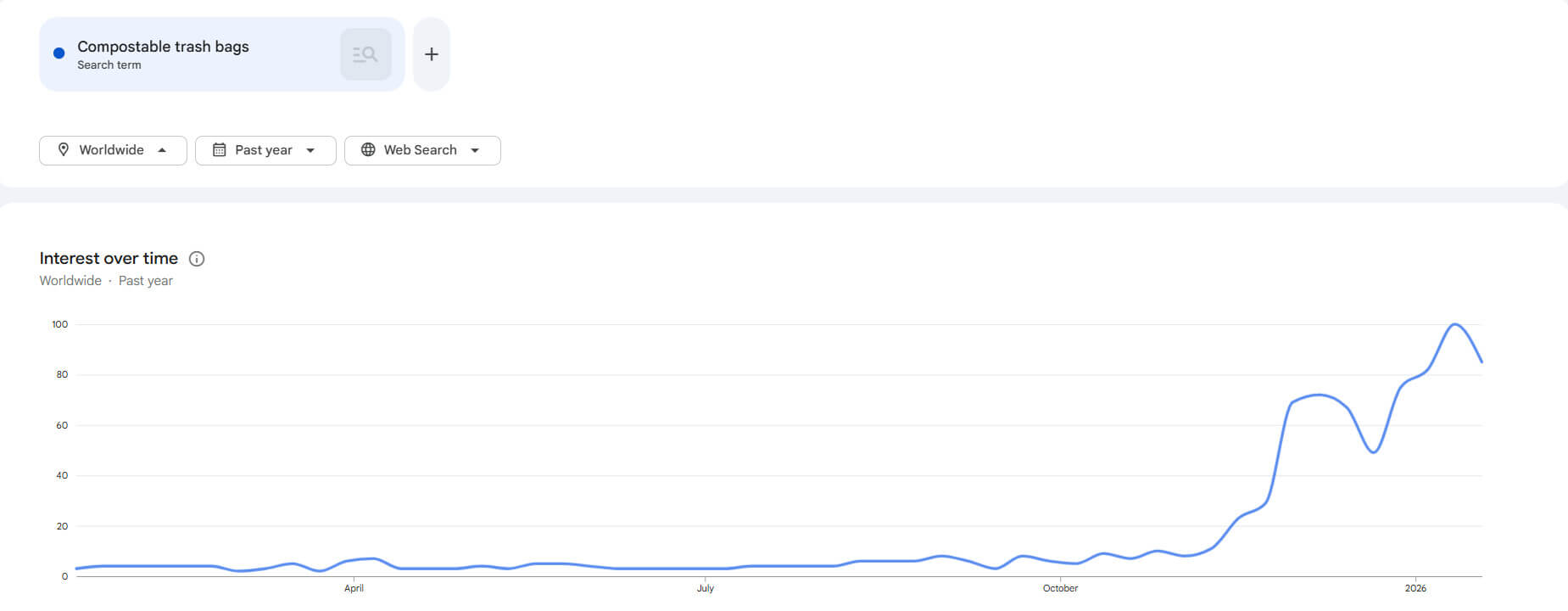
What it is: Compostable bags that reduce plastic waste for household bins.
Why it sells in NL: Repeat purchase potential. People care about waste reduction, but they still want bags that don’t rip.
How to position it: “Compostable, but actually strong.” This angle beats the generic eco pitch.
QC + return-proofing:
- Tear resistance testing (thin = disaster)
- Accurate bin size labeling
- Pack quality (bags not sticking/fusing)
- Clear storage guidance (heat can degrade compostable bags)
12) Draft stopper / door seal strip (clean look, strong adhesive)
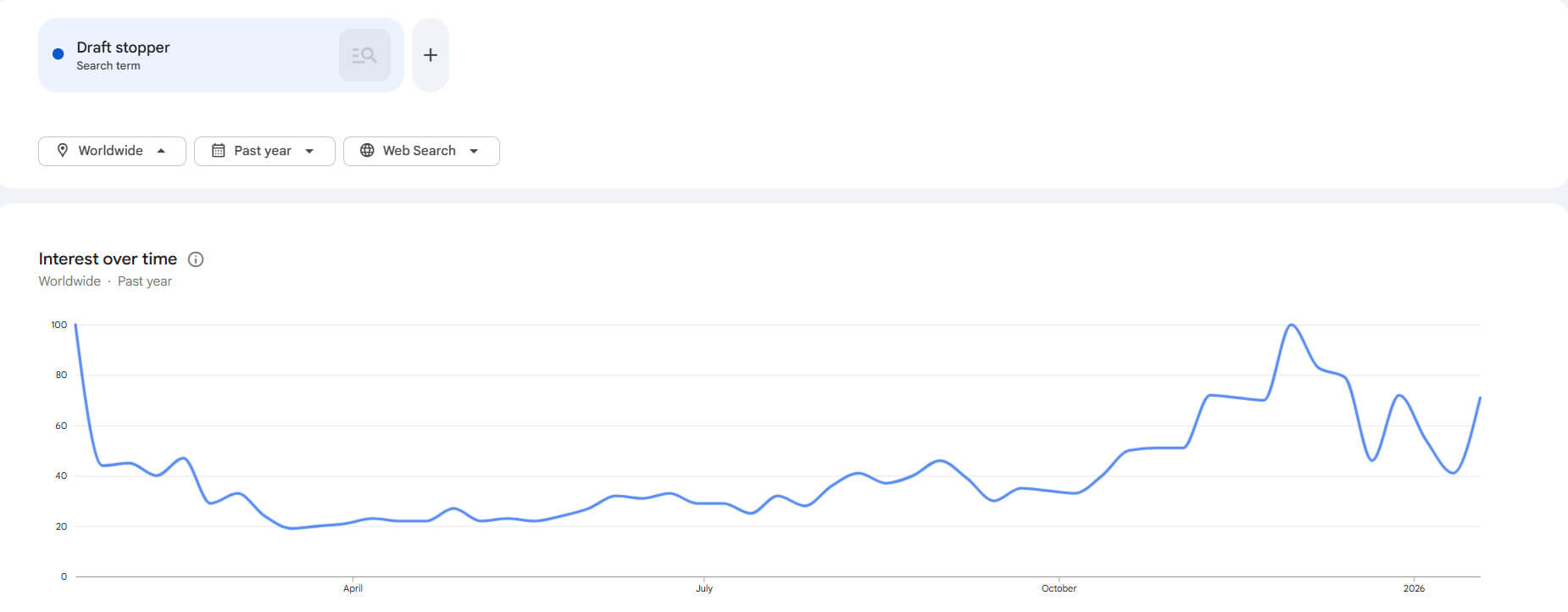
What it is: A simple strip that helps reduce drafts and improve comfort.
Why it sells in NL: Energy costs and comfort upgrades push buyers toward “small efficiency fixes.” They want it to work and not look ugly.
How to position it: “Invisible comfort upgrade.” A clean design + easy install sells better than “cheap insulation.”
QC + return-proofing:
- Adhesive strength and residue behavior
- Material flexibility (shouldn’t crack in cold)
- Clear instructions + surface compatibility
- Offer size variants (common return reason is wrong length/fit)
Bonus “brandable” picks (great for bundles + private label)
13) Cable management desk kit (clips + sleeves + cable box)
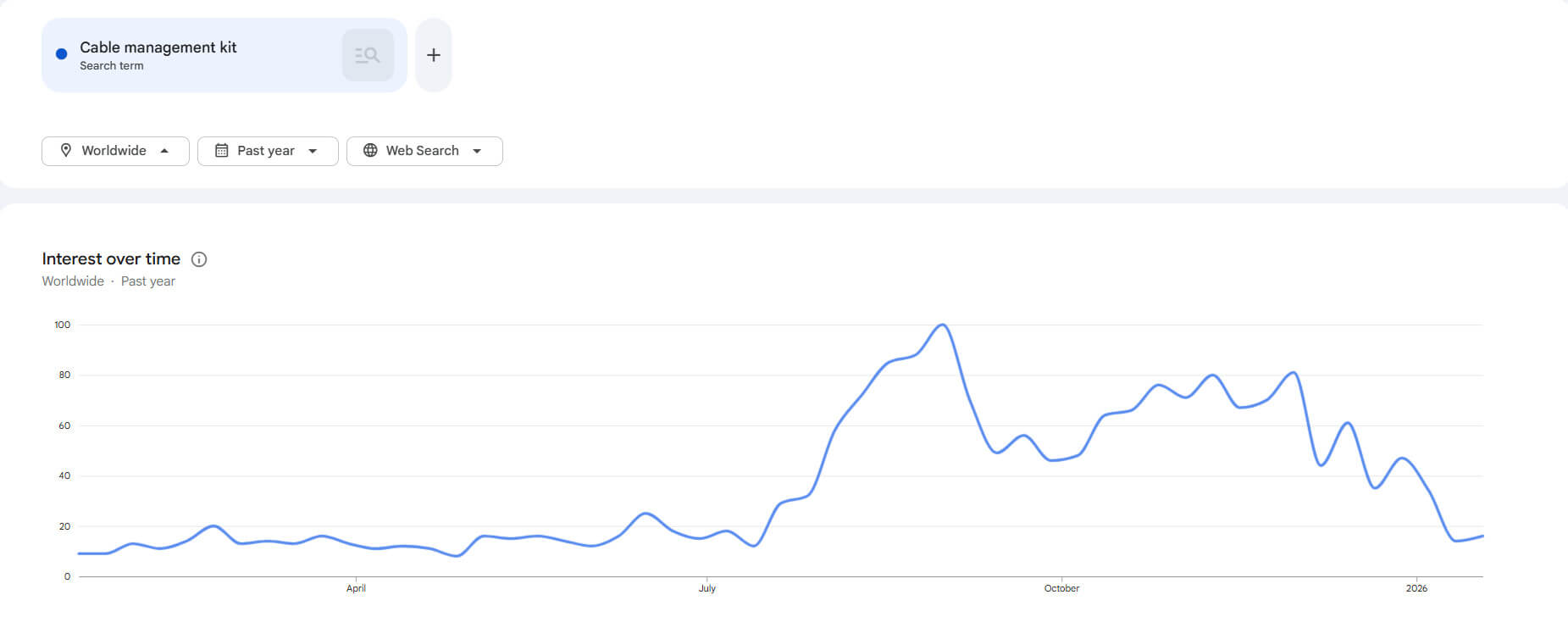
What it is: A desk “tidy setup” kit for work-from-home spaces.
Why it sells in NL: Aesthetic + productivity buyers overlap heavily. People pay for neat spaces that feel intentional.
How to position it: Sell as a complete set: “Clean desk in 15 minutes.”
QC + return-proofing:
- Adhesive doesn’t damage surfaces
- Plastic quality doesn’t feel brittle
- Every piece included (missing parts = instant bad review)
14) Pet lick mat (suction base + enrichment angle)
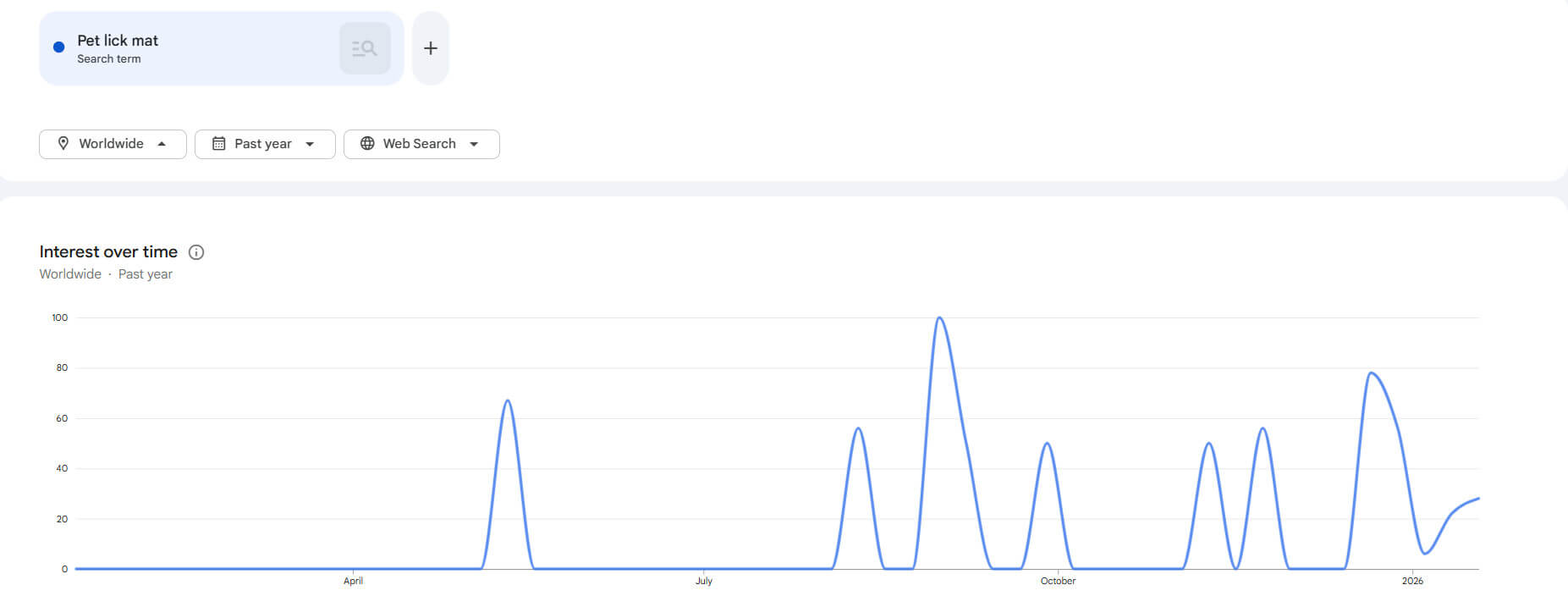
What it is: A calming/enrichment mat for pets (anxiety reduction, slow feeding).
Why it sells in NL: Premium pet owners buy solutions, not toys. Enrichment products feel “smart” and justify higher pricing.
How to position it: “Calm your dog during grooming, alone time, or stress.”
QC + return-proofing:
- Strong suction (weak suction = returns)
- Food-safe material
- Easy-clean surface (dishwasher-safe if true)
15) Slow feeder bowl (true anti-gulp design)
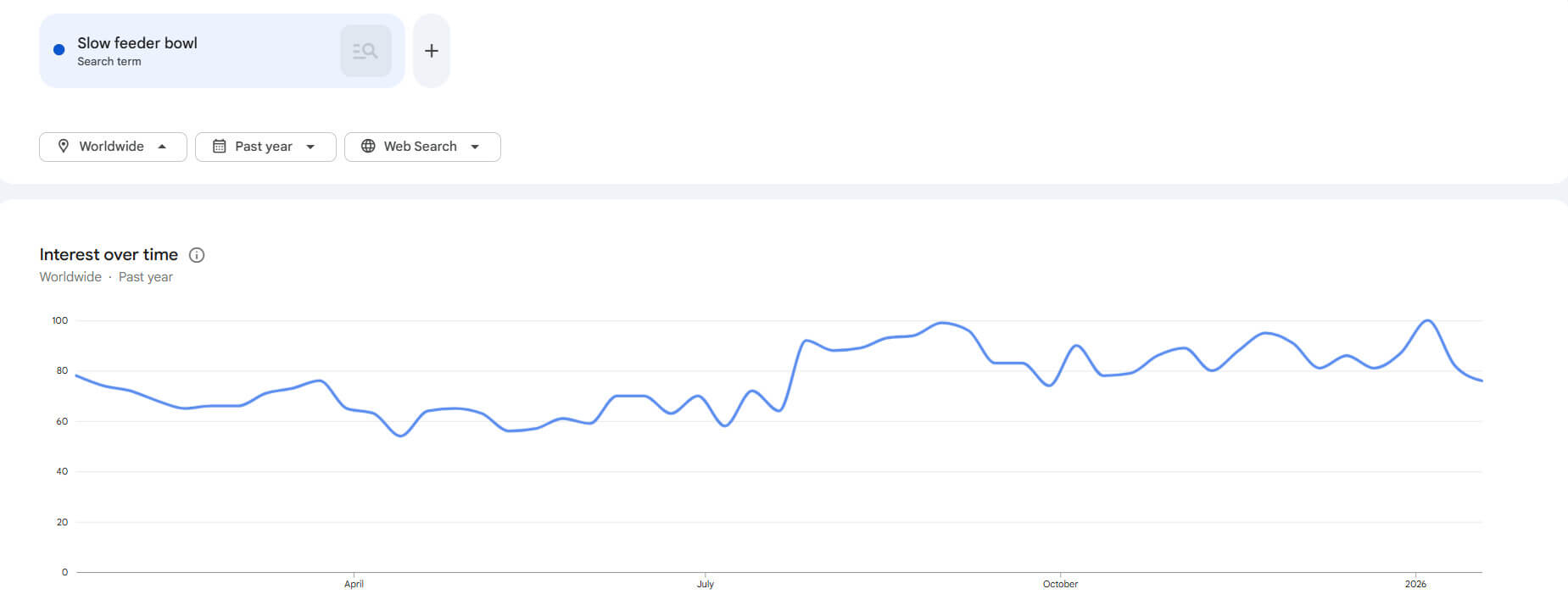
What it is: A bowl that slows eating to reduce gulping and digestive issues.
Why it sells in NL: Practical wellness product with clear benefit, buyers understand it instantly.
How to position it: “Health upgrade for fast eaters.” Keep design premium and simple, not cartoonish.
QC + return-proofing:
- Stable base
- Smooth edges (no rough plastic)
- Material quality that doesn’t retain smells
Why Standard Dropshipping Fails on Bol.com & Amazon NL (The Real Risk)
On paper, standard dropshipping looks simple: list products, forward orders to a supplier, and let them ship directly to the customer. In reality, this model breaks down quickly on strict platforms like Bol.com and Amazon NL, where performance standards are non-negotiable.
The biggest issue is not pricing or demand, it’s logistics reliability.
The delivery standards most sellers underestimate
Both Bol.com and Amazon NL closely monitor seller performance metrics, especially:
- On-time delivery rate
- Cancellation rate
- Return and complaint ratios
- Customer satisfaction scores
When you rely on suppliers shipping from China or inconsistent third-party fulfillment, delivery times often stretch to 10–20+ days. Even if the product eventually arrives, this creates three compounding problems:
Late deliveries trigger account penalties: Miss delivery promises often enough and your listings get suppressed, or your account gets restricted entirely.
Returns spike (even when the product is fine): Dutch customers have low tolerance for long waits. If expectations aren’t met, they return the item, sometimes unopened.
Your account health degrades silently: Platforms do not always warn you upfront. Performance scores decline in the background until scaling becomes impossible.
This is why many sellers feel “stuck” on Bol.com: demand exists, ads work, but growth stalls because logistics cannot keep up.
Why AliExpress-style fulfillment is especially risky
A lot of competitor content still recommends:
- Shipping directly from AliExpress
- Ordering samples yourself to “test quality”
- Accepting longer delivery windows early on
This advice ignores how Dutch marketplaces actually work.
Ordering samples yourself:
- Takes weeks
- Costs money repeatedly
- Still doesn’t guarantee consistency across future orders
And once listings are live, you don’t get second chances with slow or inconsistent fulfillment.
The only model that works at scale: EU stock + quality control
To succeed on Bol.com and Amazon NL long-term, sellers need to control two things standard dropshipping can’t:
1) Delivery speed: Dutch buyers expect 1–2 day delivery for most everyday products. With EU-based inventory, this becomes predictable instead of risky.
2) Product consistency: Quality inspection before products reach EU warehouses prevents:
- Defective batches
- Inconsistent materials
- “Looks different from photos” complaints
When products are checked before they ship locally, return rates drop, and so does platform risk.
Why this matters before you even choose a product
This is the part most guides miss:
On Bol.com and Amazon NL, logistics strategy matters as much as product selection.
You can find a winning product, but without fast, reliable fulfillment, it will never scale safely.
That’s why the most successful sellers in the Netherlands move away from “standard dropshipping” early and build around:
- EU warehouse fulfillment
- Pre-shipment quality inspection
- Private-label branding that builds trust with local buyers
That shift is what separates short-term experimentation from a business that platforms actually reward.
The Secret to High Margins: Private Label & Quality Inspection

When a product looks and feels generic, buyers compare listings purely on price and shipping time.
Private label changes the way the product is evaluated. A clear brand identity, clean packaging, and consistent presentation help shift the buyer’s attention from “What’s the cheapest version?” to “Which option seems reliable?”
For Dutch consumers who value practical, well-presented household and lifestyle items, this difference is noticeable.
Even small branding elements, packaging sleeves, inserts, consistent visuals, create enough separation from identical listings to justify more stable pricing. Over time, this reduces the constant need for discounts and helps sellers maintain healthier margins across all platforms.
Why Quality Inspection Protects Both Revenue and Reputation
Poor quality control is one of the biggest sources of margin loss, especially in categories like home, cycling, and pet products where sizing, materials, and small details matter. Without inspection at the source, sellers often receive batches with:
- Slight material changes
- Weaker adhesives or finishes
- Inconsistent sizing
- Small defects that only appear when customers start using the product
Every defect that reaches a customer turns into:
- A return
- A replacement shipment
- A negative review
- A performance hit on marketplaces
These are silent costs that accumulate faster than most sellers expect. Quality inspection reduces this significantly by ensuring the batch matches the sample, verifies materials and finishes, and removes defective units before they reach the EU warehouse.
How the Two Work Together to Raise Margins
Private label help you price with more flexibility, and quality inspection helps you keep more of that revenue by reducing return-related costs. This combination creates a foundation where each sale is more profitable than it would be under a standard dropshipping model.
Sellers who adopt both, branding + consistent QC, tend to experience:
- Lower return rates
- More predictable customer feedback
- Better performance metrics on Bol.com
- Higher repeat purchase rates
- Better resilience against competition
This isn’t about creating a luxury brand. It’s simply about ensuring the product and the presentation meet Dutch expectations from the first order onward. When those conditions are stable, margins improve naturally without relying on aggressive pricing.
Key Regulations for Selling in the Netherlands (VAT, IOSS & 30% Ruling)
Selling to Dutch customers is straightforward once your logistics and taxes are set up correctly. Most of the complexity comes from understanding how VAT, IOSS, and, if you’re an expat entrepreneur, the 30% ruling apply to your operations.
You do not need to become a tax expert to start selling, but you should know the basics so you avoid unexpected costs or customer complaints.
VAT: What Sellers Need to Get Right
VAT is charged on almost all physical goods sold in the Netherlands. For marketplace sellers and independent stores, the important points are:
- If you store products in an EU warehouse, you usually need a VAT number for the country where the goods are held.
- Marketplaces like Bol.com may handle certain VAT obligations on your behalf, but you are still responsible for accurate invoicing and reporting.
- Dutch buyers expect clear, VAT-inclusive pricing. Any confusion around tax at delivery leads to returns or cancelled orders.
From a practical standpoint: when your stock is stored in the EU and shipped locally, VAT is predictable and you avoid “unexpected fees on delivery,” which is one of the quickest ways to lose customer trust.
IOSS: Avoiding Surprise Import Fees for Customers
If you ship lightweight or test-phase orders directly from China, the IOSS (Import One-Stop Shop) scheme becomes relevant.
IOSS allows sellers to pre-collect VAT at checkout for orders under €150. When IOSS is used properly:
- Customers do not pay handling fees or import VAT upon delivery
- Parcels clear customs faster
- Return rates drop significantly because there are no “unexpected charges” at the door
- NicheDropshipping can register and manage IOSS for clients so you don’t have to navigate the process yourself. This is especially useful in hybrid setups where you test new products from China before moving them into EU stock.
The 30% Ruling: A Practical Advantage for Expat Entrepreneurs
The Netherlands offers a well-known tax benefit for certain highly skilled expats: the 30% ruling. While it is not directly related to dropshipping, it often appears in People Also Ask results for “start business Netherlands,” which is why it’s included.
In short:
- Eligible expats can receive up to 30% of their salary tax-free for a limited period
- Many foreign entrepreneurs relocating to the Netherlands use this to reduce their personal tax burden while establishing a business
It does not affect your store’s VAT or IOSS obligations, but it can make the overall cost structure of running a business in the Netherlands more manageable.
FAQs: Starting Your Dutch Dropshipping Business
Is Dropshipping Legal in the Netherlands?
Yes, dropshipping is fully legal in the Netherlands as long as you meet standard business obligations.
This includes charging VAT correctly, providing accurate product information, and meeting Dutch consumer protection standards, especially around delivery times and returns.
Marketplaces like Bol.com and Amazon NL allow dropshipping, but they expect sellers to maintain reliable shipping and customer service.
If you use EU warehouse fulfillment and verified suppliers, you will operate well within the regulations.
Which Business Is Most Profitable in the Netherlands?
Within ecommerce, the most profitable businesses tend to be branded niche stores. Dutch customers value products that look intentional, consistent, and trustworthy.
Stores that invest in private labels, better packaging, and fast delivery see higher repeat purchases and fewer returns.
Categories that perform well include home organization, cycling accessories, pet care, and practical sustainability products. The common thread among profitable Dutch businesses is not the niche itself, it’s the focus on quality and predictable fulfillment.
Can I Use Aliexpress for bol.com?
You can, but it is extremely risky and almost never sustainable. AliExpress-style shipping times (10–20+ days) do not meet Bol.com’s delivery standards, and late shipments quickly reduce your performance score.
Once your delivery reliability drops, Bol.com can lower your visibility or restrict your account altogether. Many sellers attempt to start this way and end up losing their listings within weeks.
To sell safely on Bol.com, you need:
- EU warehouse stock for 1–2 day delivery
- Quality-checked products before they reach customers
- Consistent supply instead of relying on public marketplace suppliers
This is why most successful Bol.com sellers eventually move away from AliExpress and adopt a hybrid sourcing model with local fulfillment.
Final Thoughts
The Dutch market is strong, but it rewards sellers who deliver quality and fast shipping.
Trends alone aren’t enough, success on platforms like Bol.com and Amazon NL comes from offering reliable products, consistent presentation, and local delivery speeds customers expect.
When you pair good products with quality inspection, EU warehouse fulfillment, and simple private label upgrades, margins stabilize and scaling becomes far more predictable.
If you’re ready to build a setup that fits Dutch standards from the start, submit a free sourcing request with NicheDropshipping. Our team can help you source better products, verify quality, and ship quickly across the Netherlands and the EU.