Creating your own brand of products is a new and exciting venture for any dropshipper or entrepreneur. However, it takes some skill and proper planning to get it right.
In this ‘how to brand my own products’ guide, we discuss the 10 main steps of the process and answer fundamental questions that you may be grappling with.
Read on.
What Does Branding Your Own Products Mean?
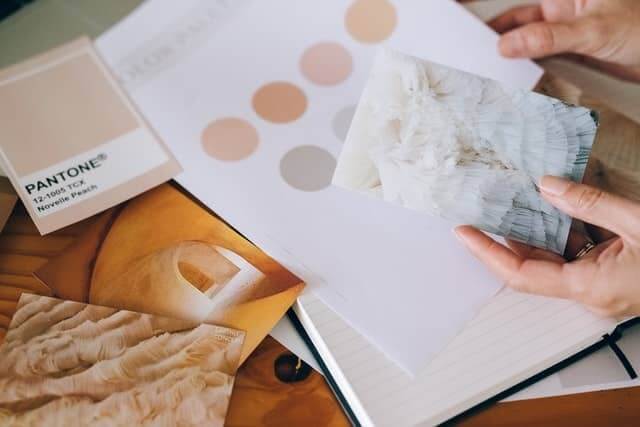
Branding your own products means taking an existing product, usually sourced from a manufacturer, and selling it under your own brand name, with your own packaging, logo, and customer experience.
Instead of reselling the same generic item everyone else sells, you create a version that looks and feels uniquely yours.
In ecommerce, this usually falls under private labeling or white labeling:
Private Label
You work with a manufacturer to produce a product customized to your brand.
Examples:
- Your logo printed on the product
- Custom packaging
- Custom colors, materials, or small design changes
White Label
The manufacturer sells a ready-made product, and you simply add your branding.
Examples:
- Generic skincare jars you label with your brand
- Standard kitchen tools with your custom packaging sleeve
Both approaches let you:
- Control how your product looks
- Build a recognizable identity
- Escape price wars with generic sellers
- Create long-term customer loyalty
In simple terms:
Branding your own products is how you turn a commodity into a brand. It’s the difference between selling “a water bottle” and selling “your water bottle.”
Benefits of Branding Your Own Products
Branding your own products isn’t just about adding a logo, it’s about creating a business with real value, trust, and long-term growth potential.
When you move from selling generic items to your own brand, several advantages open up immediately:
1. Higher Profit Margins
Branded products let you price based on perceived value, not just cost. Instead of competing with sellers who race to the bottom, your brand gives you room to charge more, and keep more profit.
2. Stand Out in a Saturated Market
Most dropshippers sell the same items from the same suppliers. A branded product breaks you out of that noise. You’re no longer compared to “another seller on AliExpress” you’re building your own identity.
3. Build Customer Trust & Repeat Sales
People remember brands, not random store names. A well-designed product + consistent branding creates a sense of reliability, making customers more likely to:
- Return to buy again
- Recommend your product
- Leave positive reviews
4. Better Control Over Quality
Working directly with a manufacturer means you can request:
- Better materials
- Custom packaging
- Improved product versions
- More consistent production
This level of control isn’t possible when selling purely generic dropshipping items.
5. Long-Term Business Growth
A brand makes your business more than just a store, it becomes an asset.
Strong brands can:
- Expand into product lines
- Build loyal communities
- Attract retail buyers
- Even be sold as a business later
Branding transforms your store from a short-term hustle into something scalable and defensible.
Is Private Labeling Legal?
Yes, private labeling is completely legal as long as you’re not violating someone else’s intellectual property (IP).
In fact, most products you see in supermarkets, Amazon listings, and retail stores are private-label goods made by third-party manufacturers.
What isn’t allowed is copying protected elements from an existing brand.
Here’s what’s legal and what isn’t:
Legal
- Buying products from a manufacturer and adding your brand
- Customizing colors, materials, packaging, or features
- Selling the product under your own brand name
- Developing your own logo, packaging, and product inserts
Illegal
- Using another brand’s trademarked name or logo
- Copying packaging or branding that confuses customers
- Selling a patented product without permission
- Using copyrighted design elements (artwork, characters, slogans, etc.)
The Golden Rule:
You must make sure your branding doesn’t conflict with another registered brand.
This is why trademark checks are essential before you finalize your:
- Brand name
- Logo
- Product category
- Packaging design
In a later part of this post, we’ll walk through the exact process of searching, registering, and protecting your brand name in 2026.
What Are the Challenges of Branding My Own Products?
Branding your own products comes with powerful long-term benefits, but it’s not as simple as putting a logo on a box. New sellers often face a few challenges along the way, all of which can be managed with the right preparation.

1. Higher Upfront Costs
Branded products usually require:
- Custom packaging
- Slight product modifications
- A larger initial order (higher MOQ)
These costs pay off later, but you need to budget for them.
2. Finding a Reliable Manufacturer
Not every supplier can deliver:
- Good quality
- Consistent production
- Customization options
It takes time to filter, communicate, request samples, and verify that a manufacturer can support your brand long-term.
3. Longer Production Timelines
Custom products are rarely “ready next week.”
Expect time for:
- Designing packaging
- Sample production
- Revisions
- Final manufacturing
This can delay your launch if you’re not planning ahead.
4. Quality Control Risks
Once you start branding a product, quality becomes your responsibility.
Any defects, material changes, or inconsistencies directly impact your brand reputation.
This makes:
- Sample testing
- Third-party inspections
- Clear specifications are more important than ever.
5. Trademark Conflicts
Choosing a name that:
- Sounds original
- Isn’t trademarked
- Doesn’t overlap with competitors
…can be harder than expected.
Skipping a trademark search can lead to expensive legal issues later.
6. Building a Brand Identity That Actually Resonates
Logo, packaging, messaging, unboxing experience, these need to feel consistent and meaningful. Many new sellers underestimate the creative work involved.
7. Marketing and Differentiation
Even the best product needs:
- High-quality photos
- Strong product positioning
- A clear value proposition
- Consistent storytelling
Branding adds opportunities, but also raises expectations.
Market Research Module (2025 Tools + Practical Use Cases)
Most failed private-label products don’t fail because the branding is bad, they fail because no one wanted the product in the first place.
Market research helps you avoid that. It shows you what people are searching for, what competitors are doing, and what customers actually care about.
Below is a simple, practical toolkit you can rely on in 2026.

1. Google Trends – Understand Demand Patterns
What it does: Shows you how search interest for a product changes over time.
Practical Use Cases:
- Check whether a product is rising or declining (e.g., portable blenders).
- Identify seasonality (e.g., heating pads spike every winter).
- Compare multiple product ideas to see which has more potential.
How sellers use it: Before investing in a branded product, confirm that demand isn’t flat or falling.
2. SimilarWeb – Analyze Competitor Traffic (Not Just Keywords)
What it does: Gives you deep insights into how top competitors attract traffic.
Practical Use Cases:
- See which products are driving the most visits to competitor stores.
- Understand which channels (TikTok, Instagram, SEO, ads) are working.
- Find competitors you didn’t know existed.
- Estimate how hard it will be to rank in your niche.
How sellers use it: If a competitor is getting most of their traffic from social media, you know paid ads will matter more than SEO for that product.
3. SurveyMonkey / Google Forms – Collect Real Customer Insights
What it does: Helps you validate ideas directly with your potential buyers.
Practical Use Cases:
- Ask people which product versions they prefer (color/material/style).
- A/B test packaging ideas before mass production.
- Understand pain points your product should solve.
How sellers use it: Run a quick survey inside a Facebook Group or IG Story to confirm demand before investing in branding.
4. TikTok Creative Center – Spot Fast-Moving Trends in Real Time
What it does: Shows trending products, hashtags, and content formats.
Practical Use Cases:
- Identify products that are going viral internationally.
- Discover how creators are positioning these products.
- Spot design trends (e.g., pastel colors, clean minimal aesthetics).
How sellers use it: If a particular product style is trending on TikTok (e.g., aesthetic home decor), sellers can adapt their branding to match what buyers already love.
5. Amazon Movers & Shakers – See What Buyers Are Purchasing RIGHT NOW
What it does: Shows the fastest-growing sales items in each category.
Practical Use Cases:
- See niche-specific trends (kitchen, fitness, beauty).
- Identify sudden demand spikes you can capitalize on.
- Validate that your product category is active.
How sellers use it: If multiple versions of the same product appear in a category, it’s a sign of growing interest.
6. Keyword Tools (Ahrefs, Semrush, Ubersuggest)
What they do: Reveal search volume, keyword competition, and related products.
Practical Use Cases:
- Find low-competition product opportunities.
- Validate long-tail keywords buyers use (“eco-friendly dog bowls”).
- Check monthly search volume before deciding on a niche.
How sellers use it: Search “best XYZ” or “XYZ for women/men/babies” to see what people are actively shopping for.
7. Pinterest Trends – Understand Aesthetic & Lifestyle Direction
What it does: Shows what styles, colors, and product categories are trending.
Practical Use Cases:
- Identify emerging design or color trends for product branding.
- Explore new themes (e.g., “Japandi kitchen,” “warm neutrals”).
- Find related products your audience likes.
How sellers use it: Great for niches like home décor, fashion, gifts, and lifestyle, where branding and aesthetics matter.
What they do: Show conversation trends, product complaints, and unmet needs.
Practical Use Cases:
- See what people dislike about existing products (fix it in your version).
- Identify pain points you can highlight in your branding.
- Spot micro-trends before they become mainstream.
How sellers use it: Search Reddit threads like r/BuyItForLife, r/MakeupAddiction, r/Pets, people share what they hate about products. Fixing those issues is branding gold.
Step-by-Step: How to Brand Your Own Products in 2025
Branding your own products isn’t a one-step task, it’s a process that moves from product research all the way to product launch. Follow this roadmap to build a brand that feels professional, reliable, and ready for long-term growth.
Step 1 – Choose the Right Product to Brand
Branding starts with choosing a product that already has proven demand and enough room for your brand to stand out.
You don’t need hundreds of options, just one solid product that customers are already buying and that you can improve visually or functionally.
Here’s what to look for:
- Steady or rising demand
- A product category where branding matters (beauty, home decor, kitchen, fitness, pet products, etc.)
- Gaps you can improve (packaging, materials, design, features)
- A price point that leaves room for branding and profit
Goal: Shortlist 1–3 promising products that you can realistically improve or differentiate through branding.
Step 2 – Validate That People Will Actually Buy It
Before you spend money on samples and branding, verify demand.
Use:
- SurveyMonkey or Google Forms
- Instagram Stories polls
- Facebook groups & niche communities
- Keyword research tools
Ask simple questions like:
- “Which version do you prefer?”
- “What would you change in this product?”
- “Would you buy this at X price?”
Goal: Pick 1 product with real, validated interest.
Step 3 – Choose the Right Manufacturer
Now that your product idea is validated, find a manufacturer who can bring it to life.
Use these platforms:
- Alibaba.com
- Global Sources
- Made-in-China.com
Screen Suppliers Using This Checklist:
- Enterprise qualification certificate
- Customer reviews
- Business license & years in operation
- Sample test reports
- Customization capabilities
- Clear MOQ
- Fast response time
- Willingness to provide samples
Goal: Shortlist 2–3 suppliers for sampling.
Step 4 – Order Samples and Test the Product
Never skip samples. This is where you catch problems before investing big.
What to Check in a Sample:
- Product quality
- Materials, durability, and finish
- Branding positions (logo placement, embossing, printing)
- Packaging design options
- Size & weight accuracy
- Overall usability
If something feels off, request a revised sample.
Goal: Approve one final sample that meets your brand standards.
Step 5 – Create Your Brand Identity (The Fun Part)
Brand identity is what transforms your product from “generic” to “premium.”
What you need:
- Brand name
- Logo design
- Color palette
- Typography
- Packaging design
- Product inserts
- Unboxing experience
Bonus: Use Pinterest Trends + TikTok Creative Center to align your branding with current aesthetics.
Goal: Have all visual assets ready before mass production.
Step 6 – Customize Your Product (Private Labeling)
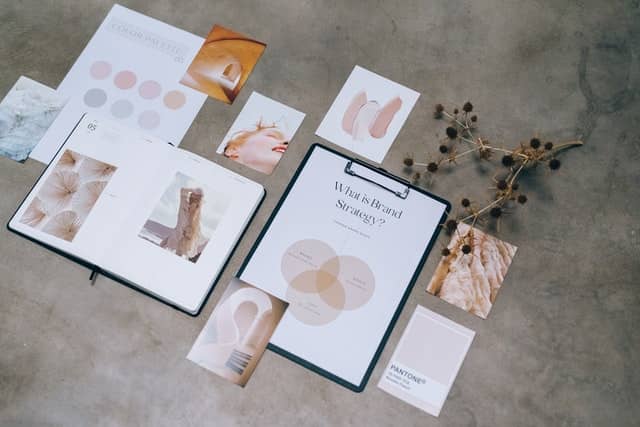
Share your branding assets with your chosen manufacturer.
Customization options typically include:
- Logo printing or engraving
- Custom packaging
- Adjusting color, materials, or finish
- Adding accessories or bundles
- Custom product dimensions (for more advanced sellers)
Goal: Lock in final production details and sign off on the design.
Step 7 – Place Your First Small Production Run
Start lean, don’t over-order.
Typical MOQ for private-label products:
- 50–200 units (for small items)
- 200–500 units (for higher-end products)
Confirm:
- Unit cost
- Packaging cost
- Lead time
- Quality control steps
- Shipping method
Goal: Begin production with minimum risk and maximum quality control.
Step 8 – Register Your Brand (Optional but Recommended)
You can officially register your brand:
- USPTO (US)
- EUIPO (Europe)
- China Trademark Office
- WIPO (global search)
Basic process: Search → Prepare materials → Submit → Review → Certificate
This protects your name, logo, and product category from copycats.
Goal: Secure long-term brand ownership.
Step 9 – Prepare for Market Launch
Before launching, organize your marketing assets:
- High-quality product photos
- Short videos or UGC-style clips
- Product descriptions
- Social media pages
- Store design
- Ads or influencers (optional)
Make sure your branding stays consistent everywhere.
Goal: Build excitement before your first inventory arrives.
Step 10 – Launch, Collect Feedback, and Improve
Once your product goes live:
Track:
- Customer reviews
- Return reasons
- Complaints
- Packaging issues
- Repeat purchase rate
Small improvements in version 2.0 can dramatically boost your brand reputation.
Goal: Refine your product and scale your brand sustainably.
How to Brand My Own Products From China

China is a top choice for private labeling services. Given that it is a manufacturing hub, the cost of manufacturing is usually lower and manufacturers are well-experienced in production and customization.
However, if you do not reside in China, private labeling goods from China would require some effort. The good news is that it is not an overly complex process and there are many ways for you to access manufacturers. You could either:
- Contact the manufacturer directly online
- Visit the manufacturer in China
- Use an agent to liaise with manufacturers on your behalf
Each of these options presents its own sets of challenges. Handling everything on your own could be overwhelming while using an agent could be risky as not all of them are trustworthy.
At NicheDropshipping, we understand how challenging this can be. This is why we strive to offer seamless all-inclusive dropshipping services to our clients. Moreover, every detail about our reputation is verifiable.
If you choose to work with us, we could:
- Find reliable manufacturers on your behalf
- Negotiate friendly manufacturing rates for you
- Organize the collection and warehousing of your manufactured products
- Package and fulfill dropshipping orders worldwide
How to Register Your Brand (Simple 5-Step Process)
Registering your brand isn’t mandatory for selling private-label products, but it’s one of the best long-term protections you can give your business.
A registered trademark prevents other sellers from using your brand name, copying your logo, or confusing customers with similar packaging.
This section breaks down the entire process into simple steps, along with the tools you can use to check your brand name before applying.
1. Search for Existing Trademarks
Before you design packaging or print labels, make sure someone else hasn’t already registered your brand name.
Use these free search tools:
- USPTO (USA)
- EUIPO (European Union)
- WIPO (Global search)
- China Trademark Office (for China-based manufacturing and export)
What to look for:
- Exact matches to your name
- Confusingly similar names
- Brands registered in your product category (Nice Classes)
If your idea is already taken, change it early, not after you’ve printed 500 units.
2. Prepare the Required Materials
Most trademark offices ask for the same basic documents:
- Your brand name
- Logo (if applying for a logo mark)
- Applicant details (your name or business name)
- List of products you will sell (classified under “Nice Classes”)
- A “specimen” showing how your brand appears on a product (optional at this stage in some countries)
Tip: Make sure your brand name is unique, easy to spell, and not descriptive (e.g., “Best Kitchen Tools” won’t be approved).
3. Submit Your Trademark Application

You can apply through:
- A government trademark office (USPTO, EUIPO, UKIPO, etc.)
- Or through a lawyer/filing service if you prefer not to handle legal forms
You’ll need to choose between:
- Word mark: Protects the name only
- Design/logo mark: Protects the design or stylized version of your brand
- Combined mark: Protects both
For ecommerce sellers, a word mark is the most flexible and recommended.
4. Review Stage (Examination Process)
Once submitted, the trademark office will:
- Review your application
- Check for conflicts
- Ask for clarifications if needed
- Publish it for public opposition (required in most countries)
This stage can take anywhere from 3–6 months, depending on the country.
If everything looks good, your application moves to approval.
5. Obtain Your Trademark Certificate
After the review and opposition period, your trademark is officially granted.
You’ll receive a certificate of registration that proves legal ownership of your brand name and logo within that country.
What you can now do:
- Use the ® symbol
- Report infringers
- Enroll in Amazon Brand Registry
- Protect your brand across marketplaces
Most new sellers launch first and file their trademark once they’re sure the brand is worth growing.
Best approach: Launch → Validate sales → File trademark within the first 3–6 months.
Final Thoughts
Stagnation, in a business as competitive as dropshipping, can lead to a decline in profits and displacement by competitors. Exploring growth avenues such as private labeling is, therefore, a great way to stay relevant and boost your income.
Make an effort to:
- Do your due diligence
- Create a brand that customers can relate to
- Offer a product or solution that matches their needs
- Ensure you deliver high-quality private label products
- Work with a marketing strategy that resounds with your target market
While all of this is achievable, we, at NicheDropshipping, can make it much easier for you. Contact us today and let us help you accomplish your private label dropshipping goals.