Auto parts dropshipping is an ecommerce model where you sell car parts and accessories without stocking them yourself. When a customer places an order, your supplier stores, packs, and ships the product directly to them. You manage the storefront, pricing, marketing, and support while the supplier handles fulfillment and inventory.
Quick Facts: Auto Parts Dropshipping in 2026
- 15 suppliers: Every company in this guide was re-verified as active on August 21, 2026.
- 4 supplier types: Dropshipping agents/platforms, warehouse distributors, manufacturers, and EU specialists.
- Dealer requirements vary: Most US warehouse distributors require a registered business and resale certificate; some also require an opening-order buy-in.
- Typical margins vary by category: Branded replacement parts may sit around 10–25%, while universal accessories and LED lighting can offer considerably more room.
- Biggest operational risk: Fitment errors can quickly turn into returns, shipping costs, and unhappy customers.
- Beginner-friendly products: Universal accessories and appearance parts generally carry less fitment risk than vehicle-specific replacement parts.
Why Trust This Guide?
Our team works directly in product sourcing and fulfillment. NicheDropshipping was founded by Stanley Nieh, who has 10+ years in foreign trade, and today our 15-person sourcing team works with 3,000+ partner factories and serves 3,000+ Shopify dropshippers and Amazon sellers.
That gives us a practical perspective on where sourcing usually breaks down: product consistency, quality inspection, shipping costs, supplier communication, and scaling fulfillment. We use that operational lens throughout this guide while being equally clear about the areas where specialist automotive distributors have the advantage.
What Is Auto Parts Dropshipping?
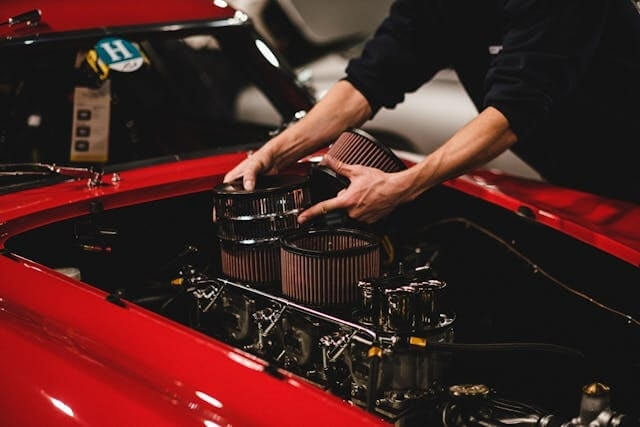
Auto parts dropshipping is an ecommerce model focused specifically on selling car and motorcycle parts, tools, and accessories without holding inventory.
Instead of stocking items like brake pads, LED headlights, or detailing kits in your own warehouse, you list them online and rely on a supplier to handle storage, packaging, and shipping directly to your customer.
This approach is especially appealing in the automotive industry, where the sheer variety of parts, thousands of SKUs for different makes, models, and years, makes it difficult and expensive to manage inventory on your own. Dropshipping allows you to offer a wide catalog without the upfront costs of bulk purchasing.
For example, a customer shopping for wiper blades for a Toyota Camry or an LED light bar for a Jeep can order from your store, and your supplier ships the exact product straight to them. Your role is to manage the storefront, marketing, and customer service, while the supplier ensures the part is delivered.
Because auto parts are critical to vehicle performance and safety, accuracy and speed matter. Fitment data, reliable shipping, and warranty coverage are non-negotiables. Done right, auto parts dropshipping lets you tap into a massive global market while focusing on building your brand and customer base.
Types of Auto Parts Dropshipping Suppliers
Before comparing individual companies, we suggest deciding what type of supplier your store actually needs. In auto parts dropshipping, supplier type affects everything from account requirements and shipping speed to fitment data, branding options, and the products you can realistically sell.
Dropshipping Agents and Platforms
Dropshipping agents source products from factories, arrange quality inspection, and fulfill orders for your store. They generally have lower entry barriers than traditional automotive distributors and work best for universal accessories, appearance products, lighting, and other products that don’t require complex vehicle fitment.
Platforms work differently. Marketplaces such as AliExpress connect you with individual sellers, while automotive middleware such as Parts Square connects an existing store to distributors and their inventory feeds.
Ideal for: Beginners, product testing, universal accessories, private label, and branded packaging.
Warehouse Distributors
Warehouse distributors, or WDs, are the backbone of the branded US automotive aftermarket. Companies such as Turn 14, Keystone, and Motor State hold inventory from hundreds of automotive brands and can often deliver orders within one or two days.
The trade-off is access. Most require a registered business, dealer application, resale certificate, and sometimes an opening-order buy-in before they’ll approve your account.
WDs are usually the stronger option when we need accurate fitment data, authorized branded products, or fast delivery for vehicle-specific parts.
Ideal for: Replacement parts, branded performance products, racing parts, truck and off-road products, and other fitment-critical categories.
Manufacturers with Dropship Programs
Some automotive manufacturers allow approved dealers to dropship their products directly. Instead of giving you access to hundreds of brands, they specialize in their own product lines.
That narrower catalog can work well when you’re building a focused store around a specific category such as performance components, aftermarket wheels, or detailing products. Dealer approval and MAP pricing requirements may still apply.
Ideal for: Niche stores that want specialist products and a closer relationship with the brand behind them.
EU Automotive Suppliers
If most of your customers are in the UK or Europe, a European supplier can make more sense than shipping vehicle parts from a US warehouse. Local suppliers can reduce delivery distance and may provide regional product documentation and EUR-denominated dealer programs.
The main limitation is that onboarding, fitment standards, catalogs, and dealer requirements may be designed specifically for the European market.
Ideal for: UK and EU sellers that need locally stocked tuning, styling, and vehicle-specific parts.
Which Supplier Type Should You Choose?
A simple rule we use is:
- Universal accessories, lighting, styling, or private-label products: Start with an agent or sourcing platform.
- Branded replacement and performance parts: Look at warehouse distributors.
- A focused specialist catalog: Consider manufacturers with direct dealer programs.
- Primarily UK/EU customers: Prioritize European suppliers and local fulfillment.
For many established automotive stores, a hybrid setup makes the most sense: a warehouse distributor for fitment-critical branded parts and a sourcing agent for accessories where branding, QC, and factory-direct sourcing matter more.
Top Picks by Category
If you want a faster shortlist, these are the suppliers that stand out for specific use cases. We’re not ranking them overall, each one fits a different type of auto parts business.
| Category | Supplier | Why It Stands Out |
| Best for beginners | NicheDropshipping | No dealer application or buy-in, QC before shipping, and access to US and EU warehouse fulfillment for universal accessories. |
| Best for performance parts | Turn 14 Distribution | Large performance-focused catalog, strong distributor integrations, and 1–2 day ground coverage across the US. |
| Best for tires | American Tire Distributors (ATD) | Deep tire distribution network with same- or next-day dealer delivery in many areas. Dealer approval required. |
| Best for aftermarket wheels | Wheel Pros | Broad wheel-brand portfolio, dealer data tools, fitment search, and nationwide distribution. |
| Best for truck and off-road | Meyer Distributing | Strong coverage across truck, Jeep, towing, RV, powersports, and off-road categories, backed by its own delivery fleet. |
| Best for racing | Motor State Distributing | Built around racing and high-performance products, with blind dropshipping, frequent inventory feeds, and dealer-logo packing slips. |
| Best for detailing products | Lane’s Car Products | USA-made detailing chemicals and consumables that can support repeat purchases. |
| Best for EU sellers | FK Automotive | Germany-based stock, dealer data feeds, and faster intra-EU fulfillment for tuning and styling products. |
| Best for private label and branding | NicheDropshipping | Factory sourcing, custom packaging, private label, and no traditional WD dealer-account barrier. |
Our main takeaway: supplier fit matters more than catalog size. A performance store may get more value from Turn 14 or Motor State, while a seller focused on universal accessories and branding will usually need a very different sourcing model.
The 15 Best Auto Parts Dropshipping Suppliers in 2026
Group A: Dropshipping Agents & Platforms
Agents and platforms are generally the easiest route into auto parts dropshipping because they avoid many of the dealer-account barriers you’ll see with US warehouse distributors. We see them working best for universal car accessories and appearance products, although the three options below operate very differently.
1. Alibaba & AliExpress
Alibaba and AliExpress are sourcing marketplaces rather than individual auto parts suppliers. Both belong to Alibaba Group, but they serve different purchasing models: AliExpress supports direct consumer-style orders with no account barrier, while Alibaba focuses more on B2B sourcing, where individual suppliers may set MOQs.
For dropshippers, we see the most value in using them to test universal accessories and benchmark sourcing prices before committing to a longer-term supplier relationship.
- Location: Hangzhou, China
- Products: Universal car accessories and appearance parts from thousands of independent sellers
- Type: Marketplace / sourcing channel
- Dropship requirements: None for AliExpress; Alibaba orders are subject to individual supplier MOQs
- Shipping: Standard AliExpress shipping typically takes 1–3 weeks; some sellers offer US or EU warehouse inventory
- Pricing: Varies by seller; product quality and pricing are not standardized
- Ideal For: Product testing and price benchmarking before moving to an agent or automotive distributor
- Pros: Large product selection; no dealer-account barrier; useful for validating product demand
- Cons: Product consistency varies between sellers; there is no centralized QC process or standardized automotive fitment data; branding options are limited; processing can commonly take 3–7 days
The main issue is consistency. You are managing relationships with individual marketplace sellers, which becomes harder once order volume grows or you need reliable QC, inventory planning, and branded fulfillment.
2. Parts Square
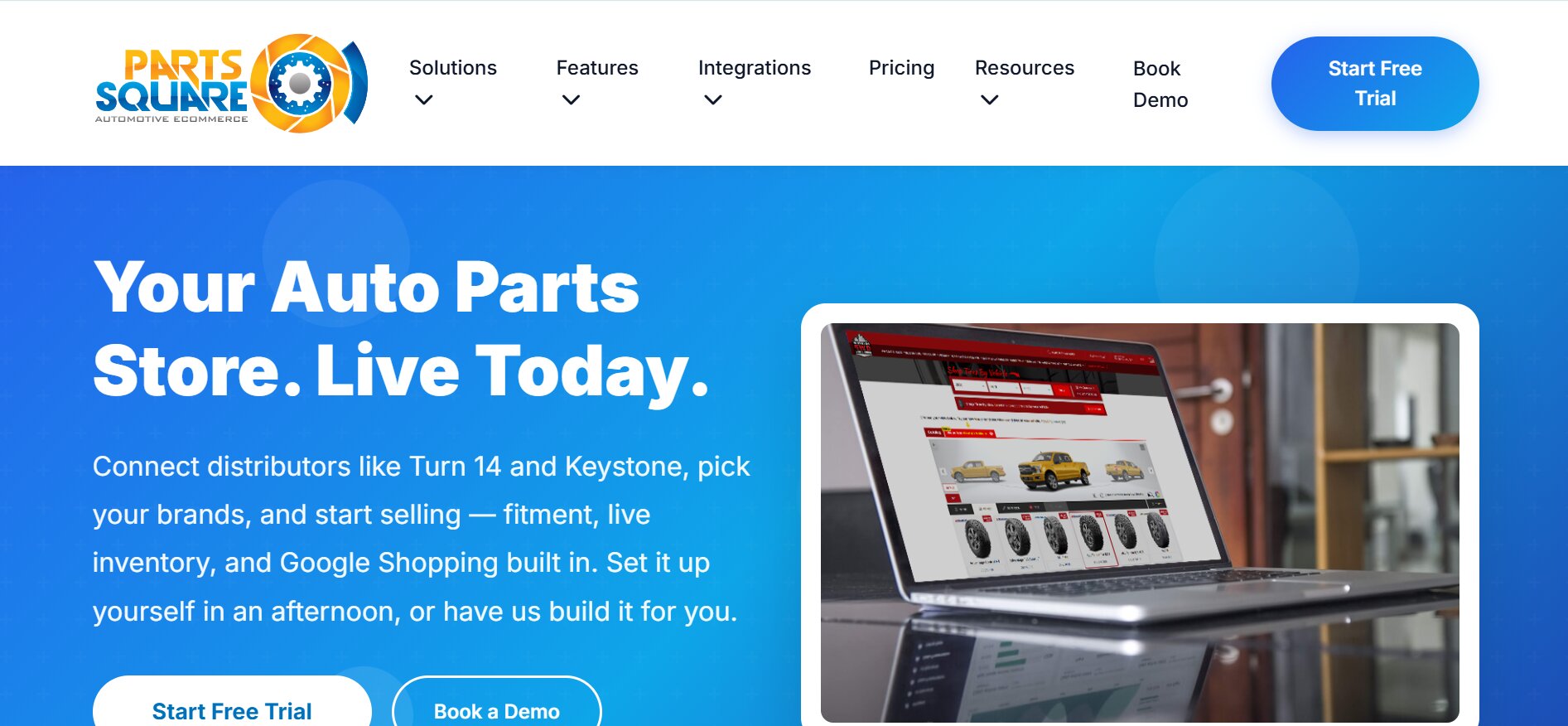
Parts Square is the unusual entry in this group because it does not hold or supply automotive inventory itself. Instead, it acts as middleware between your ecommerce store and warehouse distributors including Keystone, Turn 14, Meyer, Motor State, Premier/APG, CTP, and JRP.
Its platform combines distributor inventory with automotive-specific ecommerce tools, including real-time inventory synchronization, automatic multi-warehouse order routing, and a catalog covering 2,000+ brands with ACES/PIES data, Year/Make/Model search, and VIN fitment. It also offers its AutoPress turnkey storefront.
- Location: Not published
- Products: No inventory of its own; synchronizes products and data from connected warehouse distributors
- Type: Automotive ecommerce platform / middleware
- Dropship requirements: You must already have approved dealer accounts with the distributors you want to connect
- Shipping: Depends on the connected distributor fulfilling each order
- Pricing: Platform subscription; your product costs come from your distributor accounts
- Ideal For: Established auto parts stores that already work with warehouse distributors and need fitment-focused automation
- Pros: ACES/PIES and VIN fitment; automatic multi-warehouse routing; real-time inventory synchronization; built specifically for automotive ecommerce
- Cons: Parts Square does not bypass distributor approval requirements, so it has little value until you already hold dealer accounts; the subscription also adds another software cost
We’d view Parts Square as infrastructure for an established auto parts operation, rather than a supplier for someone launching their first store.
3. NicheDropshipping
We’re including ourselves here, but we’ll apply the same criteria and limitations we use for every other supplier.
NicheDropshipping is a China-based full-service dropshipping agent founded by Stanley Nieh. Our 15-person sourcing team works with 3,000+ partner factories and 3,000+ clients, sourcing car accessories through 1688, Taobao, and factories, then handling QC inspection, warehousing, branding, and fulfillment.
Unlike the warehouse distributors later in this list, our strongest automotive use case is universal accessories, appearance products, LED lighting, detailing, and interior products rather than fitment-critical OEM replacement parts.
- Location: Hangzhou, China, with teams in Yiwu and Shenzhen; warehouses in China, the USA, and Europe
- Products: Universal car accessories, appearance parts, LED lighting, detailing, and interior products sourced according to your request rather than from a fixed catalog
- Type: Full-service dropshipping agent
- Dropship requirements: No dealer application, resale certificate, opening-order buy-in, or MOQ; free product sourcing provides quotes within 1–2 working days
- Shipping: US warehouse delivery in 2–5 days; China-direct delivery in 6–15 days; 18+ shipping channels; same-day processing for stocked products
- Pricing: Factory-direct per-order quotes with no upfront cost; private label and custom branded packaging are available
- Ideal For: Stores focused on universal accessories, appearance products, LED lighting, and detailing products that need sourcing, QC, branding, and fulfillment without a dealer application
- Pros: 100% QC inspection before shipment; Shopify/WooCommerce automation; private label and white label; 90-day free warehousing; dedicated 1-on-1 support
- Cons: We are not a fitment-critical OEM replacement-parts source and do not supply brand-name performance parts such as Bosch or K&N. China-direct shipping is also slower than US warehouse distributors when a customer urgently needs a repair part.
That limitation is important. If you’re building a store around vehicle-specific performance or replacement parts, we would choose one of the specialist warehouse distributors in the next group. For universal accessories where sourcing cost, inspection, private label, and packaging matter more, an agent is a much better operational fit.
Group B: Warehouse Distributors
Warehouse distributors are usually the strongest option when you sell branded, fitment-critical, performance, or replacement parts. They hold inventory from established automotive brands and can deliver much faster than overseas suppliers, but access is more restrictive.
In practice, this is the trade-off: you get better fitment data, faster US fulfillment, and authorized brands, but you usually need a registered business, resale documentation, and dealer approval before you can buy.
4. Turn 14 Distribution
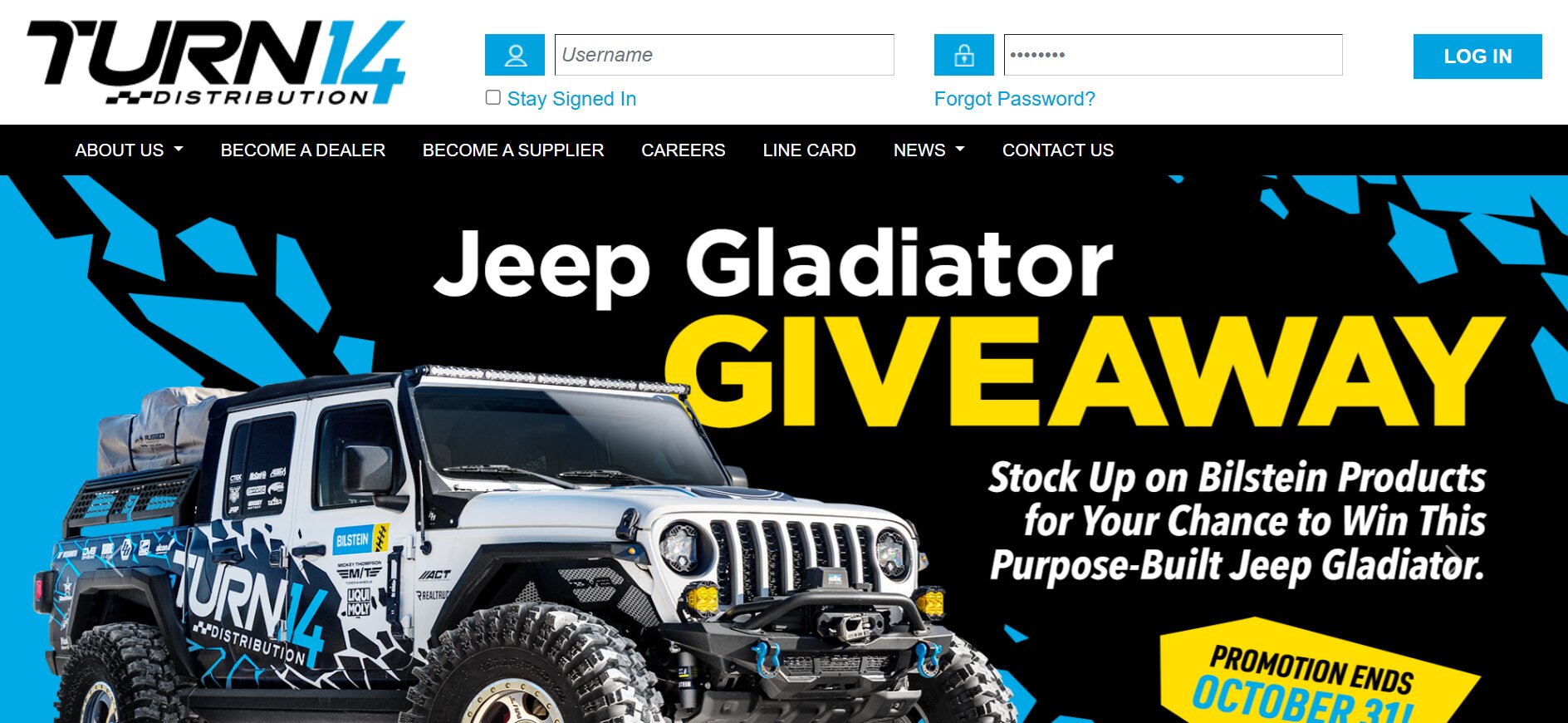
Turn 14 Distribution is a performance-focused warehouse distributor founded in 2007. It carries roughly 580,000 products from 400+ suppliers across tuning, performance, powersports, truck, Jeep, and off-road categories.
Its distribution network covers about 1.5 million square feet across four US facilities, giving performance retailers fast national delivery.
- Location: Horsham, Pennsylvania; distribution centers in Pennsylvania, Texas, Nevada, and Indiana
- Products: Performance, tuning, enthusiast, powersports, JDM, European, truck, Jeep, and off-road parts
- Type: Warehouse distributor
- Dropship requirements: State sales tax license, federal tax ID, business license, automotive or powersports focus, professional storefront, dealer vetting, and a mandatory opening-order buy-in
- Shipping: 1-day ground delivery to about 60% of the US and 2-day coverage to 100%; same-day fulfillment for qualifying in-stock orders placed by 7 p.m. EST
- Pricing: Dealer pricing with MAP enforcement
- Ideal For: Established performance and enthusiast stores with a registered US business
- Pros: Large performance catalog; full dropship fulfillment; real-time API; Shopify, Spark Shipping, and X-Cart integrations
- Cons: The approval process is demanding, and the mandatory opening order makes it harder for brand-new stores to get started
We would consider Turn 14 when speed, branded performance inventory, and integrations matter more than having a low barrier to entry.
5. Keystone Automotive Operations
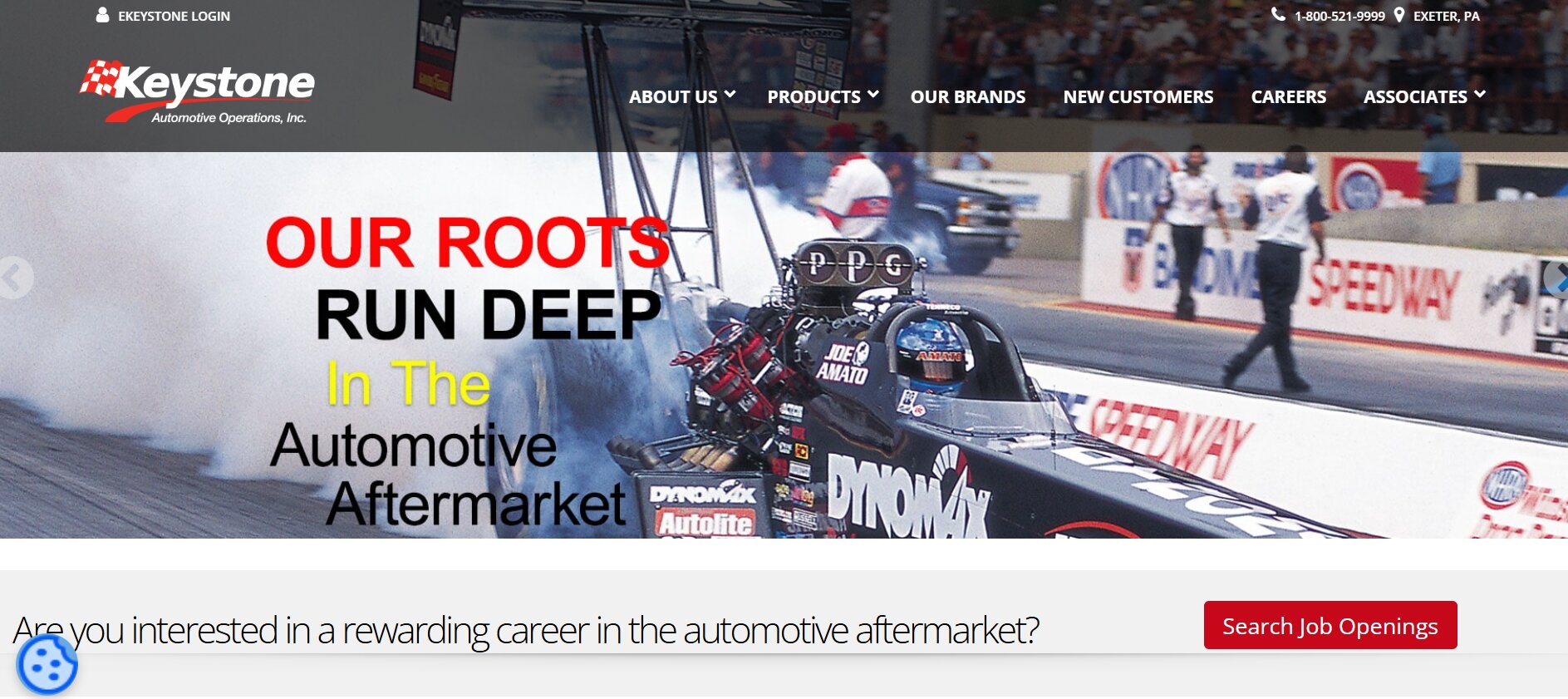
Keystone Automotive Operations carries more than 185,000 SKUs from 800+ suppliers, covering performance, truck, off-road, appearance, and RV products.
Its logistics network includes eight warehouses, 44 cross-docks, and a 500+ truck fleet, giving it broad next-day coverage across the continental US and parts of Canada.
- Location: Exeter, Pennsylvania
- Products: Performance, truck, off-road, appearance, RV, and specialty aftermarket parts
- Type: Warehouse distributor; currently part of LKQ Corporation
- Dropship requirements: New Customer Application, state sales tax number, resale or exemption certificate, possible trade references, and an active ecommerce website with a shopping cart; an initial buy-in may be required
- Shipping: Next-day delivery to all 48 continental US states and nine Canadian provinces; international shipping to 40+ countries
- Pricing: Dealer-account pricing
- Ideal For: Established retailers that want broad specialty-aftermarket coverage from one distributor
- Pros: Very broad catalog; dedicated ecommerce and dropship support; API and FTPS capabilities; strong North American distribution
- Cons: LKQ announced in December 2025 that it had started a sale process for its Specialty segment, including Keystone, so its ownership may change during 2026
6. Meyer Distributing
Meyer Distributing is a family-run warehouse distributor founded in 1937, with particularly strong coverage in truck, Jeep, off-road, towing, RV, marine, powersports, and 12V products.
Its logistics network is a major advantage. Meyer operates dozens of locations across the US and uses its own 500+ truck fleet through Meyer Logistics.
- Location: Jasper, Indiana, with a large nationwide distribution footprint
- Products: Truck, Jeep, 4×4, off-road, towing, RV, marine, powersports, and 12V products across 1,000+ product lines
- Type: Warehouse distributor
- Dropship requirements: Dealer application covering your business model, product categories, and expected volumes; approval required
- Shipping: Next-day delivery to most US locations through its own fleet
- Pricing: Dealer pricing through Meyer’s B2B ecommerce platform
- Ideal For: Truck, Jeep, off-road, towing, and RV-focused stores
- Pros: Strong logistics network; own-fleet delivery; broad truck and powersports selection; B2B platform, API, and Spark Shipping integration
- Cons: Accounts are approval-gated, and the catalog is more heavily weighted toward truck and powersports categories than import-car niches
For us, Meyer makes the most sense when your niche already aligns with its product strengths rather than when you’re trying to build a broad general auto-parts store.
7. Motor State Distributing
Motor State Distributing has operated since 1964 and specializes in racing, high-performance, hot rod, and truck/off-road products. Its catalog includes around 300 brands and more than 100,000 stocking SKUs.
Where Motor State stands out for ecommerce is its fulfillment infrastructure, including blind dropshipping and frequent product-data feeds.
- Location: Watervliet, Michigan
- Products: Racing and high-performance engine, drivetrain, suspension, safety, and truck/off-road products
- Type: Wholesale-only warehouse distributor
- Dropship requirements: Approved dealer account; state resale certificate for tax-exempt purchasing; published data does not specify buy-in or fee requirements
- Shipping: Most products ship within eight hours; serves 35+ countries
- Pricing: Dealer pricing with MAP/UPP-compliant pricing data
- Ideal For: Racing and performance stores that need automation-ready dropshipping
- Pros: Blind dropshipping; dealer-logo packing slips; API and EDI support; inventory and product feeds can update as frequently as every two hours
- Cons: Wholesale-only access creates an entry barrier, and its account fees or buy-in requirements are not publicly disclosed
If we’re running a performance store with thousands of SKUs, the blind fulfillment and frequent data synchronization are meaningful operational advantages.
8. APG Wholesale
APG Wholesale is the current name for the distribution business previously known as Premier Performance Products Distribution. It rebranded in 2025 under Aftermarket Performance Group.
The company is based in the US, despite older sources sometimes describing it as Canadian, and focuses heavily on diesel, light truck, Jeep, Toyota, off-road, and overland products.
- Location: Rexburg, Idaho, with eight warehouses across the US and Canada
- Products: Diesel performance, light truck, Jeep, Toyota, off-road, and overland products; 900,000+ active SKUs from 380+ manufacturers
- Type: Warehouse distributor
- Dropship requirements: Separate US and Canadian dealer applications; approval required; fees and buy-in requirements are not publicly specified
- Shipping: Approximately 2-day delivery to 92% of the continental US
- Pricing: Dealer-account pricing after approval
- Ideal For: Diesel, truck, and overland stores serving US or Canadian customers
- Pros: Deep diesel and overland catalog; coverage in both the US and Canada; supports wholesale and dropship fulfillment
- Cons: Account approval is required, pricing is not public, and older reviews or references may still use the Premier Performance name
The rebrand is worth knowing because supplier research can otherwise make APG and Premier look like two separate companies.
9. National Performance Warehouse (NPW)
National Performance Warehouse, or NPW, has operated from Florida since 1969. Its catalog bridges traditional replacement parts, performance products, and truck accessories, making it broader than many performance-only distributors.
NPW now operates a network of distribution centers and company-owned stores and expanded further through the acquisition of MR Engine Parts in May 2025.
- Location: Hialeah, Florida
- Products: Replacement, performance, and truck products; more than 1 million part numbers across 700+ brands
- Type: Warehouse distributor
- Dropship requirements: Wholesale dealer account required; detailed approval criteria are not publicly disclosed
- Shipping: Next-day coverage in many regions; real-time inventory synchronization through the NPW Direct dealer portal
- Pricing: Dealer-account pricing
- Ideal For: Stores combining replacement and performance products, particularly in the Southeast US
- Pros: Broad replacement/performance mix; real-time stock visibility; dedicated dropship fulfillment and API capabilities
- Cons: Dealer requirements are not fully public, and NPW also operates its own retail stores, meaning it partially competes in the retail market
We see NPW as particularly useful if you don’t want to choose between a pure replacement catalog and a pure performance catalog.
10. American Tire Distributors (ATD)
American Tire Distributors is one of the largest tire-focused distributors in North America, serving tens of thousands of dealer customers through more than 100 distribution centers.
There is also an important recent-history point to understand: ATD filed Chapter 11 in October 2024, and its assets were sold to a lender group. That transaction closed on March 5, 2025, after which ATD continued operating under new ownership and leadership.
- Location: Huntersville, North Carolina
- Products: Replacement tires, custom wheels, shop supplies, Ironman Tires, and Edge Wheels
- Type: Warehouse distributor
- Dropship requirements: Dealer-only registration through ATD’s dealer platform; detailed approval criteria are not publicly listed
- Shipping: Same- or next-day delivery to most dealer locations through its distribution network
- Pricing: Dealer-account pricing
- Ideal For: Established ecommerce businesses specializing in tires and wheels
- Pros: Deep tire inventory; extensive North American distribution network; same- and next-day dealer fulfillment
- Cons: Tires are difficult to dropship because shipping weight, freight costs, and regional inventory can reduce margins; ATD is also operating under lender-controlled ownership following its 2024–2025 restructuring
For beginners, we would generally avoid tires until the store has enough volume to negotiate freight effectively.
11. Parts Unlimited
Parts Unlimited, part of LeMans Corporation, specializes in powersports rather than conventional passenger-car parts. Its catalog covers motorcycles, ATV/UTV, snowmobiles, personal watercraft, accessories, and riding gear.
It has a substantial catalog, but there is one major restriction that online-only dropshippers need to know upfront.
- Location: Janesville, Wisconsin, with warehouses across the US, Canada, and Europe
- Products: Powersports parts and gear across roughly 160,000 SKUs and 530 brands
- Type: Warehouse distributor
- Dropship requirements: Consumer dropshipping is limited to approved brick-and-mortar powersports dealerships with a commercial retail location, display area, posted full-time hours, and minimum initial and annual ordering requirements
- Shipping: Same-day shipping for qualifying orders placed by 3 p.m.
- Pricing: Dealer-only pricing
- Ideal For: Existing motorcycle and powersports dealerships adding ecommerce fulfillment
- Pros: Extensive powersports catalog; strong house and exclusive brands; fast shipping
- Cons: The brick-and-mortar dealer requirement makes the program unsuitable for most pure online dropshippers
This is a good example of why we don’t treat every company with a “dropship program” as beginner-friendly. Parts Unlimited can be excellent for the right dealership and inaccessible to everyone else.
12. Vinyasa Automotive
Vinyasa Automotive is the most difficult supplier in this group to verify independently, so we would approach it more cautiously than the established warehouse distributors above.
It appears as a US-based automotive supplier or aggregator on Syncee and advertises a broad automotive catalog with US fulfillment. However, its exact corporate structure and headquarters are not publicly disclosed in the supplied research.
- Location: Not published
- Products: Broad automotive parts and accessories catalog; the company advertises 180,000+ products
- Type: US-based supplier/aggregator accessed through Syncee
- Dropship requirements: No traditional warehouse-distributor dealer application; access is through a Syncee subscription
- Shipping: US fulfillment
- Pricing: Available through Syncee
- Ideal For: Sellers who want broad US automotive inventory without completing traditional WD dealer applications
- Pros: Broad advertised catalog; US fulfillment; lower account barrier than conventional warehouse distributors
- Cons: Independent verification is limited; no published headquarters and only a small third-party review footprint were identified in the supplied research
Because of that limited verification, we would place a small test order and verify fulfillment, packaging, returns, and inventory accuracy before committing meaningful volume.
Group C: Manufacturers with Dropship Programs
Manufacturers are a different fit from warehouse distributors because you are buying into one company’s own product line rather than a huge multi-brand catalog. We like this model when the store is tightly focused and the manufacturer offers useful dealer support, private label, or specialist products that are hard to source elsewhere.
13. Shifteck
Shifteck is a US manufacturer founded in 2002, focused on performance products such as short-throw shifters, suspension components, downpipes, and O2 spacers. What makes it particularly interesting for ecommerce sellers is that private label accounts for roughly 90% of its business, so it is much more brand-builder friendly than most performance suppliers.
One caveat: Shifteck is registered in Wyoming, but the listed Wyoming addresses appear to be mail or registered-agent locations, while its phone number is associated with Fresno, California. We would avoid assuming that its products are physically manufactured in Wyoming.
- Location: Wyoming-registered, USA
- Products: Short-throw shifters, sway bars, braces, downpipes, O2 spacers, and private-label performance products
- Type: Manufacturer
- Dropship requirements: Dealer and wholesaler tiers; international dealers accepted
- Shipping: In-stock orders ship within 24 business hours; most orders ship within 1–3 days
- Pricing: Dealer and wholesaler pricing; no dropship fees; MAP enforced
- Ideal For: Performance brands that want private-label products without adding dropship fees
- Pros: Private-label-focused model; no dropship fees; lifetime warranty; fast dispatch; reported 98% fill rate
- Cons: Limited third-party review footprint; catalog is restricted to its own product categories; a 2021 forum thread includes service and refund complaints; verify the operating entity before committing significant volume
For us, Shifteck makes the most sense when you want to build a recognizable performance brand, rather than simply add thousands of third-party SKUs.
14. Wheel Pros / Hoonigan, Inc.
Wheel Pros remains one of the biggest names in aftermarket wheels, but the corporate picture has changed significantly. Its parent company rebranded as Hoonigan, Inc. in October 2023, while the Wheel Pros name continues to be used for the dealer channel.
The company then filed a prepackaged Chapter 11 on September 8, 2024 and emerged on December 2, 2024 after eliminating roughly $1.2 billion in debt. It is now lender-owned, and 4 Wheel Parts and Poison Spyder were sold to ARB, so older supplier lists may show an outdated brand portfolio.
- Location: Greenwood Village, Colorado
- Products: Aftermarket wheels and related brands including American Racing, Fuel Off-Road, Rotiform, KMC, TSW, Black Rhino, Morimoto, TeraFlex, U.S. Mags, and Foose
- Type: Manufacturer / distributor
- Dropship requirements: Dealer approval through the Dealerline portal; Product Data Portal includes SFTP feeds, MSRP/MAP data, and Year/Make/Model search; third-party sources report no MOQ
- Shipping: Nationwide distribution-center network
- Pricing: Dealer pricing with MAP data
- Ideal For: Wheel, stance, tire, and off-road appearance stores
- Pros: Large and recognizable wheel-brand portfolio; dealer data portal; fitment search; nationwide distribution
- Cons: Post-bankruptcy lender ownership; mixed consumer BBB reviews related to ecommerce orders; its brand portfolio changed after the ARB divestitures, so confirm current brand access before building your store around specific lines
We would still consider Wheel Pros a serious option for wheel-focused ecommerce, but we would verify current dealer terms and brand availability rather than relying on pre-2024 information.
15. Lane’s Car Products
Lane’s Car Products is a Missouri-based manufacturer specializing in professional car-care and detailing chemicals. It has been producing detailing products since 2000, including washes, waxes, wheel and tire products, interior cleaners, concentrates, and bulk sizes up to 55 gallons.
The appeal here is repeat purchase. Detailing products are consumables, so a good customer can reorder regularly rather than making a one-time parts purchase.
- Location: Ellisville, Missouri
- Products: USA-made wash, wax, wheel and tire, interior, detailing chemicals, concentrates, and bulk sizes
- Type: Manufacturer
- Dropship requirements: Selective approval; applicants must have operated an automotive-related website for at least one year; applications are handled by phone
- Shipping: US ground shipping
- Pricing: Dealer pricing after approval
- Ideal For: Established detailing, automotive-content, and enthusiast stores adding a consumable product line
- Pros: Products made in the USA; not sold through conventional retail stores; consumables support repeat orders
- Cons: The one-year website requirement excludes new stores; onboarding is manual; product feeds are provided by Excel rather than API or app integration; brand awareness is relatively niche
We see Lane’s as a better fit for an existing automotive audience than for a brand-new general dropshipping store. The manual onboarding is less scalable, but the repeat-purchase nature of detailing products can make the category attractive once you already have traffic.
Dealer Applications & Requirements: What It Takes to Get Approved
One of the biggest differences between auto parts suppliers is how much friction there is before you can place an order. Traditional warehouse distributors often require a formal dealer application, tax documentation, and proof that you’re operating a legitimate automotive business. Some go further with minimum opening orders or physical-store requirements.
Here’s how the 16 suppliers in this guide compare:
| Supplier | Account Type | Key Requirements | Buy-In / MOQ |
| Alibaba & AliExpress | Marketplace account | None for AliExpress; individual Alibaba suppliers may set their own requirements | AliExpress: none; Alibaba: supplier-specific MOQs |
| Parts Square | Software subscription | You must already have approved accounts with the warehouse distributors you want to connect | N/A |
| NicheDropshipping | Free registration | No dealer application, resale certificate, or business vetting required | No buy-in or sourcing MOQ |
| Turn 14 Distribution | Dealer account | State sales tax license, federal tax ID, business license, automotive/powersports focus, professional storefront, and vetting | Mandatory opening-order buy-in |
| Keystone Automotive Operations | New Customer Application | State sales tax number, resale/exemption certificate, possible trade references; ecommerce applicants need an active website with a cart | Initial buy-in may be required |
| Meyer Distributing | Dealer application | Business model, product categories, and expected volumes are reviewed before approval | Not published |
| Motor State Distributing | Wholesale dealer account | Dealer approval; state resale certificate for tax-exempt purchasing | Not published |
| APG Wholesale | Dealer application | Separate applications for US and Canadian dealers; approval required | Not published |
| NPW | Wholesale dealer account | Wholesale approval required; detailed criteria are not publicly published | Not published |
| American Tire Distributors (ATD) | Dealer registration | Dealer-only account through ATD’s platform; detailed approval criteria are not publicly listed | Not published |
| Parts Unlimited | Dealership approval | Commercial brick-and-mortar retail store, display area, posted full-time hours, plus minimum initial and annual orders | Yes — minimum-order requirements |
| Vinyasa Automotive | Syncee access | No traditional WD dealer application; accessed through a Syncee subscription | No published buy-in |
| Shifteck | Dealer / wholesaler account | Application required; international dealers are accepted | No dropship fees; buy-in not stated |
| Wheel Pros | Dealer account | Dealer approval through the Dealerline portal | Third-party sources report no MOQ |
| Lane’s Car Products | Phone application | Automotive-related website must have been operating for at least one year | Not published |
| FK Automotive | B2B dealer account | Registration through its German-language dealer shop | Not published |
What Should New Dropshippers Expect?
The easiest routes are marketplaces, sourcing agents, and supplier platforms that don’t require traditional automotive dealer credentials. They’re especially practical when you’re starting with universal accessories rather than branded replacement or performance parts.
Warehouse distributors are a different story. Turn 14 has one of the clearest barriers, requiring business and tax documentation plus an opening-order buy-in. Keystone may also require an initial buy-in, while Parts Unlimited is even more restrictive because its consumer dropship program is limited to approved brick-and-mortar powersports dealers.
For suppliers such as Meyer, APG, NPW, and ATD, some approval criteria or fee details simply aren’t published. We would contact them directly before budgeting around a dealer account rather than assuming there is no minimum requirement.
Parts Square also deserves a special mention: signing up for the software does not give you access to Turn 14, Keystone, Meyer, or its other connected distributors. You need to secure those dealer relationships separately first.
Tired of dealer applications and opening-order buy-ins? That’s exactly why 3,000+ dropshippers work with NicheDropshipping, no applications, no buy-ins, QC inspected before shipping. See the difference.
If you’re sourcing universal accessories or appearance products, you can also request a free sourcing quote and compare that route against the time and capital needed to open a traditional dealer account.
What to Check Before Choosing an Auto Parts Dropshipping Supplier
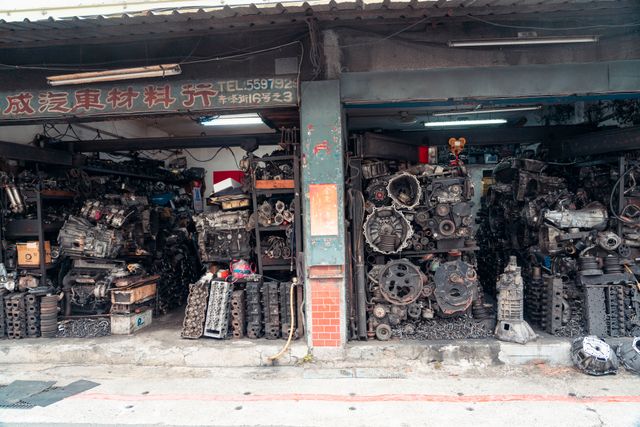
With auto parts, we would never choose a supplier based on catalog size alone. The bigger risks usually show up after the sale: wrong fitment, MAP violations, oversized shipping charges, restricted products, and expensive returns.
These are the checks we consider most important before committing to a supplier.
1. Does the Supplier Provide Reliable Fitment Data?
Fitment is one of the biggest operational risks in auto parts dropshipping. A part can look correct but still be incompatible with a customer’s model year, trim, engine, or drivetrain.
For vehicle-specific products, look for:
- Year/Make/Model (YMM) data: The minimum level of fitment filtering we would expect.
- ACES: The automotive industry’s structured application/fitment standard.
- PIES: Structured product information such as dimensions, attributes, and descriptions.
- VIN lookup: Particularly valuable for fitment-critical replacement parts.
Several warehouse distributors in this list provide structured automotive data, while marketplaces such as AliExpress generally do not. Parts Square goes further by supporting ACES/PIES, YMM, and VIN-based fitment through its connected distributor catalogs.
Our rule is simple: if a supplier cannot provide dependable structured fitment data, keep that supplier’s catalog limited to universal-fit products.
2. Are You Allowed to Advertise the Product at Your Chosen Price?
Branded automotive products commonly come with MAP (Minimum Advertised Price) requirements. That means the manufacturer sets the lowest price an authorized dealer can publicly advertise.
If you’re working through a warehouse distributor, check whether its product feed includes MAP or other pricing-policy data. Turn 14, Motor State, and Wheel Pros are examples in this list where MAP-related pricing controls are part of the dealer environment.
Ignoring MAP can put your dealer relationship at risk. We would also be cautious when a marketplace seller offers a recognizable branded part far below normal dealer pricing, because brand authorization cannot simply be assumed.
3. Can You Actually Ship the Product Profitably?
Shipping economics change quickly once you move beyond small accessories. Wheels, exhaust systems, bumpers, suspension kits, and other bulky parts can become expensive because carriers price by weight and dimensions.
Some products may need LTL freight rather than standard parcel delivery, which adds another layer of cost and coordination.
Before listing a heavy product, ask the supplier for:
- Packaged weight and dimensions
- Shipping method
- Residential delivery fees
- Oversize or freight surcharges
- Delivery areas
- Damage-claim procedure
We would calculate the landed shipping cost before publishing the SKU. A product with an attractive dealer margin can become unprofitable once freight is added.
4. Is the Product Hazmat or Safety-Critical?
Some auto products create far more shipping and liability risk than ordinary accessories. We would be especially cautious with:
- Airbags: Inflators can fall under dangerous-goods shipping rules.
- Batteries: Lithium and lead-acid batteries carry transport restrictions.
- Automotive fluids and chemicals: Some cannot move through normal air-freight channels.
- Brake components: Fitment and product failure carry much greater safety consequences.
- Engines and major assemblies: Heavy freight, damage risk, and warranty handling make fulfillment much more complex.
For a new store, universal accessories, appearance products, and other straightforward parcel-friendly items are usually easier to control operationally.
5. How Do Returns and RMAs Work?
Auto parts returns can become expensive because the product may be heavy, vehicle-specific, or no longer resellable after installation attempts. Before adding a supplier, we want its return process in writing.
Check:
- Who issues the RMA? You need to know how approval is obtained before a customer ships anything back.
- Where does the return go? Ideally, the customer can return directly to the supplier rather than routing the item through you.
- Is there a restocking fee? Confirm the supplier’s actual rate rather than assuming returns are free.
- Who pays return shipping? This matters especially for wheels and other heavy products.
- What happens with fitment mistakes? Establish whether the supplier accepts responsibility when its data is incorrect.
- Who handles warranty claims? Manufacturer warranties still require a defined claim process.
The return policy should be part of your supplier evaluation, not something you investigate after the first problem occurs.
Our Practical Rule
For universal accessories, we prioritize product consistency, inspection, branding, and predictable fulfillment.
For replacement and performance parts, we put much more weight on structured fitment data, authorized brand access, MAP compliance, fast domestic shipping, and a workable RMA process.
That distinction will save you from choosing a supplier that looks attractive on price but creates expensive problems once orders start coming in.
Best Auto Parts to Dropship
The best auto parts to dropship are usually products with simple fitment, manageable shipping costs, and enough margin to absorb returns and advertising. We would start with universal accessories and lighting before moving into replacement or performance parts.
| Category | Typical Margin | Return Risk | Best For |
| Style & comfort accessories | 30–50%+ | Low | Beginners and private-label stores |
| Lighting & visibility | 40–60% | Low–Medium | Accessory and appearance stores |
| Consumables & detailing | Varies | Low | Repeat-purchase businesses |
| Performance add-ons | 15–30% | Medium | Enthusiast and tuning stores |
| Replacement parts | 10–25% | High | Experienced fitment-focused sellers |
| Wheels & off-road gear | Varies; freight can compress margin | Medium | Higher-AOV niche stores |
1. Style and Comfort Accessories
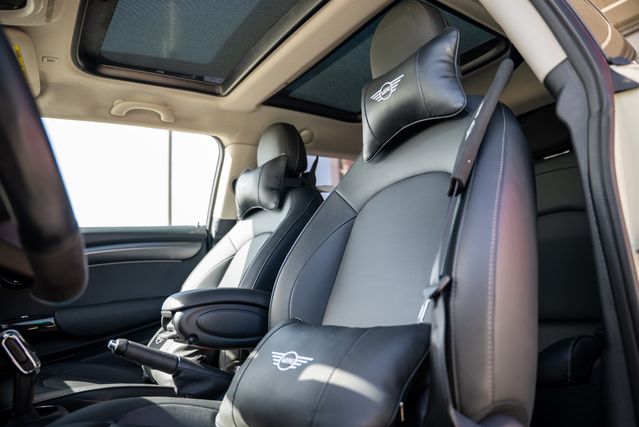
Typical margin: 30–50%+
Return risk: Low
Seat covers, floor mats, phone mounts, organizers, and interior trim are some of the easiest automotive products to start with.
The main advantage is simple fitment. Universal products create fewer compatibility problems, and many are lightweight enough for normal parcel shipping.
We particularly like this category for private labels because packaging, bundles, and branding can help differentiate otherwise similar products.
2. Lighting and Visibility Products

Typical margin: 40–60%
Return risk: Low–Medium
LED interior kits, light bars, fog lights, and accent lighting can offer some of the strongest margins in this niche.
The safer products are universal or broadly compatible lighting accessories. Vehicle-specific headlight assemblies introduce more fitment risk, higher shipping costs, and more expensive returns.
If we were testing this category, we would start with smaller universal lighting products before expanding into more technical installations.
3. Consumables and Detailing Products
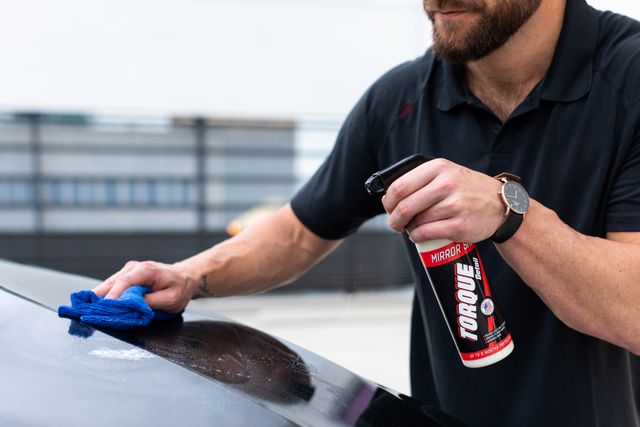
Typical margin: Varies
Return risk: Low
Car wax, polish, microfiber products, tire shine, washes, and interior cleaners are attractive because customers can reorder them.
That repeat-purchase behavior changes the economics. You do not need every order to carry the highest possible margin if the same customer comes back several times.
Lane’s Car Products is one example from this list built around this model, although its dealer program is selective and requires an established automotive website.
4. Performance Add-Ons
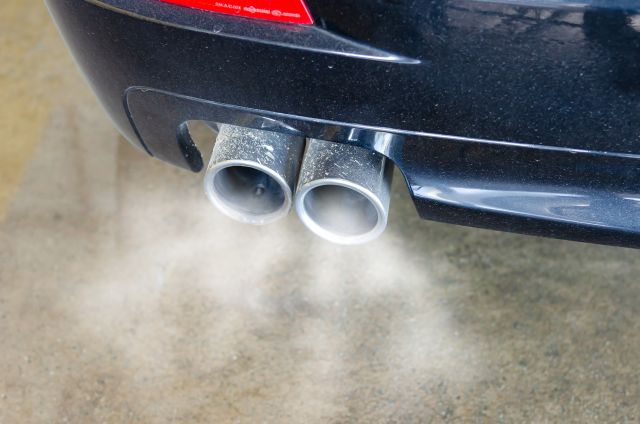
Typical margin: 15–30%
Return risk: Medium
Air intakes, exhaust components, tuners, suspension parts, and similar upgrades can produce higher order values, but they are more demanding operationally.
Many branded performance products are subject to MAP pricing, so there may be less room to compete purely on price. Fitment also becomes more important as products become vehicle-specific.
We would only enter this category with reliable fitment data and a distributor relationship capable of supporting returns, inventory feeds, and brand authorization.
5. Replacement Parts
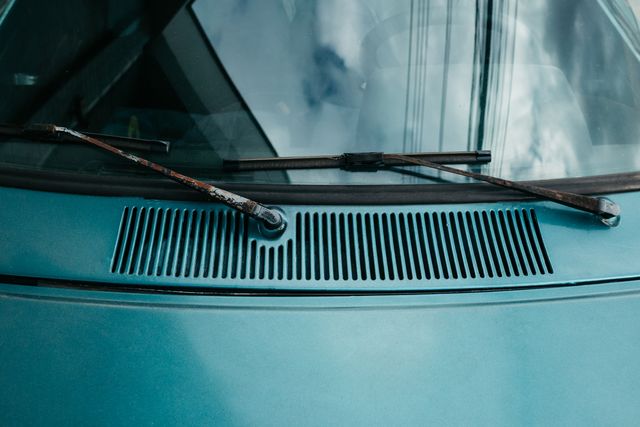
Typical margin: 10–25%
Return risk: High
Replacement products such as filters, sensors, wiper blades, and brake-related parts benefit from steady demand, but they are less forgiving.
Margins are generally tighter, and a wrong model year, trim, engine, or drivetrain can turn into an immediate return.
For this category, we would consider ACES/PIES data and accurate Year/Make/Model filtering essential. Replacement parts make more sense once your store has the systems to manage fitment properly.
6. Wheels and Off-Road Gear
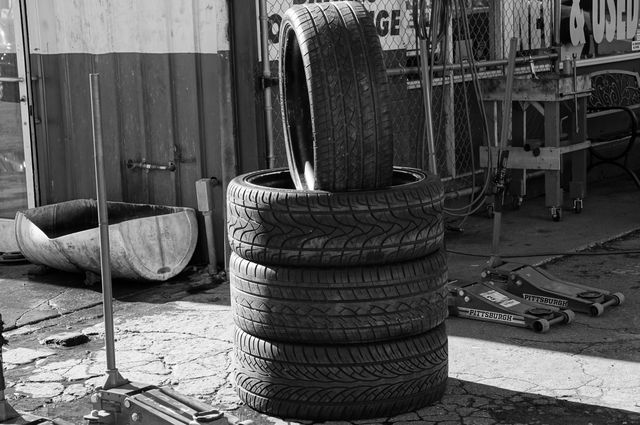
Typical margin: Varies
Return risk: Medium
Wheels, lift kits, towing accessories, and off-road products can support high average order values and passionate niche audiences.
The problem is freight. Wheels and larger suspension or off-road products can become expensive to ship, and dimensions, bolt patterns, offsets, or other compatibility details create additional return risk.
We would calculate shipping and return costs before listing these products rather than judging them on dealer margin alone.
What Would We Start With?
For a new auto parts dropshipping store, we would usually start with:
- Universal interior accessories
- Appearance and styling products
- Universal LED lighting
- Detailing products
These categories give you more room to learn sourcing, advertising, and fulfillment without immediately taking on the fitment and freight complexity of replacement parts, tires, or major performance components.
As the store matures, you can add higher-value vehicle-specific products once reliable fitment data and stronger distributor relationships are in place.
US Warehouse Distributors vs China Sourcing Agents: Which Wins When?
The better option depends on what you sell. We would use a US warehouse distributor for fitment-critical, branded, or repair-urgent parts, and a China sourcing agent for universal accessories, appearance products, and private-label opportunities.
| Situation | Better Fit | Why |
| Branded replacement parts | US distributor | Authorized brand access, fitment data, MAP support |
| Performance parts | US distributor | Better catalog depth and faster domestic delivery |
| Urgent repair products | US distributor | 1–2 day delivery is much more realistic |
| Universal accessories | China sourcing agent | Lower entry barriers and broader factory sourcing |
| Private label | China sourcing agent | Easier custom packaging and branding |
| Appearance products | China sourcing agent | Fitment is simpler and factory-direct sourcing matters more |
| New store without dealer credentials | China sourcing agent | No resale certificate, dealer vetting, or opening-order buy-in |
When a US Warehouse Distributor Wins
We would choose a US distributor when the product depends heavily on accurate vehicle fitment or brand authorization.
That includes:
- Vehicle-specific replacement parts
- Branded performance parts
- Racing components
- Tires and wheels
- Truck and off-road products
- Anything customers may need urgently for a repair
Distributors such as Turn 14, Keystone, and Motor State can provide structured automotive data and fast domestic fulfillment. The trade-off is that you usually need a registered business, resale documentation, and dealer approval before you gain access.
When a China Sourcing Agent Wins
A sourcing agent becomes more attractive when fitment is simple but sourcing, QC, and branding matter.
We see the strongest fit with:
- Universal interior accessories
- Seat organizers and storage products
- LED accessories
- Appearance and styling products
- Detailing accessories
- Private-label automotive products
You also avoid many traditional distributor barriers. There is typically no dealer application or opening-order buy-in, and a sourcing agent can help consolidate factory sourcing, inspect products, and arrange branded packaging.
For sellers exploring this route, our guide to China dropshipping suppliers explains the broader sourcing landscape.
Why Many Stores Eventually Use Both
We would not treat this as an either-or decision forever.
A mature automotive store can use a US distributor for branded, fitment-critical lines and a China sourcing agent for higher-margin accessories and private-label products.
That hybrid model gives you fast domestic fulfillment where speed matters while keeping more control over branding and sourcing costs in the accessory side of the catalog.
How to Start an Auto Parts Dropshipping Business in 5 Steps
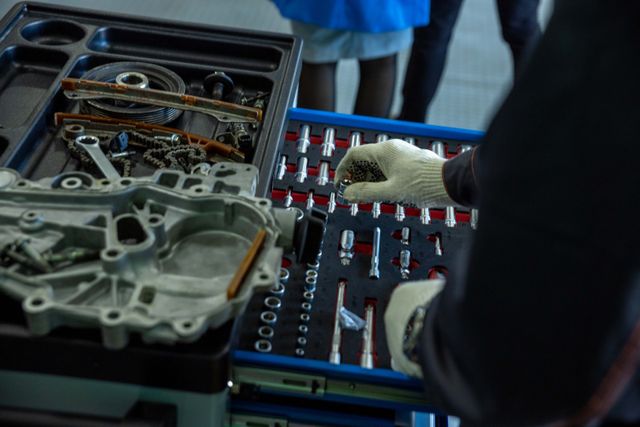
Starting an auto parts dropshipping business is easier when you narrow the niche first and build the supplier model around it. We would not start by uploading thousands of random parts; fitment, shipping, and supplier requirements become much harder to manage that way.
1. Choose a Focused Auto Parts Niche
Start with one clear category, such as:
- Universal car accessories
- LED lighting
- Detailing products
- Truck and off-road accessories
- Performance parts
- Replacement parts
For beginners, we prefer universal accessories because they usually involve less fitment risk and simpler shipping. Performance and replacement parts can work well, but they require stronger fitment data and more formal distributor relationships.
2. Register Your Business and Prepare Dealer Documents
If you plan to work with US warehouse distributors, get your business paperwork ready early.
Depending on the supplier, you may need:
- A registered business
- Federal tax ID
- State sales tax license
- Resale or exemption certificate
- Professional ecommerce website
- Trade references
- Opening-order capital
Turn 14, Keystone, and other WDs have formal approval processes, while agents and marketplaces generally have much lower entry barriers.
3. Choose the Right Supplier Model
Match the supplier to the products you intend to sell.
- Universal accessories and appearance products: sourcing agent or marketplace
- Branded performance and replacement parts: warehouse distributor
- Specialist product lines: direct manufacturer
- EU-focused store: European distributor
- Large catalog with multiple WDs: middleware such as Parts Square
In our experience, the biggest mistake is forcing one supplier type to handle products it was never designed for. Many growing stores eventually use a hybrid model.
4. Build Fitment Into Your Store Before Launch
If you sell vehicle-specific parts, fitment needs to be part of the store architecture from day one.
At minimum, use Year/Make/Model filtering. For more complex replacement and performance catalogs, prioritize suppliers that provide ACES/PIES data, and consider VIN-level fitment where available.
We would never spend heavily on ads for a vehicle-specific catalog until we are confident the fitment data is accurate. A few preventable compatibility returns can erase the profit from several successful orders.
5. Test the Supplier Before You Scale
Place sample or test orders before adding large numbers of products.
Check:
- Actual processing time
- Packaging quality
- Product condition
- Tracking reliability
- Delivery time
- Inventory accuracy
- Return and RMA process
- Customer-facing paperwork or branding
For universal accessories, also inspect the product quality before scaling. For vehicle-specific parts, test the fitment data and return workflow just as carefully as the physical product.
Once the supplier performs consistently, expand the catalog gradually rather than adding thousands of SKUs at once. Our guide on how to start a dropshipping business covers the broader store setup and launch process.
Ready to Start Your Auto Parts Dropshipping Business?
Want to build a profitable auto parts store without managing inventory or fulfillment yourself? Our team can help you identify reliable suppliers, source products, verify fitment, and create a scalable dropshipping workflow.
Get Started Today to discuss your niche and next steps.
Frequently Asked Questions
Is Dropshipping Auto Parts Profitable?
The auto parts industry is a bustling market with a significant demand for replacement parts due to regular wear and tear of vehicles.
With the automotive eCommerce market’s projected growth of up to $176.24 billion by 2031, dropshipping auto parts could offer healthy profit margins for those who effectively tap into the niche market’s needs.
How to Choose a Dropshipping Supplier?
When choosing a dropshipping supplier, prioritize those that offer high-quality products, reliable shipping speed, and a solid reputation in the market.
It’s also vital that they provide excellent support services, assisting you in any issues that may arise during the dropshipping process.
How Can I Ensure That Only the Right Car Parts Are Shipped to Buyers?
In order to guarantee that the correct auto parts are shipped, implement a detailed product data management system.
Utilizing Vehicle Identification Numbers (VINs) can be an effective method to refine your processes.
Working closely with your suppliers to confirm that the correct parts are being shipped will help minimize errors and ensure customer satisfaction.
What Are the Different Types of Auto Parts Dropshipping Suppliers?
The types of auto parts dropshipping suppliers generally fall into three categories:
OEM suppliers who provide parts made by the original manufacturer;
aftermarket suppliers offering parts produced by different companies than the vehicle maker;
and those who specialize in high-performance parts designed to enhance the vehicle’s abilities beyond the
standard specifications.
Each type has its own market and customer base.
Can I Dropship Auto Parts on Shopify?
Yes. Shopify can work well for auto parts dropshipping, especially when your supplier supports automated inventory and order feeds. Turn 14 offers a Shopify integration, while several distributors support APIs, EDI, or third-party tools such as Spark Shipping.
Parts Square can also connect multiple distributor accounts to an automotive-focused storefront.
For vehicle-specific catalogs, we would prioritize fitment functionality alongside the basic Shopify setup. Universal accessories are simpler because they do not require the same Year/Make/Model infrastructure.
Can I Use Multiple Auto Parts Suppliers in One Store?
Yes, and using multiple suppliers can become useful as your catalog grows. One distributor may have stronger performance inventory, another may specialize in truck products, while an agent can source universal accessories.
The challenge is keeping inventory, pricing, shipping, and order routing synchronized. Parts Square is specifically designed to connect multiple warehouse-distributor accounts and route orders between them.
We would start with a manageable supplier setup first, then add suppliers when they fill a clear catalog or fulfillment gap rather than simply increasing SKU count.
What Is Blind Dropshipping in the Auto Parts Industry?
Blind dropshipping means the distributor ships directly to your customer without presenting itself as the retailer. This helps your store remain the customer-facing brand even though another company handles fulfillment.
Motor State is particularly notable because its program supports blind dropshipping with dealer-logo packing slips.
Not every distributor publishes the same packaging options, so we would confirm this before assuming an order will arrive neutrally branded.
This becomes especially important if you’re building repeat purchases and do not want customers receiving another company’s promotional material.
How Do I Keep Auto Parts Inventory Updated?
For a large automotive catalog, automated inventory feeds are much safer than manually updating stock. Several suppliers in this guide provide APIs, data feeds, dealer portals, or ecommerce integrations.
Motor State can provide frequently updated feeds, NPW offers real-time stock visibility through NPW Direct, and Parts Square synchronizes inventory across connected distributors.
We would check how frequently inventory updates before importing a large catalog. Stale stock data can leave you accepting orders for products that are already unavailable at the fulfillment warehouse.
Do I Need an API to Run an Auto Parts Dropshipping Store?
Not necessarily, but APIs become increasingly valuable as your catalog and order volume grow.
A small accessory store can operate without sophisticated integrations, while a store carrying tens of thousands of automotive SKUs needs better synchronization for inventory, pricing, tracking, and product data.
Turn 14, Meyer, Motor State, NPW, and other distributors in this guide provide various forms of API or data-feed support.
We would treat automation as a scalability decision: start with what your store needs today, then automate before manual updates become a bottleneck.
Can I Sell Dropshipped Auto Parts on Amazon or eBay Motors?
Potentially, but your supplier relationship and marketplace rules still matter. A warehouse distributor approving your dealer account does not automatically mean every brand can be listed on every marketplace.
MAP policies, brand restrictions, inventory synchronization, and marketplace account requirements can all affect what you can offer. We would confirm permitted sales channels with the supplier or brand before importing the catalog.
For fitment-heavy products, marketplace-specific compatibility data also needs careful handling so you do not create avoidable returns from incorrect applications.
How Often Should I Re-Verify an Auto Parts Supplier?
We would re-check important supplier relationships regularly and whenever there is a major corporate change.
The automotive aftermarket has seen substantial restructuring recently: Premier Performance became APG Wholesale, Wheel Pros’ parent became Hoonigan and went through Chapter 11, ATD restructured under new ownership, and LKQ began a sale process involving Keystone.
These changes do not automatically make a supplier unsuitable, but they can affect brand ownership, dealer programs, or account terms.
Is a Bigger Auto Parts Catalog Always Better?
No. A huge catalog only helps when your store can manage the data behind it. Automotive products introduce inventory changes, MAP pricing, fitment records, shipping differences, and returns across thousands of SKUs.
A smaller, focused catalog can be easier to merchandise and support, especially when you’re still learning the niche.
We would rather launch with products we understand and can fulfill reliably than import hundreds of thousands of listings simply because a distributor offers them. Catalog depth becomes valuable once your operational systems can support it.

I need more help.
Hi Samy, thanks for your interest. The link to our contact page is https://nichedropshipping.com/niche-dropshipping/. Alternatively, our contact email is [email protected]. Looking forward to your message.