Print on demand jewelry is a fulfillment model where necklaces, bracelets, rings, or earrings are customized and produced only after a customer places an order.
The supplier handles manufacturing, personalization, packing, and shipping, allowing you to test designs without holding inventory or committing to large minimum order quantities.
For sellers, the main advantage is lower upfront risk. However, your choice of supplier still affects product quality, customization options, delivery speed, packaging, and profit margins. We recommend treating print on demand dropshipping as a product-validation model before investing in larger private-label inventory.
Quick Facts About Print on Demand Jewelry
| Question | Quick Answer |
| What products can you sell? | Necklaces, bracelets, earrings, rings, pendants, charms, and message-card jewelry |
| When is the product made? | After the customer submits an order |
| Do suppliers require an MOQ? | Most POD suppliers have no minimum order quantity, although private-label suppliers may set MOQs |
| What can usually be customized? | Engraving, printed designs, message cards, packaging, inserts, and product finishes |
| Which platforms can you use? | Shopify, Etsy, WooCommerce, Amazon Handmade, or a supplier-hosted storefront |
| Who handles fulfillment? | The supplier produces, packs, and ships the order directly to the customer |
| What is the main drawback? | Higher unit costs and less control over production, packaging, and delivery |
| Who is POD jewelry best for? | Beginners, gift-focused stores, Etsy sellers, and brands testing new designs |
What Is Print on Demand Jewelry?
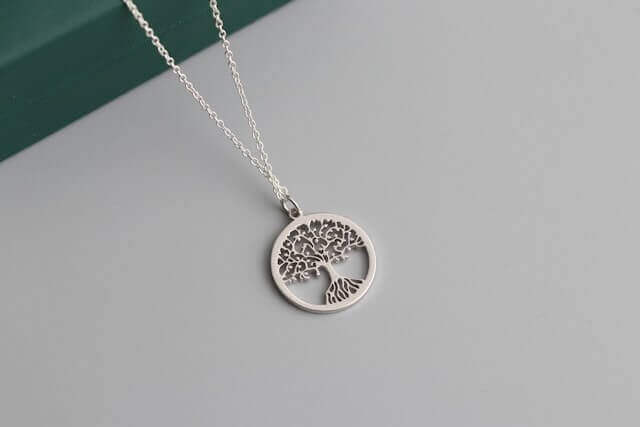
Print on demand (POD) jewelry is a retail model where items are only produced once a customer places an order.
This means you can sell a wide range of jewelry, like name necklaces, engraved pendants, or personalized rings, without holding any inventory.
It’s a great model for customization. A third-party supplier handles everything from production to shipping, letting you focus on product ideas and marketing.
Whether it’s a charm bracelet or a pair of custom earrings, the product is created only when someone buys it.
Why is this popular?
- Low upfront cost: You don’t need to invest in stock. You only pay for products when they sell.
- Endless personalization: Customers can choose names, messages, or styles, making every piece feel personal and unique.
Most POD jewelry is made from affordable metals like stainless steel. But with plating options like gold or silver, the end product can feel much more premium, without the price tag.
This flexibility makes POD jewelry ideal for a wide audience. You can cater to both budget shoppers and those looking for something more upscale, all while offering one-of-a-kind designs.
In short, POD jewelry lets you build a versatile collection with minimal risk and maximum creativity.
Which Print-on-Demand Jewelry Supplier Is Best for Your Business?
There is no single supplier that fits every jewelry store. The strongest choice depends on your product type, sales channel, branding requirements, and whether you are testing designs or preparing to scale.
| Category | Top Pick | Why It Stands Out |
| Best for message-card jewelry | ShineOn | Specializes in gift-focused necklaces, bracelets, and message-card products, with direct Shopify and Etsy integrations. |
| Best for Shopify sellers | ShineOn | Its catalog and fulfillment workflow are built around personalized jewelry stores, making it suitable for sellers running paid campaigns and gift-focused funnels. |
| Best for Etsy personalization | JetPrint | Supports personalized text and image inputs for Shopify and Etsy, with products such as engraved necklaces, rings, and bracelets. |
| Best for original 3D jewelry designs | Shop3D | Produces custom 3D-printed jewelry in metals, precious metals, resins, and other materials, with no standard product MOQ. |
| Best for a broad jewelry catalog | JetPrint | Offers necklaces, bracelets, rings, watches, and personalized jewelry alongside a larger POD catalog. |
| Best for custom packaging and private label | NicheDropshipping | Better suited to sellers who need factory sourcing, quality inspection, branded packaging, inventory storage, and fulfillment beyond a fixed POD catalog. |
| Best for testing without inventory | Printful | Provides a familiar POD workflow, ecommerce integrations, and no inventory commitment, although sellers should confirm its current jewelry selection before choosing it as a jewelry-first supplier. |
| Best for scaling proven products | NicheDropshipping | A sourcing agent can locate alternative factories, negotiate factory-direct pricing, inspect production, and hold stock once POD unit costs begin limiting your margins. |
Our practical recommendation is to choose by business stage. A marketplace supplier is usually enough to test designs and identify winning products. Once sales become predictable, an agent or private-label supplier can help you improve product consistency, packaging, margins, and fulfillment control.
Top 18 Best Print on Demand Jewelry Suppliers
1. CJDropshipping
CJdropshipping combines product sourcing, print-on-demand services, warehousing, custom packaging, and order fulfillment. Its jewelry catalog includes fashion jewelry, sterling silver products, engraved items, and other customizable accessories, although availability varies by warehouse and destination.
- Type: Marketplace and sourcing platform
- Best for: Sellers who want POD, sourcing, packaging, and fulfillment in one system
- Location: Headquartered in China, with warehouses in China and several overseas markets
- MOQ: Generally one unit for standard dropshipping and supported POD products
- Pricing: Free to join; you pay the product, customization, and shipping costs
Pros
- Broad jewelry and general-product catalog
- Shopify, Etsy, WooCommerce, TikTok Shop, eBay, and other integrations
- Custom packaging and sourcing support are available
- Standard dropshipping and POD can be managed through one account
Cons
- Product quality can vary because the catalog includes multiple supply sources
- Fulfillment speed depends heavily on the selected warehouse
- Some branding services require additional setup or inventory purchases
Our verdict: CJdropshipping is practical for sellers who want more flexibility than a specialist message-card supplier provides. We would still order samples before launching because materials, engraving quality, clasps, plating, and packaging can vary between products. CJ states that it supports custom jewelry, POD, sourcing, and no-MOQ fulfillment for qualifying products.
2. CustomCat
CustomCat is a US-based print-on-demand company known primarily for apparel and accessories. Jewelry is not its strongest or deepest product category, so sellers should check the current catalog before planning a jewelry-focused store around it.
- Type: POD marketplace
- Best for: Existing CustomCat users adding a small number of jewelry or gift products
- Location: Detroit, Michigan, United States
- MOQ: No minimum for standard POD orders
- Pricing: Free plan available; paid plans may reduce product costs
Pros
- Established US production and fulfillment operation
- No inventory or minimum-order commitment
- Shopify, Etsy, WooCommerce, API, and CSV workflows
- Suitable for stores already selling apparel and accessories
Cons
- Jewelry selection may be limited compared with specialist suppliers
- Less suitable for original jewelry design or advanced engraving
- Branding options depend on the specific product and fulfillment method
Our verdict: We would not choose CustomCat as the foundation of a jewelry-only brand without first confirming its current catalog. It makes more sense for a multi-category gift store that already uses CustomCat and wants to add a few complementary products. The platform continues to advertise no-minimum POD fulfillment and direct ecommerce integrations.
3. Contrado
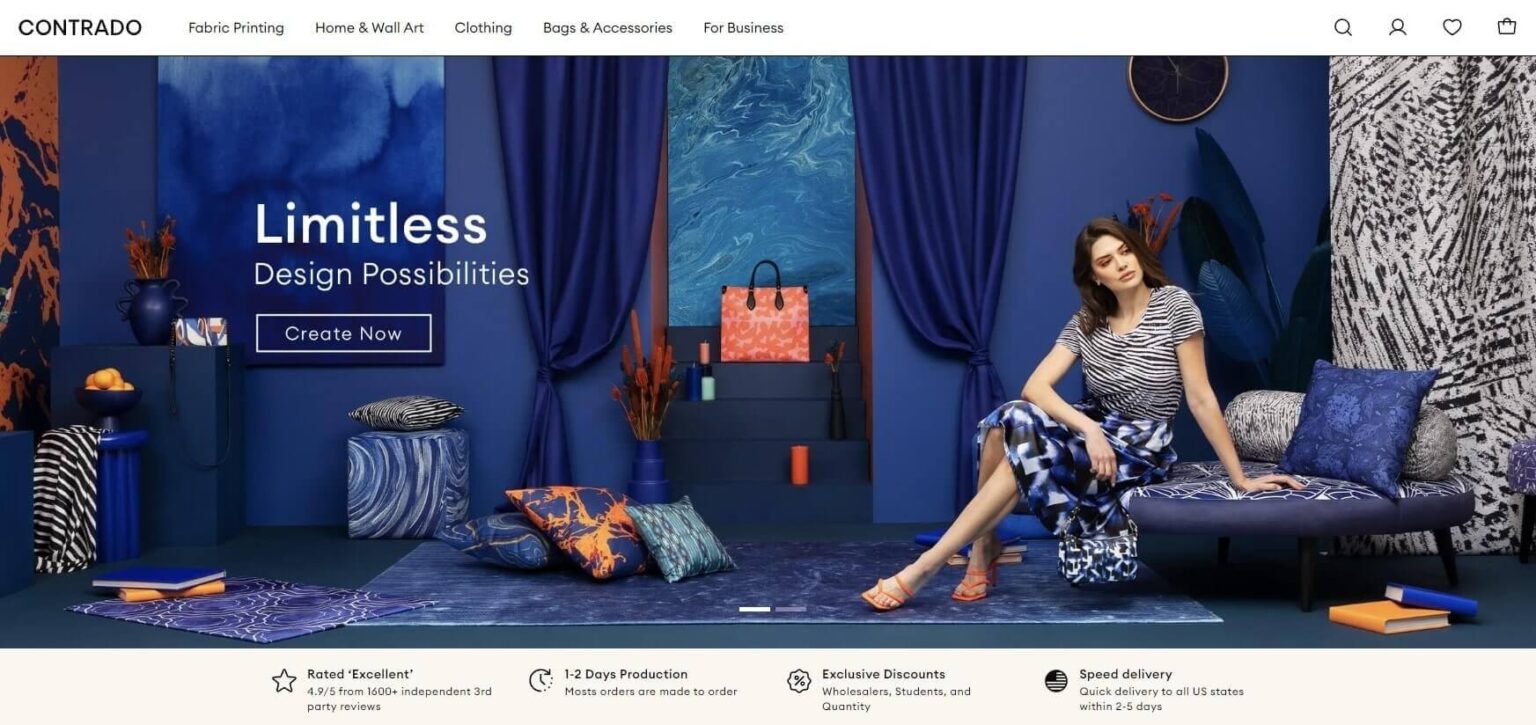
Contrado produces design-led, made-to-order products in the UK. Its customizable jewelry and accessories are positioned toward the premium end of the POD market, making the platform better suited to artists and brands that can support higher retail prices.
- Type: White-label POD manufacturer
- Best for: Premium, artist-designed jewelry and accessories
- Location: London, United Kingdom
- MOQ: One unit
- Pricing: Product-based; generally higher than mass-market POD suppliers
Pros
- Handmade-to-order production
- Strong design tools and real-time product previews
- White-label dropshipping is available
- Faster UK production than many cross-border suppliers
Cons
- Higher base costs can reduce room for paid-ad acquisition
- Jewelry selection is narrower than its overall product catalog
- Premium pricing may not suit impulse-buy gift stores
Our verdict: Contrado is a stronger fit for design-led brands than price-sensitive general stores. We would use it where the artwork, materials, and brand story justify a premium retail price, rather than competing against low-cost engraved jewelry. Contrado confirms that its custom jewelry can be designed online, dropshipped, and synced with ecommerce stores.
4. DropShipCN
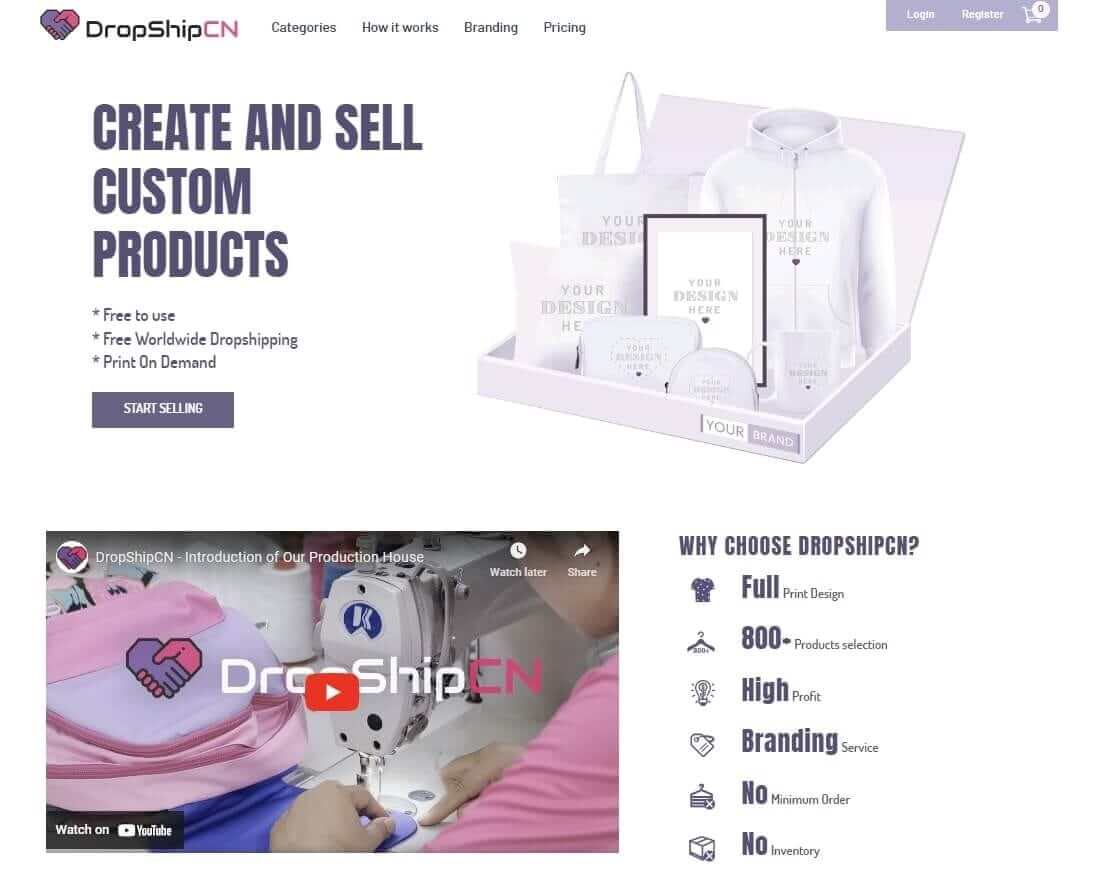
DropshipCN has historically offered a large range of China-made POD products, including necklaces, bracelets, earrings, and personalized accessories. However, its current operating status, catalog accessibility, and integration support should be independently verified before relying on it.
- Type: POD marketplace and manufacturer
- Best for: Sellers seeking a broad catalog of lower-cost personalized jewelry
- Location: China
- MOQ: Historically one unit for POD orders
- Pricing: Historically free to use, with an optional paid discount plan
Pros
- Previously offered a broad jewelry assortment
- Product personalization and branding options were available
- Historically supported Shopify integration
- Lower product costs than many US-based suppliers
Cons
- Current supplier status and support responsiveness require verification
- Limited public documentation compared with larger POD platforms
- Cross-border delivery times may vary substantially
Our verdict: DropshipCN should remain on the shortlist only after a test order and support check. Older comparisons report jewelry prices of roughly $5.59 to $14.39 and an optional $19.99 monthly plan, but we would not publish those figures as current without confirming them directly with the supplier.
5. InterestPrint
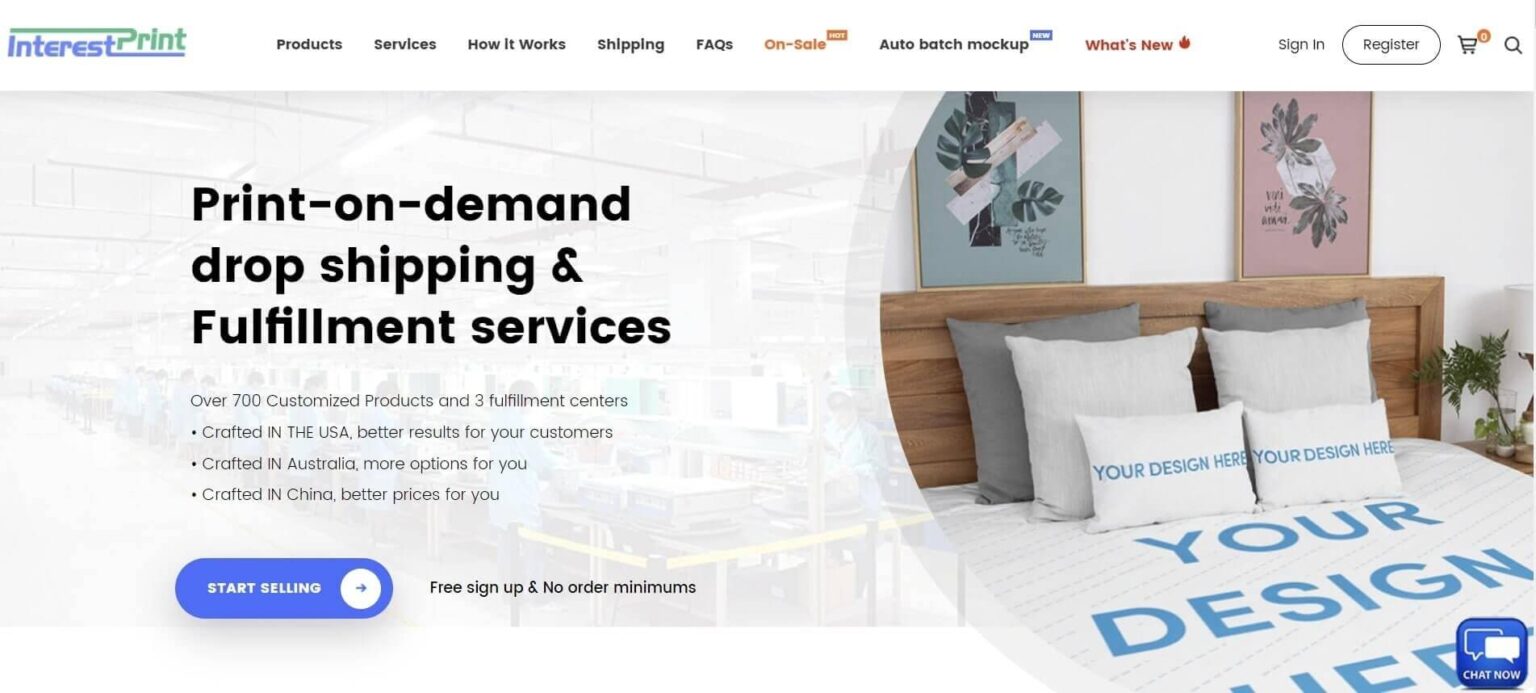
InterestPrint offers more than 1,000 customizable products across apparel, homeware, footwear, accessories, and jewelry. It operates as a broad POD supplier rather than a jewelry specialist.
- Type: POD marketplace
- Best for: Multi-category stores wanting jewelry alongside other personalized products
- Location: China, with reported production and fulfillment capacity in multiple regions
- MOQ: One unit
- Pricing: Free to install; sellers pay product and shipping costs
Pros
- Large customizable-product catalog
- No monthly or upfront platform fee
- Shopify app with automated order import
- Useful for testing multiple niches through one supplier
Cons
- Jewelry is only one part of a very broad catalog
- Product consistency should be checked individually
- Other platform connections may require more manual management
Our verdict: InterestPrint is useful for broad POD testing, especially when jewelry is part of a larger gift catalog. We would compare samples carefully because a supplier that produces hundreds of unrelated product types may not provide the same jewelry specialization as a dedicated manufacturer. Its official site and Shopify listing confirm no minimums, no monthly fee, and automated fulfillment
6. PrintBase
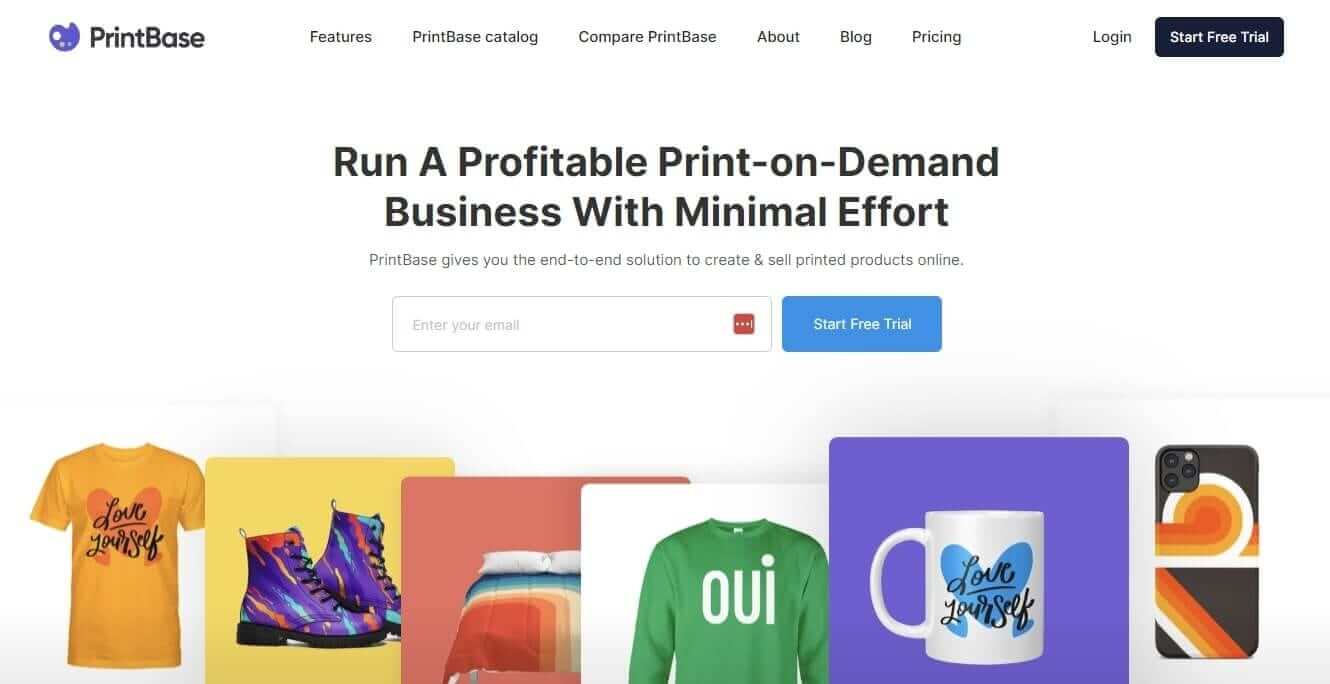
PrintBase is a hosted ecommerce platform designed specifically for print-on-demand businesses. Rather than connecting a supplier to an existing Shopify store, sellers build and operate their store within the PrintBase ecosystem.
- Type: Hosted POD store
- Best for: Beginners wanting a ready-made storefront and fulfillment system
- Location: Operated through the ShopBase ecosystem
- MOQ: One unit for supported POD products
- Pricing: Subscription-based; pricing should be checked on the current plan page
Pros
- Storefront, hosting, products, payments, and fulfillment in one platform
- Built-in marketing and upsell features
- Less technical setup than combining several separate apps
- Suitable for rapid product testing
Cons
- Less platform flexibility than owning an independent Shopify setup
- Migrating away may require rebuilding products and workflows
- Jewelry catalog has historically focused heavily on necklaces
Our verdict: PrintBase is convenient for launching quickly, but it creates greater dependence on one ecosystem. We would choose it for speed and simplicity, not for maximum supply-chain control. Its current pricing page continues to position the service as a subscription-based hosted POD solution with a trial period.
7. ShineOn
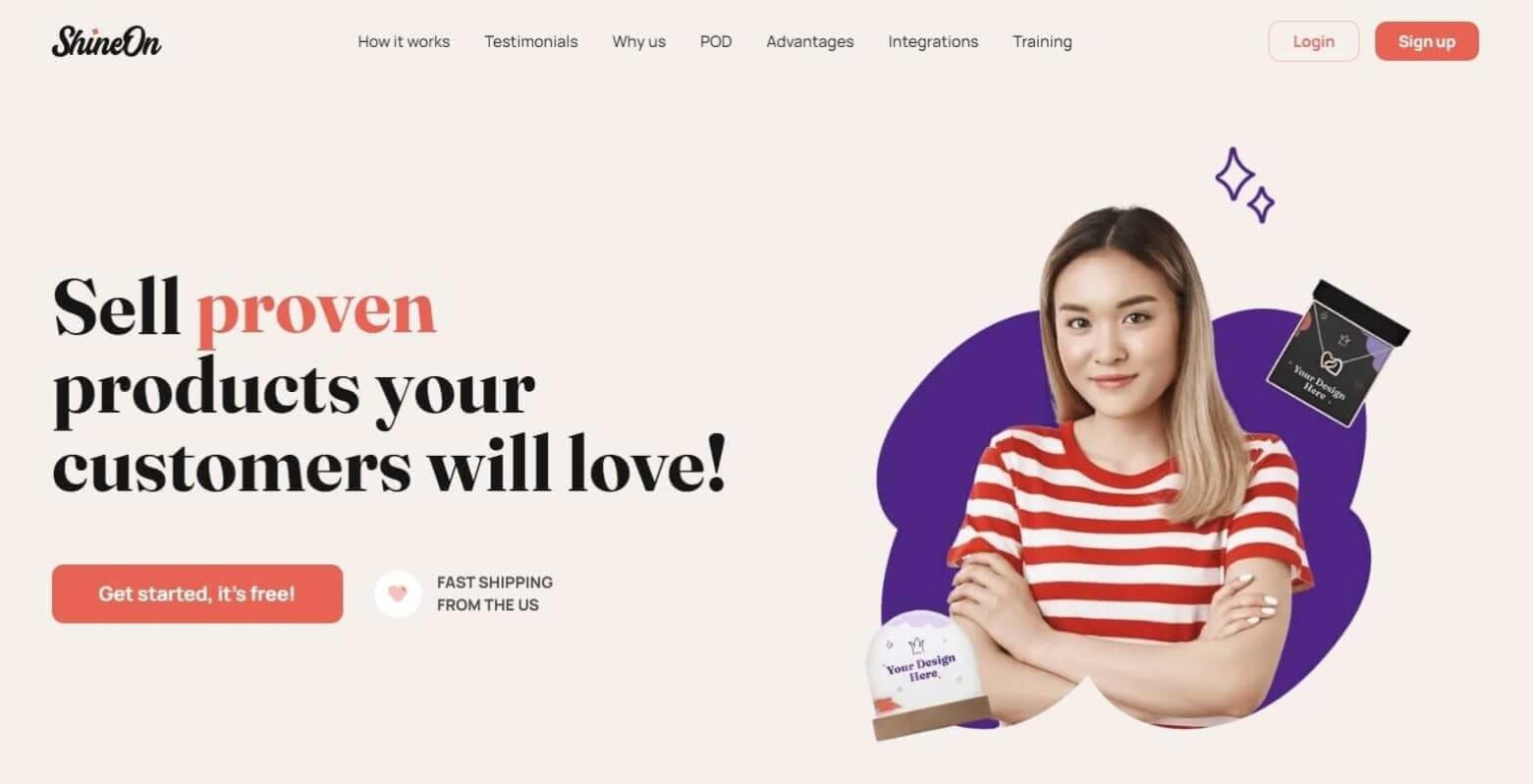
ShineOn is one of the most recognizable specialist suppliers for print-on-demand jewelry. It focuses heavily on emotional gift products, particularly necklaces paired with customizable message cards and gift boxes.
- Type: White-label jewelry POD specialist
- Best for: Message-card jewelry and gift-focused Shopify stores
- Location: United States, with international fulfillment options
- MOQ: One unit
- Pricing: Free to start; sellers pay the product and fulfillment cost after receiving an order
Pros
- Jewelry-focused catalog and design workflow
- Strong message-card and gift-box customization
- US-based fulfillment for eligible products
- Direct Shopify connection and marketing resources
Cons
- Many sellers use similar base products and templates
- Differentiation depends heavily on design, copy, audience, and advertising
- Etsy sellers must ensure listings comply with Etsy’s production-partner and handmade rules
Our verdict: ShineOn is one of the clearest choices for testing emotionally positioned jewelry gifts. The business model works best when you target a specific recipient, event, or relationship rather than uploading generic quotes to standard necklaces. ShineOn officially promotes Shopify integration and post-sale billing, while Shopify describes it as a specialist custom-jewelry POD provider.
8. Shop3
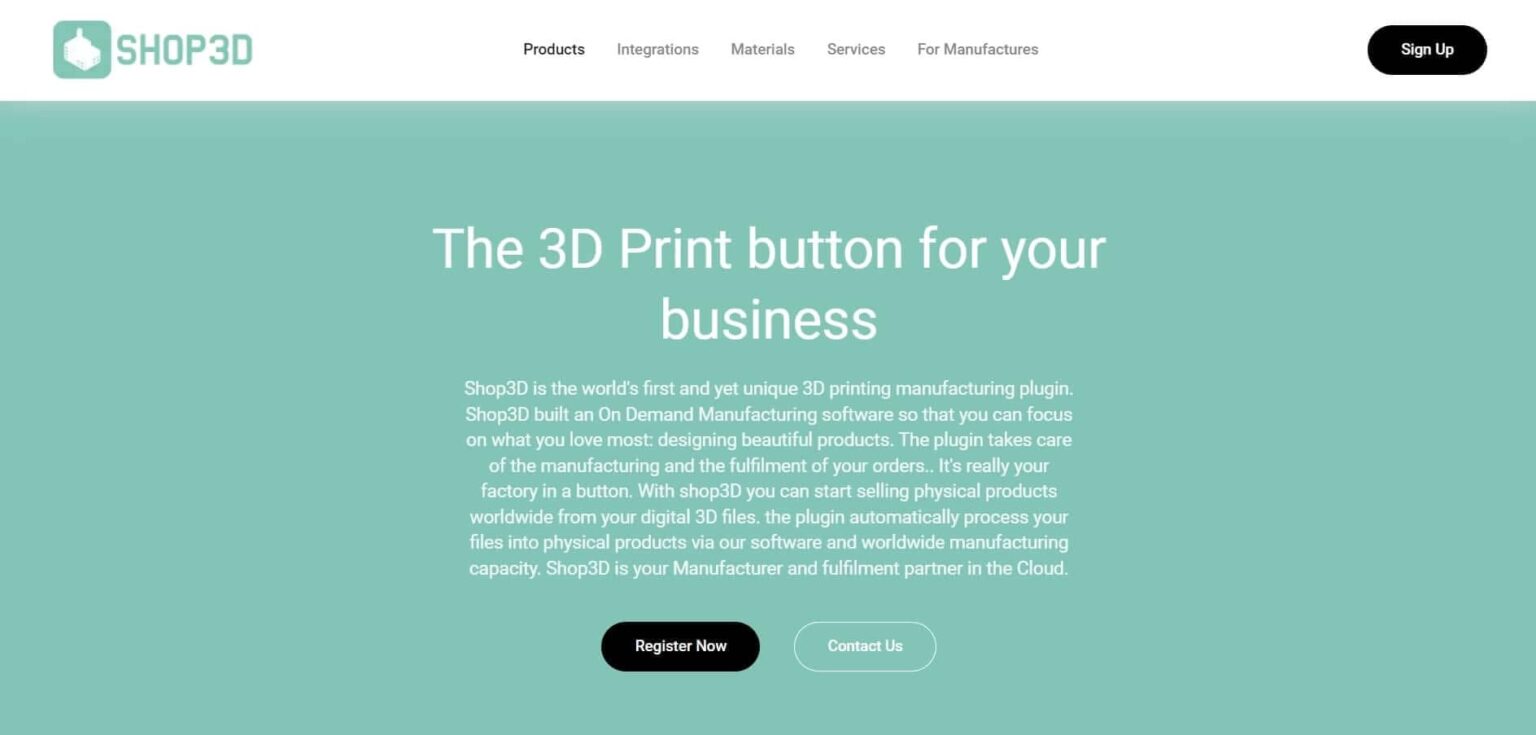
Shop3D supports true on-demand manufacturing using 3D files. It can produce jewelry in materials ranging from resin to precious metals, giving designers more freedom than standard catalog-based POD platforms.
- Type: 3D manufacturing platform
- Best for: Designers producing original rings, pendants, charms, and complex jewelry
- Location: London, United Kingdom
- MOQ: No standard MOQ
- Pricing: Based on the model, dimensions, material, finishing, and production method
Pros
- Supports original 3D designs rather than fixed product templates
- No sign-up or monthly fees
- Custom branding and dropshipping support
- Samples are available across supported materials
Cons
- Requires a production-ready 3D model
- Precious metals and complex designs can be expensive
- Design errors can increase sampling and revision costs
Our verdict: Shop3D is a better option for product designers than template-based POD sellers. It allows you to create products that are harder for competitors to copy, but you need technical design capability and accurate files. Shop3D confirms that it has no monthly fee, no MOQ, sample ordering, custom branding, and ecommerce integrations.
9. ThisNew
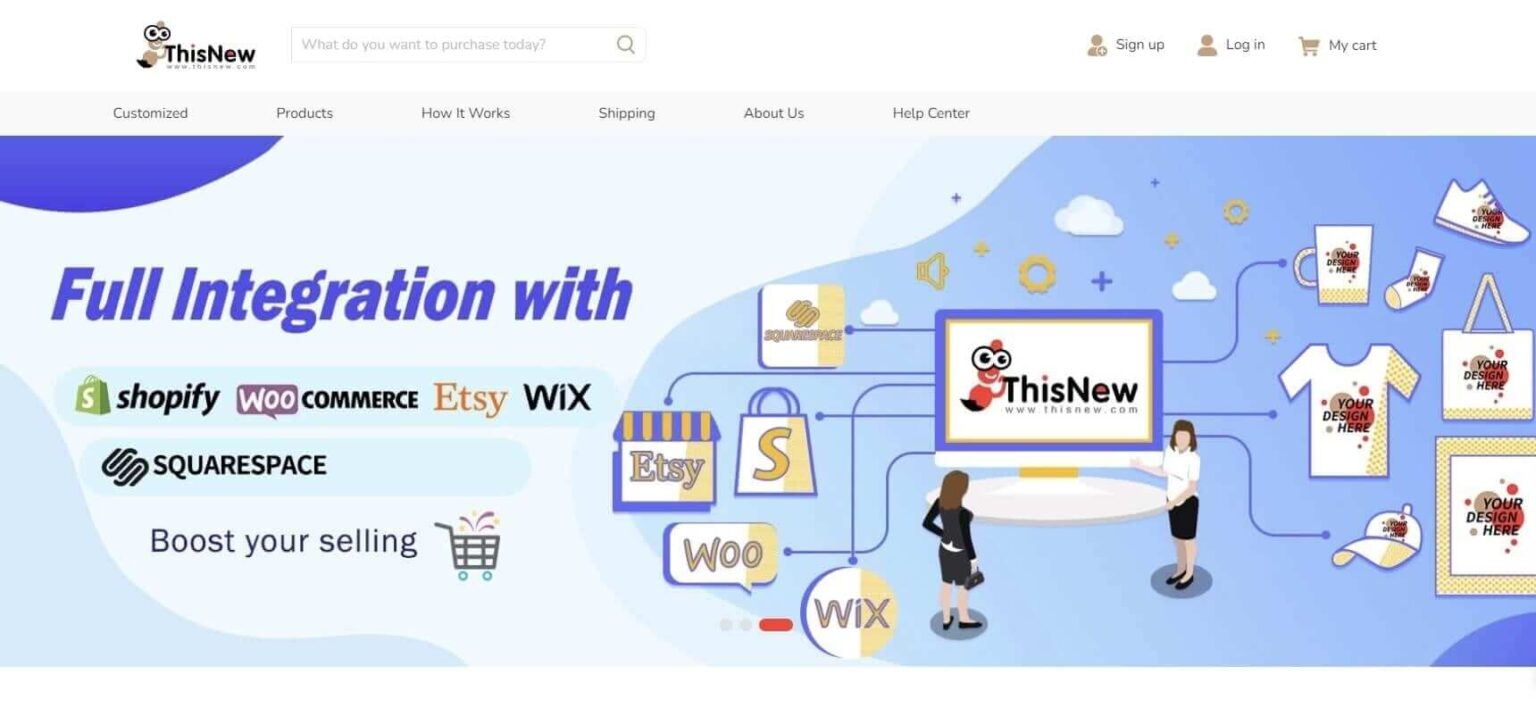
ThisNew offers customized products across clothing, accessories, homeware, bags, shoes, and jewelry. Its jewelry range has included necklaces, earrings, bracelets, rings, and image-based personalized products.
- Type: POD marketplace
- Best for: Sellers testing novelty and photo-personalized jewelry
- Location: China
- MOQ: Generally one unit
- Pricing: Free account; sellers pay product and shipping charges
Pros
- Wide variety of personalized product formats
- Supports small test orders
- Jewelry can be combined with a broader gift catalog
- Shopify-compatible fulfillment workflows have been promoted
Cons
- Current integrations and product availability should be confirmed
- Product pages may provide less detailed material information than specialist jewelers
- Delivery expectations depend on production location and shipping method
Our verdict: ThisNew may work for novelty and photo-personalized products, but we would avoid relying only on mockups. Order each shortlisted product and inspect print placement, color, chain strength, coating, and packaging before listing it.
10. Yoycol
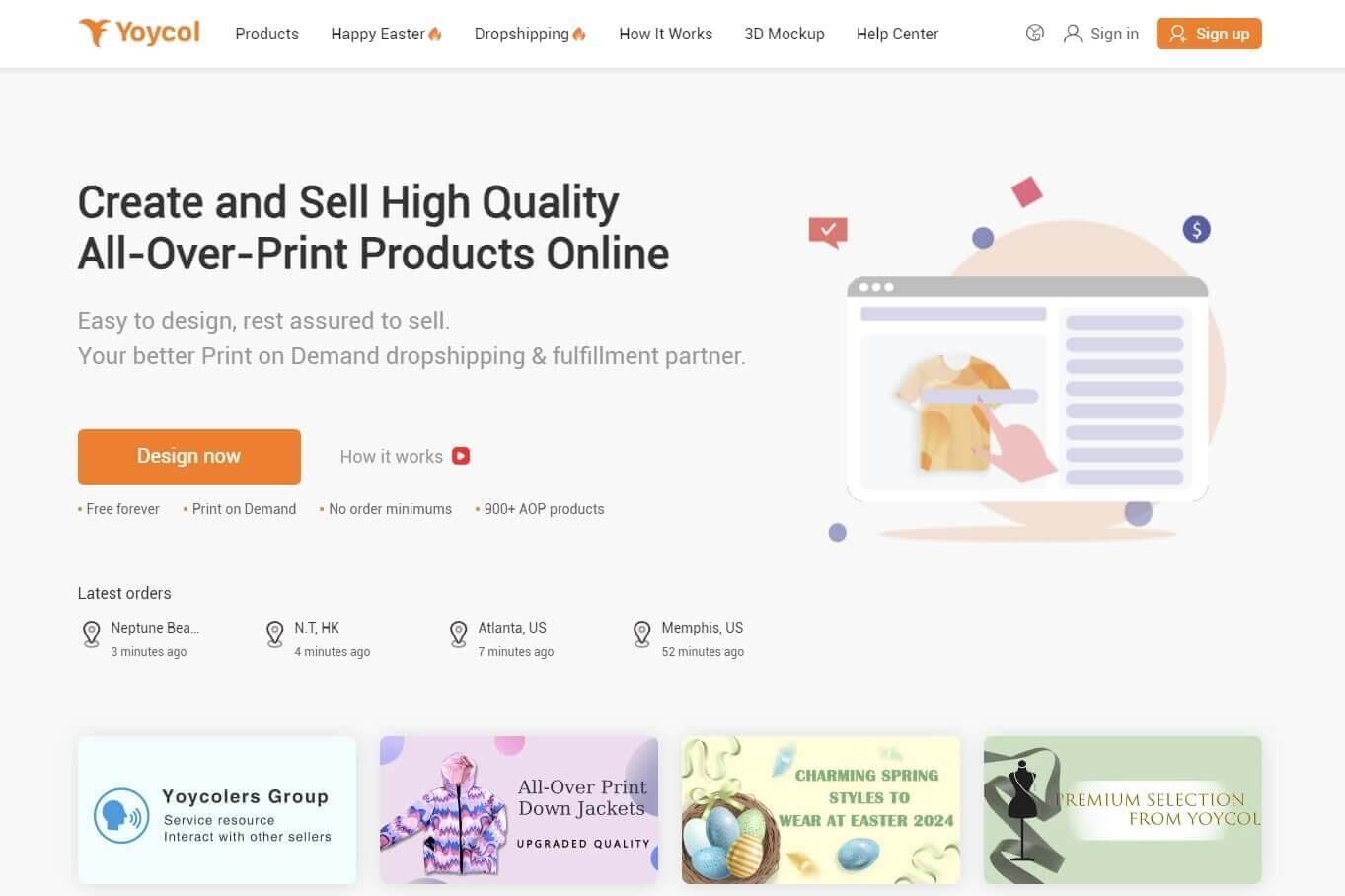
Yoycol is a China-based POD supplier with a large catalog covering clothing, homeware, accessories, and personalized gifts. Jewelry is available, although it is not the platform’s primary specialization.
- Type: POD marketplace
- Best for: Cost-conscious sellers building broad personalized-product stores
- Location: China
- MOQ: One unit
- Pricing: Free to use; product and shipping costs vary by item
Pros
- Large catalog with many customization formats
- No inventory commitment
- Shopify and other ecommerce connections
- Competitive base pricing across many product categories
Cons
- Jewelry assortment may be less specialized
- Quality and shipping speed vary by product and destination
- Large catalogs can make supplier evaluation more time-consuming
Our verdict: Yoycol is more attractive for catalog breadth than jewelry expertise. We would use it to test adjacent products around a jewelry niche, but samples and realistic delivery testing remain important.
11. AutoDS
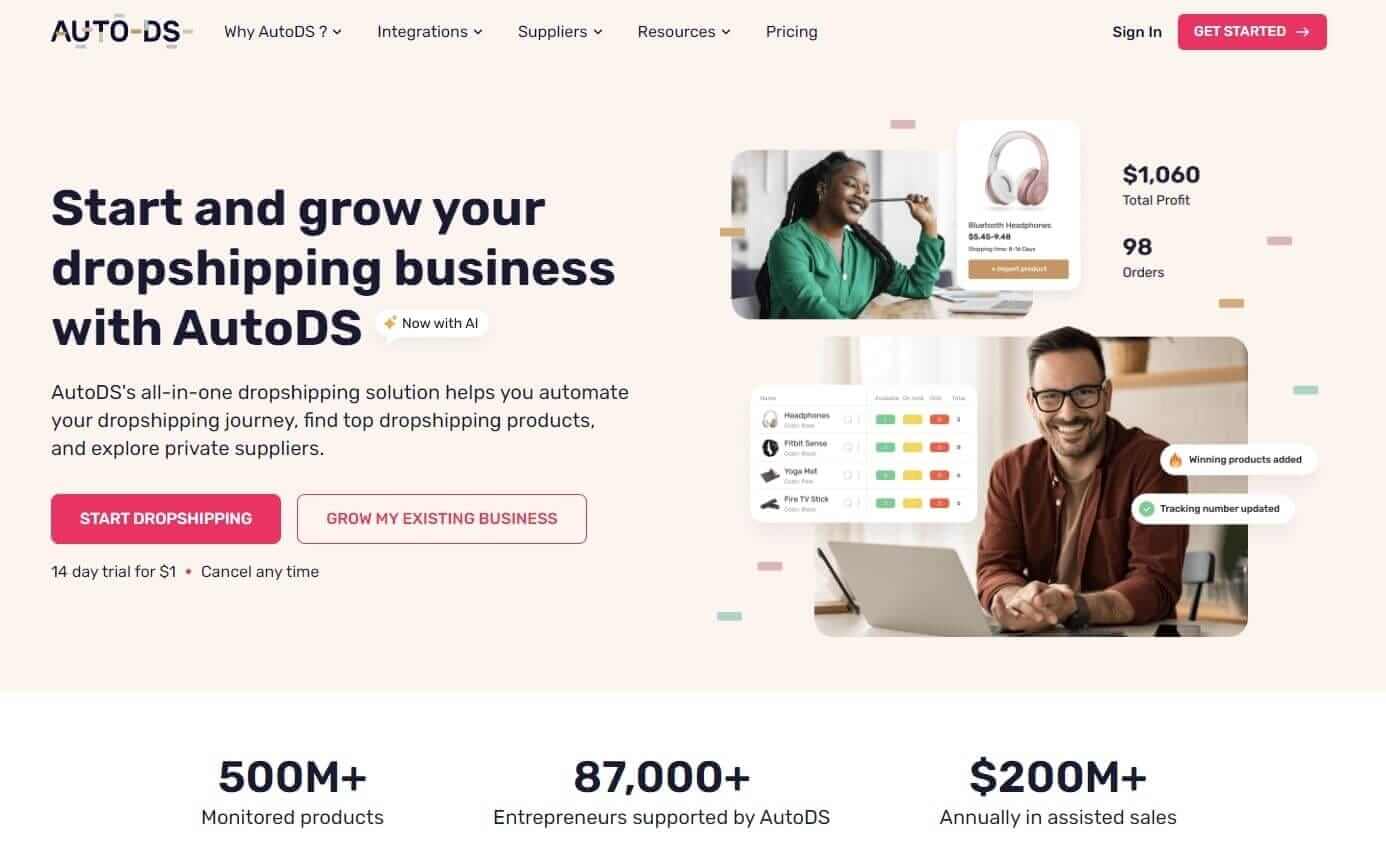
AutoDS is an automation platform rather than a jewelry manufacturer. It helps sellers import products, monitor prices and stock, route orders, and manage fulfillment across supported suppliers.
- Type: Automation platform
- Best for: Sellers managing several jewelry and dropshipping suppliers
- Location: Global software platform
- MOQ: Determined by the connected supplier
- Pricing: Subscription-based, with plan costs varying by platform and account size
Pros
- Centralizes product importing and order management
- Supports multiple ecommerce marketplaces
- Can reduce repetitive administrative work
- Useful when testing products from several sources
Cons
- Does not manufacture or inspect jewelry itself
- Product quality still depends on the underlying supplier
- Additional software fees reduce margins
- Automation cannot resolve weak packaging or inconsistent production
Our verdict: AutoDS should not be compared directly with ShineOn or Shop3D because it performs a different role. We would use it when operational automation is the main problem, but it does not replace supplier due diligence, sampling, or QC.
12. ShopBase
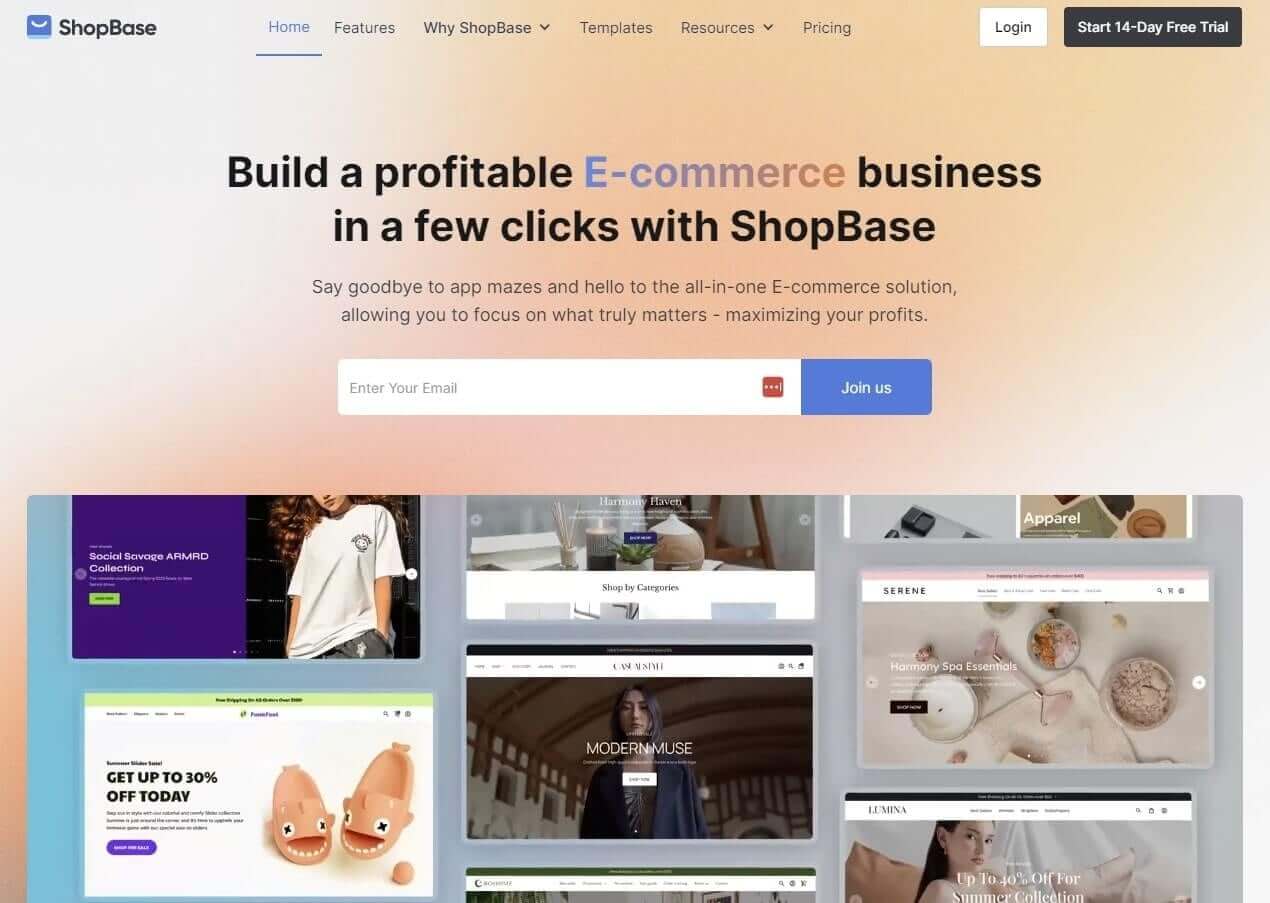
ShopBase is an ecommerce platform designed around dropshipping, print on demand, and cross-border selling. Its ecosystem includes PrintBase and PlusBase, allowing merchants to build stores and access fulfillment services without Shopify.
- Type: Hosted ecommerce and POD platform
- Best for: Sellers wanting a Shopify alternative built around dropshipping
- Location: Global software platform
- MOQ: Depends on the connected product or fulfillment service
- Pricing: Subscription-based
Pros
- Store builder and dropshipping tools in one environment
- Built-in connections to PrintBase and PlusBase
- Marketing, checkout, and upsell features
- Designed specifically for cross-border ecommerce
Cons
- ShopBase itself is not the manufacturer of every listed item
- Jewelry selection depends on its current supplier ecosystem
- Greater platform dependence than using an independent sourcing structure
Our verdict: ShopBase can simplify the technical side of launching a store, but sellers still need to evaluate the actual jewelry supplier fulfilling the order. We would separate the platform decision from the product-quality decision.
13. TeeLaunch
Teelaunch is a US-focused POD supplier known for apparel, drinkware, accessories, and gift items. It has offered engraved jewelry and related personalized products, although the active catalog should be checked before committing to a jewelry niche.
- Type: POD marketplace
- Best for: Shopify stores combining jewelry with US-fulfilled gifts
- Location: United States
- MOQ: One unit
- Pricing: Free app; product and shipping costs are charged per order
Pros
- US-based fulfillment for many items
- Straightforward Shopify workflow
- Suitable for gift and accessory bundles
- No inventory purchase required
Cons
- Jewelry is not the platform’s main category
- Product selection may change over time
- Custom branding options vary by item
Our verdict: teelaunch makes the most sense for an existing gift store rather than a dedicated fine-jewelry brand. Confirm that the exact engraved product, packaging, and delivery route remain available before creating listings.
14. JetPrint
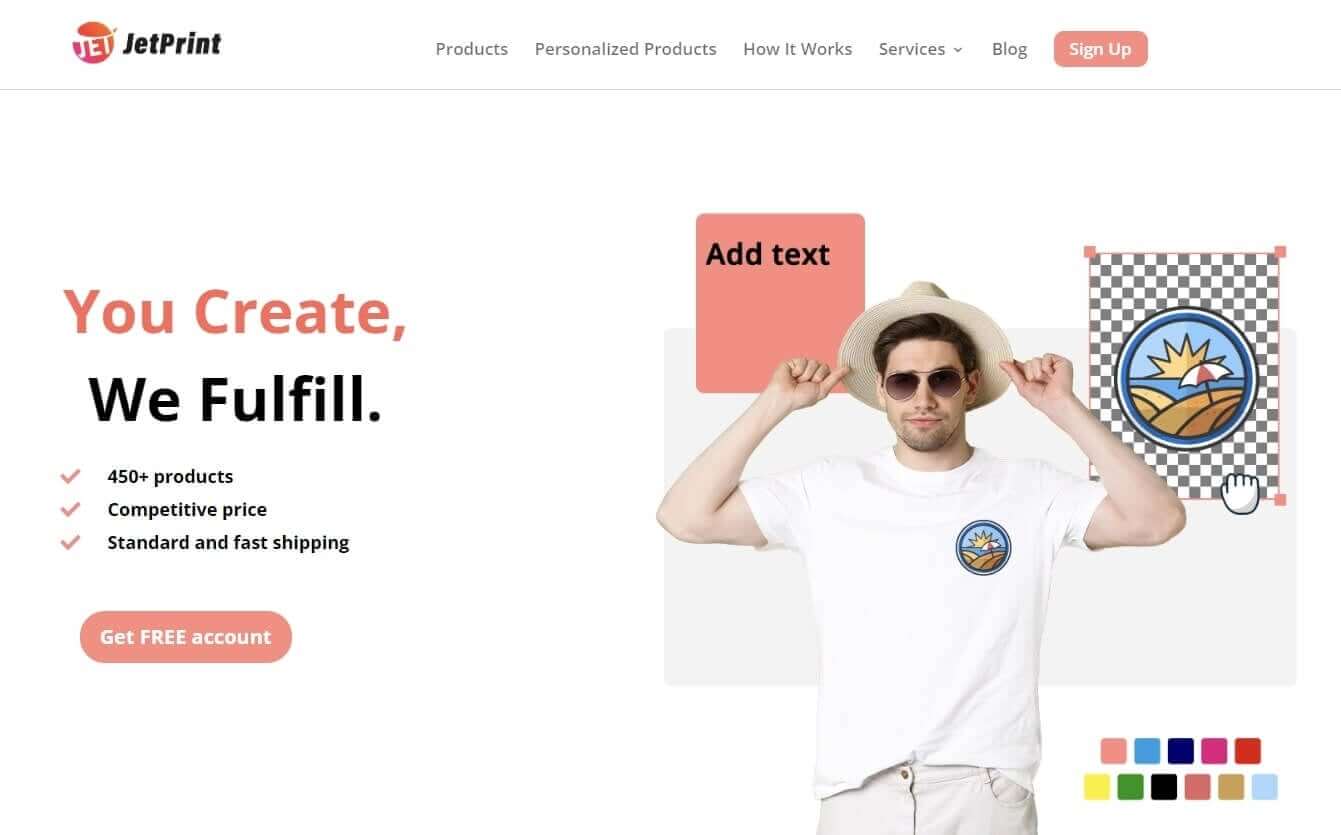
JetPrint offers a broad selection of personalized jewelry, watches, shoes, accessories, and other POD items. Its jewelry catalog includes necklaces, bracelets, rings, earrings, and engraved products.
- Type: POD marketplace
- Best for: Personalized jewelry stores needing a broad catalog
- Location: China
- MOQ: One unit
- Pricing: Free to install; sellers pay product and shipping charges
Pros
- Wide jewelry and accessories selection
- Shopify, Etsy, and WooCommerce workflows
- Supports engraved, image-based, and text-based personalization
- Useful for testing several jewelry formats
Cons
- Production and shipping times vary by product
- Material specifications should be verified item by item
- A broad catalog does not ensure equal quality across every jewelry line
Our verdict: JetPrint is one of the more relevant general POD platforms for jewelry because the catalog extends beyond a few necklaces. We would shortlist it for personalized rings, watches, bracelets, and engraved products, then choose only the items that pass sample testing.
15. Merchize
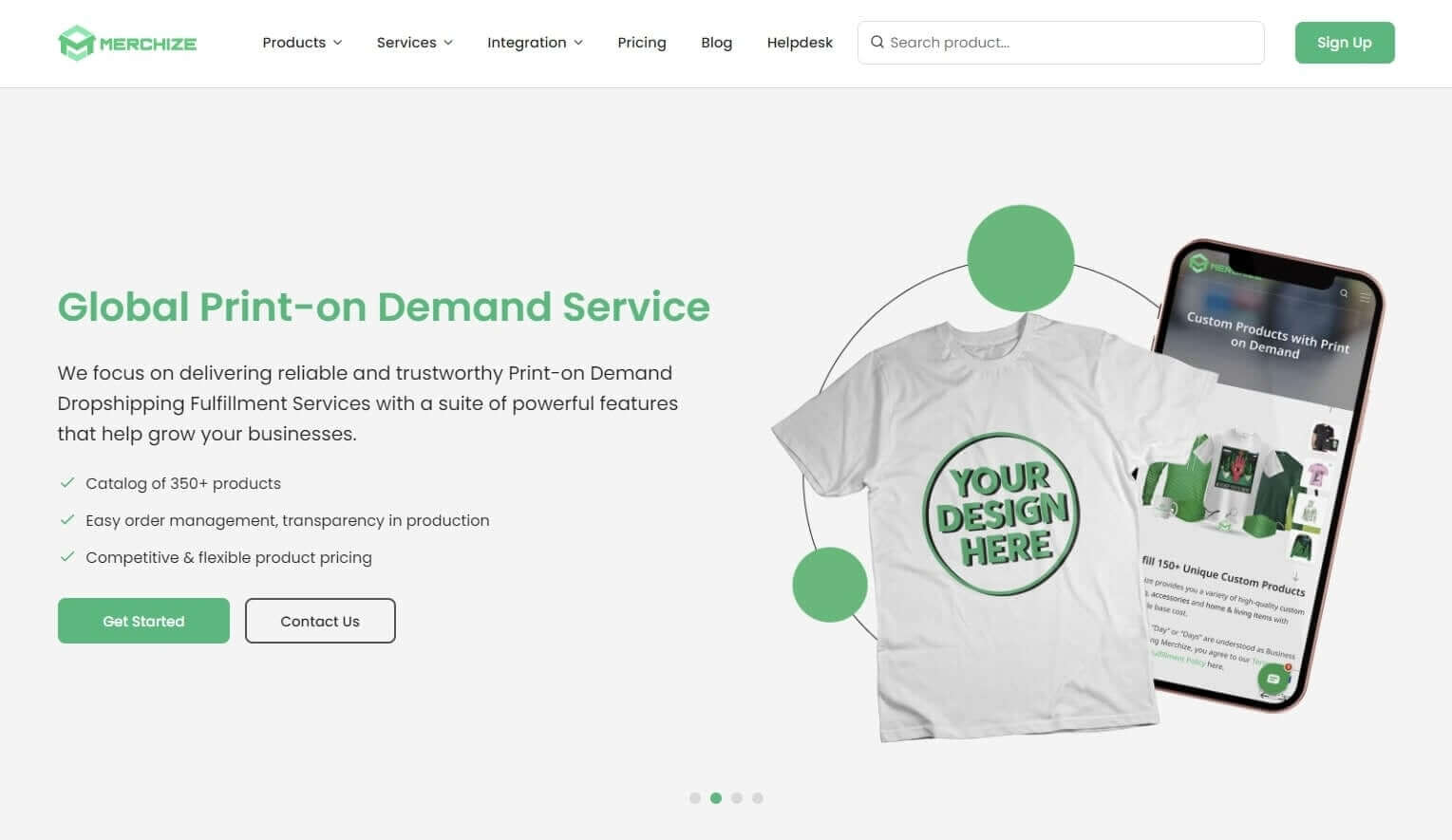
Merchize is a Vietnam-based POD manufacturer and fulfillment company offering a large catalog, ecommerce integrations, custom packaging, and international delivery.
- Type: POD manufacturer and fulfillment platform
- Best for: Established stores needing broad integrations and scalable fulfillment
- Location: Vietnam, with international fulfillment capabilities
- MOQ: One unit for standard POD products
- Pricing: Free access for standard fulfillment; custom or branding services may be quote-based
Pros
- Large multi-category POD catalog
- Shopify, Etsy, WooCommerce, Amazon, eBay, and other integrations
- Custom packaging and branding support
- Better suited to operational scaling than many small POD suppliers
Cons
- Jewelry is not its only or primary category
- International shipping times depend on destination and route
- Custom packaging may require volume commitments
Our verdict: Merchize is worth considering when jewelry forms part of a larger POD business. We would prioritize it for sellers who need integrations, fulfillment capacity, and packaging support rather than highly technical jewelry manufacturing. Merchize publicly promotes international fulfillment, integrations, and custom packaging.
16. Ownprint
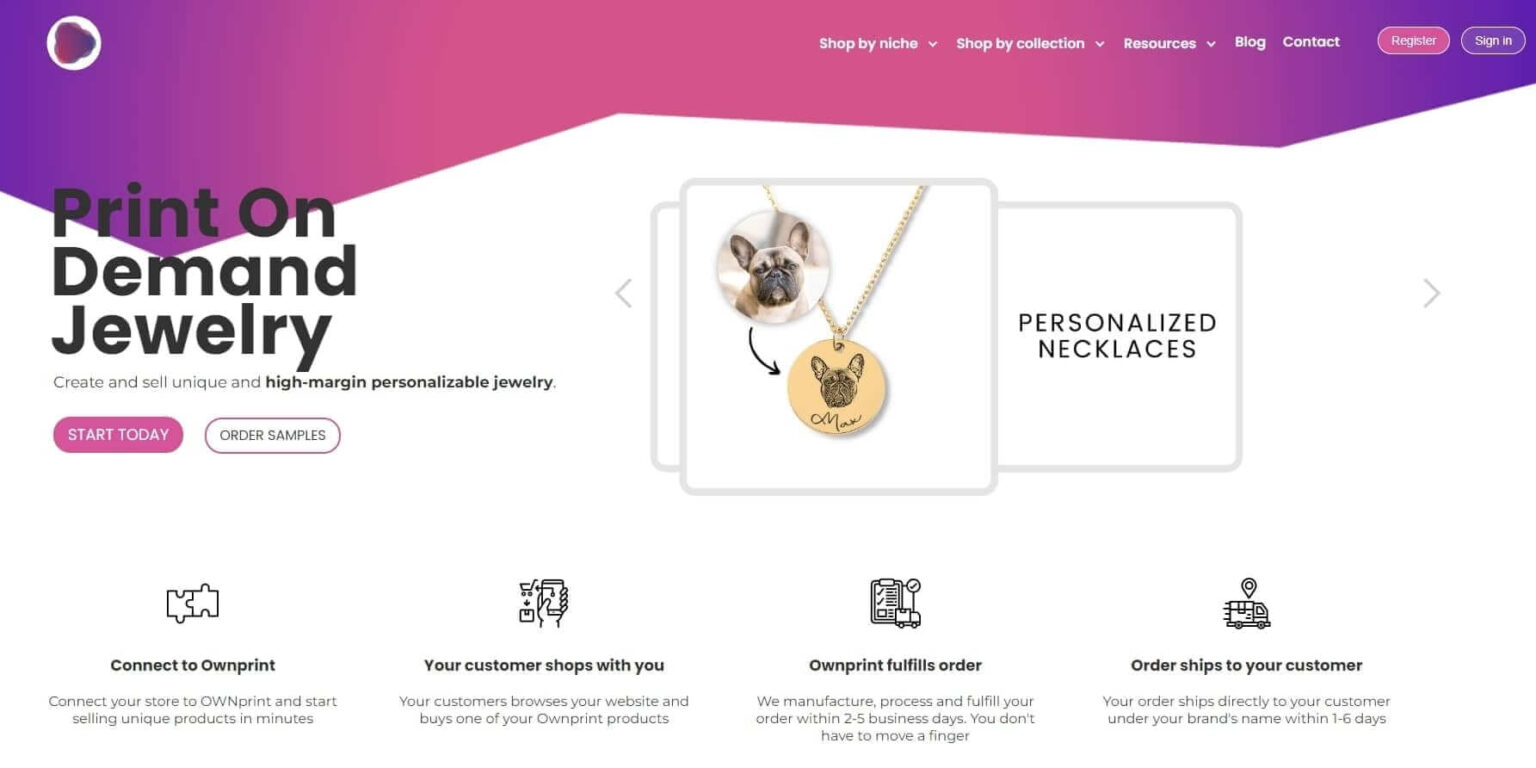
OwnPrint specializes in personalized jewelry and accessories, including engraved necklaces, bracelets, watches, and message-card products. It offers a white-label workflow designed around independent ecommerce brands.
- Type: White-label jewelry POD supplier
- Best for: Branded engraved jewelry across Shopify, Etsy, and WooCommerce
- Location: Europe-based operation with international fulfillment
- MOQ: One unit
- Pricing: Free to start; sellers pay product, engraving, and fulfillment costs
Pros
- Focused specifically on jewelry and accessories
- Shopify, Etsy, WooCommerce, and Squarespace integrations
- Engraving, message cards, and branded fulfillment
- Ready-made templates are available for faster product creation
Cons
- Product differentiation may remain limited without original designs
- Delivery speed varies by customer region
- Advanced branding options may affect cost and processing time
Our verdict: OwnPrint is a strong middle ground between a generic POD catalog and a fully custom manufacturer. We would consider it for stores that want jewelry specialization, message-card products, and broader integrations than a Shopify-only workflow. OwnPrint confirms direct integrations, engraving, and fully branded direct fulfillment.
17. Awkward Styles
Awkward Styles was previously known as a US-based POD supplier offering apparel, homeware, accessories, and integrations with major ecommerce platforms. However, its present operating status requires verification before it can be recommended as an active jewelry supplier.
- Type: POD marketplace
- Best for: Previously suited to US-focused multi-category POD stores
- Location: United States
- MOQ: Historically one unit
- Pricing: Previously offered free and paid account options
Pros
- Historically offered US fulfillment
- Previously supported popular ecommerce integrations
- No large inventory commitment was required
Cons
- Current operating status is unclear
- Jewelry availability may no longer exist
- Sellers risk building listings around an inactive or reduced service
Our verdict: We would remove Awkward Styles from the final recommendation list unless the merchant dashboard, support team, and jewelry catalog can be verified before publication. An outdated supplier is more damaging to readers than a shorter, accurate list.
18. CustomizingBox
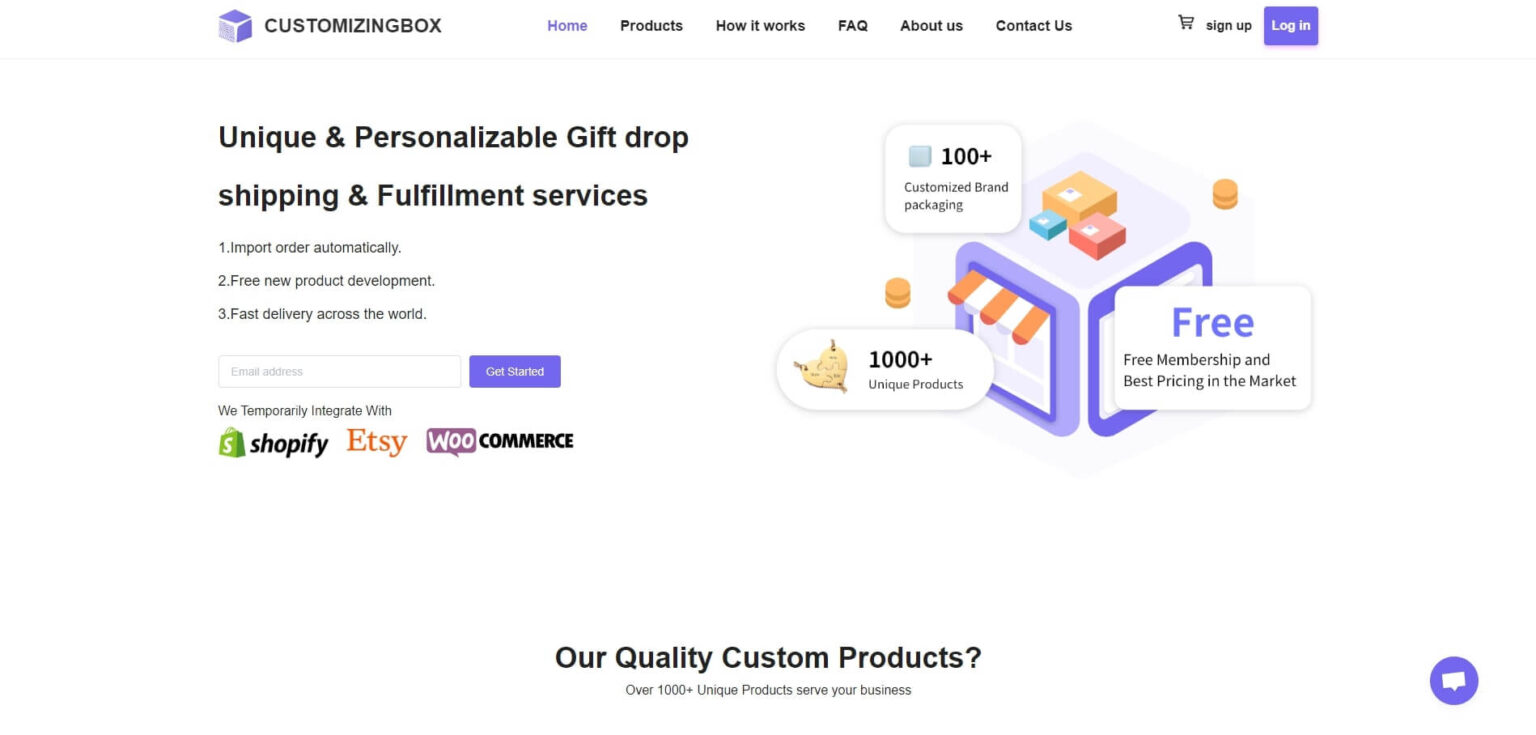
CustomizingBox appears to focus on customized gifts, jewelry products, packaging, and white-label fulfillment. Public information about its ownership, production locations, pricing, and integrations is relatively limited.
- Type: White-label and custom-gift supplier
- Best for: Sellers exploring message-card jewelry and customized gift packaging
- Location: Not clearly disclosed in available public materials
- MOQ: Product-dependent; confirmation required
- Pricing: Quote-based or product-specific
Pros
- Jewelry and gift packaging appear to be offered together
- Potential fit for branded message-card products
- Customization options may extend beyond the jewelry itself
Cons
- Limited transparent company and fulfillment information
- MOQ, integrations, and production locations require direct verification
- Less independent documentation than established POD platforms
Our verdict: We would treat CustomizingBox as a supplier to investigate, not a supplier to trust without testing. Ask for business details, product certificates where relevant, packaging samples, remake policies, production times, and tracked test orders before connecting a live store.
10 Best Print on Demand Products to Sell
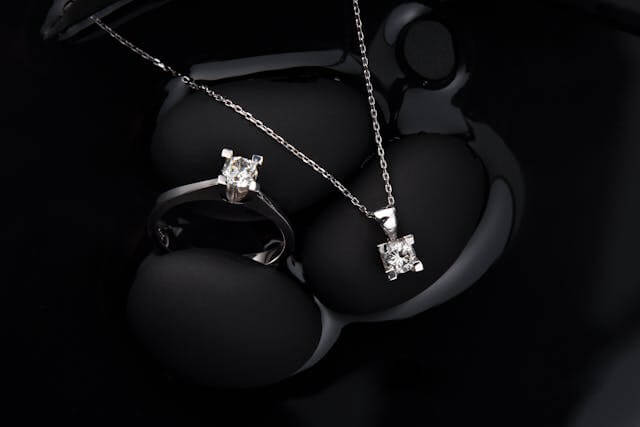
The strongest POD jewelry products are easy to personalize, suitable for gifting, and simple for customers to understand from a product image. We usually recommend starting with a narrow product range and testing several audiences or occasions before expanding the catalog.
| POD Jewelry Product | Why It Sells | Common Customization Options | Best Audience or Occasion | Best Supplier Fit |
| Message-card necklace | Combines an emotional message with a ready-to-gift product | Message card, pendant style, gift box, recipient name | Birthdays, anniversaries, mothers, daughters, partners | ShineOn, OwnPrint, CustomizingBox |
| Engraved name necklace | Personalization increases perceived value and makes the product difficult to compare directly | Name, initials, date, short phrase | Couples, parents, graduates, personalized-gift buyers | JetPrint, OwnPrint, CJdropshipping |
| Photo projection necklace | Creates a strong visual hook for social media and gift campaigns | Customer photo, short message, pendant shape | Couples, pet owners, memorial gifts | ThisNew, JetPrint, CJdropshipping |
| Personalized bracelet | Works across multiple price points and is easy to position as a daily-wear gift | Names, coordinates, dates, initials, charms | Couples, families, friendship gifts | OwnPrint, JetPrint, CJdropshipping |
| Engraved ring | Compact, meaningful, and suitable for discreet personalization | Initials, dates, coordinates, inside-band messages | Couples, anniversaries, commitment gifts | JetPrint, Shop3D, CJdropshipping |
| Custom pendant necklace | Offers more design flexibility than standard name jewelry | Artwork, symbols, logos, photos, 3D forms | Artists, niche communities, branded collections | Shop3D, Contrado, JetPrint |
| Personalized earrings | Less saturated than necklaces and useful for building coordinated collections | Printed artwork, shapes, initials, colors | Fashion buyers, artists, seasonal collections | Contrado, JetPrint, ThisNew |
| Birthstone jewelry | Makes it easy to create month-based collections and personalized family gifts | Birthstone color, name, month, multiple stones | Mothers, families, birthdays | OwnPrint, CJdropshipping, white-label suppliers |
| Coordinates jewelry | Lets buyers connect a product to a meaningful location without using a long message | Latitude and longitude, place name, date | Couples, travelers, memorial and relocation gifts | OwnPrint, JetPrint, Shop3D |
| Pet memorial jewelry | Serves a highly emotional niche where personalization carries clear value | Pet name, portrait, paw print, date, short message | Pet owners and remembrance gifts | ThisNew, JetPrint, Shop3D |
Message-card necklaces are usually the easiest product for beginners because the design work can be handled through the card rather than the jewelry itself. Original pendants, rings, and earrings can create stronger differentiation, but they may require 3D files, additional sampling, or a more specialized supplier.
We also recommend evaluating the product as a complete gift. The jewelry may be acceptable, but a weak chain, damaged box, faded card, or poorly aligned engraving can still lead to refunds and negative reviews.
Factors to Consider When Choosing a Print on Demand Jewelry Supplier
Choosing the right jewelry supplier affects product quality, delivery times, customer reviews, and your ability to scale. Before connecting any supplier to your store, assess these eight factors.
1. Quality of Products
Order samples to inspect the finish, engraving accuracy, chain strength, clasp quality, packaging, and skin-contact materials. Product mockups are not enough for jewelry.
2. Range of Services
Check whether the supplier only produces products or also supports sourcing, custom packaging, warehousing, quality inspection, and returns. More support becomes valuable as order volume grows.
3. Fulfillment Speed
Review both production and shipping times. A product with fast delivery can still arrive late if engraving or customization takes several days before dispatch.
4. Brand Alignment
Choose products, finishes, and packaging that match your store positioning. A premium jewelry brand needs stronger materials and presentation than a low-ticket gift store.
5. Shipping Reliability
Compare tracked shipping options, delivery estimates, warehouse locations, and lost-order policies. Test the full delivery experience in your main customer markets.
6. Competitive Positioning
Avoid suppliers whose products are already heavily saturated unless you have a distinct audience, design, bundle, or message. Similar products make price competition more likely.
7. Growth Opportunities
Check whether the supplier can support private label, custom designs, bulk inventory, better pricing, and branded packaging once your products begin selling consistently.
8. Customer Reviews and Feedback
Review recent merchant feedback, especially comments about quality consistency, support response times, delivery delays, and remakes. Focus on repeated patterns rather than isolated complaints.
Want to find and fulfill jewelry products without managing factories yourself? NicheDropshipping offers free product sourcing with factory-direct prices. Get your free quote today — no credit card required.
How to Sell Print-on-Demand Jewelry Step by Step
The basic process to sell jewelry is the same across most sales channels: choose a focused jewelry niche, connect a suitable supplier, create compliant listings, test the complete order experience, and promote the products. The platform you choose affects how much control you have and which policies you must follow.
Step 1: Choose a Specific Jewelry Niche
Start with a clear buyer, occasion, or customization style rather than a broad “jewelry store.” Examples include:
- Message-card necklaces for mothers and daughters
- Engraved bracelets for couples
- Pet memorial jewelry
- Birthstone gifts for families
- Original 3D pendants for niche communities
A focused niche makes it easier to write product messages, create designs, and select the right supplier.
Step 2: Compare Suppliers and Order Samples
Shortlist suppliers based on product type, production location, integrations, packaging, and delivery speed. Then place sample orders to check:
- Material and finish
- Engraving or print alignment
- Chain, clasp, and stone security
- Message-card and box quality
- Tracking updates and delivery condition
We recommend testing the same product with more than one supplier when possible. The lowest base price is rarely the best value if packaging damage or inconsistent personalization increases refund rates.
Step 3: Create Original Designs and Product Content
Prepare the artwork, engraving text, message cards, or 3D files required by the supplier. Use original product descriptions and visuals that accurately represent what the customer will receive.
Your listing should clearly explain:
- Materials and dimensions
- Available finishes and variations
- Personalization limits
- Production and delivery estimates
- Packaging included
- Return or remake conditions for customized orders
Step 4: Set a Price That Covers the Full Order Cost
Calculate your margin using the product cost, customization, shipping, transaction fees, advertising, refunds, and replacement orders. Avoid setting the price based only on the supplier’s advertised base cost.
A product can look profitable until higher shipping charges, premium gift boxes, and marketplace fees are included.
Step 5: Connect the Supplier and Test the Order Workflow
Connect your store through the supplier’s native integration, an automation platform, or a manual fulfillment process. Submit a test order before launching so you can confirm that personalization details transfer correctly.
Check that:
- Variants map to the right supplier product
- Customer text and images are captured
- Orders are submitted automatically or reviewed on time
- Tracking numbers return to the sales channel
- Customers receive accurate shipping notifications
Step 6: Launch a Small Collection and Improve It
Start with a small number of products and variations. Track which audience, message, product finish, and price point convert rather than uploading a large catalog without clear positioning.
Use customer questions, refund reasons, and review comments to improve product descriptions and remove weak items.

How to Sell Print-on-Demand Jewelry on Shopify
Shopify offers the most control over branding, pricing, landing pages, and customer data. It also supports third-party POD apps that can import products and automate fulfillment after an order is placed.
To get started:
- Create your Shopify store and choose a jewelry-focused theme.
- Install a compatible POD supplier app.
- Import or create your jewelry products.
- Add original descriptions, product photos, sizing details, and policies.
- Configure payment, shipping, email, and tracking settings.
- Place a complete test order before sending traffic.
Shopify is a strong fit when you plan to build a standalone brand, run paid advertising, or eventually move into automated dropshipping and private-label fulfillment.
How to Sell Print-on-Demand Jewelry on Etsy
Etsy can work well for personalized jewelry because customers already search there for gifts and custom products. However, the products must comply with Etsy’s creativity standards and seller policies.
Your designs must be your own, and any production partner involved in making or shipping the jewelry must be disclosed in the relevant listings. Etsy also expects accurate information about how and where the item is made and shipped.
To sell POD jewelry on Etsy:
- Open an Etsy shop and define a clear personalized-jewelry niche.
- Choose a supplier that supports Etsy or reliable manual order submission.
- Add the supplier as a production partner.
- Create listings using original designs and accurate product information.
- Add personalization fields and clear character limits.
- Set realistic processing and delivery estimates.
- Order samples and use compliant product imagery.
Etsy generally requires sellers to use their own photos of the actual product, although limited exceptions apply to customized products and production-partner workflows.
How to Sell Print-on-Demand Jewelry on Amazon Handmade
Amazon Handmade is intended for genuine handcrafted, hand-altered, or custom-made products. Sellers must apply to join the program, so a generic POD product with no meaningful seller design or customization may not qualify.
For products personalized to the customer’s specifications, Amazon directs Handmade sellers to Amazon Custom. Amazon states that Custom orders must be merchant fulfilled rather than fulfilled through FBA.
To sell through Amazon Handmade:
- Create an Amazon seller account.
- Apply for Amazon Handmade and explain your design and production process accurately.
- Confirm that your supplier arrangement meets Amazon’s current eligibility rules.
- Register for Amazon Custom when offering engraving, names, photos, or other customer-selected options.
- Build detailed listings with materials, measurements, processing times, and customization instructions.
- Use a supplier capable of meeting Amazon’s order and tracking requirements.
- Monitor late shipments, cancellations, defects, and customer messages closely.
Amazon Handmade is usually better suited to established designers and production workflows than sellers testing generic catalog products. Verify eligibility before investing heavily in listing creation or inventory.
When Should You Switch from POD to Private Label Jewelry?
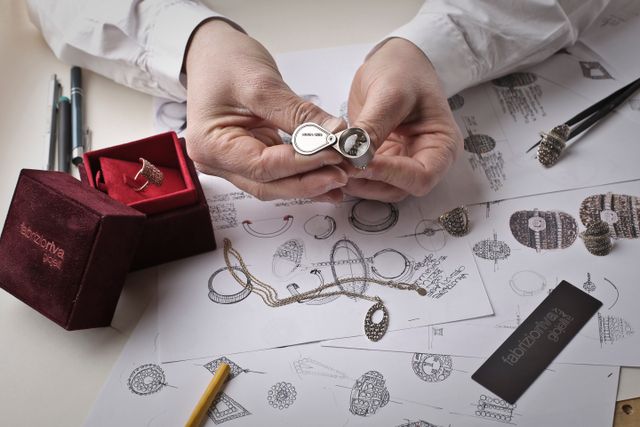
Print-on-demand is useful for testing demand with low upfront risk. However, it becomes less efficient when a product is already selling consistently and higher unit costs, limited packaging, or inconsistent fulfillment begin restricting growth.
We generally recommend considering private label when:
- One or more designs generate steady weekly orders
- POD costs leave too little margin after ads and platform fees
- Customers expect better packaging or faster delivery
- You need more control over materials, plating, sizing, or engraving
- Similar POD products are being sold by many competing stores
- Stockouts or supplier changes are affecting active listings
- You want to build a recognizable jewelry brand rather than a catalog store
POD vs. Private Label Jewelry
| Area | Print on Demand | Private Label |
| Upfront commitment | Low; products are made per order | Usually requires samples, packaging setup, or inventory |
| Unit cost | Higher because each item is produced individually | Can decrease with factory-direct sourcing and volume |
| Product control | Limited to the supplier’s catalog and options | Greater control over materials, finishes, designs, and packaging |
| Branding | Often limited to cards, inserts, or selected boxes | Can include logos, custom boxes, inserts, labels, and product modifications |
| Fulfillment | Managed by the POD supplier | Managed through a factory, warehouse, or fulfillment partner |
| Best stage | Testing designs and audiences | Scaling products with proven demand |
How NicheDropshipping Supports the Transition
Moving into private label dropshipping does not always mean placing a large factory order immediately. Our team can help you evaluate the product first, source alternatives from 1688, Taobao, Yiwu markets, or Chinese factories, and compare the real landed cost before you commit.
For jewelry sellers, this can include:
- Factory sourcing and price negotiation
- Product samples and quality inspection
- Custom logos, message cards, inserts, and branded packaging
- Inventory storage in China, the US, or Europe
- Same-day processing for stocked products
- Direct order fulfillment and tracking synchronization
- Multiple shipping routes based on cost and delivery speed
This approach is most useful when you already know which product, audience, and price point work. Instead of continuing to pay POD pricing indefinitely, you can use a product sourcing agent to improve margins and gain more control over the customer experience.
The switch should be based on repeatable sales, not optimism. We recommend validating the product first, calculating your true order volume, and confirming how quickly branded inventory is likely to sell before committing to custom production.
If you need help finding the perfect pieces for your inventory, consider submitting a sourcing request. We at Niche will help you kickstart your private label jewelry business.
FAQs about Print on Demand Jewelry
Can I Sell Print on Demand Jewelry on Etsy?
Yes, you can sell print-on-demand (POD) jewelry on Etsy, as long as you follow Etsy’s guidelines for handmade, vintage, or craft supply items.
POD jewelry falls under the “handmade” category if you design the items yourself and work with a production partner (like a POD supplier) to fulfill orders.
Here’s what you need to keep in mind:
Disclose your production partner: Etsy requires sellers to be transparent. When listing POD jewelry, you must list your POD supplier (e.g., PrintBase, ShineOn, TeeLaunch) as a production partner.
Design originality matters: Even though fulfillment is handled by someone else, your original design is what makes the product “handmade” in Etsy’s eyes.
Comply with Etsy’s policies: Avoid mass-produced stock designs and ensure your listings meet Etsy’s community standards and intellectual property rules.
POD jewelry is a growing category on Etsy, especially for personalized gifts like name necklaces or engraved bracelets. Just make sure your branding and listing details clearly highlight your creative input.
What is the best print-on-demand jewelry supplier for beginners?
For beginners, the strongest supplier is usually one with no MOQ, simple product customization, reliable store integration, and clear fulfillment costs.
ShineOn is often suited to message-card jewelry, while JetPrint offers a broader range of personalized products. The right choice still depends on your platform and customer location.
Start with one or two suppliers, order samples, and compare product quality, packaging, production time, tracking, and support before committing to a larger catalog.
Is It Profitable to Sell POD Jewelry?
Selling POD jewelry can be profitable due to low overhead costs. You only pay for the product after a customer places an order, so you don’t need to hold inventory.
The best print-on-demand jewelry services suggest potential high profit margins since personalized jewelry can command premium prices.
What Makes a Good Print-on-Demand Jewelry?
Good POD jewelry should be made of high-quality materials that are durable and visually appealing, such as stainless steel or sterling silver.
Great craftsmanship and a polished finish are crucial. Quality in artisanal POD jewelry stands out, as it ensures customer satisfaction and repeat business.
What Customization Options Are Commonly Available with Print-on-Demand Jewelry?
Common customization options include engraving names, messages, or dates, as well as selecting different materials and coatings.
Some providers offer custom designs where customers can upload images or artwork to be printed onto charms or pendants.
The level of customization can significantly vary among POD jewelry suppliers.
How Do I Handle Returns and Refunds with Print-on-Demand Jewelry?
Handling returns and refunds involves setting clear policies that align with the terms of your POD supplier.
Typically, personalized jewelry cannot be resold, so suppliers may not accept returns unless there are defects.
How long does print-on-demand jewelry take to ship?
Delivery time includes both production and transit. Personalized jewelry may require several business days for engraving, printing, assembly, or quality checks before it leaves the facility.
Shipping then depends on the production country, destination, carrier, and service level.
We recommend showing customers a combined processing-and-delivery estimate rather than advertising transit time alone. Test orders to your main markets are the most reliable way to understand the real delivery experience.
How Do I Integrate Print on Demand Jewelry with My Shopify Store?
Integrating POD jewelry with your Shopify store is usually straightforward. Many POD companies provide Shopify apps or plugins for seamless integration.
Once set up, products and orders can automatically sync, as outlined by providers like Printify, making it easy to manage your store.
Is There Still Money to Be Made in Print-On-Demand?
Absolutely! there is still money to be made in print-on-demand (POD). With the growing demand for personalized and unique products, it’s a great time to jump in.
You don’t need to worry about holding inventory, which keeps your costs down.
If you focus on creating eye-catching designs and market them well, you can stand out from the crowd and make a solid profit.
Is Print-On-Demand Legal on Etsy?
Yes, print-on-demand is legal on Etsy! Many sellers successfully use this model to offer unique, custom products.
However, you must own the copyrights of the designs and always be transparent about your production methods.
As long as you adhere to these rules, you can run a successful print-on-demand shop on Etsy without any legal issues.

Great article. I got insights that will help me to start another online business. Thanks.
The article give a lot of inciting I formation to startersand I appreciate and commend the effort. From the info so far, How can I connect with all the jewellery producers that can integrate with Shopify and Etsy
Please help me with the link. I want to start ecommerce POD on jewellery sale. Thank you.
This article needs to be updated. Printful no longer offers jewelry. Printify offers one lackluster necklace, and Beeoux is no longer in business. So 3/4 of the first listed options are not really options.
Hi, this article has been updated. Thanks for your comment.
Thanks for putting together this article 🙂
I would just suggest that more details be given about the companies. A lot of the companies mentioned didn’t specifically state where they are located, instead it says “has global reach, or ships worldwide” which after researching, you’ll find are all China based. It’s important for sellers to know where things will be shipping from to know what to expect in terms of shipping times. To leave this information out of an article like this is not helpful.
Thank yor for your suggestion. We’ll add more valid information about the company in subsequent articles.