Cleaning supplies dropshipping means selling household, janitorial, or specialty cleaning products without holding inventory yourself. Your supplier stores, packs, and ships orders directly to customers. Depending on the product, you may work with a wholesaler, marketplace, manufacturer, or a dropshipping agent that handles sourcing and fulfillment.
Quick Facts
- Best for beginners: Lightweight, non-liquid products such as brushes, microfiber cloths, organizers, and cleaning tools.
- More complex products: Liquids, powders, aerosols, and chemical cleaners may require specific shipping methods and documentation.
- Private label potential: Concentrates, tablets, reusable cleaning tools, and eco-focused products can be easier to differentiate with branding.
- Supplier types: China sourcing agents, US wholesale platforms, marketplaces, manufacturers, and UK wholesalers.
- What we look for: Reliable fulfillment, transparent product information, practical shipping options, QC, and room to scale.
- Scaling option: A product sourcing agent can help locate factory-direct products, coordinate QC, and manage fulfillment as order volume grows.
What Types of Cleaning Supplies, Suppliers Can You Work With?
The right supplier model depends on what stage your store is at. We usually separate cleaning suppliers into five groups because each gives you a different balance of price, speed, branding, and operational control.
| Supplier Type | How It Works | Best For | Main Trade-Off |
| Dropshipping agent | A dedicated team sources from factories, checks quality, and fulfills orders for you. | Scaling stores, private label, custom packaging | More hands-on setup than a marketplace |
| US wholesale/dropship platform | Gives you access to domestic supplier inventory, usually through a paid membership or platform. | Fast US delivery and easier automation | Higher product costs and platform fees |
| Marketplace | Open catalog with many independent sellers and no MOQ. | Testing products with minimal commitment | Quality and shipping consistency vary |
| US manufacturer | You work closer to the actual producer, sometimes with private label or dropship support. | Specialized formulas, eco niches, stronger branding | Smaller catalogs and stricter onboarding |
| UK wholesaler | You buy domestic stock in bulk and fulfill it yourself or through a 3PL. | UK-focused stores and Amazon FBA sellers | Often wholesale rather than true dropshipping |
1. Dropshipping Agents
A dropshipping agent gives you more supply-chain control than a marketplace. Instead of choosing from a fixed catalog, the agent can source products from factories, inspect them, arrange packaging, and manage fulfillment.
We see this model making the most sense once you already know which products are selling and want better pricing, branding, or liquid-friendly shipping options.
Example: NicheDropshipping.
2. US Wholesale and Dropshipping Platforms
These platforms connect you with products already stocked in US warehouses. The biggest advantage is speed: domestic fulfillment can be much easier to manage than cross-border shipping.
The trade-off is that you usually pay a subscription fee and have less control over product customization.
Examples: Sunrise Wholesale, GreenDropShip, Wholesale2B, Spocket, and Doba.
For more domestic options, see our guide to USA dropshipping suppliers.
3. Marketplaces
Marketplaces are best for testing. You can list products without committing to inventory or negotiating directly with a manufacturer.
For cleaning supplies, we’d favor tools, brushes, scrubbers, microfiber products, and other non-liquids here because they are easier to ship and carry fewer compliance issues.
Example: AliExpress.
4. US Manufacturers
Working with a manufacturer can give you a stronger product story, especially in eco-friendly, non-toxic, or commercial cleaning niches. Some also support private labels.
The downside is that their catalogs are usually narrower, and access may depend on minimum volumes, channel restrictions, or distributor approval.
Examples: Hygea Natural, Enviro-One, and JanSan Manufacturing.
5. UK Wholesalers
UK wholesalers are useful when your customers are mainly in the UK and you want local stock and predictable delivery.
However, check the fulfillment model carefully. Pound Wholesale, for example, is a wholesaler rather than a true dropshipping supplier, so you would normally buy stock and fulfill it yourself or through a 3PL.
Example: Pound Wholesale.
The 12 Best Cleaning Supplies Dropshipping Suppliers in 2026
There isn’t one supplier model that works for every cleaning store. We’d compare these options based on your target market, fulfillment needs, product type, and whether you eventually want a private label. We’ve grouped the suppliers accordingly rather than ranking our own service at the top.
US Wholesale and Dropshipping Platforms
1. Sunrise Wholesale: Best for Fast US Shipping
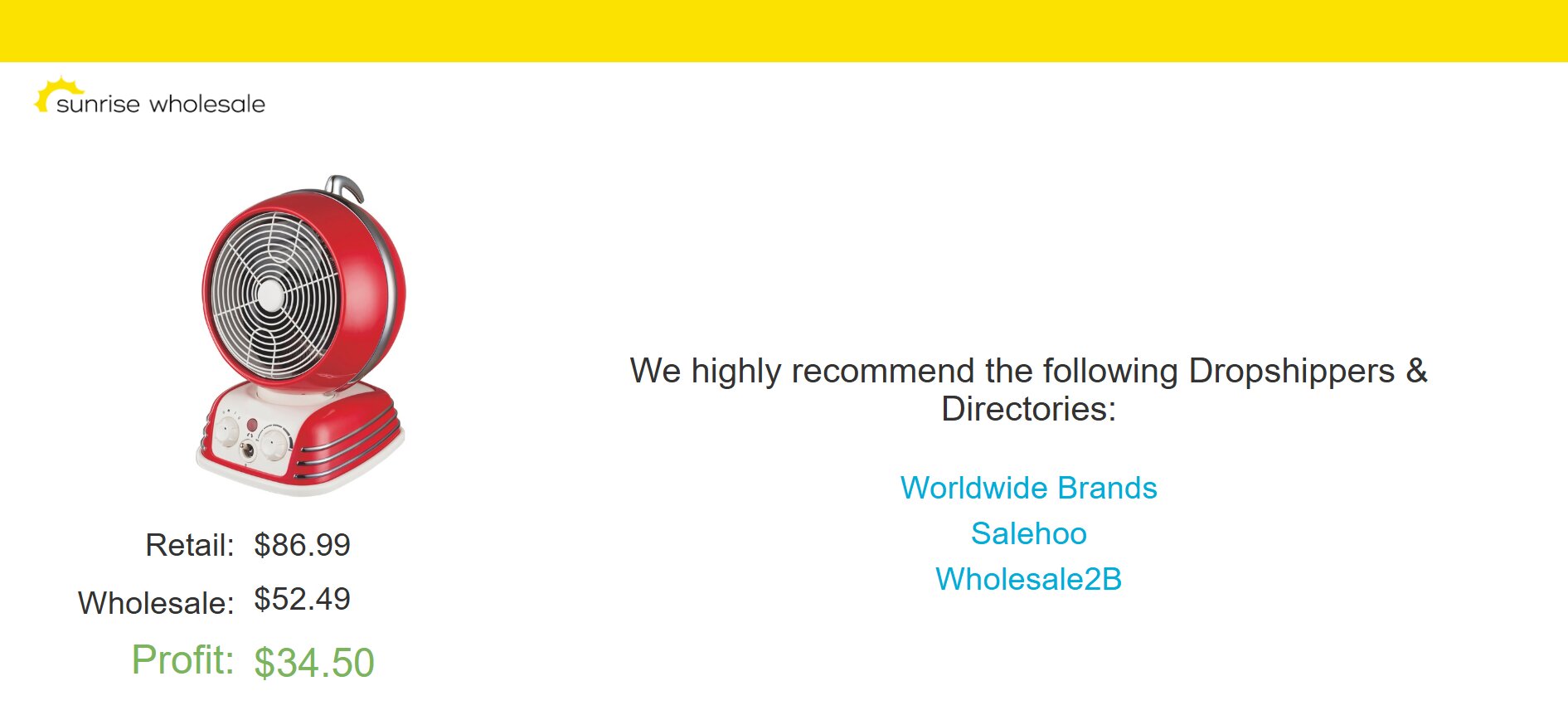
Sunrise Wholesale is a Los Angeles-based wholesale dropshipping supplier with 10,000+ products across roughly 20 categories, including cleaning supplies. Its main strength is straightforward domestic fulfillment combined with inventory automation.
For a store mainly serving US customers, we’d consider Sunrise when delivery speed matters more than getting factory-direct pricing.
- MOQ: None
- Fees: Membership-based; pricing around $29–$49/month is cited in the supplied research, so check current pricing
- Shipping: Same-day or next-day US fulfillment
- Ideal For: US-focused sellers prioritizing fast domestic delivery and automated inventory management
- Pros: No MOQ, fast fulfillment, daily product feeds, ecommerce integrations
- Cons: Membership fee, limited international shipping
2. GreenDropShip: Best for a Broad Eco-Friendly Catalog
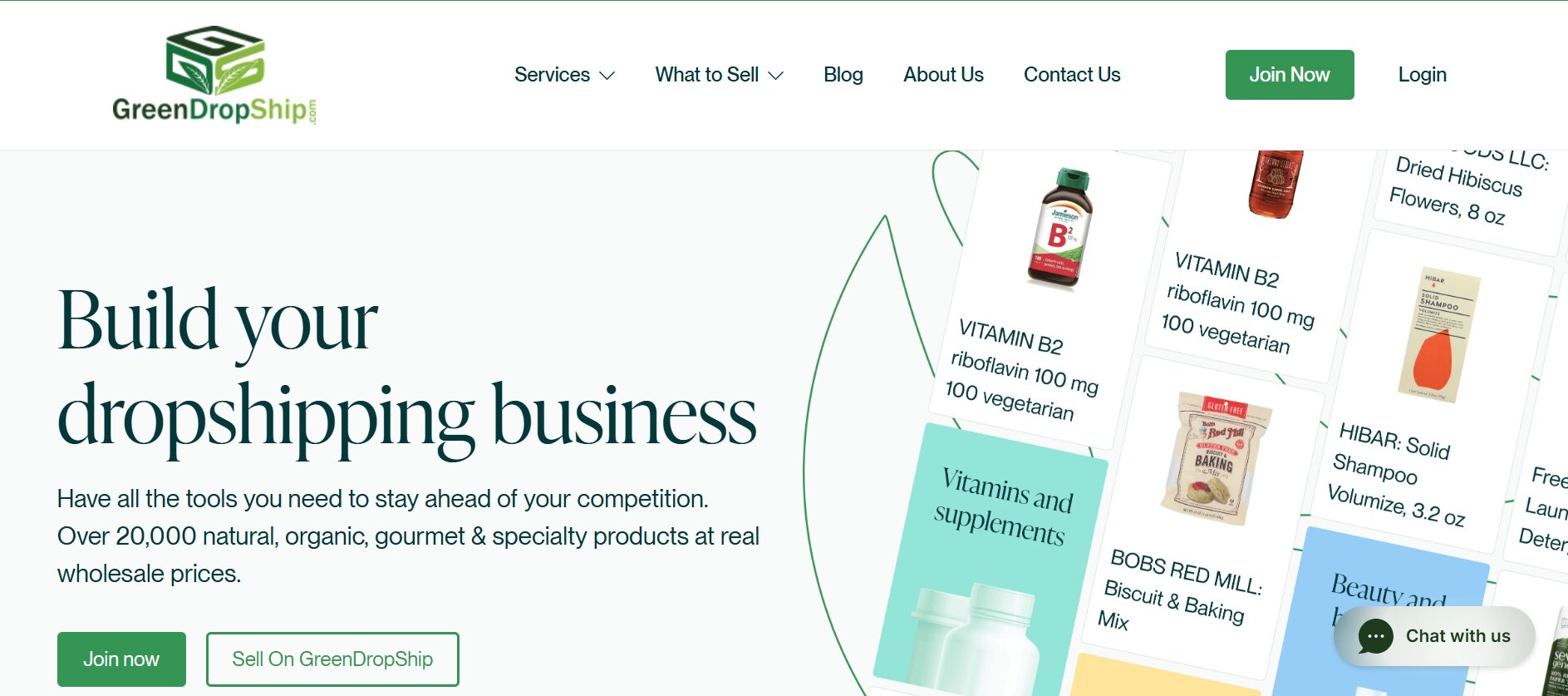
GreenDropShip specializes in natural and organic products and carries 20,000+ items, including household cleaning products. Its warehouses are located in Pennsylvania, Los Angeles, and Dallas.
There is an important caveat. The supplied research shows a 1.5/5 Trustpilot rating from 25 reviews, including complaints about product availability. We’d order samples and test fulfillment before paying for a longer membership.
- MOQ: None
- Fees: Around $199/year for annual membership according to the supplied data; verify current plans
- Ideal For: Eco-friendly stores wanting a large natural-products catalog from US warehouses
- Pros: Broad eco catalog, no MOQ, multiple US warehouses
- Cons: Membership cost, weak recent customer reviews, US-focused
3. Wholesale2B: Best for Managing Multiple Suppliers
Wholesale2B brings 100+ US suppliers and more than 1 million products into one dashboard. It supports inventory synchronization and order routing for platforms including Shopify, WooCommerce, Amazon, and eBay.
We see the appeal mainly in consolidation. If you would otherwise manage several individual supplier accounts, Wholesale2B can simplify that part of the operation.
- MOQ: None
- Fees: Monthly plans vary by integration; check current pricing
- Ideal For: Sellers wanting broad US supplier access without managing multiple dashboards
- Pros: Large catalog, inventory automation, multi-channel integrations
- Cons: Subscription costs, product information depends on the underlying supplier
4. Spocket: Best for US and EU Delivery
Spocket is a dropshipping marketplace built around suppliers in the US and Europe. Domestic inventory can make it attractive when you want shorter delivery times without sourcing products yourself.
One feature we particularly like for cleaning supplies is sample ordering. Packaging, leakage, scent, and presentation can all affect customer reviews, so checking the physical product before listing it is worthwhile.
- MOQ: None
- Fees: Free to browse; paid plans start around $39.99/month according to the supplied data
- Ideal For: Stores targeting US or EU customers where faster regional fulfillment matters
- Pros: US/EU suppliers, sample ordering, branded invoicing
- Cons: Paid plans required for wider access, smaller cleaning catalog than large aggregators
5. Doba: Best for Beginners
Doba is a US dropshipping marketplace with a dedicated cleaner and cleaning-products catalog. It combines supplier discovery, product search, inventory management, and store integration in one system.
We’d consider Doba when simplicity is the priority. It removes some of the manual supplier outreach involved with traditional wholesalers.
- MOQ: Low to none
- Fees: Subscription-based with a free trial; check current pricing
- Ideal For: Beginners who want a searchable catalog and built-in automation
- Pros: Beginner-friendly, vetted suppliers, inventory automation, Shopify integration
- Cons: Subscription fee, less pricing transparency than direct sourcing
6. SaleHoo: Best for Supplier Research
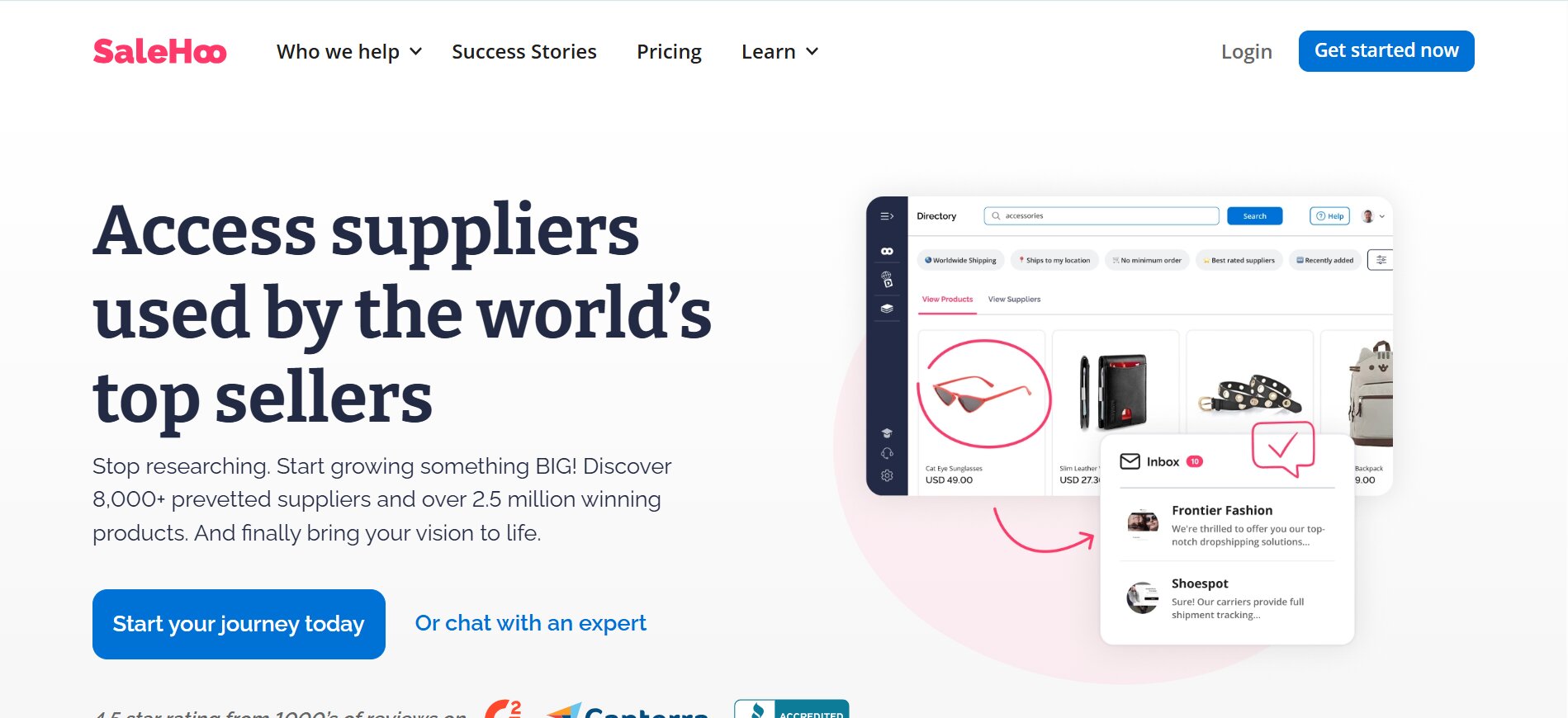
SaleHoo is actually a supplier directory, rather than the company fulfilling your orders. Its database includes 8,000+ wholesalers and dropshippers covering around 2.5 million products.
We’d use SaleHoo when you’re still comparing suppliers and want a more structured starting point. You’ll still need to assess and manage the individual supplier after finding them.
- MOQ: Depends on the listed supplier
- Fees: $67/year for directory access according to the supplied research; other plans are available
- Ideal For: Sellers researching and comparing multiple potential suppliers
- Pros: Supplier vetting, market research tools, broad directory
- Cons: Not every supplier dropships, and supplier relationships remain your responsibility
Marketplace
7. AliExpress: Best for Product Testing
AliExpress is one of the easiest places to test cleaning products because there is generally no MOQ and the catalog is enormous.
For this category, we’d concentrate on non-liquid products such as microfiber systems, electric scrubbers, drain tools, brushes, and organizers. They avoid many of the transport complications associated with chemical cleaners.
- MOQ: None
- Fees: Free
- Ideal For: Testing product demand before committing to inventory, private label, or direct sourcing
- Pros: Huge selection, low entry barrier, buyer protection, dropshipping tools
- Cons: Variable supplier quality, limited branding, no built-in QC, standard shipping can take 15–45 days
Related Guide: 1688 Dropshipping: How to Source from China’s Cheapest Marketplace
US Manufacturers With Dropship Programs
8. Hygea Natural: Best for US-Made Eco Private Label
Hygea Natural is a manufacturer based in Freeport, New York, operating since 1999. Its range covers non-toxic cleaning, pest-control, and pet-care products.
The important difference here is that Hygea supports dropshipping, wholesale, and private label. That makes it more interesting for a seller building a distinct eco-focused brand than a general catalog marketplace would be.
- MOQ: Contact Hygea for current dropship terms
- Fees: No membership fee
- Ideal For: Eco-focused brands wanting US manufacturing and private-label capability
- Pros: Manufacturer-direct, private label available, EPA-exempt formulas, recyclable packaging
- Cons: Narrower catalog, pricing by request, third-party Amazon sales are restricted
9. Enviro-One: Best for Concentrated Green Cleaners
Enviro-One is a smaller US manufacturer focused on concentrated green cleaning products. Its Multi-Use Green Cleaner uses colloidal micelle technology to break down grease and oil.
From a dropshipping perspective, the concentrate format is the interesting part. Smaller quantities of concentrate can reduce shipping weight while supporting refill-based positioning.
- MOQ: None specified
- Fees: None listed; wholesale and drop-ship arrangements are handled directly
- Ideal For: Green-focused stores interested in concentrated cleaning formulas
- Pros: Manufacturer-direct, concentrated products, no platform membership fee
- Cons: Narrow product range, manual onboarding, smaller supplier operation
10. JanSan Manufacturing: Best for Janitorial B2B
JanSan Manufacturing produces professional cleaning chemicals, equipment, and supplies in the US. It also offers private label and drop shipping.
However, there’s a major eligibility restriction: JanSan only works with authorized cleaning-supply distributors. Its dropshipping service supports distributors rather than ordinary consumer Shopify stores.
- MOQ: Low-volume options available, but distributor authorization is required
- Fees: Pricing is gated behind approval
- Ideal For: Established or aspiring B2B janitorial distributors
- Pros: Manufacturer-direct, private label, distributor dropshipping support
- Cons: Distributor-only, no public pricing, unsuitable for most beginner DTC stores
If you’re building a standard consumer cleaning brand, we’d generally skip JanSan. It becomes much more relevant when your customers are businesses, contractors, or janitorial buyers.
UK Wholesale
11. Pound Wholesale: Best for UK Bulk Sourcing
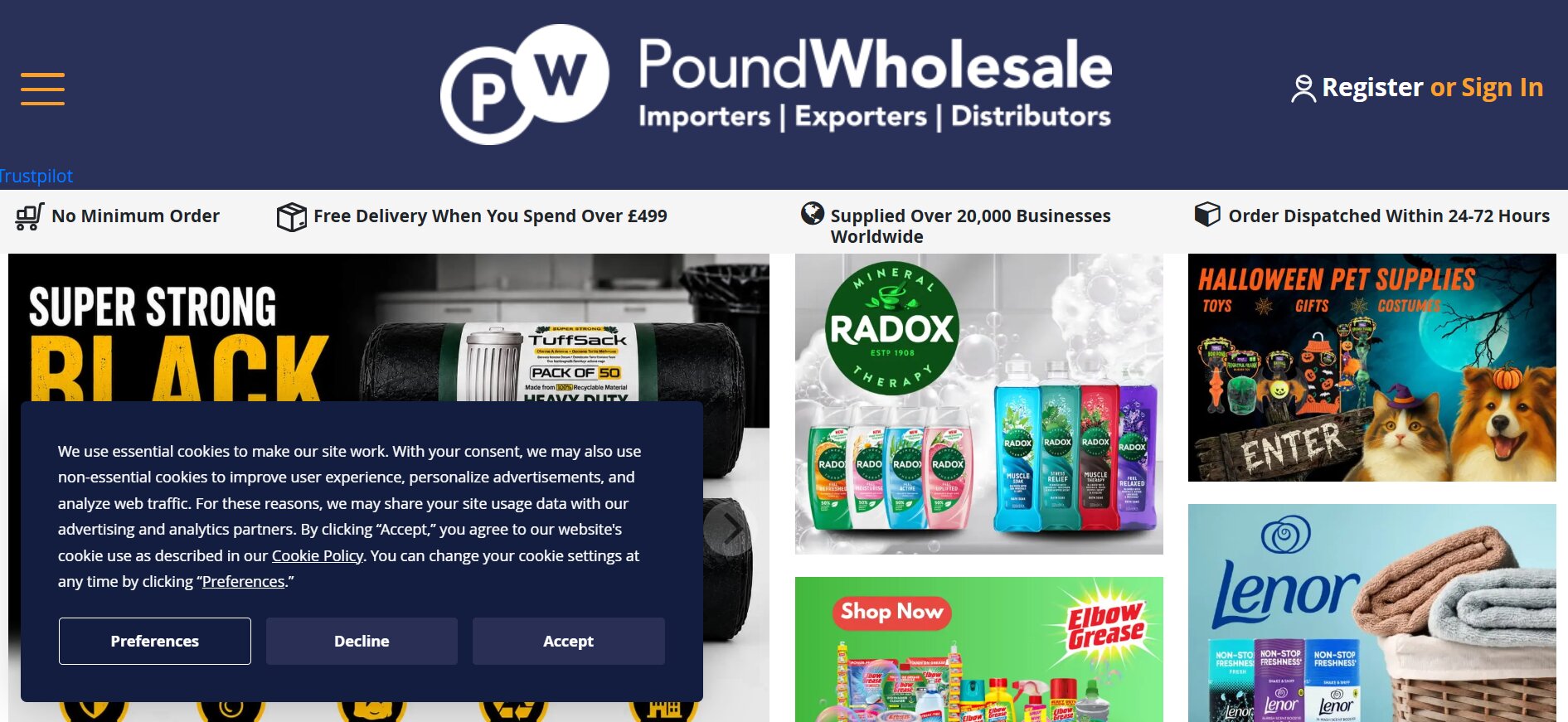
Pound Wholesale carries more than 8,000 products and serves over 250,000 registered businesses in the UK.
The key distinction is that Pound Wholesale is a wholesaler rather than a dropshipping supplier. You purchase inventory and then fulfill it yourself, through a 3PL, or through an Amazon FBA workflow.
According to the supplied research, there is currently no minimum order for UK mainland delivery, and delivery is free above £499 ex-VAT.
- MOQ: None for UK mainland
- Fees: None
- Ideal For: UK sellers buying cleaning products for self-fulfillment, 3PL fulfillment, or Amazon FBA
- Pros: Large branded range, no minimum order, UK-wide delivery
- Cons: No direct dropship fulfillment, limited international shipping
See our guide to UK dropshipping suppliers for more regional options.
Dropshipping Agent
12. NicheDropshipping: Best for Scaling and Private Label
NicheDropshipping works differently from the catalog-based suppliers above. We’re a China-based dropshipping agent, so instead of asking you to choose from a fixed product database, our sourcing team can find cleaning products directly from partner factories and manage purchasing, inspection, storage, and fulfillment.
This model becomes more useful once you have validated demand. For cleaning products specifically, we can work with both standard accessories and products that need more specialized logistics. Our network includes 18+ shipping channels, including options for liquids and powders.
- Products: Household cleaners, bathroom and kitchen cleaners, cleaning tools and accessories, eco-oriented products, liquids, and powders
- MOQ: None for most products
- Fees: Free sourcing, no upfront cost, pay per order; quotes in 1–2 working days
- Ideal For: Sellers who have validated products and now want factory sourcing, QC, private label, branded packaging, or more control over fulfillment
- Pros: Free sourcing, quality inspection, private and white label, branded packaging, 90-day free warehousing, Shopify integration
- Cons: Most products are initially sourced from China, and sourcing quotes take 1–2 working days rather than appearing instantly in a catalog
For us, the biggest difference is control. A marketplace is convenient when you’re testing, but once a cleaning product starts generating consistent orders, supplier consistency, packaging, QC, and shipping options become much more important.
Want factory-direct cleaning products without the sourcing headaches? NicheDropshipping offers free product sourcing with factory-direct prices. Get your free quote today, no credit card required.
Top Picks by Category
If you don’t want to compare all 12 suppliers individually, these are the options we’d shortlist for the most common selling scenarios. The “best” choice depends heavily on whether you’re testing products, prioritizing domestic fulfillment, or building a branded cleaning line.
| Category | Our Pick | Why |
| Best for fast US shipping | Sunrise Wholesale | US-based fulfillment with same-day or next-day processing |
| Best for beginners | Doba | Searchable catalog, supplier vetting, and built-in automation |
| Best for product testing | AliExpress | No MOQ and a huge range of cleaning tools and accessories |
| Best eco-friendly manufacturer | Hygea Natural | US-made non-toxic products with dropshipping and private label support |
| Best eco-friendly catalog | GreenDropShip | Broad natural and organic product selection from US warehouses |
| Best for private label | Hygea Natural / NicheDropshipping | Hygea for US-made formulas; NicheDropshipping for flexible factory sourcing and branding |
| Best for managing multiple suppliers | Wholesale2B | Combines inventory from 100+ US suppliers in one system |
| Best for US/EU regional fulfillment | Spocket | Focuses on suppliers with domestic US and European inventory |
| Best supplier research tool | SaleHoo | Useful for finding and comparing vetted wholesalers and dropshippers |
| Best for janitorial B2B | JanSan Manufacturing | Designed specifically for authorized cleaning-supply distributors |
| Best for UK bulk sourcing | Pound Wholesale | Large UK catalog with no minimum order for mainland UK |
| Best for scaling a validated product | NicheDropshipping | Factory sourcing, QC, private label, branded packaging, and specialized shipping options |
Our general approach would be to test first and specialize later. A marketplace such as AliExpress or a beginner-friendly platform like Doba can make sense while you’re validating demand. Once an item is generating consistent orders, moving it to a manufacturer or sourcing partner can give you more control over product quality, packaging, and margins.
Can You Private Label Cleaning Products While Dropshipping?
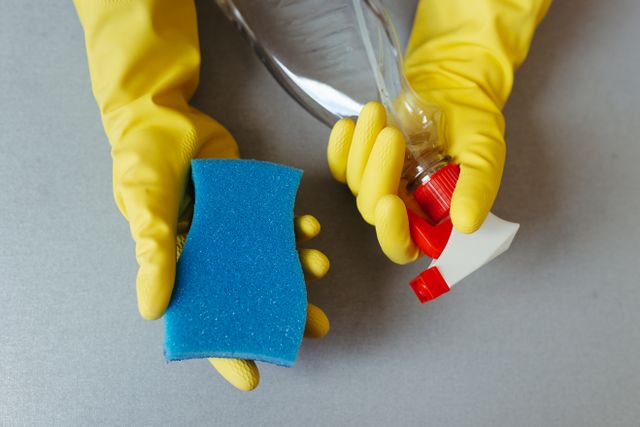
Yes. Private label cleaning products are possible with dropshipping, but the supplier model matters. In practice, the most realistic options are a sourcing agent that can coordinate factories, or a manufacturer that already supports private-label production. Standard marketplaces and branded-goods distributors usually give you far less control over formulas, labels, and packaging.
Your 3 Main Private Label Options
| Option | Best For | What You Get | Main Limitation |
| NicheDropshipping | Sellers wanting flexible sourcing and branding | Factory sourcing, private/white label, branded packaging, fulfillment | Most sourcing begins in China |
| Hygea Natural | US-made eco and non-toxic positioning | Manufacturer-direct private label and dropshipping | Narrower catalog and pricing by request |
| JanSan Manufacturing | B2B janitorial distributors | Private label plus distributor dropshipping | Only available to authorized distributors |
1. Use a Sourcing Agent for Flexible Private Label
A sourcing agent gives you the most flexibility if you want to build a branded cleaning line without being tied to one manufacturer’s catalog.
With NicheDropshipping, for example, we can source products from partner factories, coordinate private or white labeling, add branded packaging, inspect products, and handle fulfillment. The supplied data states that there is no MOQ for most products, which lowers the barrier to testing a branded concept.
This route makes the most sense when you want to control more than just the label, for example, packaging, inserts, product bundles, or eventually the product specification itself.
2. Work Directly With a US Manufacturer
Hygea Natural is the strongest manufacturer option in the supplied data. It supports dropshipping, wholesale, and private-label partnerships for its non-toxic cleaning and related product lines.
We’d look at this model if US-made positioning is an important part of your brand. The trade-off is less flexibility: you are working within the manufacturer’s existing capabilities and product range rather than sourcing across many factories.
3. Use a B2B Manufacturer for Janitorial Products
JanSan Manufacturing also offers private labels, but it serves a very different buyer.
Its program is aimed at authorized cleaning-supply distributors, so it is more relevant to a B2B janitorial business than a typical consumer Shopify store. If you are targeting offices, contractors, facilities, or commercial cleaning buyers, that restriction may be acceptable.
What Usually Does Not Work for Private Label
Some supplier types are better for reselling than brand building.
- GreenDropShip: distributes existing natural and organic brands; the supplied research does not show a private-label program.
- AliExpress: useful for testing, but standard listings generally do not give you reliable control over formulas or packaging.
- SaleHoo: helps you find suppliers, but private-label capability depends entirely on the supplier you discover.
- Wholesale platforms: convenient for fulfillment, but usually built around existing products rather than custom manufacturing.
Our rule is simple: if a private label is part of your plan, ask about label ownership, packaging, MOQ, formula customization, compliance documents, and fulfillment before you commit. A supplier offering only a logo sticker is not the same as a true private-label manufacturing arrangement.
How Do You Ship Liquid and Chemical Cleaning Products?
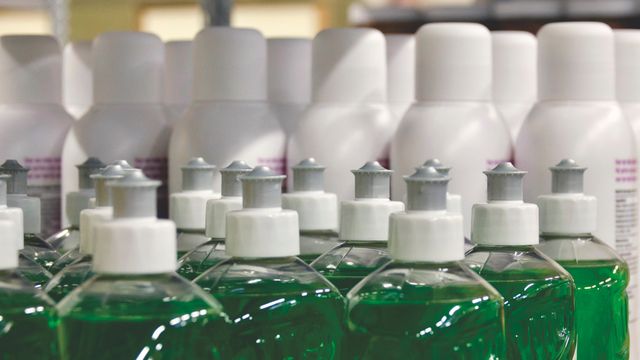
Shipping liquid cleaners is possible, but it is one of the biggest operational risks in this niche. The rules depend on the product’s ingredients, hazard classification, packaging, destination, and carrier. That means you should confirm shipping eligibility before you list a product, not after you start getting orders.
Which Cleaning Products Are Harder to Ship?
- Aerosols and flammable products: Often treated as hazardous goods and may be restricted or refused for cross-border shipping.
- Bleach and corrosive cleaners: Usually face tighter carrier requirements and may be limited to specific transport methods.
- Standard liquid cleaners: Often shippable, but may need leak-resistant packaging, volume limits, and approved shipping channels.
- Powders and concentrates: Usually easier to handle than full-size liquids, depending on their chemical classification.
How We’d Reduce Shipping Risk
- Start with non-liquid products. Brushes, microfiber cloths, scrubbers, mop systems, and organizers are much simpler operationally.
- Consider concentrates and refill formats. They can reduce shipping weight and avoid some of the problems associated with bulky liquid bottles.
- Request the SDS before listing. The Safety Data Sheet helps identify hazard and transport classifications for chemical products.
- Confirm packaging requirements. For liquids, poor seals and weak bottles can turn a viable product into a refund problem.
- Ask the supplier which shipping lines actually accept the product. Do not assume that because a supplier can manufacture a cleaner, they can also ship it to your target country.
Why the Supplier Matters More With Liquids
For ordinary cleaning tools, you can often compare suppliers mainly on price and delivery time. With liquids and chemicals, logistics capability becomes part of the product decision.
A supplier may offer an attractive unit price but still be a poor fit if it cannot provide the required documents or only has expensive shipping options. This is why we’d compare total landed cost and shipping eligibility, not just the product price.
NicheDropshipping, for example, operates 18+ shipping channels, including lines that can handle liquids and powders, and can also use overseas warehouse stock where available. Our fulfillment center can therefore be more practical for products that standard cross-border channels reject.
Tired of suppliers who can’t ship your best-selling liquids? That’s exactly why 3,000+ dropshippers switched to NicheDropshipping. We route liquid and powder products through compliant channels and inspect every item before it ships. See the difference.
What Certifications Matter for Cleaning Products?
For cleaning products, certifications and compliance documents affect both what you can legally claim and how easily the product can be sold and shipped. We would never rely only on phrases like “eco-friendly,” “natural,” or “disinfecting” from a supplier. Ask for the underlying documentation first.
1. EPA Registration
If a cleaning product is marketed in the US with claims that it kills germs, disinfects, or sanitizes, EPA registration becomes important.
For dropshippers, the practical point is simple: do not copy antimicrobial claims from a supplier listing unless the product’s registration status supports them. A strong supplier should be able to provide the relevant product information and registration details.
Best for: Disinfectants, sanitizers, and products making antimicrobial claims.
2. EPA Safer Choice
EPA Safer Choice is designed for products that meet the agency’s safer-chemistry criteria.
This is especially useful if you are building an eco-friendly cleaning brand because it gives customers something more credible than a vague “green” claim. From a sourcing perspective, it can also help you separate suppliers with documented formulations from those relying mainly on marketing language.
Best for: Eco-positioned household cleaners and safer-chemistry products.
3. Green Seal
Green Seal is an independent environmental certification used across cleaning and other product categories.
We see more value in certifications like this when you are selling to businesses, facilities, or environmentally conscious consumers. In those markets, a recognizable third-party standard can carry more weight than supplier-created claims.
Best for: Green cleaning products, commercial cleaning lines, and environmentally focused brands.
4. Safety Data Sheet (SDS)
An SDS is not a certification, but for chemical cleaning products it is one of the first documents we would request.
It provides information about the product’s ingredients, hazards, handling, and transport classification. This matters for both compliance and logistics, especially when you are dropshipping liquids, powders, corrosive products, or other potentially restricted items.
When reviewing an SDS, pay particular attention to:
- Section 2: Hazard identification
- Section 3: Composition and ingredients
- Section 14: Transport information
The product name and manufacturer on the SDS should also match the actual product you plan to list.
A Simple Supplier Check
| Document / Certification | Why It Matters |
| EPA registration | Supports disinfecting, sanitizing, or germ-killing claims in the US |
| EPA Safer Choice | Provides stronger support for safer-chemistry positioning |
| Green Seal | Adds independent environmental credibility |
| SDS | Shows hazards, ingredients, handling, and shipping classification |
Our practical rule is straightforward: if a supplier cannot explain a chemical product’s compliance status or provide an SDS, we would not list it yet. For cleaning products, unclear documentation can quickly turn into shipping problems, rejected listings, or claims you cannot substantiate.
What Cleaning Supplies Sell Best Online?
The best cleaning products for dropshipping usually combine repeat demand, manageable shipping, and enough perceived value to support healthy margins. We’d generally prioritize concentrates and non-liquid tools first because they are easier to fulfill than bulky chemical products.
| Product Category | Why It Sells | Est. Margin Potential* |
| Concentrated cleaner tablets & refills | Lightweight, repeat-purchase potential, strong eco angle | 50–80% |
| Cleaning gadgets | Easy to demonstrate in ads and avoids liquid restrictions | 30–60% |
| Microfiber cloths & mop systems | Easy to bundle and inexpensive to ship | 30–60% |
| Eco-friendly / plant-based cleaners | Appeals to environmentally conscious buyers | 40–70% |
| Basic consumables | Frequent reordering and broad household demand | 15–40% |
| Pet stain & odor removers | Clear use case and niche-specific positioning | 40–60% |
These are estimated margin ranges from the supplied research, not guaranteed results. Actual margins depend on product cost, shipping, advertising, returns, and pricing.
What We’d Prioritize
For a new store, we’d lean toward cleaning tools, concentrates, and refilling products. They are easier to ship and give you more room to differentiate through bundles or branding.
Consumables such as sprays and detergents can be attractive because customers may reorder, but they introduce more complexity around liquid shipping and compliance.
One strong model is to combine both types: use a demonstrable product such as a scrubber or mop system to acquire the customer, then offer refills or related consumables to increase repeat purchases.
For stores leaning into the sustainability angle, see our guide to eco-friendly dropshipping suppliers.
How Do You Choose a Reliable Cleaning Supplies Supplier?
A reliable supplier should do more than offer attractive product pricing. For cleaning products, we’d also look closely at documentation, fulfillment reliability, packaging, shipping eligibility, and how well the supplier fits your target market.
1. Order Samples Before You List Anything
Start by checking the actual product, not just the listing.
For cleaning supplies, we’d inspect:
- Product quality and consistency
- Bottle seals and leakage risk
- Scent and formulation
- Packaging condition
- Tracking speed
- Whether unwanted supplier branding appears in the parcel
A supplier can look strong on paper and still create refund problems if the packaging is poor.
2. Request the SDS for Chemical Products
For liquids, powders, and chemical cleaners, ask for the Safety Data Sheet before listing the item.
The SDS helps you understand the product’s hazard and transport classification. If a supplier cannot provide one, we’d treat that as a serious warning sign.
3. Confirm Fulfillment Terms in Writing

Before scaling, make sure you know exactly how fulfillment works.
Confirm:
- Current unit cost
- Shipping charges
- Inventory update frequency
- Processing time
- Return address
- Damaged or leaking product policy
- How stockouts are handled
This becomes especially important when a store starts generating consistent daily orders.
4. Verify What Claims and Assets You Can Use
Cleaning products often come with marketing claims such as “non-toxic,” “eco-friendly,” or “disinfecting.” Do not assume you can repeat them automatically.
We’d verify whether you are allowed to use:
- Product photos
- Brand names and trademarks
- Certification logos
- Environmental claims
- Health or disinfecting claims
The supplier should be able to support any regulated claims with the appropriate documentation.
5. Match the Supplier’s Warehouse to Your Market
Warehouse location can have a major impact on delivery time and customer satisfaction.
If most customers are in the US, US stock will usually make fulfillment simpler. For UK customers, domestic stock or a UK-based wholesaler may be more practical.
We’d compare suppliers on total landed cost and delivery reliability, not product price alone. A slightly higher unit cost can still be the better option if it reduces delivery delays, leakage, and customer-service issues.
For sellers who do not want to manage supplier vetting themselves, a China dropshipping supplier agent model can handle sourcing, QC, documentation checks, and fulfillment coordination as part of the process.
Frequently Asked Questions
Dropshipping cleaning supplies can be a lucrative business venture. Let’s address some common questions to help you navigate this niche effectively.
Are Cleaning Products Good for Dropshipping?
Cleaning products are excellent for dropshipping. The global cleaning products market is expected to reach $117.13 billion by 2030, showing significant growth potential.
These items are essential household goods with consistent demand. You can offer a wide range of products, from eco-friendly options to specialized industrial cleaners.
How to Find a Reliable Supplier for Cleaning Supplies?
Finding a trustworthy supplier is crucial for your dropshipping success. Start by researching established platforms like NicheDropshipping, Sunrise Wholesale, and GreenDropShip.
Check supplier reviews and ratings. Request product samples to assess quality. Ensure they offer reliable shipping and have clear communication channels.
Can I Dropship Cleaning Supplies on Shopify?
Yes. Shopify can support a cleaning supplies store, and several suppliers in this guide offer Shopify integrations or automated fulfillment. The bigger challenge is usually the product itself rather than the ecommerce platform.
Chemical cleaners may have carrier restrictions, while products making disinfectant or environmental claims require appropriate documentation.
For a new Shopify store, we’d keep the initial catalog manageable and make sure inventory, tracking, and fulfillment updates can sync reliably before adding dozens of products.
Are Cleaning Supplies Suitable for a Subscription Business?
Yes, especially products that customers regularly replenish. Refills, concentrates, microfiber replacements, detergents, and other consumables can lend themselves to subscription or repeat-order models.
The key is choosing something customers actually use at a predictable rate rather than forcing a subscription onto an occasional-use product. We’d also pay close attention to shipping cost because recurring fulfillment can quickly erode margins on heavy liquids.
Lightweight concentrates and refill formats are often easier to structure around repeat purchases.
Should I Dropship Cleaning Products Individually or as Bundles?
Bundles can work particularly well in this category because many cleaning products naturally complement one another. You might pair a scrubber with replacement heads, microfiber cloths with a mop system, or a reusable bottle with concentrated refills.
Bundling can also increase average order value without requiring you to acquire another customer. We’d build bundles around a specific task, such as bathroom cleaning or pet stain removal, rather than combining unrelated items simply to raise the price. Always verify that your supplier can fulfill bundled items consistently.
How Should I Handle Leaking or Damaged Cleaning Products?
Agree on a damaged-item policy with your supplier before you begin taking orders. For liquid cleaners, we’d specifically ask who covers replacements when bottles leak, caps break, or packaging is damaged during transport.
Keep customer-facing policies straightforward and request photos, when necessary, but avoid making customers wait while you argue with the supplier.
At the sourcing stage, sample the packaging itself, not only the formula. Strong seals, appropriate secondary packaging, and consistent packing procedures can prevent many of these problems before they become refund requests.
Is It Better to Dropship Household or Commercial Cleaning Supplies?
That depends on who you want to serve. Household products generally have a broader consumer audience and work well with visually demonstrable tools, eco positioning, and repeat-purchase consumables.
Commercial and janitorial supplies can produce larger orders, but buyers may expect more technical documentation, consistent stock, and business-level service.
We’d choose one audience rather than mixing both heavily at launch. A consumer Shopify brand and a janitorial distributor have very different product ranges, pricing expectations, sales cycles, and supplier requirements.
Can I Use a 3PL for Cleaning Supplies Instead of Direct Dropshipping?
Yes. A 3PL can make sense once you are purchasing inventory in bulk or working with a wholesaler that does not ship individual customer orders.
Pound Wholesale, for example, is better suited to bulk purchasing than traditional dropshipping. In that situation, stock can be sent to a fulfillment partner that picks, packs, and ships each order.
Before choosing a 3PL, confirm that it accepts your specific cleaning products. Warehouses may have separate rules for liquids, aerosols, flammable substances, or other regulated goods.
When Should I Move Away from a Marketplace Supplier?
Consider moving once a product has consistent demand and marketplace limitations start affecting your margins or customer experience. Common triggers include inconsistent stock, variable product quality, slow fulfillment, lack of branded packaging, or difficulty getting reliable support.
At that stage, working directly with a manufacturer or sourcing agent can give you more control over procurement and fulfillment.
We generally see marketplaces as useful for validation, while proven products justify a more deliberate supply chain. Move based on sales data rather than assuming every successful test immediately needs custom manufacturing.
How Much Inventory Should I Hold Once a Cleaning Product Starts Selling?
We’d base inventory on actual sales velocity rather than ordering a large quantity simply because a supplier offers a volume discount. Start with enough stock to reduce stockout risk while keeping cash available for advertising and testing.
Pay particular attention to replenishment lead times: a product sourced overseas may require a larger buffer than something replenished domestically. Cleaning consumables can also generate repeat purchases, making demand more predictable over time.
If available, warehousing programs can help you hold proven products closer to customers without managing storage yourself.

Does any of these companies do private label? I don’t see any of them stating that they do can you help me find one that drop ships and does private label