Shein dropshipping is a form of retail arbitrage where you list a Shein product in your store, buy it at retail after a customer orders, and have the order shipped to them while keeping the price difference. Unlike working with a dropshipping agent, you are buying from a retailer rather than a wholesale supplier. In 2026, we see it as more suitable for product testing than long-term scaling because Shein has no dedicated dropshipping program, commercial-use restrictions exist in some regional terms, and new import duties have changed the margin calculation.
Shein Dropshipping Quick Facts
| Fact | What to Know in 2026 |
| Official Shein dropshipping program | No dedicated dropshipping program |
| Can you resell Shein products? | Possible, but check the terms for your market. Some regional Shein terms restrict commercial use of its services and content. |
| Can you use Shein product photos? | Don’t assume you can. Shein states that its website and product content are copyright-protected and restricts commercial copying without permission. |
| Packaging | Expect little control over packaging or branding; Shein is not a white-label fulfillment supplier. |
| US import rules | The $800 duty-free de minimis treatment for commercial shipments was suspended globally from August 29, 2025. |
| EU import rules | Since July 1, 2026, qualifying low-value e-commerce imports face a temporary €3 customs duty per item/item category, depending on the customs declaration structure. |
| Shipping | Varies significantly by destination, product, and whether the item is fulfilled locally or cross-border. |
| Where it makes the most sense | Testing demand before moving proven products to a supplier or sourcing agent with better margins, inventory control, and branding options. |
What Is Shein Dropshipping?
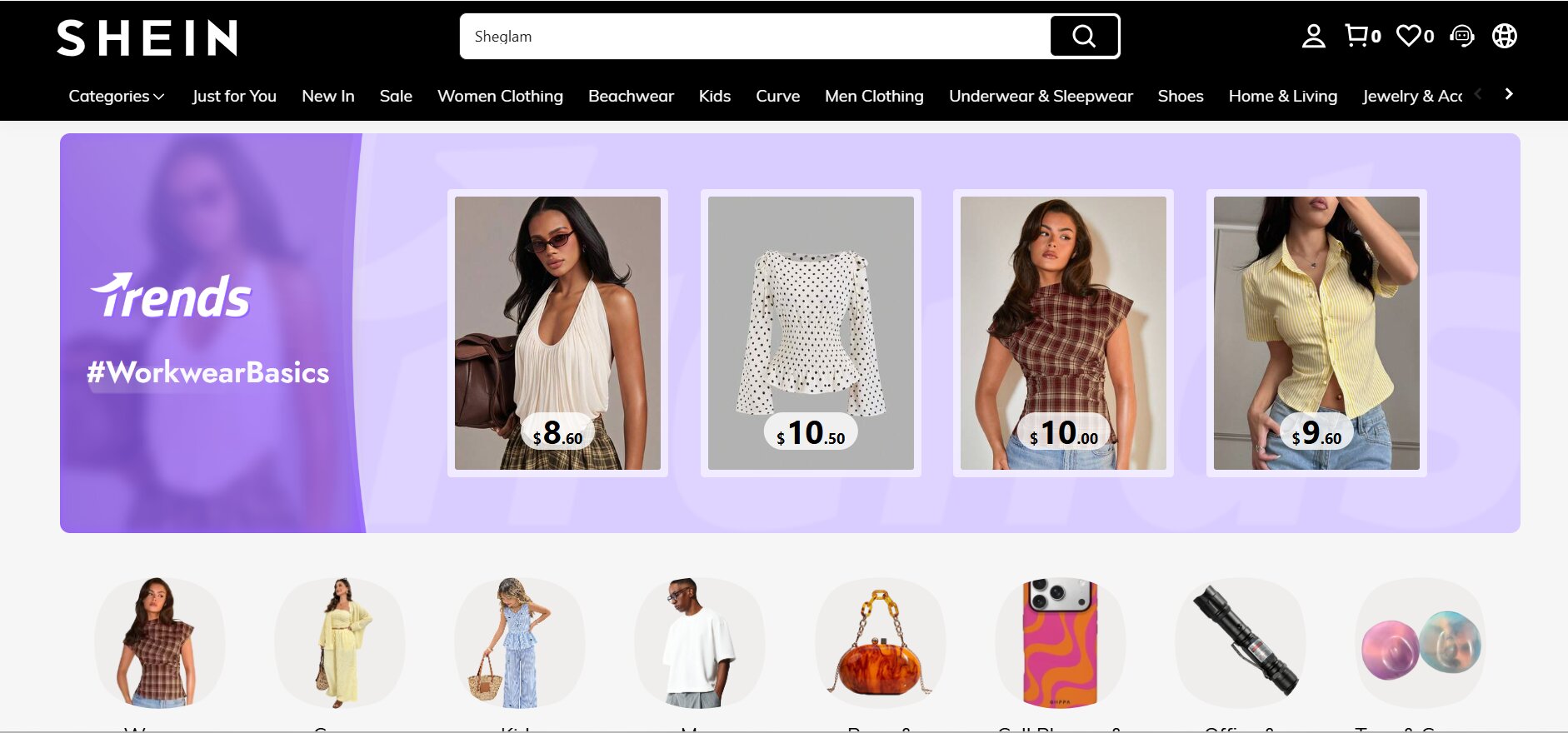
Shein dropshipping means using Shein as the retail source for products you list in your own store. When a customer places an order, you buy the item from Shein and enter the customer’s delivery address so Shein handles fulfillment. Your margin comes from the difference between what the customer pays you and what you pay Shein.
The most important thing to understand is this: you are buying at retail, not wholesale. Shein is a B2C fast-fashion retailer, so there is no wholesale pricing structure built into this model. That affects almost everything else: your margins, branding options, inventory control, and how easily you can scale.
From our perspective, that makes Shein more useful as a product-testing source than as a permanent supplier. You can test whether a style, niche, or price point attracts demand without committing to inventory upfront. Once a product starts selling consistently, it usually makes more sense to source an equivalent product through a supplier or dropshipping agent where you can negotiate factory-direct pricing, improve packaging, and gain more control over stock.
Does Shein Allow Dropshipping in 2026?
Shein does not have an official dropshipping program, wholesale portal, or reseller API. Its EU and UK terms also state that products are intended for personal and domestic use rather than resale, which means dropshipping from a normal Shein customer account sits in a policy gray area rather than being formally supported.
In practice, we would treat the main operational risk as account restriction or closure. A regular buyer account repeatedly sending orders to many unrelated addresses may attract additional verification or eventually become difficult to rely on. That matters because pending customer orders can be affected if the account is restricted.
There are also separate intellectual-property risks to consider:
- Product photos and descriptions: Shein’s listing content should not be treated as free commercial assets. Using your own photography is the safer route.
- Licensed or copied designs: If a product contains protected logos, characters, or third-party artwork, the reseller still carries responsibility for what appears in their own store.
- Store dependence: Because there is no reseller relationship with Shein, you have no dedicated supplier support, wholesale agreement, or guaranteed continuity.
So while sellers do use Shein for retail-arbitrage-style fulfillment, we would not treat it as the same thing as working with an approved dropshipping supplier.
Is Shein Marketplace the Same as a Shein Dropshipping Program?
No. Selling on Shein Marketplace and dropshipping from Shein are two different business models.
Shein Marketplace allows approved businesses to list and sell their own products inside Shein’s platform. Sellers go through an onboarding process, provide business documentation, and operate as marketplace merchants.
Dropshipping from Shein works the other way around: you buy products through a normal Shein customer account and send them to customers who purchased through your own store.
That distinction is important. Finding a “Shein seller account” or Marketplace signup page does not mean Shein offers a dedicated dropshipping or reseller program.
How Does Shein Dropshipping Work?

Shein dropshipping follows a simple retail-arbitrage workflow: you list a product in your store, wait for a customer order, then purchase that item from Shein and have it shipped to the buyer. The process is easy to start, but because Shein is a retailer rather than a dropshipping supplier, most of the operational work stays with you.
Step 1: Set Up Your Store
Start with a platform where you control the storefront, pricing, and customer experience. Shopify and WooCommerce are the most practical options because you are not relying on a marketplace’s dropshipping rules.
At this stage, set clear shipping and return expectations. Since Shein is not integrated with your store, there is no native inventory sync or automated fulfillment.
Step 2: Select Products Carefully
Choose products with strong reviews, clear customer photos, and enough stock across the sizes or variants you plan to offer.
One extra check matters in 2026: look at who actually sells or ships the item. Shein Marketplace includes third-party sellers alongside Shein-supplied products, so fulfillment times, stock reliability, and return handling can differ by listing.
We would avoid building ads around a product until we have checked its seller, stock depth, and recent customer reviews.
Step 3: Place the Customer Order on Shein
When an order comes through your store, purchase the product from Shein at the current retail price and enter your customer’s shipping address.
This is also where account management becomes important. Because one Shein account may be sending orders to many different addresses, keep accurate order records and be prepared for occasional payment or account verification.
Using a dedicated payment card for the business can also make reconciliation easier and prevent customer orders from being mixed with personal purchases.
Step 4: Shein Fulfills the Order
Shein or the Marketplace seller processes, packs, and dispatches the product. Once tracking becomes available, add it to your own order system and send it to the customer.
Remember that you have very little control at this stage. You cannot inspect the product before shipment, change the packaging, or correct a QC problem before the customer sees it.
Step 5: Manage Shipping and After-Sales Support
Your job does not end when Shein dispatches the parcel. You are still the seller your customer knows, so delivery questions, missing parcels, damaged products, returns, and refunds come back to you.
That is the main operational difference between Shein dropshipping and working with a dedicated supplier: Shein fulfills the parcel, but you still carry the customer-service risk.
For that reason, we see this setup as manageable for testing a small number of products, but increasingly difficult once daily order volume starts to grow.
The 2025–2026 Tariff Changes That Rewrote the Math
The biggest change to Shein dropshipping in 2026 is that you can no longer assume every low-value parcel will enter your customer’s country duty-free. That matters because the traditional Shein model depends on sending individual cross-border orders directly to customers.
Here’s what changed in the three markets most relevant to sellers:
- United States: duty-free de minimis treatment for shipments of $800 or less from China and Hong Kong ended on May 2, 2025. The exemption was then suspended for commercial shipments from all countries from August 29, 2025.
- European Union: from July 1, 2026, qualifying e-commerce consignments worth €150 or less are subject to a temporary €3 customs duty per item under the EU’s interim low-value import system.
- United Kingdom: the current £135 customs-duty relief still exists in 2026, although the government has confirmed it will be removed under new low-value import rules by October 2028 at the latest. VAT already applies to qualifying low-value sales.
For us, the practical takeaway is simple: price from landed cost, not the product price you see on Shein. Your real cost can include the item, shipping, customs duty, VAT or sales taxes where applicable, payment-processing fees, advertising, and an allowance for refunds or returns.
What Does Landed Cost Look Like?
Here’s a simplified US example. We’re deliberately leaving the customs rate variable because apparel duty depends on the product’s classification, material, origin, and other tariff rules.
| Cost | Example |
| Shein item | $15.00 |
| Shipping | $3.99 |
| Customs duty | Varies by HTS classification |
| Payment processing | $1.75 |
| Advertising cost | $12.00 |
| Cost before duty | $32.74 |
| Selling price | $49.99 |
| Margin available for duty + profit | $17.25 |
This is the part older Shein dropshipping guides often miss. If you previously looked at a $15 product and a $50 selling price as roughly a $35 spread, that was never your true margin. Once shipping, customer acquisition, payment fees, and now potentially customs charges are included, the room gets much tighter.
The EU’s €3-per-item system makes this especially important for low-ticket products. A fixed €3 charge has a much larger impact on a €7 accessory than on a €35 item, so product value relative to duty now matters more when deciding what to test.
For products that have already proven demand, one way to reduce this per-order uncertainty is to import inventory in bulk and pre-stock it in a domestic fulfillment center. You still account for import costs when the inventory enters the country, but individual customers then receive domestic shipments rather than separate cross-border parcels.
Tired of watching duties eat your margins? That’s exactly why 3,000+ dropshippers switched to NicheDropshipping. We pre-stock your winners in US warehouses, so your customers get 2–5 day domestic delivery with no customs surprises. See the difference.
Pros and Cons Shein Dropshipping
Shein still has a place in product testing, especially for fashion sellers who want access to fast-moving trends without holding inventory. But the model becomes much less attractive once you care about margins, branding, automation, and supply stability.
Pros of Shein Dropshipping
- Fast access to trends. Shein reacts quickly to fashion trends, so it can be useful for spotting styles worth testing before committing to inventory.
- No MOQ for testing. You can order one unit at a time, which keeps the cost of testing new products relatively low.
- Large product range. The catalog covers apparel, accessories, beauty, home, pet products, and other categories, giving you plenty of niches to explore.
- Useful review data. Ratings, customer photos, and review volume can help you judge whether a product is worth testing before you spend on ads.
- VIP and points savings. Shein’s loyalty system can reduce effective purchase costs for frequent buyers through points, tier benefits, and occasional price adjustments. We would treat these as a bonus rather than build margins around them, because the terms and offers can change.
Cons of Shein Dropshipping
- You pay retail prices. There is no wholesale margin built into the model, so your profitability depends heavily on your markup and customer acquisition costs.
- No official dropshipping infrastructure. There is no native reseller API, wholesale account, or dedicated dropshipping support.
- Limited branding control. You cannot rely on white-label fulfillment, custom inserts, or your own branded packaging.
- Inventory can change quickly. Sizes, colors, and entire listings may disappear, which can create cancellations after you have already made a sale.
- You do not control QC before shipment. If an item arrives damaged, poorly finished, or different from expectations, your customer discovers the problem before you do.
- Import duties now matter more. The 2025–2026 changes in the US and EU mean cross-border orders need to be priced on landed cost rather than Shein’s listed price alone.
- Returns can become messy. Your customer deals with your store, while you still have to work within Shein’s own return conditions and timelines.
From our perspective, the trade-off is fairly clear: Shein is strongest when you are testing demand and weakest when you are trying to build a controlled, scalable supply chain. Once a product starts selling consistently, the lack of wholesale pricing, stable inventory, and branding options becomes harder to justify.
Selling Shein Products on Amazon, eBay, TikTok Shop & Shopify
The platform you sell on can determine whether Shein dropshipping is workable at all. Shopify and WooCommerce give you the most flexibility, while eBay and TikTok Shop explicitly prohibit the classic “customer orders from you → you buy from Shein → Shein ships directly to them” model. Amazon sits in the middle, but its seller-of-record requirements make direct Shein fulfillment problematic.
30-Second Decision Box
| Platform | Shein Dropshipping in 2026 | Our Take |
| Shopify / WooCommerce | Most workable | You control fulfillment and customer expectations |
| Amazon | High friction | Seller-of-record and packaging requirements make direct Shein shipping unsuitable |
| eBay | Not allowed | eBay explicitly bans buying from another retailer after the sale and having it ship to the buyer |
| TikTok Shop US | Not allowed for direct retail fulfillment | Current policy explicitly prohibits buying from another online retailer and shipping directly to the customer |
Can You Sell Shein Products on Amazon?
Amazon allows dropshipping only when you remain clearly identified as the seller of record. Its policy requires sellers to remove packing slips, invoices, external packaging, or other information identifying another retailer or supplier before the order reaches the customer.
That creates an obvious problem with direct Shein-to-customer fulfillment: you do not control the parcel before your Amazon buyer receives it.
A prep or fulfillment center can address the packaging side by receiving the goods first, removing third-party materials, and forwarding them under your business identity. However, that adds another fulfillment step and does not remove your other Amazon responsibilities, including returns and any documentation Amazon may request.
For that reason, we would not use direct Shein fulfillment for Amazon orders. If an item proves demand, sourcing it through a proper supplier and controlling the fulfillment chain is much cleaner.
Can You Dropship Shein Products on eBay?
No, not using the standard Shein dropshipping workflow. eBay allows dropshipping from wholesale suppliers, but explicitly says sellers cannot list an item and then purchase it from another retailer or marketplace that ships directly to the customer.
Since Shein is a retailer, buying from Shein only after receiving an eBay order and entering the buyer’s address falls directly into the model eBay prohibits.
Receiving Shein inventory yourself before reselling it is a different arrangement. But at that point, you are effectively operating a resale/inventory model rather than dropshipping directly from Shein.
Can You Dropship Shein Products on TikTok Shop?
For TikTok Shop US, direct Shein dropshipping is also prohibited under the current 2026 rules. TikTok Shop’s shipping requirements explicitly state that sellers must not purchase products from another online retailer and have that retailer ship the order directly to the TikTok Shop customer.
TikTok does permit third-party fulfillment providers, but its current policy says sellers must maintain ownership of the inventory being fulfilled.
That distinction matters. You can still use Shein as a trend-research or product-testing reference, then source inventory and fulfill it through a compliant supplier or warehouse. But the classic retail-arbitrage workflow waiting for a TikTok Shop order and then purchasing the item from Shein is not a model we would use in 2026.
Can You Dropship from Shein to Shopify or WooCommerce?
Shopify and WooCommerce are the most practical options if you still want to test Shein sourcing. Shopify explicitly supports dropshipping as a business model, and because you operate your own storefront, you are not dealing with Amazon, eBay, or TikTok Shop’s marketplace-specific sourcing restrictions.
You still carry the operational risks we covered earlier: Shein has no native reseller API, inventory can change quickly, you have limited control over packaging, and you remain responsible for shipping promises, returns, product compliance, and customer support.
In practice, we would keep the catalog small enough to monitor manually and use Shein primarily to validate demand. Once an item starts selling consistently, moving it to a dedicated supplier or dropshipping agent gives you much more control over inventory, QC, packaging, and fulfillment.
Want to sell fashion without packaging or policy headaches? NicheDropshipping offers free product sourcing with factory-direct prices. Get your free quote today, no credit card required.
Best-Selling Products to Dropship from Shein
For Shein dropshipping, we would focus on categories rather than individual SKUs. Specific products can disappear quickly, but strong categories give you a repeatable way to test new styles as trends change.
1. Y2K and Streetwear Tops

Oversized tees, graphic tops, baby tees, and retro-inspired pieces are well suited to trend-led testing because new variations appear constantly.
The main caution is intellectual property. Avoid designs that use recognizable logos, characters, or artwork you do not have permission to resell.
2. Seasonal Dresses

Party dresses, summer styles, vacation wear, and event-focused dresses can work well because buyers often shop around a specific occasion.
We would test these early enough to account for shipping times. A product that arrives after the event or season is far more likely to become a refund.
3. Co-Ords and Lightweight Outerwear

Matching sets, cardigans, lightweight jackets, and transitional layers give sellers more room to build higher-value outfits rather than competing on a single basic item.
They can also work well for bundle-style merchandising on your own store.
4. Fashion Accessories

Bags, belts, sunglasses, hair accessories, and jewelry-style fashion pieces are useful for testing because they are generally less dependent on sizing.
They can also offer a better duty-to-value ratio than very low-priced basics. Under a fixed per-item customs charge, a €3 fee has a much smaller percentage impact on a €25 accessory than on an €8 basic.
5. Activewear and Athleisure

Matching workout sets, sports tops, leggings, and casual athleisure remain useful categories for visual platforms such as TikTok and Instagram.
Here, fit and material quality matter a lot. We would pay close attention to customer review photos before deciding whether a product deserves a sample order.
6. Home and Dorm Accessories

Organizers, decorative accessories, small storage products, and aesthetic room decor give you options outside fashion while still benefiting from Shein’s trend-driven catalog.
Look carefully at dimensions and materials. Small products can appear much larger or more substantial in listing photography than they really are.
7. Pet Accessories

Pet clothing, collars, harnesses, beds, and seasonal accessories can be useful for niche testing, especially around holidays.
Sizing becomes the biggest issue here, so product measurements and customer reviews matter more than the listed size label.
How We Would Choose Which Shein Products to Test
The category is only the starting point. Before adding a product, we would check four things:
- Customer photo reviews. Real buyer photos usually tell you more about fit, color, material, and finish than polished listing images.
- Stock depth. Check whether multiple sizes, colors, or variants have healthy availability. A product that is already running low is a weak candidate for paid advertising.
- Duty-to-value ratio. Factor customs costs into the product economics. In markets with per-item charges, very low-ticket basics can lose margin quickly.
- Samples before scaling. Once a product shows promise, order it yourself before increasing ad spend. That gives you a chance to inspect the actual product, create original photography, and catch quality or sizing problems before your customers do.
From our perspective, the strongest Shein products to test are those with proven review signals, enough stock to survive a campaign, and enough selling-price headroom to absorb shipping, duties, returns, and advertising costs.
How to Scale and When to Graduate from Shein
Shein can work while you are testing demand, but it becomes harder to manage once a product starts generating consistent orders. At that stage, scaling usually depends less on marketing and more on fixing the supply-side limitations that were acceptable during testing.
We would watch for four clear graduation triggers:
- Consistent daily orders. Once a product is selling every day, manually checking stock, prices, and placing retail orders starts eating into your time. It also increases the chance of fulfillment mistakes.
- Branding complaints. If customers start questioning Shein packaging or wondering why their order came from another retailer, the fulfillment setup is beginning to undermine your brand.
- Duties squeeze the margin. If import charges, shipping, and other landed costs are consuming too much of the spread between your cost and selling price, retail sourcing stops making economic sense.
- Stock-outs interrupt sales. A winning size, color, or entire listing can disappear with little warning. Once you are spending meaningful money on ads, that instability becomes expensive.
What Should You Do Once a Shein Product Proves Itself?
Our preferred path is straightforward:
Test with Shein → validate consistent demand → source the same product category directly → pre-stock winners → add branding once volume justifies it.
At that point, free product sourcing through a dropshipping agent can help you move away from retail pricing and find factory-direct alternatives. You can then hold stock for faster fulfillment and, when the economics support it, move into private label dropshipping and custom branded packaging.
The key is timing. We would not move every test product into inventory. Graduate the products that have already earned the right to scale—the ones with repeatable sales, healthy margins, and enough demand to justify better sourcing and fulfillment.
Top Shein Alternatives: The Graduation Path
Once Shein starts creating problems with margins, stock, packaging, or automation, the next step is usually to move to a supplier model that gives you more control. The right alternative depends on whether you are still testing products or already scaling proven winners.
1. AliExpress
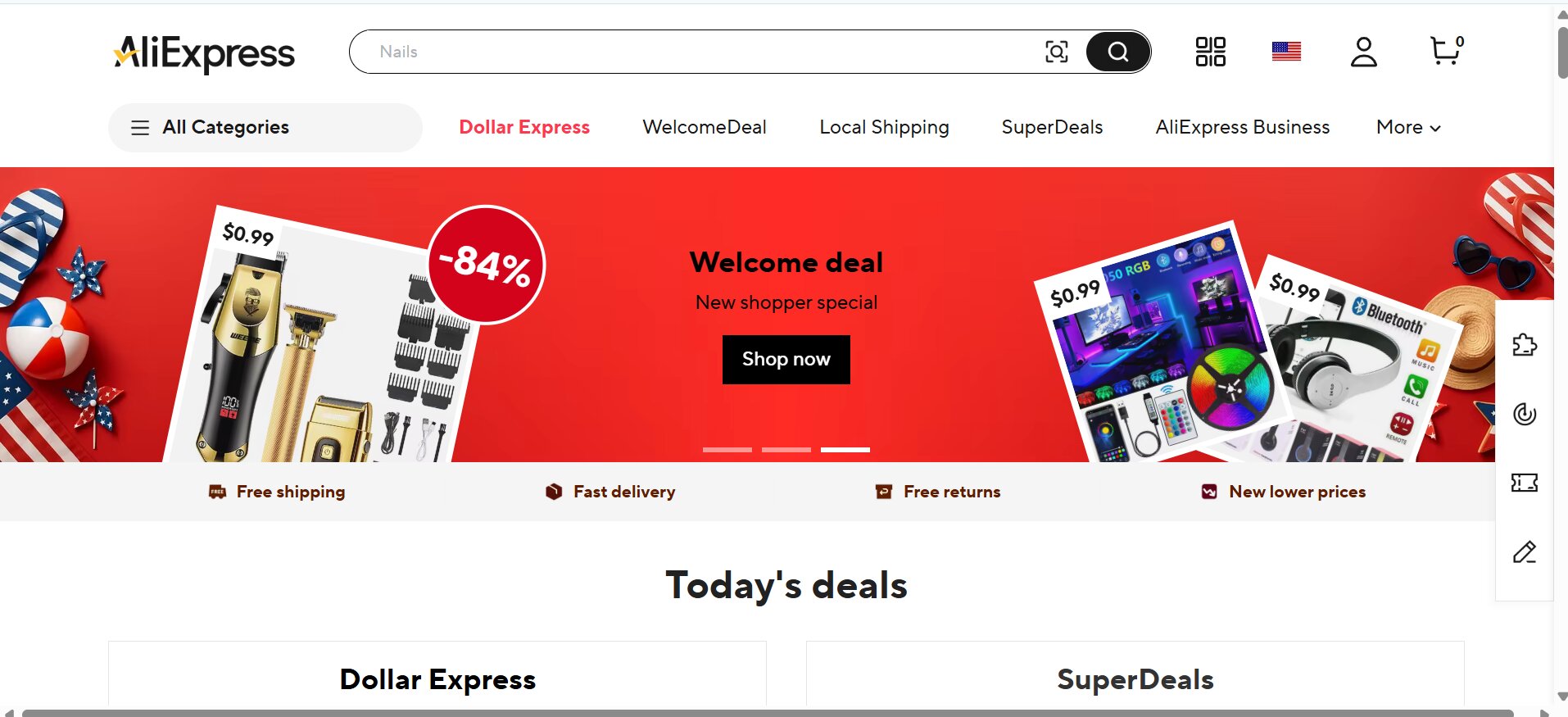
AliExpress is the closest alternative if you still want a low-commitment way to test products.
Compared with Shein, it is more familiar with reseller and dropshipping use cases, and many suppliers are used to shipping directly to end customers. The trade-off is supplier inconsistency: product quality, processing times, packaging, and communication can vary significantly from one seller to another.
We would use AliExpress mainly for testing and early-stage validation, then move proven products to a more controlled sourcing setup.
2. CJdropshipping
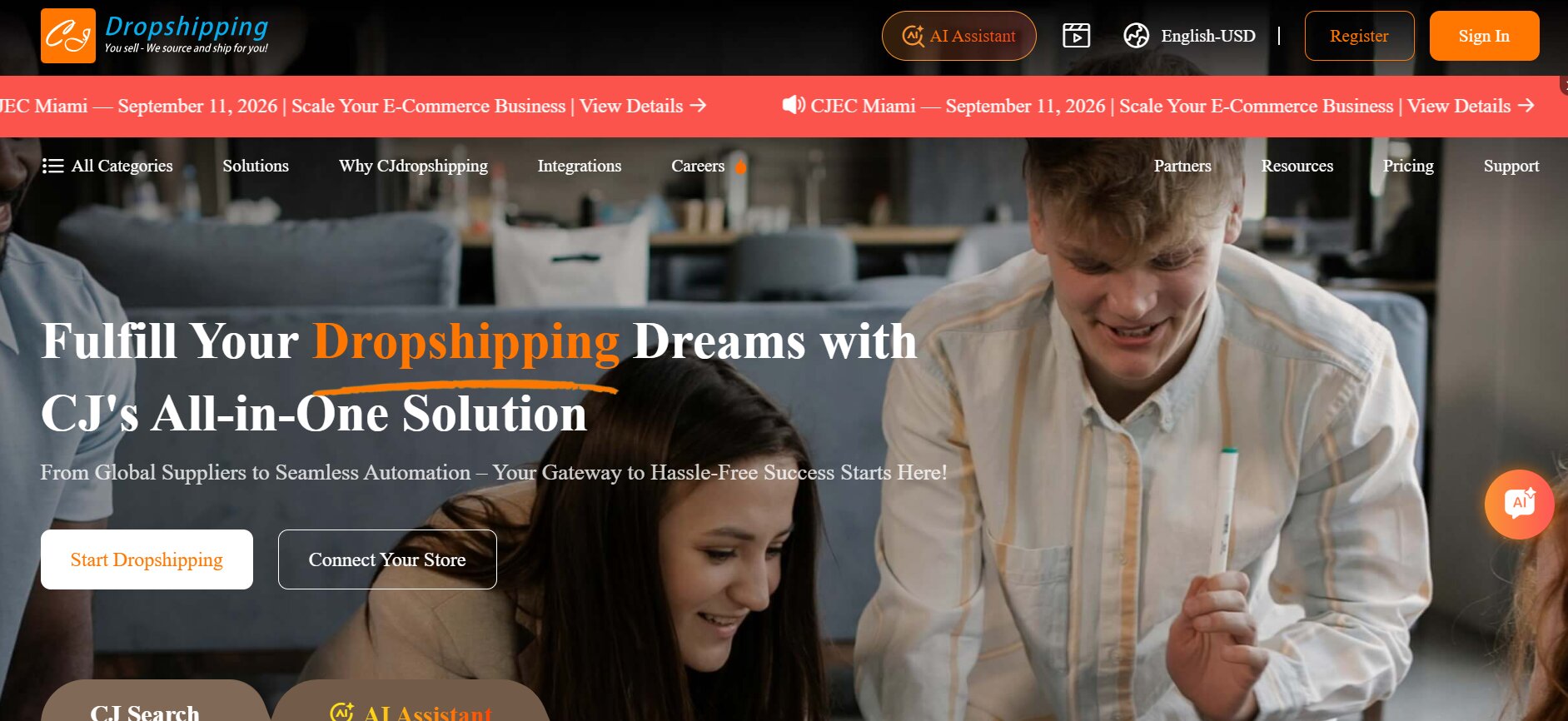
CJdropshipping sits between a marketplace and a sourcing service. It offers product sourcing, warehousing, fulfillment, and branding options, which makes it more scalable than buying retail from Shein.
The advantage is that the infrastructure is built around dropshipping. The downside is that you still need to evaluate product costs, shipping lines, warehouse availability, and whether the level of service fits your order volume.
3. NicheDropshipping
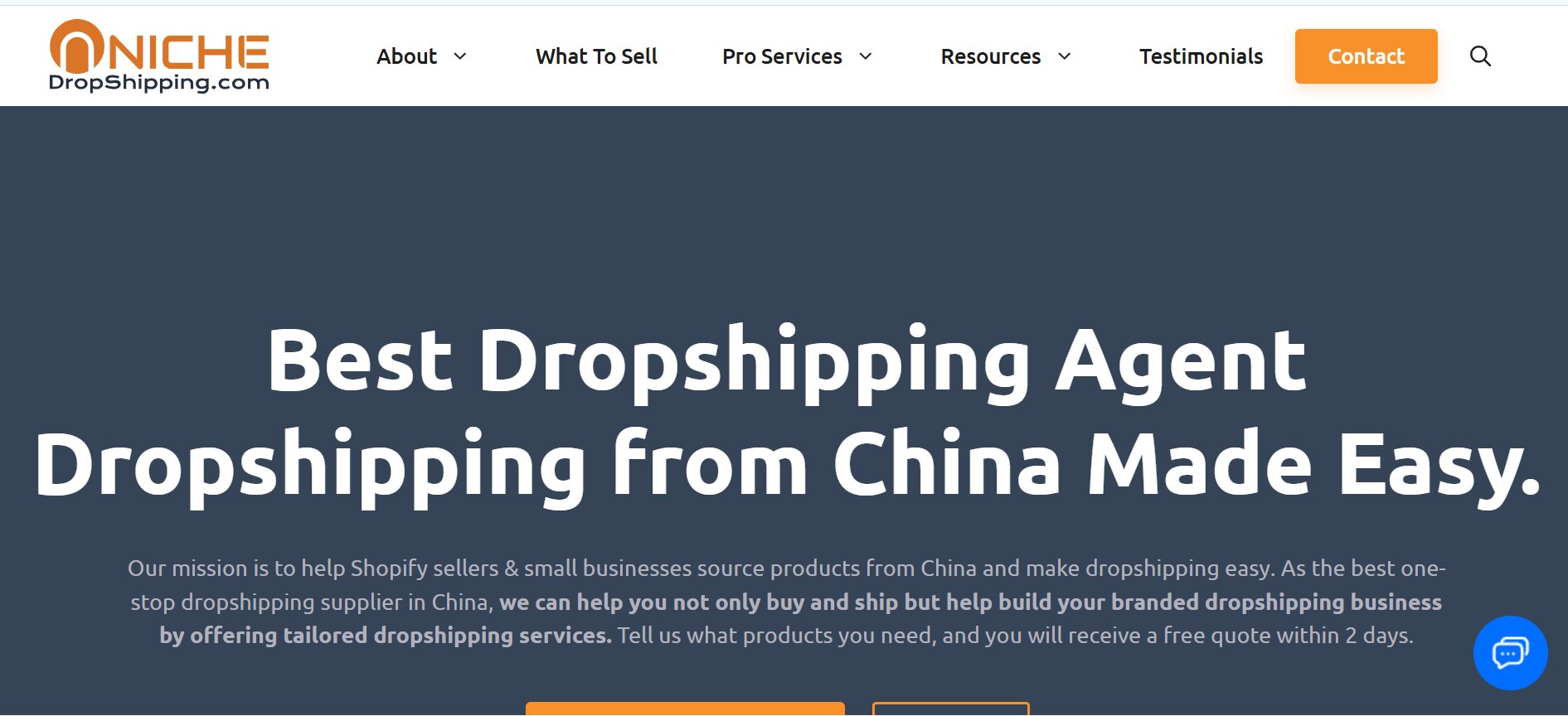
NicheDropshipping makes more sense once you already know what you want to scale and need more control over sourcing, QC, branding, and fulfillment.
NicheDropshipping Fashion Dropshipping at a Glance
NicheDropshipping provides sourcing, QC, branding and fulfillment for Shopify sellers, Amazon sellers, and small businesses worldwide. Below are standard parameters. Your dedicated agent will tailor everything to your store’s needs.
| Service | Standard |
| Free sourcing | Quotes in 1–2 working days |
| Quality inspection | QC before every shipment |
| Warehousing | 90-day free warehousing in China and US locations |
| Branding | Custom branded packaging, private label, and white label options |
| US fulfillment | 2–5 day delivery from US warehouses |
| Shipping | 18+ shipping lines |
| Integration | Shopify integration and same-day processing for stocked items |
For sellers graduating from Shein, the main advantage is the shift from retail purchasing to factory-direct sourcing. That gives you more room to improve margins, stabilize stock, inspect products before shipment, and remove Shein branding from the customer experience.
4. Spocket
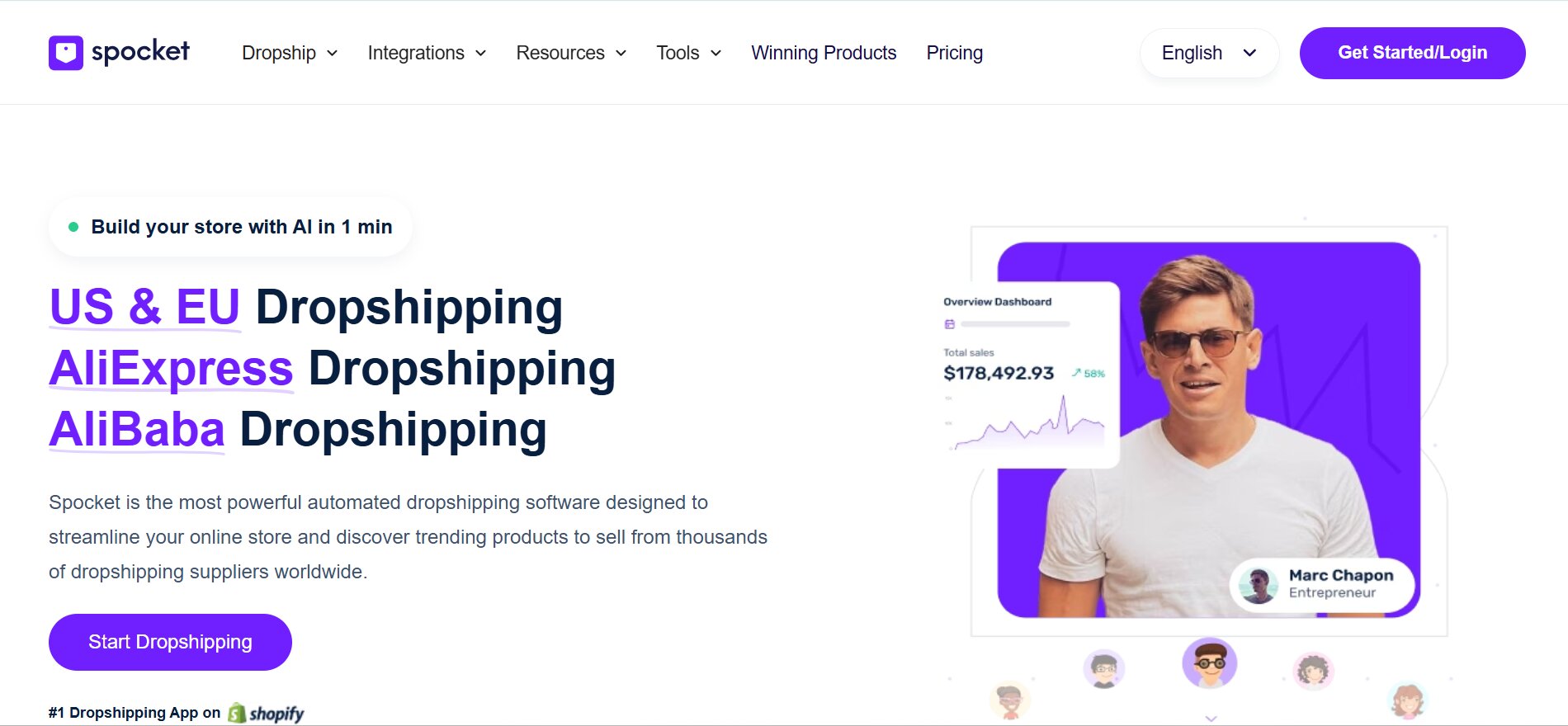
Spocket focuses heavily on suppliers in the US and Europe, so it can be useful when shipping speed matters more than getting the lowest possible product cost.
The trade-off is typically a higher sourcing price and a narrower fashion selection than Shein or AliExpress. We would consider it when domestic or regional fulfillment is a bigger priority than maximum catalog depth.
5. SaleHoo
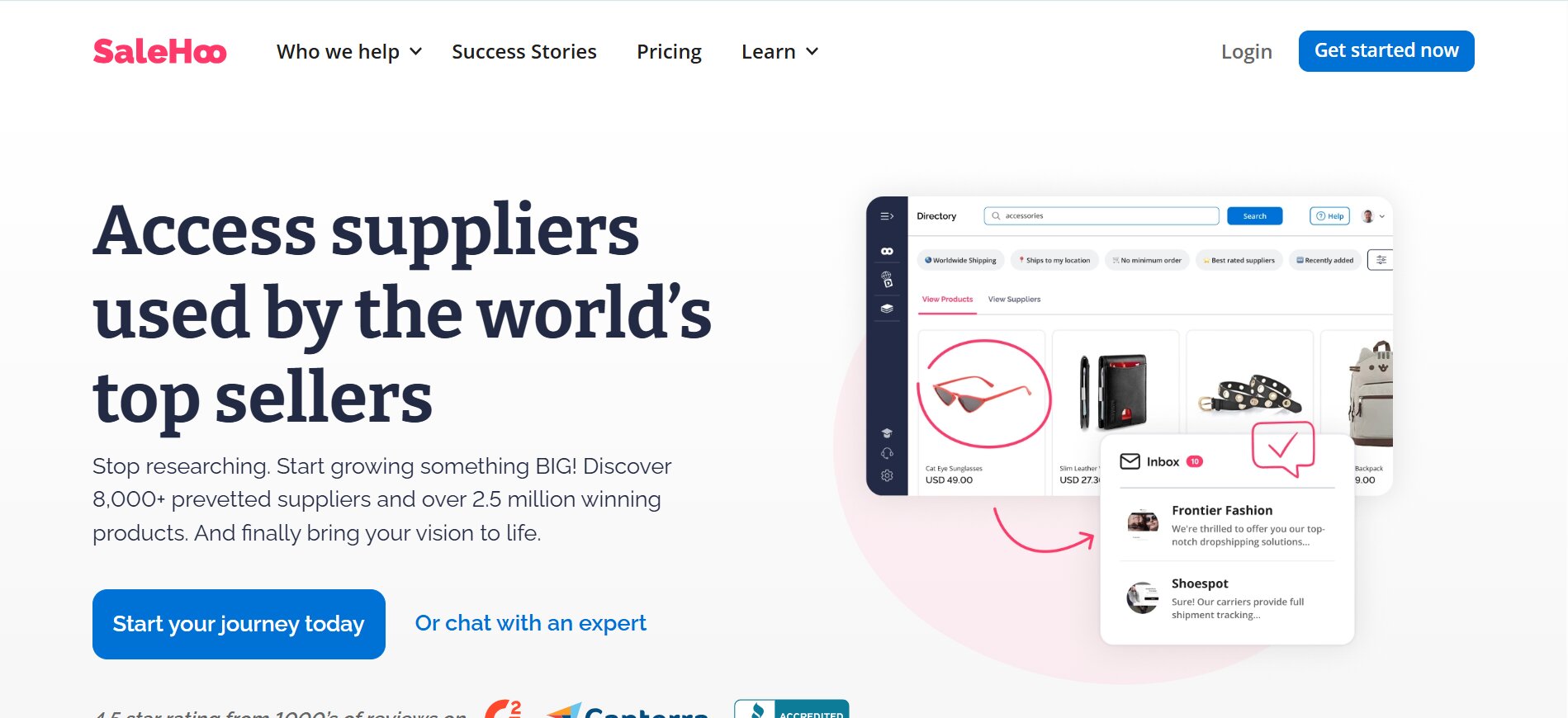
SaleHoo works differently from the other options because it is primarily a supplier directory rather than a direct fulfillment platform.
It can be useful when you are ready to research wholesale suppliers, compare sourcing options, and build longer-term supplier relationships. It is less suitable if you want a plug-and-play system for placing individual dropshipping orders.
Which Shein Alternative Should You Choose?
| Your Situation | Better Fit |
| Still testing lots of products | AliExpress |
| Want built-in dropshipping infrastructure | CJdropshipping |
| Scaling proven winners with branding and QC | NicheDropshipping |
| Prioritize US/EU supplier locations | Spocket |
| Want to research wholesale suppliers | SaleHoo |
From our perspective, the progression is usually simple: use marketplaces while you are still discovering winners, then move to a sourcing and fulfillment setup once those winners justify more control.
Start Scaling Your Dropshipping Business Today
Whether you’re testing your first fashion products or ready to build a branded store, NicheDropshipping’s China-based team (with US and EU warehouses) has everything you need to grow.
- Free product sourcing
- 90-day free warehousing
- Same-day order processing
- Custom branded packaging
- Full Shopify integration
No upfront cost. No credit card required. Quotes in 1–2 working days.
FAQs about Shein Dropshipping
Is Shein Dropshipping Legit?
Yes, Shein dropshipping is a legitimate business opportunity. It enables you to sell trendy fashion items without holding inventory, but it’s crucial to understand Shein’s policies as they don’t officially endorse dropshipping.
How Does Shein Dropshipping Compare to Aliexpress Dropshipping?
Shein dropshipping may be more suitable if you want to focus on fashion and apparel, benefit from faster shipping times, and you don’t mind customers receiving products in Shein’s branded packaging.
AliExpress dropshipping offers a wider product variety and more possibilities in branding, but product quality and shipping times can vary depending on the sellers.
Can I Use Shein Pictures?
No, you cannot use Shein’s pictures without permission. Shein’s images are their intellectual property, and using them without consent could lead to copyright infringement issues.
It’s advisable to either use your own images, purchase stock photos, or use images available under Creative Commons licenses that allow commercial use.
Can You Resell Shein Products on Amazon?
You can resell Shein products on Amazon, but you need to comply with both Amazon’s and Shein’s reselling policies. It is essential to operate within the guidelines set by both platforms to avoid any policy violations.
Where Does Shein Ship From?
Shein ships globally from its warehouses which are primarily located in Asia, particularly China. Depending on the stock and regional availability, the company may also ship from warehouses in other countries to ensure efficient delivery.
Does Shein Offer Wholesale Pricing for Dropshippers?
No. Shein operates primarily as a retail platform, so dropshippers normally purchase products at the same retail prices available to ordinary shoppers.
That means your margin has to come from how you position, bundle, market, and price the product rather than from a wholesale discount. Coupons, points, and VIP benefits may reduce your effective purchase cost, but we would never build a pricing model around temporary promotions.
Once a product sells consistently, factory-direct sourcing usually gives you a more stable cost base.
Can Shein Remove Its Branding Before Shipping to My Customer?
You should assume Shein branding may appear on the parcel or product packaging. Shein does not offer a standard white-label fulfillment service for retail buyers, so you cannot reliably request custom packaging, insert cards, branded mailers, or tag removal.
That becomes more important as your store matures because customers may question why an order from your brand arrived in another retailer’s packaging. If branding matters, move proven products to a supplier or agent that explicitly supports unbranded or custom fulfillment.
What Happens If a Shein Product Goes Out of Stock After I Get an Order?
You may have to cancel the order, offer a substitute, or find another source. This is one of the biggest operational weaknesses of using a retailer as your supplier: you do not control inventory or receive guaranteed stock allocation. Sizes and colors can disappear quickly, especially on trend-driven products.
We would keep catalogs relatively small and check stock frequently. If a product is generating regular sales, that is a strong signal to move it to a supplier where inventory can be reserved or pre-stocked.
How Should I Handle Shein Price Changes?
Build enough margin into your selling price to absorb normal fluctuations and recheck Shein prices before fulfilling each order. Retail prices can change because of promotions, coupons, regional pricing, or product updates, so a margin that looked healthy when you created the listing may shrink later.
We would avoid pricing products so tightly that a small retail increase turns the order unprofitable.
For proven sellers, fixed supplier quotes or negotiated sourcing rates make forecasting far easier than depending on a constantly changing consumer storefront.
Do I Need to Collect Sales Tax or VAT When Dropshipping from Shein?
Potentially, yes. Your tax obligations depend on where your business is established, where your customers are located, your sales volume, and the marketplace or ecommerce platform you use.
Import VAT or customs charges can also be separate from the taxes you collect at checkout. We would not assume Shein has handled your business’s tax obligations simply because tax was charged on the retail purchase.
Once you start making regular sales across multiple markets, it is worth getting jurisdiction-specific advice from a qualified tax professional.
Should I Order Samples Before Listing Shein Products?
For serious product tests, yes. A sample lets you inspect the actual material, sizing, finish, packaging, and color before customers experience the product.
It also gives you the opportunity to create original photography rather than depending on retailer assets. We would especially sample apparel, activewear, pet products, and anything where sizing or material quality can lead to high return rates.
You do not necessarily need to sample every experimental SKU, but anything receiving meaningful ad spend should ideally be checked before you scale it.
When Should I Stop Using Shein for a Winning Product?
When supply uncertainty begins costing more than the convenience of retail sourcing. Typical signals include frequent daily orders, repeated stock-outs, customers questioning the packaging, rising landed costs, or too much time spent placing and checking orders manually.
At that point, we would keep Shein for trend discovery but move the winning product to a supplier or dropshipping agent.
The goal is to preserve what you validated demand while improving the parts that Shein cannot give you: stable pricing, QC, branding, inventory planning, and scalable fulfillment.

Hello I would like to order some clothes and ladies stuff.
Is someone available to help me. Thanks.
Hi Ahroodkhan, thanks for your interest. The link to our contact page is https://nichedropshipping.com/niche-dropshipping/. Alternatively, our contact email is [email protected]. Looking forward to your message.