Choosing the right products for a dropshipping store has always been a challenge for dropshippers of all ages. Although it’s definitely something you shouldn’t fret over if you have the right resources, your effort also plays an important role in finding the best products for your store.
Doing thorough product research before adding items to your store will protect you from wasting time and, potentially, money in the long run.
In this blog, we’ll give you a list of both the best and the worst things to dropship in 2026. This jam-packed read also contains frequently asked questions you might find handy.
So, if you need a one-stop shop to find the best dropshipping products, this blog should be helpful for you.
Let’s get started!

Key Takeaways
- The best things to dropship in 2026 include pet supplies, kitchen tools, beauty devices, car accessories, and smart home gadgets—categories with proven demand and healthy margins.
- Avoid bulky furniture, fragile glassware, unvetted health products, generic electronics without warranty, and copyrighted goods to minimize risk and chargebacks.
- Evergreen products sell year-round; trending products spike seasonally; hybrid products combine both traits but demand fluctuates.
Evergreen vs. Trending vs. Hybrid Products
Before we go on to the list of best and worst items to sell on your dropshipping store, let’s first differentiate the types of products you can opt to sell.
This will help you differentiate what kind of niche you want to go into as well.
As a dropshipper, you can either sell evergreen, trending, and hybrid products.
Evergreen Products
If you’re not yet familiar with the term ‘evergreen,’ it simply refers to products that people are naturally inclined to need or desire. Thus, regardless of the current economic status, people will buy these products.
Moreover, these products don’t have peak or off-peak seasons—they’re in demand all year round.
The market has already been established for these products, so you don’t really have to worry about looking for buyers.
But even though these items have buyers throughout the year, it doesn’t mean they are ideal items to put up on your online store. Again, more of this will be discussed later.
Given the nature of these products, you’ll also have plenty of competitors, making it a challenge to stand out.
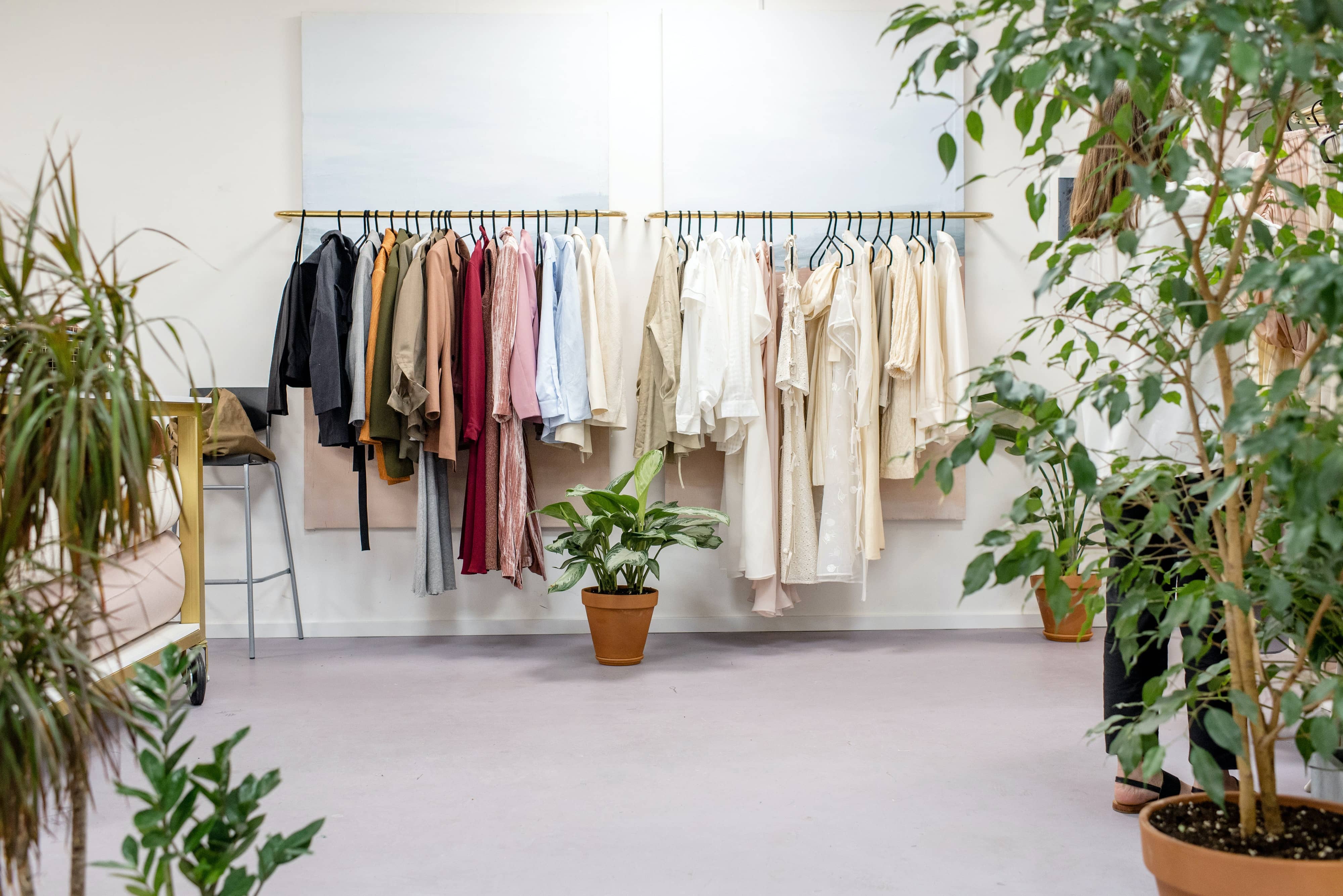
Examples of evergreen products include home improvement and pet products. You can also check out this list of evergreen products for inspiration.
Trending Products
As its name suggests, trending products are items that are currently popular with customers.
Sometimes, these products are also called seasonal products because they only become popular during certain times of the year. Several factors like weather conditions and seasons influence the popularity of these products.
Trending products can be profitable for dropshippers who have caught trend early on. There will always be an opportunity for a massive pool of customers if you have a keen eye for rising trends.
Constantly watch for trends and invest in marketing if you want potential customers to find and choose your store amongst competitors.
However, be mindful about establishing your store branding. If your store is only known for a particular trending product, it can quickly lose popularity once the trend starts to fade.
Examples of trending products include beauty products and Halloween essentials.
Hybrid Products
Given the diversity of products being sold online, there are types of products that can be considered evergreen and trending.
Hybrid products are often essential products that have fluctuating demand throughout the year. However, at their core, they’re evergreen products with specific characteristics that qualify them as trending.
To illustrate, women’s clothes are hybrid products because they’re essential items, yet they vary according to style and season. So, for example, winter clothes only really sell before and during the winter season.
On the other hand, other types of clothing like shirts and pants can be sold throughout the year.
Another example of hybrid products is travel accessories. People travel all the time. However, there are certain times of the year that these items sell more than usual.
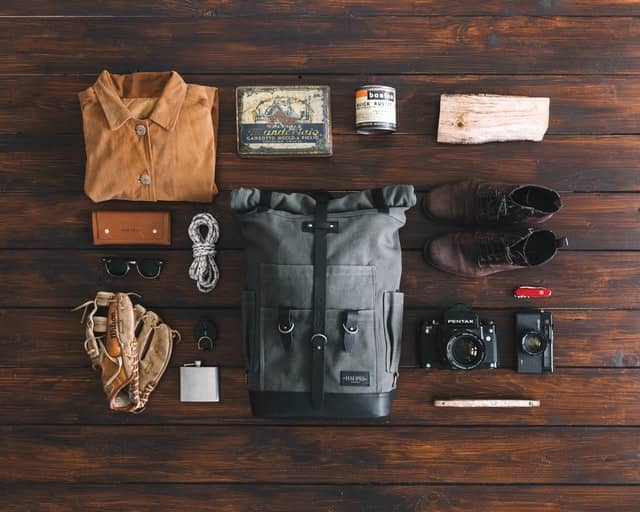
This type of product does have a constant demand. However, there’s no telling whether you’ll have a huge profit, or just enough to break even.
What Are the Top Dropshipping Niches in 2026?
Top dropshipping niches vary from time to time. But there will always be niches that reap more profits than others all year round. These niches can be evergreen, trending, or even hybrid products.
Here are some top niches for 2026:
Women’s Clothing
Clothing is a basic need, regardless of age and gender. However, fashion trends have made women’s clothing a highly profitable niche. Check this list of women’s clothing dropshipping suppliers we’ve compiled.
Weather and seasonal changes also affect the demand for clothes. For example, women often buy clothing to keep themselves warm—and stylish—during the cold season.
Sometimes, customers also purchase because of trends and changes in preferences. However, regardless of motivation to purchase, there will always be a demand for clothing.
Small- to Medium-Sized Electronic Items
Even before recent shifts to remote work, people have already been inclined to purchase appliances. Now that many people still spend most of their time at home, they’ve seen the need to buy quality household items for everyday needs.
Whether it’s great portable Bluetooth speakers for family trips or simply an espresso machine for home cafes, everybody wants to add valuable electronic items into their homes.
You can either choose high-cost appliances like espresso machines or low-cost devices like earphones when selling.
However, all of these depend on your chosen supplier and how you brand your store. Here’s a list of top electronic suppliers for you.
If you’re more on the affordable side, choose high-quality but low-cost products to retain your market. On the other hand, for stores on the fancier side, definitely opt for high-cost items.
Health and Fitness
The health and fitness niche has always been profitable as the need to be in good shape is constant among human beings.
The global virtual and online fitness market was valued at $10.28 billion in 2025 and is anticipated to reach $27.09 billion by 2032, growing at a CAGR of 15.1% from 2026 to 2032, according to Valuates Reports.
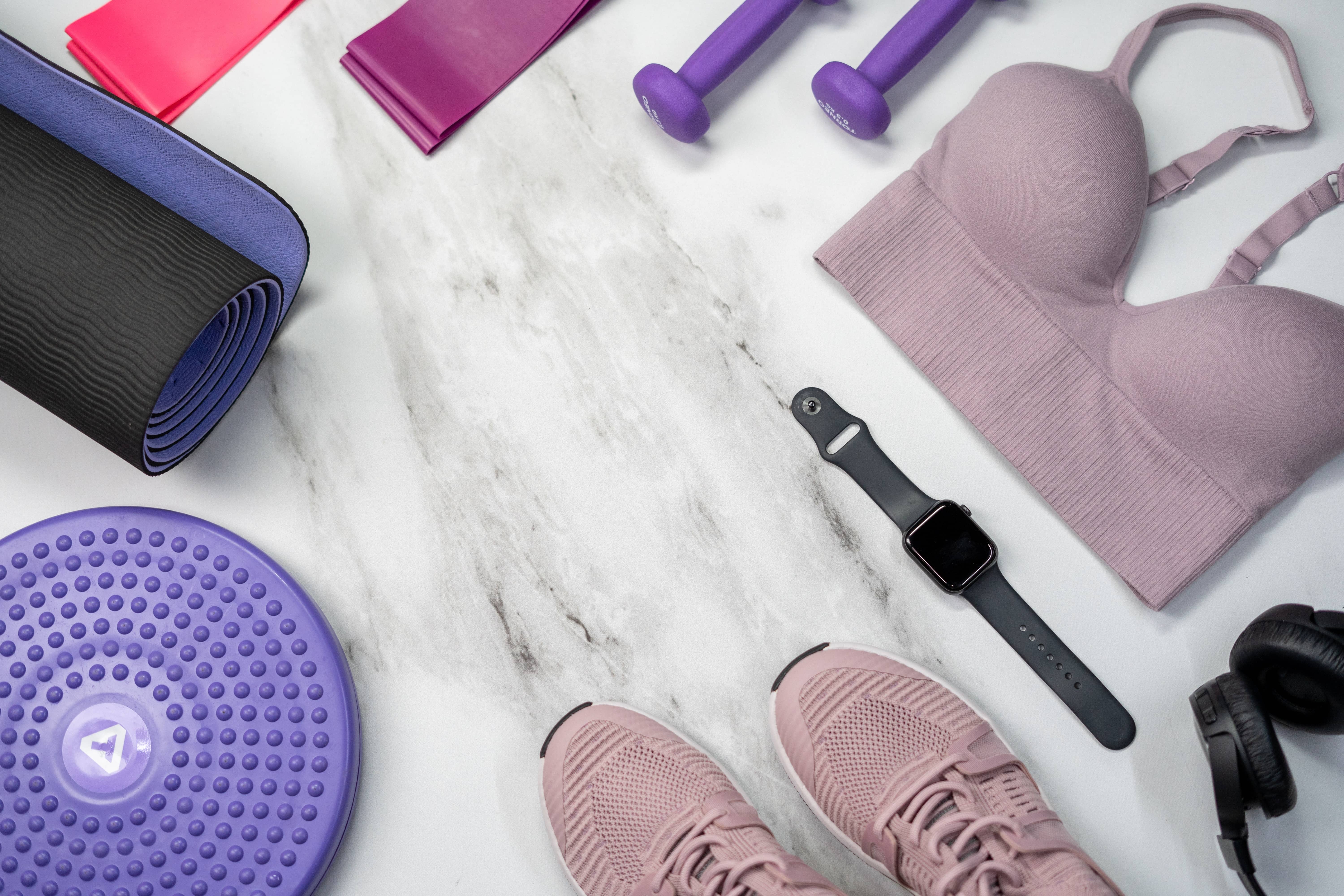
Although the demand may fluctuate at times, it’s still pretty popular among customers. Products like fitness clothes and wearable technology are among the popular products in 2026. We’ve evaluated 14 outstanding yoga dropshipping suppliers. You might want to check it.
This niche still has plenty of sub-niches if it still sounds quite vague to you. Some niches you might want to consider can be the following:
- Weight loss for women
- Muscle building for men
- Healthy eating
- Functional movement training
- Nutritional plans for digestion
Exploring which sub-niche is more suitable for you will help trim down costs and target customers who purchase from your store.
Baby Products
Baby products remain a consistently strong niche for dropshippers.
The global baby products market was valued at $355.9 billion in 2025 and is estimated to reach $375.8 billion in 2026, growing toward $579.5 billion by 2033 at a CAGR of 6.4%, according to Grand View Research.
Online sales of baby products are expected to grow even faster, at a CAGR of 7.6% from 2026 to 2033, making this category especially promising for e-commerce sellers.
From clothing to baby essentials, there are plenty of products to choose from.
But dropshippers opting for this niche need to identify which sub-niche—or sub-niches—they want to be a part of.
Some sub-niches you might want to explore:
- Baby clothing
- Baby health and hygiene
- Baby toys
- Baby furniture
Home Improvement
Another industry that has gotten a boost in the past year is home improvement.
With people spending more time in their homes, they’ve seen what parts of their humble abodes need improving. The pandemic, however, has forced people to make these improvements by themselves.
The global DIY home improvement market is projected to reach $1.29 trillion by 2031, growing from $870 billion in 2025 at a CAGR of 6.87%, according to Mordor Intelligence. DIY home improvement stores currently account for 68.74% of this market.
With over 80% of US homes now more than 20 years old, renovation and targeted repair projects have become the primary drivers of demand as homeowners prioritize upgrading existing properties over relocating.

And with online shopping on the rise, it’s expected that people will start ordering more of these DIY items online for convenience and safety.
Check this ultimate list of home decor dropshipping suppliers.
18 Best Things to Dropship by Category
As mentioned, choosing which items to add to your dropshipping store will always be a challenging task for any dropshipper.
The number of niches and products to choose from also don’t give much help, especially when you’re still new to the entire industry. However, there are products that successful dropshippers consider the best ones to add.
Take this list with a grain of salt, though. What works for them may not work for you. But it should be a good reference if you want to explore other items not included in this list.
Without further ado, here’s a list of some of the best things to dropship in 2026 divided into categories:
Pet Supplies & Accessories
The global pet market is estimated at USD 190.5 billion for 2026, with accessories and wellness products leading growth. Pet owners spend heavily on safety, convenience, and enrichment.
1. LED Light-Up Dog Collars

These collars improve nighttime visibility for dogs. They usually come with rechargeable LED strips, which appeal to urban dog owners and outdoor hikers.
Safety is a strong buying motivator for pet parents. These products are lightweight and easy to ship.
You can offer multiple sizes and colors. Most models charge via USB and last several hours per charge.
Make sure to choose waterproof models, since dogs go out in all weather conditions.
2. Slow-Feeder Puzzle Bowls

These bowls use maze-like designs to slow down eating for dogs and cats. They help prevent bloating, vomiting, and obesity.
That appeals to health-conscious pet owners. The bowls are made from durable food-grade plastic or stainless steel.
They are lightweight and hard to break. You can sell them in multiple sizes for different breeds.
This niche has high repeat-purchase potential, because pet owners often buy one for each pet.
Some designs also work for wet food, which adds to their versatility.
3. Waterproof Pet Car Seat Covers

These covers protect car back seats from fur, mud, and scratches.
They target families who travel with dogs, as well as rideshare drivers and pet groomers.
Most designs include non-slip backing and seatbelt openings. They fold compactly for shipping and storage.
Installation usually takes less than a minute, which makes them attractive to busy buyers.
Choose machine-washable models, since that makes them easier to sell.
Kitchen & Dining
Kitchen tools remain a top niche because cooking at home is an evergreen habit. The global kitchenware market is projected to grow from USD 79.99 billion in 2026 to USD 137.64 billion by 2034.
4. Ceramic Non-Stick Fry Pans

These pans use ceramic coatings instead of traditional Teflon. They attract home cooks who want healthier meals with less oil.
Ceramic coatings also handle high heat better. But make sure your supplier uses genuine ceramic, not cheap imitation.
These pans carry healthy margins, because consumers will pay more for kitchen upgrades.
You can offer multiple sizes, from small egg pans to large family skillets.
Remind buyers to avoid metal utensils, so the coating lasts longer.
5. USB-Rechargeable Portable Blenders
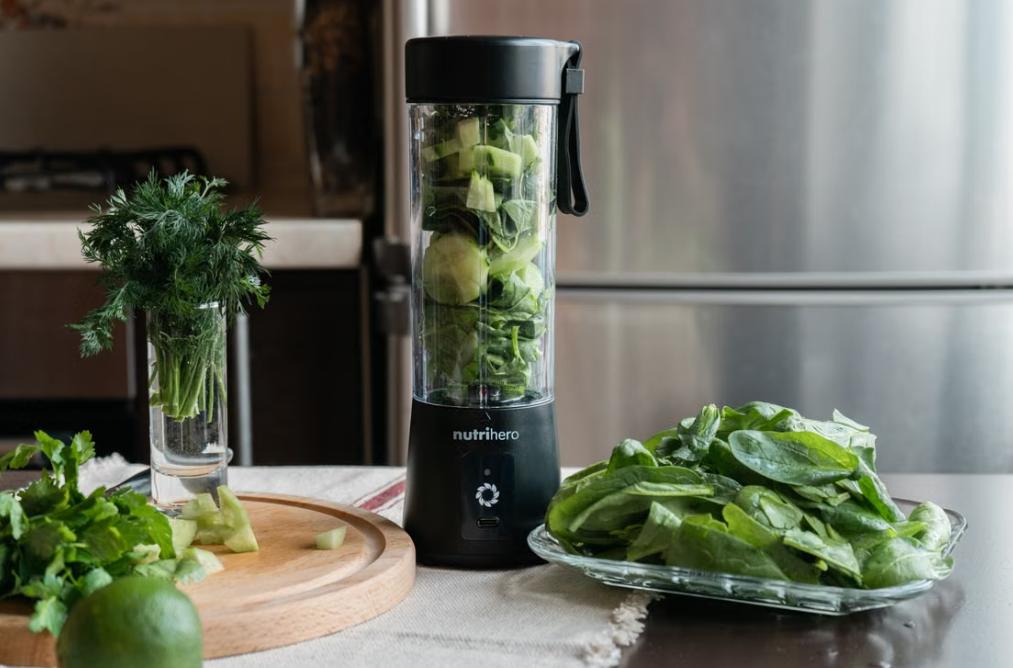
These small blenders run on battery power and charge via USB.
They target health-conscious commuters and travelers who want smoothies on the go. The product is compact and usually weighs under one pound.
For dropshippers, this is a great impulse-buy item. The price point is mid-range, and the visual appeal is strong on social media.
Most models hold 12 to 16 ounces, which is enough for a single serving.
Make sure the supplier uses food-grade materials and provides clear cleaning instructions.
6. Magnetic Knife Holder Strips
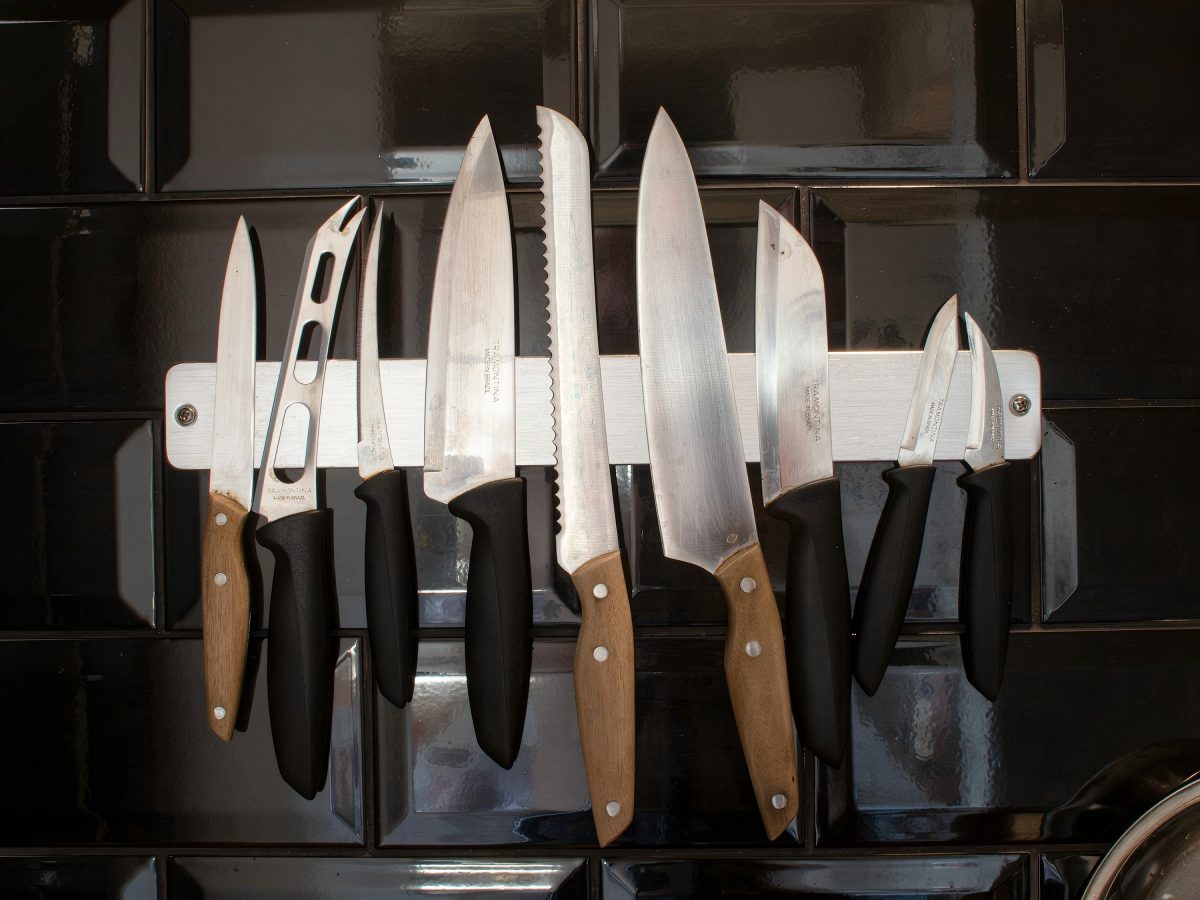
These magnetic strips mount on walls to save counter space in small kitchens. They keep knives dry, visible, and easy to reach.
The strips are usually made from stainless steel or bamboo. They ship flat and take up little space.
The target audience includes apartment dwellers, cooking enthusiasts, and minimalists.
You can bundle them with knife sets to increase average order value.
Most strips install with simple screws or strong adhesive, so buyers do not need professional help.
Beauty & Personal Care
Beauty is a recession-resistant niche. The global beauty and personal care market is projected to generate a revenue of USD 698.38 billion in 2026, driven by at-home treatments and grooming tools.
7. Ionic Hair Dryers / Hot Air Brushes
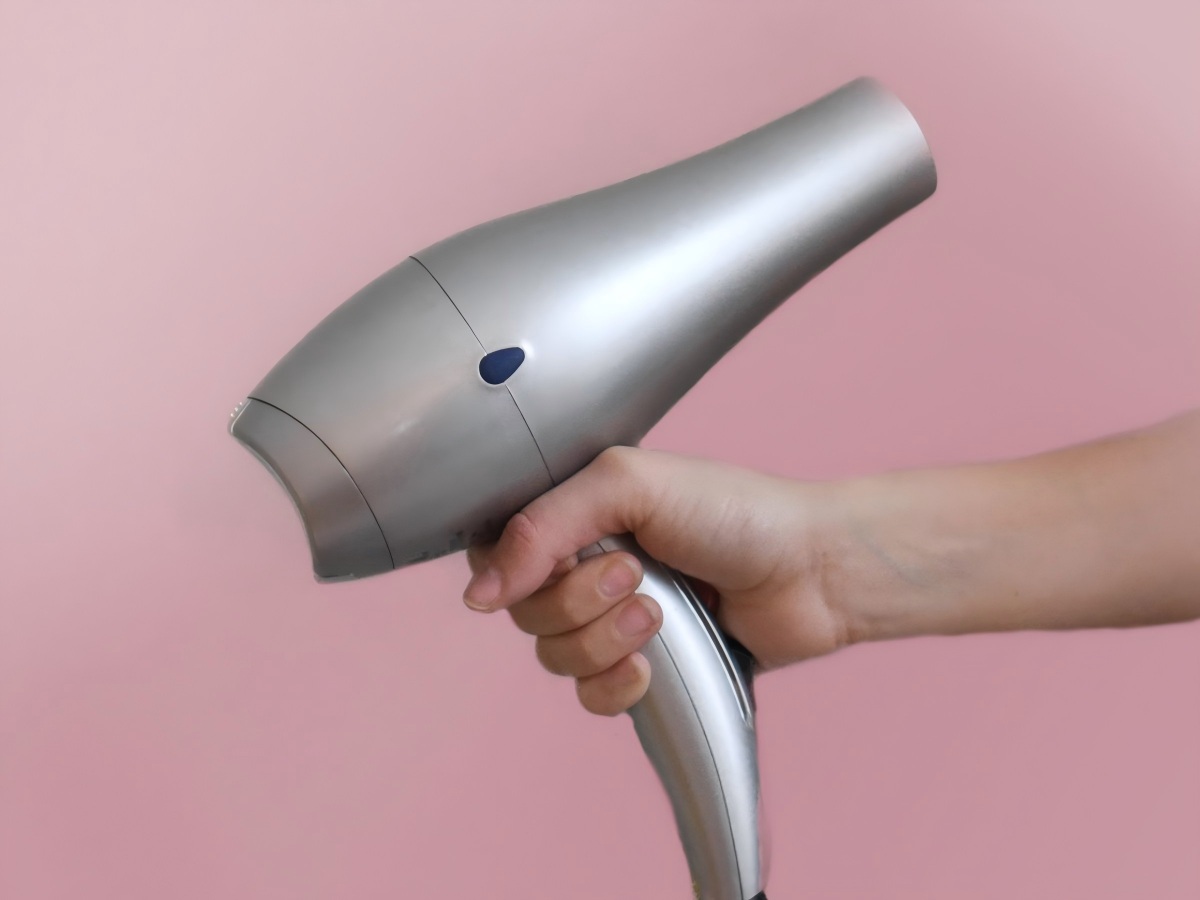
These are two-in-one styling tools that dry and straighten or curl hair at the same time.
They trend heavily on social media because they save time in the morning. The target buyers are busy professionals and people who want salon results without salon prices.
Prices usually range from $25 to $80, leaving room for solid margins. Choose models with ceramic heating and ionic technology.
They are also lighter than traditional salon tools, so arm fatigue is less of an issue.
Show before-and-after photos on your product page.
8. Silicone Facial Cleansing Brushes

These small devices use silicone bristles and sonic vibration to clean pores.
They are a reusable alternative to disposable face wipes, since they last for years. The product is waterproof and safe for shower use.
For dropshippers, this is a lightweight item with low shipping costs and low return rates. The target audience includes skincare fans and eco-conscious buyers.
Most models run for weeks on a single USB charge. Offer multiple colors to attract a wider range of customers.
9. LED Teeth Whitening Kits
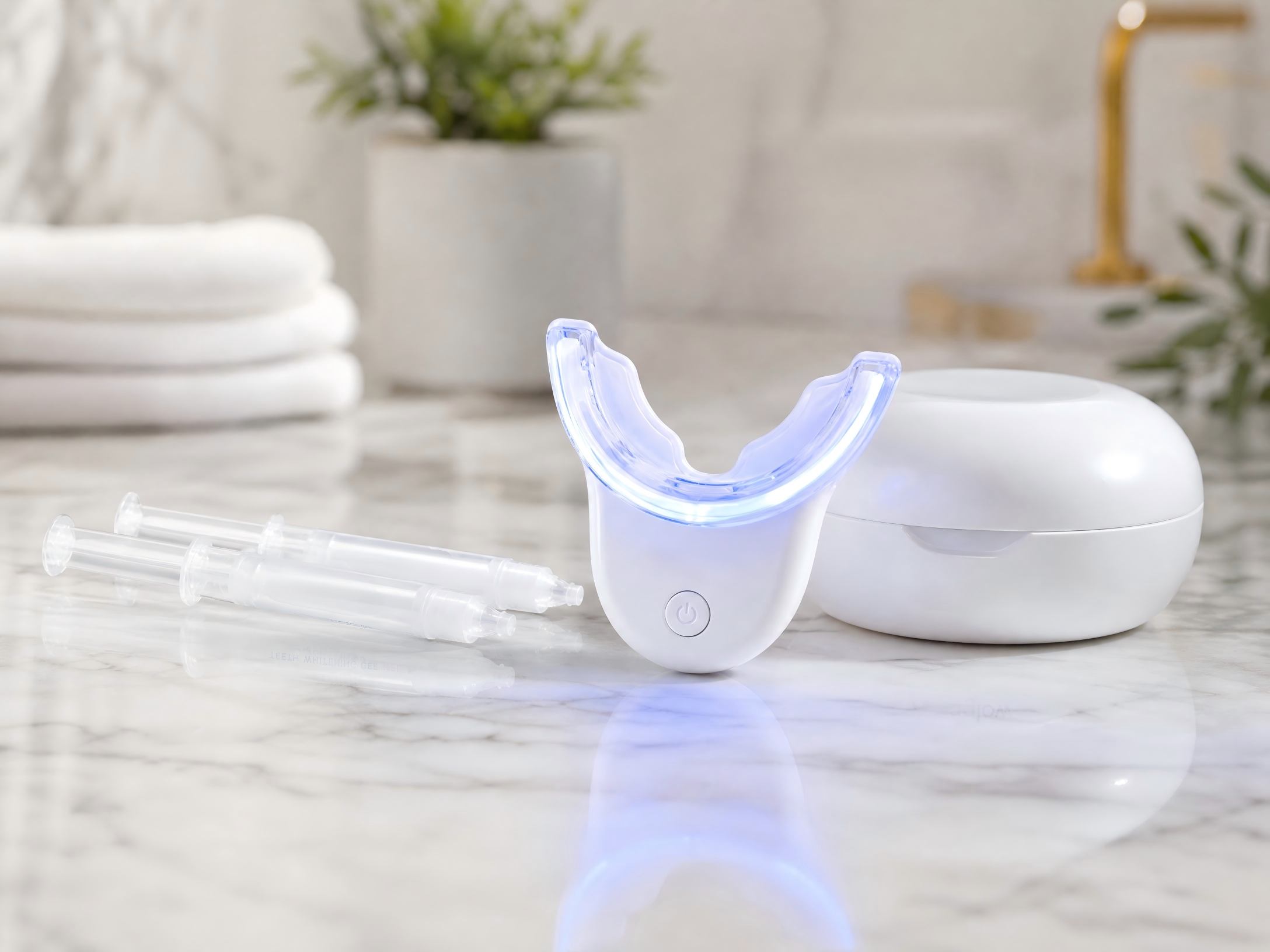
These home kits use LED light and whitening gel to remove stains from teeth. They cost far less than dentist visits, so demand stays steady.
The global teeth whitening market is projected to grow from USD 9.37 billion in 2026 to USD 14.31 billion by 2034.
If you sell this product, add customer reviews and before-and-after photos to your page.
A typical treatment cycle lasts one to two weeks, which gives buyers a clear timeline.
Also make sure your supplier has proper safety certifications, since these products go inside the mouth.
Wondering where to find the right supplier? This list of dropshipping beauty suppliers might be helpful.
Home Office & Smart Home
Remote and hybrid work are now permanent fixtures. According to Mordor Intelligence, the home-office market is expected to grow from USD 38.40 billion in 2025 to USD 41.21 billion in 2026 and is forecast to reach USD 58.63 billion by 2031.
10. Wi-Fi Smart LED Strip Lights

These light strips connect to smartphone apps and voice assistants for color and brightness control.
They suit gamers, remote workers, and anyone who likes to set the mood.
Demand spikes during the holidays, but sales stay steady year-round for bedroom, TV, and desk setups.
The strips are light and flexible, so shipping is cheap. Most starter kits include 16 to 32 feet of strip, which covers most rooms.
Provide clear installation guides, because some buyers worry about adhesive mounting.
11. Under-Desk Cable Management Trays
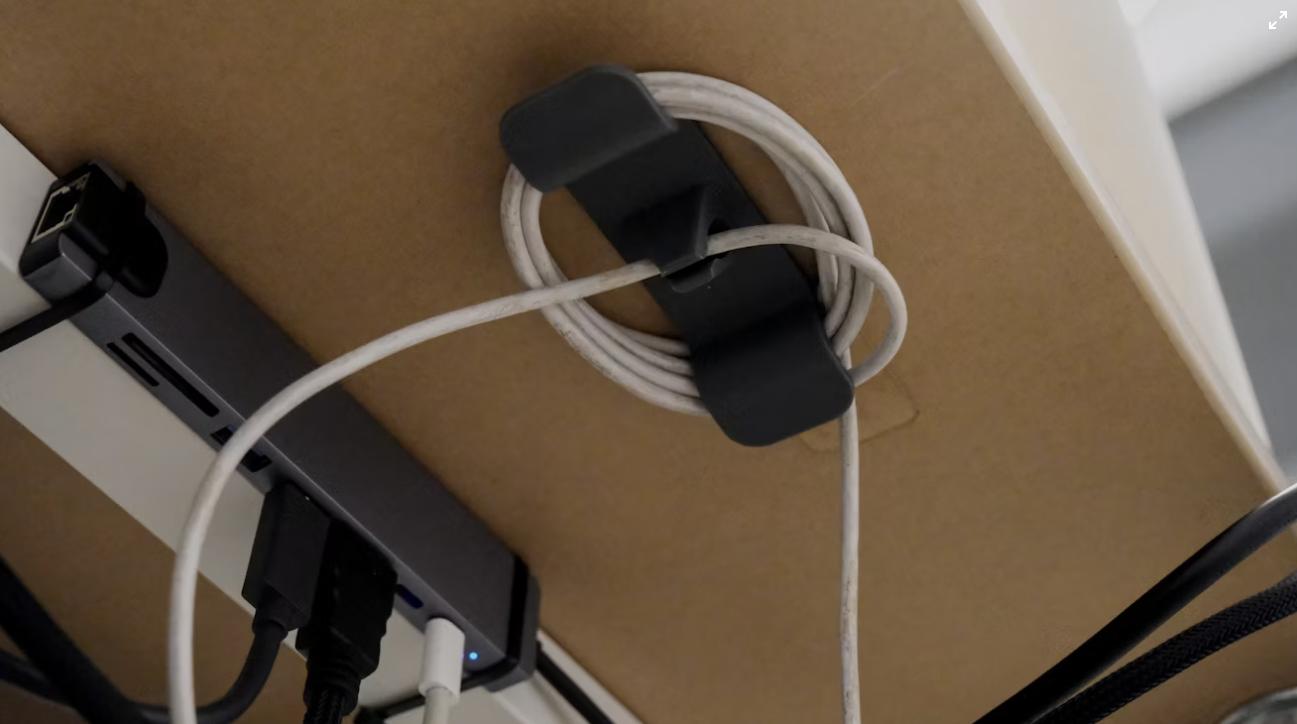
These metal or plastic trays mount under desks to hide power strips and cords.
They are a practical upgrade for remote workers, since messy cables hurt focus and aesthetics. The trays usually ship flat and install with simple screws.
The target audience includes home-office builders and minimalists. You can bundle them with mouse pads or laptop stands to boost cart value.
A standard tray holds multiple power bricks and adapters without sagging.
12. Memory Foam Ergonomic Wrist Rests
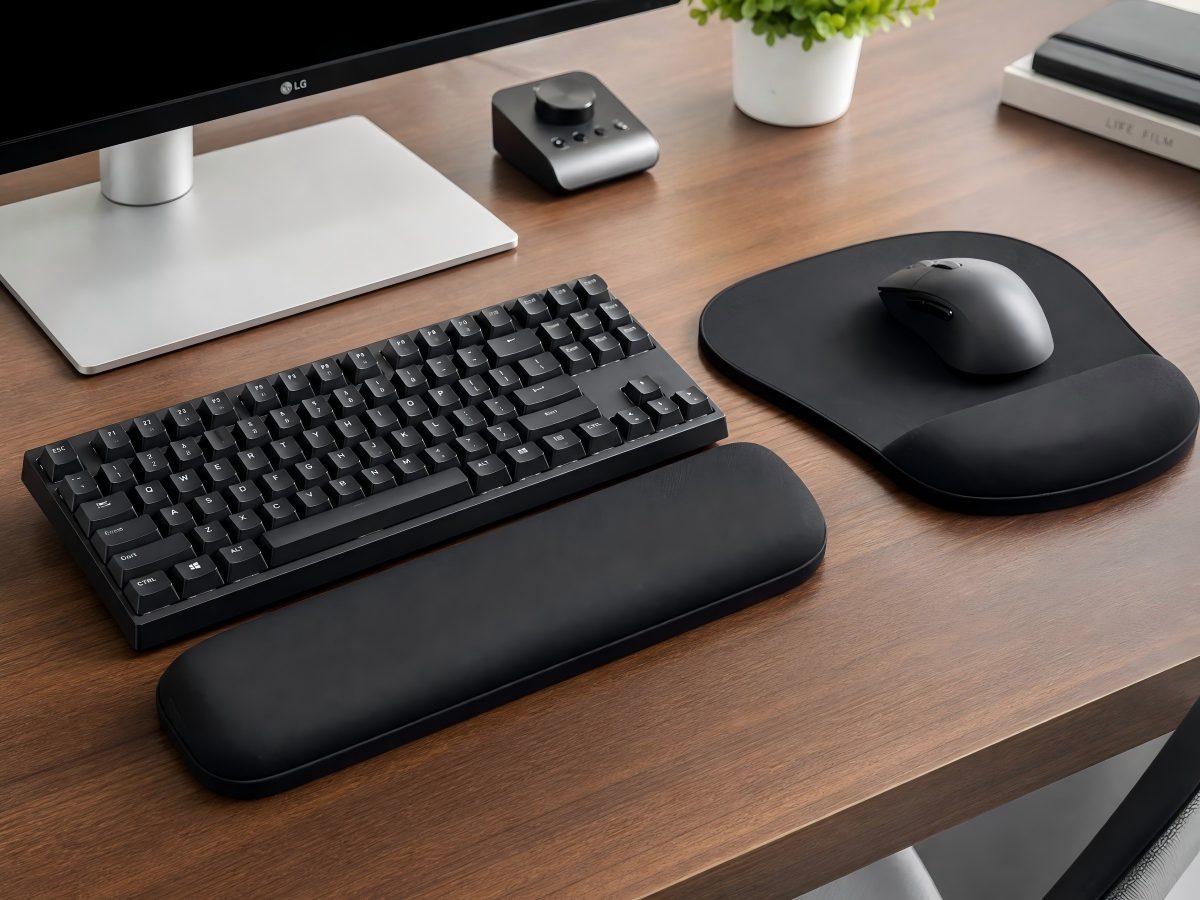
These soft pads sit in front of keyboards and mice to support the wrists and reduce fatigue.
They are low-cost, lightweight, and make an easy add-on purchase.
For dropshippers, this is a product that almost never breaks, so return rates are extremely low.
The target audience includes programmers, writers, and customer service staff who type for hours daily.
The memory foam molds to the user’s wrist shape over time, which adds comfort.
Offer colors that match popular keyboard themes.
Car Accessories
Car owners consistently spend on maintenance and convenience. The global car accessories market is expected to be valued at US$ 277.7 billion in 2026 and projected to reach US$ 398.6 billion by 2033, with interior organizers and cleaning tools performing well.
13. Detailing Car Cleaning Gels
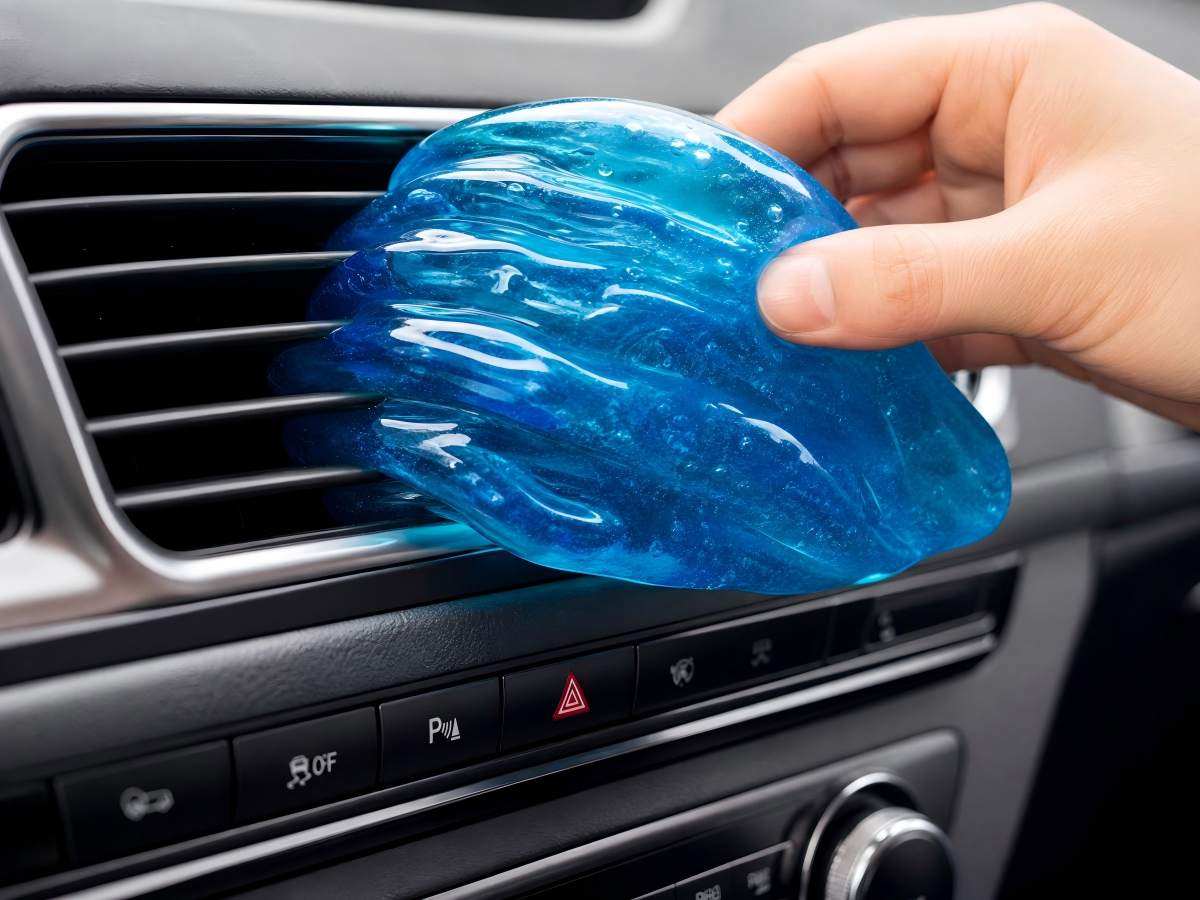
These sticky gels press into vents and crevices to pull out dust and crumbs. They are popular on social media because the cleaning process looks satisfying.
The product is low-cost, lightweight, and reusable until it gets too dirty.
The target audience includes car owners who care about interior cleanliness and auto-detailing fans.
Some versions come in light colors so users can see the dirt they remove.
Make sure the gel does not stick to hands or leave residue, or you will get bad reviews.
14. Collapsible Trunk Organizers
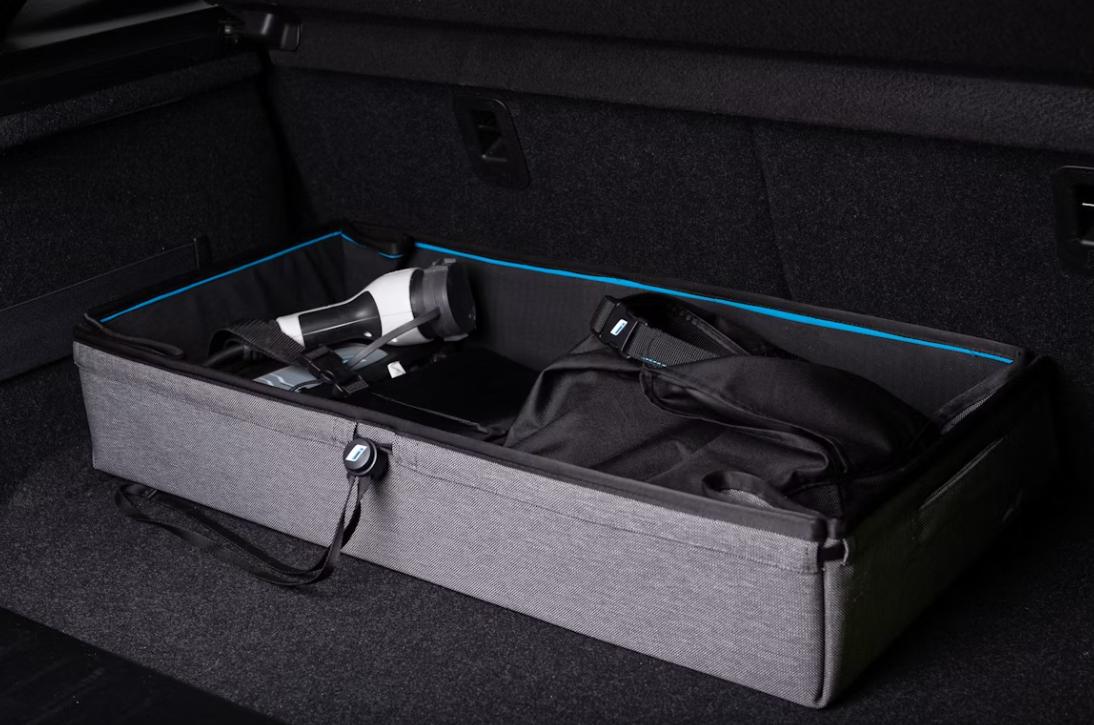
These foldable bins sit in car trunks to stop groceries and tools from rolling around. They appeal to families with kids, gig-economy drivers, and campers.
When not in use, they fold flat to save space. They are usually made from durable Oxford fabric with reinforced handles.
For dropshippers, this is a seasonally stable product, because people organize their cars all year.
Some models include insulated compartments for cold items. Choose models with multiple compartments to increase perceived value.
15. Drop-Stop Seat Gap Fillers

These wedge-shaped foam blocks fill the gap between car seats and center consoles. They stop phones, keys, and coins from falling in.
This is a classic “why didn’t I think of that” product, which drives impulse purchases. The item is tiny and costs almost nothing to ship.
The target audience is every car owner, especially busy people who drop things often. Most designs flex to fit different seat gaps without tools.
Pick materials that can be wiped clean, so hygiene is not a concern.
Health and Fitness
Health consciousness continues to rise. Yoga, recovery, and smart fitness tools are among the strongest performers.
16. Thick Yoga Mats (6mm+)

These thicker mats provide extra cushioning for joints during home workouts.
Over 36 million Americans practice yoga regularly, and the global yoga industry is projected to grow from USD 138.7 billion in 2026 to USD 269.1 billion by 2033. These mats are not just for yoga.
They also work for Pilates, stretching, and even camping. Choose high-density PVC or TPE so the mat does not compress after a few sessions.
Many buyers prefer textured surfaces that prevent slipping during sweaty sessions.
Offer multiple colors and include a carrying strap for convenience.
17. High-Density Foam Rollers
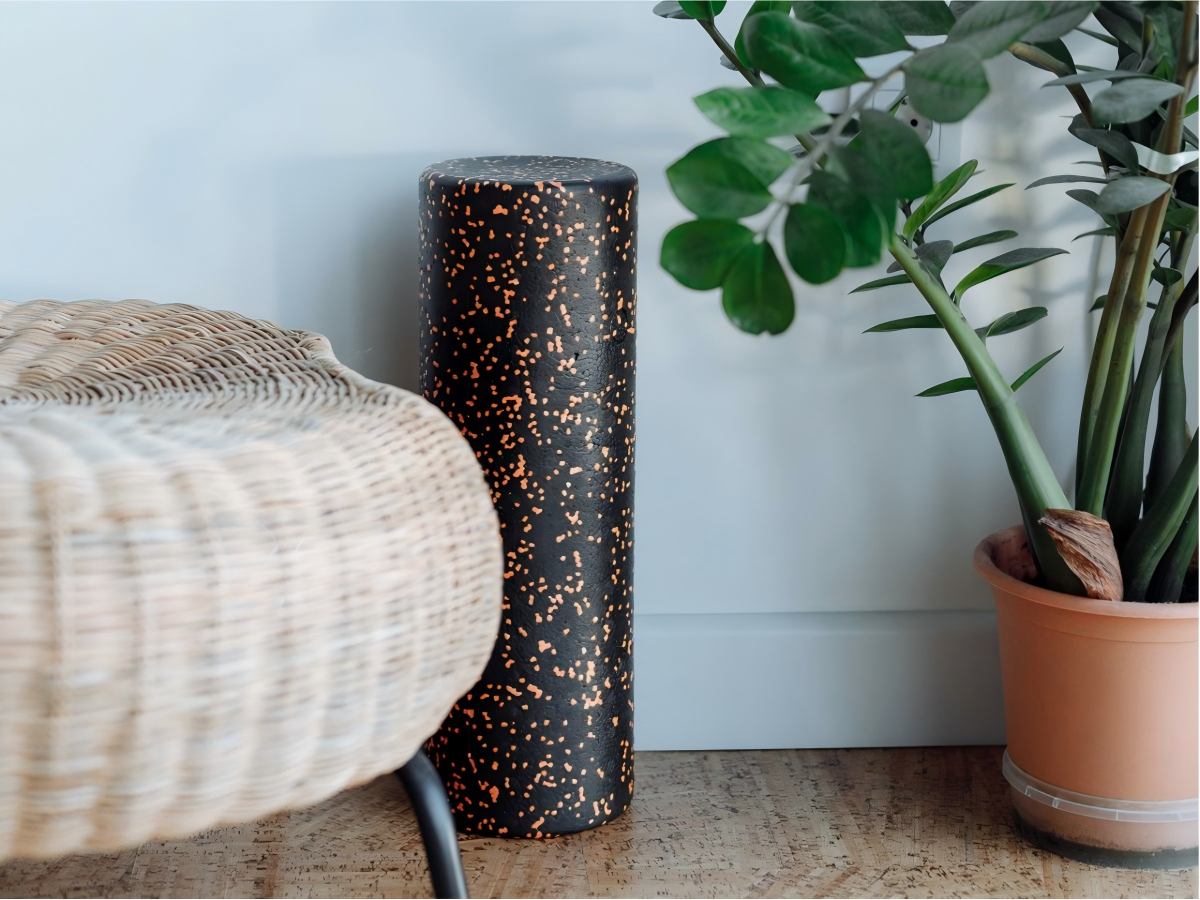
These cylindrical foam tools help with muscle recovery and physical therapy.
They reduce soreness for runners and gym-goers after workouts. The rollers are made from firm EVA foam that is lightweight but durable.
For dropshippers, this is a timeless product with steady demand. They are also easy to store and travel with, which appeals to home-gym users.
Offer different lengths and surface textures, such as smooth or textured with knobs, to match different user needs.
18. Bluetooth Smart Jump Ropes

These ropes connect to phone apps via Bluetooth to track jumps, calories, and workout time.
They attract tech-savvy fitness fans who like data-driven exercise. The product usually comes with weighted handles that can be removed for beginners.
For dropshippers, this is a small item with low shipping costs. Most models allow users to adjust the rope length without cutting.
Make sure the battery lasts at least a month of daily use, or buyers will complain about frequent charging.
10 Worst Things to Dropship
Now that we’ve enumerated some of the best items to dropship, it’s time to dive into which products you should definitely avoid adding to your store.
These products aren’t really all that bad, but avoiding them saves you a couple of headaches. Two common reasons why such items aren’t great choices are because they’re too big to ship and too expensive to source.
In this section, we’ll discuss why these products shouldn’t be in your options.
Here’s a list of them:
1. Furniture

It’s quite obvious why selling pieces of furniture shouldn’t be your top choice.
First of all, they’re too big to ship. They won’t fit in small parcels and will definitely take weeks to get to your customer’s doorstep. Another reason is that they’re too expensive to deliver.
Sure, some customers won’t mind spending, but there’s too big a risk if anything goes wrong while it’s in transit.
Another reason is that with these kinds of items, people tend to need them immediately. With that, they’ll just simply go to the nearest home center to purchase such an item.
The market size might be huge, but you’ll most likely lose to nearby stores that have products on hand.
At best, you can consider selling accessories or complementary products like throw pillows or covers for sofas or beds.
2. Fragile Instruments & Glassware

Have you ever considered buying a saxophone or violin online? It sounds a bit risky, right? Instruments are considered fragile items that can easily get damaged in transit.
You will need a delivery service that guarantees safe handling. That means higher fees, which might scare off buyers.
On top of that, these items are expensive to source. High-quality products come at a hefty price, making it harder to turn a profit.
Buyers will think twice before ordering online. The same risk applies to glassware, crystal, and mirrors. They are sensitive to impact, and any mistake can lead to disaster.
So the combination of fragility and high cost makes these poor choices for dropshipping. Customers are not willing to risk receiving broken items. You will also need an extensive Returns and Refunds Policy.
All this work makes it one of the worst categories to add to your store. Unless you can guarantee safe delivery, look for another product.
3. Weapons & Restricted Items

There are lots of reasons why weapons are one of the worst items to dropship.
Right off the bat, each country has different laws and regulations, which will seriously limit which countries you can dropship to. For lenient countries, you still have to thoroughly check what kinds of items are allowed.
A second reason worth noting is that these items aren’t easily shipped. As a result, you won’t have plenty of options for shipping, limiting both you and your customer’s freedom to choose a courier.
Lastly, finding the right suppliers will take time. You have to be extra sure that you’re sourcing legally to avoid future problems.
All these reasons clearly show that the risks of shipping weapons aren’t worth the effort and investment.
It’s too dangerous—in all aspects—to put up in your store so you might as well move past this and look for better items to dropship.
4. Tight-Fitting Clothing

Tight-fitting clothing can easily be a hit or miss.
This type of product can easily get too niche, limiting your current market size. However, if that’s your target, then you can further do research and explore this option.
Another thing to consider is customer reviews.
Explicitly stating specifications won’t guarantee that your customers will avoid purchasing the wrong size. Even though it was a lapse on their end, you’ll most likely get the short end of the stick.
Reviews can easily damage any store’s reputation. And as much as you try not to get any negative ones on your website, one wrong order can easily push you down the rabbit hole.
So, if you can, avoid items like tight-fitting jeans, dresses, or shirts.
5. Copyrighted & Trademark Products

When you’re a dropshipper, you have to be keen on things like copyright. So if you decide to sell items that look extremely similar to the ones that brands sell, think twice before adding them to your store.
You could run into several problems like legal issues, marketing challenges, and unsatisfied customers.
Obviously, brands will most likely ensure they will be the only ones selling that exact style. So, expect copyrights, trademarks, or other legal measures set in place.
On top of that, you won’t be able to market as much given these legalities. So Facebook ads, Instagram shoutouts, and TikTok content are now down the drain.
Lastly, you’ll never know when a customer’s disappointed review will pop up on your website. Despite knowing that it’s simply a replica of a certain product, they might still post a review on expectations vs. reality.
6. Unvetted Health & Wellness Products

Health and beauty items that make medical claims are under increasing scrutiny in 2026.
Regulators in the US, UK, and EU are tightening rules on unlicensed supplements and unverified wellness devices.
If your supplier cannot provide lab reports or FDA and EU compliance documents, you are risking serious trouble.
Without proper paperwork, you could face account bans, chargebacks, and even legal liability. Customers trust these products with their health.
If something goes wrong, the blame lands on you. So stick to general wellness and cosmetic tools unless you have verified, compliant suppliers.
7. Generic Electronics Without Warranty
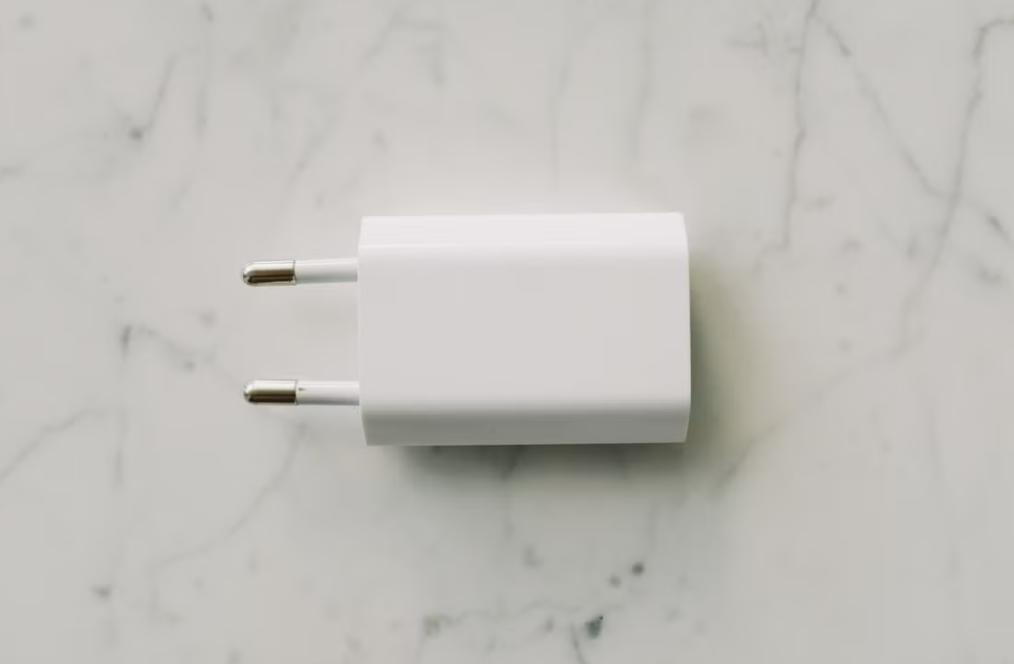
No-brand power banks and uncertified chargers may look like easy profit, but they carry hidden costs.
These items have high defect rates. When they fail, customers demand refunds. Without a supplier warranty or CE and FCC certification, you eat the loss.
Worse, faulty electronics can overheat or damage customer property. That exposes you to serious liability.
If you sell electronics, choose suppliers who offer at least a 12-month warranty and proper safety certifications.
It costs more upfront, but it protects your store in the long run.
8. “Eco-Friendly” Products Without Certifications
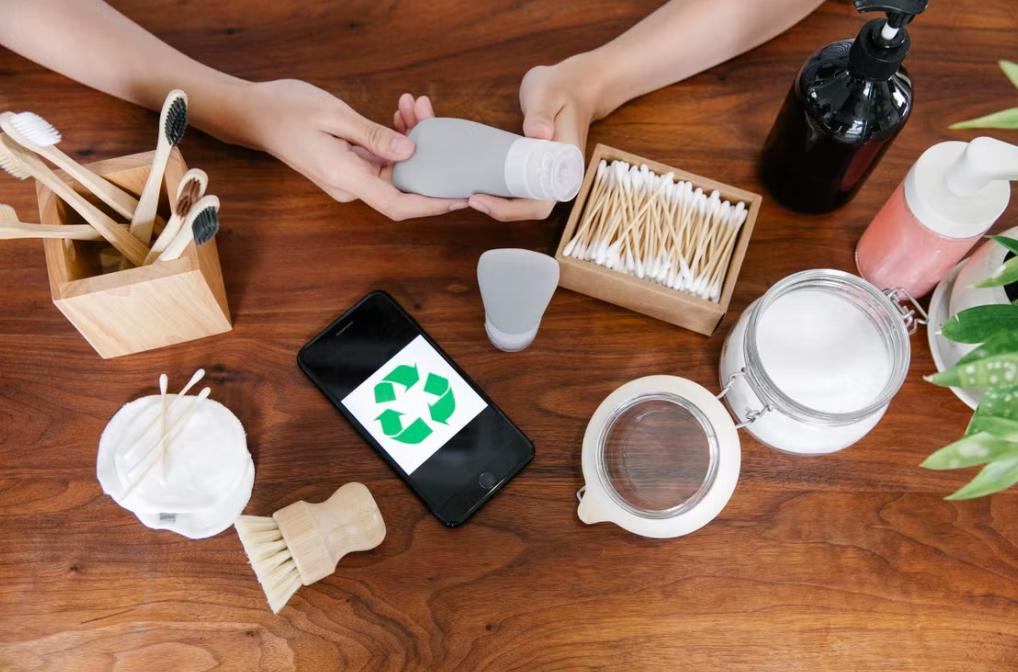
Sustainability sells, but only when it is real.
Products labeled “biodegradable,” “organic,” or “eco-friendly” without third-party certifications are being flagged by platforms and consumers alike. In 2026, greenwashing triggers higher bounce rates and negative reviews.
Many suppliers slap eco-friendly labels on products that are not. When customers realize the claim is fake, they complain, leave bad reviews, and request refunds.
Platforms like Google and Meta are also cracking down on misleading environmental claims, and regulators in the EU and several US states now fine brands for greenwashing.
If you market an item as environmentally friendly, ask your supplier for proof. Certificates like FSC, GOTS, or B Corp should match the product.
If they cannot provide documentation, do not use green language in your listings. Otherwise, you risk reputational damage, ad rejections, and chargebacks.
9. Everyday Basic Needs

There are plenty of stores nearby where customers can purchase essentials like toiletries and food. But, unfortunately, this is one of the main reasons why selling basic or essential items isn’t the best idea in the world.
As its name suggests, these items are often bought out of urgency. Buying them online and waiting for them to arrive will take some time—something customers won’t be patient for.
You also won’t get to price it as much as you would like since it’s often sold at an average retail price. You won’t be able to compete with the prices of huge companies like Walmart for much longer.
Unless your product offers something completely unique and can’t be found on the shelves of the nearest grocery store, then better start looking for another item to sell.
10. Ultra-Cheap Jewelry
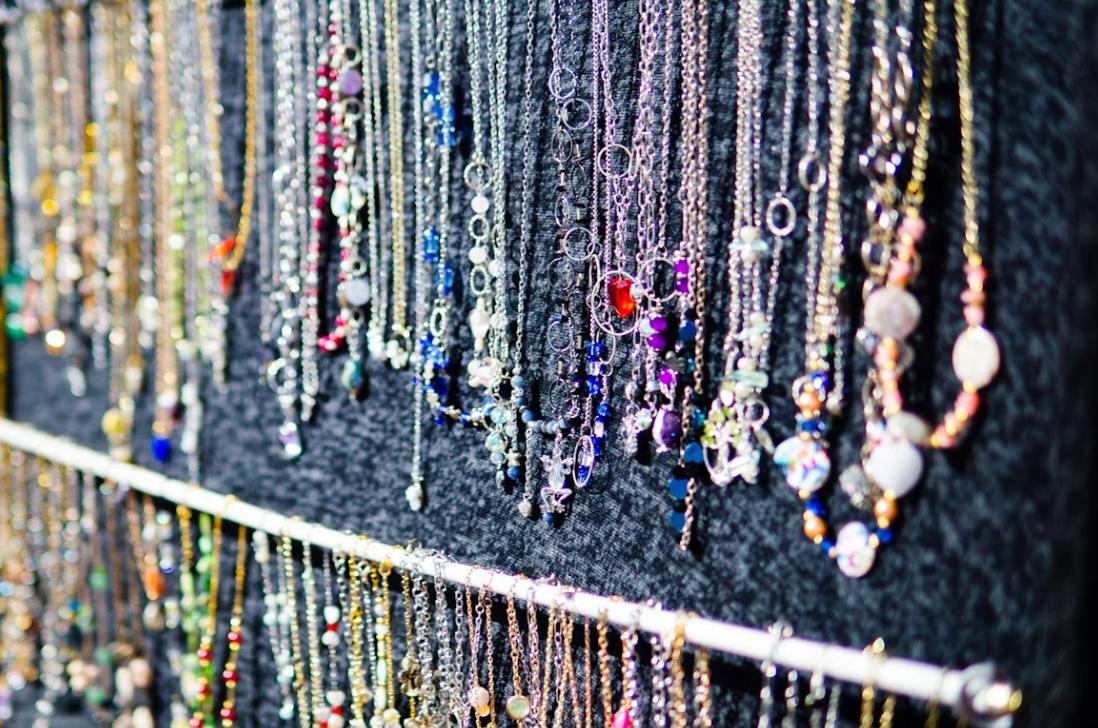
Cheap jewelry is indeed easy to source. There are plenty of suppliers, and the wide range of products makes it even more enticing to add to your store.
However, these are also two of the reasons why you shouldn’t add them.
There are already lots of dropshippers who have them in their stores. The competition is tough, and entering the market won’t really guarantee a profit in the years to come.
The variety of products should also be quite the red flag since fashion trends come and go. Of course, you can hop on a trend early, but there’s no telling when the hype will die down.
The risk of being associated with these products will only hurt your reputation in the long run. The effort of rebranding your store just simply won’t cut it.
So, you might as well be better off with not adding them at all.
Frequently Asked Questions
Do I Need Money to Start A Dropshipping Store?
Just like starting any business, you need a bit of money to start a dropshipping store. However, while it’s possible not to spend a single cent on anything, it’s highly unrecommended in the long run.

The costs typically incurred include the ecommerce platform subscription, domain name subscription, and marketing expenses.
Taking Shopify as the sample ecommerce platform, we’ll enumerate the costs of availing both free trials and paid subscriptions.
Ecommerce Platform
If you plan on taking the free trial route, you can do so with Shopify’s 14-day trial. There’s no need for a credit card, so you can easily get started.
The trial begins as soon as you create an account—not when you start working on your store. During this period, you won’t be able to sell any products or services.
However, Shopify will pause your store if you still haven’t subscribed to a plan yet once your free trial has ended.
If you decide to subscribe to a plan, you will only get charged after your free trial period. Everything you’ve created will be kept once you choose to subscribe to Shopify’s plans.
Shopify has three plans currently being offered: $29/month, $79/month, and $299/month.
These plans vary based on the number of staff accounts, assigned inventory locations, reports available, third-party calculated shipping rates, and transaction fees.
Domain Name Subscription
Once you’ve set up your Shopify account, you can either proceed with your free Shopify domain name or buy a new one through the website.
Free Shopify domain names usually end with the ‘myshopify.com’ domain. But it’s highly recommended that you customize your domain name and make it as remarkable as possible.
Buying a Shopify domain will cost around $14 annually. You will be asked during your free trial if you want to buy one during that period.
Launching and Marketing Expenses
After setting up your website and buying a domain name, another cost you have to think about is marketing your store to reach your desired customers.
Without marketing, it’s close to impossible to drive traffic into your website easily.
In 2017, the average cost per thousand impressions on Facebook Ads was $12.45. So, if you want to reach about 10,000 customers, you have the following calculations:
(10,000 / 1,000) * 12.45 = $124.5
This number may vary depending on your target, but this should give you a ballpark of how much you need to launch and market your store.
You need to make the most of your hard-earned money. We know that. So we did the hard work and collected these free dropshipping resources for you:
- Free dropshipping courses
- Free dropshipping tools
- Free dropshipping suppliers
- Free dropshipping sites
- Free traffic sources for your dropshipping store
How Much Do Beginner Dropshippers Make?
The direct answer to this question is that it varies. A dropshipper’s profit—regardless if they’re new or not—is dependent on their efforts and, sometimes, luck.
A dropshipping business will most likely be profitable if the effort has been poured into product research, store design and functionality, marketing, and customer service.
However, there are factors outside your control. Supply chain delays, platform policy changes, or sudden shifts in consumer demand can all affect early results.
That is why it is important to have a buffer budget and a backup plan.
To give a realistic ballpark, some dedicated beginners can earn around $1,000 to $3,000 in their first month or two. But this is not typical.
Many new dropshippers break even or operate at a small loss while they test products and ads. Take this as an estimate, not a guarantee.
To make things easier for you, we made a detailed guide explaining everything about dropshipping profit margin and this profit-making guide.
How to Find Best Products to Dropship?
Apart from the list of best products to dropship enumerated above, you can find more items by doing product research.
Product research is the process of looking for products to sell on your dropshipping store and checking if they’re profitable or not.
This process can be time-consuming, but it’s a crucial task in ensuring you’re selling high-quality products and partnering with the right suppliers.
When doing product research, you need to check the market size, see what’s currently trending, identify and benchmark from competitors, and find reliable suppliers.
You can also use social media to spot trends early. TikTok, Instagram, and Reddit often reveal rising demand before it shows up in traditional tools.
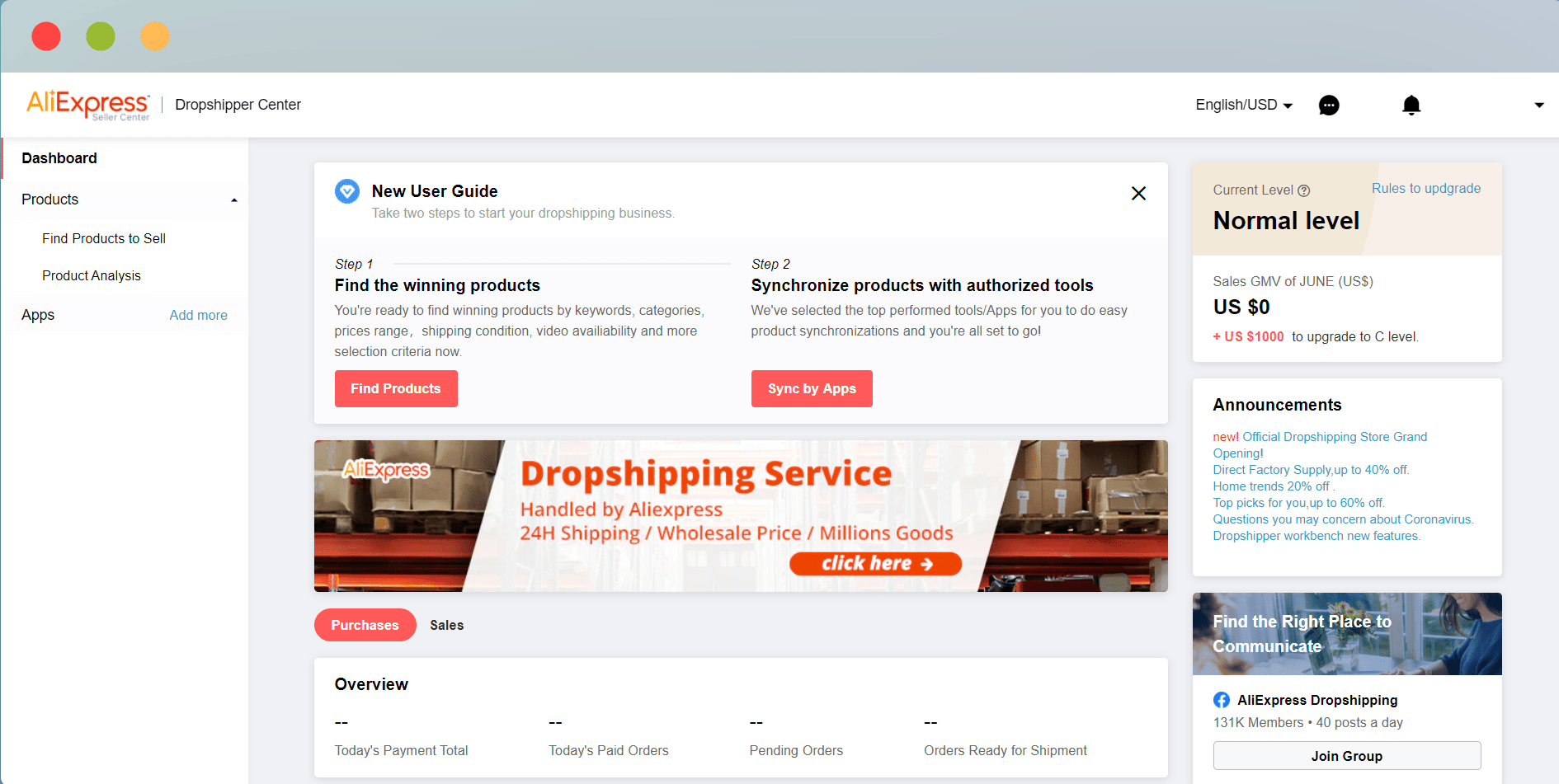
Don’t worry, there are plenty of dropshipping product research tools like AliExpress Dropshipping Center that you can use to make this process much easier. Just dedicate time to choose the best one for you and your store.
What is the best thing to dropship?
There is no single “best” product, but the strongest categories in 2026 are pet supplies, kitchen tools, beauty devices, car accessories, and smart home gadgets.
The best item for your store depends on your target audience, supplier reliability, and marketing budget.
What are popular niches right now?
In 2026, popular niches include pet wellness, eco-friendly kitchenware, at-home beauty tools, car organization, and ergonomic home-office accessories. Health and fitness gear also continues to perform well year-round.
Is $100 enough to start dropshipping?
Technically, yes, but it is extremely tight. You can launch a basic store on a free trial and run low-budget ads, but $100 leaves almost no room for testing products, paying for samples, or covering unexpected refunds.
Most beginners find $500 to $1,000 a more realistic starting budget.
Is $500 enough to start dropshipping?
$500 is a workable starting point for a lean launch. It covers a few months of platform fees, a domain, and small-scale ad testing.
However, you will need to reinvest early profits quickly to scale. Do not expect to turn $500 into $5,000 in the first month without significant luck and skill.
Is $1000 enough to start dropshipping?
Yes. With $1,000, you can afford a branded domain, a premium theme, initial ad tests across two or three products, and a small buffer for refunds or chargebacks.
This budget gives you enough room to gather data and optimize before scaling.
Can I dropship with $0?
It is possible to list products on marketplaces without upfront inventory costs, but running a sustainable dropshipping business with $0 is unrealistic.
You still need to pay for a domain, platform fees, and marketing sooner or later. Free traffic methods exist, but they take months to build.
How many dropshippers fail?
Estimates vary, but industry consensus suggests that roughly 80% to 90% of dropshipping stores do not survive beyond the first year.
Common causes are poor product research, unreliable suppliers, undercapitalized ad budgets, and weak customer service.
Success requires consistent effort, data-driven decisions, and enough capital to survive the learning phase.
Can you make $10,000 per month dropshipping?
Yes, but it is not typical for beginners.
Reaching $10,000 per month usually requires a winning product, a proven ad strategy, reliable suppliers, and months of optimization.
Some experienced dropshippers hit this mark; many others break even or lose money in the first six months. Treat it as a business, not a lottery ticket.
Is dropshipping legal?
Yes, dropshipping is a legal business model. However, you must comply with consumer protection laws, tax regulations, and advertising policies in your target markets.
You are also responsible for ensuring your products meet safety standards and that you do not sell counterfeit or restricted goods.
Is it better to dropship cheap or expensive things?
It depends on your strategy. Cheap items ($5–$15) are easier to impulse-sell but have lower margins and higher competition.
Expensive items ($50–$200) offer better margins and fewer competitors but require more trust-building, longer sales cycles, and better customer support.
Many successful stores aim for the mid-range ($20–$60) where perceived value is high but the price is still approachable.
Final Thoughts
Finding items to dropship might be a challenging task. But with the right resources, it’s not an impossible one. Putting in a bit of effort will also benefit you in the long run.
The list of items above should guide you into which items to add and avoid. In addition, knowing which niches are profitable and answers to frequently asked questions should also help you establish best practices for your store.
If you need help sourcing the products you want to dropship, you may contact us, and let’s find them for you for free.