Dropshipping is picking up serious momentum in the Philippines, thanks to a young, tech-savvy population, growing eCommerce activity, and platforms like Shopee and Lazada making online shopping more accessible than ever.
Whether you’re launching your first store or looking to streamline operations, the right supplier can save you time, money, and customer complaints.
But with so many platforms out there, from local niche vendors to global print-on-demand networks, it can be hard to know where to start.
So we’ve done the research for you.
In this post, we’ll talk about the top 17 dropshipping suppliers in (and for) the Philippines, along with what they’re best known for.
Key Takeaways
- Local vs international suppliers is your first big decision: Local suppliers (Shopee, Lazada, PH-based sellers) offer faster delivery and COD compatibility, while international suppliers (AliExpress, Alibaba) give better pricing and product variety but slower shipping.
- Cash on Delivery (COD) changes everything in the Philippines: High COD usage increases conversion rates but also leads to higher return rates and fake orders—supplier choice must account for this.
- Dropshipping agents become important as you scale: Platforms work for testing, but agents help solve quality control, faster shipping, and private labeling once you start getting consistent orders.
- Shipping reliability matters more than product cost in PH: Due to the country’s island geography, inconsistent delivery times can hurt your store more than slightly higher product pricing.
Private label dropshipping is where long-term profit is built: Competing on generic products is difficult, branding, packaging, and supplier control become key as competition increases.
| Supplier | Best For | Region/Scope |
| NicheDropshipping | Private label dropshipping and niche sourcing | Global |
| CJDropshipping | Wide product variety with warehouse support | Global (includes PH shipping) |
| Lazada | Local fulfillment and access to PH market | Philippines |
| Alibaba | Wholesale sourcing with negotiation options | Global |
| AliExpress | Entry-level dropshipping with wide categories | Global (ships to PH) |
| FashionTIY | Apparel and beauty with factory pricing | Global |
| Bags on Demand | Niche bag dropshipping with no MOQ | Philippines |
| MamaBearPH | Mother and baby product niche | Philippines |
| Lynns Fashion Store | Women’s RTW clothing from a local supplier | Philippines |
| Shopee | Local dropshipping with built-in COD options | Philippines |
| Spocket | Premium products from US/EU suppliers | Global (limited Asia coverage) |
| Banggood | Large inventory and global warehouse support | Global |
| eSources | Supplier directory for various niches | UK-based, includes PH suppliers |
| DHgate | Wholesale + local warehouse support | Global (some PH reach) |
| Dropify | PH-based COD dropshipping (Lazada/Shopee focus) | Philippines |
| Printful | Print-on-demand with custom branding | Global (longer PH shipping) |
| Printify | Wide print-on-demand catalog | Global (limited local reach) |
Why Start Dropshipping in the Philippines in 2026?
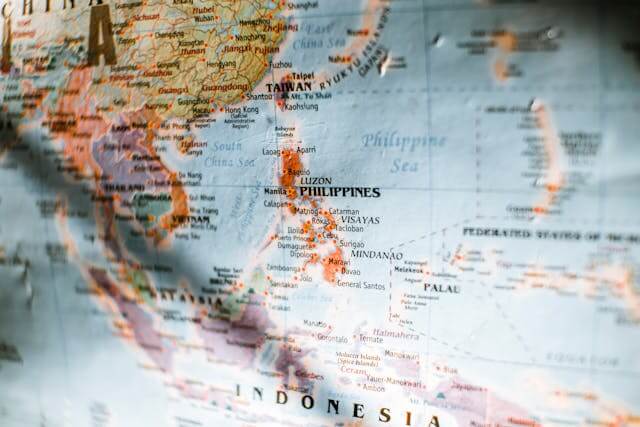
Dropshipping is getting more popular in the Philippines, and for good reason.
The country has a growing eCommerce market, lots of active online shoppers, and major platforms like Lazada, Shopee, and TikTok Shop that make it easier than ever to start selling.
Many people in the Philippines shop using their phones, and social media is a big part of how they discover and buy products.
Plus, since most Filipinos speak English and the country is well-connected to other parts of Asia, it’s a great place to run a dropshipping business, whether you live there or not.
Here are some pros and cons to keep in mind:
Pros of Dropshipping in the Philippines
- English Proficiency: Communicating with suppliers and customers is a lot easier thanks to widespread English fluency.
- Affordable Labor: If you’re outsourcing customer support or admin tasks, the cost is significantly lower than in Western countries.
- Growing E-commerce Market: Platforms like Lazada, Shopee, and TikTok Shop are booming, giving you a ready-made audience.
- Access to Southeast Asian Suppliers: You’re geographically close to major supplier hubs like China, Vietnam, and Thailand. Ideal for fast and affordable shipping.
- No Need for Inventory or Warehousing: Like any dropshipping model, you can start without heavy upfront investment.
Cons to Keep in Mind
- Limited Local Suppliers: Compared to the US or China, the number of reliable Philippine-based dropshipping suppliers is smaller.
- Logistics Challenges: Island geography can make nationwide delivery trickier and slower in rural areas.
- Payment Gateways: International payment systems like Stripe aren’t fully available, so you’ll need alternatives like PayMongo or PayPal.
- Import Taxes: If you’re sourcing internationally, customs and duties can eat into your profit margin.
The Top 10 Products for Dropshipping in the Philippines
Not all products succeed in every market, and in the Philippines, what works best usually hits one of these sweet spots: affordability, practicality, trendiness, or giftability.
Here are 10 categories with proven demand. Plus examples and sourcing angles to help you stand out.
1. Mobile Lifestyle Accessories
Filipinos spend over 8 hours online daily, mostly on mobile. That’s your cue.
What to sell:
- Fast-charging cables and GaN chargers
- Magsafe accessories for iPhones
- Pop sockets, ring lights, mini tripods
Why it works: Constant usage leads to wear-and-tear, these are repeat buys. Target students and remote workers.
2. Affordable Everyday Fashion
Trendy, comfy, and value-for-money clothing dominates on platforms like Shopee and TikTok Shop.
What to sell:
- Oversized graphic tees, cotton co-ords, ribbed loungewear
- Baggy jeans and Y2K accessories
- Modest wear and plus-size items (underserved niches)
Pro tip: Source from local-style wholesalers in Guangzhou or Bangkok for quicker shipping.
3. Budget Skincare & K-Beauty Dupes

Filipinos love skincare and beauty products, but price matters.
What to sell:
- Niacinamide serums, exfoliating toners
- Cushion foundations, lip tints
- Trending tools: derma rollers, pimple patches
Why it works: Replenishable + TikTok hype = recurring sales. Be transparent with ingredients and supplier quality.
4. Home Space Savers
Small apartments = high demand for smart storage.
What to sell:
- Hanging organizers, foldable drawers, under-sink shelves
- Multipurpose furniture (e.g. shoe racks with bench seating)
- Kitchen stackable containers
Tip: Use lifestyle images in ads to show how space-saving it really is.
5. Pet Essentials with Personality
Pet owners don’t just want function, they want cute and Insta-worthy.
What to sell:
- Portable water bottles, paw-print beds
- Bandanas, birthday kits, grooming gloves
- Litter mats and odor control sprays
Why it works: Strong emotional appeal = high conversion rate. Think birthday gift bundles.
6. Fitness & Wellness Tools

Home workouts are still a thing, especially in urban areas with limited gym access.
What to sell:
- Resistance bands, yoga blocks
- Adjustable dumbbells, massage rollers
- Smart health monitors (low-cost wearables)
Sourcing tip: Choose lightweight items to reduce shipping costs.
7. Aesthetic Home Fragrances
You’re not just selling scent, you’re selling vibes.
What to sell:
- Soy candles in amber jars
- Electric diffusers, reed sets
- Linen sprays with minimalist branding
Why it works: Gifting potential + lifestyle marketing = solid AOVs.
8. Study & Productivity Tools
Gen Z and freelancers are always upgrading their desk setup.
What to sell:
- Acrylic organizers, LED clip lamps
- Wireless keyboards, pastel stationery sets
- Monitor risers, time-blocking planners
Pro tip: Create bundles for student giveaways or influencer collabs.
9. Bags & Organizers for On-the-Go Use
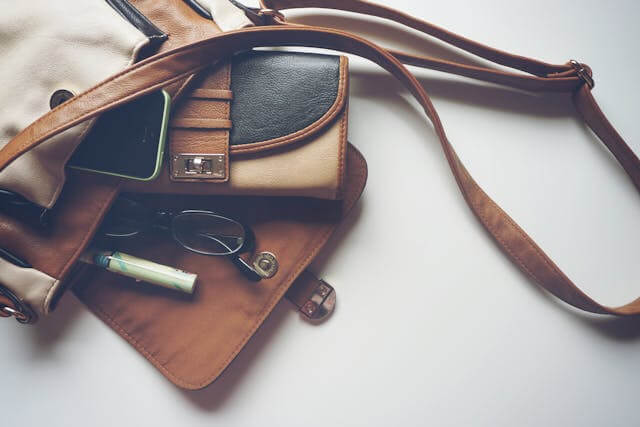
Commuters need function, but TikTok loves style.
What to sell:
- Anti-theft backpacks, foldable travel bags
- Laptop sleeves with cord organizers
- Aesthetic tote bags for daily errands
Why it works: Useful + fashionable = low returns, high engagement.
10. DIY Crafts & Giftables
Filipinos are sentimental, and custom kits sell well around holidays.
What to sell:
- Candle-making and crochet kits
- Scrapbook sets, personalized name stickers
- Build-your-own bouquet kits
Angle: Target birthdays, anniversaries, and Christmas shoppers with curated gift boxes.
17 Best Dropshipping Suppliers in the Philippines
1. NicheDropshipping
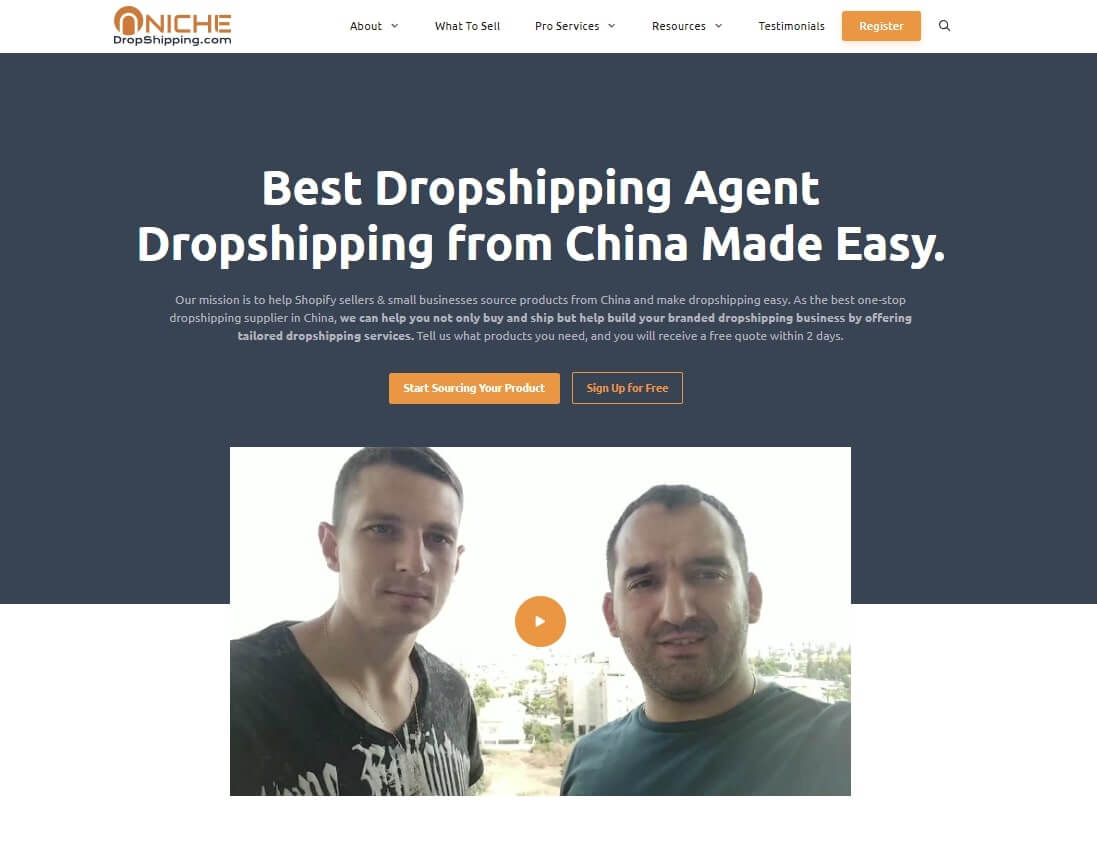
NicheDropshipping operates as a sourcing agent rather than a marketplace, which changes how you work with suppliers.
Instead of picking products from a fixed catalog, you can request sourcing for specific items and work with vetted factories.
This model is especially useful once you start scaling and need better quality control, faster shipping options, or branding support.
It’s less plug-and-play than apps, but gives significantly more control over your operations.
Best for: Sellers who want to move beyond basic marketplace dropshipping and build a more controlled, branded supply chain.
Product Categories: Covers a wide range including fashion, electronics, home goods, beauty, accessories, and niche products. The main advantage is the ability to source beyond standard listings rather than relying on a fixed catalog.
Minimum Order Quantity (MOQ): No MOQ for standard dropshipping orders. For private label or custom packaging, batching orders are usually required depending on the product and supplier.
Key Features:
- Product sourcing based on your requirements
- Quality inspection before shipping
- Custom packaging and branding support
- Warehousing and consolidated fulfillment
Pros:
- Strong control over product quality and supplier selection
- Enables private label dropshipping as you scale
- Reduces reliance on inconsistent marketplace vendors
Cons:
- Slightly higher cost compared to raw marketplace sourcing
- Requires more involvement than plug-and-play platforms
Pricing: No upfront fees. You pay for product cost, shipping, and any additional services like branding, inspection, or storage.
2. CJDropshipping
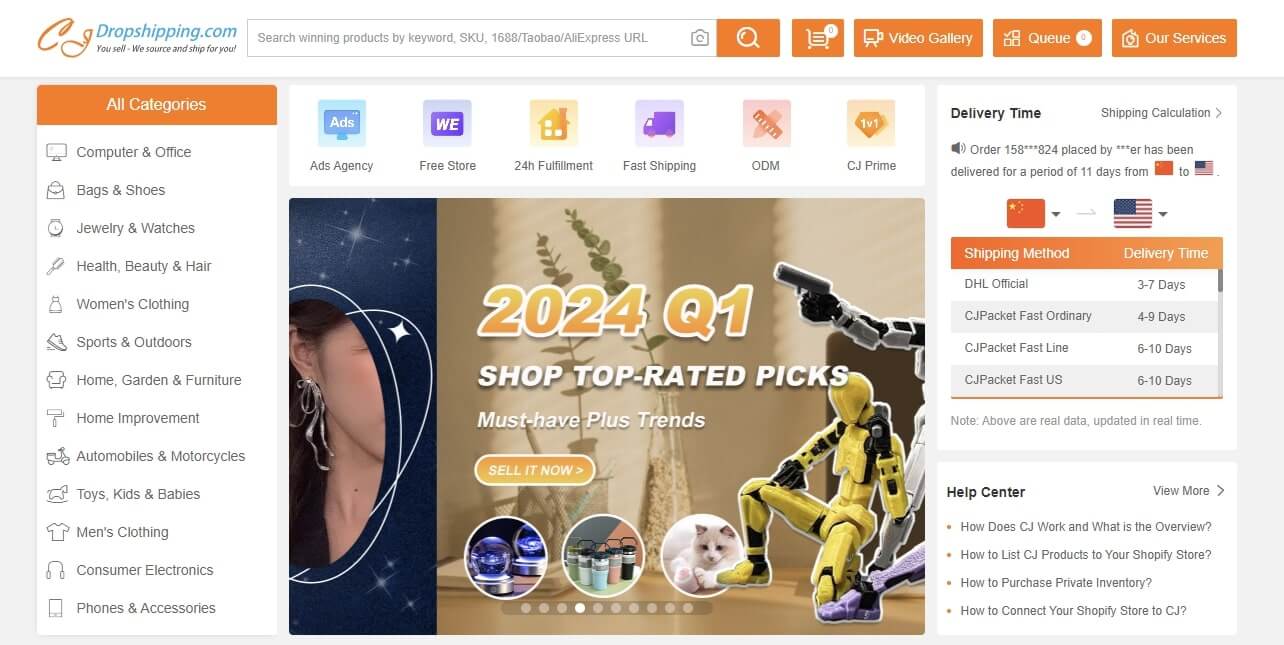
CJDropshipping is a hybrid platform that sits between AliExpress-style marketplaces and sourcing agents.
It offers a built-in product catalog, but also allows you to request sourcing for custom products.
This makes it easier to start quickly while still giving you room to improve fulfillment as you scale.
However, product quality and pricing can vary depending on the supplier behind each listing.
Best for: Beginners and intermediate sellers who want a balance between automation and sourcing flexibility.
Product Categories: Wide catalog across fashion, electronics, home goods, beauty, and trending ecommerce products.
Minimum Order Quantity (MOQ): No MOQ for most products. Custom sourcing and branding options may require minimum order volumes depending on the supplier.
Key Features:
- Product sourcing requests
- Global and regional warehouses
- Shopify/WooCommerce integration
- Custom packaging options
Pros:
- Easy to get started with a large catalog
- Integration with major ecommerce platforms
- Option to transition into branded fulfillment
Cons:
- Product quality varies across suppliers
- Shipping times depend heavily on warehouse location
- Pricing can be higher than direct sourcing
Pricing: No monthly fee. You pay per product and shipping, with pricing varying by supplier and fulfillment method.
3. Lazada
Lazada is one of the largest ecommerce marketplaces in Southeast Asia, with strong penetration in the Philippines.
It provides access to a large customer base and built-in logistics, making it attractive for local dropshipping setups.
However, it operates more like a marketplace than a sourcing platform, meaning you’re competing directly with other sellers on price.
It’s most effective when used for local fulfillment rather than building a unique brand.
Best for: Sellers targeting the local Philippine market with faster delivery and COD compatibility.
Product Categories: Electronics, fashion, home goods, beauty, appliances, and everyday consumer products.
Minimum Order Quantity (MOQ): No MOQ for reselling. You can list and sell products individually without bulk commitments.
Key Features:
- Integrated logistics and delivery network
- Multiple payment options including COD
- Seller dashboard for managing orders
Pros:
- Fast delivery within the Philippines
- Access to a large local customer base
- Supports COD and local payment methods
Cons:
- Highly competitive marketplace
- Limited control over product differentiation
- Platform fees and commissions apply
Pricing: No listing fees, but commissions vary by category. You’ll need to factor in platform fees when calculating margins.
4. Alibaba
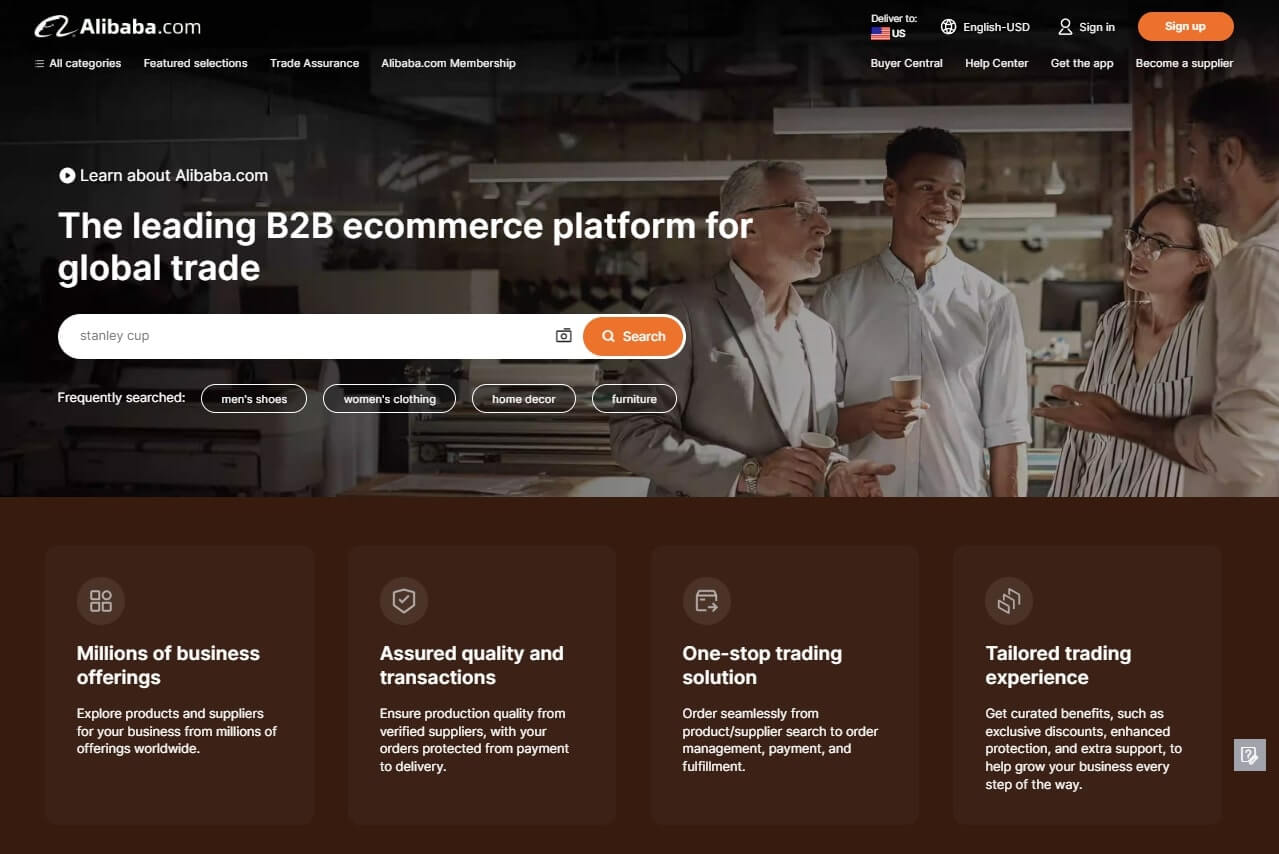
Alibaba is primarily a B2B platform, meaning it’s built for wholesale rather than traditional dropshipping.
However, it becomes relevant when you want to move away from retail-style suppliers and work directly with manufacturers.
This allows for better pricing and customization, but requires negotiation and a deeper understanding of sourcing. It’s not ideal for beginners, but valuable for scaling operations.
Additionally, Alibaba’s platform includes supplier ratings and reviews, which can help you choose reliable partners.
Best for: Sellers looking for factory-level pricing, bulk deals, or transitioning into private label.
Product Categories: Extremely broad, covers nearly every product category including fashion, electronics, home goods, industrial products, and more.
Minimum Order Quantity (MOQ): Typically requires MOQs, often starting from dozens to hundreds of units. Some suppliers may offer lower MOQs for trial orders if negotiated.
Key Features:
- Direct access to manufacturers
- Trade Assurance for order protection
- Customization and private label capabilities
Pros:
- Lower unit costs at scale
- Strong private label and customization options
- Wide supplier base
Cons:
- Not designed for traditional dropshipping workflows
- Requires negotiation and supplier vetting
- Longer lead and shipping times
Pricing: Prices vary significantly depending on quantity and negotiation. Lower costs are achievable at higher volumes. of the products as well as the shipping destination.
5. AliExpress
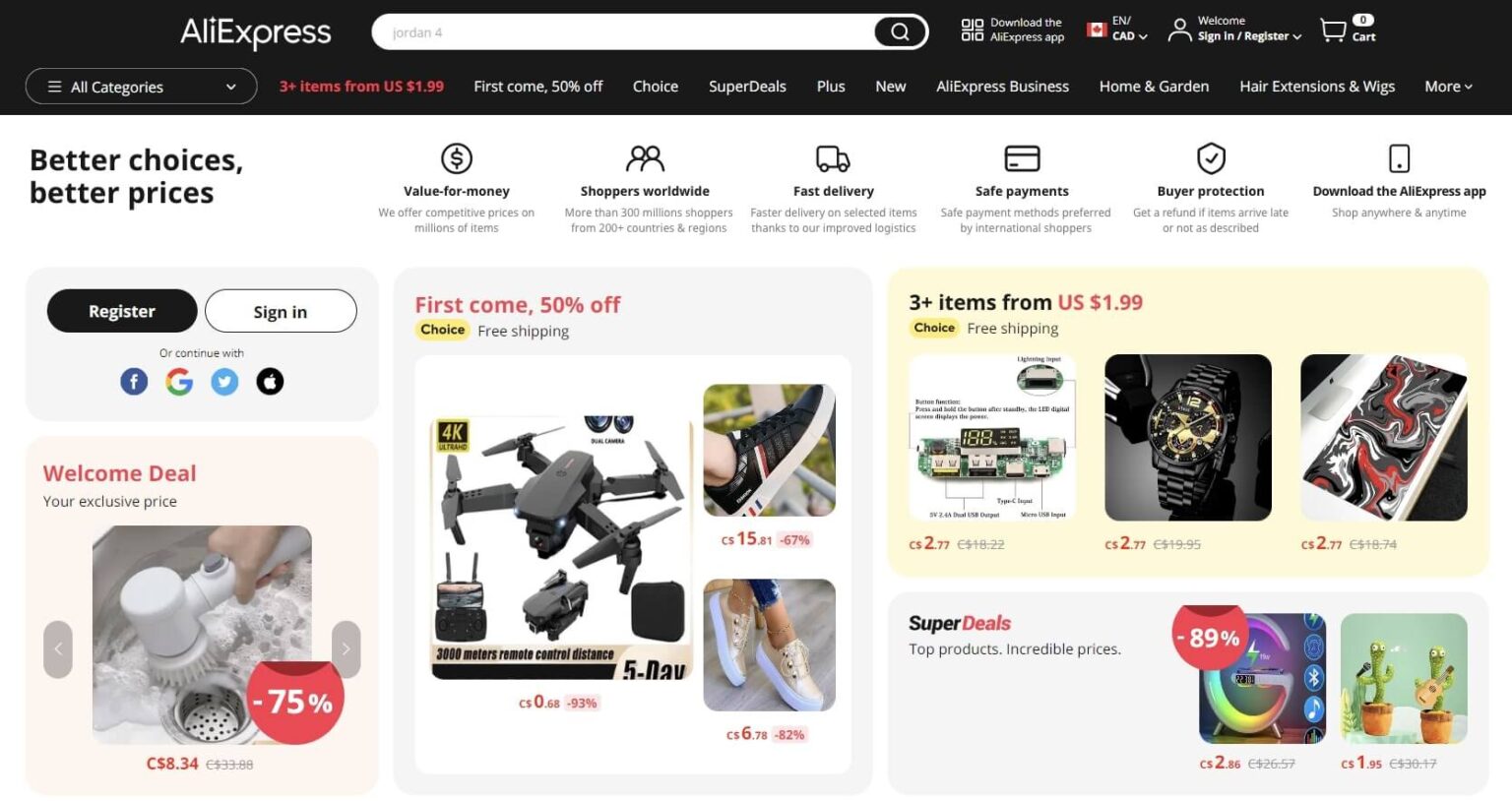
AliAliExpress remains one of the most accessible platforms for starting a dropshipping business.
It offers a massive range of products with no MOQ, making it easy to test different niches quickly.
However, it operates as a marketplace with varying supplier quality, which can lead to inconsistent product standards and shipping times. It works best for validation, not long-term scaling.
One standout feature of AliExpress is its AliDropship integration, which enables seamless synchronization with your sales platform.
Best for: Beginners testing products with low upfront investment.
Product Categories: Extensive catalog including fashion, electronics, home goods, beauty, accessories, and trending items.
Minimum Order Quantity (MOQ): No MOQ, products can be ordered individually, making it ideal for testing.
Key Features:
- Wide product selection
- Integration with dropshipping tools
- Buyer protection system
Pros:
- Easy entry for new sellers
- Large variety of products
- Low upfront investment
Cons:
- Long and inconsistent shipping times to the Philippines
- Quality varies across suppliers
- Limited branding options
Pricing: Generally low-cost products, but margins can be affected by shipping fees and supplier markups.
6. FashionTIY
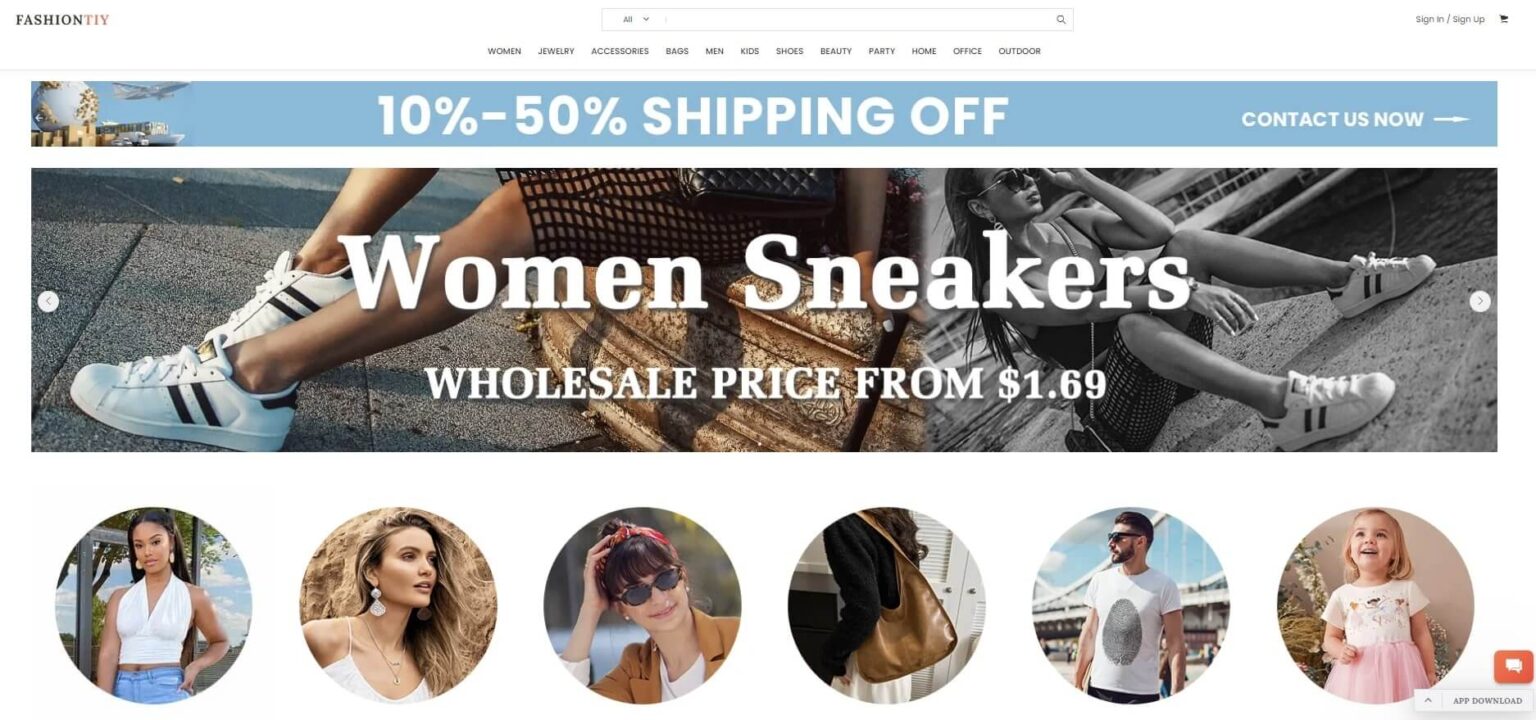
FashionTIY operates as a fashion-focused supplier offering direct-from-factory products at relatively low prices.
It’s structured more like a bulk-friendly marketplace but still supports dropshipping workflows without strict upfront commitments.
The main appeal is access to trending apparel and accessories at competitive rates, which works well for testing fashion niches.
However, it’s less suited for sellers looking to build strong brand differentiation.
Best for: Sellers focused on fast-moving fashion products with low upfront investment.
Product Categories: Clothing (men, women, kids), jewelry, bags, watches, beauty products, and some home decor items.
Minimum Order Quantity (MOQ): No MOQ for most products, making it accessible for testing. However, bulk pricing advantages typically apply when ordering in higher quantities.
Key Features:
- Direct factory sourcing
- Large inventory of trend-driven fashion items
- Global shipping support
Pros:
- Competitive pricing due to factory supply
- Strong variety of fashion-focused products
Cons:
- Limited branding and customization options
- Shipping consistency can vary depending on product source
Pricing: Product pricing is generally low, but margins depend on shipping costs and product quality consistency.e and quantity of products. Shipping costs vary and should be calculated per order.
7. Bags on Demand
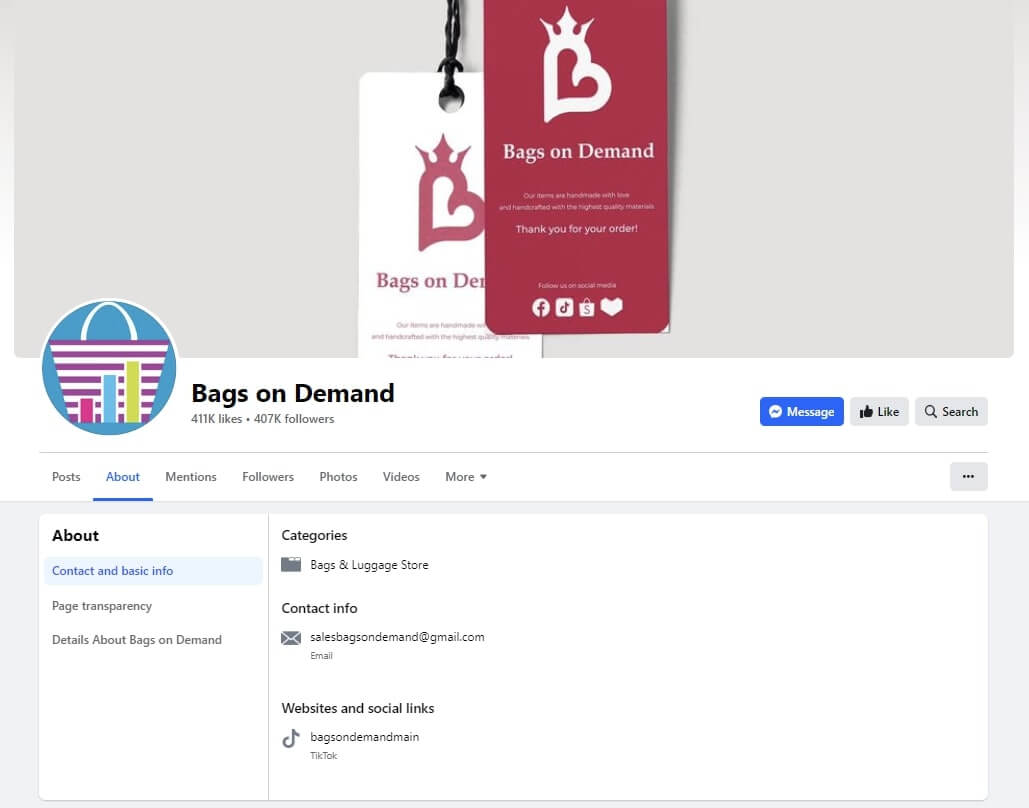
Bags on Demand is a niche supplier specializing exclusively in different types of bags.
This makes it a strong option if you want to build a focused store rather than a general product catalog.
The supplier emphasizes reliability and quick fulfillment, which is important for maintaining customer satisfaction in local markets.
However, its narrow focus means it won’t work if you plan to expand into multiple categories.
Best for: Stores focused on a single niche (bags, fashion backpacks, accessories).
Product Categories: Handbags, backpacks, travel bags, and other fashion or utility bags.
Minimum Order Quantity (MOQ): No MOQ, allowing you to test products without bulk commitment.
Key Features:
- Niche-focused inventory
- Simple ordering process
- Local fulfillment emphasis
Pros:
- Strong niche positioning
- Easy to start with no upfront inventory
- Faster fulfillment compared to overseas suppliers
Cons:
- Limited to one product category
- Product demand depends heavily on trends
Pricing: Pricing is competitive for the local market, but access to detailed pricing typically requires registration.y of your business needs.
8. MamaBearPH
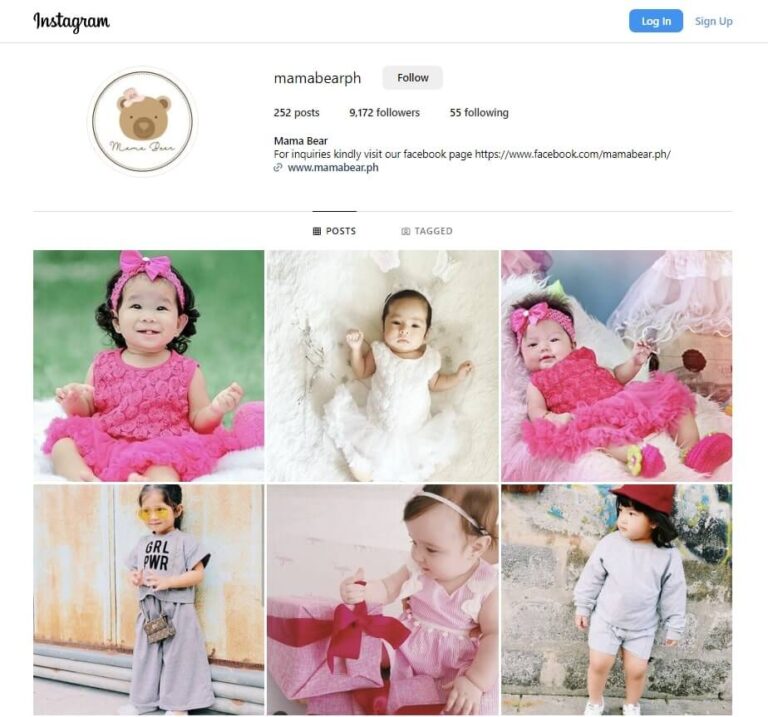
MamaBearPH is a specialized supplier focused on products for mothers, babies, and young children.
It’s designed for small to mid-sized sellers who want to target a specific, high-demand niche.
The platform offers a curated product selection rather than a massive catalog, which can simplify product decisions.
However, stock availability and niche limitations can impact scalability.
Best for: Sellers targeting the mother & baby niche in the Philippines.
Product Categories: Baby gear, maternity wear, toys, feeding products, and parenting essentials.
Minimum Order Quantity (MOQ): No MOQ, making it suitable for testing products in this niche.
Key Features:
- Niche-focused catalog
- Inventory tracking system
- Store integration support
Pros:
- Clear niche positioning
- Consistent demand in parenting products
- Beginner-friendly setup
Cons:
- Limited to one niche
- Stock availability can fluctuate
Pricing: Prices are competitive within the niche, but margins depend on product type and supplier availability.most recent information.
9. Lynns Fashion Store
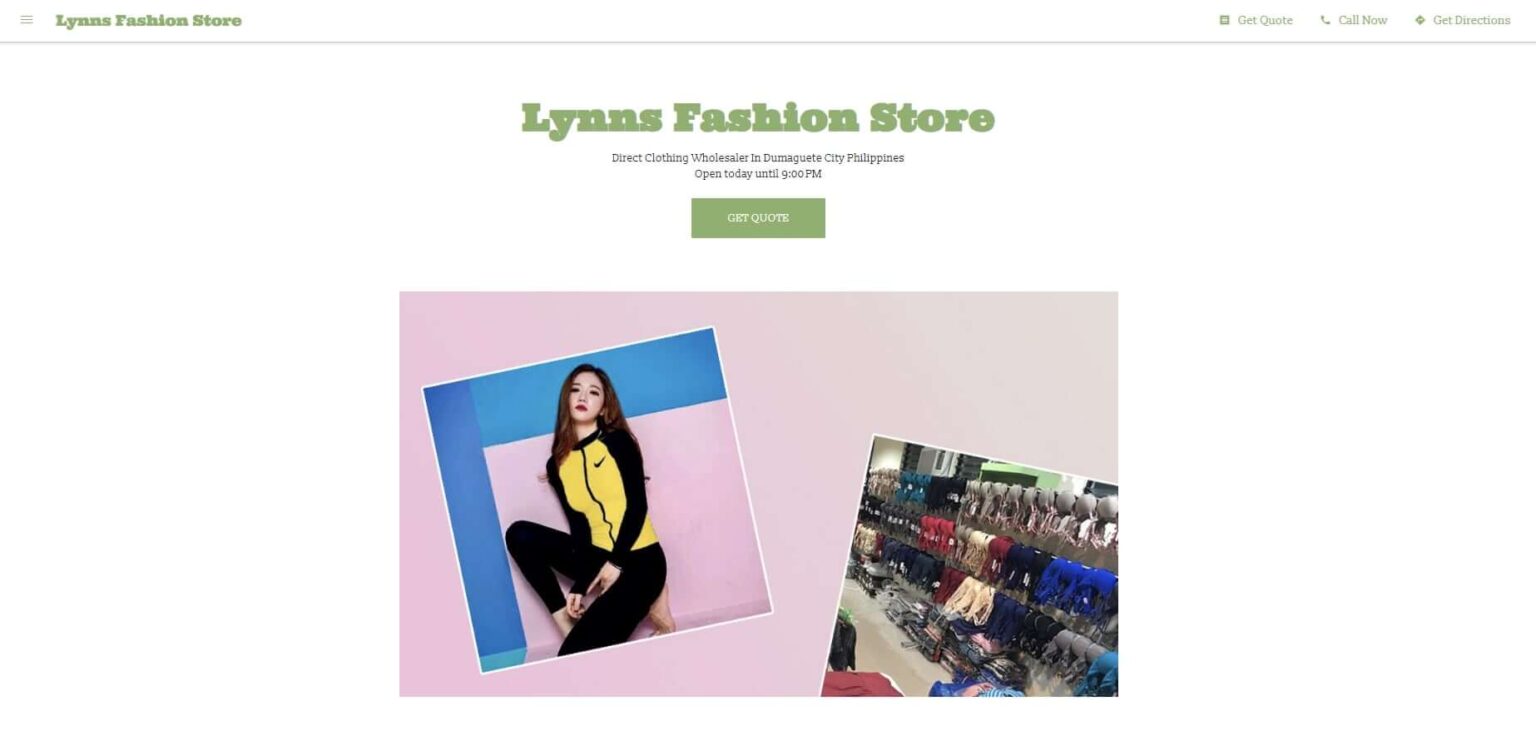
Lynns Fashion Store operates as a local RTW (ready-to-wear) supplier based in the Philippines.
It offers both retail and wholesale options, making it flexible for different business sizes.
The main advantage is access to locally relevant fashion styles with faster domestic fulfillment.
However, its focus on women’s clothing limits product diversification.
Best for: Sellers targeting local women’s fashion with flexible order sizes.
Product Categories: Women’s clothing (including plus size) and some fashion accessories.
Minimum Order Quantity (MOQ): No MOQ for retail orders. Wholesale orders may require minimum quantities depending on the product.
Key Features:
- Local supplier base
- Membership options for resellers
- Direct wholesale access
Pros:
- Faster local delivery
- Flexible purchasing options
- Strong alignment with local fashion trends
Cons:
- Limited product categories
- Less suitable for global scaling
Pricing: Competitive pricing, with better rates available through wholesale memberships.
10. Shopee
Shopee is one of the most dominant ecommerce platforms in the Philippines, making it a practical choice for local dropshipping.
It provides access to a large customer base along with built-in logistics and payment systems.
The biggest advantage is fast local delivery combined with COD support, which aligns well with buyer behavior in the Philippines.
However, competition is intense, and product differentiation can be difficult.
Best for: Sellers targeting mass-market products with local delivery and COD support.
Product Categories: Fashion, electronics, beauty, home goods, and general consumer products.
Minimum Order Quantity (MOQ): No MOQ, products can be sold individually.
Key Features:
- Integrated logistics network
- Cash on Delivery (COD) support
- Seller management dashboard
Pros:
- Fast delivery within the Philippines
- High trust among local buyers
- Strong platform ecosystem
Cons:
- Highly competitive marketplace
- Platform fees reduce margins
- Limited control over branding
Pricing: Commission-based model with additional fees for ads and promotions.
11. Spocket
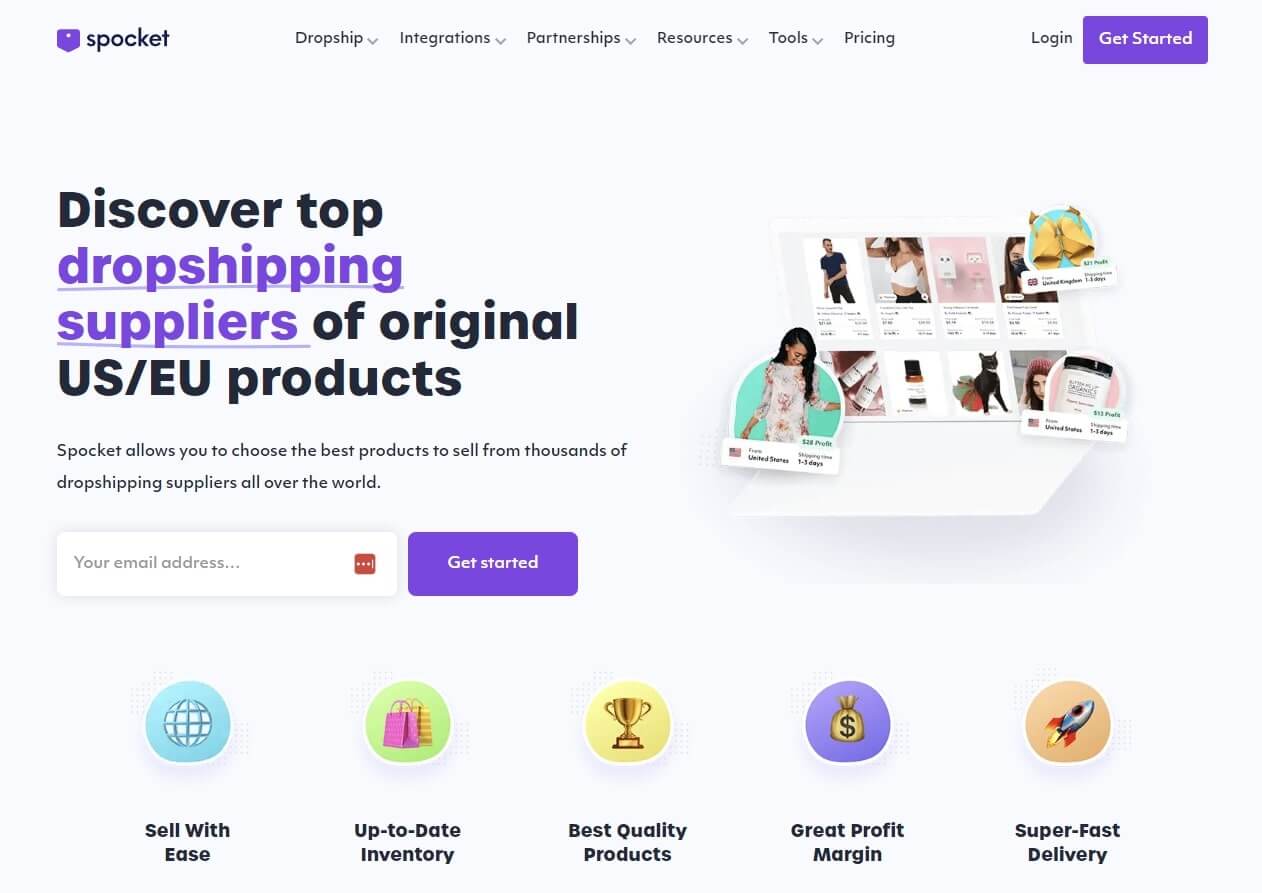
Spocket is a curated supplier platform that focuses on connecting sellers with US and EU-based suppliers rather than China-based vendors.
This makes it useful if you want to differentiate your store with perceived higher-quality products and faster shipping in Western markets.
However, for the Philippines specifically, the advantage is less about speed and more about product positioning.
It’s better suited for sellers targeting international customers rather than purely local PH buyers.
Best for: Sellers targeting higher-quality products from US/EU suppliers with faster shipping to premium markets.
Product Categories: Clothing, accessories, electronics, home decor, and lifestyle products sourced mainly from US/EU suppliers.
Minimum Order Quantity (MOQ): No MOQ, you can order products individually. However, higher pricing means product testing can be more capital-intensive.
Key Features:
- Curated supplier network (US/EU focused)
- Shopify and WooCommerce integration
- Automated order processing
- Branded invoicing
Pros:
- Premium product quality
- Better supplier reliability compared to open marketplaces
- Branding features like custom invoicing
Cons:
- Higher product costs reduce margins
- Limited relevance for PH-local fast shipping
- Requires subscription for full access
Pricing: Free plan available with limited features. Paid plans unlock better product access, automation, and branding tools.ckout, and more.
12. Banggood
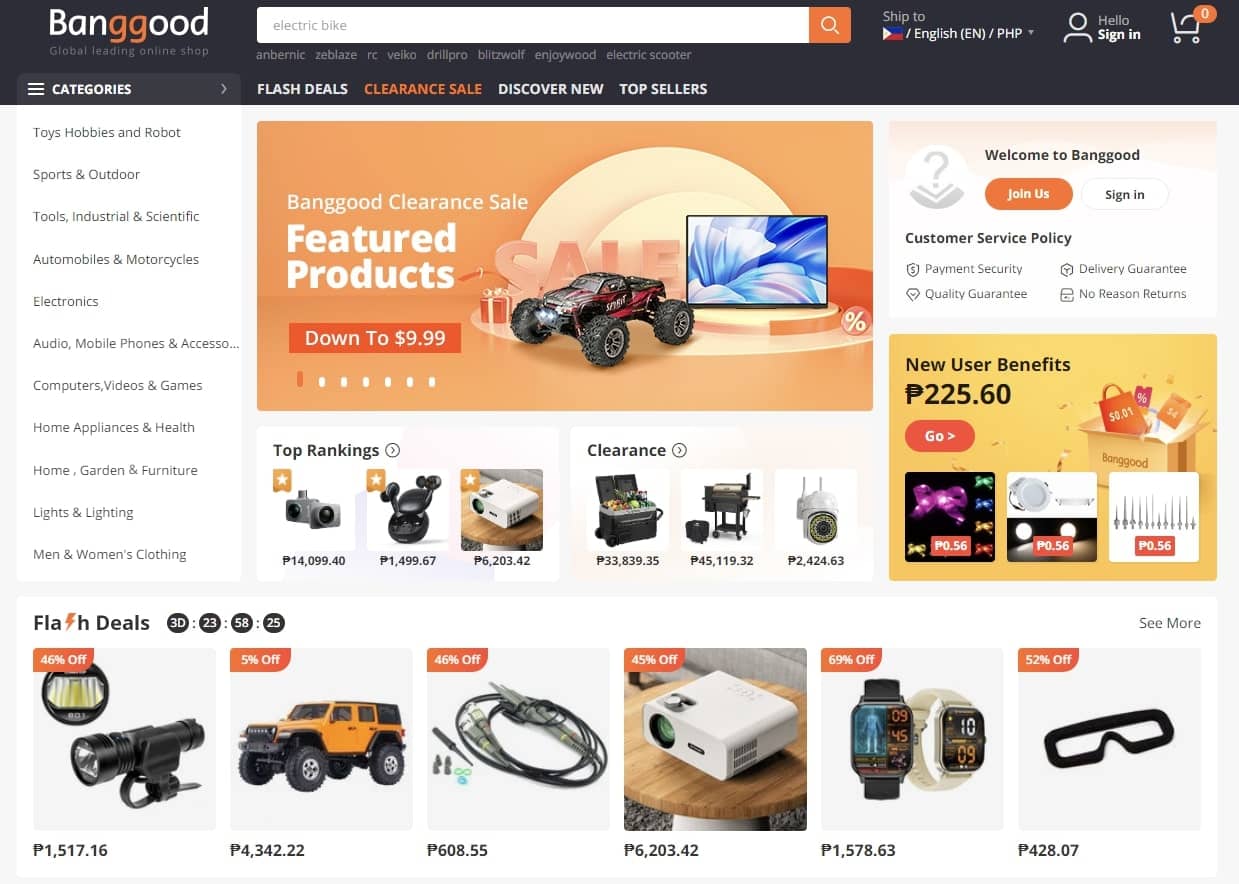
Banggood operates similarly to AliExpress but with more centralized control over its supplier base.
It offers a wide product range and has built its own logistics and warehouse network, which can improve shipping consistency in some cases.
For Philippines dropshipping, it can provide more stable fulfillment than random AliExpress sellers, but delivery times still vary depending on warehouse location.
It’s a solid option for product testing but not a long-term scaling solution.
Best for: Beginners looking for a structured alternative to AliExpress with slightly more stable fulfillment.
Product Categories: Electronics, fashion, home goods, gadgets, and trending consumer products.
Minimum Order Quantity (MOQ): No MOQ — suitable for testing products individually.
Key Features:
- Global warehouse network
- Dropshipping discount program
- Product data feeds for easy listing
- Dedicated support
Pros:
- More structured than open marketplaces
- Wide product range
- Discounts improve with volume
Cons:
- Shipping times still inconsistent to PH
- Limited branding/customization
- Product uniqueness can be low
Pricing: Competitive pricing with volume-based discounts. Margins depend on shipping cost and product selection.
13. eSources
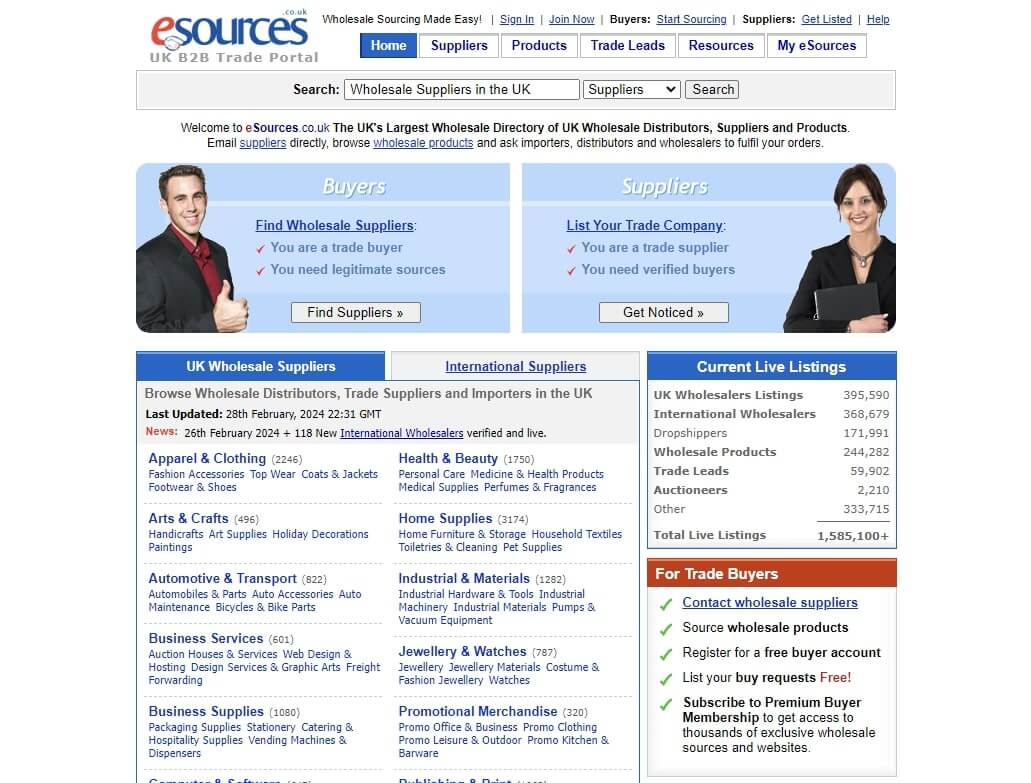
eSources is not a direct supplier but a directory that connects you with wholesalers and dropshipping suppliers.
This makes it different from platforms like AliExpress or CJ, as you’ll need to vet suppliers yourself.
It can be useful if you’re looking for niche or less saturated products, but it requires more manual work.
For beginners, it may feel less straightforward compared to plug-and-play platforms.
Best for: Sellers who want access to a directory of suppliers rather than a single sourcing platform.
Product Categories: Wide range including fashion, electronics, home goods, and niche categories depending on listed suppliers.
Minimum Order Quantity (MOQ): Varies by supplier. Some offer no MOQ, while others operate on wholesale terms.
Key Features:
- Supplier directory access
- Niche product discovery
- Supplier comparison tools
Pros:
- Access to less saturated suppliers
- Flexible product sourcing options
- Useful for niche exploration
Cons:
- Requires manual supplier vetting
- No built-in fulfillment system
- Limited PH-focused suppliers
Pricing: Subscription-based platform. You pay for access to supplier listings rather than per-order services.e you choose the best plan for your dropshipping venture.
14. DHgate
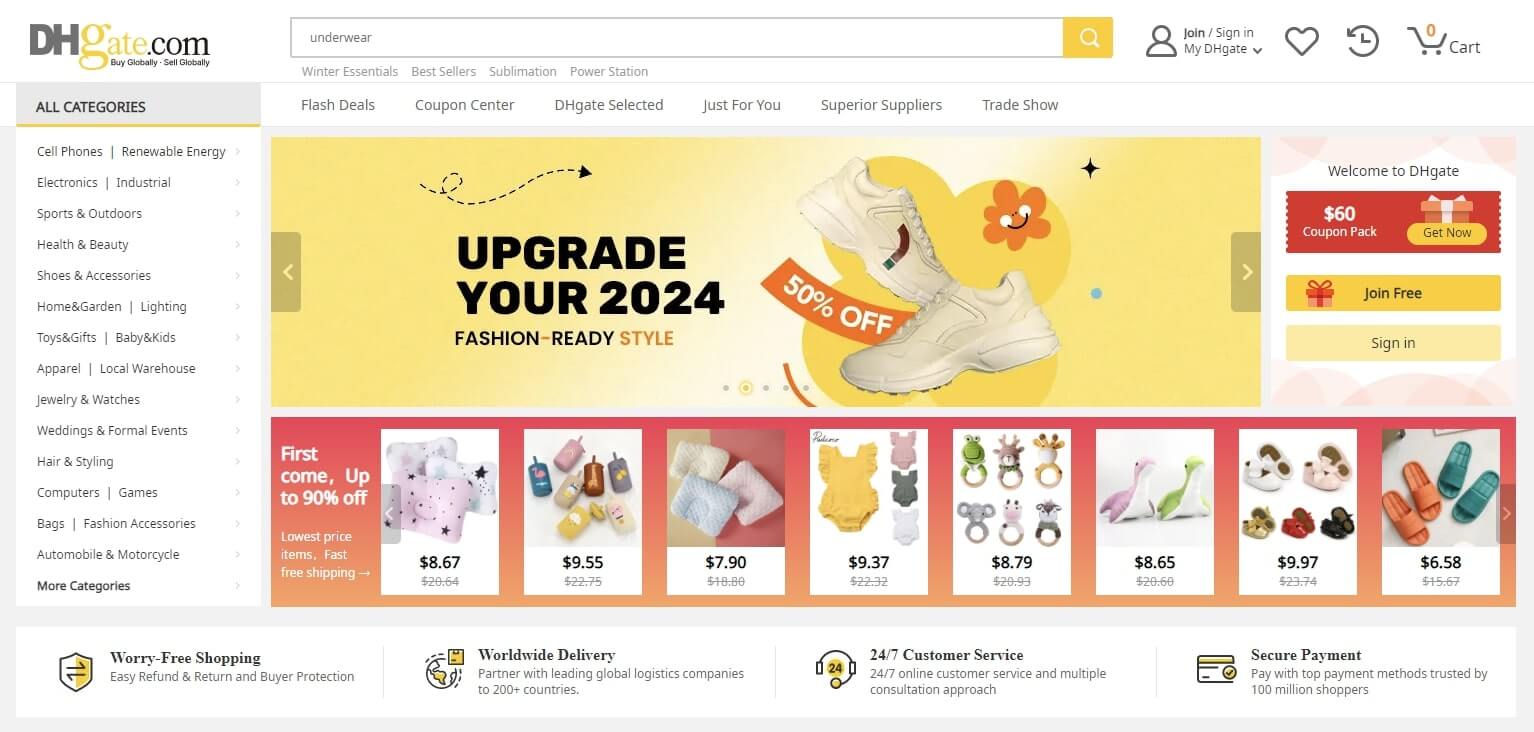
DDHgate is a wholesale marketplace that supports low-quantity orders, making it usable for dropshipping despite its B2B focus.
It offers a wide variety of products at competitive prices, often similar to Alibaba but with more flexibility.
For Philippines sellers, it can be a sourcing option for cheaper products, but supplier quality varies significantly.
It works best when you carefully vet suppliers and test products before scaling.
Best for: Sellers looking for low-cost products with flexible order quantities.
Product Categories: Electronics, fashion, home goods, sports equipment, jewelry, and accessories.
Minimum Order Quantity (MOQ): Many products have no MOQ or low minimums, but this varies by supplier.
Key Features:
- Large supplier base
- Buyer protection system
- Bulk pricing options
- Some regional warehouses
Pros:
- Competitive pricing
- Flexible order quantities
- Wide product variety
Cons:
- Supplier quality varies widely
- Shipping times inconsistent
- Limited branding options
Pricing: Low product costs with potential discounts on higher volumes. Shipping costs and supplier reliability impact margins.
15. Dropify
Dropify is designed specifically for the Philippine market, with a strong focus on COD-based dropshipping.
This makes it highly relevant for local sellers since COD remains a dominant payment method in the country.
It integrates with platforms like Shopee and Lazada, simplifying order management.
However, its focus on the local ecosystem limits its usefulness for international expansion.
Best for: Sellers focused on COD (Cash on Delivery) dropshipping within the Philippines.
Product Categories: Electronics, fashion, home goods, and general consumer products.
Minimum Order Quantity (MOQ): No MOQ, suitable for all business sizes.
Key Features:
- COD-focused fulfillment system
- Integration with local marketplaces
- User-friendly dashboard
Pros:
- Strong alignment with PH buying behavior (COD)
- Easy setup for local dropshipping
- No upfront setup costs
Cons:
- Limited to the Philippine market
- Service fees can add up
- Less control over branding
Pricing: Pay-as-you-go model. Costs depend on fulfillment services and product selection.
16. Printful
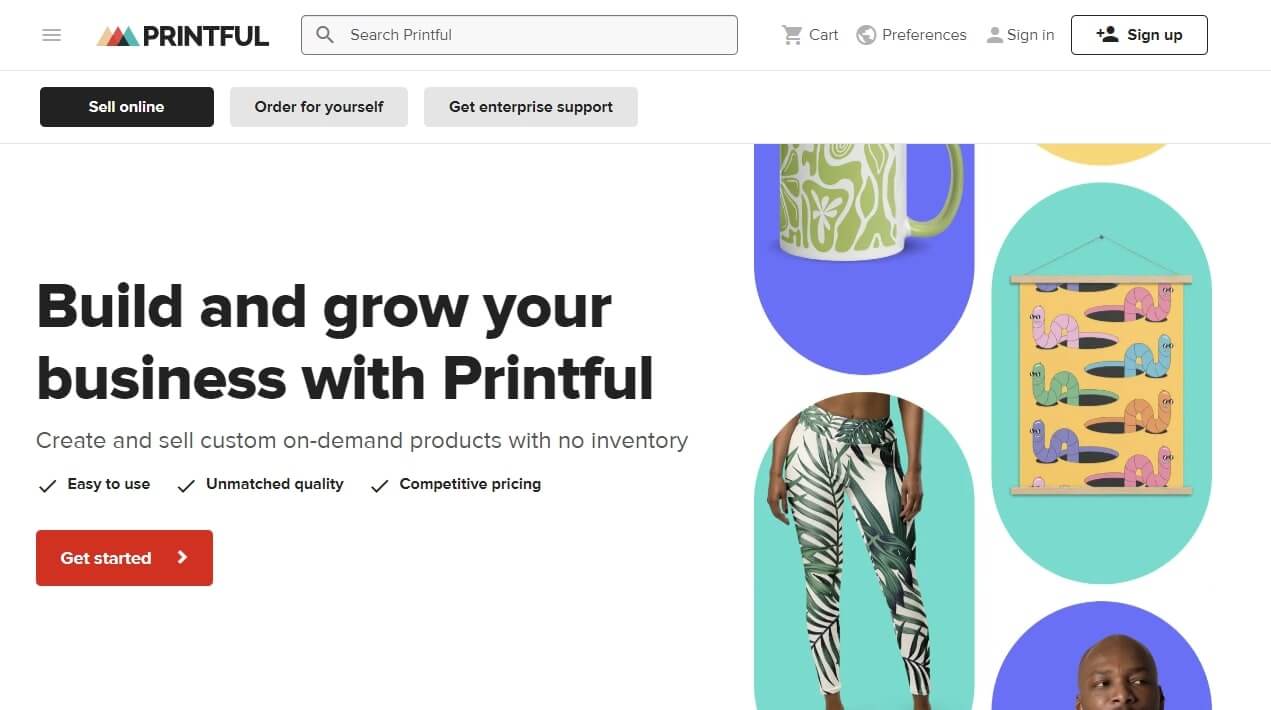
Printful is one of the most established print-on-demand (POD) platforms, known for its reliable product quality and smooth integrations.
It allows you to create custom products without holding inventory, making it ideal for branding-focused dropshipping stores.
For sellers in the Philippines, the main trade-off is shipping speed, since most fulfillment centers are overseas.
It works best if you’re targeting international customers or prioritizing brand consistency over fast local delivery.
Best for: Sellers building a branded print-on-demand store with consistent product quality.
Product Categories: Apparel (T-shirts, hoodies, swimwear), accessories (bags, hats, phone cases), and home & living items (posters, mugs, decor).
Minimum Order Quantity (MOQ): No MOQ — all products are made to order, allowing you to test designs without inventory risk.
Key Features:
- Built-in product customization tools
- High-quality printing and fulfillment standards
- Integration with Shopify, WooCommerce, Etsy, and more
- Automated order fulfillment
Pros:
- Consistent product quality across orders
- Strong branding and customization capabilities
- Reliable integrations for scaling
Cons:
- Longer shipping times to the Philippines
- Higher product costs compared to standard dropshipping
- Limited control over fulfillment locations
Pricing: No monthly fee required to start. You pay per product and shipping, with costs depending on customization and destination.
17. Printify
Printify is a POD platform similar to Printful but operates through a network of print providers rather than a single fulfillment system.
This gives you more flexibility in choosing suppliers based on price, location, or product type. However, it also introduces variability in product quality and shipping times depending on the provider you select.
For Philippines sellers, this means you need to carefully test suppliers before scaling.
Best for: Sellers who want more flexibility in pricing and supplier selection within print-on-demand.
Product Categories: Apparel, accessories, home goods, and custom merchandise across multiple print providers.
Minimum Order Quantity (MOQ): No MOQ — products are printed on demand per order.
Key Features:
- Mockup generator for product creation
- Multiple print providers to choose from
- Shopify, Etsy, and WooCommerce integration
- Global supplier network
Pros:
- Flexible pricing depending on supplier
- Wide product range across providers
- No inventory risk
Cons:
- Quality varies between print providers
- Shipping times inconsistent depending on location
- Requires testing before scaling
Pricing: Freemium model. Free plan available, with a premium plan offering discounts on product pricing.ts and other advanced features. Check their website for detailedpricing information.
How to Choose the Right Dropshipping Supplier in the Philippines?
Choosing the right supplier can make or break your dropshipping business, especially in a fast-moving, price-sensitive market like the Philippines. Here’s how to find a supplier that works for your local audience:
- Assess the Quality of Products: Filipino buyers care about value for money. Poor-quality products often get blasted on social media or review sections. Look for suppliers that offer decent QC (quality control), especially if you’re selling beauty, clothing, or electronics.
- Evaluate the Inventory: Inconsistent stock is a common issue among local resellers. Choose suppliers that update their inventory frequently—whether they’re based in Manila, Cebu, or Dumaguete, or use platforms like Dropify or Shopee where stock visibility is clearer.
- Logistics and Shipping Time: Local customers expect quick and affordable delivery. COD (Cash on Delivery) is still preferred by many, especially outside Metro Manila. Partner with suppliers who support same-week shipping or have hubs with fast delivery options through J&T, LBC, or Shopee Xpress.
- Reliability and Reputation: Ask around in local Facebook dropshipping groups or online seller communities. Many local suppliers are word-of-mouth famous, and others are known for inconsistent service. Trust what local sellers are saying, not just what’s on the website.
- Services and Support: Whether it’s an order issue or a missing LBC tracking number, you’ll want support that replies quickly. Local suppliers like Dropify and Lynns Fashion Store usually respond via Messenger or Viber, make sure they’re reachable when it counts.
- Manufacturer or Wholesale Options: If you’re sourcing from local RTW suppliers like Lynns Fashion Store, you might get faster restocks and more culturally relevant designs. But if you’re importing from DHgate or Banggood, weigh the lower prices against longer wait times and customs delays.
- Align with Your Store’s Niche: Selling apparel? Look at Spocket or Lynns. Want something fast-moving and COD-friendly? Try Dropify or Shopee. The best supplier is the one that matches your brand goals and can deliver reliably to your target cities or provinces.
How to Start Dropshipping in the Philippines?
Just like any other country, starting a dropshipping business in the Philippines is a process that consists of several steps.
Step 1: Choose a Niche and Validate Demand

The Philippine eCommerce market is fast-growing, but also highly price-sensitive. That’s why choosing the right niche upfront is critical.
Start by picking a category you’re interested in, like home décor, pet accessories, or K-beauty, and then narrow it down. Instead of going broad (e.g., “clothing”), go specific (e.g., “plus-size streetwear for women in Metro Manila”).
Use tools like Google Trends, Lazada/Shopee top sellers, and Facebook Marketplace to spot local demand. You can also browse Facebook groups and TikTok trends to discover what Pinoy shoppers are currently hyping.
Local Insight: Products with good resale value, practicality, or gift potential (e.g., organizers, skincare sets, tumblers) tend to perform well. But fads fade fast, so don’t build your store around viral-only items.
Once you’ve shortlisted a few ideas, check if your niche has:
- Steady search demand (try long-tail keywords like “UV umbrella Philippines”)
- Reasonable competition
- Local shipping feasibility
Key takeaway: Don’t just follow global trends, think about what works for Filipino consumers, including budget, lifestyle, and logistics.
Step 2: Understand Your Market and Spy on Competitors
Now that you’ve picked a product niche, it’s time to figure out who you’re selling to and who you’re up against.
Start with local competitor research. Search your niche keywords on Google or local eCommerce marketplaces.
You’ll quickly see which sellers are ranking high, how they present their products, what pricing they use, and how they handle delivery or COD.
Next, create a simple buyer persona. Ask yourself:
- Are you targeting students, office workers, or moms shopping on a budget?
- What platforms do they use most (Shopee, TikTok Shop, FB Marketplace)?
- What’s their spending range?
In the Philippines, many shoppers prefer:
- Cash on Delivery
- Low shipping fees or freebies
- TikTok/FB content before buying
Tailor your brand, pricing, and promotions based on that.
Step 3: Naming and Branding
Now that you’ve locked in your product and audience, it’s time to choose a name and define your brand personality.
Tips:
- Pick a name that’s easy to spell, short, and sounds familiar to your Filipino audience.
- Check domain availability using sites like Namecheap or GoDaddy.
- Design a logo and brand color palette that fits your niche. (You can use Canva for free!)
- Think about your tone too, should your brand sound cozy and conversational, or modern and premium?
Example: Selling minimalist desk organizers? Go for a clean, neutral aesthetic with soft beige tones and a sleek font.
Step 4: Finding Suitable Dropshipping Suppliers
Your supplier can make or break your store, so don’t skip this step.
Look for:
- No MOQ (Minimum Order Quantity) so you can test products
- Local warehousing or COD options, which are big selling points in PH
- Good reputation, easy communication, and consistent product quality
Refer to our detailed list of dropshipping suppliers in the Philippines (above). Whether you want local sourcing (Dropify, Shopee sellers) or global access (Printify, NicheDropshipping), you’ll find the right fit.
Step 5: Building Your Ecommerce Store
Congrats on finding a supplier! Next, it’s time to build your online store. First, choose an eCommerce store builder such as Shopify or WooCommerce. Shopify is a full-service builder with hosting included, while WooCommerce is a WordPress plugin.
Shopify is straightforward to use and has a drag-and-drop website editor, but there isn’t a free version. On the other hand, WooCommerce is entirely free to use, but you’ll need to pay for hosting and domain name to have a WordPress website.
If you don’t have too much experience building online stores, we recommend starting with Shopify since it’s a much more beginner-friendly option.
Step 6: Importing Your First Product Listings
Once you’ve finished building and designing your dropshipping store, it’s time to integrate it with your chosen dropshipping supplier for the Philippines. Some suppliers will automatically integrate with Shopify, while others will supply you with .csv files
Choose the products you want to import, and don’t forget to customize the titles, product descriptions, and prices. Take care of how you price your products – ensure you calculate your profit margins correctly and take all of your costs into account.
Step 7: Marketing and Sales

Your next step after importing the desired products is marketing and sales. And this is the fun part for most dropshippers – this is what you should be doing.
To promote and sell your products, try to be present on social media channels where your targeted audience is. Give value to your potential customers by constantly sharing valuable content without being too pushy.
And always remember that you need to gain their trust and position yourself as an authority in your niche.
Our following advice is always to use SEO best practices and optimize your product pages and blog posts. SEO takes longer to bring you results, but once you rank, you enjoy timeless free traffic. Don’t underestimate the power of a well-developed SEO plan.
Step 8: Order Fulfillment and Shipping
Assuming you’ve successfully reached your first sale (hooray!) – Now it’s time to fulfill and ship the order. After receiving the order from your customer, go ahead and place an order for the product at your supplier’s marketplace.
Then, please put down your customer’s address in the delivery location and place a note asking to remove their invoice from the package. Confirm that the order is shipped, and ask them to send you (or your customer) a tracking number.
Challenges of Dropshipping in the Philippines
Dropshipping in the Philippines is mainly challenging because of shipping delays, supplier inconsistency, COD-related risk, and strong price competition.
The opportunity is there, but the operating environment is harder than in markets with simpler logistics and stronger prepaid payment behavior.
Long Shipping Times: If you rely on international suppliers, delivery can take much longer than customers expect. Delays often lead to refund requests, cancellations, and more pressure on customer support, especially when buyers are used to faster marketplace delivery.
Supplier Reliability: Many dropshipping suppliers are inconsistent when it comes to stock accuracy, product quality, and fulfillment speed. A supplier may work fine for initial test orders, then become unreliable once order volume increases.
COD and Payment Risk: Cash on Delivery is still important in the Philippines, which can help conversion rates but also increases failed deliveries, fake orders, and return-to-sender problems. Sellers also face friction if they cannot offer trusted local payment options smoothly.
Logistics Across Islands: The Philippines is harder to serve logistically because delivery times vary a lot by region. Shipping to Metro Manila is very different from shipping to provincial or island areas, and that affects both cost and customer experience.
High Competition: Many sellers list the same products from the same supplier networks, which creates price wars and thin margins. Without product differentiation, branding, or better fulfillment, it becomes difficult to compete profitably.
Limited Quality Control: Because you do not handle inventory yourself, you have less control over product quality, packaging, and delivery performance. That becomes a bigger problem as you scale and customer expectations rise.
Final Thoughts: Seizing Dropshipping Opportunities in the Philippines
Dropshipping in the Philippines offers a great opportunity for starting an online business with low risk. This model removes the hassle of inventory management, making it easier to grow your business.
The increasing trend of online shopping in the Philippines means there’s a big potential for success.
Choosing the right dropshipping suppliers is key. They help you provide a wide range of products and quick delivery. Good suppliers also mean better product quality, which can improve your business’s reputation.
To stand out, offer unique products and develop a strong online presence. Use social media to understand and connect with your customers. This helps you tailor your services and plan your business growth.
Starting or expanding your dropshipping business in the Philippines can be a smart move.
And if you want to get started today, request a free sourcing quote from us at NicheDropshipping. We can help you explore dropshipping opportunities from China to the Philippines.
Frequently Asked Questions
Can I Do Dropshipping in the Philippines?
Yes. Dropshipping is entirely legal in the Philippines and most other countries worldwide. All you need to do is ensure you work according to rules and regulations and pay taxes or duties wherever applicable.
For example, charging VAT in the EU will be obligatory from 1 July 2021 if you sell to EU customers. Stay in the loop on such info, and you’re good to go.
And finally, don’t drop ship any replica or fake branded products. That can result in different penalties and customs clearance issues in countries during transit.
And needless to say, never scam your customers or promise something other than what you’re selling. That’s the only way to build a successful, long-term dropshipping store.
How Do I Get Paid if I’m Dropshipping in the Philippines?
You can use GCash, Maya, bank transfers, or COD (if using Shopee/Lazada). If you’re running a Shopify store, you can set up PayPal, PayMongo, or Xendit as payment gateways.
Is Dropshipping Profitable in the Philippines?
Dropshipping to the Philippines can be just as profitable as in any other country. It all depends on finding the right product and the right audience. With that said, finding the right supplier is another vital aspect to consider.
Your supplier = your products! Always remember that. Being such a key player in your sales chain, your supplier should be reliable and consistent in product quality and order fulfillment. If you cannot rely on your supplier, your online business can quickly fall apart.
How to Look for Suppliers in the Philippines?
To find reliable suppliers in the Philippines, you can start by exploring local online marketplaces and supplier directories. It’s also beneficial to attend trade shows and research suppliers that specialize in the products you want to sell.
Can I Dropship Lazada and Shopee in the Philippines?
You can use platforms like Lazada and Shopee to dropship products in the Philippines. They offer systems that integrate dropshipping functionalities, making it easier for you to start selling online.

Very informative, i hope the author helps me to do dropshipping business
Wow! this sums up everything. Thank you, Mr. Stanley!