Starting a dropshipping business can be both an exciting and profitable venture.
Dropshipping allows you to run an eCommerce store without holding any inventory, making it a cost-effective option for new entrepreneurs.
The key is to find a niche with high demand but low competition. This way, you can target a specific audience and increase your chances of success.
Choosing the right niche is crucial for your success as it helps you stand out in a competitive market.
This article aims to guide you through the best dropshipping niches for 2026, providing valuable insights to help you make informed decisions.
Understanding these niches will help you build a thriving dropshipping business that meets market demands and drives substantial profits.
Key Takeaways: Best Dropshipping Niches in 2026
- Best niches for beginners: Pet supplies, print-on-demand products, and car accessories require low startup capital and have reliable supplier networks, making them the easiest dropshipping niches to launch in 2026.
- Most profitable niches: Jewelry & watches, home security systems, and smart tech gadgets deliver higher average order values ($150–$650+), though they need stronger marketing and brand trust.
- Low competition, high demand niches: Eco-friendly products and hobby/outdoor gear face less saturation than fashion or beauty, while still riding strong 2026 consumer trends.
- Passive automated niches: Car accessories, print-on-demand, and eco-friendly consumables support automated fulfillment with high repeat-purchase rates and minimal inventory risk.
- Niches to approach with caution: Bulky furniture and heavy gym equipment can destroy margins through high shipping and return logistics costs, despite strong market demand.
- The 2026 bottom line: The best dropshipping niche balances proven search demand, lightweight logistics, and at least 25–40% net profit margin after ad spend and shipping.
What Is a Niche in Dropshipping?

A niche in dropshipping is a specialized segment within a broader market where specific products cater to a defined group of customers. Instead of targeting everyone, you focus on meeting the distinct needs of a particular audience.
Focusing on a niche market can boost your dropshipping business. Niche markets often face less competition, making it easier to stand out. You can also develop deeper connections with your customers.
Niches can be categorized in several ways:
- Product Type: Specific items like organic skincare products.
- Target Audience: Groups such as pet owners.
- Market Needs: Items meeting particular demands like baby products.
When aiming to find the best dropshipping niches, you should:
- Research Demand: Use tools like Google Trends.
- Audience Insights: Understand who your customers are and their needs.
- Trend Data: Spot what is trending in online marketplaces.
Consider using lists and tables to organize your findings. Below is a sample table to categorize niches:
| Category | Example Niches |
| Product Type | Organic Skincare, Car Accessories |
| Target Audience | Pet Owners, Baby Clothing |
| Market Needs | Eco-friendly Products, Outdoor Gear |
Consistent research and analyzing trends can help you identify the potential of different niches. Be sure to stay up-to-date with current market insights to keep your dropshipping business thriving.
Why Choose Niche Products for Dropshipping?
Choosing niche products for dropshipping can be a game-changer. Niche products cater to specific audiences, which means you face reduced competition. This is especially important in a market often flooded with common items.
Benefits of Niche Products
- Targeted Marketing: When you sell niche products, your marketing efforts become more specific and effective. You can create content that directly appeals to your audience’s interests, leading to higher engagement.
- Higher Customer Loyalty: Niche markets often have dedicated customer bases. When you meet their unique needs, they will likely become repeat customers.
- Higher Profit Margins: Niche products can demand higher prices. With less competition, you can set your prices without fear of constant undercutting, resulting in greater profitability.
Best Dropshipping Niches for 2026
Finding the best dropshipping niches can maximize your profits in 2026. Here are some promising options:
1. Health and Beauty (Beginner-Friendly)

The health and beauty niche encompasses a wide range of products, including skincare, hair care, wellness tools, and beauty accessories. Growing interest in self-care and appearance-driven trends makes this niche both popular and lucrative in 2026.
Health and beauty products have seen an increase in demand due to rising awareness about self-care. You can find items like jade massage rollers, magnetic eyelashes, electric toothbrushes, and hair removal tools.
In 2026, beauty organizers and skincare fridge accessories are also trending as consumers invest in vanity setups.
The beauty sector is driven by social media influences and rising consumer spending on personal grooming. This niche attracts a diverse customer base, ranging from teenagers to older adults, making it broad and dynamic.
Sustainability and eco-friendly products are also gaining traction, which can help you tap into an environmentally-conscious market.
Pros
- High Demand: Products in this niche see consistent demand, with people always looking for new health and beauty solutions.
- Diverse Product Range: There is a wide variety of products to choose from, offering flexibility.
- Influence of Social Media: Platforms like Instagram and TikTok significantly drive consumer interest and sales in beauty products.
- Recurring Purchases: Items like skincare products and supplements often lead to repeat purchases, boosting customer lifetime value.
Cons
- High Competition: Due to its popularity, the health and beauty niche is highly competitive, making it harder to stand out.
- Regulation and Compliance: Some products might require regulatory approval or compliance with specific health standards, presenting an extra hurdle.
- Product Returns: Items like skincare products can be prone to returns due to skin reactions or unmet expectations.
- Marketing Challenges: Effective marketing in this niche often requires influencer partnerships or extensive advertising, which can be costly.
Our Agent Differentiation
- Certified supplier network: FDA/CE-registered factories with full ingredient documentation for skincare and tool compliance.
- Custom beauty packaging: Branded boxes, logo inserts, and sealed pouches for jade rollers, lash kits, and organizers.
- Pre-shipment batch testing: Skin-contact materials verified before dispatch to cut allergy-related returns.
- Trend-sampling service: Small-batch test orders for viral TikTok beauty tools before you commit to bulk.
2. Women’s Clothing and Accessories (High Demand / High Competition)

Women’s clothing and accessories represent a bustling and lucrative market. This niche includes items such as dresses, lingerie, plus-size clothing, shoes, and a variety of accessories.
In 2026, the demand for sustainable and ethically produced clothing is soaring. The women’s clothing market continues to show strong demand across global marketplaces.
Additionally, niche subcategories such as intimate apparel and oversized hoodies, and fashion accessories are gaining traction, partly due to the rise of at-home comfort wear and travel-friendly capsule wardrobes.
Pros
- High Demand: Women’s clothing consistently enjoys high consumer interest, ensuring a steady market.
- Diverse Products: A wide array of items, from casual wear to formal wear, offers several opportunities to target different customer segments.
- Repeat Customers: Clothing tends to have a high rate of repeat purchases, fostering customer loyalty.
- Ease of Trend Adaptation: With fashion rapidly evolving, staying current with popular trends can lead to quick sales boosts.
- Reliable Suppliers: Many reliable suppliers provide a variety of options, often with flexible shipping terms.
Cons
- High Competition: The niche’s popularity means you must contend with numerous competitors, including well-established brands.
- Seasonal Fluctuations: Fashion items can be highly seasonal, requiring careful inventory and marketing adjustments.
- Thin Margins: Intense competition can drive prices down, squeezing profit margins.
- Fast-Changing Trends: Keeping pace with rapidly changing fashion trends can be challenging and costly.
- Sizing Issues: Different brands may have varied sizing standards, leading to potential returns and customer dissatisfaction.
Our Agent Differentiation
- Size-standardized catalog: US/EU/UK measurement charts aligned per SKU to cut fit-related returns by up to 50%.
- Eco-fabric sourcing: Direct access to organic cotton, recycled polyester, and linen suppliers with GOTS/GRS certification.
- Private-label fashion kit: Custom hang tags, woven labels, and branded poly mailers for boutique-level presentation.
- Trend-sample program: New-season styles available in 5-piece test packs before bulk commitment.
3. Furniture and Home Decor (High Demand / High Logistics Risk)
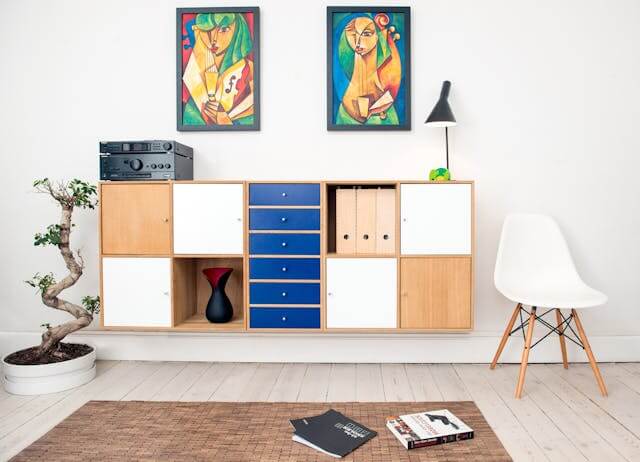
This niche replaces bulky furniture with lightweight, high-margin products that solve modern living challenges. As urban living spaces shrink and remote work persists, consumers are investing in organizers, under-bed storage, desk accessories, and modular decor.
The home organization market is expanding due to increased demand for personalized and stylish home solutions.
The US furniture market is expected to reach $265.56 billion in 2026 with a growth rate of 4.29% over the next five years.
This growth is fueled by rising consumer interest in home improvement and decor. The shift towards remote work has also increased the demand for home office furniture.
Consumers are looking for unique and customizable products, driving the popularity of niche furniture pieces and decor items. Online platforms make it easier than ever for consumers to find and purchase these products.
Pros
- High Market Value: The furniture market is enormous.
- Growth Potential: A projected annual growth rate of 3.82% offers long-term opportunities.
- Diverse Product Range: From modern decor to ergonomic office furniture, the variety allows for targeting specific customer needs.
- Increased Online Purchases: Consumers prefer online shopping for convenience, boosting eCommerce sales.
- Customization Demand: Higher demand for unique, customizable items allows for higher profit margins.
Cons
- High Shipping Costs: Furniture items are generally bulky and expensive to ship.
- Potential for Damage: Higher risk of damage during shipping can lead to higher return rates and additional costs.
- Inventory Management Challenges: Managing diverse and large inventories can be complex.
- Stiff Competition: Established brands and retailers dominate the market, making it challenging for new entrants.
- Price Sensitivity: Consumers often look for discounts in this niche, which can reduce profit margins.
Our Agent Differentiation
- Flat-pack lightweight designs: Products engineered under 2kg with disassembly options to slash international freight costs.
- Damage-proof packaging: Corner protectors, foam inserts, and honeycomb board boxing to cut transit damage by 60%.
- Color/finish sampling: Custom wood stains, fabric swatches, and paint chips sent before bulk production.
- Home decor bundles: Pre-curated desk sets and storage kits assembled in one branded box to raise AOV.
4. Pet Supplies (Beginner-Friendly / High Demand)

Pet supplies are an increasingly popular niche, driven by pet owners’ willingness to spend on their pets. This niche includes products like pet apparel, toys, accessories, and health products.
In 2026, pet supplies continue to attract attention due to rising pet ownership and increased expenditure on pet care. The global pet care market is projected to reach approximately $165 billion in 2026, with strong growth in premium and personalized segments.
Consumers are particularly interested in eco-friendly and innovative products, such as biodegradable dog poop bags and interactive pet toys.
The trend includes a focus on high-quality, durable, and health-oriented products. An emerging behavior is that pet owners are more likely to invest in premium and personalized items for their pets, making the niche lucrative for dropshippers.
Pros
- High Demand: Pet ownership is increasing, leading to continuous demand for pet supplies.
- Variety of Products: The niche covers a wide range of items, from basic supplies to high-end products, offering many opportunities for diversity.
- Loyal Customer Base: Pet owners often make repeat purchases and are loyal to brands that satisfy their needs.
- Trend-Driven: The market is influenced by trends such as eco-conscious products and technologically advanced pet gadgets, offering opportunities to tap into current consumer interests.
- Growth Potential: With the global pet supplies market predicted to grow, there are substantial opportunities for financial gain.
Cons
- High Competition: The niche is saturated with numerous players, making it challenging to stand out.
- Logistical Challenges: Some items, like large pet beds or heavy bags of food, might have high shipping costs and logistical hurdles.
- Quality Control: Ensuring product quality and durability can be difficult, leading to potential customer dissatisfaction.
- Market Changes: Rapid shifts in consumer preferences and trends require constant market research and adaptation.
- Niche Specific Issues: Dealing with returns and exchanges can be more complex due to the nature of pet products and their usage.
Our Agent Differentiation
- Pet-safe material certs: BPA-free, non-toxic dye, and chew-safe documentation forwarded for marketplace compliance.
- Custom pet branding: Breed-specific sizing guides, paw-print tissue paper, and branded feeding mats.
- Bundle-kit assembly: Toy + treat + accessory pre-packed in one custom box to raise average order value.
- Seasonal pre-stocking: Q4 holiday pet gift sets warehoused domestically for fast fulfillment during peak demand.
5. Office Equipment and Supplies (High Demand / Recurring Revenue)

The demand for office equipment and supplies has surged due to the rise in remote work and home offices. This niche includes products like ergonomic chairs, desks, monitors, and more.
The shift towards remote work has significantly increased the demand for home office setup products.
According to a report from Fortune Business Insights, the market for office supplies is expected to amount to $186.71 billion in 2026.
High-quality ergonomic furniture is particularly popular due to increased health awareness.
Additionally, smart office gadgets, such as standing desks and noise-canceling headphones, are being adopted by remote workers.
Emerging trends show that employees are investing more in creating productive and comfortable home office environments, making this niche very attractive.
Pros
- High Demand: The constant need for home office setups ensures a steady customer base.
- Variety of Products: From furniture to tech gadgets, the range of products you can offer is broad.
- High Margin Products: Many office supplies, especially ergonomic furniture, can be sold at higher profit margins.
- Recurring Revenue: Businesses frequently need to replenish supplies, leading to repeat purchases.
Cons
- Initial Investment: Setting up a reliable supply chain for quality office products can be costly.
- Competitive Market: The niche is highly competitive with many established players.
- Shipping Costs: Office furniture can be bulky, leading to higher shipping costs.
- Return Rates: Larger items like desks or chairs have higher return rates due to potential damage in transit or customer dissatisfaction.
Our Agent Differentiation
- Ergonomic test reports: Load-capacity and stability certifications for desk converters and chair bases provided per SKU.
- Corporate gift packaging: Logo-embossed boxes and branded stationery sets for B2B bulk orders.
- Compact disassembly: Products designed to reduce shipping volume by 40% without sacrificing assembly ease.
- Recurring supply tiers: Auto-replenishment programs for consumables like desk pads, cable organizers, and blue-light glasses.
6. Fitness Accessories & Recovery Tools (High Demand / Low Competition)

The Gym and Fitness niche is a lucrative area for dropshippers in 2026. With products ranging from home gym equipment to fitness accessories, this niche caters to a broad audience looking to improve their health and well-being.
The Gym and Fitness niche has seen significant growth, driven by health-conscious consumers and increased interest in at-home workouts.
As of 2026, the global health and fitness club market is forecast to reach USD 298.16 billion by 2034, growing at a 9.66% CAGR. For dropshippers, the accessories segment remains the stronger choice over heavy equipment, as lightweight items minimize freight costs while maintaining higher gross margins.
Popular products include yoga mats, dumbbells, resistance bands, and fitness trackers.
This trend is supported by the rise of fitness apps and online workout programs, making it convenient for consumers to exercise at home.
Pros
- High Demand: Increasing awareness of health and fitness fuels continuous demand.
- Wide Range of Products: Includes items like home gyms, weights, yoga supplies, and fitness apparel.
- Scalable Market: Suitable for various customer segments, from beginners to seasoned athletes.
- Repeat Purchases: Consumables like protein powders and supplements encourage repeat business.
- Seasonal Opportunities: Increased sales during New Year and summer seasons when fitness resolutions peak.
Cons
- High Competition: Many sellers in the fitness niche, making it challenging to stand out.
- Shipping Costs: High shipping costs for bulky items such as gym equipment.
- Quality Control: Ensuring quality and durability of fitness products can be difficult.
- Inventory Management: Stocking a wide range of products can complicate inventory management.
- Market Saturation: Niche is overcrowded, requiring strong marketing strategies to attract customers.
Our Agent Differentiation
- Certified lightweight materials: Latex-free, REACH-certified resistance bands with tensile-strength test reports.
- Kit branding: Custom carry bags, printed instruction cards, and logo-stamped yoga mats for complete brand cohesion.
- Sub-500g selection: Curated product list focused on lightweight accessories to minimize freight costs.
- New Year pre-stock: Fitness bundle kits warehoused ahead of January resolution peaks for 48-hour dispatch.
7. Hobby and Outdoor (High Demand / Low Competition)
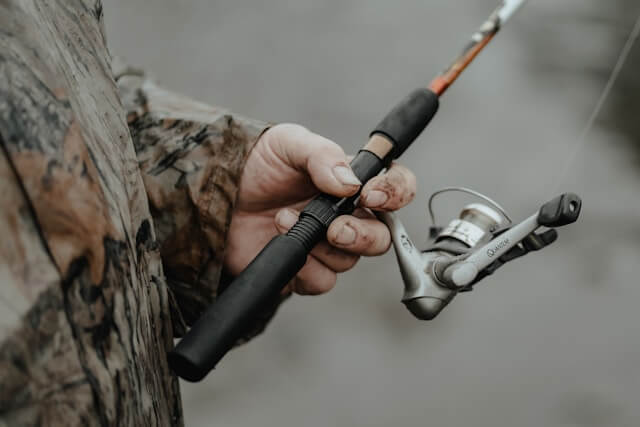
Hobby and outdoor gear is a promising dropshipping niche due to the growing number of people engaging in outdoor activities and hobbies. This niche includes a wide range of products such as camping gear, fishing equipment, and hobbyist supplies.
In recent years, the outdoor recreation industry has seen significant growth. About 57.3% of all Americans, aged six and older, participate in outdoor activities, marking a peak in outdoor engagement.
One reason this niche is expected to flourish in 2026 is the increasing awareness of health and wellness, driving more people to pursue physical and outdoor activities.
The diversity within this niche—from camping and hiking supplies to fishing and hunting gear—ensures a broad market reach.
Market analysis indicates continued demand for high-quality, durable products designed for various outdoor conditions, making this niche ripe for dropshipping.
In 2026, pickleball accessories and portable outdoor games are breakout sub-niches worth exploring
Pros
- Wide product range: Covers everything from camping gear to hobby supplies, appealing to different customer interests.
- Growing market: Increasing number of outdoor enthusiasts boosts the demand for related products.
- High-ticket items: Products such as tents, fishing equipment, and binoculars can offer higher profit margins.
- Seasonal trends: Various products experience peak sales during different times of the year, providing consistent revenue opportunities.
Cons
- Storage and shipping: Some bulky items may complicate storage and incur higher shipping costs.
- Seasonal sales fluctuations: Certain products may see reduced demand during off-peak seasons.
- Competitive market: High demand attracts many sellers, increasing competition.
- Product quality: Customers expect durable and reliable gear, requiring careful selection of suppliers to avoid negative reviews.
Our Agent Differentiation
- Weatherproof certifications: Waterproof ratings and material stress-test reports for tents, bags, and outdoor gear.
- Q4 peak readiness: Seasonal inventory pre-stocked at domestic warehouses for holiday camping and gift demand.
- Multi-tool bundles: Pre-configured camping sets, fishing kits, and pickleball starter packs to raise AOV.
- Durable packaging: Reinforced boxing with moisture-barrier bags to protect gear during long-haul transit.
8. Car Accessories (Beginner-Friendly / High Demand)

Car accessories continue to be a lucrative niche due to their widespread demand and variety.
The car accessories market was valued at USD 526.34 billion in 2024 and is projected to reach USD 807.77 billion by 2032, growing at a CAGR of 5.50% from 2026 to 2032. This growth is attributed to the increasing number of cars on the road, as well as the rising trend of personalizing vehicles.
With about 77.3% of American workers commuting and spending an average of 61.3 minutes driving each day, accessories that enhance comfort and functionality are in high demand.
Popular products in this niche include wireless car chargers, seat covers, dash cams, and GPS trackers. Consumers are also showing interest in environmentally friendly products such as reusable car air purifiers and eco-friendly cleaning kits.
In 2026, EV-specific accessories like charging cable organizers and trunk storage for electric vehicles are gaining traction.
Pros
- High Demand: Continuous growth in vehicle ownership ensures a steady market.
- Wide Range of Products: From tech gadgets to comfort accessories, there is something for every type of driver.
- Customization Trend: Growing consumer interest in personalizing their vehicles helps boost sales.
- Recurring Purchases: Items like cleaners and air fresheners need regular replacement, providing ongoing revenue opportunities.
- Related Add-ons: Opportunity to cross-sell products such as smartphone mounts with wireless chargers.
Cons
- High Competition: The market is saturated with numerous sellers, making it challenging to stand out.
- Quality Control: Ensuring product quality is crucial, as poor-quality items can lead to returns and negative reviews.
- Shipping Complexities: Larger items can have higher shipping costs and logistical challenges.
- Market Saturation: Popular products can quickly become over-saturated, reducing profit margins.
- Technological Advancements: Rapid changes in technology might render certain items obsolete quickly, necessitating continuous product updates.
Our Agent Differentiation
- Electronics compliance: CE/FCC-certified car electronics with full technical documentation for marketplace approval.
- Universal-fit verification: Products tested across multiple vehicle models to reduce “does not fit” returns.
- Custom auto packaging: Automotive-grade boxes with installation QR codes and branded air-freshener samples.
- EV-ready catalog: Dedicated electric-vehicle accessory line (cable organizers, trunk storage) with 2026 trend alignment.
9. Educational & STEM Toys (High Demand / Seasonal)

Educational and STEM toys represent a focused, high-intent segment of the broader toys market. With growing parental emphasis on developmental benefits, this niche includes science kits, coding toys, building blocks, and Montessori learning materials.
The global educational toys market is projected to grow from USD 71.32 billion in 2025 to USD 148.14 billion by 2034, exhibiting a CAGR of 8.53% during the forecast period.
Key trends include educational toys, which parents increasingly prefer for their developmental benefits, and eco-friendly toys made from sustainable materials.
The rise of online gaming and board games also offers diverse opportunities for dropshipping. Because of the constant demand for new and innovative products, staying updated with market trends and consumer preferences is essential.
Pros
- High Demand: Constant demand for toys and games, particularly during holidays and special occasions.
- Wide Variety: Extensive product range including educational toys, board games, and digital games.
- Recurring Sales: Parents and gamers frequently purchase new products, ensuring continual sales.
- High Profit Margins: Certain toys and games, especially collector’s items or branded products, can yield significant profits.
- Seasonal Boosts: Sales often spike during specific seasons like Christmas or back-to-school periods.
Cons
- High Competition: The market is saturated with many players, making it challenging to stand out.
- Low-Quality Risks: Sourcing reliable suppliers is crucial to avoid poor-quality products that could harm your reputation.
- Trend Sensitivity: Rapidly changing trends require you to adapt quickly to stay relevant and maintain sales.
- Storage Concerns: Some toys, especially larger items, may require more warehouse space if you opt for bulk purchasing.
- Regulations: Safety regulations and standards must be strictly followed, adding another layer of complexity to product sourcing and sales.
Our Agent Differentiation
- Safety documentation: ASTM F963, EN71, and CPSIA certificates provided per SKU for marketplace compliance.
- Age-appropriate labeling: Choking-hazard warnings and age-grade markings pre-printed on all packaging.
- Gift-box assembly: Custom birthday and holiday bundle sets with branded tissue and greeting-card inserts.
- Non-toxic verification: Phthalate-free and lead-free material testing forwarded for every production batch.
10. Environment-Friendly Products (High Demand / Low Competition)
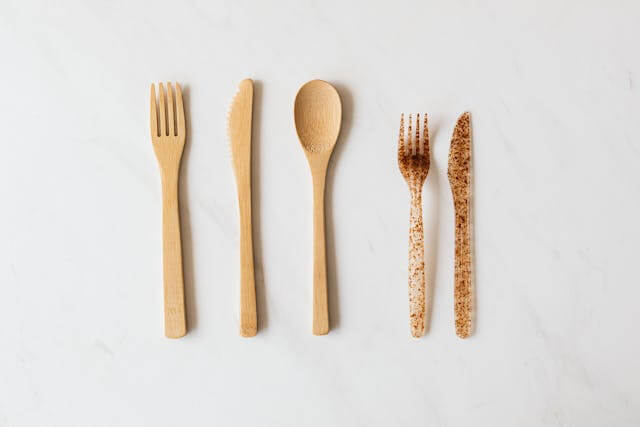
The demand for eco-friendly products is rising as consumers become more conscious of their environmental impact.
From reusable household items to sustainable beauty products, this niche offers a wide range of options for dropshippers looking to tap into a growing market.
Environment-friendly products are gaining traction due to increasing awareness of sustainability. Consumers are looking for items that reduce waste and use sustainable materials.
According to a Nielsen report, 73% of global consumers say they would change their consumption habits to reduce their environmental impact.
A major trend driving this niche is the zero-waste lifestyle, promoting products like reusable shopping bags, biodegradable packaging, and eco-friendly beauty items.
The rise of social media influencers advocating for sustainable living also boosts the market’s potential, making eco-friendly products more visible and desirable.
Pros
- High Demand: With growing environmental awareness, there’s a consistent demand for sustainable products.
- Diverse Product Range: You can offer various items, such as grocery and household items, beauty products, and reusable bags, catering to different consumer needs.
- Positive Brand Image: Selling eco-friendly products can enhance your brand’s reputation, attracting conscientious consumers.
- Market Growth: The eco-friendly market is expanding rapidly; reports suggest significant growth in coming years.
- Loyal Customer Base: Environmentally conscious consumers are often loyal, providing stable, repeat business.
Cons
- Higher Costs: Sustainable materials and manufacturing processes can be more expensive, affecting profit margins.
- Regulatory Compliance: Ensuring eco-friendly claims meet regulatory standards can be complex and time-consuming.
- Market Competition: The popularity of this niche means that competition can be fierce, requiring distinctive marketing strategies.
- Supply Chain Issues: Sourcing genuine eco-friendly products can be challenging, with suppliers often located in different regions.
- Consumer Skepticism: Some consumers may doubt the authenticity of eco-friendly claims, necessitating transparent marketing practices.
Our Agent Differentiation
- Compostability proof: FDA/LFGB food-grade and compostability certificates provided for all eco-materials.
- Zero-plastic packaging: Custom seed-paper inserts and biodegradable mailers to reinforce brand credibility.
- Bespoke molding: Custom bamboo and silicone shapes unavailable on generic marketplaces to avoid listing duplication.
11. Content Creator Equipment (High-Ticket / Profitable)

The content creator equipment niche includes products that support the booming creator economy, such as ring lights, microphone kits, phone tripods, streaming accessories, and portable photo backdrops. This niche is constantly evolving, offering numerous opportunities for dropshippers in 2026.
Content creator gear is heavily influenced by the rise of short-form video and live streaming. Aspiring influencers and remote workers need affordable, professional-grade accessories to improve production quality.
According to market research, the global content creation market continues to expand rapidly as platforms like TikTok, YouTube, and Instagram drive demand for affordable production tools. This continuous demand shows an appetite for innovative and practical creator gadgets.
Pros
- High Demand: Consumers consistently seek the newest and most practical creator tools, creating a stable market.
- Diverse Product Range: Opportunities to sell a broad spectrum of products, from lighting to audio accessories.
- Repeat Customers: Once consumers purchase basic kits, they tend to upgrade or buy add-ons, promoting repeat sales.
- High Profit Margins: Premium creator kits often come with higher profit margins compared to other products.
- Lightweight Shipping: Most accessories are compact and easy to ship globally.
Cons
- Fast-Paced Market: The creator industry evolves rapidly, requiring constant updates to your product offerings.
- High Competition: Saturation in the market due to numerous sellers can make it challenging to stand out.
- Technical Support: Customers may require after-sales support, creating additional operational challenges.
- Price Sensitivity: Entry-level gadgets can be pricey, potentially limiting your audience to those willing to spend more.
Our Agent Differentiation
- Electronics compliance: FCC/CE-certified devices with full technical spec sheets for Amazon and Shopify compliance.
- Global-voltage ready: Multi-voltage plugs and universal adapters pre-configured for US, EU, and UK markets.
- Branded creator kits: Custom equipment cases, logo-printed backdrops, and branded cable organizers.
- Trend-sync sourcing: New ring-light designs and microphone models added to catalog within 30 days of TikTok virality.
12. Jewelry & Watches (High-Ticket / Profitable)

Jewelry and watches represent a lucrative dropshipping niche, expected to thrive in 2026 due to growing market demand and evolving consumer tastes.
This segment encompasses a variety of products, including necklaces, bracelets, rings, earrings, and various types of watches. Jewelry and watches offer a broad range of styles, designs, and price points, making them appealing to a diverse consumer base.
The global jewelry market is projected to grow from USD 397.7 billion in 2026 to USD 578.5 billion by 2033, highlighting its significant growth. As fashion trends evolve, consumers are increasingly seeking unique and personalized pieces.
The rise of sustainable and ethical jewelry also influences purchasing behaviors, making eco-friendly products more attractive. Additionally, smartwatches continue to gain popularity, combining functionality with style.
Pros
- High Demand: Continuous demand for jewelry and watches due to their role in fashion and self-expression.
- Variety: Offers a wide range of products from affordable items to high-end luxury pieces.
- Personalization: Opportunity to sell custom and personalized jewelry, adding unique value.
- Market Growth: Strong market growth projections, providing ample business opportunities.
- Gift Giving: Peaks during holidays and special occasions, leading to increased sales.
Cons
- High Competition: Market is saturated with numerous sellers, making it challenging for newcomers.
- Inventory Management: Difficulty in ensuring high-quality and authentic products, especially with dropshipping.
- Trends Fluctuation: Rapid changes in fashion trends may require constant updating of product offerings.
- Shipping Costs: Potentially high shipping costs for fragile items, impacting profit margins.
- Return Rates: Higher likelihood of returns due to the personal nature of jewelry, affecting overall profitability.
Our Agent Differentiation
- Hypoallergenic certification: Nickel-free and lead-free material reports for skin-safe marketplace claims.
- Luxury packaging: Custom velvet boxes, branded care cards, and anti-tarnish pouches for premium unboxing.
- Engraving support: Laser-etched logos, initials, and custom messages on pendants, clasps, and watch backs.
- Smartwatch sync: Private-label smartwatch options with app-branding support for tech-jewelry hybrid sellers.
13. Mother and Baby Products (High Demand / Compliance Heavy)

The mother and baby niche is a thriving market, particularly in dropshipping. The demand for mother and baby products continues to increase, with a wide variety of items available for sale.
According to Business Research Insights, the global mom and baby products market was valued at USD 628.77 billion in 2026 and is projected to reach USD 872.72 billion by 2035, growing at a CAGR of 3.71% from 2026 to 2035.
Products in this niche range from non-toxic wooden toys and diaper bags to baby care items like feeding accessories, wipes, and body care products.
Google Trends shows steady global interest in baby products, making it a stable niche. Additionally, the emphasis on non-toxic and eco-friendly products reflects growing consumer preferences towards sustainable options. This niche accommodates various sub-niches, allowing you to specialize and target specific customer needs.
Important Compliance Note: Products in this niche must meet strict safety standards (such as ASTM, CPSIA, or EN71 depending on your target market). Always verify supplier certifications before listing baby products, as regulatory violations can result in store bans and legal liability.
Pros
- High Demand: Constant and growing demand for baby essentials.
- Wide Product Range: Numerous sub-niches allow for specialization.
- Stable Market: Historical data shows consistent market interest.
- Gift Purchases: Frequent gifting, increasing sales opportunities.
- Repeat Customers: Parents often make repeated purchases for their growing babies.
Cons
- High Competition: Many dropshippers operate in this niche.
- Strict Safety Regulations: Products must comply with safety standards.
- High Return Rates: Products like clothing have significant return rates.
- Stock Management: Some items may require extensive stock-keeping units (SKUs).
- Shipping Concerns: International shipping can be challenging for larger items.
Our Agent Differentiation
- Full safety docs: ASTM, CPSIA, and EN71 certificates provided per batch for hassle-free marketplace compliance.
- Organic material verification: GOTS-certified organic cotton and phthalate-free silicone testing forwarded per SKU.
- Baby-shower ready: Custom gift wrapping, milestone cards, and branded diaper-bag inserts for gifting.
- Size-age mapping: Pre-calculated size charts by month/year to reduce fit-related returns on baby apparel.
14. Home Security (High-Ticket / High Demand)
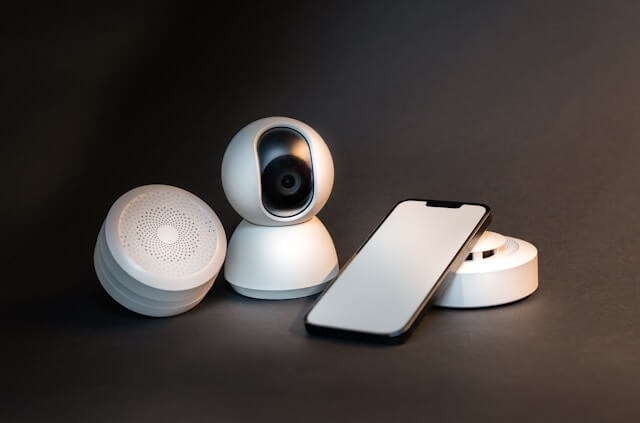
The home security niche is experiencing significant growth, driven by increasing concerns over personal safety and advancing smart home technologies.
The home security market is expected to grow from USD 56.9 billion in 2022 to USD 84.4 billion by 2027, with consumers investing in smart technologies to protect their homes. Products in demand include smart cameras, motion sensors, and home alarm systems.
The rise in remote working has further boosted this niche, as people seek to secure their home offices. Furthermore, technological advances make these products user-friendly, appealing to a broader audience.
Positioning Tip for 2026: Focus on plug-and-play, wireless smart security devices that do not require professional installation. Avoid complex wired systems that create high customer service burdens for dropshipping operations.
Pros
- High Demand: Increasing concerns about safety drive consistent demand.
- Technological Advancements: New products create frequent upgrade opportunities.
- Diverse Product Range: Items like cameras, sensors, and locks fit varied needs.
- Recurring Revenue: Subscription services for monitoring offer steady income streams.
- Integration Potential: Many products connect with popular smart home systems, broadening appeal.
Cons
- High Competition: Many players in the market lead to competitive pricing.
- Technical Support: You may need to provide customer support for technical issues.
- Regulatory Barriers: Legal requirements for surveillance equipment vary by region.
- Initial Cost: High-ticket items may require significant upfront investment.
- Rapid Tech Changes: Fast-evolving technology can make inventory obsolete quickly.
Our Agent Differentiation
- Wireless plug-and-play: All devices pre-configured for app pairing without professional installation.
- Certified electronics: FCC/CE/IC-certified cameras and sensors with frequency-compliance docs for global markets.
- Setup-video packaging: QR-code linked tutorials printed on branded insert cards to cut support tickets.
- White-label app support: Smart-home ecosystem sellers can rebrand device apps for seamless customer experience.
15. Print On Demand Products (Beginner-Friendly / Low Risk)
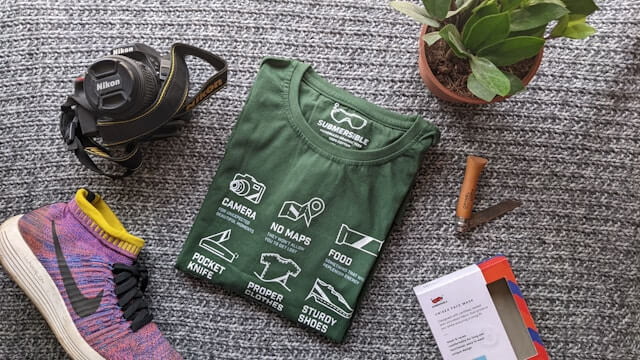
Print on demand products offer a unique blend of creativity and profitability, making this niche a promising option for dropshippers in 2026.
The niche spans various categories, including clothing, home decor, and accessories, driven by emerging consumer trends and preferences.
Consumers crave personalized products and are increasingly willing to pay for items that reflect their individuality.
The POD market spans various categories such as apparel, home decor, and accessories.
According to Printify, food-themed products are gaining traction, while Printful highlights sports and physical activities as popular themes.
The market’s appeal is further bolstered by advances in manufacturing technology that enable high-quality prints and fast order fulfillment.
Pros
- Customization: Allows you to offer a wide range of personalized products, catering to various consumer tastes.
- Low Inventory Risk: Products are made on demand, reducing the need for large inventory.
- Diverse Product Range: From apparel to mugs and phone cases, there are virtually endless product types you can offer.
- High Profit Margins: With the right designs, you can achieve significant markups on each sale.
- Scalability: Can easily scale operations without dealing with traditional manufacturing and storage issues.
Cons
- Production Delays: Customization processes can sometimes slow down order fulfillment.
- High Competition: The ease of entry into the POD market means you’ll face stiff competition.
- Quality Control: Ensuring consistent product quality can be challenging when working with multiple suppliers.
- Limited Supplier Control: Dependence on third-party POD providers may lead to less control over production and shipping.
- Design Costs: High-quality designs often require investment in graphic designers or specialized design software.
Our Agent Differentiation
- API integration: Direct Printful/Printify routing for automated order flow from your store to production.
- Mockup catalog: 50+ product templates with color-calibrated proofs to speed up listing creation.
- Quality-guaranteed partners: Vetted print shops with defect-rate monitoring under 2%.
- Bundle fulfillment: Multi-item orders consolidated into one branded package with single tracking.
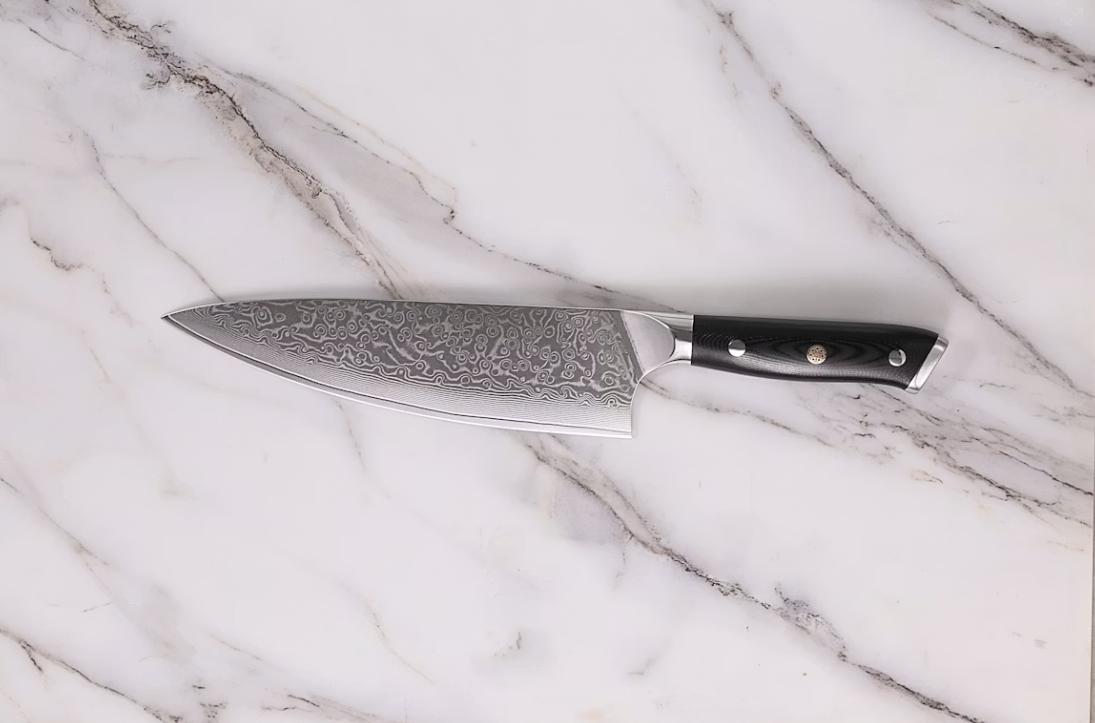
Premium kitchen cutlery and ergonomic knife hardware serve professional chefs, culinary retailers, and private-label brands.
This category includes chef knives, Santoku knives, bread knives, and specialized ergonomic handle systems—hidden wa tang, exposed naked full tang, monobloc integral, two-piece scales, and injection overmolded grips.
In 2026, the market continues to expand as consumers invest in professional-grade home cooking tools and restaurants upgrade to ergonomic cutlery to reduce hand fatigue.
Private-label branding and chef-inspired gift sets have further accelerated demand for customizable handle constructions and premium packaging.
Pros
- High Margins: Professional cutlery commands wholesale prices from $35 to $350+ per unit, making it one of the most profitable kitchenware categories.
- Repeat Business: Restaurants, culinary schools, and retail brands require regular replenishment of core SKUs and seasonal gift-box variants.
- Lightweight Shipping: Individual knives and compact sets ship far more economically than bulky kitchen appliances.
- Evergreen Demand: Cooking is a constant necessity, ensuring steady baseline demand regardless of short-term trends.
- Strong Gift Market: Premium knife sets and chef-branded gift boxes peak during holidays and corporate gifting seasons.
Cons
- Shipping Restrictions: Knives are classified as sharp objects by most international couriers, limiting carrier options and increasing logistics complexity.
- Regulatory Compliance: Products must meet strict food-contact safety standards (FDA, LFGB, or GB 4806), and blade steel certifications require verification.
- Market Education: Buyers often need guidance on steel maintenance, sharpening angles, and handle care, adding a support burden.
- Price Competition: The market is flooded with low-cost unbranded cutlery, making premium positioning dependent on clear quality differentiation.
- Seasonal Fluctuations: While baseline demand is steady, B2B and gift sales can spike or dip sharply around holiday and restaurant opening cycles.
Our Agent Differentiation
- Factory-direct sourcing: direct access to Yangjiang cutlery factories, full catalog of all 5 mainstream handle constructions (hidden wa tang, exposed naked full tang, monobloc integral, two-piece scales, injection overmolded grips) — exclusive technical SKUs unavailable on AliExpress
- In-house pre-shipment inspection: full structural check for tang fit, wood finish, rivet tightness; photo/video QC proof sent before dispatch to cut returns by 70%
- Zero-MOQ private label support: laser engrave logos on blades/wood handles, custom branded gift boxes, tissue inserts, and care instruction flyers for chef brand positioning
17. Zero-Waste Sustainable Home Kitchen Goods (High Demand / Low Competition)

Zero-waste sustainable home kitchen goods cover reusable alternatives to single-use plastics, including beeswax wraps, silicone food bags, stainless steel straws, bamboo utensils, compostable scrubbers, and countertop compost bins.
This niche serves environmentally conscious consumers who are actively reducing household waste without sacrificing kitchen functionality.
In 2026, the zero-waste lifestyle continues to shift from niche to mainstream. According to Nielsen, 73% of global consumers are willing to change consumption habits to reduce environmental impact.
Kitchen goods represent the most accessible entry point for this lifestyle shift, as they are affordable, visually appealing on social media, and make tangible gifts.
The rise of TikTok and Pinterest sustainability content has further normalized these products, driving consistent search demand for starter kits and bundle sets.
Pros
- High demand: Steady consumer interest driven by growing environmental awareness and social media visibility.
- Lightweight logistics: Compact items keep shipping costs low and simplify international fulfillment.
- Repeat purchases: Consumable refills (beeswax bars, scrubbers) encourage ongoing customer orders.
- Gift appeal: Eco-friendly bundles are popular for housewarmings, holidays, and corporate gifting.
- Brand loyalty: Sustainability-focused shoppers tend to stay loyal to values-aligned brands.
Cons
- Greenwashing skepticism: Consumers scrutinize eco-claims, requiring transparent sourcing and legitimate certifications.
- Compliance burden: Food-contact materials must meet FDA, LFGB, or EU food-safe standards.
- Thin margins on basics: Commoditized items like straws face price compression; differentiation requires bundling or custom design.
- Supplier verification: “Bamboo” or “compostable” claims must be verified to avoid plastic-blend counterfeits.
- Market saturation: Entry-level products are widely available, making unique branding essential.
Our Agent Differentiation
- Compliance-ready sourcing: Vetted eco-factories with full FDA, LFGB food-safe certification documents we forward to sellers for store compliance
- Exclusive custom molding: Bespoke bamboo/silicone shapes to avoid identical competitor listings
- Bundle fulfillment: Combine all bundle items into one shipment, single tracking link for end customers
- Zero-MOQ eco-packaging: Custom compostable branded packaging to reinforce eco-brand positioning without minimum order limits
FAQs about the Best Dropshipping Niches
Choosing the right niche is crucial for your dropshipping success. Below, we address some common questions to help you find the most profitable and less saturated niches.
Which Niche Is Best for Dropshipping in 2026?
Yes, dropshipping remains profitable in 2026 when you select the right niche and control customer acquisition costs.
High-ticket niches and subscription-friendly categories (like pet consumables and eco-friendly refills) tend to yield the most sustainable profits. Success depends on choosing low-competition, high-demand niches rather than saturated broad categories.
How to Know If a Niche Is Saturated or Profitable?
To determine if a niche is saturated or profitable, analyze competition and market demand using tools like Google Trends and SEMrush.
A niche with high search volume and low competition is often more profitable. Utilize expert advice for market trends and metrics to make informed decisions.
How to Pick a Niche for Dropshipping?
First, identify your interests and market trends. Use tools such as Ahrefs to research keyword popularity and competition.
Next, assess the profitability of each niche by examining product margins and demand.
Lastly, consider the logistics of sourcing and shipping. This method helps you avoid saturated dropshipping niches and find the best to sell.
What Are Some of the Dropshipping Niches to Avoid ?
Avoid niches with high competition and low profit margins. For instance, bulky furniture and heavy gym equipment are difficult to ship profitably.
Similarly, generic consumer electronics can be intensely saturated. These niches may not be ideal due to intense competition and lower profitability, as discussed in various industry analysis reports.
Are high-ticket dropshipping niches better than low-ticket?
High-ticket niches (average order value $150+) can be better for experienced dropshippers because they tolerate higher ad spend and yield more profit per sale.
However, they require stronger brand trust and customer support. Low-ticket niches are easier to sell but require high volume to generate meaningful revenue. Beginners should master low-ticket niches before moving to high-ticket categories.
Summing Up: Choosing the Best Dropshipping Niches for 2026
As the dropshipping market gets more saturated, our experience shows that there is no single best or most profitable niche.
Of course, we can talk about the most popular dropshipping niches such as clothing or beauty products. However, remember that when a niche is so popular, also the competition is much more significant.
Instead, when choosing the best dropshipping niches for your business, we recommend selecting a narrow niche with a decent search volume but less competition.
In 2026, the most successful dropshipping stores are those that combine lightweight logistics, strong supplier relationships, and clear audience targeting—whether that means high-ticket home security systems or passive automated car accessories.
If you’re ready to start dropshipping one of these profitable niches, request a sourcing quote from us at NicheDropshipping.

Excellent clear advice.
Thank you